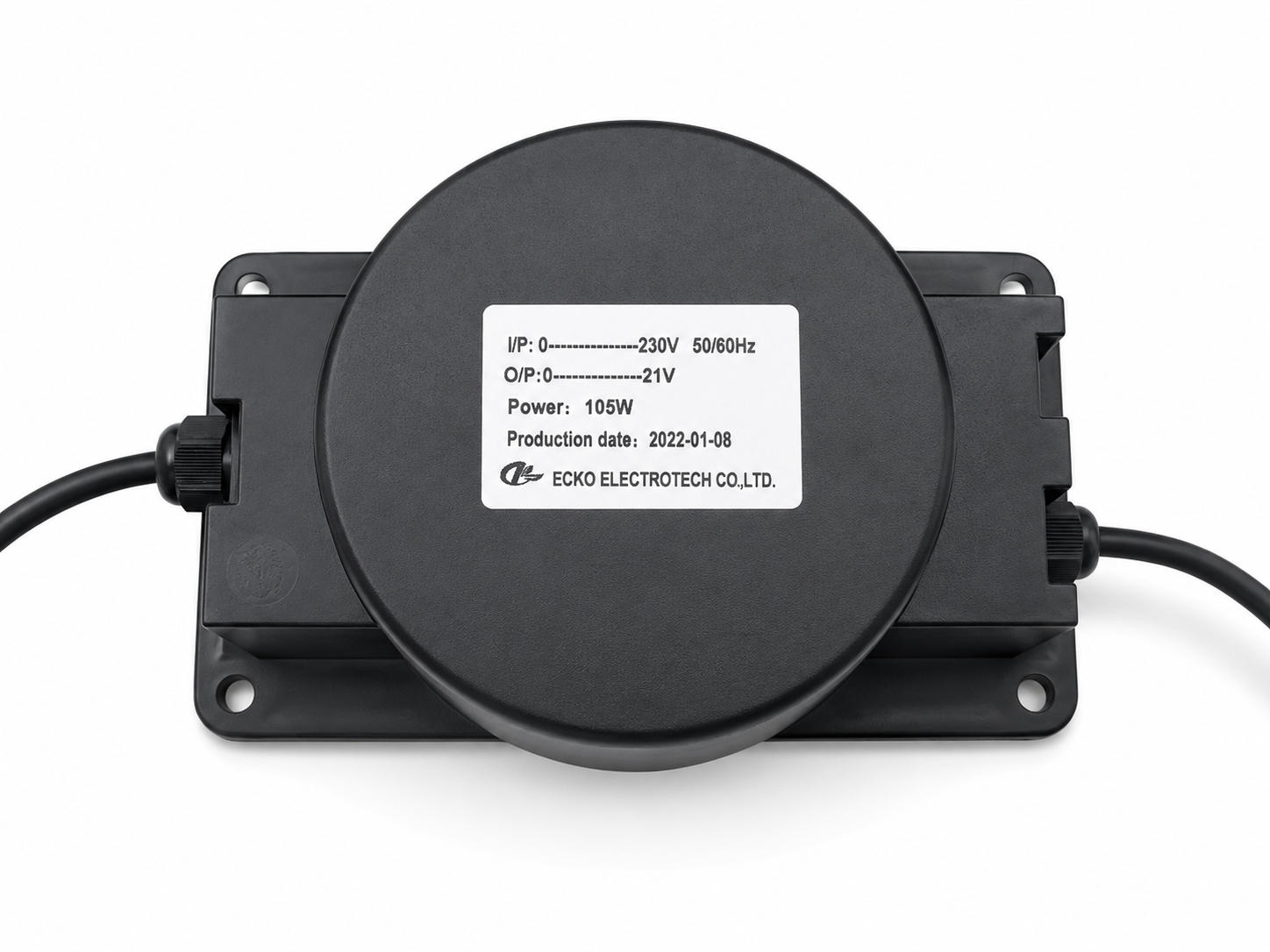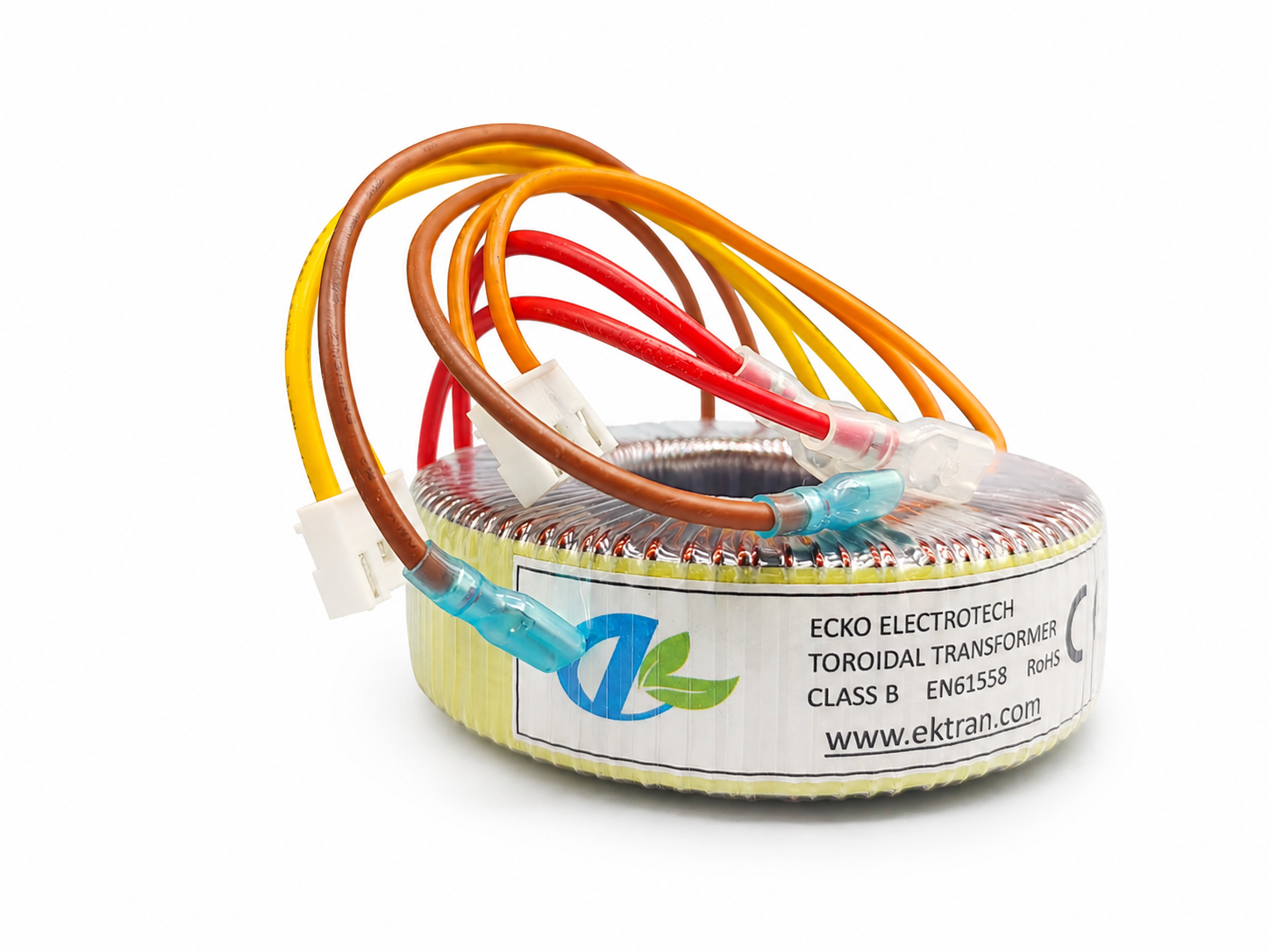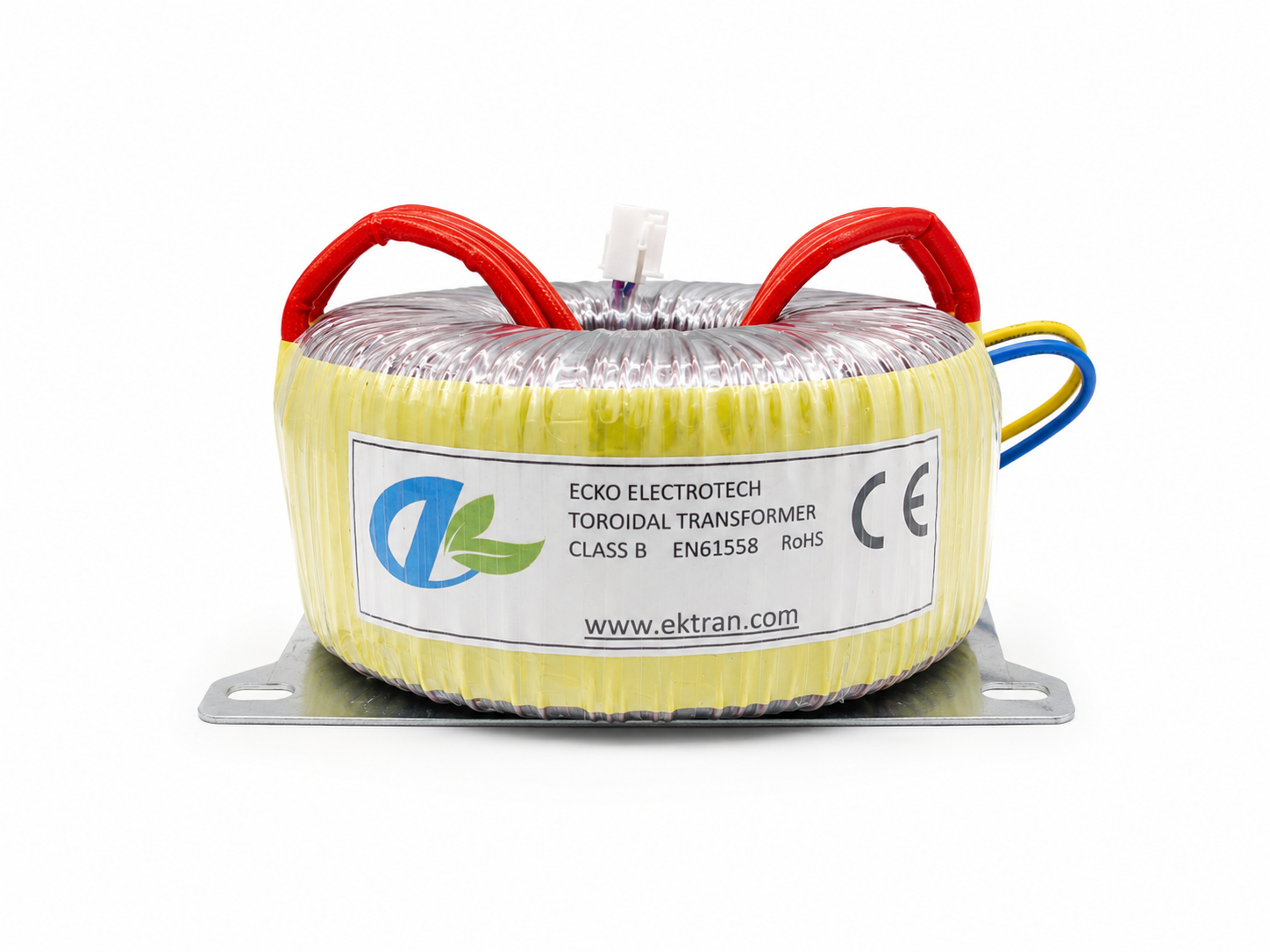
Esinduslik insenerilahendus, mis näitab, kuidas ECKO optimeeris automaatse liugukse uksesüsteemi jaoks transformaatori mõõtmeid, täispinge koormust ja pinge reguleerimist.
Üksus |
Projekti üksikasjad |
Rakendus |
Automaatne liugukse uksejuhtimisseade |
Muutuja tüüp |
Kohandatud madalaprofiilne toroidne transformaator |
Peamised probleemid |
Piiratud paigaldusruum ja ebakorrapärane ukse liikumine |
Elektriline mure |
Mootori käivitamisel, kiirendamisel ja suuna muutmisel toimuv pinge langus |
Inseneritöö fookus |
Transformaatori mõõtmed, tippvool, pinge reguleerimine ja soojuslik toimivus |
Projekti tulemus |
Tihedam paigaldus ja sujuvam, ühtlasem ukse liikumine |
Automaatukate tootja peadis paigaldama transformaatori, juhtseadme, mootorijuhtseadme ja turvakaablid kitsasse ukse ülaosas asuvasse seadmesse.
Algsel transformaatoril tekkis kaks peamist probleemi.
Esiteks võttis selle kõrgus ja üldmõõtmed liialt palju ruumi seadmesiseses korpuses. See vähendas juhtmete paigaldusvahet ja raskustas paigaldust ning hooldust.
Teiseks langes transformaatori väljundpinge, kui uksemootor nõudis suuremat voolu järgmistel juhtudel:
Pingelangus vähendas mootorijuhtseadmele saadaolevat võimsust. Selle tulemusena kiirendas uks aeglaselt ja ei säilitanud alati juhtseadmes programmeeritud liikumisprofiili.
Klient nõudis väiksemat transformaatorit, mis sobiks olemasolevasse korpusesse ning tagaks stabiilse uksetöö jaoks piisava pideva ja tippvõimsuse.
ECKO analüüsis nii automaatukate süsteemi mehaanilisi piiranguid kui ka tegelikku elektrikoormust.
Inseneriuuring hõlmas:
Ülevaatus näitas, et trafo oli varem valitud peamiselt mootori tavatöövoolu järgi. Käivitus- ja kiirendusfaasis nõutavat suuremat voolu ei olnud täielikult arvesse võetud.
Lisaks põhjustas originaalkeerdu takistus tipkoormuse korral liialt suurt sekundaarset pinge langust.
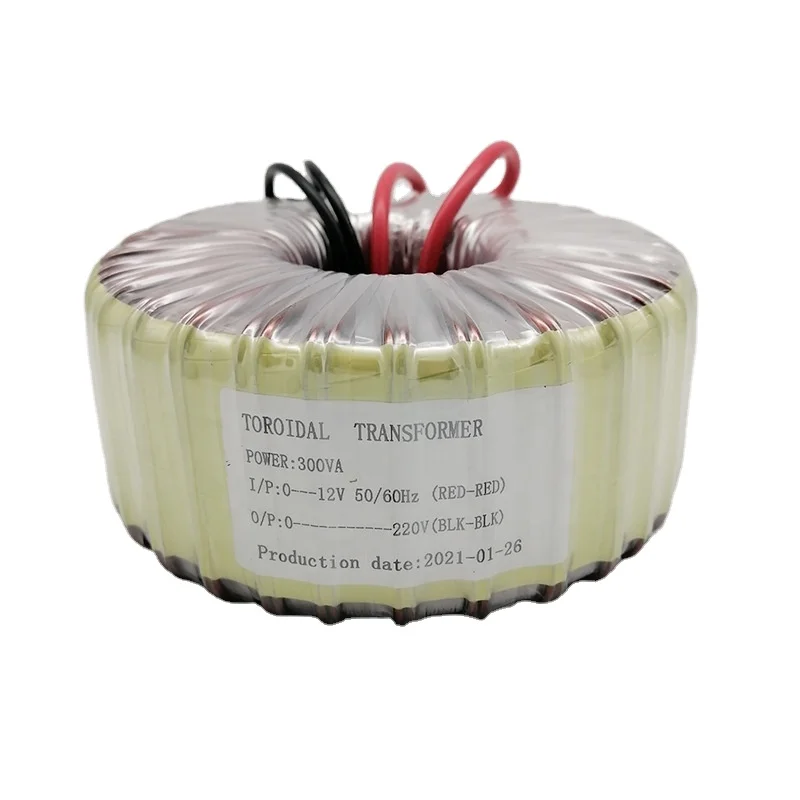
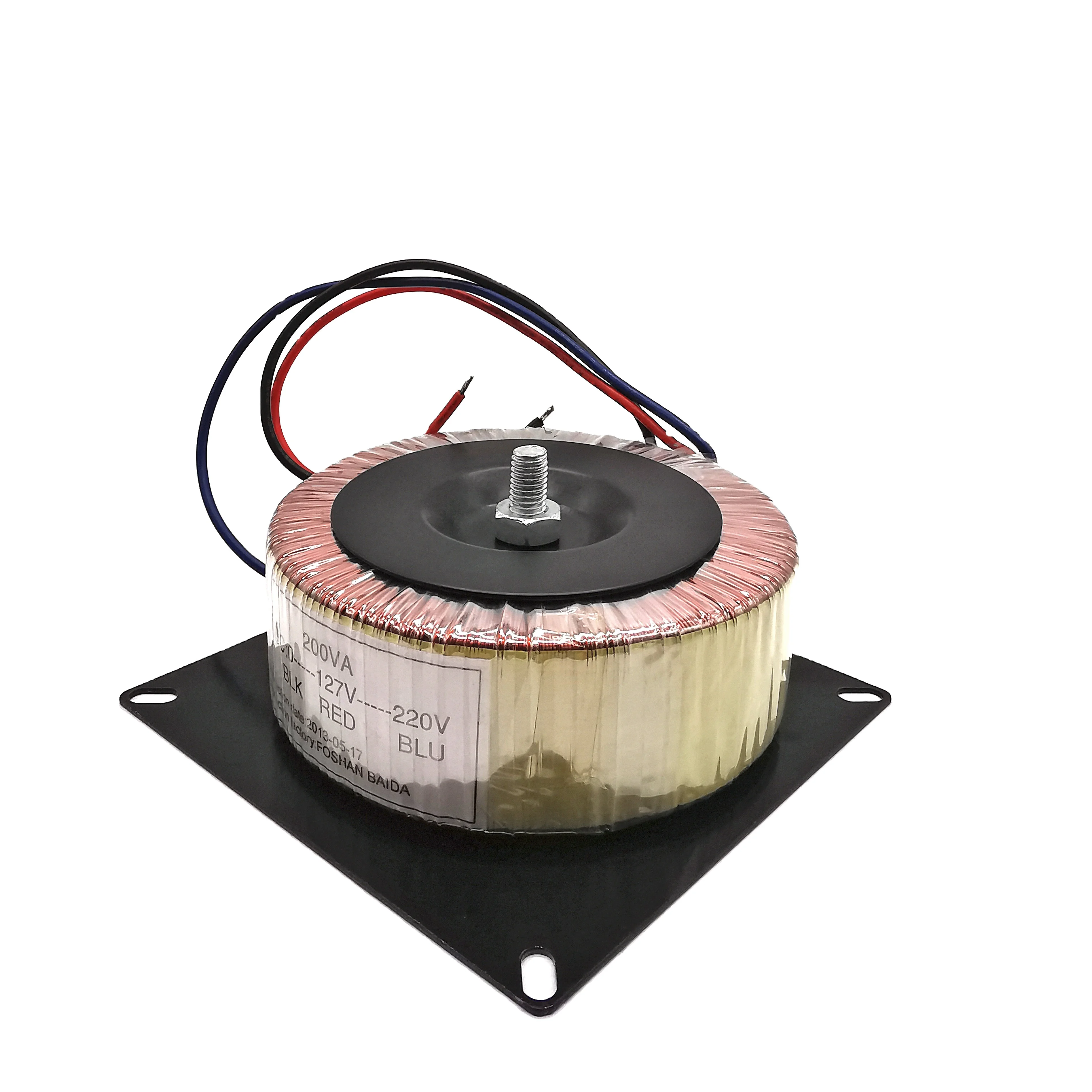
ECKO valis toroiskujulise südamikukonfiguratsiooni, mis tagas vajaliku võimsuse väiksema mehaanilise kõrgusega.
Transformaatori välimine läbimõõt, sisemine läbimõõt ja lõplik kõrgus optimeeriti olemasoleva paigaldusruumi järgi.
See võimaldas transformaatori paigutada olemasolevasse operaatori korpusesse, säilitades piisava vahemaa järgmiste elementide jaoks:
Kindla paigalduse tagamiseks määrati ka kohandatud monteerimisplaat, keskne pult, isoleeriv rõngas ja kummist padjad.
Transformaatorit ei projekteeritud ainult mootori pidevavõimsuse järgi.
ECKO arvestas ka:
Transformaatori VA-võimsus ja mähise juhtme läbimõõt kohandati, et tagada lühikeste tippkoormuste talumine ilma pinge kokkukukkumiseta või liialdatud soojenemiseta.
Sekundaarmähis optimeeriti sobiva vasemahutuse ja kontrollitud mähisete konstruktsiooniga.
Madalam mähise takistus aitas vähendada pingelangust, kui mootor nõudis suuremat voolu.
Parandatud pingereguleerimine tagas regulaatorile stabiilsema toitepinge kiirendamise, aeglustamise ja suunamuutuste ajal.
See võimaldas automaatukse uksel järgida juhtseadme poolt määratud liikumiskiirust ja kiirendusprofiili järjepideumaselt.
Kui vajalik, saab ECKO pakkuda eraldi sekundaarseid mähiseid järgmisteks otstarveteks:
Mootori ja juhtimisahela toiteallikate eraldamine aitab takistada ajutise mootorkoormuse tekitatud pingelangust tundliku elektroonikaga ahelates.
See on eriti kasulik automaatukse uksedega, millel on mitu sensorit, ligipääsujuhtimisseadmed või elektroonilised lukustussüsteemid.
Transformaatori juhtmete pikkus, värv, väljumiskoht ja ühendustüüp kohandati kliendi sisemise juhtmete paigutuse järgi.
See vähendas tarbetut kaablipikkust ja lihtsustas monteerimist piiratud korpuses.
Kohandamise võimalused hõlmavad:
Automaatsed uksed võivad teha päevas sada või tuhat töötsüklit. Seega tuleb transformaatorit projekteerida nii elektrilise koormuse kui ka töötsüklite sageduse jaoks.
ECKO analüüsis oodatavat töötsüklit ja kontrollis transformaatori temperatuuri korduvate avamise ja sulgemise tingimustes.
Sõltuvalt kasutusvaldkonnast võib transformaator sisaldada:
Madala kujuga toroidne transformaator tarniti sobiva paigaldussüsteemiga, et vältida liikumist ja vähendada vibratsiooni automaatse ukseniši sees.
Kummist isoleerivad padid ja isoleeritud keskpaigalduse komplekt aitasid takistada otseseid kokkupuuteid mähise ja metallkorpuse vahel.
Paigaldusmomendi reguleeriti ka üleliialise rõhu vältimiseks transformaatoril.
Hindamise punkt |
Eelmine transformaator |
ECKO kohandatud toroidne transformaator |
Paigaldusmõõt |
Kasutas liialt palju korpuse ruumi |
Madala kujuga disain saadaoleva korpusse |
Kaablite vaheline vahemaa |
Piiratud ja keeruline kokkupanemiseks |
Parandatud juhtmete ja ühenduste vaheline vahemaa |
Tippkoormuse pinge |
Märgatav pingelangus |
Stabiilsem pinge mootori kiirendamise ajal |
Ukse kiirendus |
Aeglane suurema koormuse korral |
Siledam reageerimine kontrolleri seadete kohaselt |
Liikumise ühtlus |
Kiirus muutub koormuse järgi |
Ühtlasem avamis- ja sulgemisliikumine |
Kontrolleri toide |
Mõjutatud mootori koormusest |
Valikuline eraldatud juhtimisahela keeramine |
Termilised omadused |
Kõrgem keermestuskaotus |
Optimeeritud vasiosa ja temperatuuri tõus |
Kokkupanek |
Pikk ja ülekoormatud juhtmete paigaldus |
Kohandatud juhtmed ja ühendused |
Kohandatud transformaatori prototüüp testiti enne kinnitamist elektriliselt, soojuslikult ja mehaaniliselt.
Kinnitamise protsess hõlmas:
Kliendil paigaldati prototüüp ka tegelikku automaatukse juhtimisseadmesse, et kontrollida sobivust, kaablite vaba ruumi ja liikumisomadusi.
Kohandatud toroidne transformaator paigaldati olemasolevasse juhtimispuhverisse ilma suuremate korpuse ümberkujundusteta.
Optimeeritud mähised ja võimsusreiting vähendasid sekundaarset pinge langust mootori käivitamise ja kiirendamise ajal. Juhtseade sai stabiilsema toitepinge, mis võimaldas uksele avaneda ja sulgeda sujuvamalt ning järgida programmeeritud liikumisprofiili järjepideumaselt.
Lõplik konstruktsioon tagas:
Heakskiiratud joonised, paigaldusjoonised, materjalid ja testipiirangud dokumenteeriti, et tagada korduv OEM-tootmine.
Transformaator ei määra otseselt automaatukate maksimaalset liikumiskiirust. Lõppkiirust reguleerib mootor, juhtseade, kontrolleri seaded ja mehaaniline süsteem.
Siiski võib liiga väike transformaator või liialdatud sekundaarne pinge langus takistada mootorikontrolleril programmeeritud kiiruse saavutamist.
Õigesti projekteeritud transformaator tagab stabiilse pingetase ja piisava tippvoolu, et mootor ja kontroller saaksid töötada nii, nagu on ette nähtud.
Kohandatud toroidne muud, kuid mitte rohkem kui 10 kW pakuvad mitmeid eeliseid automaatukate süsteemidele:
Neid saab kasutada järgmistes kohtades:
Sobiva toroidse transformaatori projekteerimiseks palume esitada järgmist teavet:
Transformaator ei saa üle kirjutada juhtseadme kiiruse seadistust. Kui aga olemasoleval transformaatoril on liiga väike võimsus või liiga suur pinge langus, siis õigesti projekteeritud transformaator aitab mootoril programmitud kiirust jõuda stabiilsemalt.
Transformaatori võimsus tuleb arvutada mootori pideva voolu, käivitusvoolu, tipptäiskiirendusvoolu, töötsüklite ja juhtseadme ning lisaseadmete jaoks vajaliku võimsuse alusel.
ECKO saab kohandada välimist läbimõõtu, sisemist läbimõõtu ja lõplikku kõrgust vastavalt automaatukäigu juhtseadmes saadaolevale ruumile.
Mitmeid eraldatud sekundaarsete mähisteid saab projekteerida mootorijuhtimise, juhtseadmete, sensorite, juurdepääsujuhtimissüsteemi ja muude abiseadmete jaoks.
Kliendid saavad esitada olemasoleva transformaatori, joonise, ühendusdiagrammi või elektrilise spetsifikatsiooni. ECKO saab läbi vaadata originaalprojektu ja pakkuda parandusi suuruse, pinge reguleerimise, temperatuuri tõusu ja tippkoormuse jõudluse osas.
ECKO pakub kohandatud toroidseid transformaatoreid automaatukatele, liftidele, rulltreppidele, juurdepääsujuhtimisseadmetele ja tööstusukate süsteemidele.
Meie inseneritugi hõlmab spetsifikatsioonide läbivaatamist, mõõtmete projekteerimist, tippkoormuse analüüsi, prototüübi tootmist, testimist, jooniste heakskiitmist ja korduvat OEM-tarnet.
Saadake meile oma saadaolevad paigaldusmõõdud, mootorite tehnilised andmed, sisend- ja väljundpinged ning ukse töötamise nõuded. Meie insenerite meeskond hindab rakendust ja soovitab sobiva transformaatori lahenduse.
Kas teile on vaja väiksemat transformaatorit või stabiilsemat toiteautomaatukse süsteemile?
Saadake oma transformaatori joonis, mootoriparameetrid ja paigaldusmõõdud ECKO-le kohandatud inseneriuuringu tegemiseks.
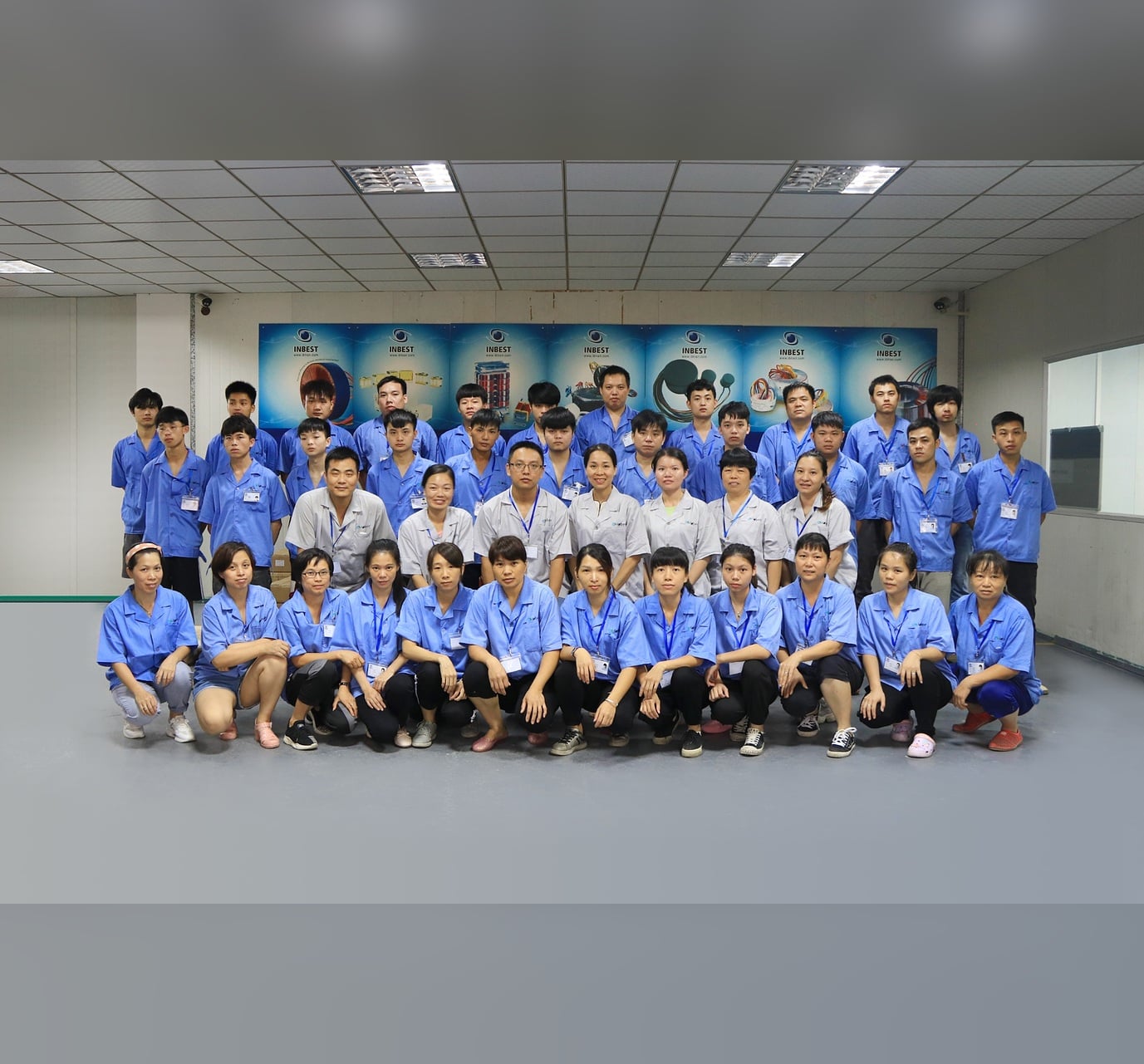

ECKO ELECTROTECH CO.,LTD pakub kõrgekvaliteedilisi kohandatud transformaatoreid ja mähiseid tööstuslike, meditsiiniliste ja taastuvenergia rakenduste jaoks. Üle 20 aasta kogemust, ISO9001, CE, cUL/UL sertifitseeritud. Kogu maailmas kohaletoimetamine koos 24-kuulise garantiiga. Võtke meiega täna ühendust.
 EN
EN