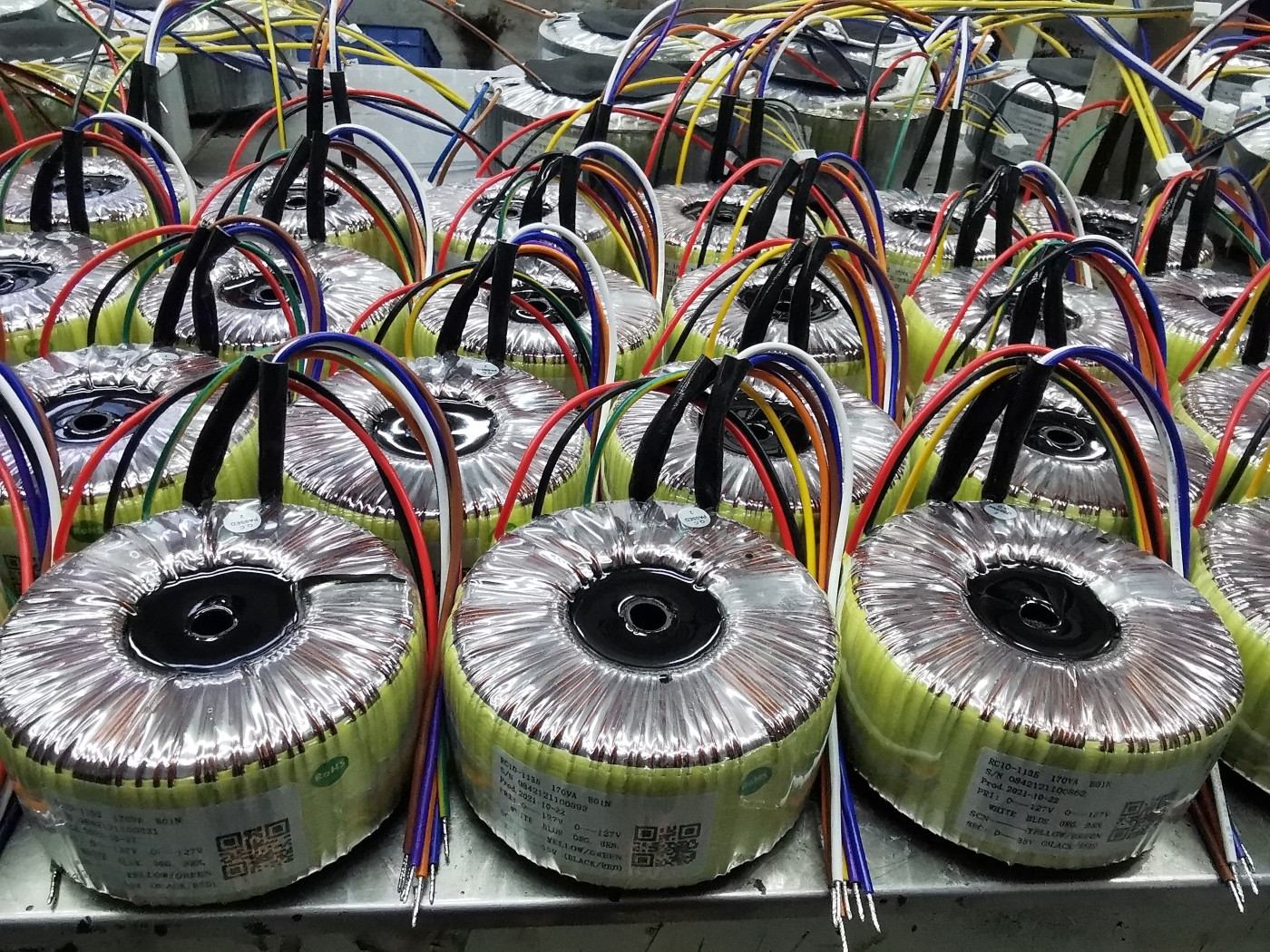
Why OEM Buyers Choose ECKO for Waterproof Transformer Projects
Application-Based Engineering
We review the load type, duty cycle, cable distance, ambient temperature, installation zone and target safety requirements before finalizing the transformer. This helps avoid incorrect VA selection, excessive temperature rise and unstable output voltage.
Electrical and Mechanical Design in One Project
The transformer winding, magnetic core, enclosure, resin, cable gland and mounting structure are developed as one complete assembly. This is especially important when IP protection and thermal performance must be achieved at the same time.
Controlled Design Documentation
Input, output, wire size, protection components, dimensions, cable pinout and label information are recorded in the approved drawing. Engineering changes can therefore be reviewed and controlled before they enter production.
Waterproofing Beyond an Outer Coating
A reliable waterproof design depends on the resin, housing, cable jacket, cable entry, strain relief, curing process and installation method. ECKO evaluates these details instead of relying only on an external waterproof label.
Prototype and Production Capability
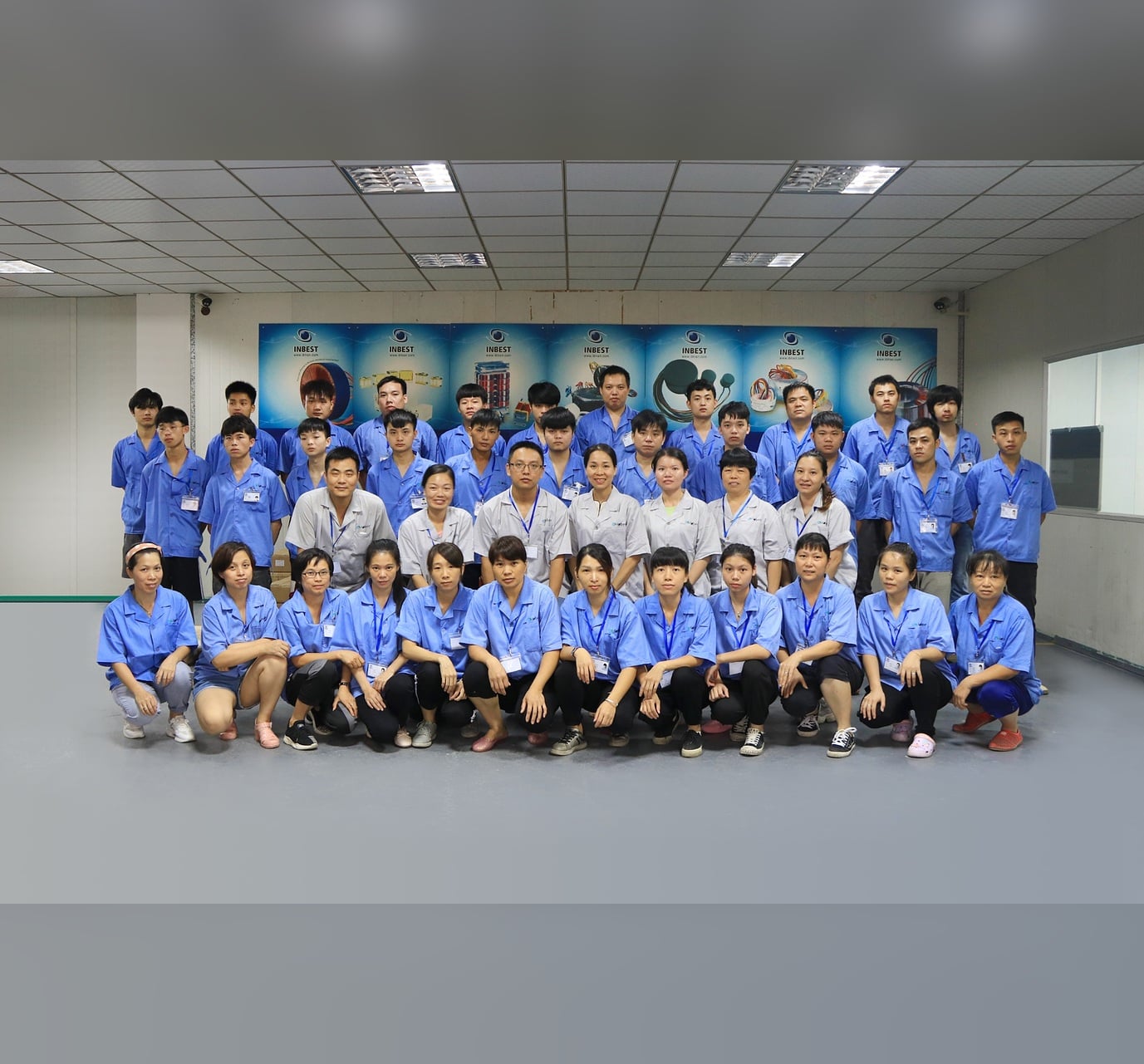
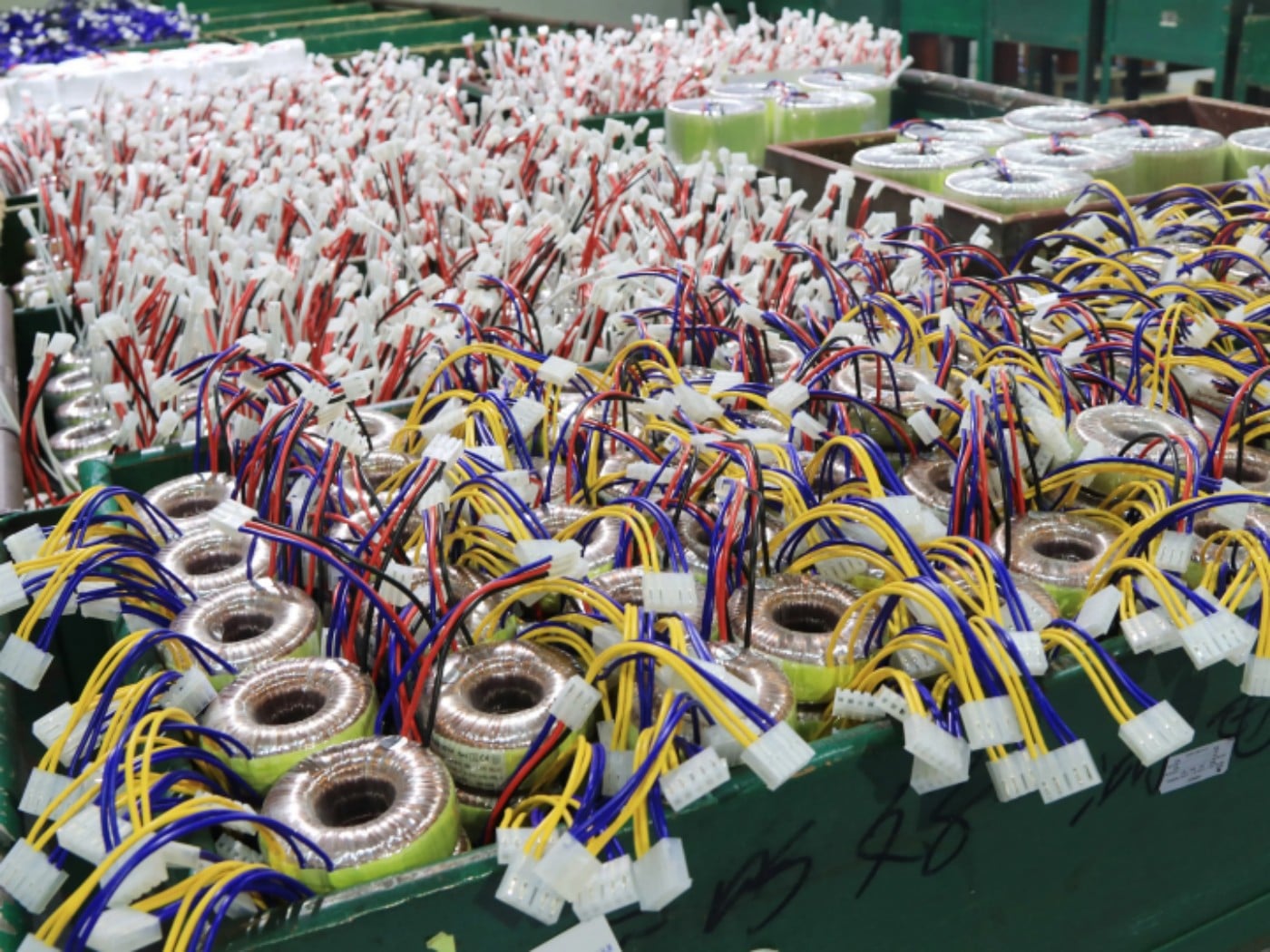
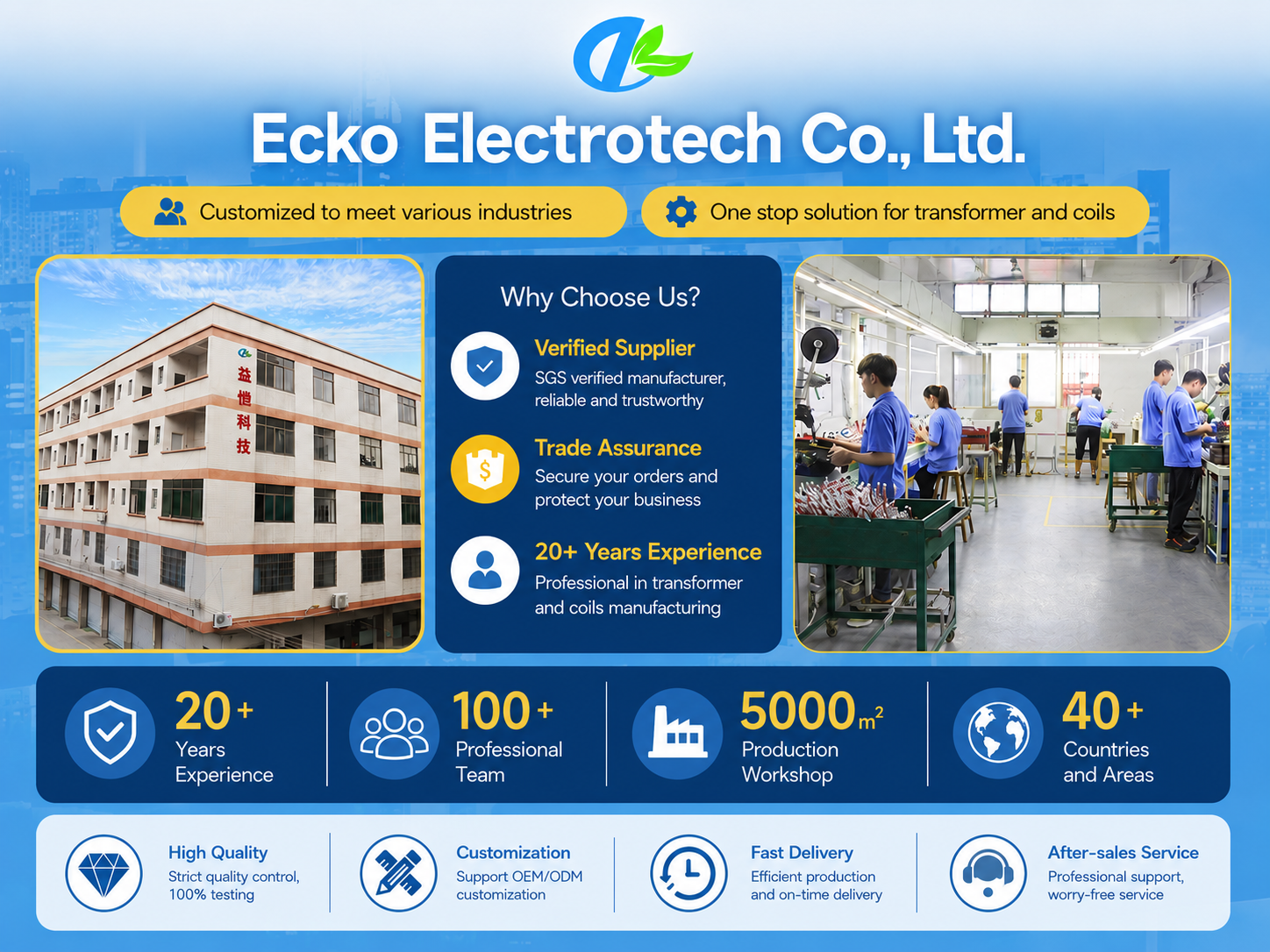
Established in 2000, ECKO operates three workshops covering approximately 5,000 square metres with 150 skilled workers and annual capacity of around one million wound-component products Prototype lead time can be as fast as 1–3 days when the required materials are available.
Technical Support from Sample to Mass Production
Customers can confirm electrical performance, dimensions, cable assembly, label and installation fit with a prototype before production. Inspection requirements and project-specific test reports can be agreed during sample approval.
Quality Testing
Waterproof Transformer Inspection and Validation
Routine electrical tests and design-validation tests serve different purposes. The final test limits and inspection frequency should be recorded in the approved specification or Control Plan.
| Test Item |
Purpose |
Recommended Frequency |
| Visual and Dimensional Inspection |
Confirms housing, label, cable, mounting and workmanship |
100% |
| Winding Continuity |
Detects open circuits and incorrect connections |
100% |
| Turns Ratio / No-Load Voltage |
Confirms input-to-output voltage ratio |
100% |
| No-Load Current |
Checks magnetic design and assembly consistency |
Routine or agreed sampling |
| Winding Resistance |
Verifies winding consistency and conductor condition |
Routine or agreed sampling |
| Hi-Pot Test |
Verifies dielectric isolation between windings and accessible parts |
100% when included in the approved Control Plan |
| Insulation Resistance |
Checks insulation condition and moisture-related leakage |
Routine or agreed sampling |
| Ground Continuity |
Confirms protective earth connection on applicable metal housings |
100% where applicable |
| Load Voltage Test |
Confirms output voltage under the specified load |
Sample and lot verification |
| Temperature-Rise Test |
Validates thermal performance at rated load and ambient condition |
Design validation or type test |
| Thermal Protector Test |
Confirms the selected protector and trip requirements |
Component and sample verification |
| IP / Water-Ingress Test |
Validates the complete enclosure and cable-entry design |
Type test or project-defined sampling |
| Potting and Curing Inspection |
Checks resin fill, surface condition and curing consistency |
Visual inspection plus batch control |
| Final Functional Test |
Confirms correct wiring, polarity and operating performance |
100% or agreed Control Plan |
Quality Statement:
Every shipment follows the approved product specification. Test records, inspection reports or project-specific validation data can be discussed during the quotation and sample-approval stage.
From Application Requirements to Production-Ready Waterproof Transformer
Step 1 — Application Review
Send the input voltage, output voltage, rated current, load type, cable distance, ambient temperature, IP requirement and installation information.
Step 2 — Engineering Evaluation
ECKO evaluates transformer capacity, winding design, voltage regulation, temperature rise, insulation, protection components, enclosure and cable assembly.
Step 3 — Quotation and Drawing
You receive a commercial quotation together with the proposed electrical and mechanical specification. Key parameters are confirmed before prototype production.
Step 4 — Prototype Manufacturing
A custom sample is manufactured using the agreed materials and construction. Sample lead time can be as fast as 1–3 days for suitable projects with available materials.
Step 5 — Sample Verification
The customer checks electrical performance, dimensions, mounting, cable connections and operation with the actual equipment. Any required changes are reviewed before approval.
Step 6 — Pilot Run and Mass Production
After sample approval, production follows the confirmed drawing, materials and inspection requirements. A pilot quantity can be arranged when additional validation is required.
Step 7 — Final Inspection and Delivery
Finished products are inspected and packed according to the agreed specification. Carton, pallet, private-label packaging and export documentation can be customized.
Waterproof Transformers FAQ
1. What protection components can be included?
Options include a thermal fuse, self-resetting thermal protector, primary fuse and secondary fuse. The selected protection must match the transformer, load, wiring and upstream circuit breaker.
2. What is the typical temperature rise?
Temperature rise depends on VA rating, winding design, enclosure, potting material, ambient temperature, installation space and duty cycle. ECKO can design to an agreed temperature-rise target and validate it on the sample under specified conditions.
3. Does epoxy potting guarantee that the transformer will never fail from water?
Epoxy encapsulation significantly improves resistance to moisture and vibration, but the complete protection also depends on cable entries, connectors, housing seals, thermal cycling, chemicals and installation method. The full assembly must be evaluated.
4. Can the transformer be used near salt water or chlorine?
It may be possible with suitable housing, cable, connector and resin materials. Salt concentration, chlorine exposure, chemicals, UV exposure and expected service life should be provided for engineering evaluation.
5. Do you perform 100% Hi-Pot testing?
ECKO can perform 100% routine Hi-Pot testing according to the approved voltage, duration, leakage-current limit and Control Plan. The exact test conditions should be recorded in the product specification.
6. Can the waterproof transformer work with timers, photocells or dimmers?
Timers and photocells are generally installed on the input side, but their contact rating and switching behavior must match the transformer’s inrush current. Dimmer compatibility depends on the dimmer type, transformer design and connected load and must be confirmed before production.
7. Can you reduce transformer inrush current?
Inrush can be reduced through magnetic design, controlled operating flux, switching strategy or external components such as an NTC or soft-start circuit. Please provide the circuit breaker type, switching device and maximum acceptable startup current.
8. Can you reproduce an existing waterproof transformer?
Yes. Please provide the original label, input and output information, dimensions, wiring diagram, cable details, application and photos. A physical sample is recommended when the original specification is incomplete.
9. What certifications can be provided?
Certification depends on the final model, insulation system, materials, target country and application. ECKO can support CE, RoHS, CQC or UL-oriented project requirements, but the applicable certificate and model scope should be verified before publication or ordering.
10. What information is required for a quotation?
Please provide input voltage, frequency, output voltage, output current or VA, load type, ambient temperature, IP requirement, dimensions, mounting, cable details, target standard, order quantity and annual demand.
 EN
EN