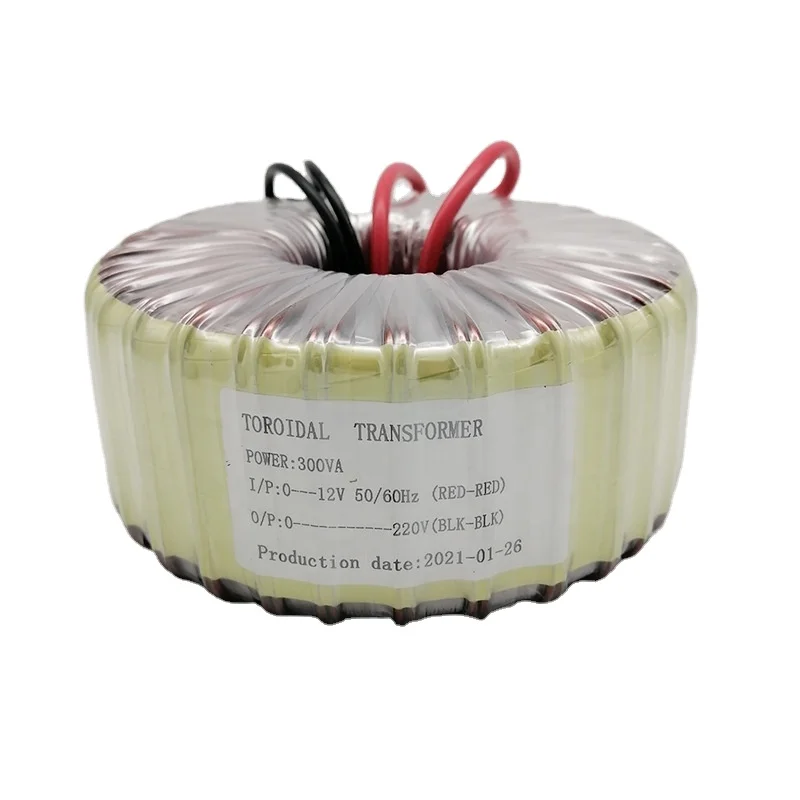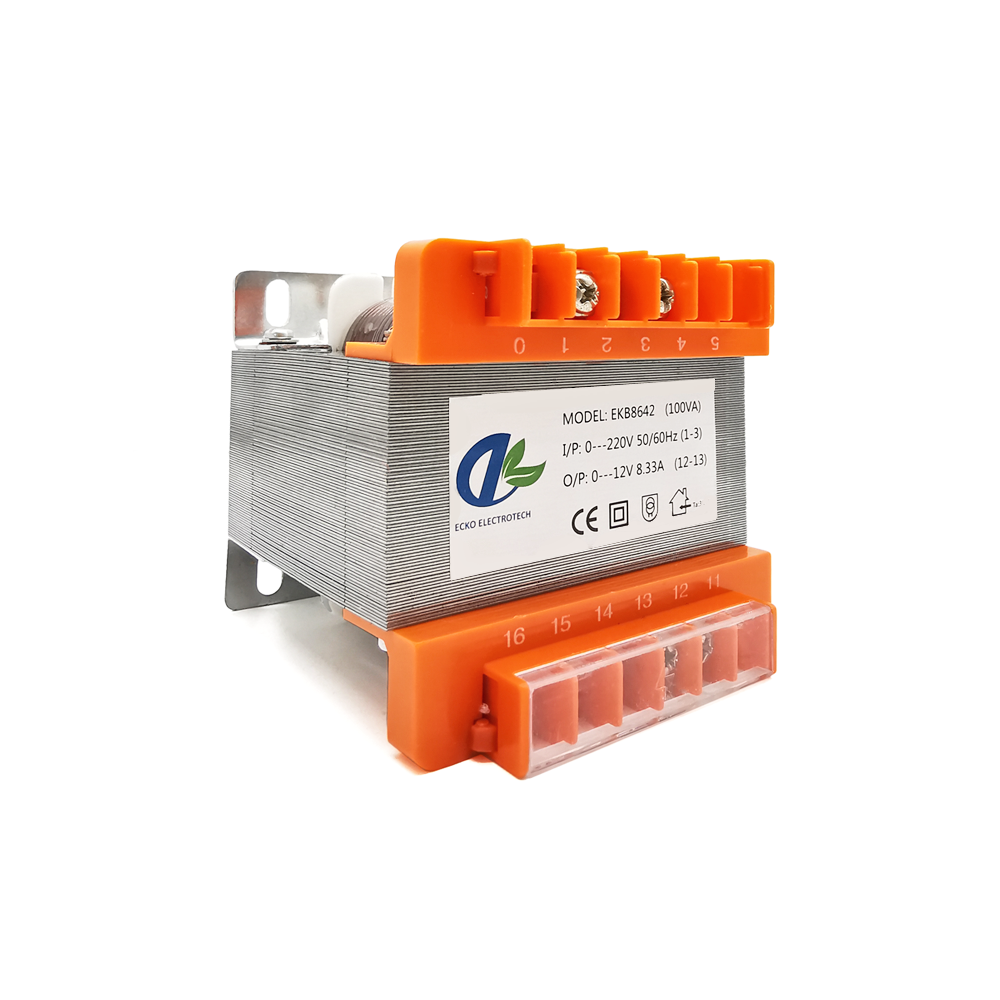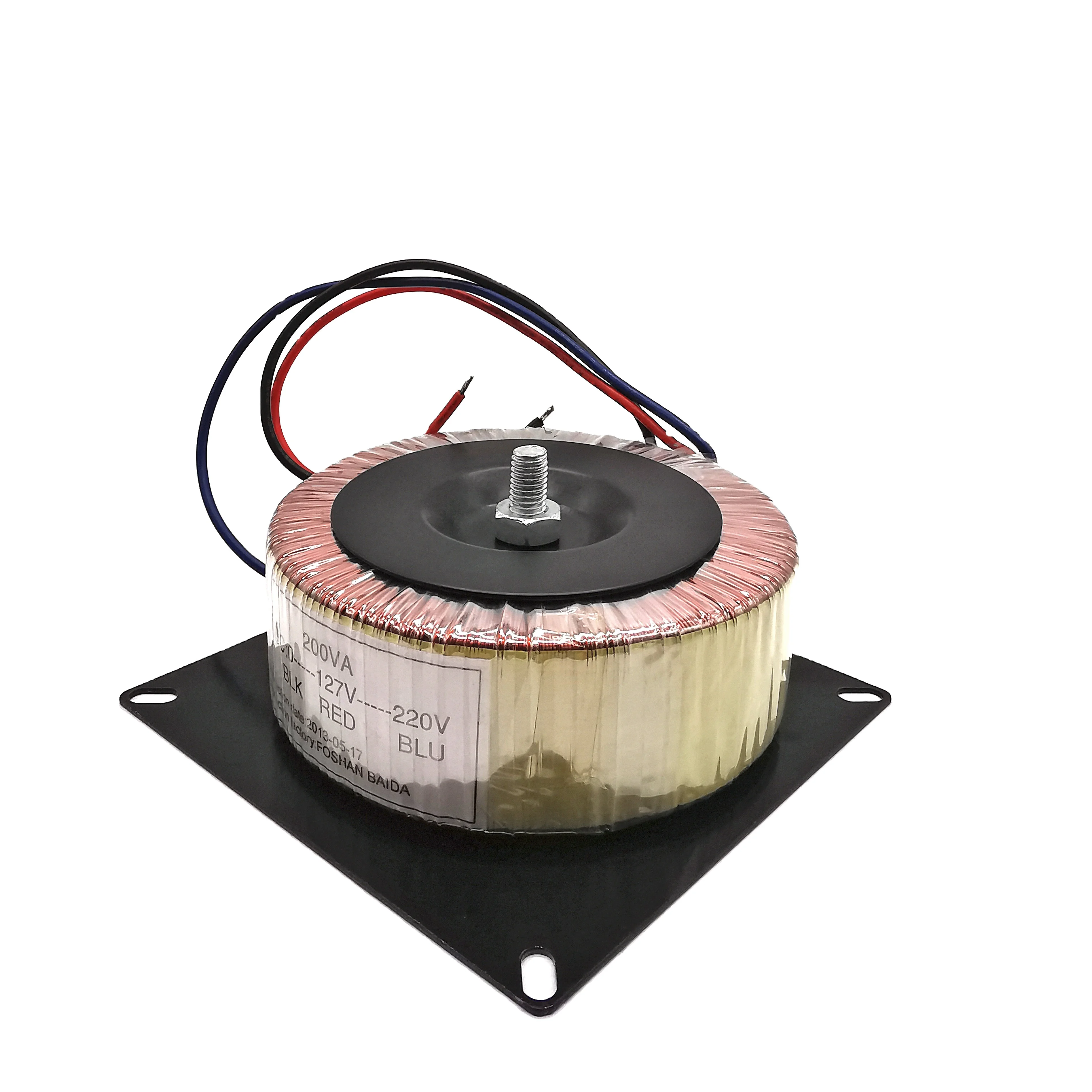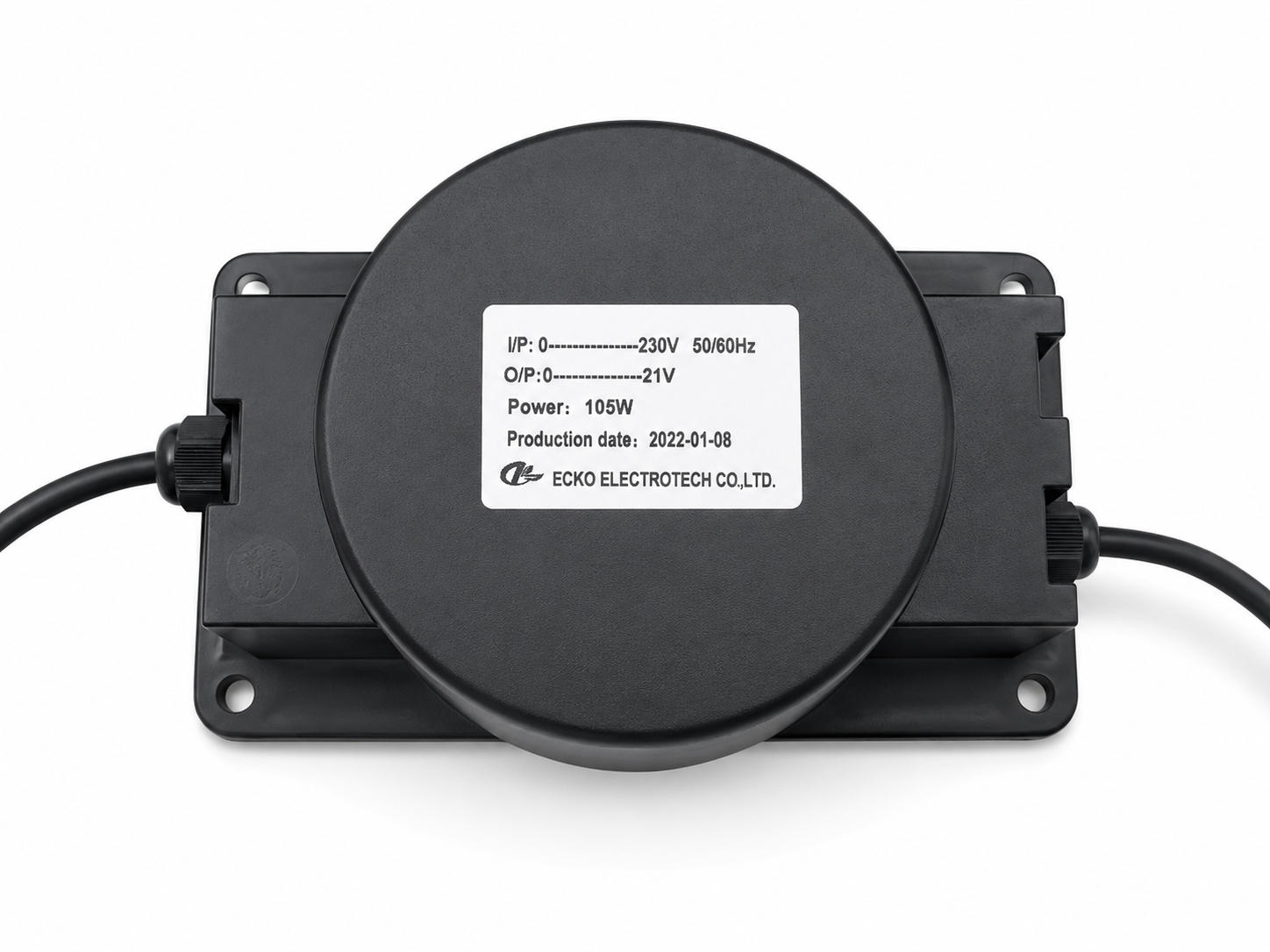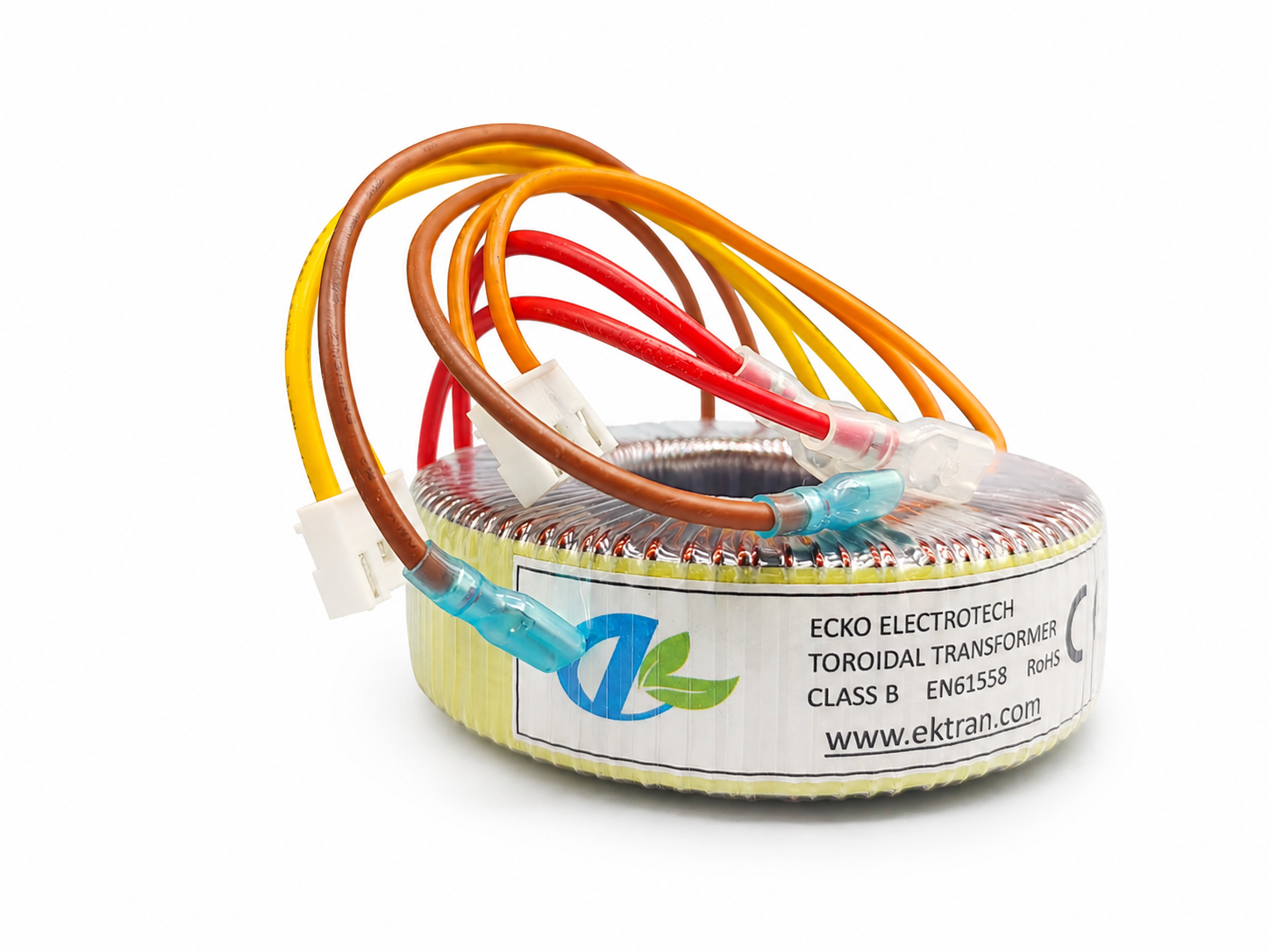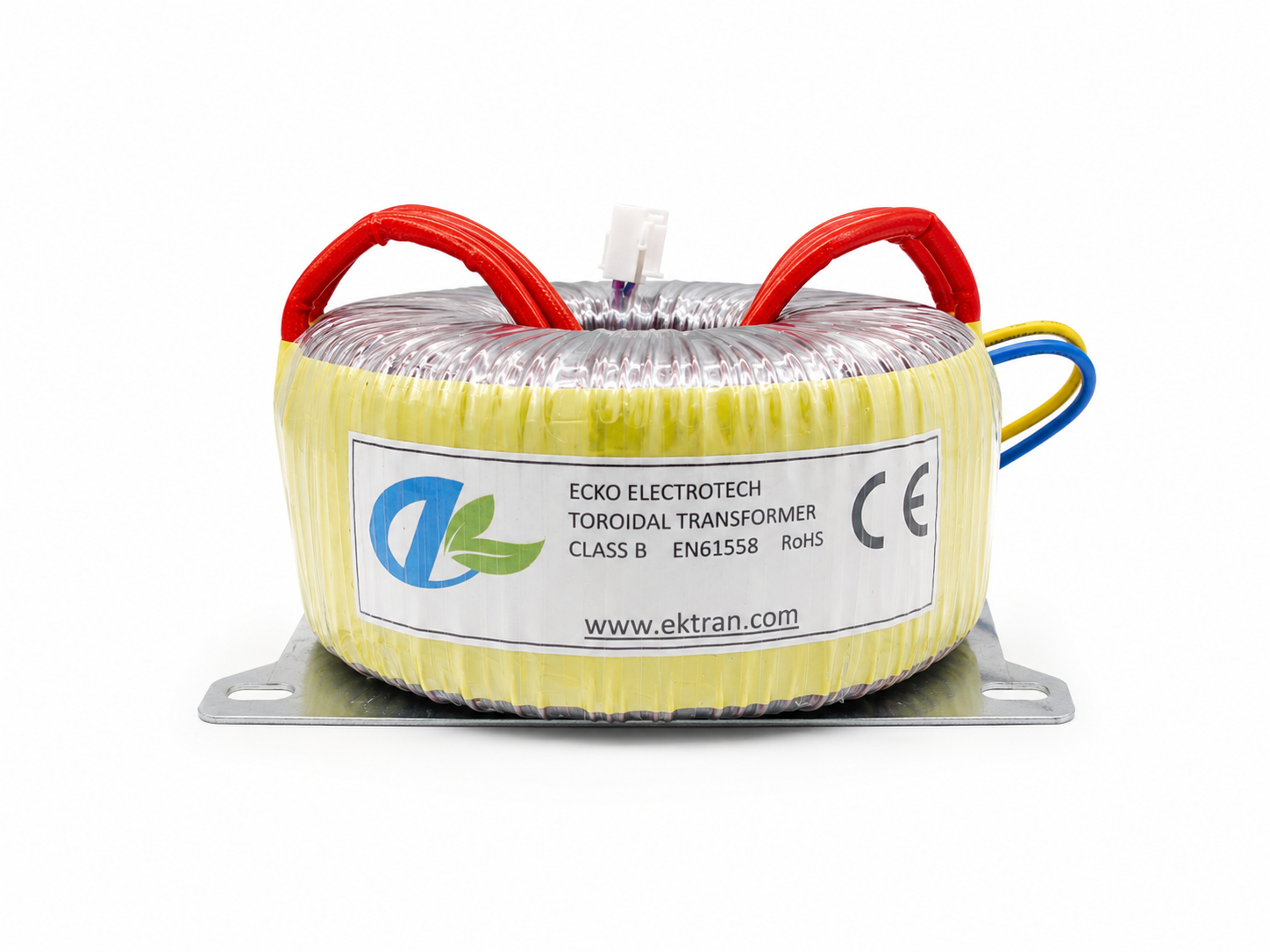
A representative engineering case showing how ECKO optimized transformer dimensions, peak-load capability and voltage regulation for an automatic sliding door system.
Item |
Project Details |
Application |
Automatic sliding door operator |
Transformer Type |
Custom low-profile toroidal transformer |
Main Problems |
Limited installation space and inconsistent door movement |
Electrical Concern |
Voltage drop during motor starting, acceleration and direction changes |
Engineering Focus |
Transformer dimensions, peak current, voltage regulation and thermal performance |
Project Result |
More compact installation and smoother, more consistent door movement |
The automatic door manufacturer needed to install the transformer, controller, motor driver and safety connections inside a narrow operator housing above the door.
The original transformer created two main problems.
First, its height and overall dimensions occupied too much space inside the enclosure. This reduced wiring clearance and made installation and maintenance more difficult.
Second, the transformer output voltage dropped when the door motor required higher current during:
The voltage drop reduced the power available to the motor controller. As a result, the door accelerated slowly and did not always maintain the movement profile programmed in the controller.
The customer required a smaller transformer that could fit the existing housing while providing sufficient continuous and peak power for stable door operation.
ECKO reviewed both the mechanical limitations and the actual electrical load of the automatic door system.
The engineering review covered:
The review showed that the transformer had previously been selected mainly according to the motor’s normal operating current. The higher current required during starting and acceleration had not been fully considered.
In addition, the original winding resistance caused excessive secondary voltage drop under peak load.
ECKO selected a toroidal core configuration that provided the required power within a lower mechanical profile.
The transformer’s outer diameter, inner diameter and finished height were optimized according to the available installation space.
This allowed the transformer to fit inside the existing operator housing while maintaining sufficient clearance for:
A customized mounting plate, center bolt, insulation washer and rubber pads were also specified for secure installation.
The transformer was not designed only according to the motor’s continuous power.
ECKO also considered:
The transformer VA rating and winding conductor size were adjusted to support short-duration peak loads without unnecessary voltage collapse or excessive temperature rise.
The secondary winding was optimized with an appropriate copper cross-section and controlled winding construction.
Lower winding resistance helped reduce voltage drop when the motor required higher current.
The improved voltage regulation provided the controller with a more stable power supply during acceleration, deceleration and direction changes.
This allowed the automatic door to follow the movement speed and acceleration profile set by the controller more consistently.
Where required, ECKO can provide separate secondary windings for:
Separating the motor and control-circuit power supplies helps prevent a temporary motor load from pulling down the voltage supplied to sensitive electronic circuits.
This is especially useful for automatic doors with multiple sensors, access control devices or electronic locking systems.
The transformer lead length, color, exit position and connector type were customized according to the customer’s internal wiring layout.
This reduced unnecessary cable length and simplified assembly inside the limited enclosure.
Available customization includes:
Automatic doors may perform hundreds or thousands of operating cycles per day. The transformer must therefore be designed for both electrical load and operating frequency.
ECKO reviewed the expected duty cycle and verified the transformer temperature under repeated opening and closing conditions.
Depending on the application, the transformer can include:
The low-profile toroidal transformer was supplied with a suitable mounting system to prevent movement and reduce vibration inside the automatic door housing.
Rubber isolation pads and an insulated center mounting assembly helped prevent direct contact between the winding and metal enclosure.
The mounting torque was also controlled to avoid excessive pressure on the transformer.
Evaluation Item |
Previous Transformer |
ECKO Custom Toroidal Transformer |
Installation Size |
Occupied excessive enclosure space |
Low-profile design for available housing |
Cable Clearance |
Limited and difficult to assemble |
Improved wiring and connector clearance |
Peak-Load Voltage |
Noticeable voltage drop |
More stable voltage during motor acceleration |
Door Acceleration |
Slow under higher load |
Smoother response according to controller settings |
Movement Consistency |
Speed varied with load |
More consistent opening and closing movement |
Controller Supply |
Affected by motor load |
Optional separated control-circuit winding |
Thermal Performance |
Higher winding loss |
Optimized copper section and temperature rise |
Assembly |
Long and congested wiring |
Customized leads and connectors |
The customized transformer prototype was tested electrically, thermally and mechanically before approval.
The verification process included:
The customer also installed the prototype in the actual automatic door operator to verify fit, cable clearance and movement performance.
The customized toroidal transformer fitted inside the existing operator housing without requiring a major enclosure redesign.
The optimized winding and power rating reduced secondary voltage drop during motor starting and acceleration. The controller received a more stable power supply, allowing the door to open and close more smoothly and follow the programmed movement profile more consistently.
The final design provided:
Approved drawings, wiring diagrams, materials and test limits were documented to support repeatable OEM production.
The transformer does not directly determine the maximum movement speed of an automatic door. Final speed is controlled by the motor, driver, controller settings and mechanical system.
However, an undersized transformer or excessive secondary voltage drop can prevent the motor controller from achieving the programmed speed.
A properly designed transformer provides stable voltage and sufficient peak current so that the motor and controller can operate as intended.
Custom toroidal transformers offer several advantages for automatic door systems:
They can be used in:
To design a suitable toroidal transformer, please provide:
The transformer cannot override the speed setting of the controller. However, if the existing transformer has insufficient power or excessive voltage drop, a correctly designed transformer can help the motor reach the programmed speed more consistently.
Transformer power should be calculated using the motor’s continuous current, starting current, peak acceleration current, operating duty cycle and the power required by the controller and accessories.
ECKO can customize the outer diameter, inner diameter and finished height according to the available space inside the automatic door operator.
Multiple isolated secondary windings can be designed for the motor drive, controller, sensors, access control system and other auxiliary equipment.
Customers can provide an existing transformer, drawing, wiring diagram or electrical specification. ECKO can review the original design and propose improvements for size, voltage regulation, temperature rise and peak-load performance.
ECKO provides custom toroidal transformers for automatic doors, lifts, escalators, access control equipment and industrial door systems.
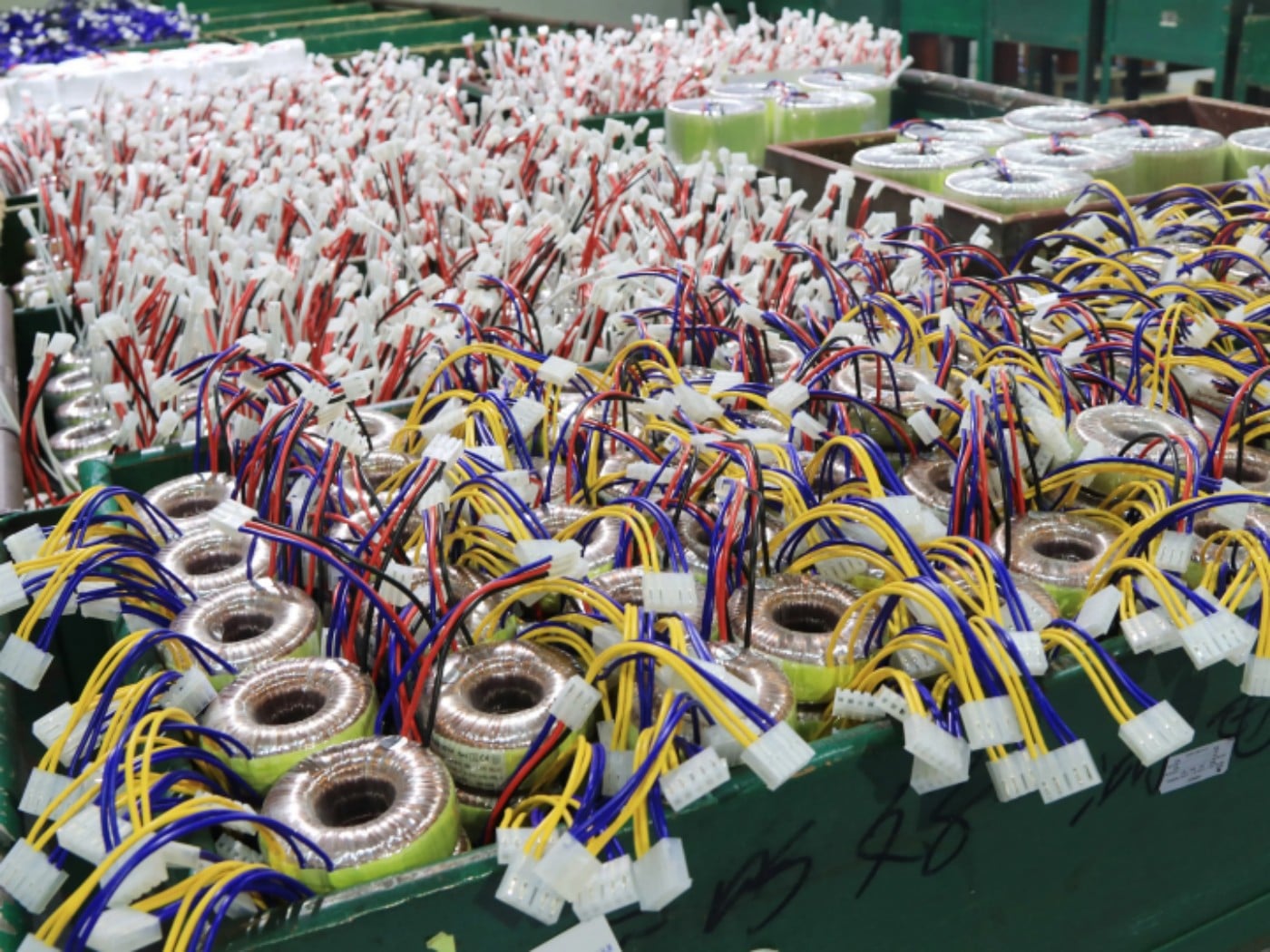
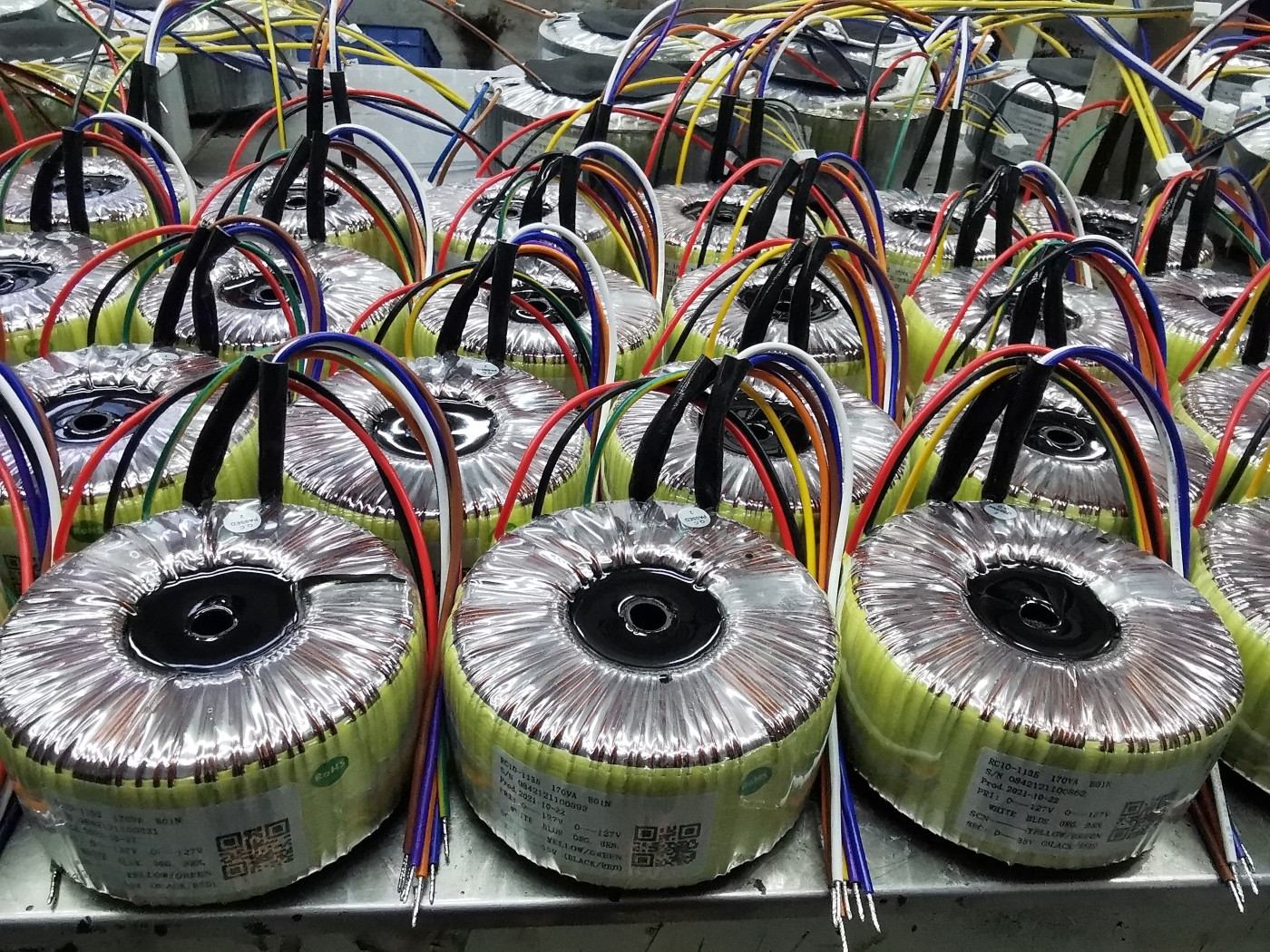
Our engineering support includes specification review, dimensional design, peak-load analysis, prototype production, testing, drawing approval and recurring OEM supply.
Send us your available installation dimensions, motor specifications, input and output voltages and door operating requirements. Our engineering team will evaluate the application and recommend a suitable transformer solution.
Need a smaller transformer or more stable power for your automatic door system?
Send your transformer drawing, motor parameters and installation dimensions to ECKO for a customized engineering review.
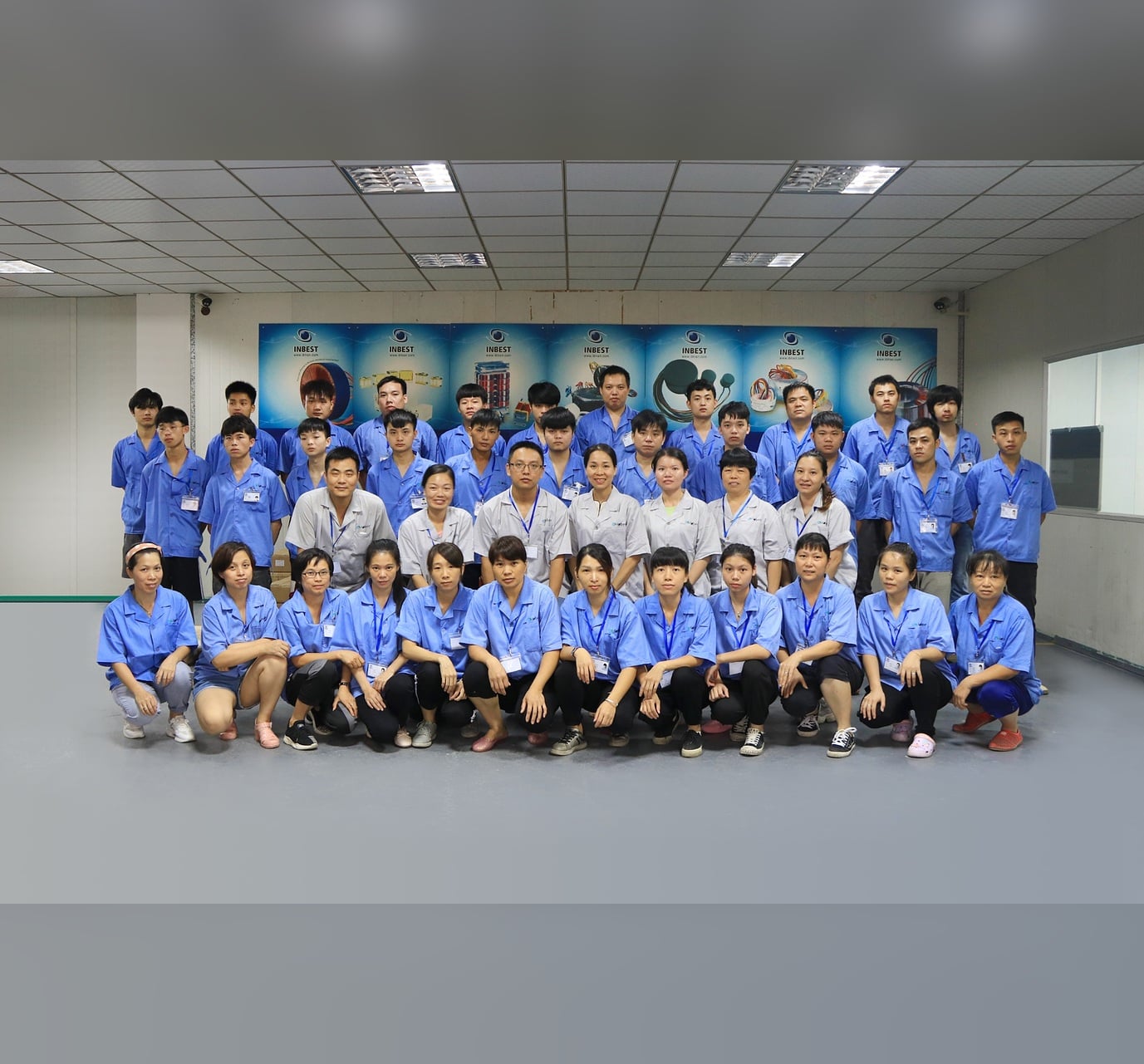

ECKO ELECTROTECH CO.,LTD provides high-quality custom transformers and wound components for industrial, medical, and renewable energy applications. 20+ years of expertise, ISO9001, CE, cUL/UL certified. Global delivery with 24-month warranty. Contact us today.
 EN
EN