EN
EN

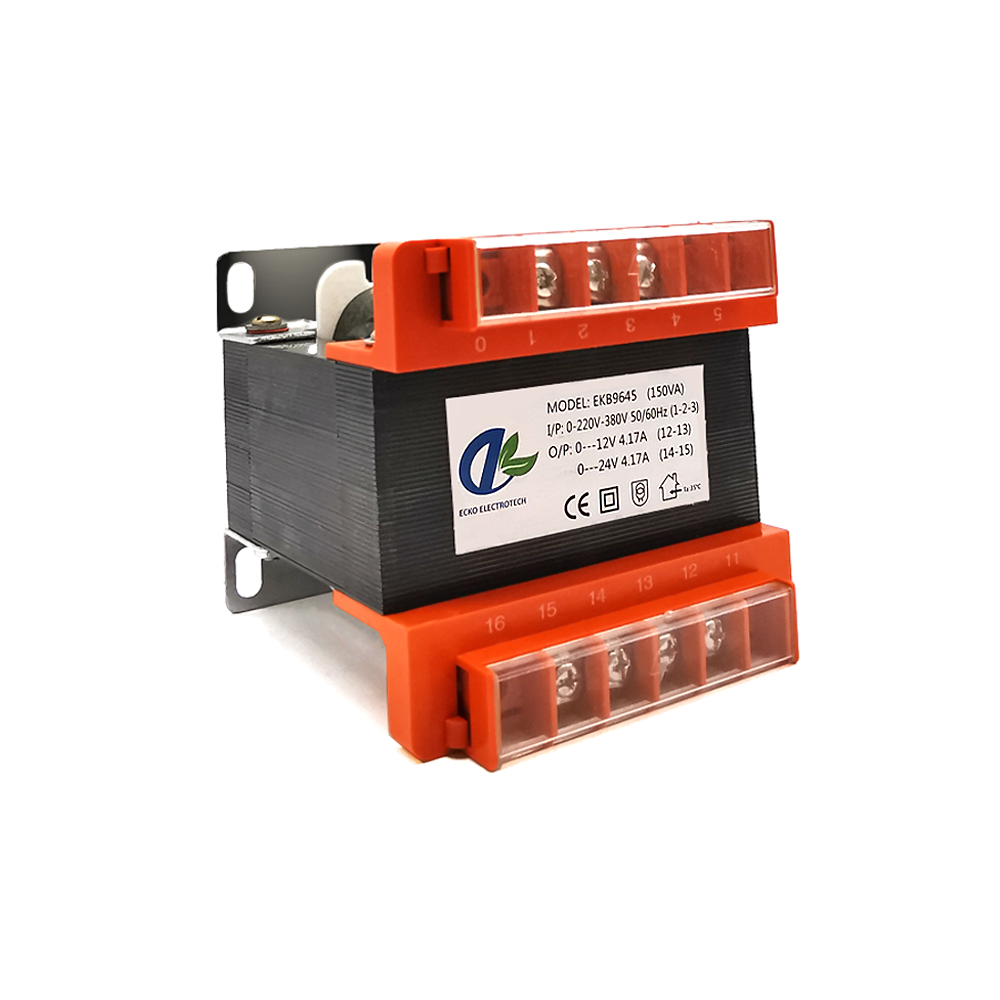
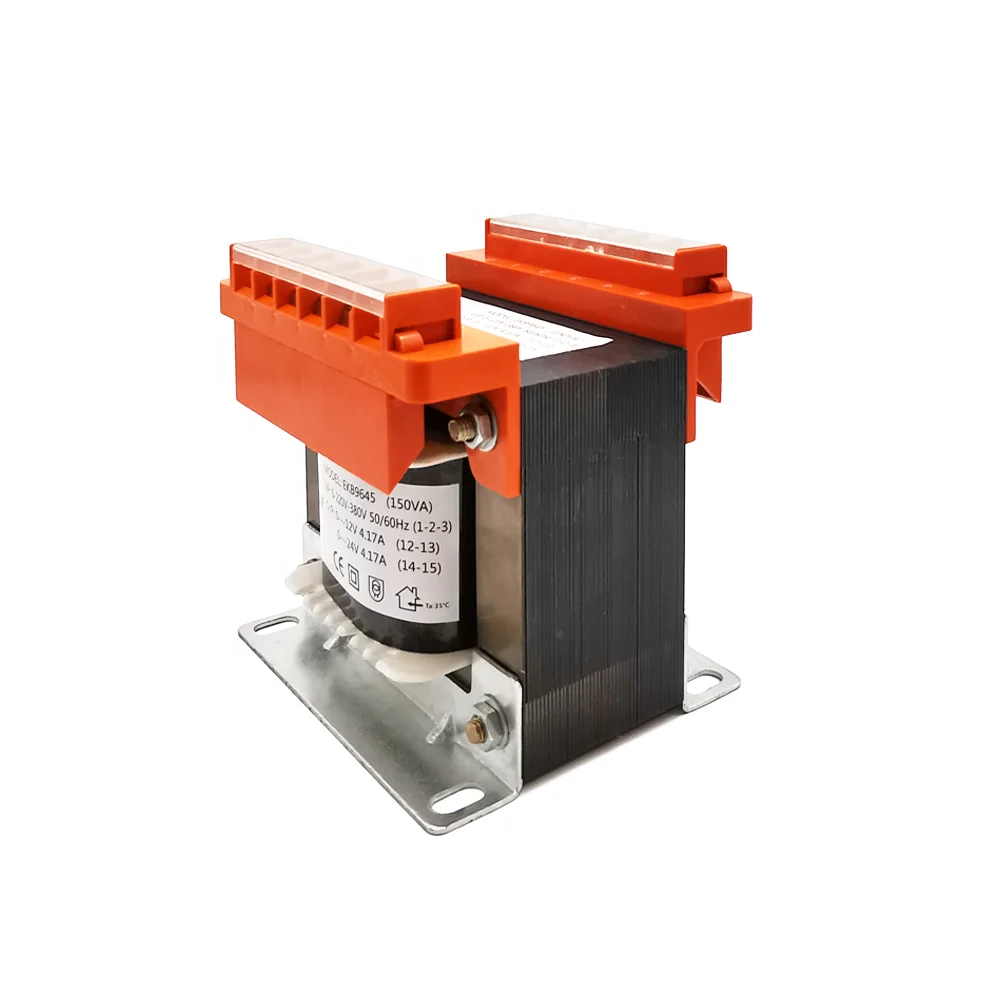
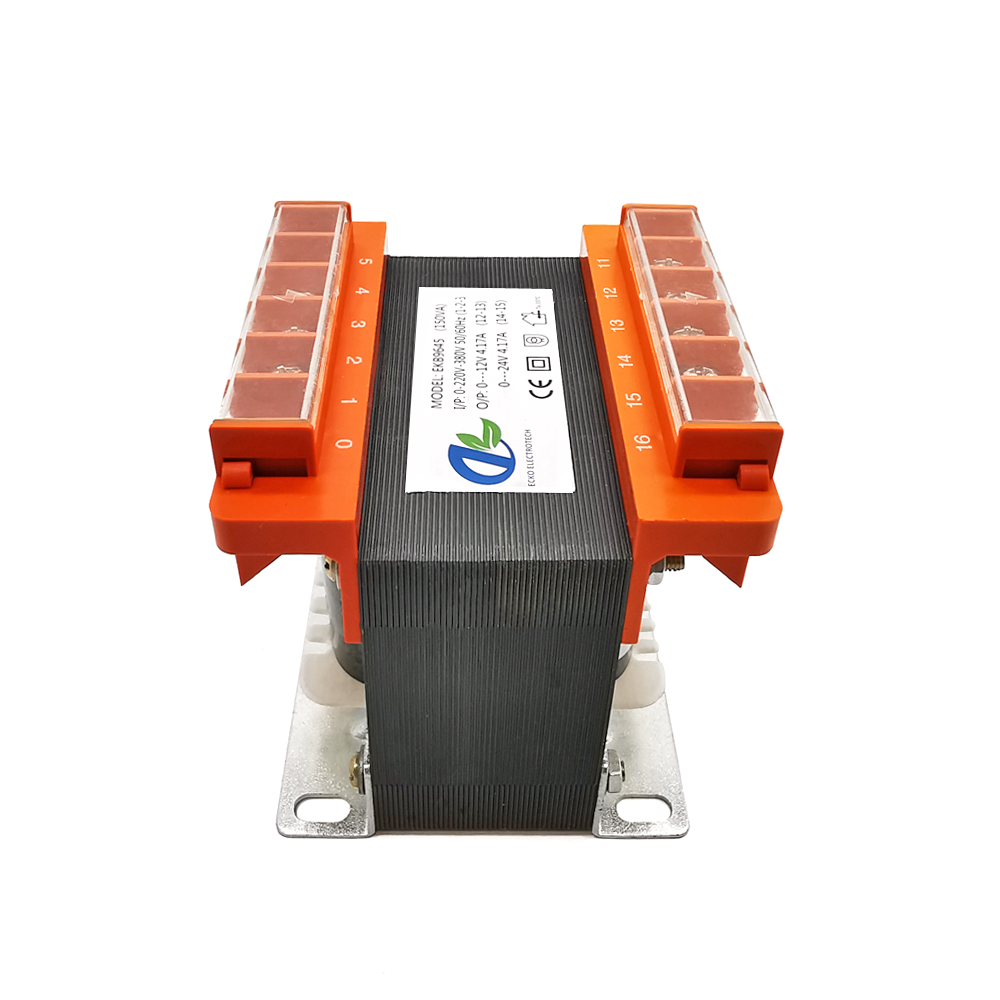
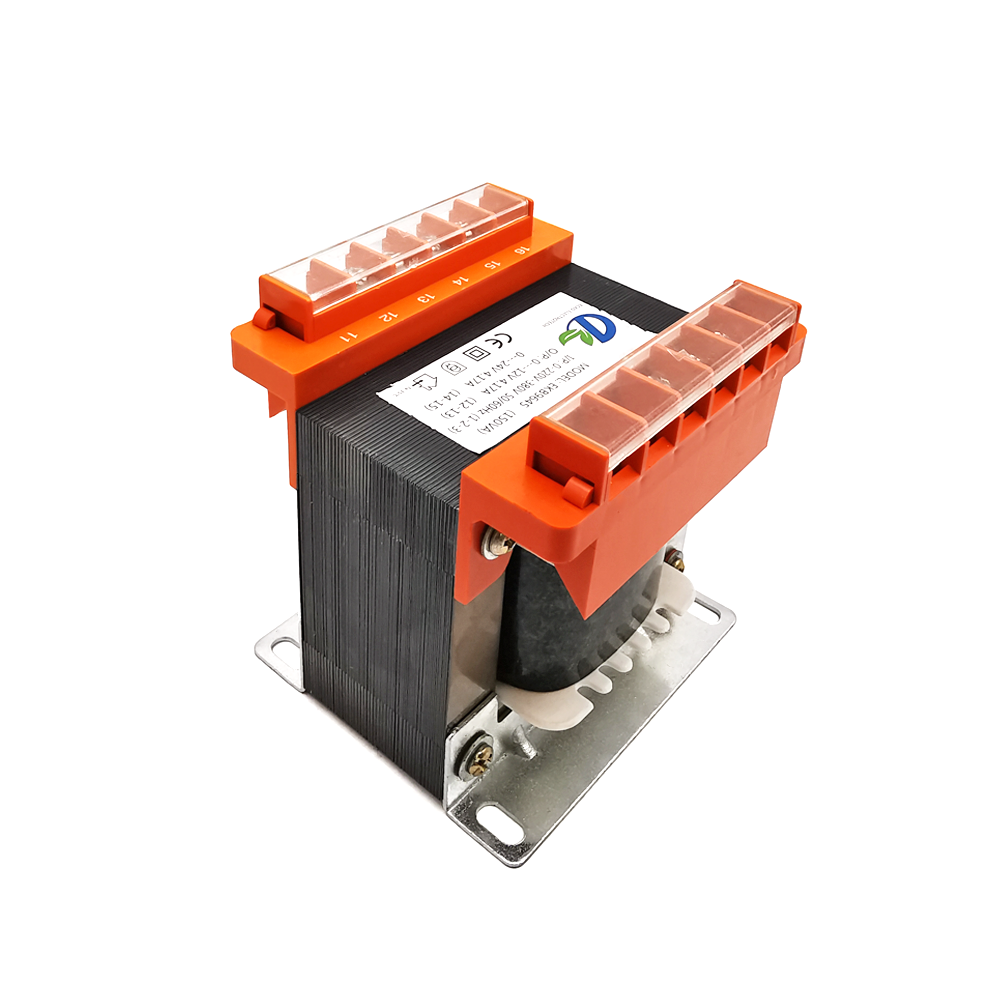
220V, 380V and 415V Industrial Control Transformer
Configurable AC input taps and 12V, 24V, 48V, 110V or customized outputs for international industrial equipment.
Custom BK control transformers for industrial control panels, machine tools and automation equipment. Configure voltage, VA rating, terminals, mounting and protection.
| Parameter | Standard and Custom Options |
|---|---|
| Product Name | Control Transformer |
| Reference Input | 220 VAC or Customized |
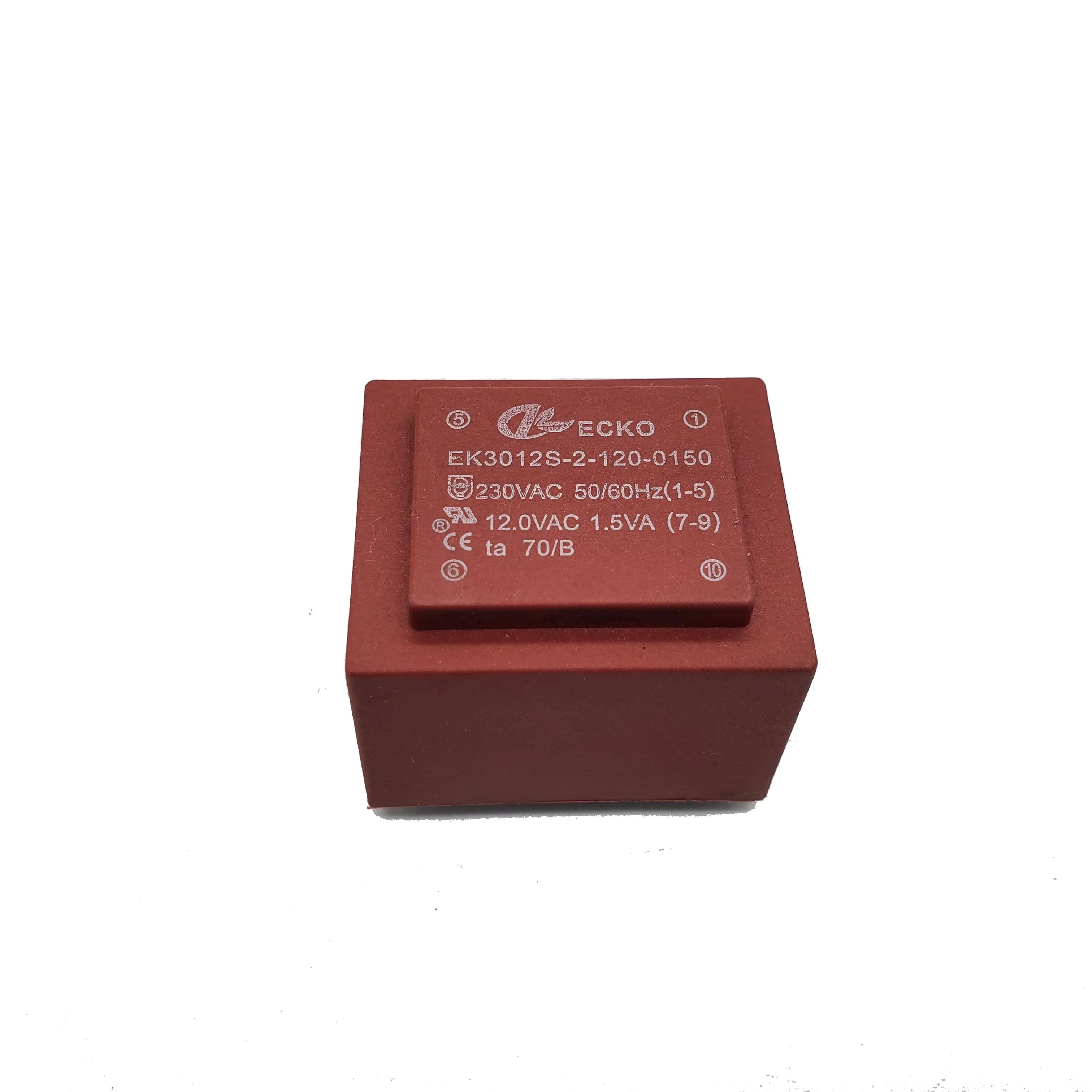
| Reference Output | 12 VAC / 4.17 A |
| Typical Custom Power Range | 25 VA–5 kVA |
| Input Voltage Options | 110 V, 120 V, 220 V, 230 V, 240 V, 380 V, 400 V, 415 V, 440 V or 480 VAC |
| Output Voltage Options | 6 V, 12 V, 24 V, 36 V, 48 V, 110 V, 220 VAC or customized |
| Frequency | 50 Hz, 60 Hz or 50/60 Hz |
| Phase | Single phase |
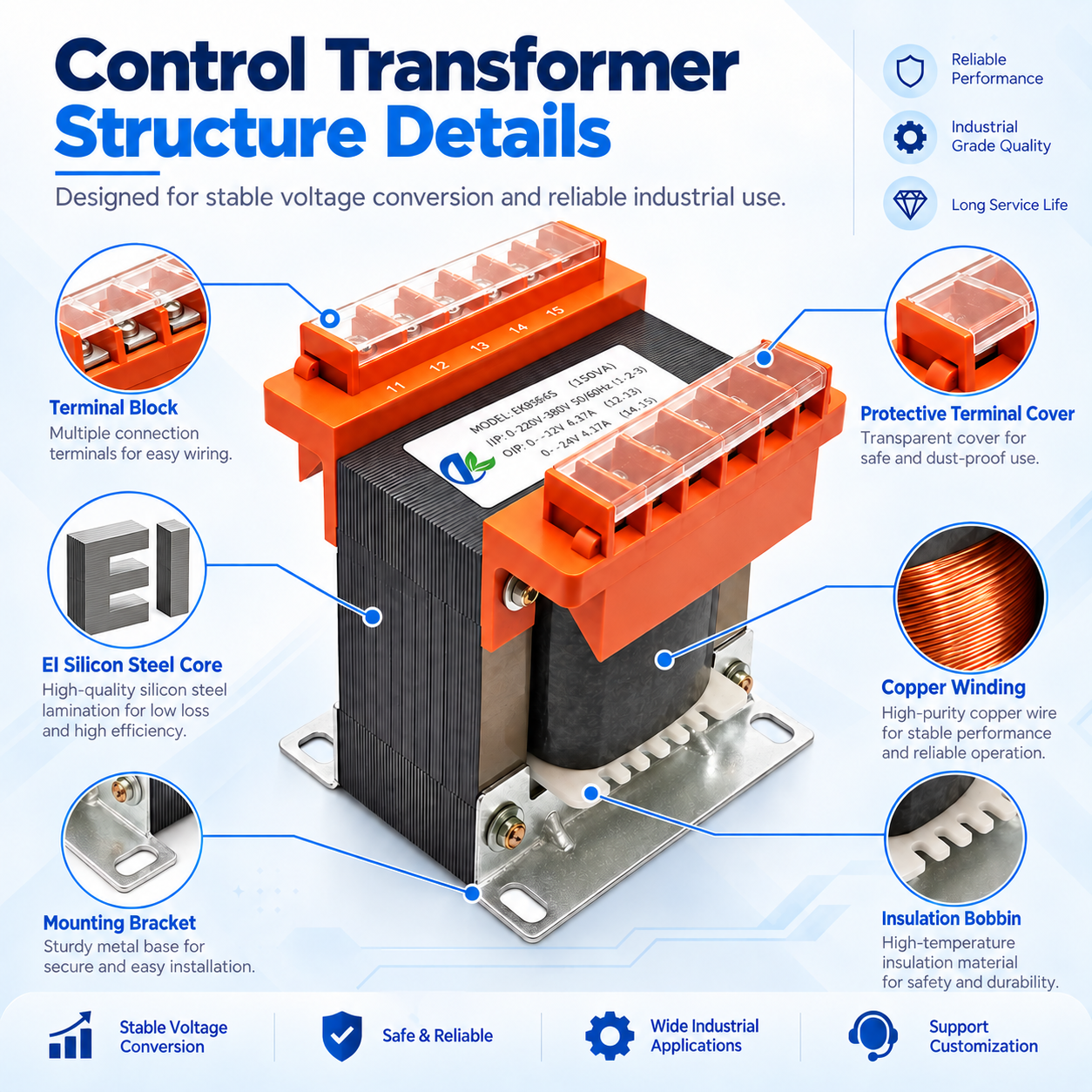
| Core Type | EI laminated silicon-steel core |
| Winding Material | Copper winding available according to the approved specification |
| Insulation Class | Class B, Class F or Class H |
| Output Configuration | Single output, center-tapped output or multiple isolated outputs |
| Terminal Options | Terminal block, screw terminal, Faston tab, lead wire or custom connector |
| Mounting Method | Foot mounting, chassis mounting or customized bracket |
| Protection Options | Fuse, thermal protector, electrostatic shield and grounding terminal |
| Application | Control panels, machine tools, automation equipment, HVAC systems and motor-control circuits |
| Compliance Support | CE, CQC, RoHS support, subject to the exact model and construction |
| Testing | Electrical function and safety testing according to the approved inspection plan |
- Overview
- Recommended Products
- Designed for continuous load and momentary inrush VA
- Single or multiple input voltage taps
- Single, center-tapped or multiple output windings
- 50 Hz, 60 Hz or 50/60 Hz designs
- Custom terminal blocks, lead wires and connectors
- Copper winding available
- Class B, Class F or Class H insulation options
- Custom mounting dimensions and hole spacing
- Optional fuse, thermal protector and electrostatic shield
- Routine electrical and safety inspection before shipment
- Incoming core, wire, bobbin and insulation inspection
- Winding-process inspection
- Lead-wire and terminal verification
- Core assembly and mechanical inspection
- Electrical performance testing
- Insulation-resistance testing
- Dielectric-withstand testing
- Final dimensions, label and packaging inspection
Custom BK Control Transformer for Industrial Control Panels and Machine Tools
Application-matched AC control power for contactors, relays, PLC auxiliary circuits, solenoids, electromagnetic brakes and industrial control cabinets.
ECKO BK control transformer are designed to convert the main AC supply into a stable control voltage for industrial equipment.
We customize the input voltage, output voltage, VA rating, frequency, insulation system, terminal arrangement, mounting bracket and protection components according to your equipment requirements.
Key Product Features:
Built for the Real Demands of Industrial Control Circuits
Customization Options
Control Transformers Customized Around Your Equipment
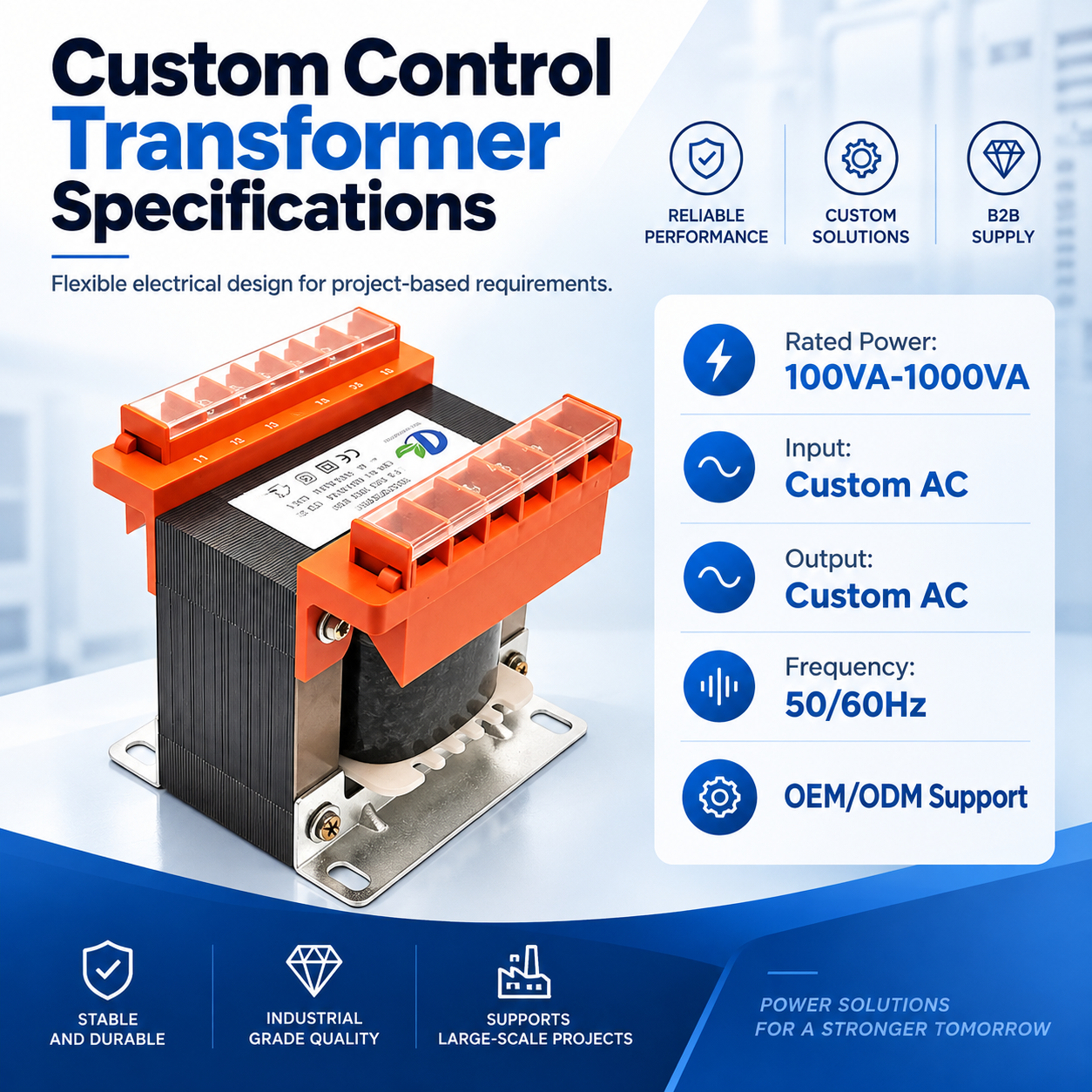
ECKO provides electrical, mechanical and documentation customization for OEM customers, control-panel manufacturers and industrial-equipment producers.
Control Transformers for Industrial Switching and Auxiliary Power
A control transformer provides a dedicated AC control voltage for industrial switching devices and auxiliary circuits. It can also provide galvanic isolation between the main supply and the control circuit when separate primary and secondary windings are used.
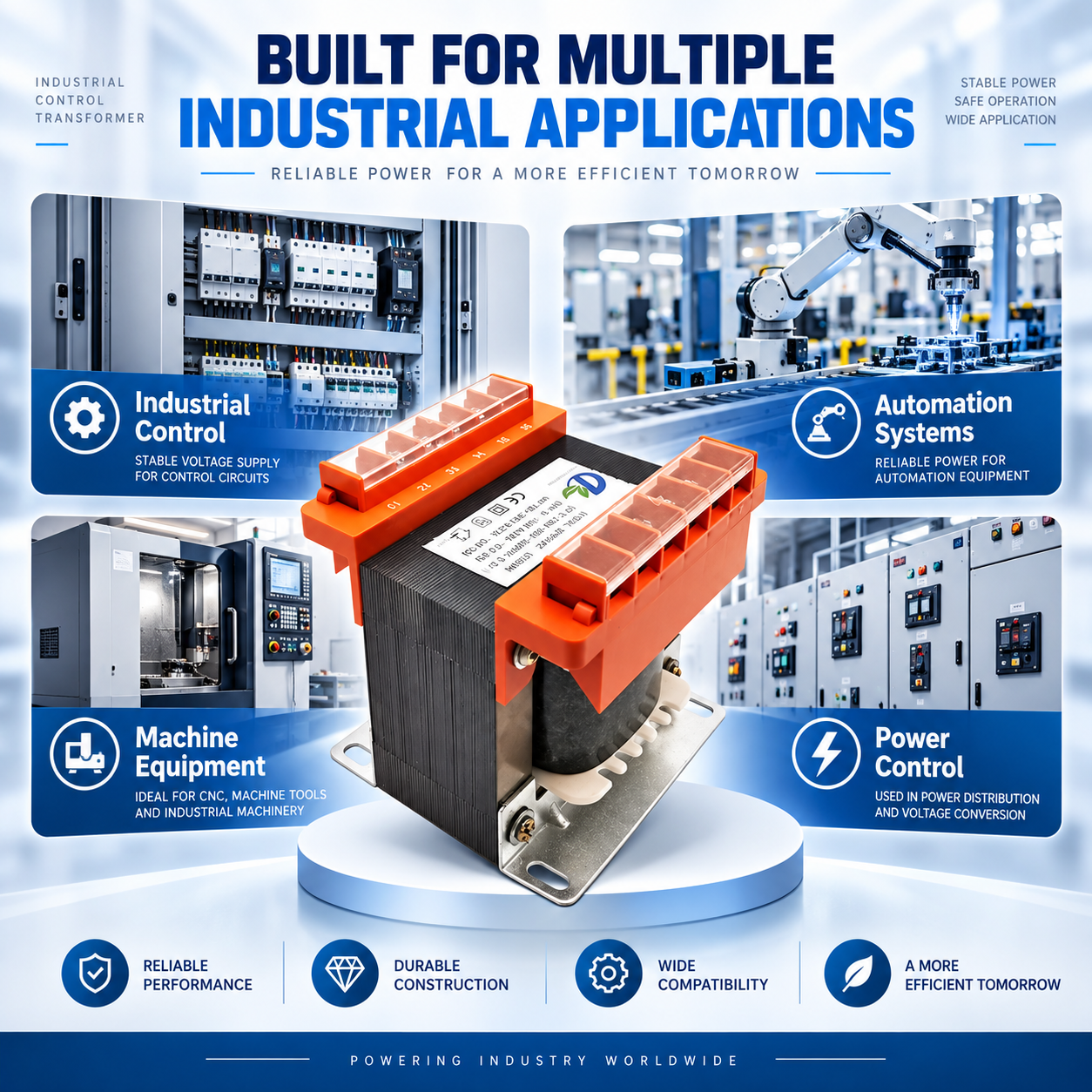
Why Choose ECKO?
More Than a Transformer Supplier: Engineering Support for OEM Control Systems
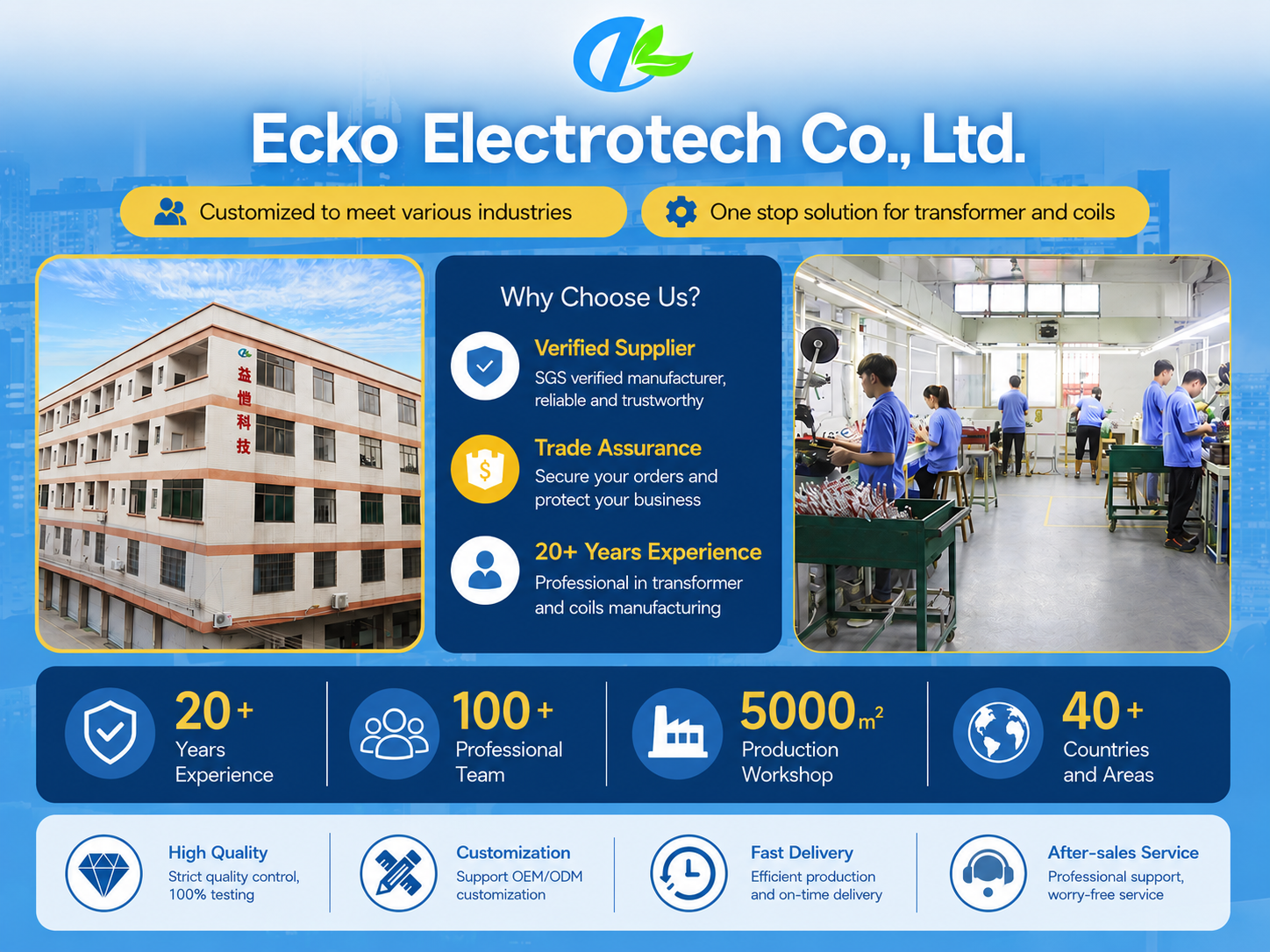
Quality Testing
Electrical Safety and Performance Verification
ECKO combines incoming-material inspection, in-process control, routine electrical testing and design-validation testing.
The exact test items, limits, sampling level and test conditions are confirmed according to the approved product specification.
| Test Item | What It Verifies | Control Level |
| Visual Inspection | Workmanship, core assembly, terminals, label and surface condition | Routine Inspection |
| Dimension Inspection | Overall size, mounting-hole spacing and terminal position | Routine Inspection |
| Winding Continuity | Correct and complete electrical connections | Routine Test |
| Turns Ratio and Polarity | Correct voltage ratio and terminal relationship | Routine Test |
| No-Load Output Voltage | Secondary voltage before the load is connected | Routine Test |
| No-Load Current | Magnetic condition and core performance | Routine Test |
| Insulation Resistance | Insulation integrity between windings and accessible metal parts | Routine Test |
| Dielectric Withstand/Hi-Pot | Insulation withstand at the specified test voltage | Routine Test |
| Rated-Load Output Voltage | Voltage performance at the specified continuous load | Design Validation |
| Voltage Regulation | Difference between no-load and rated-load output voltage | Design Validation |
| Inrush/Pickup Simulation | Secondary voltage during the defined switching load | As Required |
| Temperature-Rise Test | Thermal performance under the agreed load and ambient conditions | Design Validation |
| Noise and Vibration Check | Core clamping, impregnation and mechanical assembly | As Specified |
| Final Label Check | Correct model, ratings, terminal markings and batch information | Routine Inspection |
Quality-Control Process:
Important Note:
Temperature rise and output regulation depend on the transformer design, load power factor, installation orientation, cabinet temperature and ventilation. Please provide the expected operating environment so the correct validation conditions can be established.
Customization Process
From Technical Requirements to Controlled Production
Frequently Asked Questions About BK Control Transformers
1. What does “BK” mean in a BK control transformer?
BK is a commonly used series designation for machine-tool and industrial control transformers. The BK designation alone does not define the input voltage, output voltage, VA rating, insulation class or certification. These parameters must be confirmed in the product specification.
2. What is the difference between a control transformer and a standard power transformer?
A control transformer is commonly used to supply contactors, relays, solenoids, electromagnetic brakes and other switching devices.
These loads can draw high momentary current during pickup. A control transformer is therefore selected according to both continuous load and short-duration inrush demand, not only the normal operating power.
3. How do I calculate the required VA rating?
Provide the inrush VA and sealed VA of every connected device, together with the switching sequence.
If several devices can energize at the same time, their simultaneous inrush demand must be considered. Devices that remain energized contribute to the continuous load.
ECKO can assist with the calculation after reviewing the load data.
4. Why is inrush VA important?
A contactor or solenoid may draw several times its sealed current during the first part of its operation.
If the transformer is too small, the secondary voltage can fall below the device’s minimum pickup voltage. This can cause chattering, incomplete operation, excessive heating or unreliable machine performance.
5. Why does a 24 V transformer sometimes measure more than 24 V without a load?
A transformer normally has a higher secondary voltage under no-load conditions. The voltage decreases when the rated load is connected because of winding resistance and internal impedance.
The acceptable no-load and full-load voltages should be defined according to the load tolerance.
6. Can you manufacture a 380 V, 400 V or 415 V to 24 V AC control transformer?
ECKO can customize 380 V, 400 V or 415 V input transformers with 24 V AC output.
Other input and output voltages are also available. Please provide the frequency, required output current, continuous load and inrush VA.
7. Can one transformer include several input voltage taps?
Multi-tap primary windings can be designed for different mains voltages, such as 380 V, 400 V and 415 V.
The required taps, terminal arrangement and unused-tap insulation must be confirmed during design.
8. Can the transformer provide more than one output voltage?
We can design multiple independent secondary windings, center-tapped outputs or several output voltages.
Please specify the voltage and current required from each winding and whether the outputs must be electrically isolated from one another.
9. Can two secondary windings be connected in parallel?
Only secondary windings specifically designed with matching voltage, impedance and polarity should be connected in parallel.
Do not parallel two separate output windings without written confirmation because circulating current and uneven load sharing may occur.
10. Can the control transformer operate at both 50 Hz and 60 Hz?
If it is specifically designed and marked for 50/60 Hz operation.
A transformer designed only for 60 Hz should not automatically be used at 50 Hz with the same input voltage. Lower-frequency operation can increase magnetic flux, no-load current, audible noise and temperature rise.