EN
EN

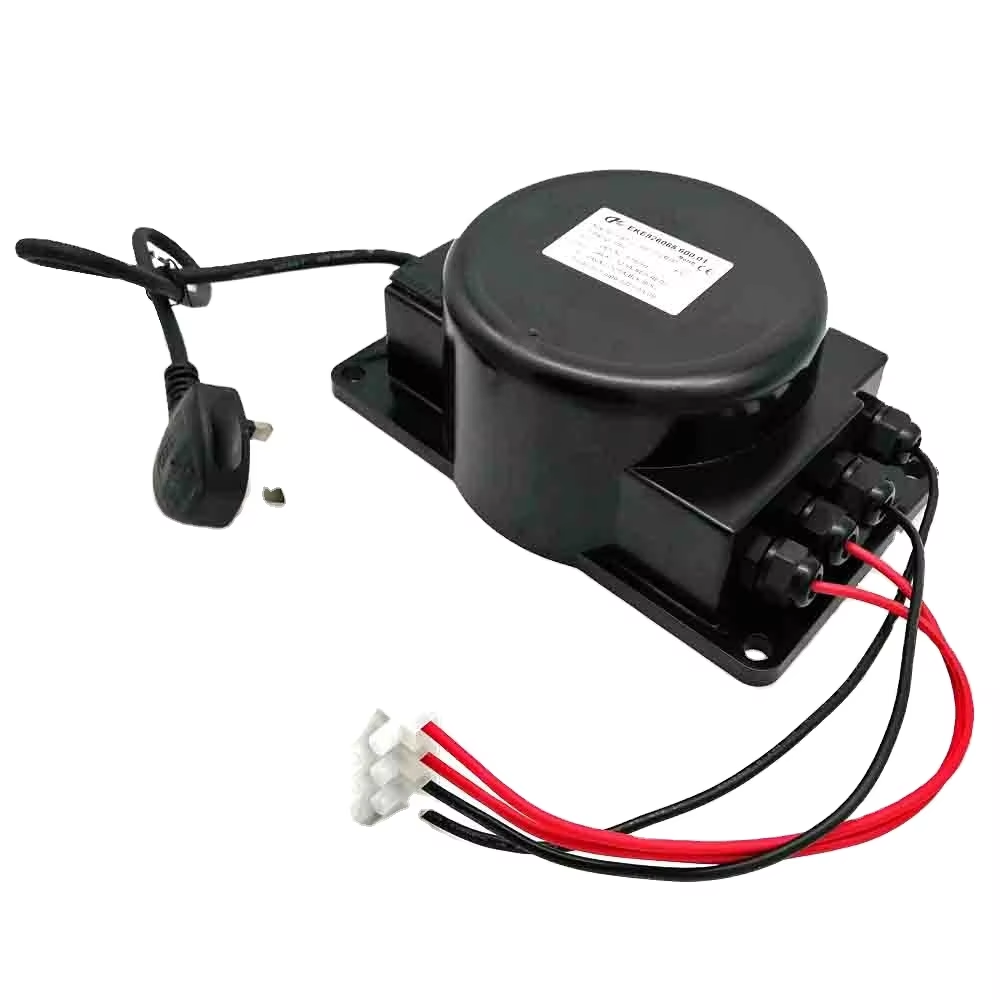
Waterproof transformers represent a critical component in electrical systems where exposure to moisture, humidity, and harsh environmental conditions is inevitable. These specialized electrical devices are engineered to maintain optimal performance while resisting water ingress, corrosion, and environmental degradation. Industries ranging from marine applications to outdoor lighting systems rely heavily on these robust transformers to ensure continuous operation in challenging conditions. The growing demand for reliable electrical infrastructure in wet environments has driven significant innovation in waterproof transformer design and manufacturing processes.
Encapsulated Resin Waterproof Transformers
Epoxy Resin Encapsulation Technology
Epoxy resin encapsulated transformers utilize advanced polymer chemistry to create an impermeable barrier around the transformer windings and core. This encapsulation process involves completely surrounding the electrical components with a specially formulated epoxy compound that cures to form a solid, waterproof shell. The epoxy material provides excellent dielectric properties while simultaneously offering protection against moisture infiltration, chemical exposure, and mechanical damage. Manufacturing processes for these transformers require precise temperature control and vacuum techniques to eliminate air bubbles that could compromise the protective barrier.
The thermal characteristics of epoxy resin make these transformers particularly suitable for moderate temperature applications where heat dissipation requirements are manageable. Engineers select specific epoxy formulations based on operating temperature ranges, with some variants capable of withstanding temperatures up to 180 degrees Celsius. The curing process creates a monolithic structure that eliminates potential leak paths while maintaining excellent electrical insulation properties. Quality control procedures for epoxy encapsulated units include pressure testing, thermal cycling, and electrical performance verification to ensure long-term reliability.
Polyurethane Potting Compounds
Polyurethane potting represents an alternative approach to waterproof transformer construction, offering enhanced flexibility compared to rigid epoxy systems. The polyurethane material maintains its protective properties while accommodating thermal expansion and contraction cycles that occur during normal operation. This flexibility reduces stress concentrations that could potentially create crack pathways for moisture ingress. The chemical composition of polyurethane allows for better adhesion to various substrate materials, creating more reliable seals at component interfaces.
Installation procedures for polyurethane potted transformers often require less stringent environmental controls compared to epoxy systems. The material's inherent resilience provides superior resistance to vibration and mechanical shock, making these units ideal for mobile applications or installations subject to frequent handling. Maintenance requirements are typically minimal, as the polyurethane encapsulation self-heals minor surface scratches that might occur during service. Advanced formulations incorporate UV stabilizers and anti-oxidants to prevent degradation from prolonged sunlight exposure in outdoor applications.
Oil-Filled Waterproof Transformer Systems
Mineral Oil Immersion Technology
Oil-filled waterproof transformers employ traditional mineral oil as both a cooling medium and moisture barrier. The transformer core and windings are completely submerged in specially refined mineral oil within a sealed tank designed to prevent water contamination. This approach provides excellent heat transfer capabilities while maintaining superior dielectric strength. The oil serves multiple functions, including arc suppression, insulation enhancement, and corrosion prevention for internal metallic components. Quality mineral oils undergo extensive purification processes to remove moisture, dissolved gases, and contaminants that could compromise electrical performance.
Tank construction for mineral oil systems requires robust sealing mechanisms to prevent oil leakage and water ingress simultaneously. Expansion chambers accommodate oil volume changes due to temperature variations while maintaining atmospheric pressure balance. Regular oil testing protocols monitor moisture content, acidity levels, and dissolved gas concentrations to assess transformer health and predict maintenance requirements. Environmental considerations have led to improved oil recycling processes and the development of biodegradable alternatives that maintain equivalent performance characteristics.
Synthetic Dielectric Fluid Applications
Synthetic dielectric fluids offer enhanced performance characteristics compared to traditional mineral oils, particularly in extreme environmental conditions. These engineered fluids provide superior oxidation resistance, broader operating temperature ranges, and improved fire safety characteristics. Silicone-based synthetic fluids maintain stable viscosity across wide temperature ranges while offering excellent moisture resistance properties. The chemical inertness of synthetic fluids reduces the formation of acidic byproducts that can accelerate transformer aging processes.
Cost considerations for synthetic fluid systems must account for both initial material expenses and long-term operational benefits. Extended service intervals and improved reliability often justify higher upfront costs through reduced maintenance requirements and longer equipment lifecycles. Compatibility testing ensures that synthetic fluids work effectively with existing seal materials, tank coatings, and internal components. Environmental impact assessments favor synthetic fluids in sensitive ecological areas where accidental releases could have significant consequences.
Cast Iron and Steel Housing Designs
Corrosion Resistant Coating Systems
Cast iron housings for waterproof transformers incorporate advanced coating technologies to prevent rust and corrosion in marine and industrial environments. Multi-layer coating systems typically begin with phosphate conversion treatments that create a chemically bonded base layer for subsequent protective coatings. Epoxy primers provide excellent adhesion and corrosion resistance, while polyurethane topcoats offer UV protection and aesthetic appeal. The coating application process requires careful surface preparation, controlled environmental conditions, and precise thickness measurements to ensure uniform coverage and optimal performance.
Quality assurance procedures for coated cast iron housings include salt spray testing, adhesion measurements, and accelerated weathering evaluations. These tests simulate decades of environmental exposure in compressed timeframes to validate coating durability. Repair procedures for damaged coatings must follow manufacturer specifications to maintain warranty coverage and ensure continued corrosion protection. Field maintenance protocols include regular inspection schedules and touch-up procedures to address minor coating damage before extensive corrosion occurs.
Stainless Steel Construction Methods
Stainless steel transformer housings provide inherent corrosion resistance without requiring protective coatings, making them ideal for harsh chemical environments and marine applications. The chromium content in stainless steel forms a passive oxide layer that self-repairs when damaged, providing continuous protection against corrosive attack. Welding procedures for stainless steel housings require specialized techniques to prevent sensitization and maintain corrosion resistance at joint locations. Grade selection depends on specific environmental conditions, with austenitic grades offering superior corrosion resistance and ferritic grades providing magnetic permeability advantages.
Manufacturing tolerances for stainless steel housings must accommodate thermal expansion differences between the housing and internal components. Gasket selection becomes critical in stainless steel applications, as galvanic corrosion can occur when dissimilar metals contact each other in the presence of moisture. Surface finishing techniques such as passivation and electropolishing enhance corrosion resistance while improving cleanability for sanitary applications. Cost analysis must consider the lifecycle benefits of stainless steel construction, including reduced maintenance requirements and extended service life.
Toroidal Waterproof Transformer Configurations
Core Design Advantages
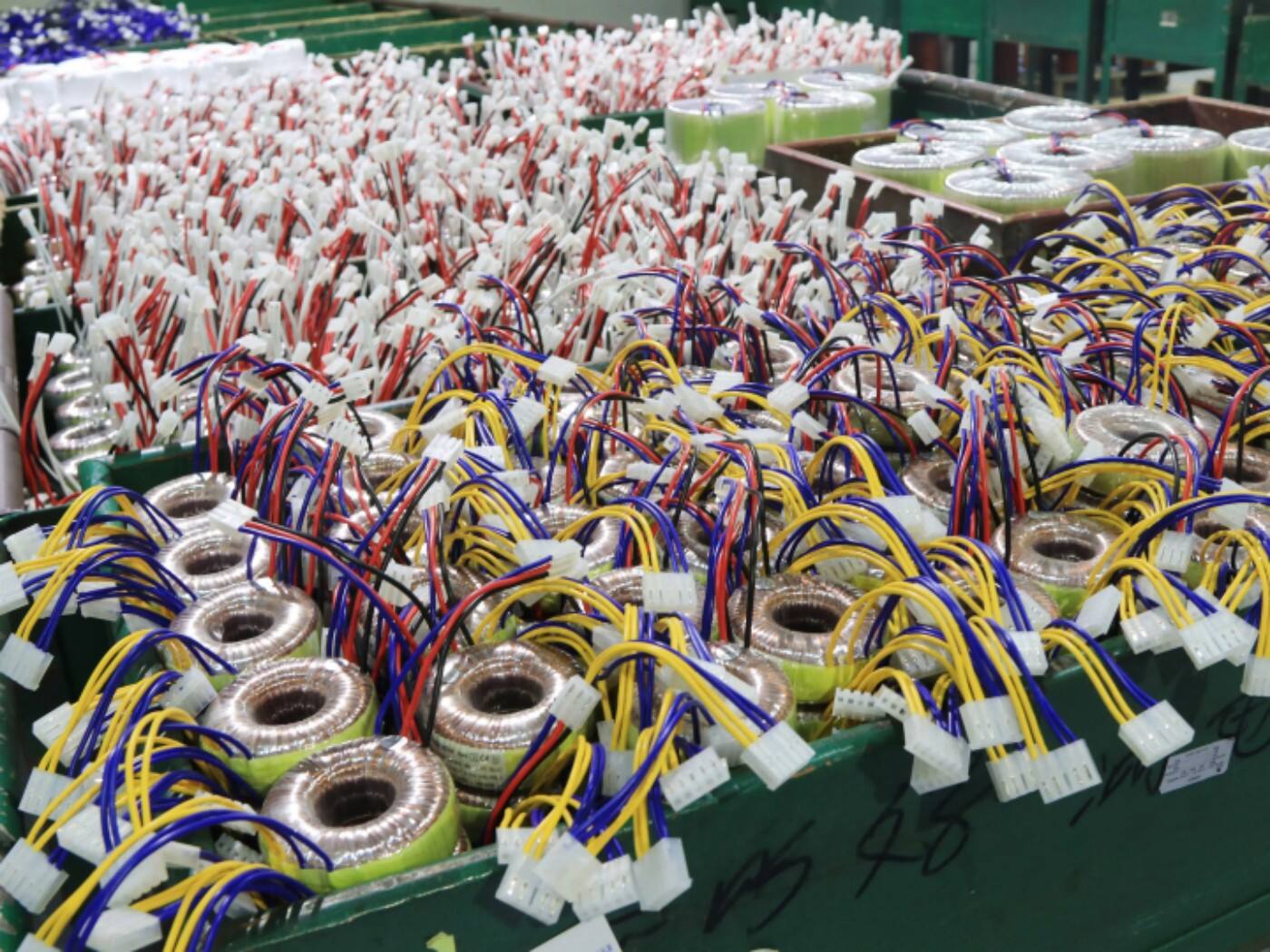
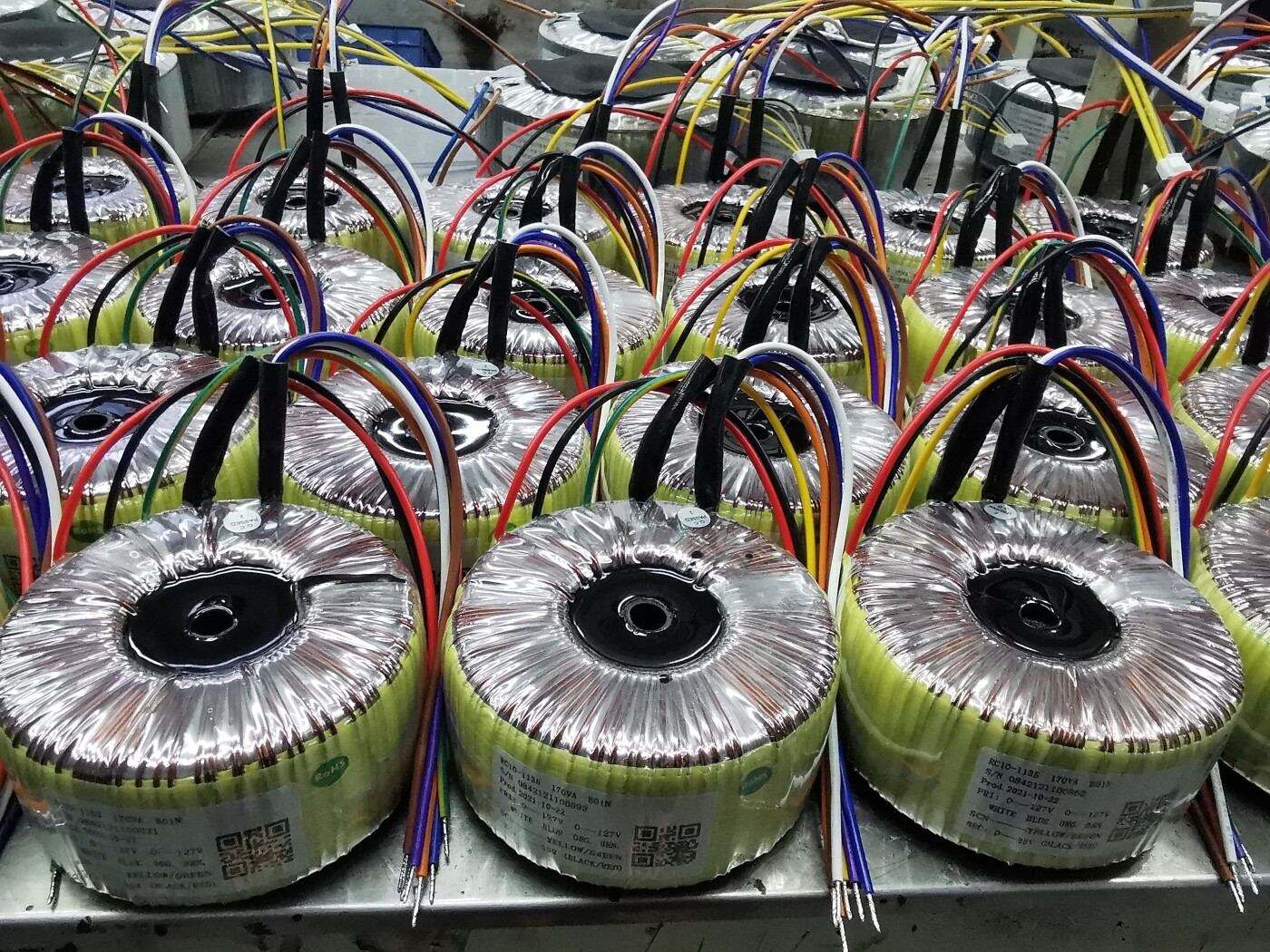
Toroidal core designs offer significant advantages in waterproof transformer applications due to their compact geometry and efficient magnetic flux utilization. The circular core configuration eliminates sharp corners and edges that could create stress concentrations in protective encapsulation materials. Reduced external magnetic fields minimize electromagnetic interference while improving overall system efficiency. The manufacturing process for toroidal cores involves precise winding tension control to achieve optimal magnetic properties and mechanical stability. Quality control measures include core loss testing, permeability measurements, and dimensional verification to ensure consistent performance characteristics.
Winding techniques for toroidal waterproof transformers require specialized equipment and skilled technicians to achieve uniform conductor distribution around the circular core. The winding process must maintain proper insulation spacing while accommodating the geometric constraints of the toroidal configuration. Temperature rise calculations for toroidal designs must account for the improved heat distribution characteristics of the circular geometry. Thermal modeling software helps optimize conductor sizing and cooling requirements for specific application demands.
Encapsulation Challenges and Solutions
Encapsulating toroidal transformers presents unique challenges due to the circular geometry and central void space. Specialized molding techniques ensure complete encapsulation without air voids that could compromise waterproof integrity. Vacuum encapsulation processes remove entrapped air while ensuring complete material penetration around complex winding geometries. The central opening in toroidal designs requires careful attention to prevent moisture ingress through mounting hardware or cable entry points.
Fixture design for toroidal encapsulation must provide adequate support while allowing complete material flow around all surfaces. Cure cycle optimization ensures proper cross-linking of encapsulation materials while minimizing thermal stress on internal components. Post-cure inspection procedures include visual examination, pressure testing, and electrical verification to confirm successful encapsulation. Quality documentation tracks encapsulation parameters to enable process optimization and troubleshooting when quality issues arise.
IP Rating Classifications for Waterproof Applications
Understanding IP65 and IP67 Standards
International Protection (IP) ratings provide standardized classifications for waterproof transformer enclosures based on their ability to exclude dust and moisture. IP65 rated transformers offer protection against dust ingress and low-pressure water jets from any direction, making them suitable for outdoor installations with minimal water exposure. The testing protocol for IP65 certification involves subjecting the enclosure to standardized water spray patterns while monitoring for any internal moisture penetration. These transformers typically utilize gasket sealing systems and threaded cable entries to maintain protective integrity.
IP67 rated waterproof transformers provide enhanced protection against temporary immersion in water up to one meter deep for limited durations. The certification testing involves complete submersion under controlled conditions while monitoring internal pressure and moisture levels. Achieving IP67 ratings requires more robust sealing systems, including welded joints, compression seals, and specialized cable gland designs. Applications requiring IP67 protection include underground installations, flood-prone areas, and marine environments where occasional submersion is possible.
Higher Protection Levels and Testing Methods
IP68 rated transformers represent the highest level of waterproof protection, designed for continuous submersion applications. The specific depth and duration ratings vary by manufacturer and must be clearly specified in product documentation. Testing procedures for IP68 certification involve extended submersion periods under manufacturer-specified conditions. These transformers often incorporate pressure compensation systems to prevent seal failure due to hydrostatic pressure variations. Applications include underwater lighting systems, marine propulsion controls, and offshore platform installations.
Testing laboratory procedures for IP rating verification follow strict international standards to ensure consistent results across different manufacturers and testing facilities. Witness testing allows customers to observe certification procedures and verify compliance with their specific requirements. Documentation requirements include detailed test reports, photographic evidence, and certification statements from accredited testing laboratories. Periodic re-testing may be required to maintain certification validity, particularly for products undergoing design modifications or manufacturing process changes.
Marine and Offshore Applications
Salt Water Corrosion Resistance
Marine environments present unique challenges for waterproof transformers due to the highly corrosive nature of salt water and the presence of chloride ions that accelerate oxidation processes. Specialized alloy selections and protective coating systems must withstand continuous salt spray exposure while maintaining electrical performance. Sacrificial anode systems provide cathodic protection for metallic components that might be exposed to seawater. Material compatibility testing ensures that all components can withstand prolonged exposure to marine environments without degradation.
Maintenance protocols for marine waterproof transformers include regular fresh water flushing to remove salt deposits and inspection of protective systems. Replacement schedules for sacrificial anodes and protective coatings must account for local environmental conditions and exposure severity. Emergency response procedures address potential transformer failures in remote marine locations where replacement equipment may not be readily available. Training programs for marine maintenance personnel emphasize the unique requirements of waterproof electrical equipment in salt water environments.
Offshore Platform Integration
Offshore oil and gas platforms require waterproof transformers capable of operating in extreme weather conditions while meeting stringent safety standards. Hazardous area classifications necessitate explosion-proof designs that maintain waterproof integrity while preventing internal arc propagation. Certification requirements include multiple international standards for both waterproof performance and hazardous area compliance. Integration with platform safety systems includes emergency shutdown capabilities and remote monitoring functions.
Installation procedures for offshore waterproof transformers must account for limited crane access and challenging weather windows. Modular design approaches facilitate easier handling and installation in confined spaces. Redundancy planning ensures continued platform operation even if individual transformers fail during severe weather events. Helicopter-transportable designs enable emergency replacement when weather conditions prevent vessel access to offshore installations.
Industrial Process Applications
Chemical Plant Requirements
Chemical processing facilities demand waterproof transformers that can withstand exposure to corrosive chemicals, high humidity, and frequent washdown procedures. Material selection must consider chemical compatibility with specific process chemicals while maintaining electrical performance standards. Enclosure designs often incorporate drainage systems to handle condensation and chemical residues that might accumulate during normal operations. Ventilation requirements balance the need for heat dissipation with the requirement to exclude hazardous vapors.
Safety protocols for chemical plant waterproof transformers include regular inspection procedures to detect potential chemical attack or seal degradation. Emergency response plans address transformer failures that might release hazardous materials or create electrical hazards in chemical processing areas. Training requirements for maintenance personnel emphasize both electrical safety and chemical hazard awareness. Documentation systems track exposure history and maintenance activities to support predictive maintenance programs.
Food Processing and Sanitary Applications
Food processing environments require waterproof transformers designed for frequent high-pressure washing and sanitization procedures. Smooth surface finishes eliminate crevices where bacteria might accumulate while maintaining easy cleanability. Material selections must comply with FDA regulations for food contact surfaces and demonstrate resistance to cleaning chemicals and sanitizers. Drainage features prevent standing water that could harbor bacterial growth or create sanitary concerns.
Installation procedures for food processing waterproof transformers must consider sanitary design principles and accessibility for cleaning operations. Mounting methods avoid horizontal surfaces where debris might accumulate while providing adequate support for operational loads. Inspection protocols include both electrical testing and sanitary compliance verification to ensure continued food safety standards. Replacement procedures must minimize production downtime while maintaining sanitary conditions throughout the installation process.
FAQ
What is the difference between IP65 and IP67 waterproof ratings?
IP65 rated transformers protect against dust ingress and water jets from any direction, suitable for outdoor installations with minimal water exposure. IP67 rated transformers offer enhanced protection against temporary immersion in water up to one meter deep, making them ideal for applications where occasional submersion is possible. The key difference lies in the level of water protection, with IP67 providing significantly greater moisture resistance for more demanding environments.
How long do waterproof transformers typically last in marine environments?
Properly designed and maintained waterproof transformers in marine environments typically last 15-25 years, depending on exposure severity and maintenance quality. Factors affecting lifespan include salt spray intensity, temperature variations, protective coating integrity, and adherence to recommended maintenance schedules. Regular inspection and preventive maintenance can significantly extend operational life by identifying and addressing potential issues before they cause transformer failure.
Can waterproof transformers be repaired if the enclosure is damaged?
Minor enclosure damage to waterproof transformers can often be repaired using manufacturer-approved materials and procedures. However, extensive damage typically requires complete enclosure replacement or transformer rebuilding to restore waterproof integrity. Repair feasibility depends on damage location, severity, and the specific encapsulation or sealing technology used. Professional evaluation is essential to determine whether repair is cost-effective compared to replacement.
What maintenance is required for oil-filled waterproof transformers?
Oil-filled waterproof transformers require regular oil testing to monitor moisture content, acidity levels, and dissolved gas concentrations. Typical maintenance includes annual oil sampling, periodic oil filtration or replacement, seal inspection, and tank integrity verification. Maintenance intervals may vary based on operating conditions, with harsh environments requiring more frequent attention. Proper maintenance records help predict transformer life expectancy and optimize replacement timing.