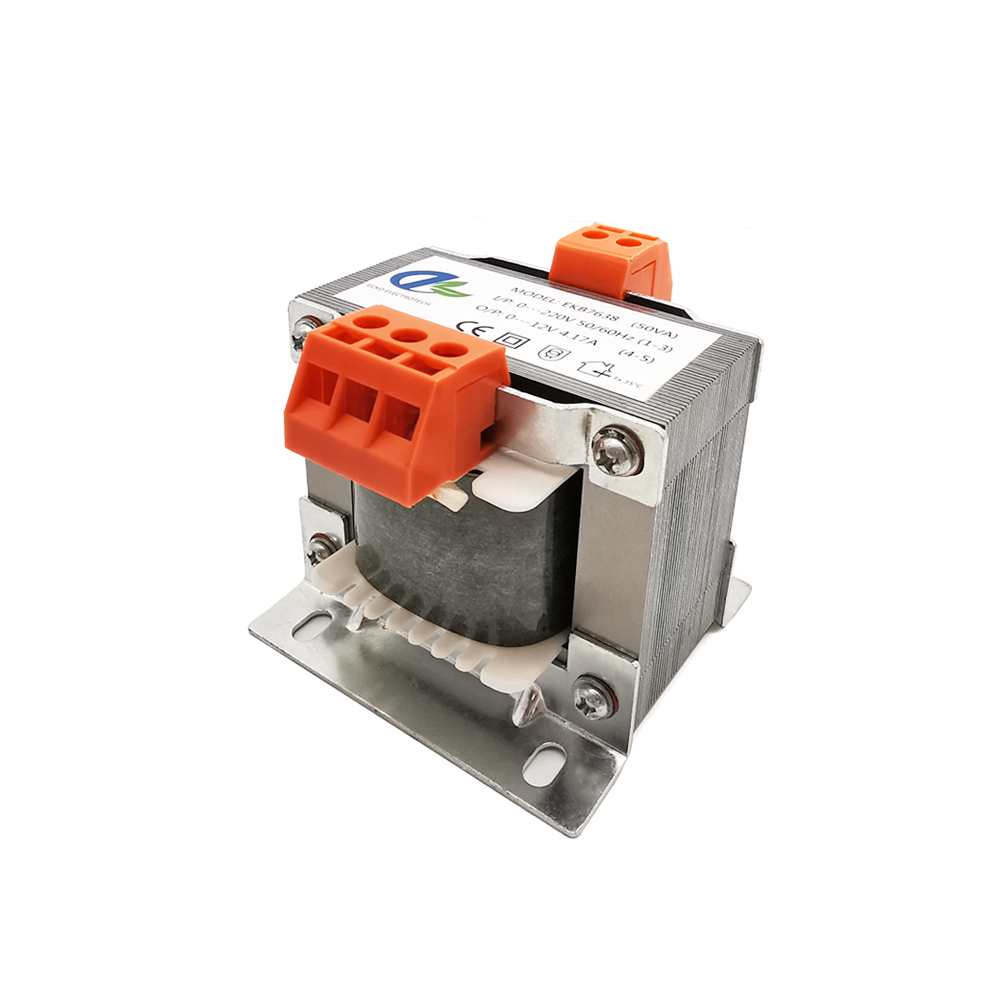
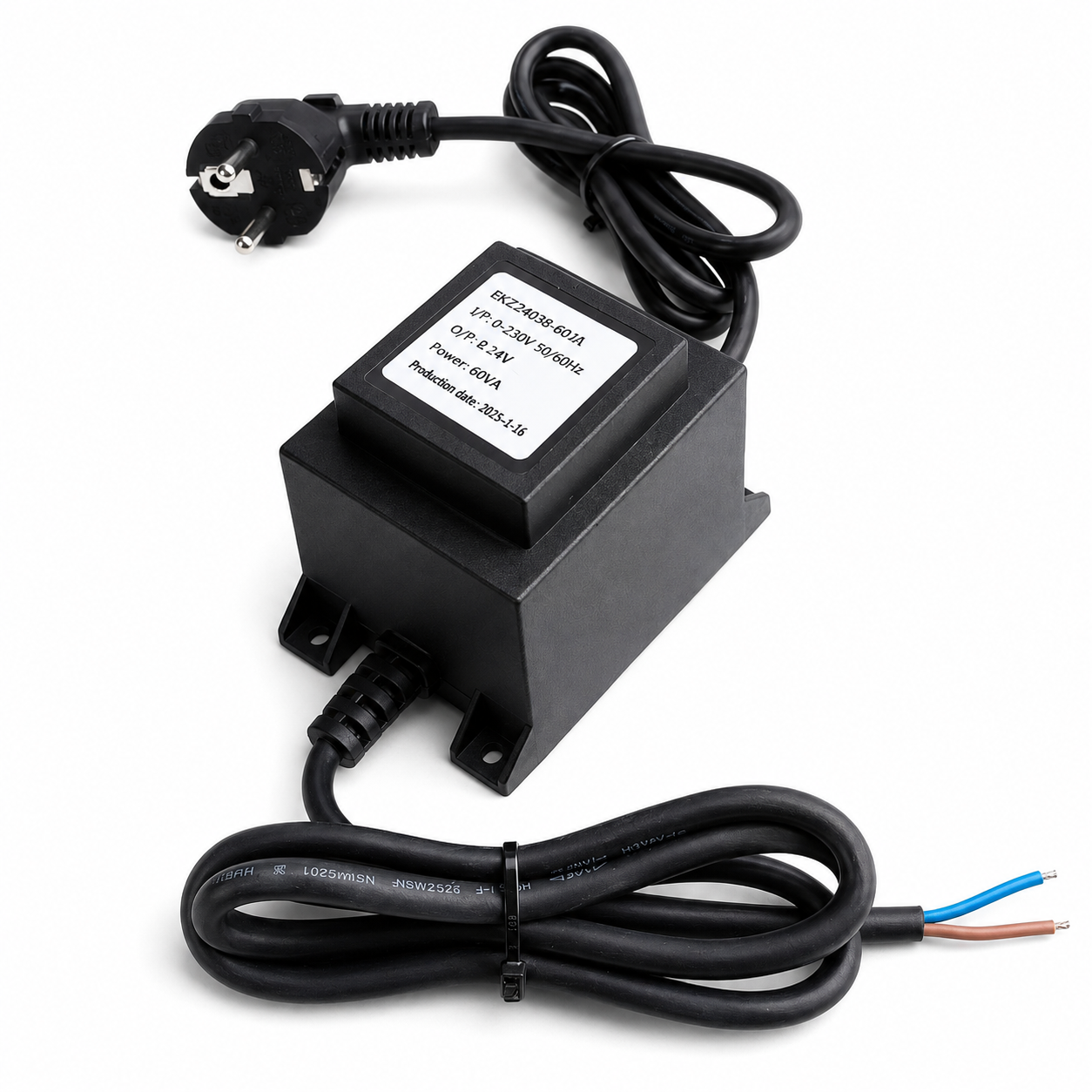
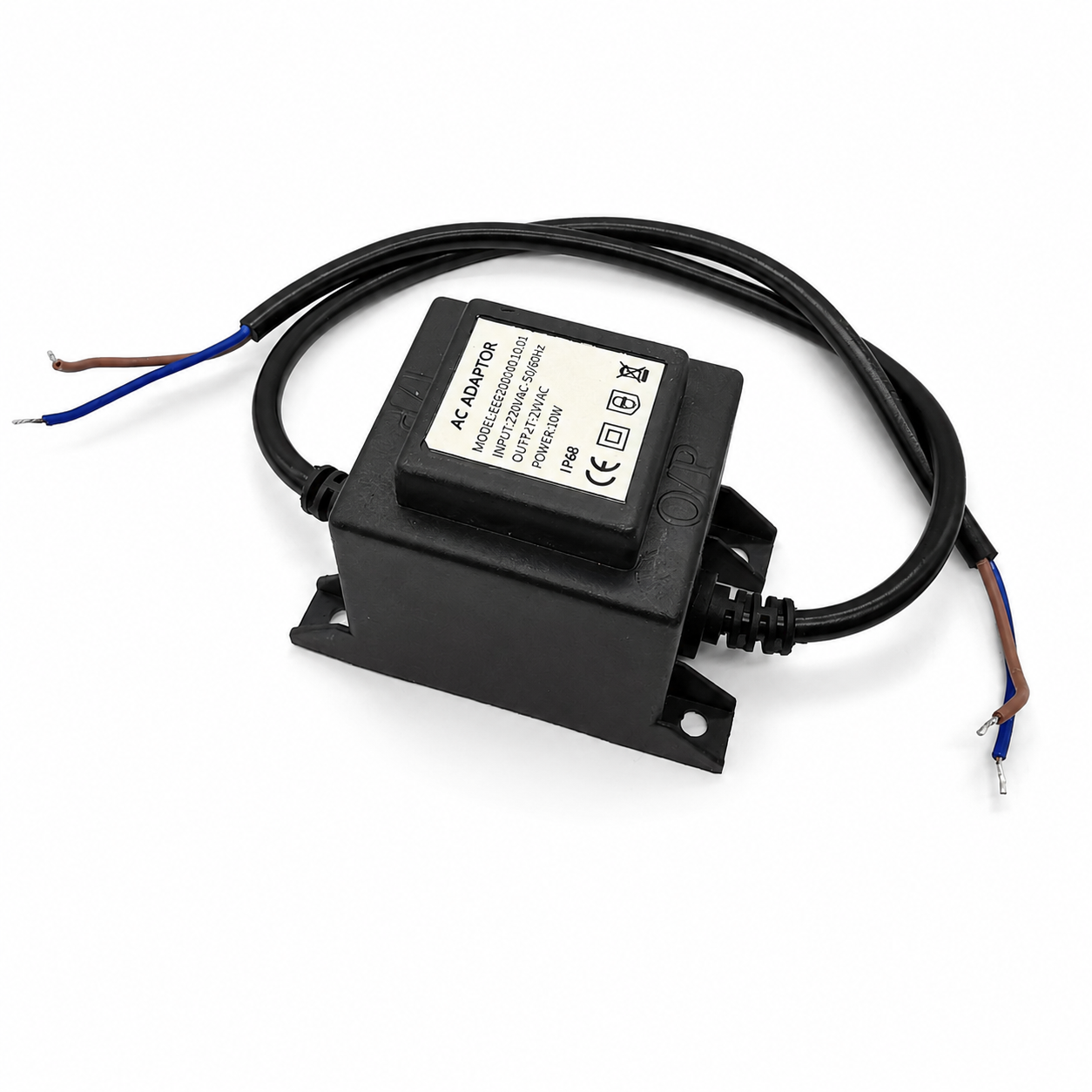
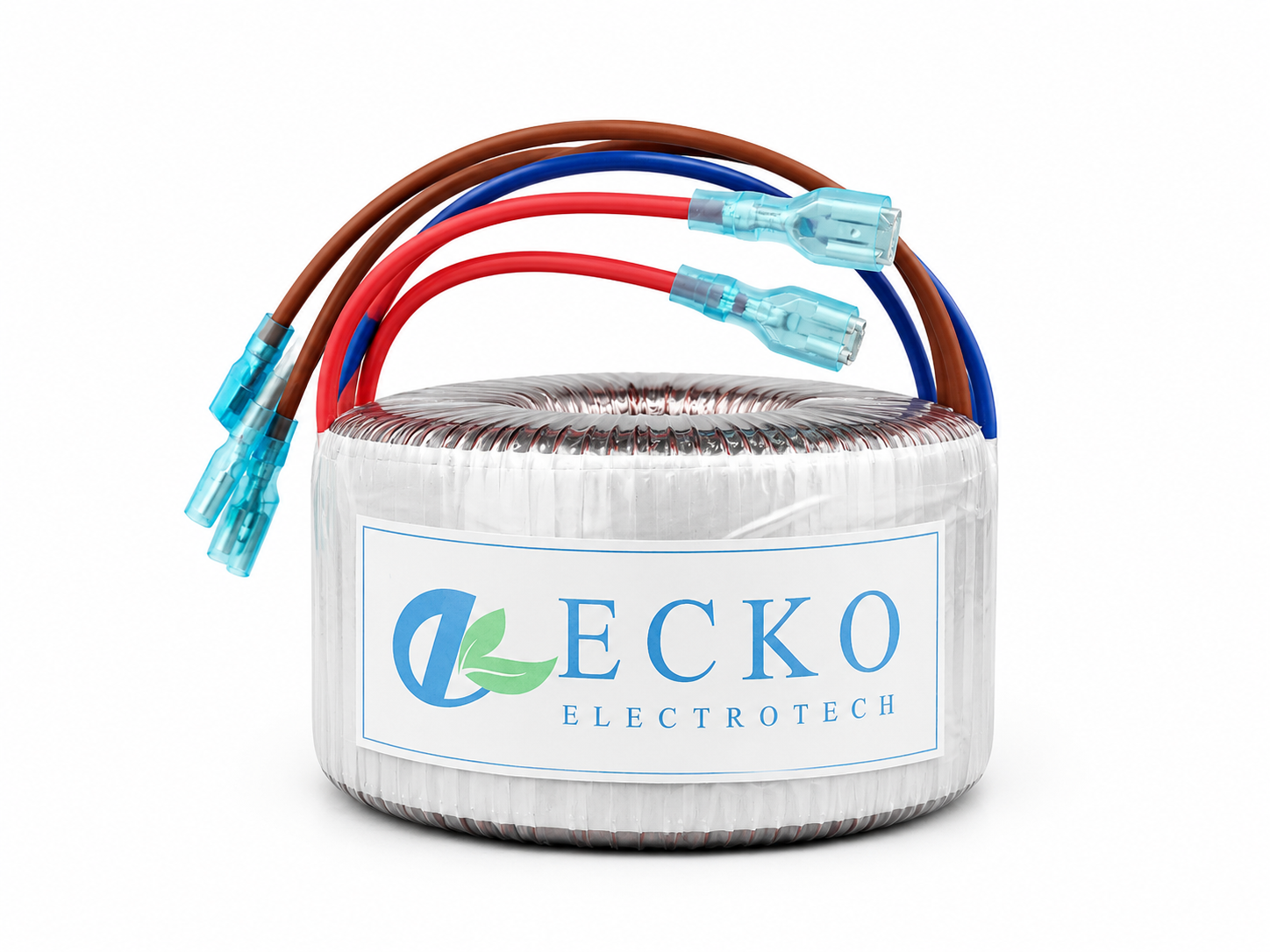
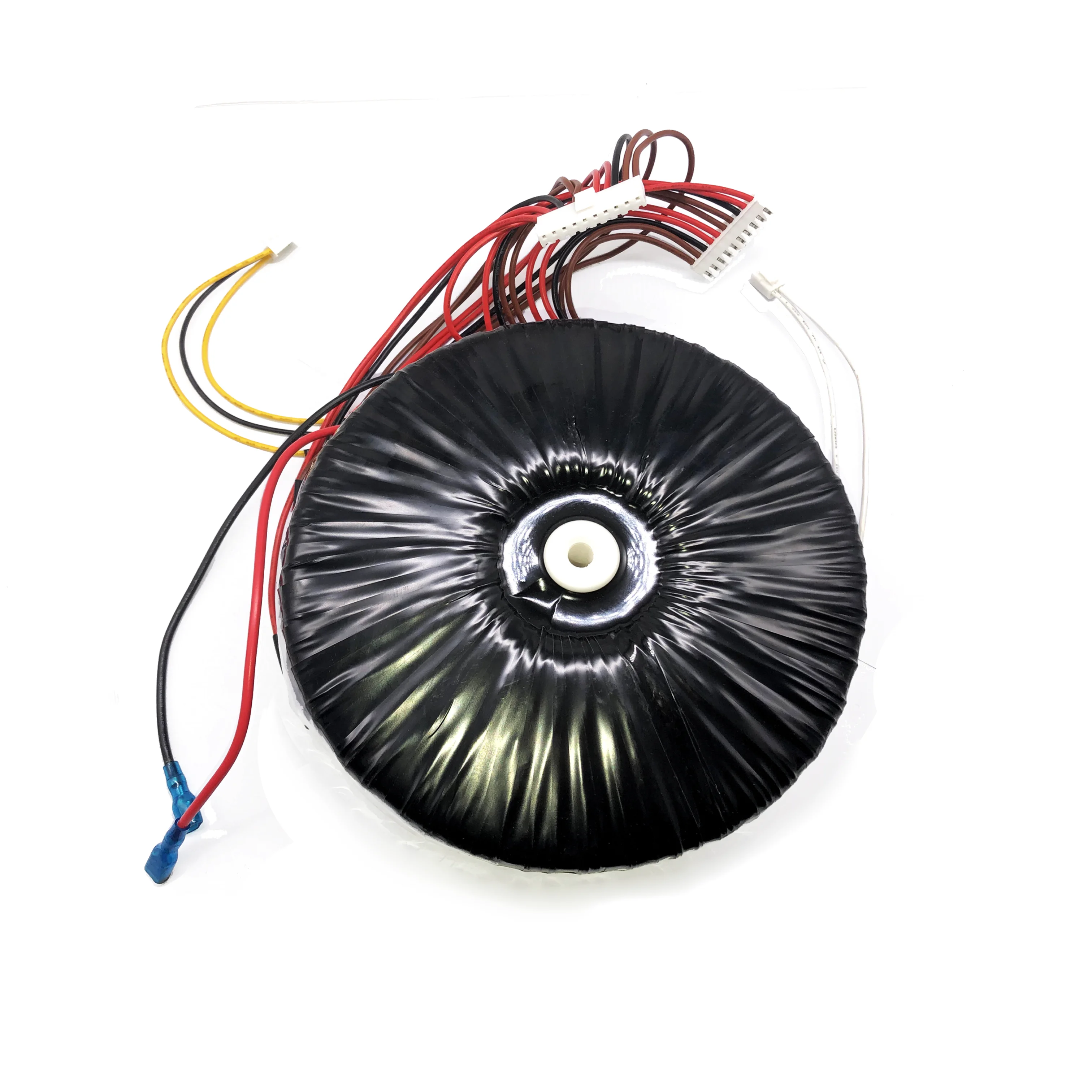
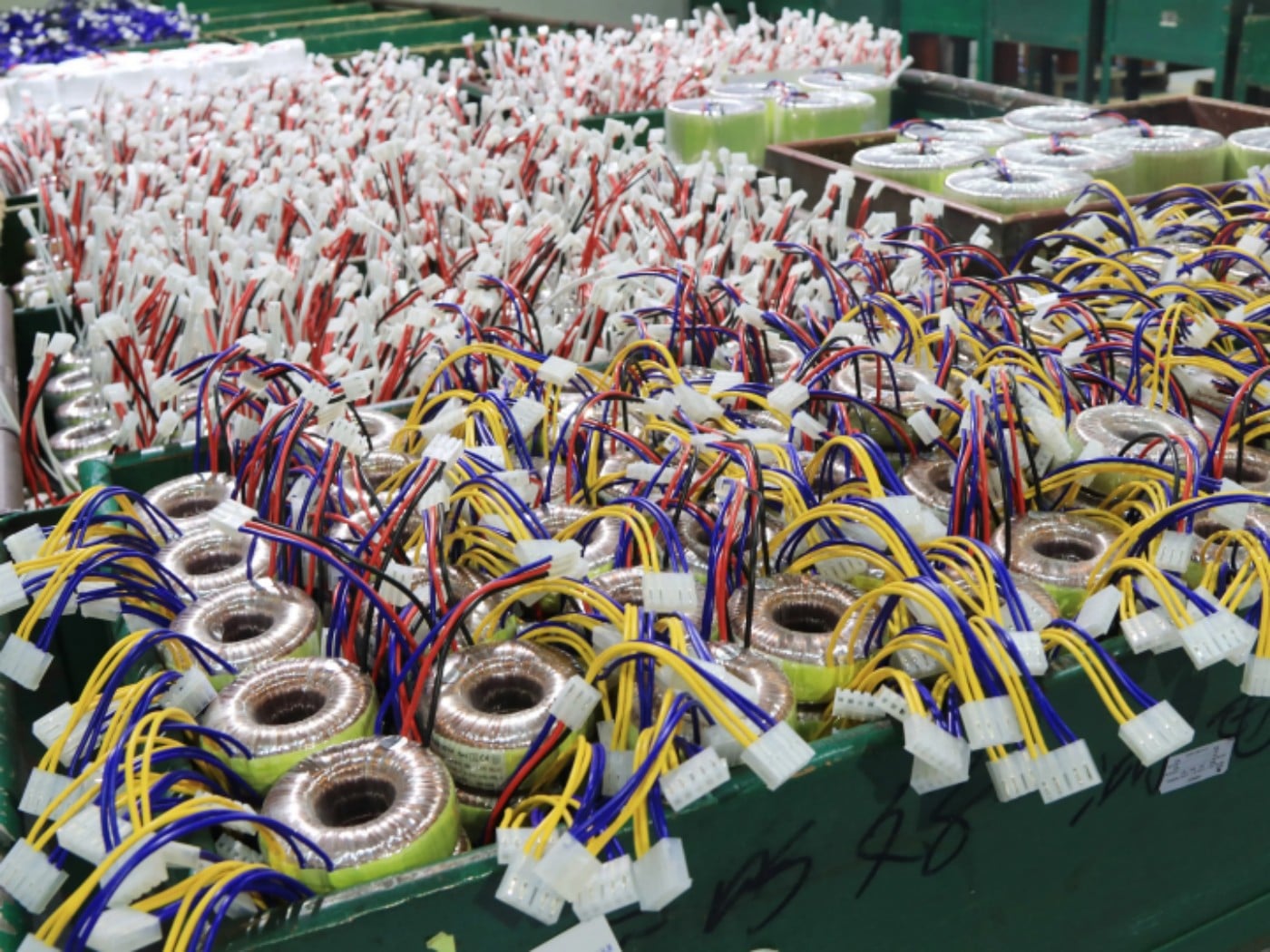
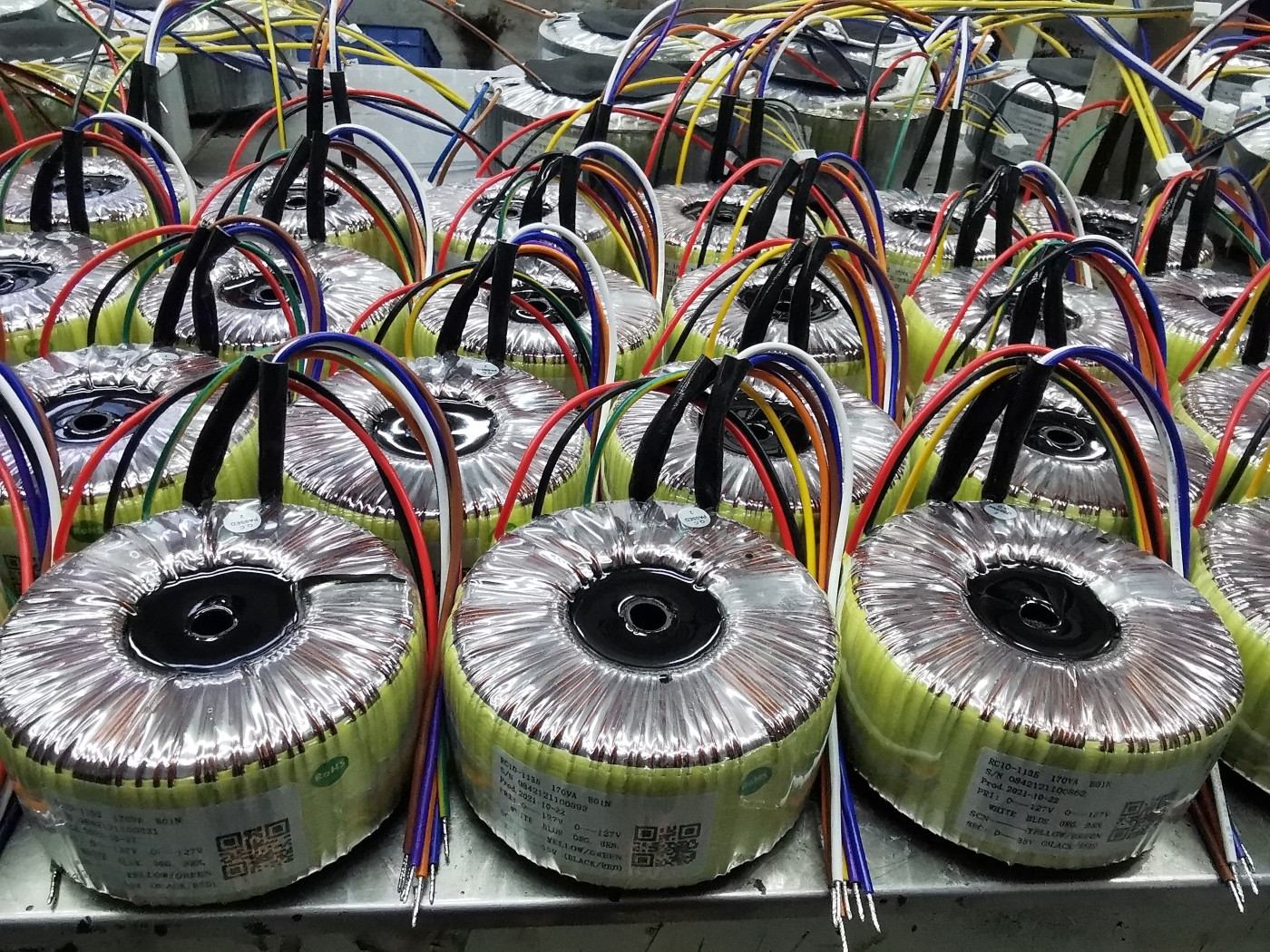
Tilpasset kontrolltransformator for industrimaskiner
AC-styrekraft som er tilpasset applikasjonen for kontaktorer, reléer, PLC-hjelpekretser, magnetventiler, elektromagnetiske bremsar og industrielle styrekabinett.
ECKO BK-kontrolltransformatorer er utformet for å omforme hoved-AC-forsyningen til en stabil kontrollspenning for industrisutstyr.
Vi tilpassar inngangsspenninga, utgangsspenninga, VA-verdi, frekvens, isolasjonssystem, terminaloppstilling, monteringshaldar og vernkomponentar i samsvar med krava til ditt utstyr.
Nøkkelproduktfunksjoner:
- Utforma for kontinuerleg last og kortvarig innslags-VA
- Ein- eller fleirfase inngangsspenningstap
- Ein-, sentraltap- eller fleirfase utgangsviklingar
- utforming for 50 Hz, 60 Hz eller 50/60 Hz
- Tilpassa terminalblokker, ledningar og kontaktar
- Kobberlindingsutstyr tilgjengelig
- Isolasjonsalternativer: klasse B, klasse F eller klasse H
- Tilpassede monteringsmål og hullavstand
- Valgfritt sikring, termisk beskytter og elektrostatis skjerm
- Rutinemessig elektrisk og sikkerhetsinspeksjon før forsendelse
Styretransformatorspesifikasjoner
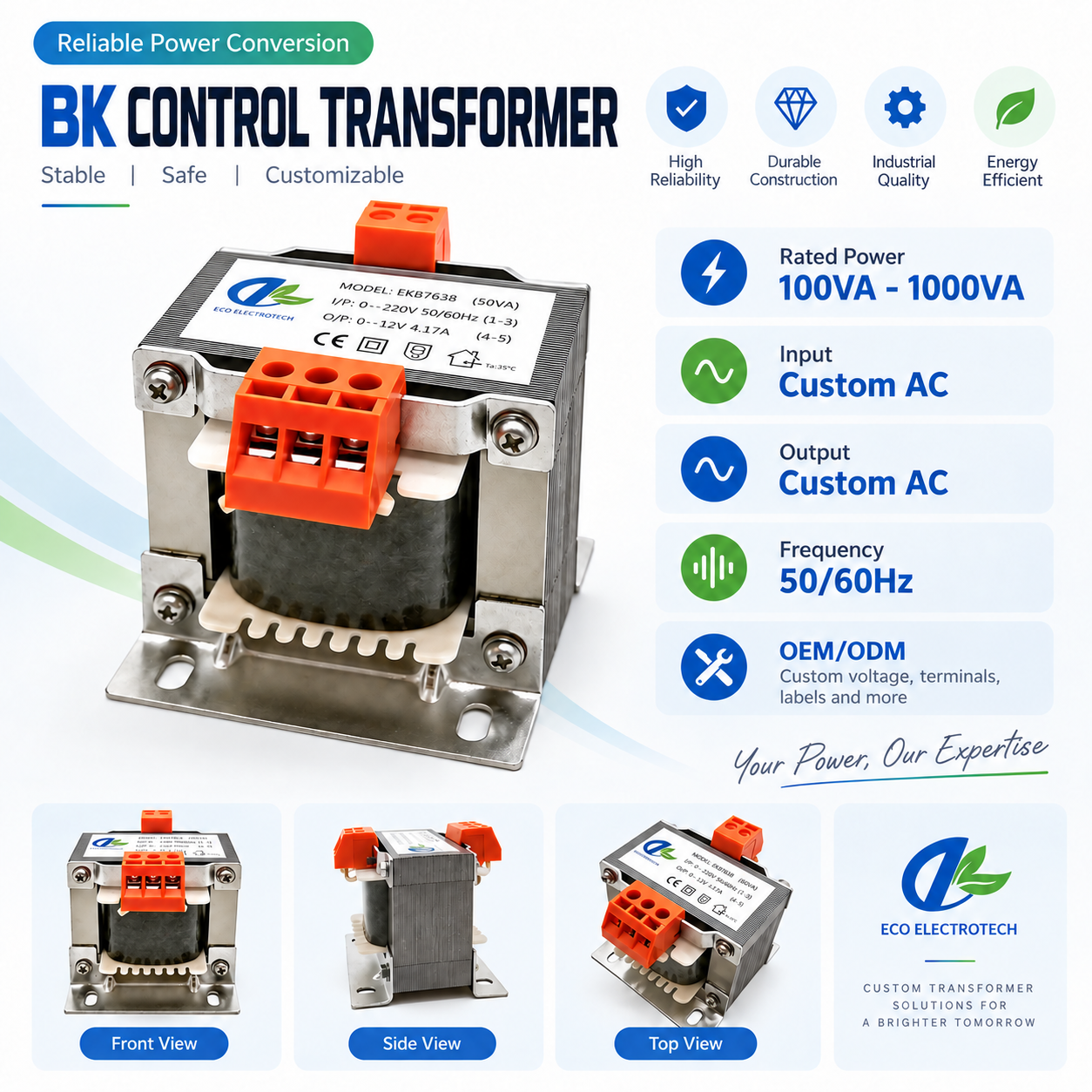
Merk: Spesifikasjonene ovenfor beskriver referanseproduktet og vanlige tilpasningsmuligheter. Endelig spenning, effekt, dimensjoner, temperaturstigning, beskyttelse, testbetingelser og overholdelseskrav vil bli bekreftet i den godkjente tekniske tegningen.
Utformet for de reelle kravene til industrielle styringskretser
1. Utviklet for spoleinnstrømning og kontinuerlig belastning
Anbefalt detaljbilde: Nærbilde av transformatorspolen og viklingsområdet.
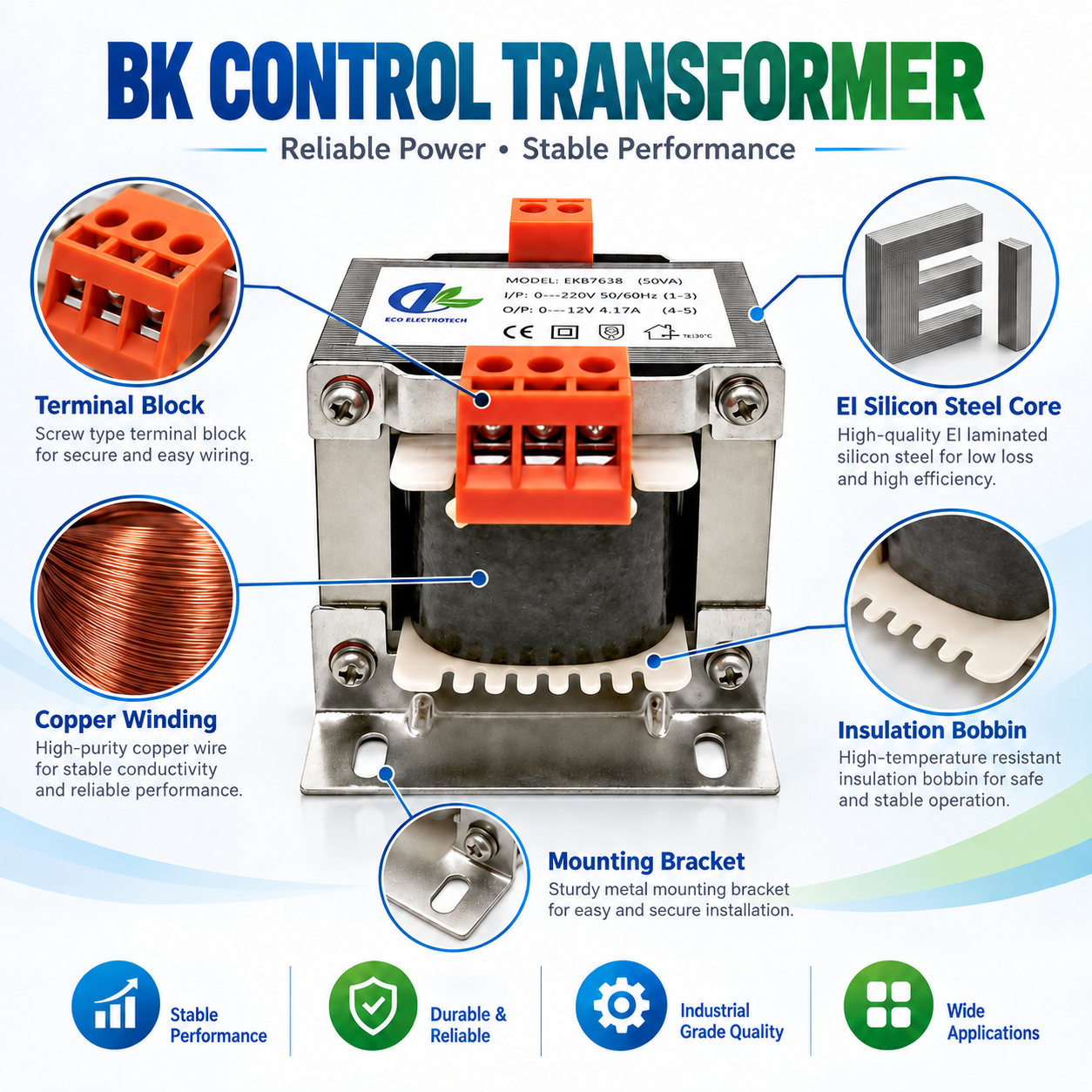
Styringsenheter som kontaktorer, magnetventiler og elektromagnetiske bremsesystemer kan trekke flere ganger sin normale strøm under innkobling. ECKO vurderer både øyeblikkelig innstrømnings-VA og kontinuerlig lukket-VA for å sikre tilstrekkelig sekundærspenning under kobling.
|
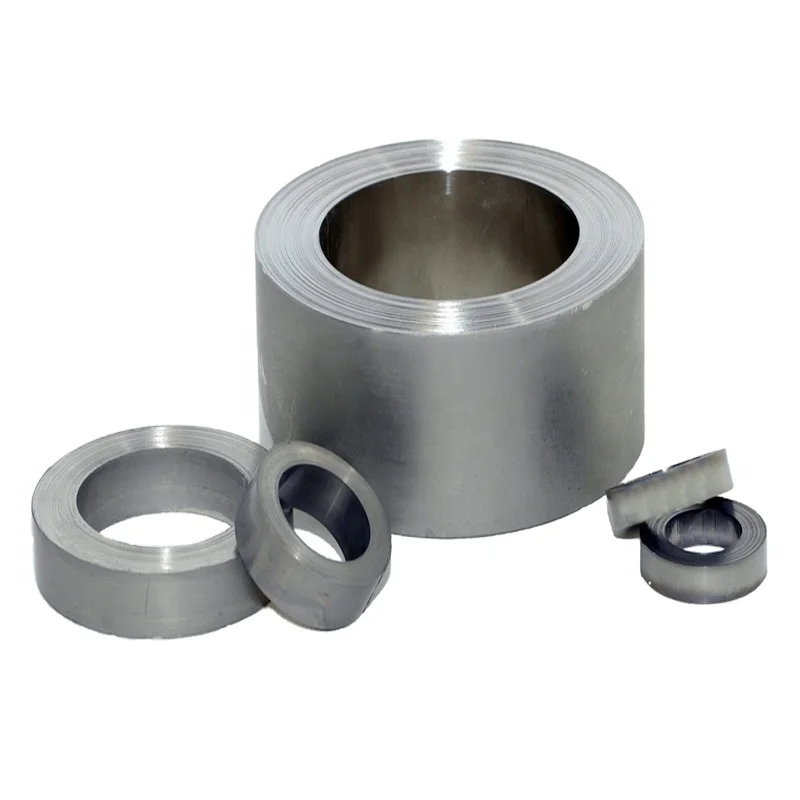
2. Frekvenskorrigert EI-laminert kjerne
Anbefalt detaljbilde: Nærbilde av de stablede EI-lamineringene i silisiumstål.
Den EI-laminerte kjernen velges ut fra nominell spenning, frekvens, effekt og temperaturstigningskrav. En riktig magnetisk konstruksjon hjelper til å regulere tomgangsstrøm, hørbar støy, kjernetap og driftstemperatur.
|
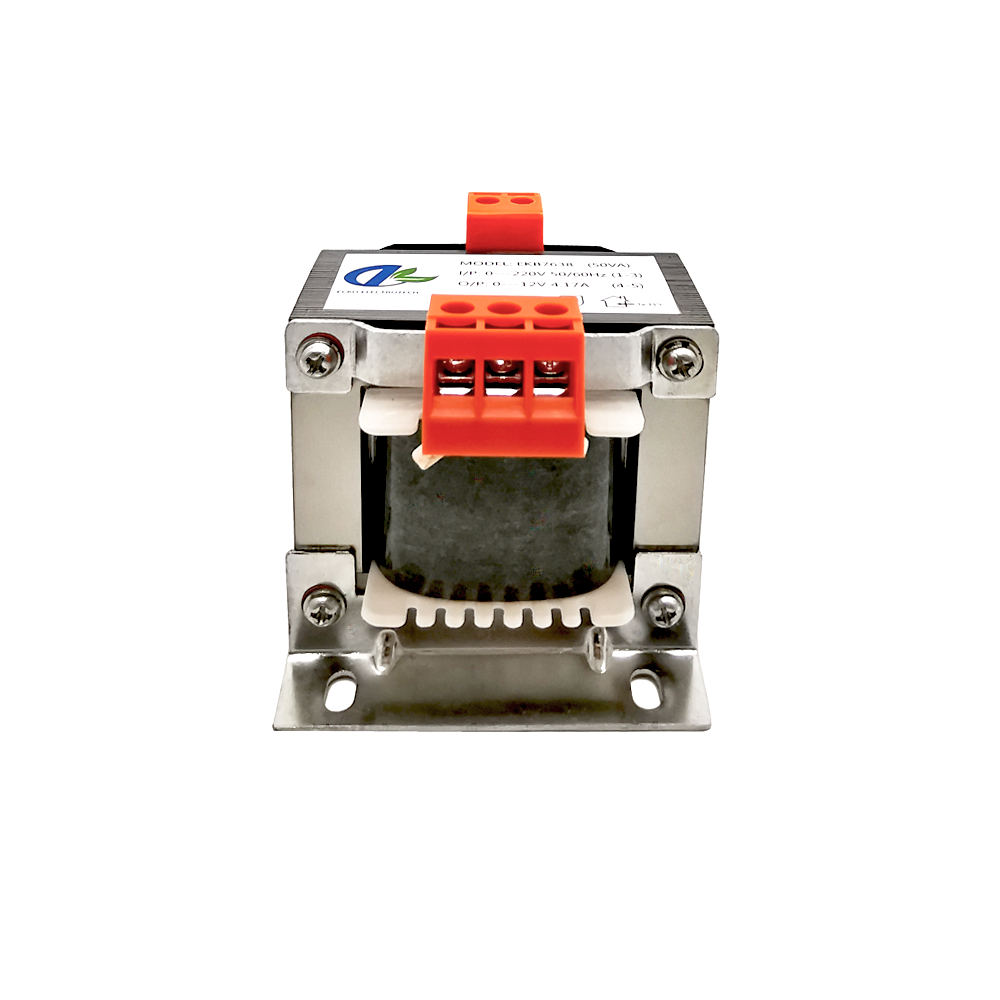
3. Lettilgjengelige og tydelig ordnede terminaler
Anbefalt detaljbilde: Nærbilde av de oransje finger-sikre terminalblokkene.
Terminalblokker med fingerbeskyttelse forenkler kablingsarbeidet på kontrollpaneler og fremtidig vedlikehold. Antall terminaler, nummerering, retning, avstand og spenningsmarkeringer kan tilpasses kundens kablingsskjema.
|
4. Isolasjonssystem tilpasset applikasjonen
Anbefalt detaljbilde: Nærbilde av isolert vikling, spolekjerne og isolasjonsbånd.
Spolekjerne, isolasjonsbånd, lakking, krypavstand og luftavstand velges ut fra driftsspenningen og kravene til endeproduktet. Isolasjonssystemer i klasse B, klasse F og klasse H er tilgjengelige.
|
5. Sterk og tilpassbar monteringsklemme
Anbefalt detaljbilde: Nærbilde av metallklemmen og de slittede monteringshullene.
Metallrammen støtter stabil montering i chassiet og effektiv varmeavledning. Totale mål, klemmeform, avstand mellom monteringshull og retning på terminaler kan tilpasses for montering i begrenset skapsplass.
|
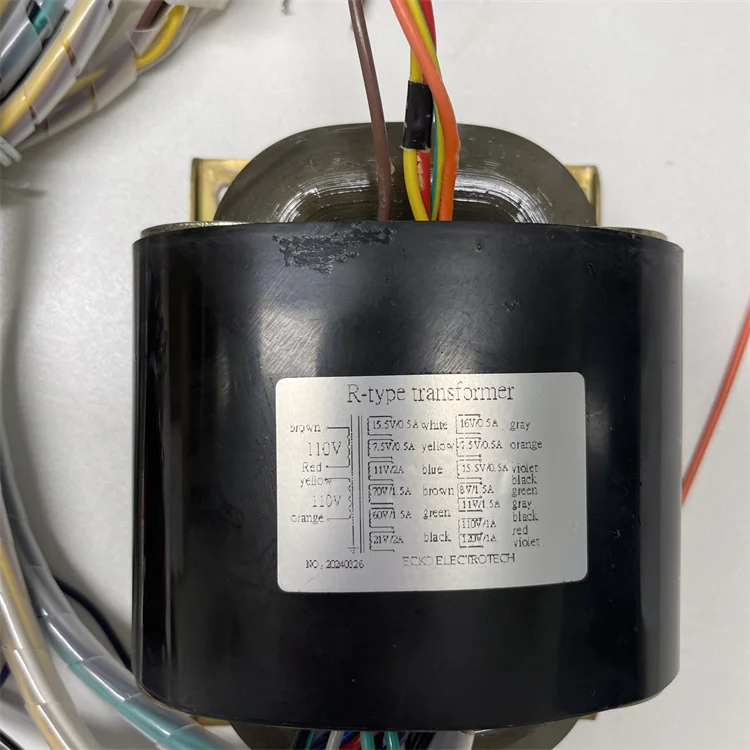
6. Kontrollert produktidentifikasjon
Anbefalt detaljbilde: Nærbilde av transformatormerkelappen og terminaldiagrammet.
Den godkjente merkelappen kan vise inngangsspenning, utgangsspenning, frekvens, effektkapasitet, terminalkart og kundens delnummer. Batchkoder, serienumre og tilpassede kablingsymboler er også tilgjengelige for produktsporbarhet.
|
Tilpassningsmuligheter
Tilpassede kontrolltransformatorer for ditt utstyr
ECKO tilbyr elektrisk, mekanisk og dokumentasjonsmessig tilpasning for OEM-kunder, produsenter av kontrollpaneler og produsenter av industriell utstyr.
Tilpasning av inngangsspenning
Tilgjengelige inngangsspenninger inkluderer:
- 110 VAC
- 120 VAC
- 220 VAC
- 230 VAC
- 240 VAC
- 380 VAC
- 400 VAC
- 415 VAC
- 440 VAC
- 480 VAC
- Inngangsspenning angitt av kunde
Primærviklinger med flere tilkoblingspunkter kan utformes for utstyr som skal brukes i ulike land eller under ulike nettspenningsforhold.
|
Tilpassing av utgangsspenning
Vanlige utgangsspenninger inkluderer:
- 6 VAC
- 12 VAC
- 24 VAC
- 36 VAC
- 48 V vekselstrøm
- 110 VAC
- 220 VAC
- Flere isolerte utganger
- Midtpunktstilkoblede utganger
- Kundespesifisert spenning og strøm
|
Tilpassing av effekt og belastning
Transformator kan utformes i henhold til:
- Kontinuerlig belastning i VA
- Innslagsbelastning i VA for kontaktor eller relé
- Forseglet spole i VA
- Antall tilkoblede styringsenheter
- Samtidig byttesekvens
- Periodisk eller kontinuerlig drift
- Minste akseptable innkoblingspenning
- Tillatt spenningsfall ved full last
|
Isolasjons- og beskyttelsesalternativer
Tilgjengelige alternativer inkluderer:
- Klasse B-isolasjon
- Klasse F-isolasjon
- Klasse H-isolasjon
- Primær fuse
- Sekundær sikring
- Enkeltbruk-varmebeskytter
- Gjenbruksbar varmebeskytter
- Elektrostatisk skjerm
- Jordingsklemme
- Forbedret isolasjon mellom primær- og sekundærviklinger
|
Klemme- og tilkoblingsalternativer
Vi kan tilpasse:
- Finger-sikre klemmeblokker
- Skrueterminaler
- Ledningstråd
- Faston-klemmer
- Av kunden spesifiserte koblingsdeler
- Nummerering av klemmer
- Koblingsskjemaer
- Retning og avstand mellom klemmer
|
Mekanisk tilpasning
Mekaniske alternativer inkluderer:
- Generelle transformatorstørrelser
- Maksimal installasjonshøyde
- Utforming av monteringsbeslag
- Avstand mellom monteringshullene
- Spredd eller runde monteringshull
- Kjerne størrelse
- Klemmeorientering
- Etikettens posisjon
- Installasjonsretning
|
Dokumentasjonsalternativer
Avhengig av prosjektet kan ECKO levere:
- Produktspesifikasjon
- Elektrisk koblingsskjema
- Godkjent prøverapport
- Inspeksjonsrapport
- Materialerklæring
- RoHS- eller CE-dokumentasjon
- Samsvarsdokumentasjon for det angitte modellnummeret
|
|
Styretransformatorer for industriell bryting og hjelpestrømforsyning
En styretransformator leverer en dedisert vekselspenningsstyringspenning for industrielle bryteanordninger og hjelpekretser. Den kan også gi galvanisk isolasjon mellom hovedforsyningen og styrekretsen når separate primære og sekundære viklinger brukes.
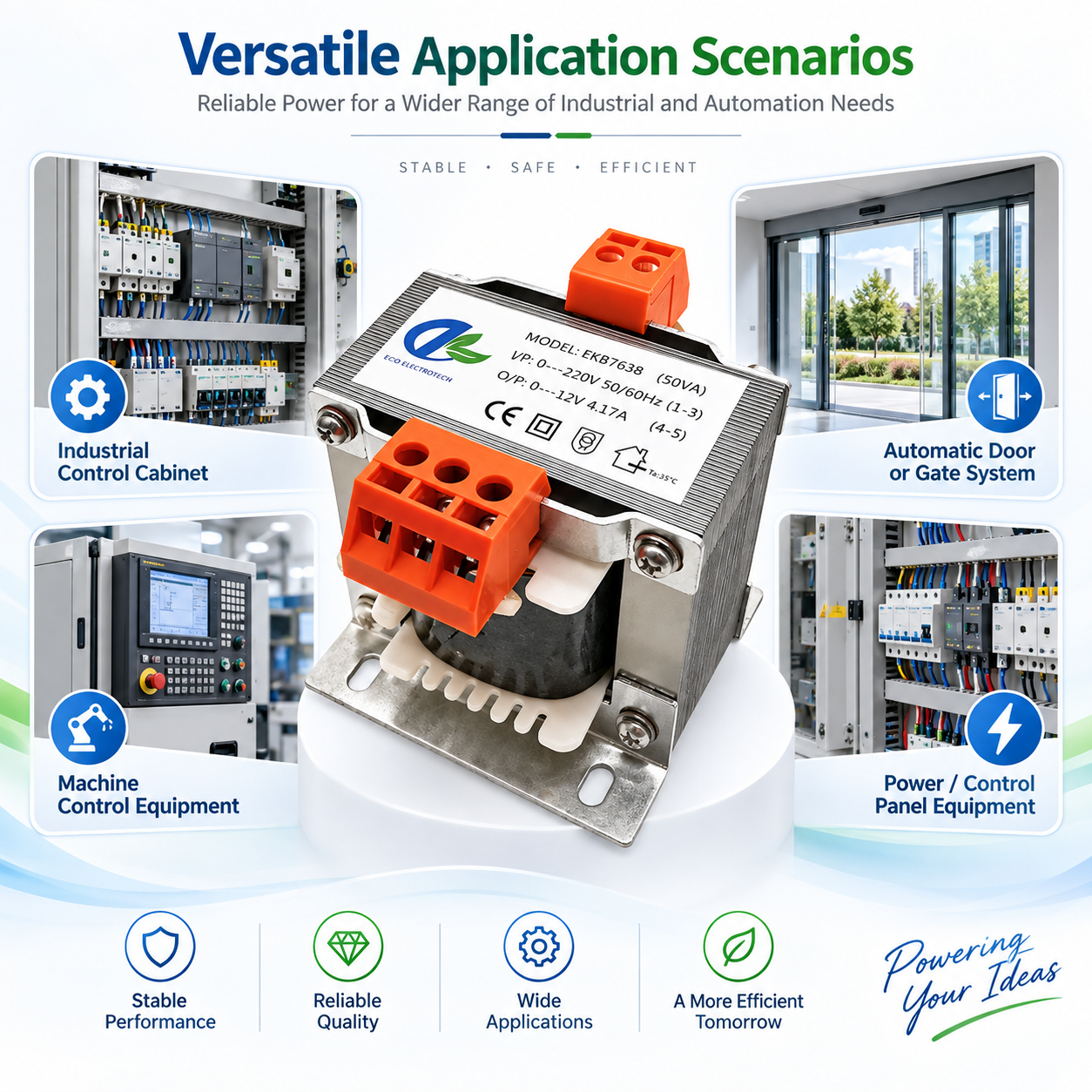
Industrielle kontrollkabinetter
kontroll transformatorar er mye brukt i elektriske styrekabinetter for å drive releer, tidtakere, kontaktorskolen, indikatorkretser og andre styrekompONENTER.
Inngangsspenningen kan tilpasses fabrikkens nettspenning, mens utgangsspenningen kan tilpasses 12 V, 24 V, 48 V, 110 V eller en annen styrespenningsverdi som kreves av skapet.
|
Vaksemaskin
Maskinverktøy bruker ofte kontaktorer, elektromagnetiske bremsar og magnetventiler som genererer en høy øyeblikkelig strøm ved innkobling.
En riktig valgt kontrolltransformator hjelper til å opprettholde tilstrekkelig kontrollspenning i CNC-maskiner, skjæremaskiner, pressemaskiner, emballasjemaskiner og annet produksjonsutstyr.
|
Industriell automasjonsutstyr
Automasjonssystemer bruker kontrolltransformatorer for å levere hjelpe-AC-strøm til PLC-grensesnitt, reléer, aktuatorer, sensorer og kontrollkretser.
Flere sekundærviklinger kan utformes når ulike kontrollenheter krever separate spenningskretser eller elektrisk isolasjon.
|
Ventilasjons-, oppvarmings- og kjølesystemer
Kontrolltransformatorer brukes i kjøleanlegg, kjølesystemer, luftbehandlingsutstyr og kommersielle HVAC-systemer.
De kan levere kontrollspenning til kontaktorer, ventiler, reléer, termostatkretser og andre hjelpeenheter. Utformingen bør ta hensyn til skapets temperatur, ventilasjon og slå-frekvens.
|
Heis, rulletrapp og automatiske dører
Heis- og tilgangskontrollutstyr kan bruke kontrolltransformatorer for å drive reléer, magnetbremsar, dørkontrollkretser og andre hjelpekomponenter.
Tilpassede monteringsbeslag og terminaloppsett er tilgjengelige for installasjon inne i kompakte elektriske skap.
|
Pumper og vannbehandlingsutstyr
Styretransformatorer kan levere styrekraft til motorstartere, nivåstyringsreléer, magnetventiler og overvåkningskretser i pumpestasjoner, vannbehandlingsutstyr og industrielle prosesssystemer.
For utendørs- eller fuktige installasjoner bør transformatoreren installeres inne i et egnet beskyttelseskap.
|
Hvorfor velge ECKO?
Mer enn bare en transformatorleverandør: Ingeniørstøtte for OEM-styresystemer
1. Lastanalyse før transformatorvalg
Vi velger ikke en styretransformator bare ut fra kontinuerlig effekt i watt.
Vår ingeniørvurdering kan inkludere kontinuerlig tilsynslast (VA), innslagslast (VA), lukket last (VA), sekvens for på-/avslåing, driftssyklus og minimumsopptaksspenningsnivå for tilkoblede kontaktorer, reléer, magnetventiler eller bremsesystemer.
Dette reduserer risikoen for en for liten transformator, for stor spenningsfall eller unødvendig overdimensjonering.
|
2. Elektrisk og mekanisk design gjennomgås sammen
En transformator må levere den nødvendige ytelsen og passe korrekt inn i kundens skap.
ECKO gjennomgår spenning, strøm, regulering, temperaturstigning, isolasjon, tilgang til terminaler, avstand mellom monteringshull og total installasjonsplass som del av samme designprosess.
|
3. Kontrollert overføring fra prøveproduksjon til serieproduksjon
Den godkjente produkttegningen, viklingsinformasjonen, materialkravene, terminalkartet, etikettinnholdet og inspeksjonskriteriene blir referanse for produksjonen.
Denne kontrollerte overføringen sikrer konsekvens mellom godkjente prøver og fremtidige serienoteringer.
|
4. Samsvarskrav tas med tidlig i betraktning
Sertifiseringskrav avhenger av nøyaktig transformatormodell, isolasjonsmaterialer, endelige utstyr og målmarked.
ECKO gjennomgår CE-, CQC-, RoHS- eller andre dokumentasjonskrav under anbuds- og designfasen, i stedet for å behandle dem som generiske fabrikkskrav.
|
5. Ingeniørkommunikasjon for tilpassede prosjekter
Kunder mottar en tydelig definert spesifikasjon og tegning for godkjenning.
Tekniske endringer som omfatter spenning, viklingsmateriale, terminaler, montering eller beskyttelse dokumenteres for å unngå misforståelser mellan innkjøps-, ingeniør- og produksjonsteam.
|
6. Erfaren transformatorproduksjon
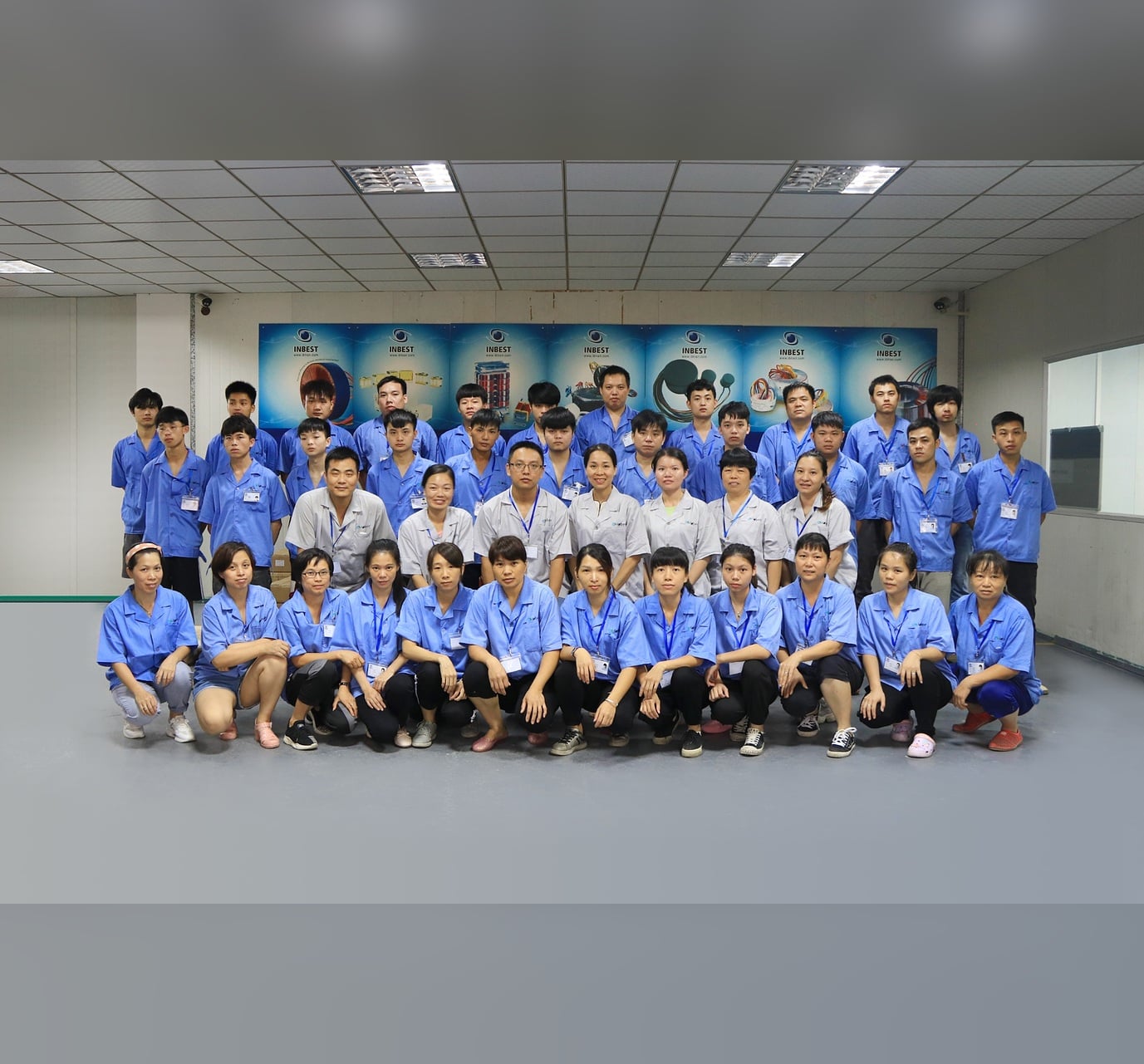
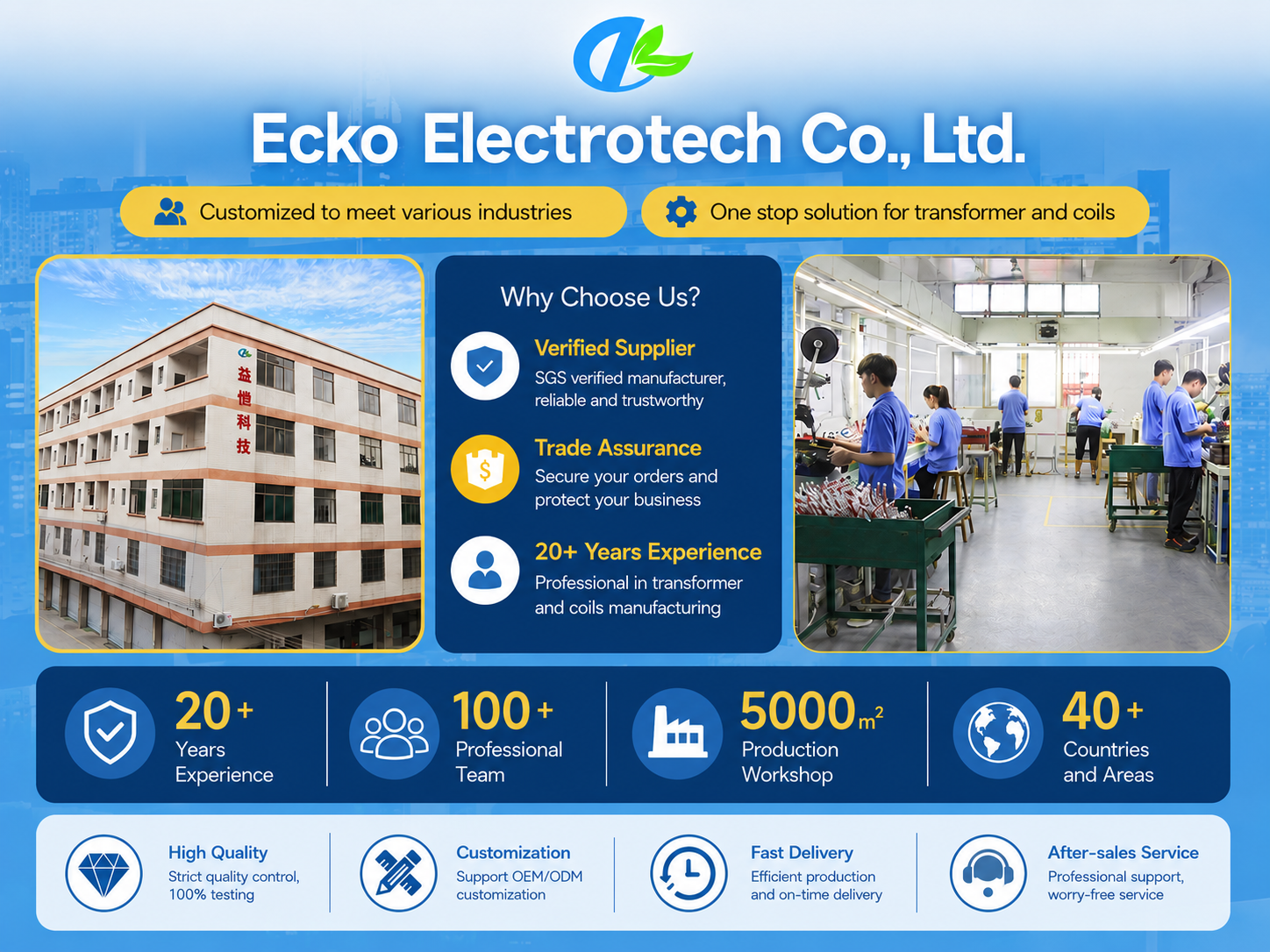
Ecko Electrotech har produsert tilpassede transformatorer og viklede komponenter siden år 2000.
Våre produksjonsressurser inkluderer tre verksteder på ca. 5 000 kvadratmeter, støttet av erfarne produksjons- og kvalitetskontrollansatte. Våre produkter leveres til kunder i mer enn 30 land og regioner.
|
Kvalitetstesting
Verifisering av elektrisk sikkerhet og ytelse
ECKO kombinerer inngående materiellinspeksjon, prosesskontroll under produksjon, rutinemessig elektrisk testing og designvalideringstesting.
De nøyaktige testelementene, grenseverdiene, utvalgsnivået og testbetingelsene bekreftes i henhold til den godkjente produktspesifikasjonen.
| Testemål |
Hva det bekrefter |
Kontrollnivå |
| Visuell inspeksjon |
Ferdighetsnivå, kjernemontering, terminaler, merking og overflatekvalitet |
Rutinemessig inspeksjon |
| Målingsinspeksjon |
Total størrelse, avstand mellom monteringshull og plassering av terminaler |
Rutinemessig inspeksjon |
| Viklingskontinuitet |
Riktige og komplette elektriske tilkoblinger |
Standardtest |
| Viklingsforhold og polaritet |
Riktig spenningsforhold og terminalrelasjon |
Standardtest |
| Tomgangsutgangsspenning |
Sekundærspenning før belastning kobles til |
Standardtest |
| Lastfri strøm |
Magnetisk tilstand og kjerneytelse |
Standardtest |
| Isolasjonsmotstand |
Isolasjonsintegritet mellom viklinger og tilgjengelige metalldele |
Standardtest |
| Dielektrisk spenningsfasthet/høy-spenningsprøve |
Isolasjonsmotstand ved den angitte prøvespenningen |
Standardtest |
| Utgangsspenning ved nominell belastning |
Spenningsytelse ved den angitte kontinuerlige belastningen |
Designvalidering |
| Spenningsregulering |
Forskjell mellom tomgangs- og nominell belastnings utgangsspenning |
Designvalidering |
| Innslags-/oppstartsimulering |
Sekundærspenning under den definerte brytebelastningen |
Etter behov |
| Temperaturstigningstest |
Termisk ytelse under den avtalte belastningen og omgivelsesbetingelsene |
Designvalidering |
| Støy- og vibrasjonskontroll |
Kjerneinnspenning, impregnasjon og mekanisk montering |
Som spesifisert |
| Endelig etikettkontroll |
Riktig modell, verdisetting, terminalmerking og partiinformasjon |
Rutinemessig inspeksjon |
Kvalitetskontrollprosess:
- Innkommende inspeksjon av kjerne, ledning, spolekasse og isolasjon
- Inspeksjon av viklingsprosessen
- Verifikasjon av tilførselsledning og terminaler
- Kjernemontering og mekanisk inspeksjon
- Elektrisk ytelsetest
- Testing av isolasjonsmotstand
- Dielektrisk holdbarhetstesting
- Endelige mål, merkelapp og emballasjeinspeksjon
Viktig merknad:
Temperaturstigning og utgangsregulering avhenger av transformatorutformingen, lastens effektfaktor, monteringsretning, skapstemperatur og ventilasjon. Vennligst oppgi den forventede driftsmiljøet slik at riktige valideringsbetingelser kan fastsettes.
Tilpassingsprosess
Fra tekniske krav til kontrollert produksjon
Steg 1: Innhenting av krav
Kunden leverer:
- Inngangsspenning
- Frekvens
- Utgangsspenning og strøm
- Kontinuerlig VA
- Innslags-VA og hermetisk VA
- Lasttype
- Brytesekvens
- Tjenestecykel
- Omgivelsestemperatur
- Største dimensjoner
- Avstand mellom monteringshull
- Krav til terminaler
- Gjeldende standarder
- Estimert årlig mengde
|
Steg 2: Ingeniørvurdering
ECKO vurderer magnetkjernen, viklingsstrukturen, lederstørrelsen, spenningsreguleringen, temperaturstigningen, isolasjonssystemet, terminalanordningen og monteringskonstruksjonen.
Hvis innslags-VA ikke er tilgjengelig, kan kunden levere datablad for kontaktor, relé, bremse eller magnetventil til vurdering.
|
Steg 3: Tilbud og teknisk forslag
Vi leverer et kommersielt tilbud sammen med det foreslåtte elektriske og mekaniske konfigurasjonsforslaget.
Eventuelle spesielle krav knyttet til kobberviklinger, termisk beskyttelse, skjerming eller etterlevelsesdokumentasjon bør bekreftes på dette tidspunktet.
|
Steg 4: Tegningsgodkjenning
Kunden gjennomgår og godkjenner:
- Elektriske verdier
- Totale dimensjoner
- Avstand mellom monteringshullene
- Nummerering av klemmer
- Kabeltøy
- Merkeinformasjon
- Materialekrav
- Testkrav
Mønsterproduksjon starter etter at den tekniske tegningen og spesifikasjonen er godkjent.
|
Steg 5: Prøveproduksjon og testing
Prøver produseres i henhold til godkjente tekniske dokumenter.
Elektrisk funksjon, isolasjon, mål og angitte valideringspunkter kontrolleres før forsendelse.
|
Steg 6: Kundeutstyrsverifikasjon
Kunden monterer prøven i det tenkte utstyret og verifiserer:
- Mekanisk passform
- Tilgang til terminaler
- Utspenning
- Kontaktor- eller magnetventilaktivering
- Driftstemperatur
- Støy og vibrasjon
- Helhetlig utstyrsytelse
|
Steg 7: Seriefremstilling
Etter godkjenning av prøven overføres den bekreftede tegningen, materiallisten, produksjonsprosessen og inspeksjonskriteriene til serieproduksjon.
Rutinemessig inspeksjon og endelig emballasje utføres i henhold til godkjente ordrekrav.
|
|
Ofte stilte spørsmål om kontrolltransformatorer
1. Gir en BK-kontrolltransformator galvanisk isolasjon?
En konvensjonell BK-transformator med separate primære og sekundære viklinger gir galvanisk isolasjon mellom inngangskretsen og utgangskretsen.
En autotransformator gir ikke samme isolasjon. Hvis en autotransformator er akseptabel, må dette tydelig angis i designfasen.
2. Kan kobberwikling spesifiseres?
Ja. Kobberwikling kan spesifiseres som et obligatorisk prosjektkrav.
Ledermaterialet kan registreres i den godkjente materiallisten, tekniske tegningene og inspeksjonsdokumentene, slik at det ikke kan endres uten kundens godkjenning.
3. Hvilke isolasjonsklasser er tilgjengelige?
Isolasjonsklassene B, F og H er tilgjengelige.
Den passende isoleringsklassen avhenger av omgivelsestemperaturen i skapet, transformatorens temperaturstigning, ventilasjonen, driftssyklusen og kravene til sluttutstyret.
En høyere isoleringsklasse betyr ikke automatisk at en høyere driftstemperatur er ønskelig. Målet for temperaturstigningen bør defineres separat.
4. Hvordan vurderes temperaturstigning?
Temperaturstigning måles under definerte inngangsspenning, frekvens, belastning, omgivelsestemperatur og monteringsforhold.
Den endelige temperaturen inne i kundens skap kan også påvirkes av ventilasjon, nærliggende varmekilder, monteringsretning og innkapslingsstørrelse. Vennligst oppgi den forventede indre skaptemperaturen under designfasen.
5. Kan du montere en sikring eller termisk beskytter?
Ja. Valgfri beskyttelse inkluderer:
- Primær fuse
- Sekundær sikring
- Gjenbruksbar varmebeskytter
- Enkeltbruk-varmebeskytter
- Elektrostatisk skjerm
- Jordingsklemme
Den endelige beskyttelseskonfigurasjonen bør også ta hensyn til den oppstrøms-sikringen eller strømbryteren i kundens utstyr.
6. Hvordan skal primær-sikringen eller strømbryteren velges?
Beskyttelsesutstyret må ta hensyn til primærstrømmen ved rated effekt, innkoblingsstrømstøt, lederbeskyttelse og gjeldende standard.
En sikring eller bryter som er valgt for nær den normale driftsstrømmen kan utløses under transformatorinnkobling. Et for stort utstyr kan ikke gi tilstrekkelig beskyttelse.
Panelkonstruktøren bør koordinere transformatorbeskyttelsen med det komplette elektriske systemet.
7. Er en åpen BK-transformator kortslutningssikker?
Det bør ikke antas at en standard åpen BK-transformator er i seg selv kortslutningssikker.
Den nødvendige sikringen, bryteren, termiske beskyttelsen og feilbelastningskapasiteten må defineres i henhold til anvendelsen og den aktuelle sluttekniskutstyrsstandarden.
8. Skal én side av sekundærviklingen jordes?
Dette avhenger av sluttekniskutstyrsstandarden og kundens kontrollkretskonstruksjon.
ECKO leverer den nødvendige viklingskonfigurasjonen, men jordingsløsning, overstrømsbeskyttelse og lederidentifikasjon må bestemmes av panel- eller utstyrsdesigneren.
9. Hvordan kan transformatorstøy reduseres?
Hørbar brumming kan reduseres ved hjelp av passende fluksdensitetsutforming, nøyaktig kjerneoppbygging, sikker mekanisk klemming og kontrollert lakrimpregnasjon.
Under installasjonen skal transformatorn monteres på en sikker måte. Tynne resonante metallplater og løse monteringsdelar kan forsterke normal magnetisk vibrasjon.
10. Kan dere tilpasse dimensjonene og monteringshullene til vår eksisterende transformator?
Vennligst send inn:
- Tydelige bilder av den eksisterende transformatorn
- Produktetikett
- Totale dimensjoner
- Avstand mellom monteringshullene
- Klemmeposisjoner
- Kabeltøy
- Inngangs- og utgangsratinger
- Lastinformasjon
Et fysisk prøveeksemplar eller originaltegning kan ytterligere redusere risikoen for mekanisk eller elektrisk inkompatibilitet.
 EN
EN