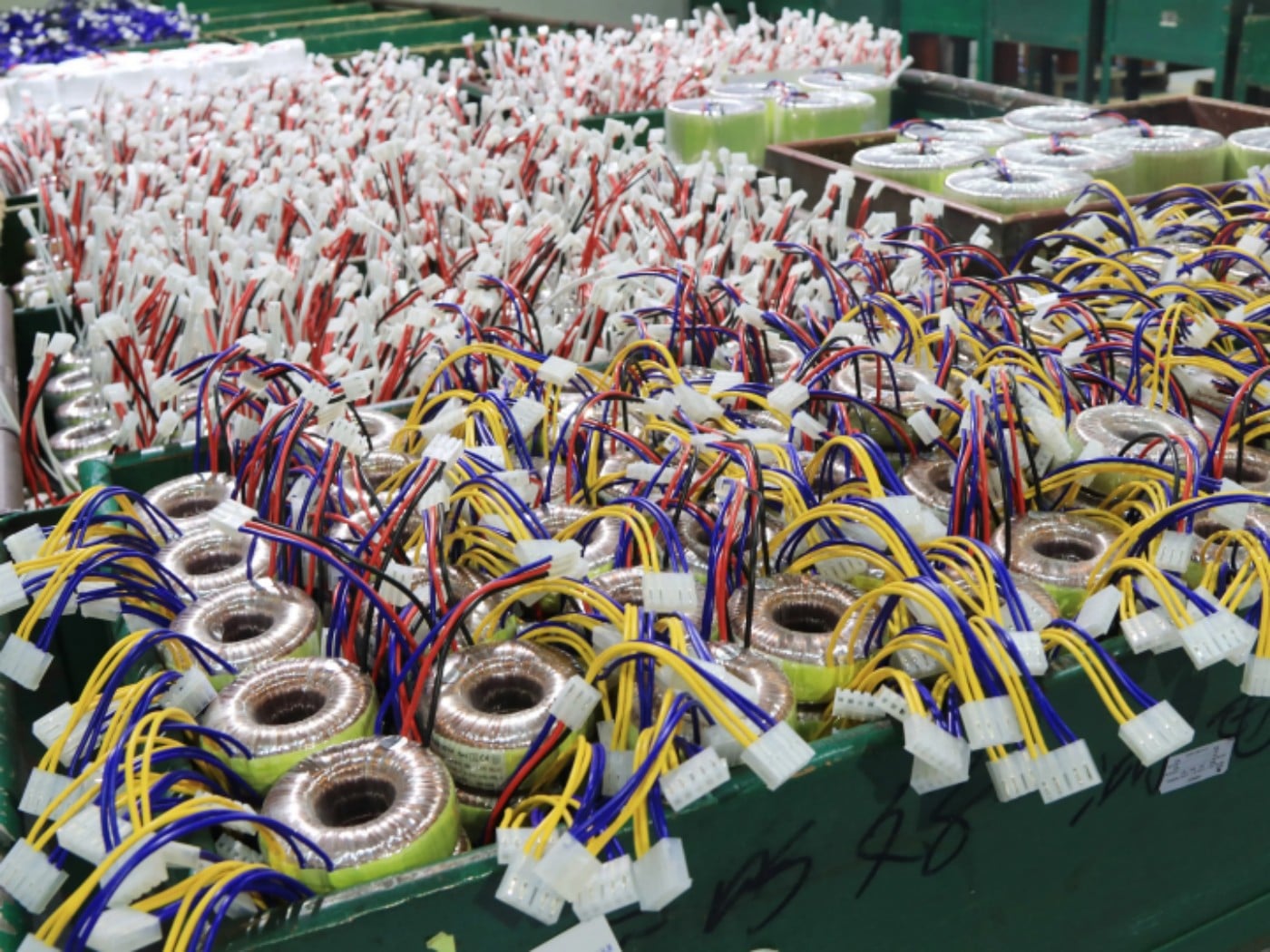
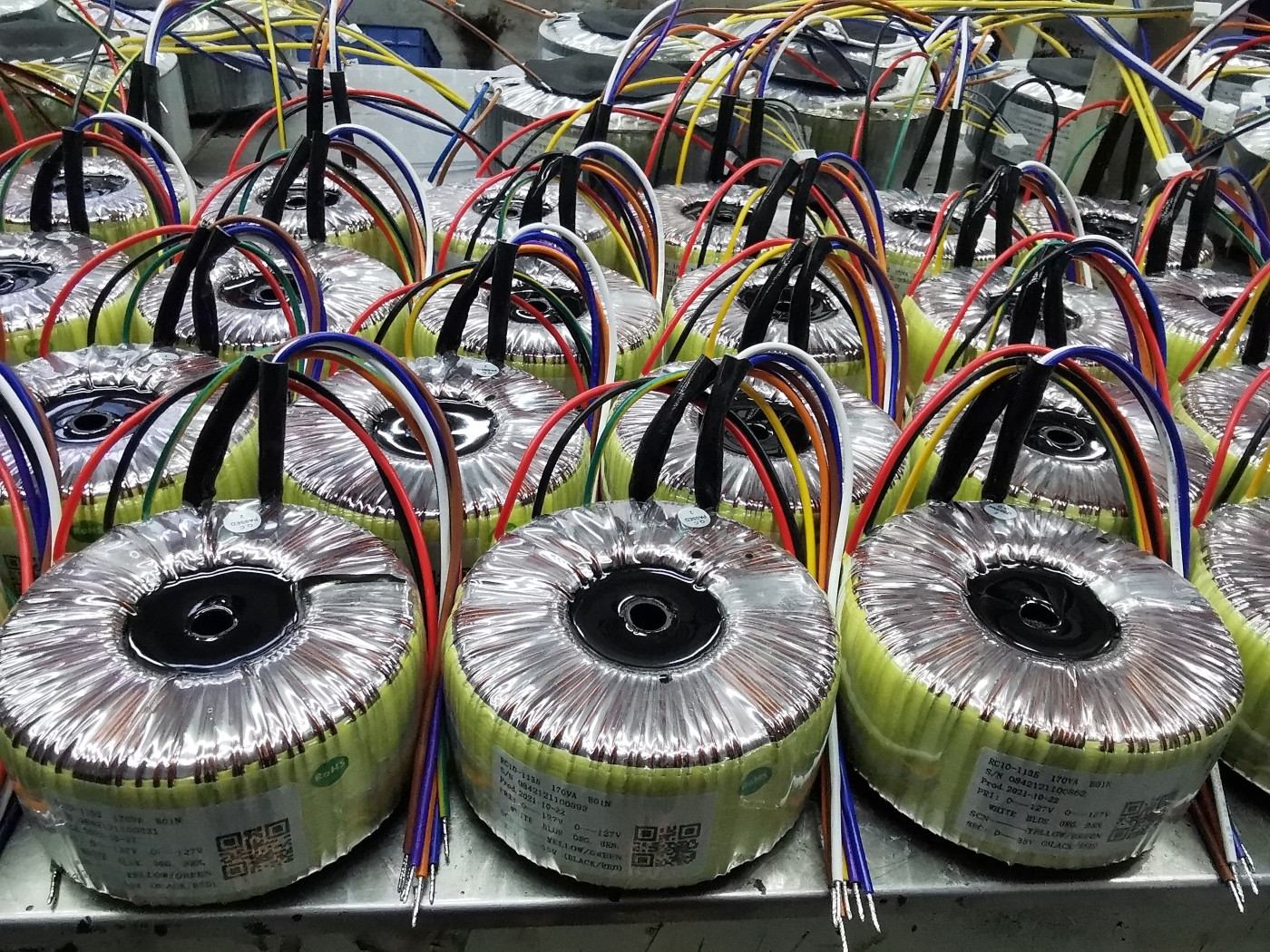
Aangepaste regeltransformatoren voor industriële gereedschapsmachines
Op de toepassing afgestemde wisselstroomregelvoeding voor contactoren, relais, PLC-hulpcircuits, solenoïden, elektromagnetische remmen en industriële regelkasten.
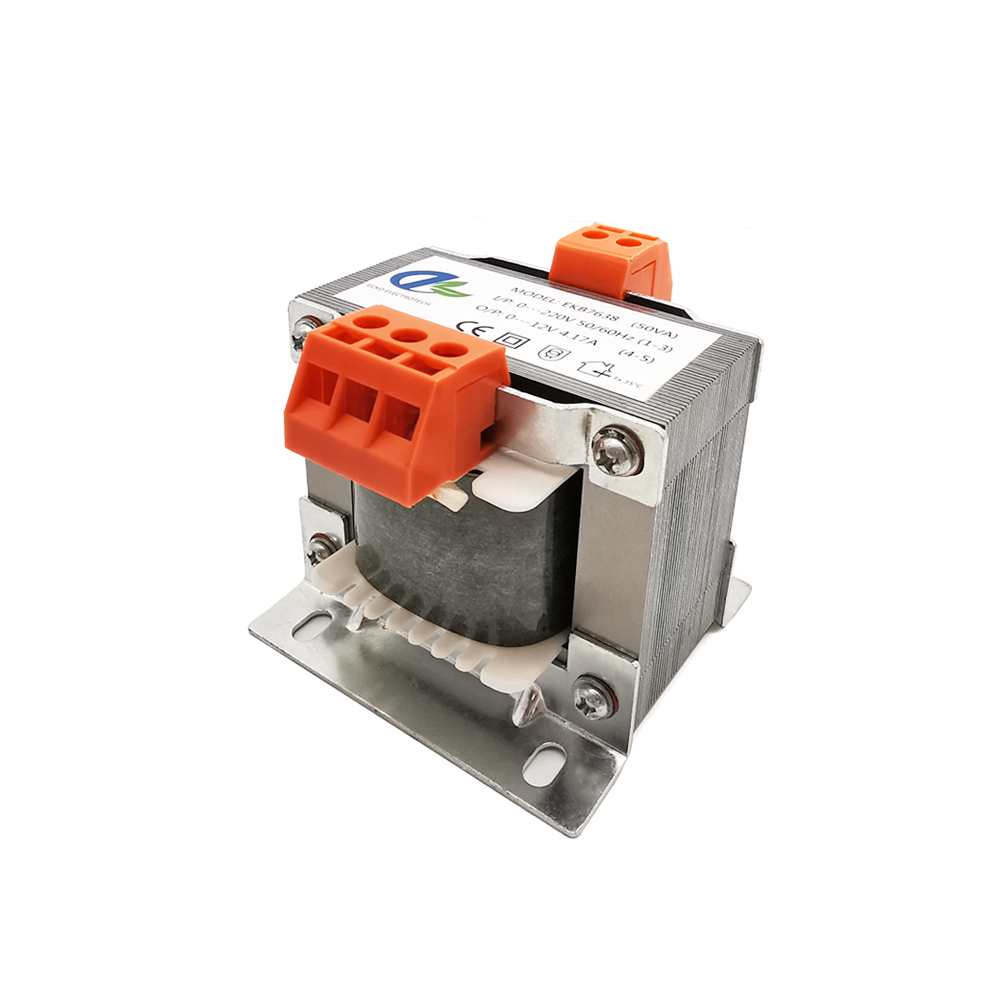
ECKO BK-regeltransformatoren zijn ontworpen om de hoofdwisselstroomvoeding om te zetten naar een stabiele regelspanning voor industriële apparatuur.
Wij passen de ingangsspanning, uitgangsspanning, VA-nominale waarde, frequentie, isolatiesysteem, aansluitingsschikking, montagebeugel en beschermingscomponenten aan op basis van uw apparatuureisen.
Belangrijkste productkenmerken:
- Ontworpen voor continue belasting en kortstondige inschakel-VA
- Enkele of meervoudige ingangsspanningsafgrepen
- Enkele, middengevende of meervoudige uitgangswickelingen
- 50 Hz, 60 Hz of 50/60 Hz-ontwerpen
- Aangepaste aansluitblokken, aansluitdraden en connectoren
- Koperwikkeling verkrijgbaar
- Isolatieopties klasse B, klasse F of klasse H
- Aangepaste montageafmetingen en gatonderlinge afstand
- Optioneel: zekering, thermische beveiliging en elektrostatische afscherming
- Routineele elektrische en veiligheidsinspectie vóór verzending
Specificaties voor regeltransformatoren
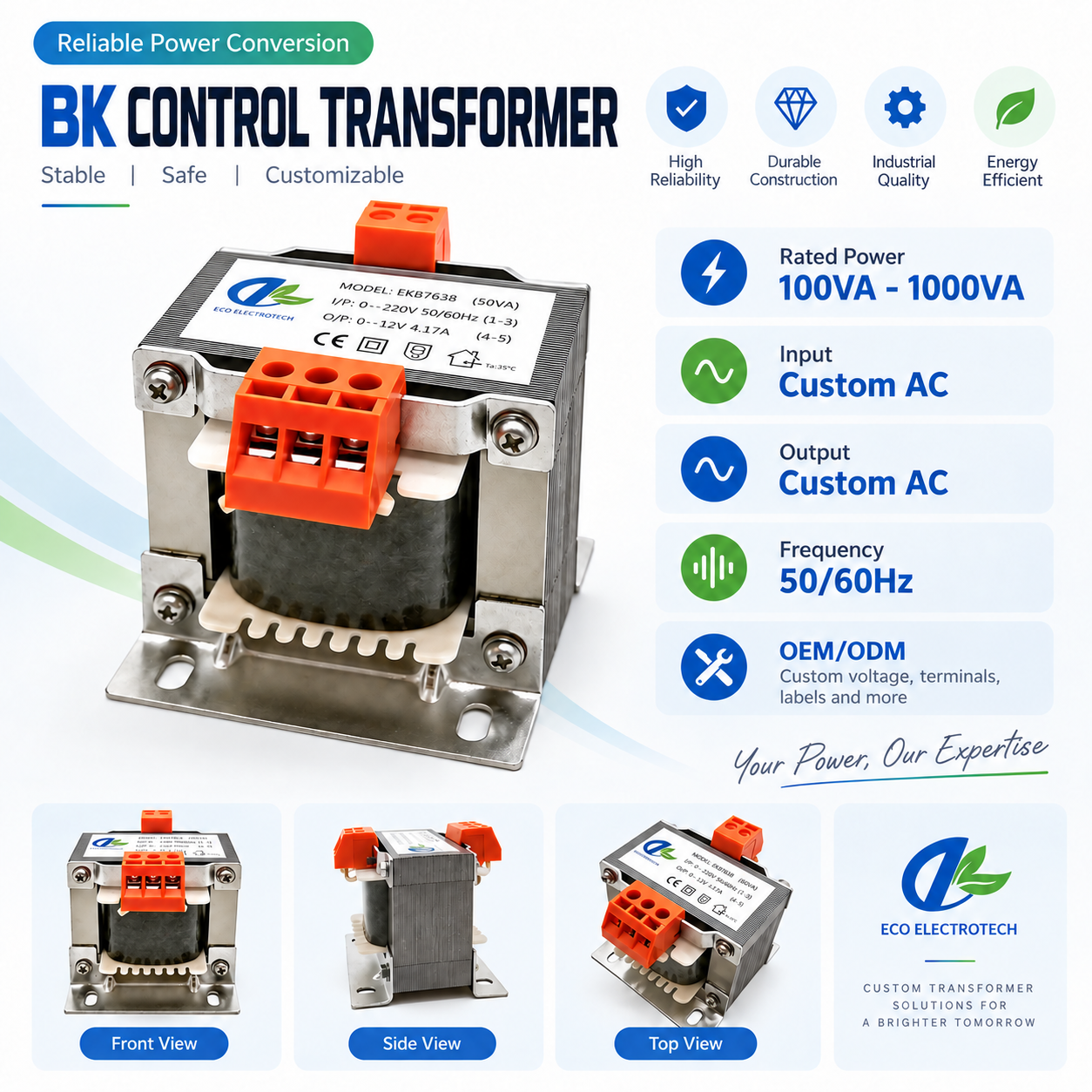
Opmerking: De bovenstaande specificaties beschrijven het referentieproduct en algemene aanpassingsmogelijkheden. De uiteindelijke spanning, vermogen, afmetingen, temperatuurstijging, bescherming, testomstandigheden en conformiteitseisen worden bevestigd in de goedgekeurde technische tekening.
Ontworpen voor de echte eisen van industriële besturingscircuits
1. Ontworpen voor spoelinschakelstroom en continue belasting
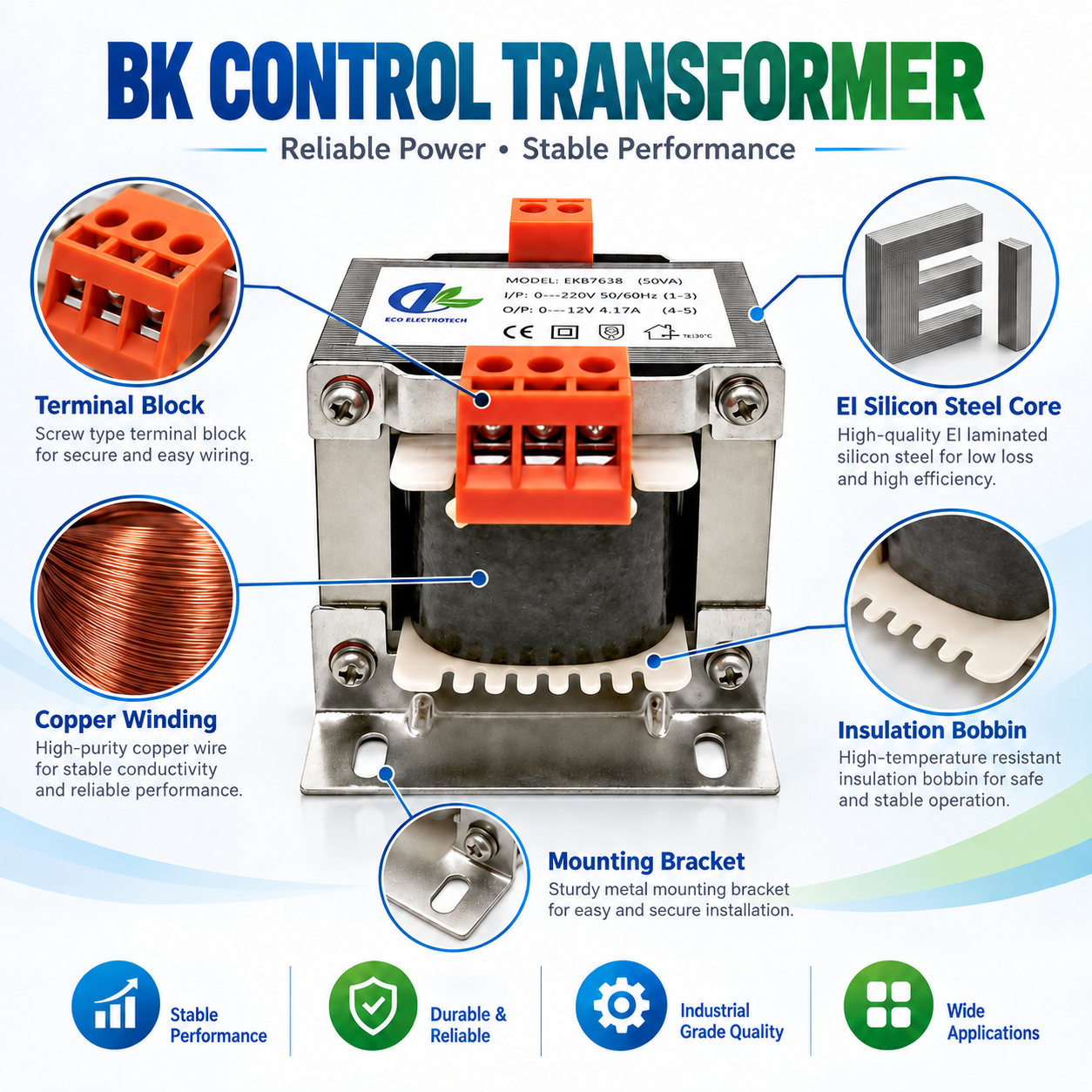
Aanbevolen detailafbeelding: Nauwkeurige weergave van de transformatorspoel en de wikkelingszone.
Besturingsapparaten zoals contactoren, solenoïden en elektromagnetische remmen kunnen tijdens het inschakelen meerdere malen hun normale stroom trekken. ECKO evalueert zowel de momentane inschakel-VA als de continue gesloten-VA om een voldoende secundaire spanning tijdens het schakelen te behouden.
|
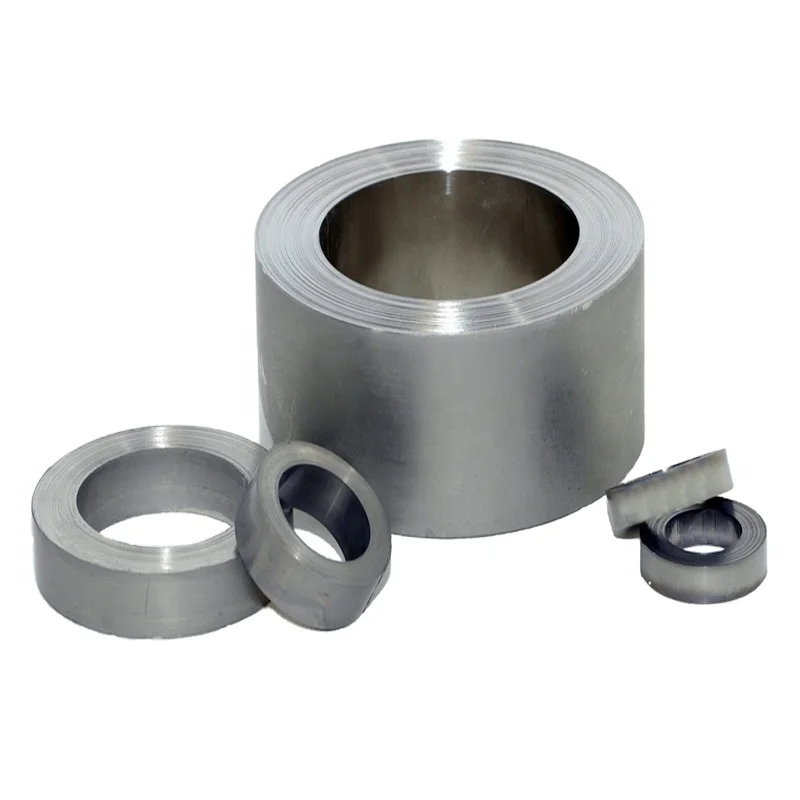
2. Frequentiegecorrigeerde EI-gelamineerde kern
Aanbevolen detailafbeelding: Vergrote weergave van de gestapelde EI-laminaties van siliciumstaal.
De EI-gelamineerde kern wordt geselecteerd op basis van de nominale spanning, frequentie, vermogen en vereiste temperatuurstijging. Een juist magnetisch ontwerp helpt de stroom bij geen belasting, hoorbaar geluid, kernverliezen en bedrijfstemperatuur te beheersen.
|
3. Toegankelijke en duidelijk geordende aansluitklemmen
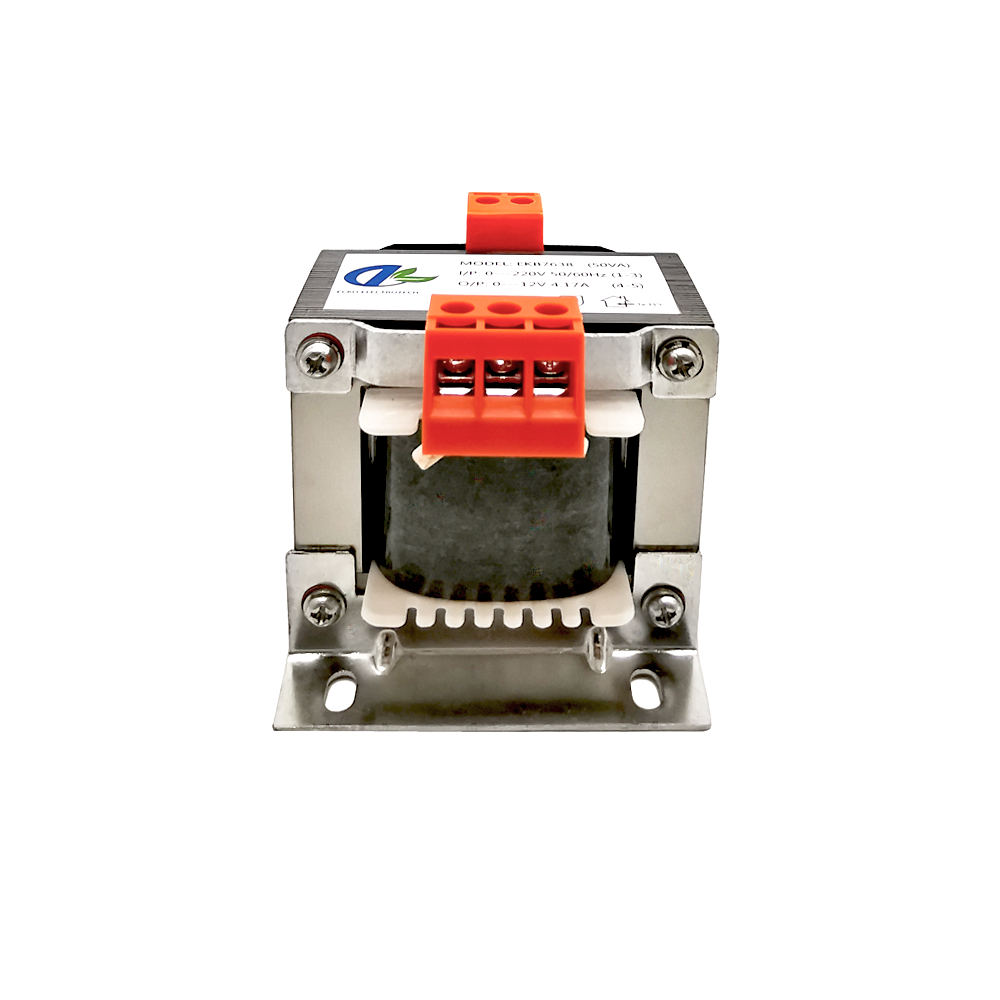
Aanbevolen detailafbeelding: Vergrote weergave van de oranje vingerveilige aansluitklemmen.
Vingerveilige aansluitklemmen vereenvoudigen de bedrading van de besturingskast en toekomstig onderhoud. Het aantal klemmen, de nummering, de richting, de onderlinge afstand en de spanningmarkeringen kunnen worden afgestemd op het bedradingsschema van de klant.
|
4. Op de toepassing afgestemd isolatiesysteem
Aanbevolen detailafbeelding: close-up van de geïsoleerde wikkeling, spoelkern en isolatieband.
Spoelkernmateriaal, isolatieband, lak, kriekafstand en luchtspeling worden gekozen op basis van de bedrijfsspanning en de eisen van de eindtoepassing. Isolatiesystemen van klasse B, klasse F en klasse H zijn beschikbaar.
|
5. Sterke en aanpasbare bevestigingsbeugel
Aanbevolen detailafbeelding: close-up van de metalen beugel en de gedeelte met sleufvormige bevestigingsgaten.
Het metalen frame ondersteunt een stabiele chassisinstallatie en effectieve warmteafvoer. De totale afmetingen, vorm van de beugel, afstand tussen de bevestigingsgaten en oriëntatie van de aansluitklemmen kunnen worden aangepast voor installatie in beperkte kastruimte.
|
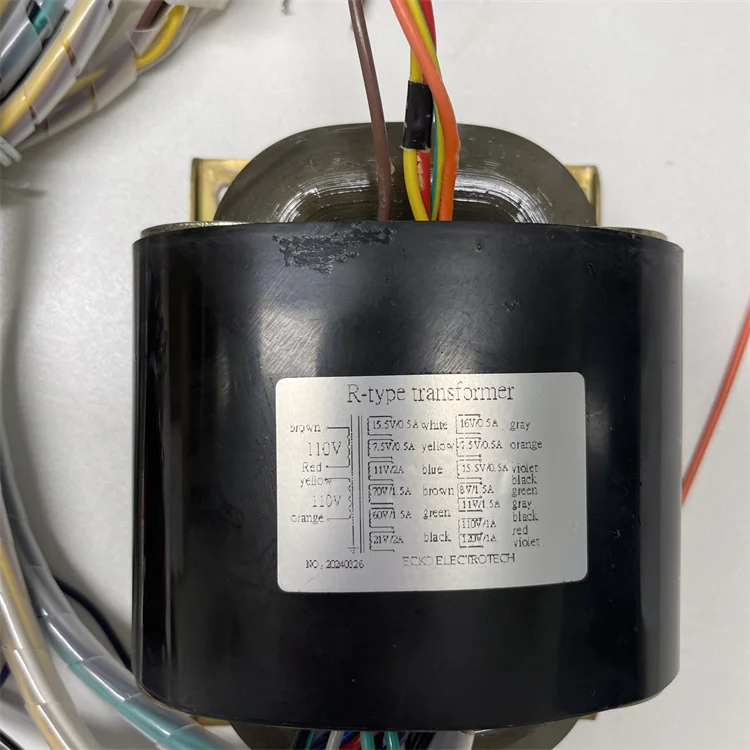
6. Gecontroleerde productidentificatie
Aanbevolen detailafbeelding: close-up van het transformatoretiket en het aansluitschema.
Het goedgekeurde etiket kan de ingangsspanning, uitgangsspanning, frequentie, vermogensvermelding, aansluitschema en klantnummer weergeven. Batchcodes, serienummers en aangepaste bedradingssymbolen zijn eveneens beschikbaar voor producttraceerbaarheid.
|
Aanpassingsmogelijkheden
Aangepaste sturingstransformatoren op maat van uw apparatuur
ECKO biedt elektrische, mechanische en documentatie-aanpassingen voor OEM-klanten, fabrikanten van besturingspanelen en producenten van industriële apparatuur.
Aanpassing van ingangsspanning
Beschikbare ingangsspanningen omvatten:
- 110 VAC
- 120 VAC
- 220 VAC
- 230 VAC
- 240 VAC
- 380 VAC
- 400 VAC
- 415 VAC
- 440 VAC
- 480 VAC
- Door de klant opgegeven ingangsspanning
Primaire wikkelingen met meerdere aansluitpunten kunnen worden ontworpen voor apparatuur die in verschillende landen of onder verschillende netspanningsomstandigheden wordt gebruikt.
|
Aanpassing van uitgangsspanning
Veelvoorkomende uitgangsspanningen zijn:
- 6 V wisselstroom
- 12 V wisselstroom
- 24 V wisselstroom
- 36 V wisselstroom
- 48 V wisselstroom
- 110 VAC
- 220 VAC
- Meerdere geïsoleerde uitgangen
- Uitgangen met middenaftakking
- Door klant opgegeven spanning en stroom
|
Aanpassing van vermogen en belasting
De transformator kan worden ontworpen volgens:
- Continue belastings-VA
- Inschakelstroom-VA van contactor of relais
- Gesloten spoel-VA
- Aantal aangesloten besturingsapparaten
- Gelijktijdige schakelvolgorde
- Intermitterende of continue bedrijfsduur
- Minimale aanvaardbare inschakelspanning
- Toegestane volllastspanningsdaling
|
Isolatie- en beveiligingsopties
Beschikbare opties zijn:
- Klasse B isolatie
- Isolatie Klasse F
- Klasse H isolatie
- Primaire doos
- Secundaire zekering
- Eenmalige thermische beveiliger
- Herstelbare thermische beveiliger
- Elektrostatisch schild
- Aardingsaansluiting
- Verbeterde isolatie tussen primaire en secundaire wikkelingen
|
Aansluit- en verbindingsopties
Wij kunnen aanpassen:
- Vingerveilige aansluitklemmen
- Schroterminalen
- Leddraad
- Faston-aansluitingen
- Door klant opgegeven connectoren
- Nummering van de aansluitklemmen
- Bedradingsschema’s
- Richting en onderlinge afstand van de aansluitklemmen
|
Mechanische aanpassingen
Mechanische opties omvatten:
- Totale afmetingen van de transformator
- Maximale installatiehoogte
- Constructie van de montagebeugel
- Afstand tussen de bevestigingsgaten
- Gespleten of ronde montagegaten
- Kernmaat
- Oriëntatie van de aansluiting
- Etiketpositie
- Installatierichting
|
Documentatie-opties
Afhankelijk van het project kan ECKO leveren:
- Product Specificatie
- Elektrisch bedradingsschema
- Goedgekeurd monsterrapport
- Inspectieverslag
- Materiaalverklaring
- RoHS- of CE-documentatie
- Conformiteitsdocumentatie voor het gespecificeerde model
|
|
Besturingstransformatoren voor industriële schakelingen en hulpvoeding
Een besturingstransformator levert een specifieke wisselstroombedradingsspanning voor industriële schakelapparaten en hulpcircuits. Bij gebruik van afzonderlijke primaire en secundaire wikkelingen kan deze ook galvanische scheiding bieden tussen de hoofdvoeding en het bedradingssysteem.
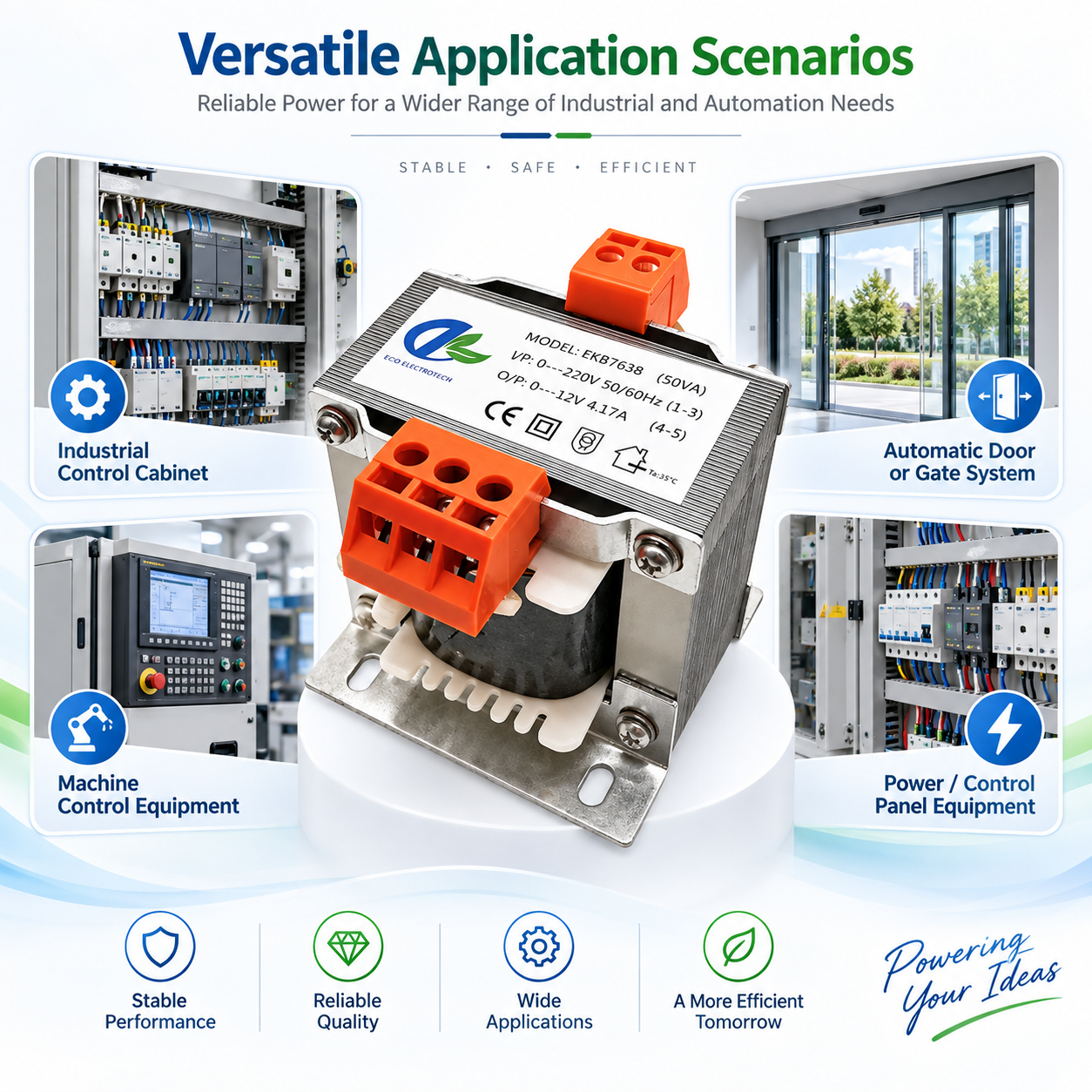
Industriële bedieningskasten
controle andere elektrische apparaten zijn veelal geïnstalleerd in elektrische besturingskasten om relais, timers, contactoren, indicatielampjes en andere besturingscomponenten van stroom te voorzien.
De ingangsspanning kan worden afgestemd op de fabrieksnetvoeding, terwijl de uitgang kan worden aangepast aan 12 V, 24 V, 48 V, 110 V of een andere door het paneel vereiste bedradingsspanning.
|
Gereedschapsmachines
Werktuigmachines maken vaak gebruik van contactoren, elektromagnetische remmen en solenoïdekleppen die tijdens inschakelen een hoge momentane stroom opwekken.
Een goed gekozen besturingstransformator helpt de voldoende besturingspanning te handhaven in CNC-machines, snijmachines, persen, verpakkingsmachines en andere productieapparatuur.
|
Industriële Automatiseringsapparatuur
Automatiseringssystemen gebruiken besturingstransformatoren om hulp-AC-voeding te leveren aan PLC-interfaces, relais, actuatoren, sensoren en besturingscircuits.
Meerdere secundaire wikkelingen kunnen worden ontworpen wanneer verschillende besturingsapparaten afzonderlijke spanningscircuits of elektrische isolatie vereisen.
|
HVAC- en koelsystemen
Besturingstransformatoren worden gebruikt in koelmachines, koelsystemen, luchtbehandelingsapparatuur en commerciële HVAC-systemen.
Ze kunnen besturingspanning leveren aan contactoren, kleppen, relais, thermostatische circuits en andere hulppartijen. Bij het ontwerp moeten kasttemperatuur, ventilatie en schakelfrequentie in overweging worden genomen.
|
Liften, roltrappen en automatische deuren
Hijs- en toegangscontrole-apparatuur kan besturingstransformatoren gebruiken om relais, magnetische remmen, deurbesturingscircuits en andere hulponderdelen van stroom te voorzien.
Aangepaste montagebeugels en aansluitingsindelingen zijn beschikbaar voor installatie in compacte elektrische kasten.
|
Pompen en waterzuiveringsapparatuur
Sturingstransformatoren kunnen stuurvermogen leveren aan motorstarters, niveauregelaars, magneetkleppen en bewakingsschakelingen in pompestations, waterzuiveringsapparatuur en industriële procesystemen.
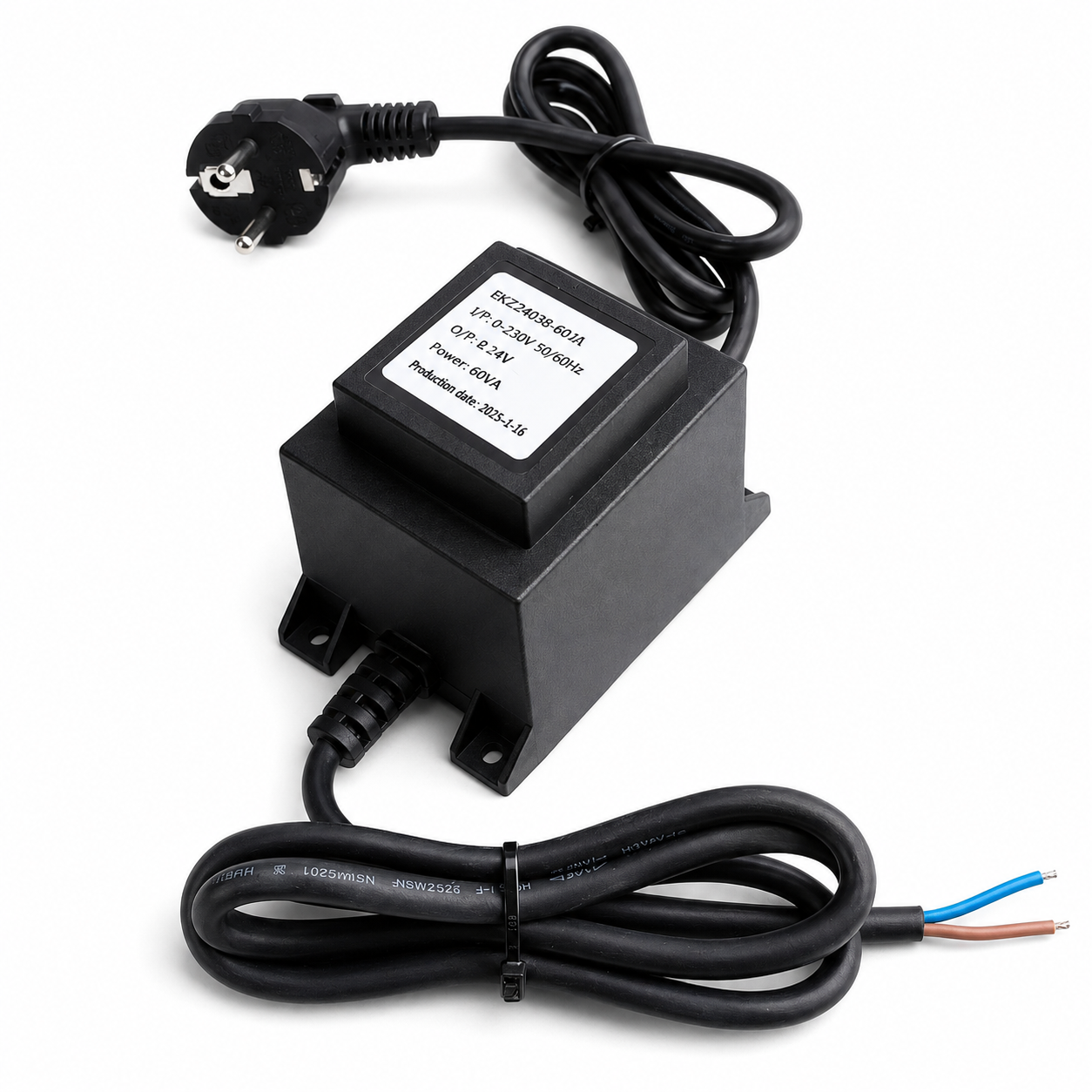
Voor buitenshuis- of vochtige installaties dient de transformator in een geschikte beschermende behuizing te worden geïnstalleerd.
|
Waarom ECKO kiezen?
Meer dan alleen een transformatorleverancier: technische ondersteuning voor OEM-sturingssystemen
1. Belastinganalyse vóór keuze van de transformator
Wij kiezen een sturingstransformator niet uitsluitend op basis van continu vermogen in watt.
Onze technische beoordeling kan het continue VA-vermogen, het inschakel-VA-vermogen, het afgesloten VA-vermogen, de schakelvolgorde, de bedrijfsduurcyclus en de minimale inschakelspanning van de aangesloten contactoren, relais, magneetventielen of remmen omvatten.
Dit helpt het risico op een te kleine transformator, een te grote spanningsdaling of onnodige overdimensionering te verminderen.
|
2. Elektrisch en mechanisch ontwerp gezamenlijk beoordeeld
Een transformator moet de vereiste uitvoerprestaties leveren en correct passen in het kastje van de klant.
ECKO beoordeelt spanning, stroom, regeling, temperatuurstijging, isolatie, toegankelijkheid van aansluitingen, afstand tussen montagegaten en de totale installatieruimte als onderdeel van één en hetzelfde ontwerpproces.
|
3. Gecontroleerde overdracht van monster naar productie
De goedgekeurde producttekening, wikkelgegevens, materiaaleisen, aansluitingsplan, etiketinhoud en inspectiecriteria vormen de referentie voor de productie.
Deze gecontroleerde overdracht waarborgt consistentie tussen goedgekeurde monsters en toekomstige productiebestellingen.
|
4. Conformiteitseisen vroegtijdig in aanmerking genomen
Certificeringsvereisten hangen af van het exacte transformatormodel, de isolatiematerialen, de eindapparatuur en de doelmarkt.
ECKO beoordeelt CE-, CQC-, RoHS- of andere documentatievereisten tijdens de offertefase en ontwerpfase, in plaats van deze te behandelen als algemene fabrieksclaims.
|
5. Technische communicatie voor maatwerkprojecten
Klanten ontvangen een duidelijk omschreven specificatie en tekening ter goedkeuring.
Technische wijzigingen met betrekking tot spanning, wikkelmateriaal, aansluitingen, montage of bescherming worden gedocumenteerd om misverstanden tussen inkoop-, techniek- en productieteam te voorkomen.
|
6. Ervaren transformatorenproductie
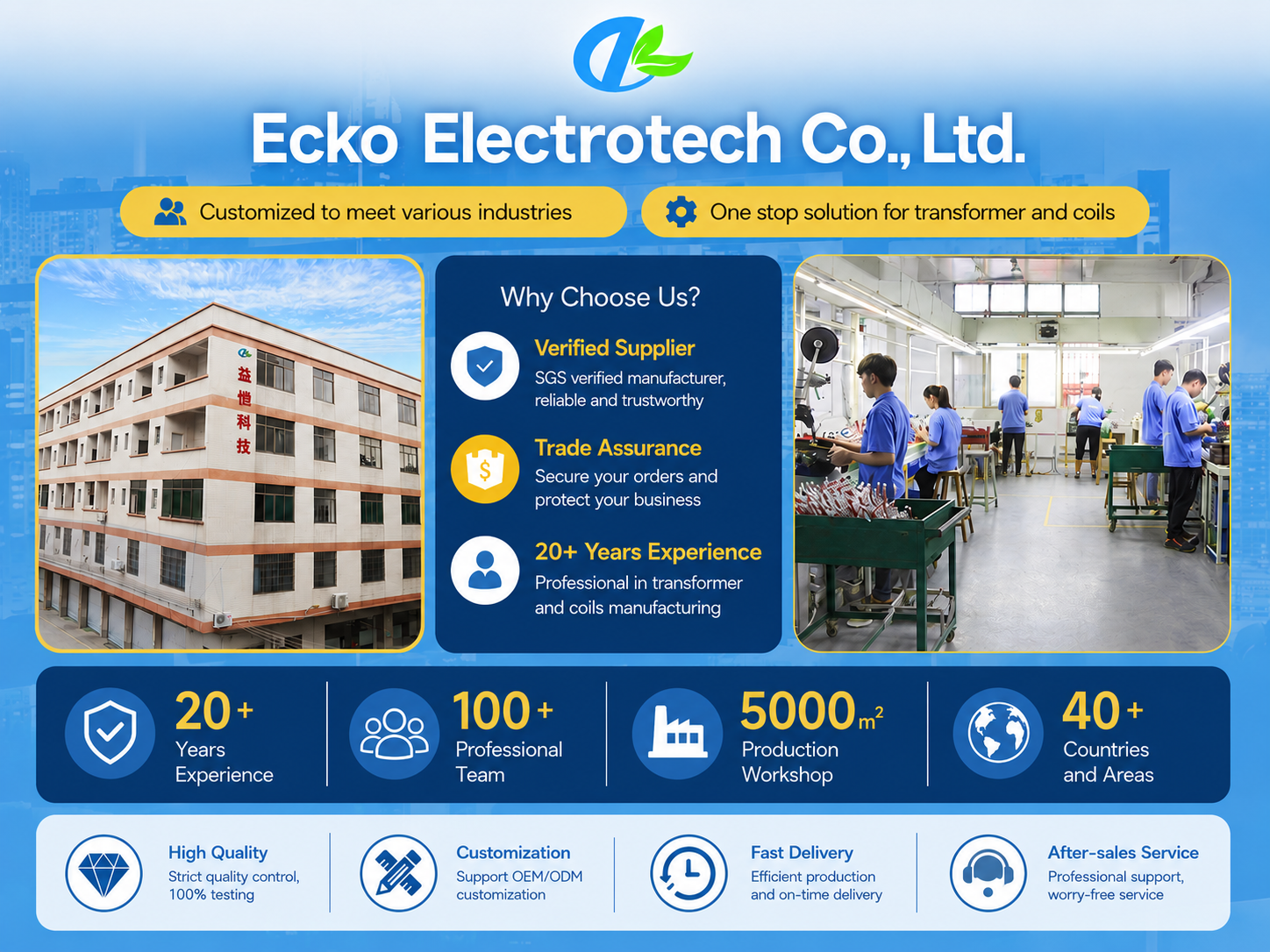
Ecko Electrotech produceert sinds 2000 op maat gemaakte transformatoren en gewikkelde componenten.
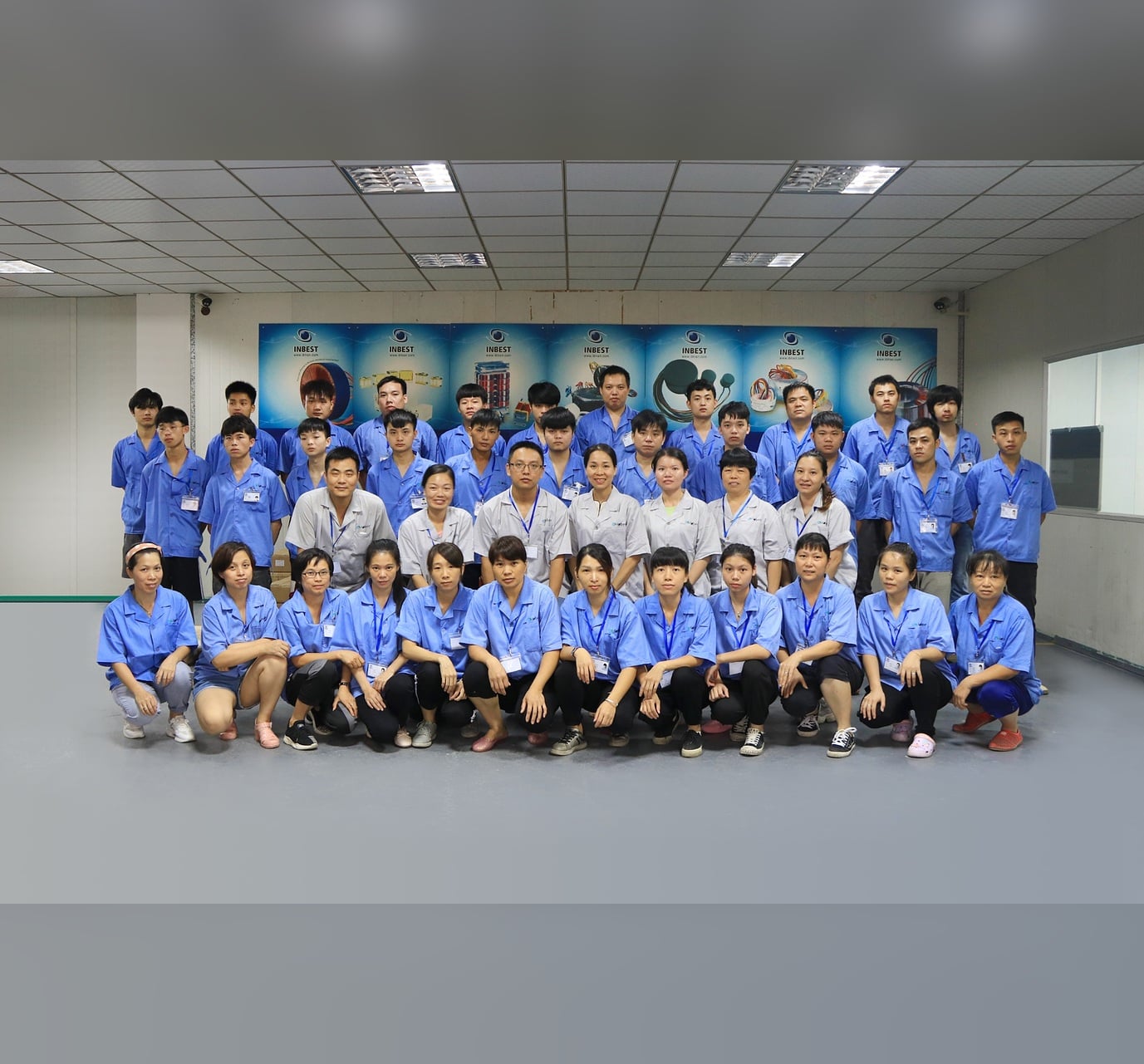
Onze productiefaciliteiten omvatten drie werkplaatsen met een totale oppervlakte van circa 5.000 vierkante meter, ondersteund door ervaren productie- en kwaliteitscontrolemedewerkers. Onze producten worden geleverd aan klanten in meer dan 30 landen en regio’s.
|
Kwaliteitscontrole
Elektrische veiligheid en prestatieverificatie
ECKO combineert inspectie van ingekochte materialen, procescontrole, standaard elektrische tests en validatietests van het ontwerp.
De exacte testitems, grenswaarden, steekproefniveau en testomstandigheden worden bevestigd volgens de goedgekeurde productspecificatie.
| Testpunt |
Waarvoor het staat |
Controle niveau |
| Visuele controle |
Afwerking, kernmontage, aansluitingen, etiket en oppervlaktoestand |
Regulier onderzoek |
| Afmetingscontrole |
Algemene afmetingen, afstand tussen bevestigingsgaten en positie van de aansluitingen |
Regulier onderzoek |
| Windingcontinuïteit |
Juiste en volledige elektrische aansluitingen |
Routineproef |
| Windingverhouding en polariteit |
Juiste spanningsverhouding en relatie tussen de aansluitingen |
Routineproef |
| Uitgangsspanning bij geen belasting |
Secundaire spanning voordat de belasting is aangesloten |
Routineproef |
| Stroom zonder belasting |
Magnetische toestand en kernprestaties |
Routineproef |
| Isolatieweerstand |
Isolatie-integriteit tussen wikkelingen en toegankelijke metalen onderdelen |
Routineproef |
| Dielktrische weerstand/hoogspanningstest |
Isolatieweerstand bij de gespecificeerde testspanning |
Routineproef |
| Uitgangsspanning bij nominale belasting |
Spanningsprestaties bij de gespecificeerde continue belasting |
Validatie van het ontwerp |
| Spanningsregeling |
Verschil tussen uitgangsspanning bij geen belasting en uitgangsspanning bij nominale belasting |
Validatie van het ontwerp |
| Inschakelstroom/inschakelsimulatie |
Secundaire spanning tijdens de gedefinieerde schakelbelasting |
Naargelang de vereisten |
| Temperatuurstijgtest |
Thermische prestaties onder de overeengekomen belasting en omgevingsomstandigheden |
Validatie van het ontwerp |
| Geluid- en trillingcontrole |
Kernklemming, impregnering en mechanische assemblage |
Zo gespecificeerd |
| Definitieve etiketcontrole |
Juist model, waarderingen, aansluitingsmarkeringen en partijinformatie |
Regulier onderzoek |
Kwaliteitscontroleproces:
- Inkomende inspectie van kern, draad, spoelkoker en isolatie
- Inspectie van het wikkelproces
- Controle van aansluitdraden en aansluitingen
- Montage van de kern en mechanische inspectie
- Elektrische prestatietesten
- Isolatieweerstandstest
- Dielktrische weerstandstest
- Controle van definitieve afmetingen, etiket en verpakking
Belangrijke Opmerking:
De temperatuurstijging en de uitgangsregeling zijn afhankelijk van het transformatorontwerp, de belastingsvermogensfactor, de montage-oriëntatie, de kasttemperatuur en de ventilatie. Geef alstublieft de verwachte bedrijfsomgeving op, zodat de juiste validatievoorwaarden kunnen worden vastgesteld.
Personalisatieproces
Van technische vereisten naar gecontroleerde productie
Stap 1: Vereistenverzameling
De klant levert:
- Ingangsspanning
- Frequentie
- Uitgangsspanning en stroom
- Continu VA
- Inschakel-VA en afgesloten VA
- Type belasting
- Schakelvolgorde
- Werkcyclus
- Omgevings temperatuur
- Maximale afmetingen
- Afstand tussen montagegaten
- Aansluitvereisten
- Toepasbare normen
- Geschatte jaarlijkse hoeveelheid
|
Stap 2: Technische beoordeling
ECKO beoordeelt de magnetische kern, de wikkelstructuur, de geleiderafmeting, de spanningsregeling, de temperatuurstijging, het isolatiesysteem, de aansluitingsopstelling en de montageconstructie.
Indien de inschakel-VA niet beschikbaar is, kan de klant het datasheet van de schakelaar, relais, rem of solenoïde ter beoordeling verstrekken.
|
Stap 3: Offerte en technisch voorstel
Wij verstrekken een commerciële offerte samen met de voorgestelde elektrische en mechanische configuratie.
Eventuele speciale eisen met betrekking tot koperwikkeling, thermische beveiliging, afscherming of conformiteitsdocumentatie dienen in dit stadium te worden bevestigd.
|
Stap 4: Tekeninggoedkeuring
De klant controleert en keurt goed:
- Elektrische kenmerken
- Totale afmetingen
- Afstand tussen de bevestigingsgaten
- Nummering van de aansluitklemmen
- Draadverbindingsdiagram
- Etiketinformatie
- Materiaalvereisten
- Testvereisten
De productie van monsters begint nadat de technische tekening en specificatie zijn goedgekeurd.
|
Stap 5: Monsterproductie en -testen
De monsters worden vervaardigd volgens de goedgekeurde technische documenten.
Voor verzending worden de elektrische functie, isolatie, afmetingen en gespecificeerde validatiepunten gecontroleerd.
|
Stap 6: Klantverificatie van de apparatuur
De klant installeert het monster in de bedoelde apparatuur en verifieert:
- Mechanische pasvorm
- Toegankelijkheid van de aansluitingen
- Uitvoer spanning
- Aanslag van de schakelaar of elektromagneet
- Bedrijfstemperatuur
- Geluid en Vibratie
- Algehele prestaties van de apparatuur
|
Stap 7: Massaproductie
Na goedkeuring van het monster worden de bevestigde tekening, materiaallijst, productieproces en inspectiecriteria overgedragen naar de massaproductie.
Routine-inspectie en definitieve verpakking worden uitgevoerd conform de goedgekeurde ordervereisten.
|
|
Veelgestelde vragen over besturingstransformatoren
1. Verstrekken BK-besturingstransformatoren galvanische isolatie?
Een conventionele BK-transformator met gescheiden primaire en secundaire wikkelingen verstrekt galvanische isolatie tussen de ingangs- en uitgangscircuits.
Een autotransformator verstrekt niet dezelfde isolatie. Indien een autotransformator toegestaan is, dient dit duidelijk te worden vermeld tijdens de ontwerpfase.
2. Kan koperwikkeling worden gespecificeerd?
Ja. Koperwikkeling kan worden opgenomen als verplicht projectvereiste.
Het geleidermateriaal kan worden vastgelegd in de goedgekeurde stuklijst, technische tekening en inspectiedocumenten, zodat wijziging zonder klantgoedkeuring onmogelijk is.
3. Welke isolatieklassen zijn beschikbaar?
Isolatieklassen B, F en H zijn beschikbaar.
De geschikte isolatieklasse hangt af van de omgevingstemperatuur in de behuizing, de temperatuurstijging van de transformator, de ventilatie, de bedrijfscyclus en de vereisten van de eindapparatuur.
Een hogere isolatieklasse betekent niet automatisch dat een hogere bedrijfstemperatuur wenselijk is. De temperatuurstijgingsdoelstelling dient afzonderlijk te worden vastgesteld.
4. Hoe wordt de temperatuurstijging beoordeeld?
De temperatuurstijging wordt gemeten onder gedefinieerde omstandigheden voor ingangsspanning, frequentie, belasting, omgevingstemperatuur en installatie.
De uiteindelijke temperatuur binnen het kastje van de klant kan ook worden beïnvloed door ventilatie, nabijgelegen warmtebronnen, montage-oriëntatie en behuizingsafmetingen. Geef tijdens het ontwerp de verwachte interne kasttemperatuur op.
5. Kan er een zekering of thermische beveiliging worden geïnstalleerd?
Ja. Optionele beveiliging omvat:
- Primaire doos
- Secundaire zekering
- Herstelbare thermische beveiliger
- Eenmalige thermische beveiliger
- Elektrostatisch schild
- Aardingsaansluiting
De uiteindelijke beveiligingsopstelling dient ook rekening te houden met de stroomvoorzieningszekering of stroomonderbreker in de apparatuur van de klant.
6. Hoe moet de primaire zekering of stroomonderbreker worden geselecteerd?
Het beveiligingsapparaat dient rekening te houden met de nominale primaire stroom, de inschakelstroompiek, de geleiderbeveiliging en de toepasselijke norm.
Een zekering of stroomonderbreker die te dicht bij de normale bedrijfsstroom is gekozen, kan tijdens het inschakelen van de transformator doorslaan. Een te grote beveiligingsinrichting biedt mogelijk onvoldoende bescherming.
De paneelontwerper moet de transformatorbescherming coördineren met het volledige elektrische systeem.
7. Is een open-frame BK-transformator kortsluitvast?
Er mag niet worden aangenomen dat een standaard open-frame BK-transformator van nature kortsluitvast is.
De vereiste zekering, stroomonderbreker, thermische beveiliging en kortsluitbestendigheid moeten worden bepaald op basis van de toepassing en de relevante eindapparatuurstandaard.
8. Moet één zijde van de secundaire wikkeling worden geaard?
Dit hangt af van de eindapparatuurstandaard en het ontwerp van de besturingskring van de klant.
ECKO levert de vereiste wikkelconfiguratie, maar de aarding, overstromingsbeveiliging en geleideridentificatie moeten worden bepaald door de ontwerper van het paneel of de apparatuur.
9. Hoe kan transformatorgeluid worden verminderd?
Het hoorbare zoemgeluid kan worden verminderd door een geschikte fluxdichtheidsontwerping, nauwkeurige kernstapelconstructie, veilige mechanische klemming en gecontroleerde vernisimpregnering.
Tijdens de installatie moet de transformator stevig worden gemonteerd. Dunne resonante metalen panelen en losse bevestigingsmaterialen kunnen de normale magnetische trilling versterken.
10. Kunnen jullie de afmetingen en montagegaten van onze bestaande transformator evenaren?
Stuur alstublieft:
- Duidelijke foto's van de bestaande transformator
- Productlabel
- Totale afmetingen
- Afstand tussen de bevestigingsgaten
- Aansluitpositie van de klemmen
- Draadverbindingsdiagram
- Ingangs- en uitgangsvermogens
- Belastingsinformatie
Een fysiek monster of de oorspronkelijke tekening kan het risico op mechanische of elektrische onverenigbaarheid verder verminderen.
 EN
EN