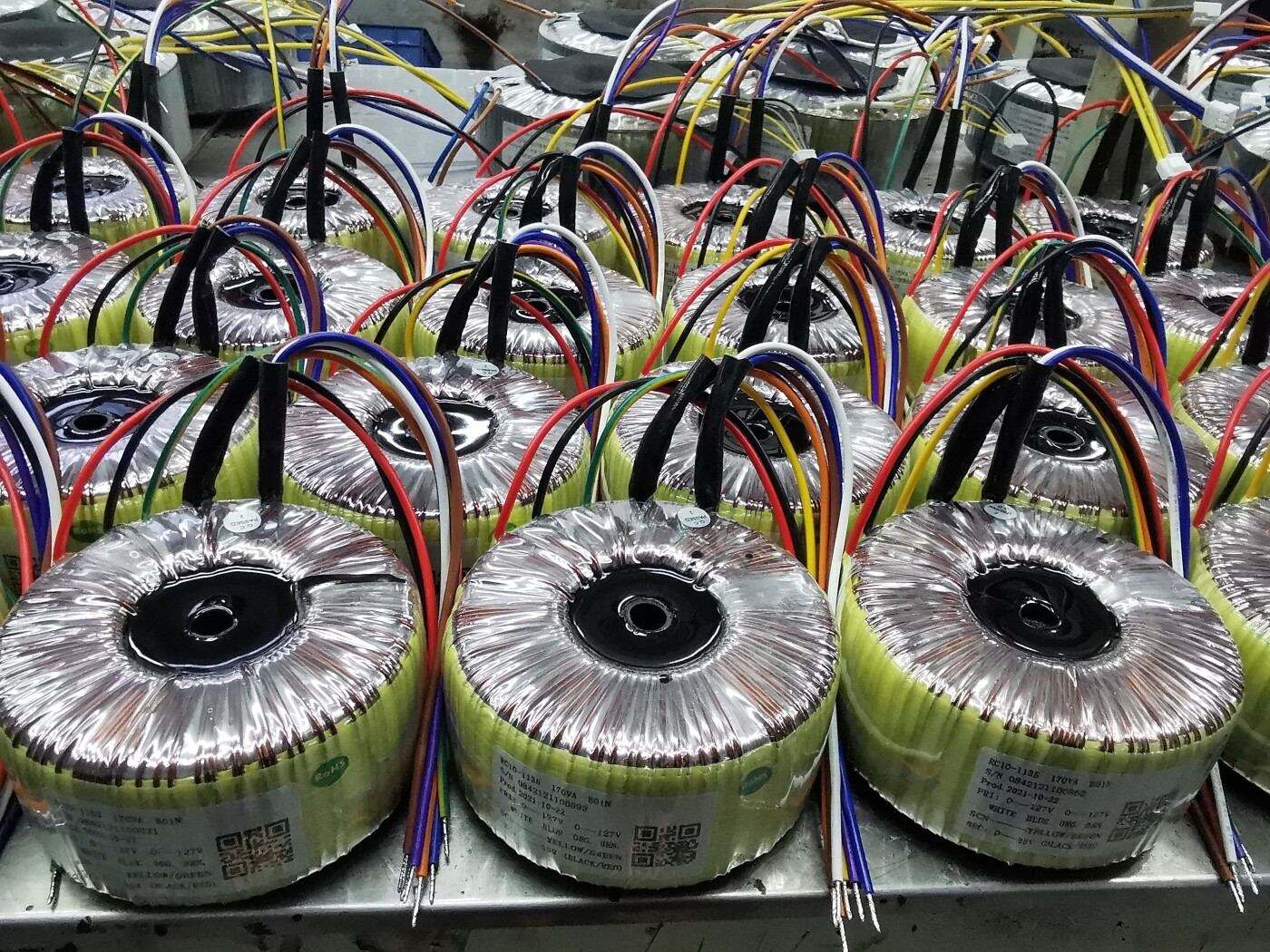
step-up transformer
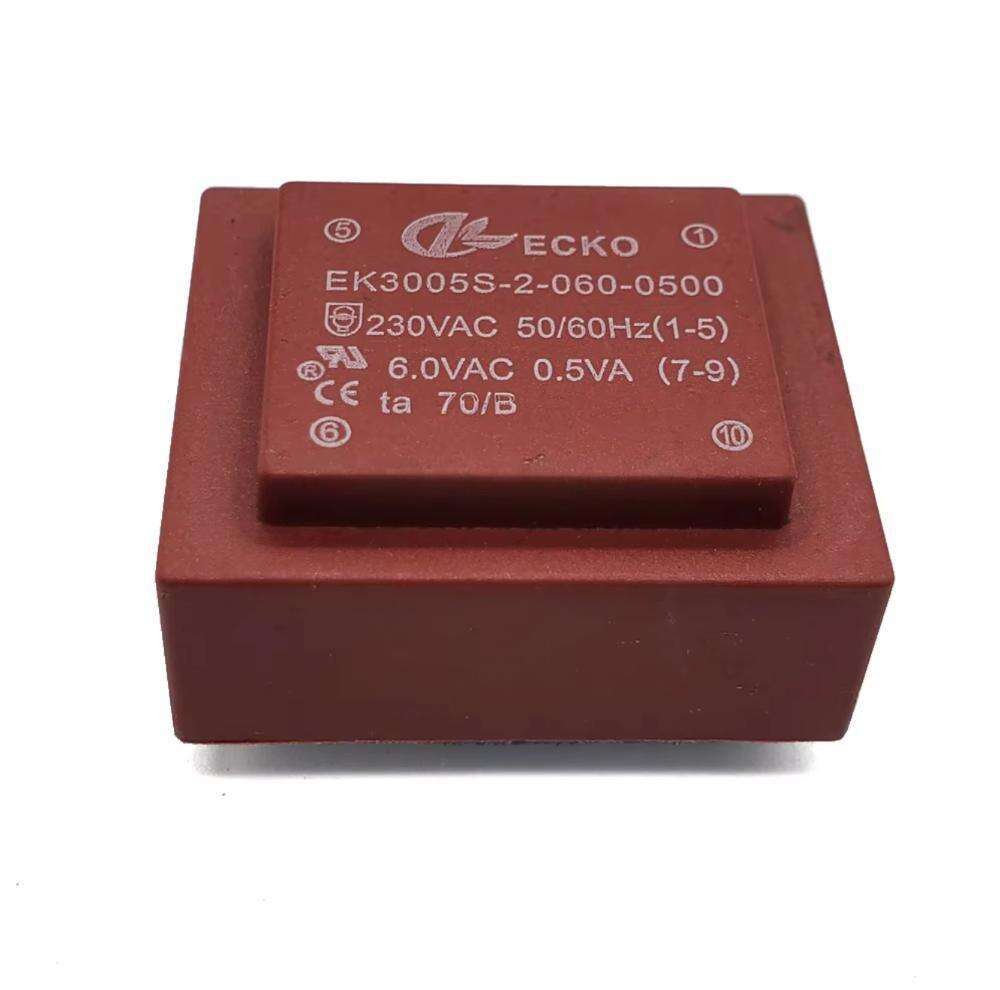
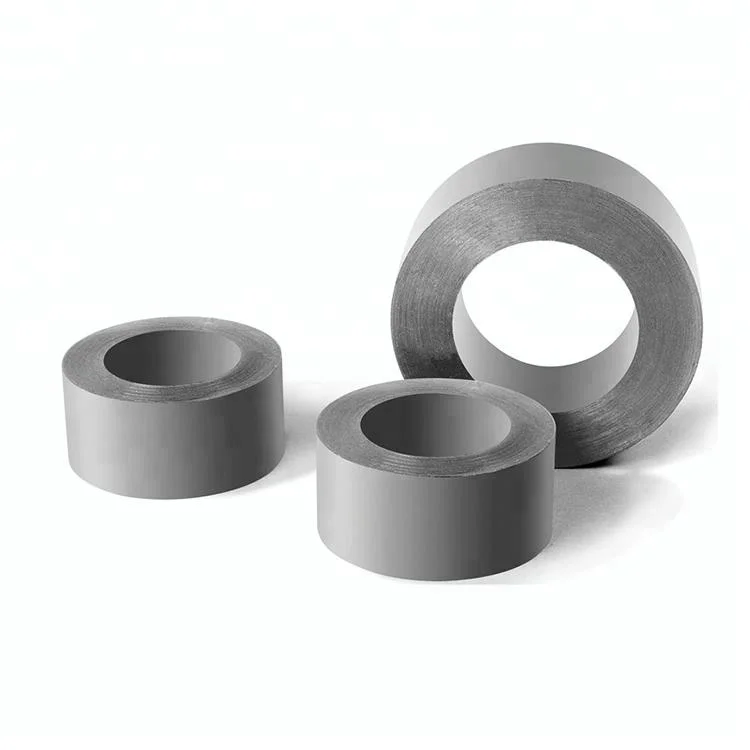
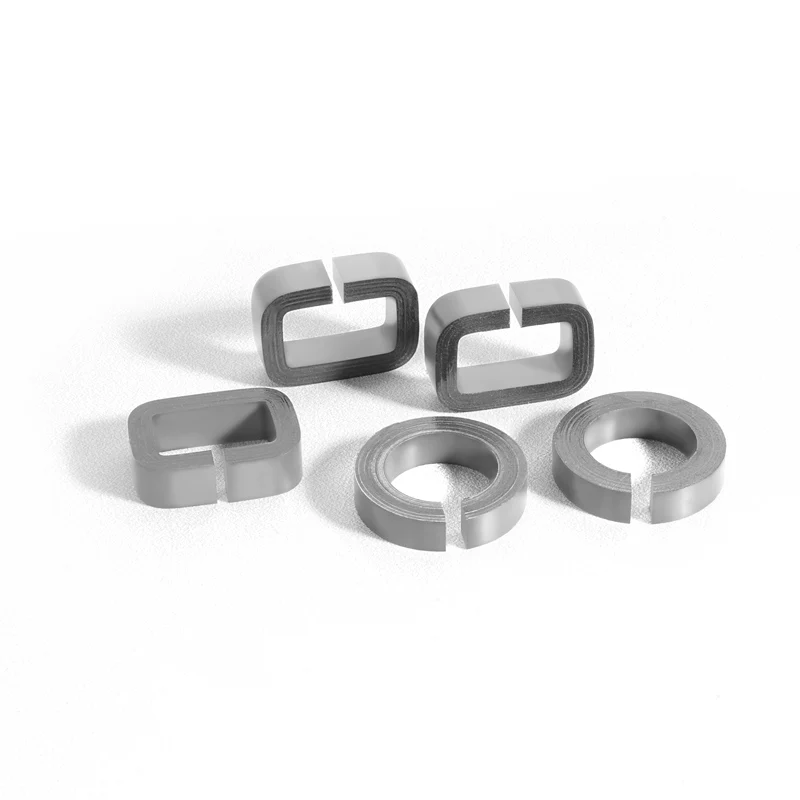
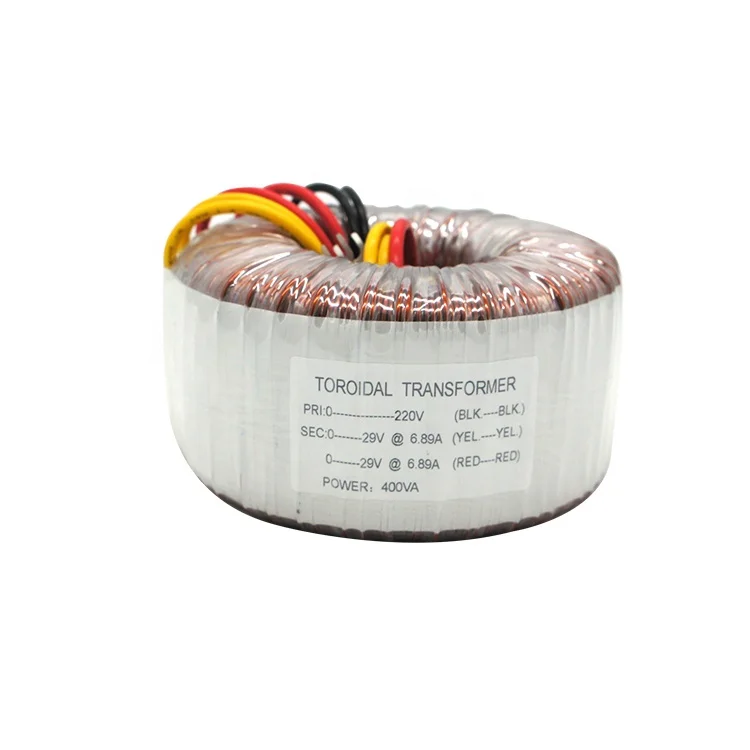
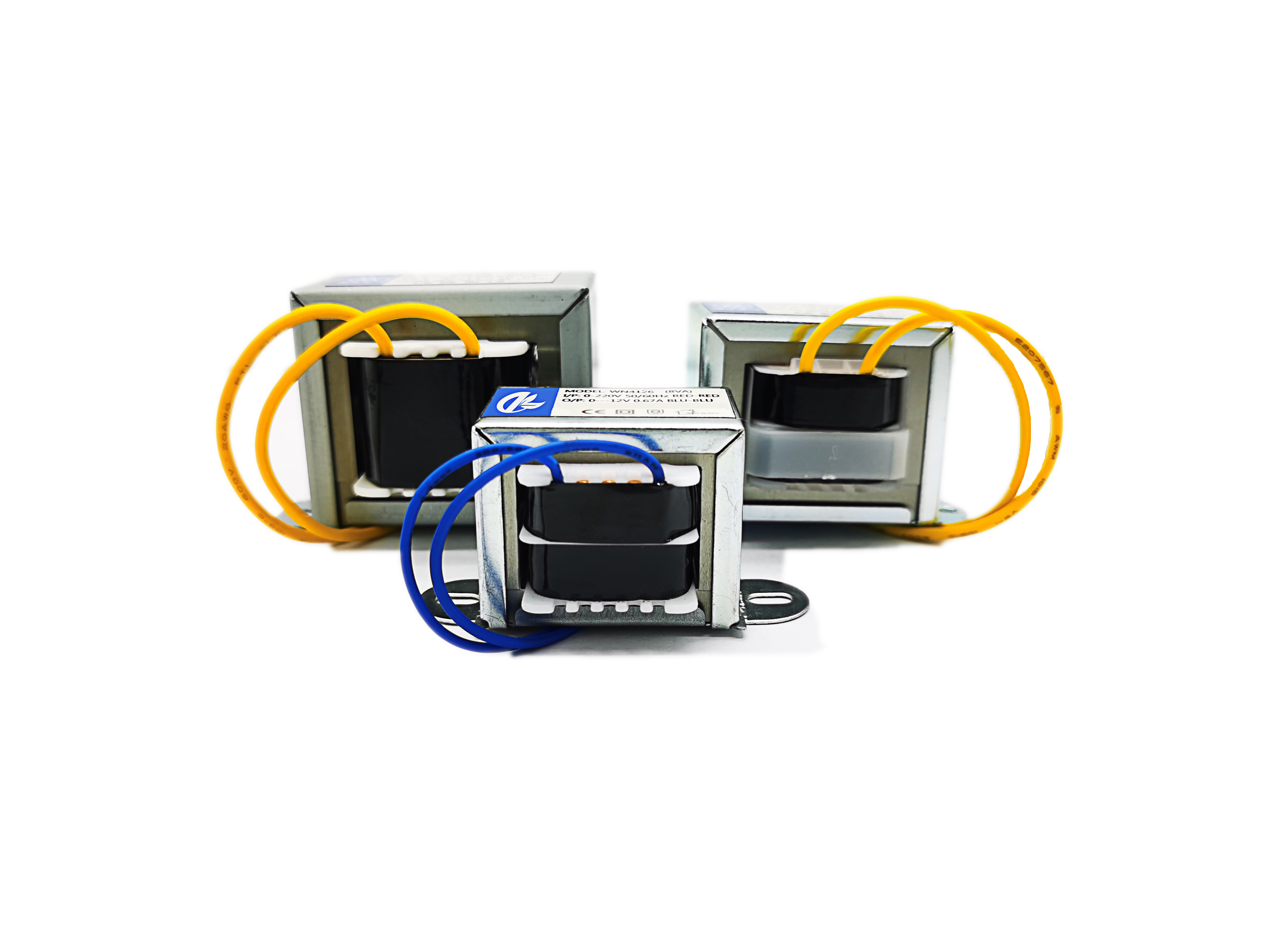
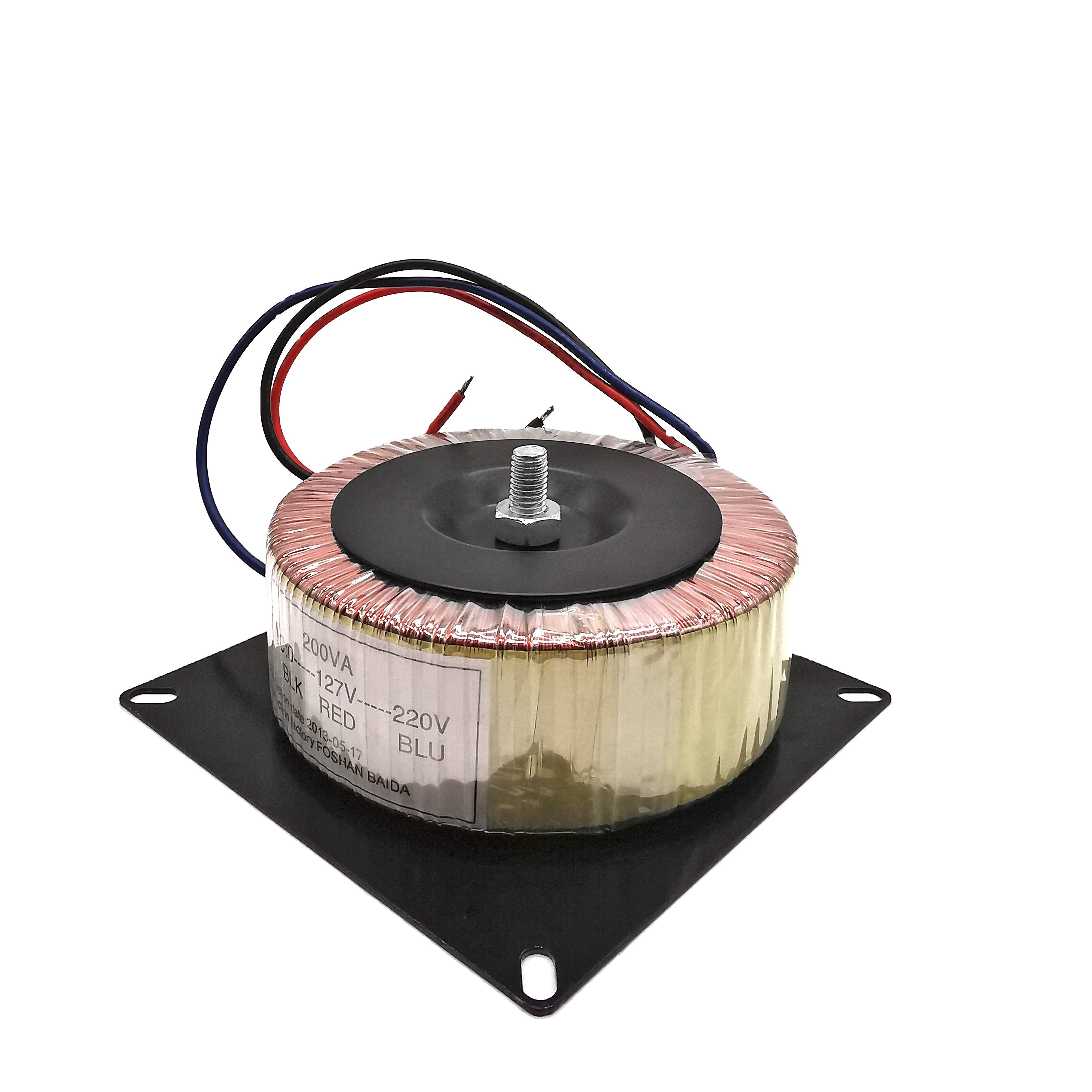
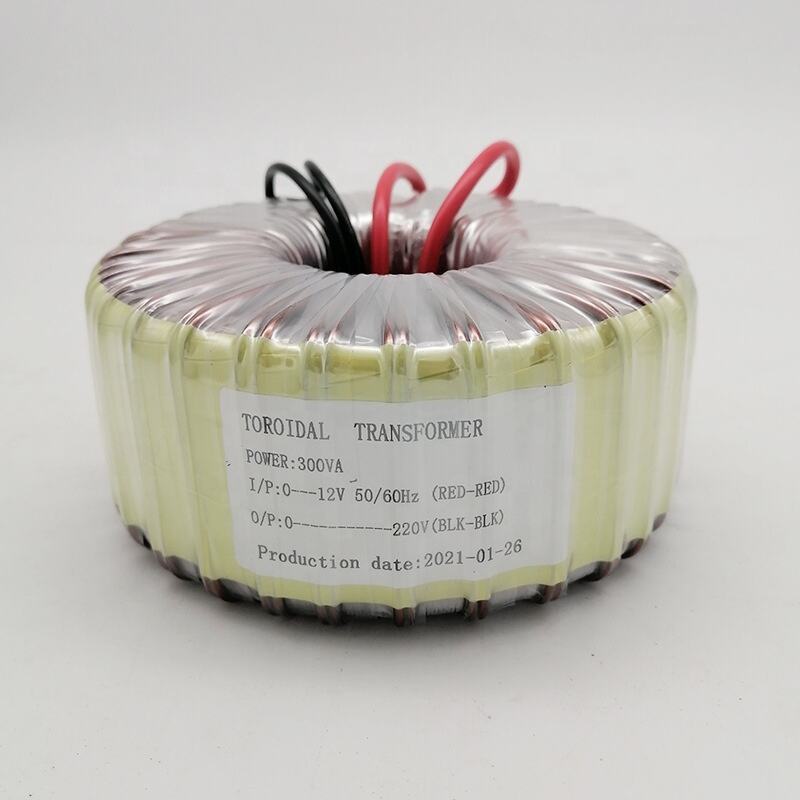
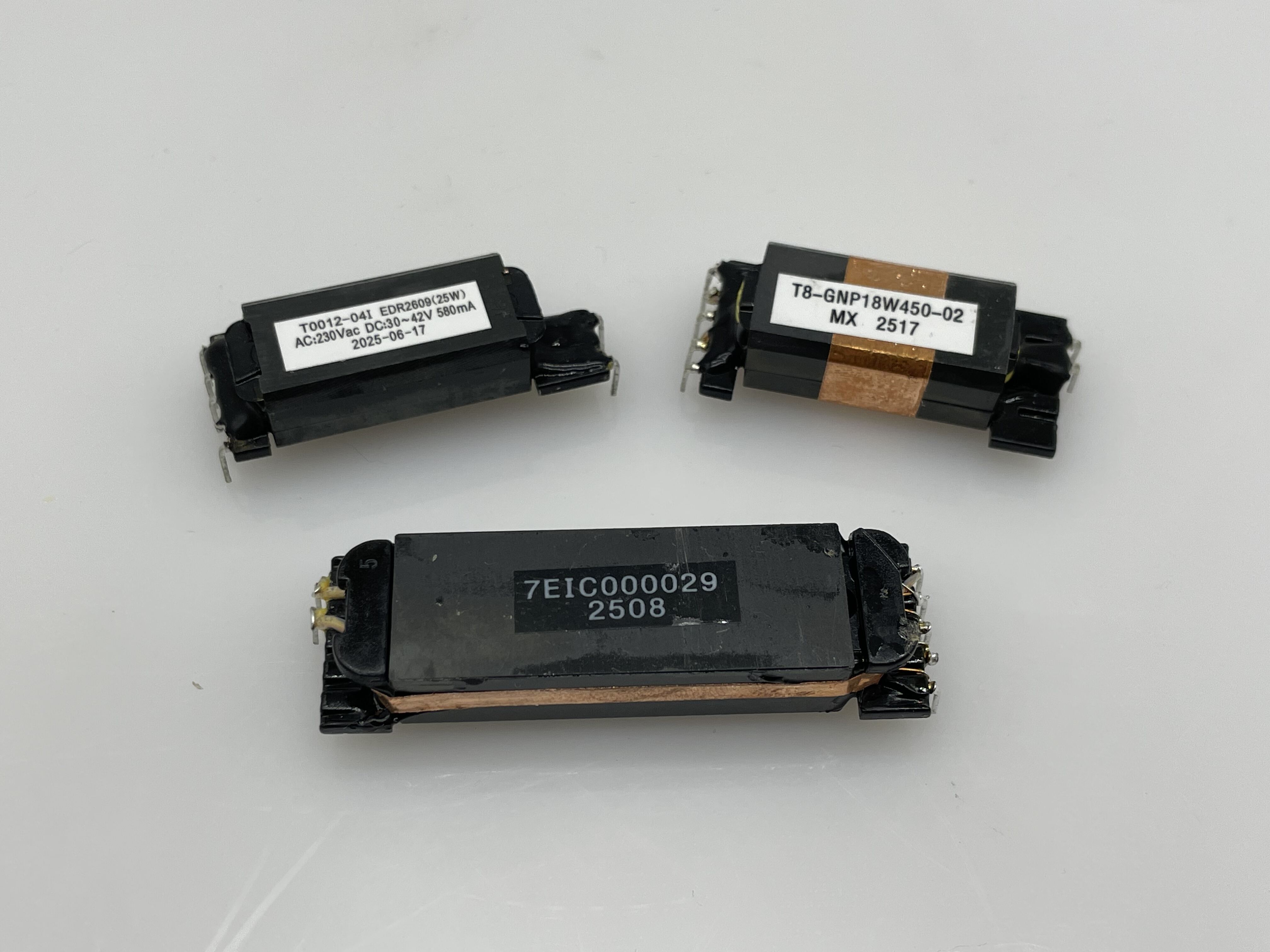
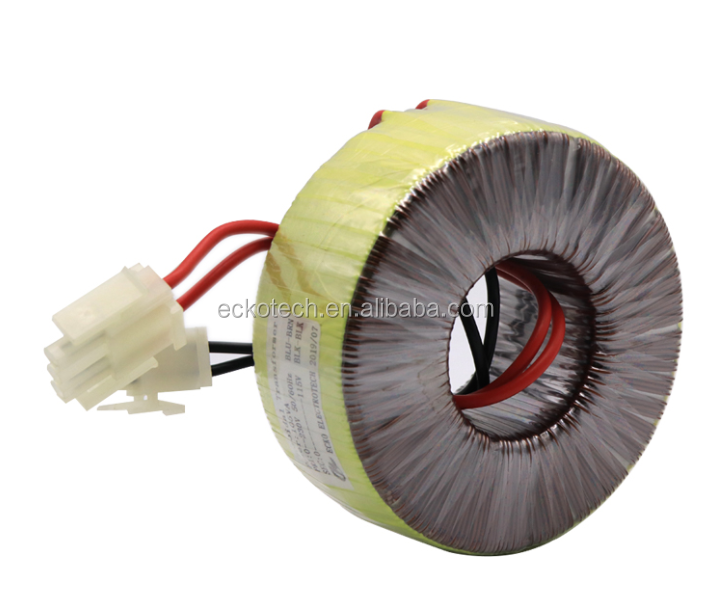
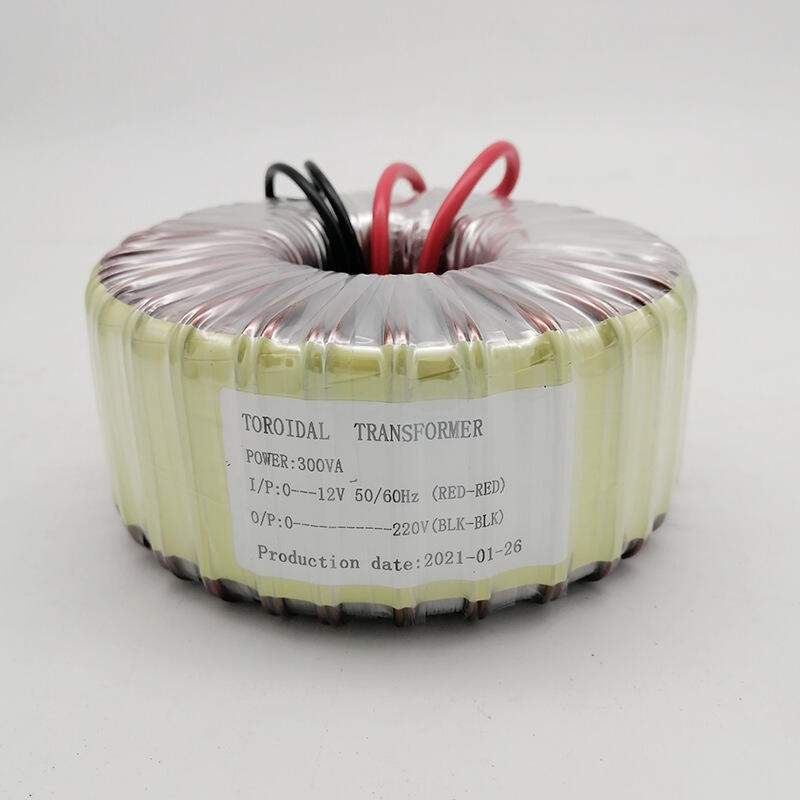
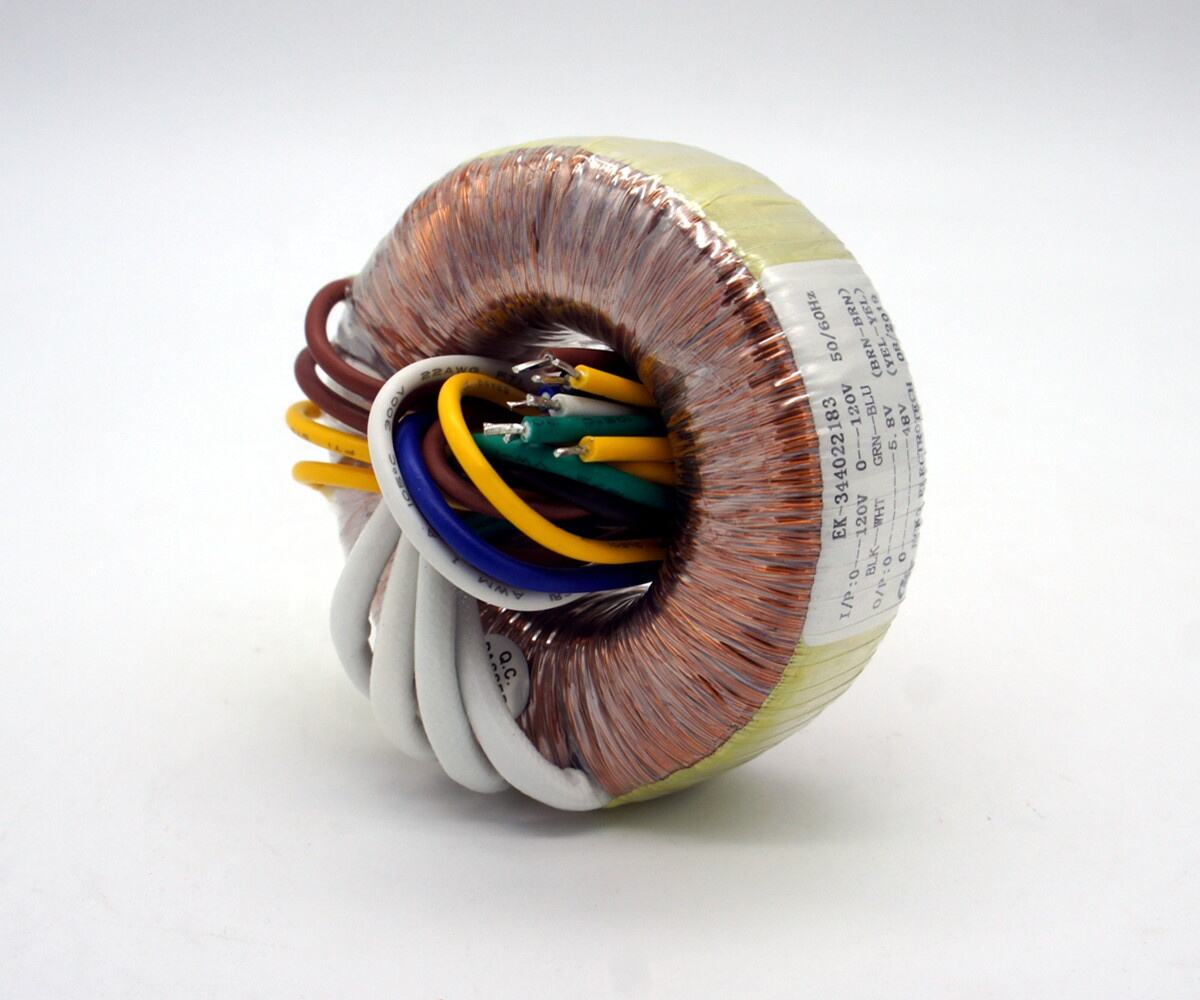
A step-up transformer is an essential electrical device that increases voltage levels while decreasing current proportionally, maintaining power consistency across the transformation. This sophisticated device operates on the principle of electromagnetic induction, utilizing two coils - primary and secondary - with the secondary coil having more turns than the primary coil. The ratio of these turns determines the voltage increase factor. Step-up transformers play a crucial role in power distribution systems, enabling efficient electricity transmission over long distances by reducing power losses. The device's core components include a laminated iron core, copper windings, insulation materials, and cooling systems. These transformers are particularly valuable in renewable energy systems, where they help convert the relatively low voltage output from solar panels or wind turbines into higher voltages suitable for grid connection. Modern step-up transformers incorporate advanced monitoring systems, temperature controls, and protective mechanisms to ensure reliable operation and extended service life. They are designed with various capacity ranges to accommodate different applications, from small-scale electronic devices to large power distribution networks. The transformer's efficiency typically ranges from 95% to 99%, making it one of the most efficient electrical devices in power systems.
 EN
EN