EN
EN

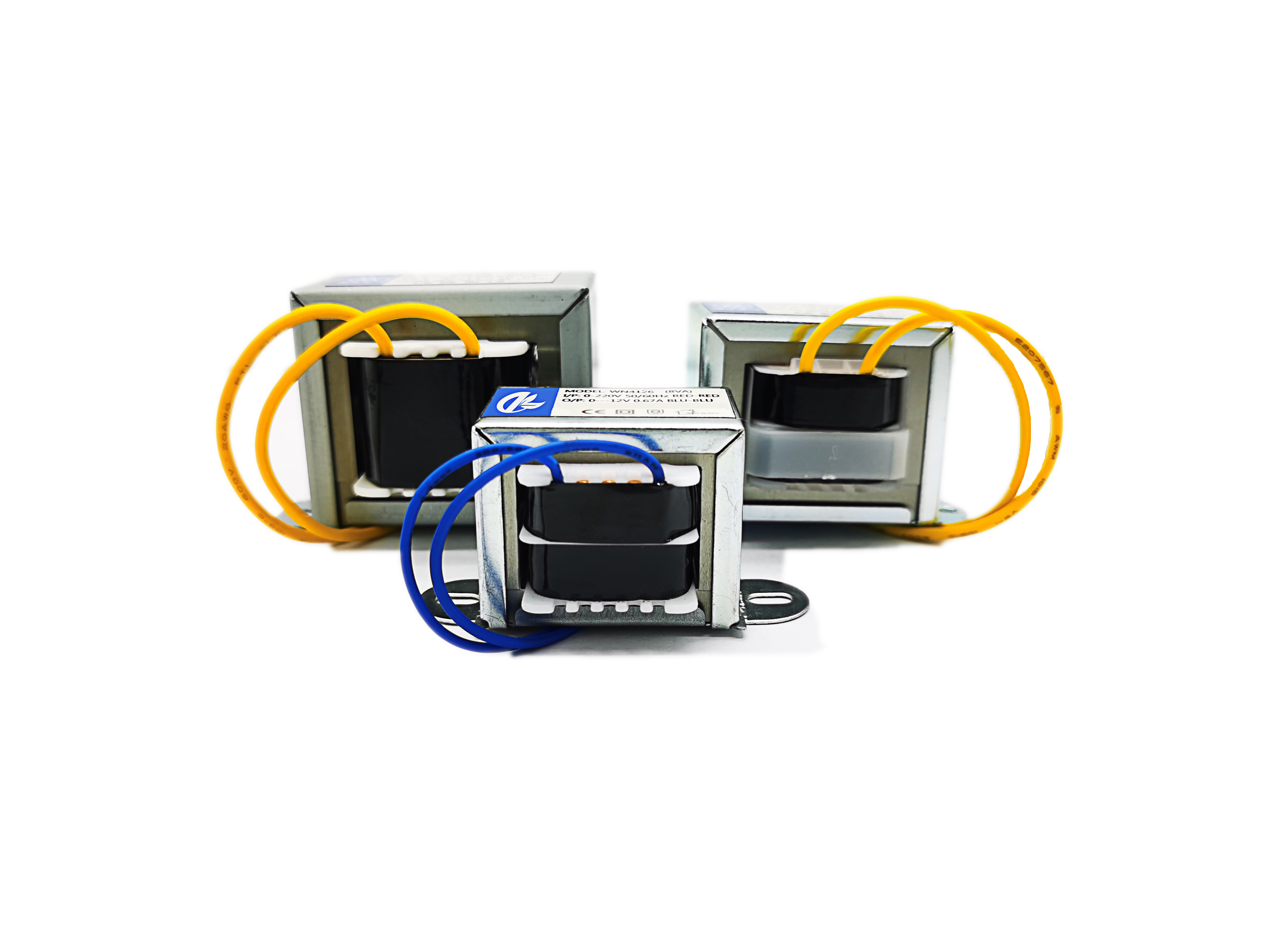
Understanding the Critical Role of Audio Transformers in Sound Systems
Audio transformers serve as the unsung heroes in sound systems, playing a vital role in maintaining signal integrity and ensuring optimal audio performance. These specialized components are designed to transfer audio signals between circuits while providing electrical isolation and impedance matching. Whether you're building a professional recording studio, designing an audiophile-grade system, or working on a DIY audio project, selecting the right audio transformer can make the difference between mediocre and exceptional sound quality.
The journey of choosing an appropriate audio transformer requires careful consideration of multiple factors that directly impact audio performance. From technical specifications to practical applications, understanding these elements will help you make an informed decision that aligns with your specific needs and project requirements.
Core Technical Specifications
Frequency Response and Bandwidth
A primary consideration when selecting an audio transformer is its frequency response characteristics. High-quality audio transformers should maintain a flat frequency response across the entire audible spectrum, typically from 20 Hz to 20 kHz. The transformer's ability to handle low frequencies is particularly crucial, as this is where many inferior transformers struggle. Look for specifications that indicate minimal low-frequency rolloff and ensure the transformer can handle the full range of frequencies your application requires.
The bandwidth capabilities of an audio transformer directly influence its ability to reproduce transients and maintain signal clarity. Premium transformers often feature extended bandwidth beyond the audible range, which contributes to better phase response and overall sonic performance. When evaluating bandwidth specifications, consider both the -3dB points and the shape of the response curve throughout the operating range.
Impedance Ratios and Matching
The impedance ratio of an audio transformer is fundamental to its operation and must be carefully matched to your application. Common ratios include 1:1 for isolation purposes, and various step-up or step-down ratios for impedance matching between different circuits. The transformer should provide optimal impedance matching between the source and load to ensure maximum power transfer and minimal signal loss.
Understanding the source and load impedances in your circuit is essential for selecting the correct transformer ratio. Mismatched impedances can lead to frequency response anomalies, increased distortion, and reduced system efficiency. Always verify that the transformer's primary and secondary impedances align with your circuit requirements.
Physical Construction and Quality Factors
Core Material Selection
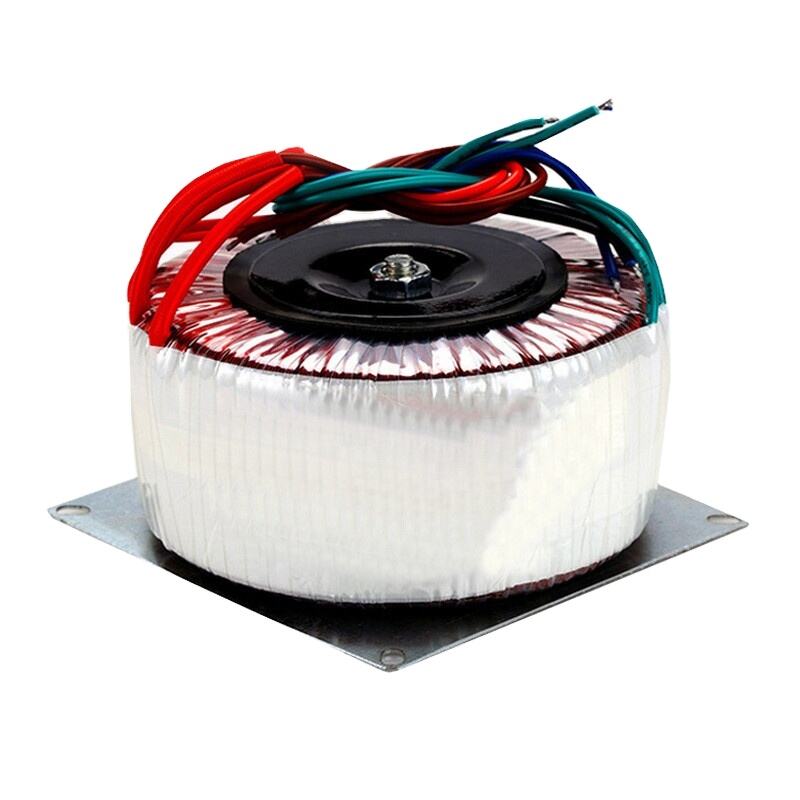
The core material used in an audio transformer significantly impacts its performance characteristics. High-quality audio transformers typically employ specialized materials such as mu-metal, permalloy, or advanced ferrite compositions. These materials are chosen for their superior magnetic properties, including high permeability and low core losses.
Core saturation is another critical factor to consider. The transformer's core must handle the maximum signal levels without saturating, which would introduce distortion. Premium core materials and proper sizing help prevent saturation issues while maintaining excellent low-frequency performance.
Shielding and Isolation
Effective shielding is essential for preventing electromagnetic interference (EMI) and maintaining signal purity. Look for transformers with robust magnetic shielding, typically implemented through mu-metal cases or specialized shielding materials. The quality of shielding becomes particularly important in applications where the transformer will be placed near power supplies or other sources of electromagnetic fields.
Isolation specifications are crucial for safety and noise reduction. A well-designed audio transformer should provide galvanic isolation between primary and secondary windings while maintaining excellent common-mode rejection. Check the isolation voltage ratings and ensure they meet your system's safety requirements.
Performance Parameters
Distortion Specifications
The level of distortion introduced by an audio transformer is a critical measure of its quality. Total Harmonic Distortion (THD) specifications should be carefully evaluated, with premium transformers typically offering THD figures below 0.1% at nominal operating levels. Pay attention to how distortion varies across different frequencies and signal levels.
Intermodulation distortion (IMD) is another important consideration, as it can affect the clarity and detail of complex audio signals. High-quality audio transformers should exhibit minimal IMD, ensuring faithful reproduction of musical passages with multiple simultaneous frequencies.
Phase Response and Group Delay
Phase response characteristics affect the temporal accuracy of audio signals passing through the transformer. Look for specifications indicating minimal phase shift across the operating frequency range. Group delay measurements provide insight into how different frequencies are delayed through the transformer, with more consistent group delay generally indicating better performance.
The importance of phase accuracy increases in applications involving multiple channels or when precise timing relationships must be maintained. Professional-grade audio transformers often feature specially designed winding geometries to optimize phase response and minimize timing discrepancies.
Practical Considerations
Environmental Factors
Operating environment conditions can significantly impact transformer performance. Consider temperature ratings, humidity tolerance, and mechanical robustness when selecting an audio transformer. Units destined for studio installations may have different environmental requirements compared to those used in portable or outdoor equipment.
Mounting options and physical dimensions should align with your installation requirements. Some applications may require specific mounting orientations or spacing from other components to maintain optimal performance and prevent interference.
Cost-Performance Balance
While premium audio transformers can command high prices, it's essential to evaluate the cost-benefit ratio for your specific application. Professional recording studios might justify investing in top-tier transformers, while project studios or hobby applications might find excellent performance in mid-range options. Consider the transformer's role in your signal chain and allocate your budget accordingly.
Long-term reliability and manufacturer support should factor into your decision. Reputable manufacturers typically offer detailed specifications, application notes, and technical support, which can be invaluable for optimal implementation.
Frequently Asked Questions
How do I determine the correct impedance ratio for my audio transformer?
To determine the correct impedance ratio, first identify the source impedance (such as a microphone or instrument output) and the load impedance (such as a preamp input). The transformer's ratio should be selected to match these impedances for optimal power transfer. The ratio is calculated by taking the square root of the impedance ratio between source and load.
Can audio transformers improve sound quality?
High-quality audio transformers can enhance sound quality by providing proper impedance matching, eliminating ground loops, and offering electrical isolation. However, they must be carefully selected and implemented to avoid introducing distortion or frequency response anomalies. The best transformers are often described as being sonically transparent while providing their intended functionality.
What's the difference between input and output transformers?
Input transformers are typically designed to handle lower signal levels and provide step-up voltage gain, often used for microphone or instrument inputs. Output transformers usually handle higher signal levels and may provide step-down conversion or impedance matching to drive loads efficiently. Each type is optimized for its specific position in the signal chain with appropriate core materials and winding configurations.