EN
EN

Understanding the Critical Role of Electromagnetic Protection in Power Systems
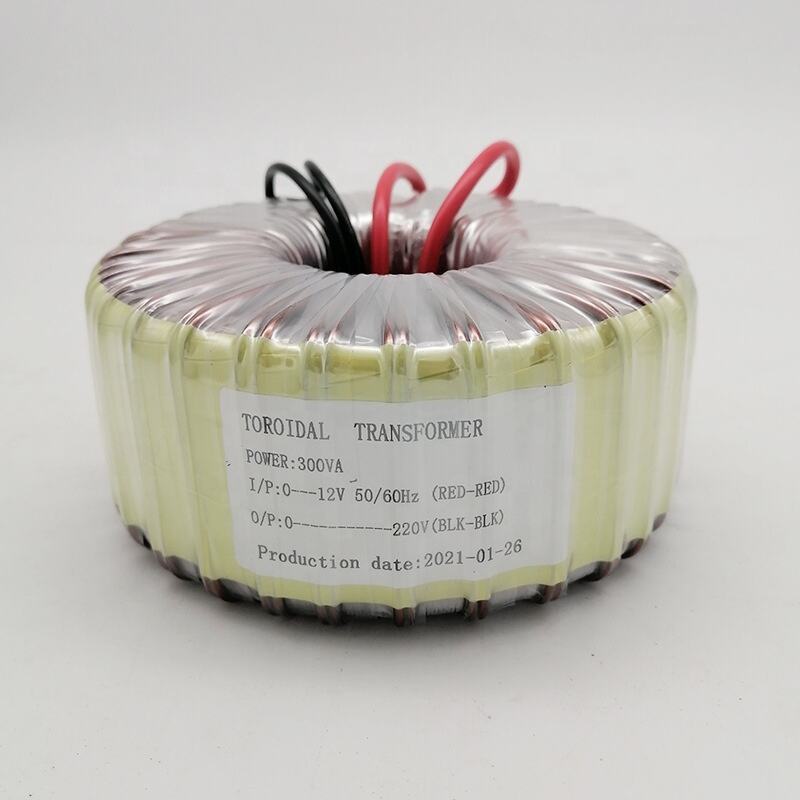
Power surges and electrical leaks pose significant threats to sensitive electronic equipment in both industrial and residential settings. Isolation transformers serve as essential protective devices that create a crucial barrier between the power source and connected equipment. These specialized transformers utilize electromagnetic principles to ensure electrical safety and equipment longevity through galvanic isolation, effectively preventing dangerous power anomalies from reaching valuable devices.
In today's technology-driven world, where equipment costs can reach substantial figures and downtime can result in significant losses, the implementation of isolation transformers has become increasingly vital. These devices not only protect against immediate dangers but also contribute to the long-term reliability of electrical systems and connected devices.
Core Principles of Isolation Transformer Operation
Electromagnetic Induction and Galvanic Isolation
Isolation transformers operate on the fundamental principle of electromagnetic induction, where electrical energy transfers between two physically separate coils. The primary and secondary windings are not directly connected, creating a galvanic barrier that blocks the flow of direct current and unwanted electrical noise. This separation ensures that potentially harmful electrical anomalies from the input side cannot directly reach sensitive equipment on the output side.
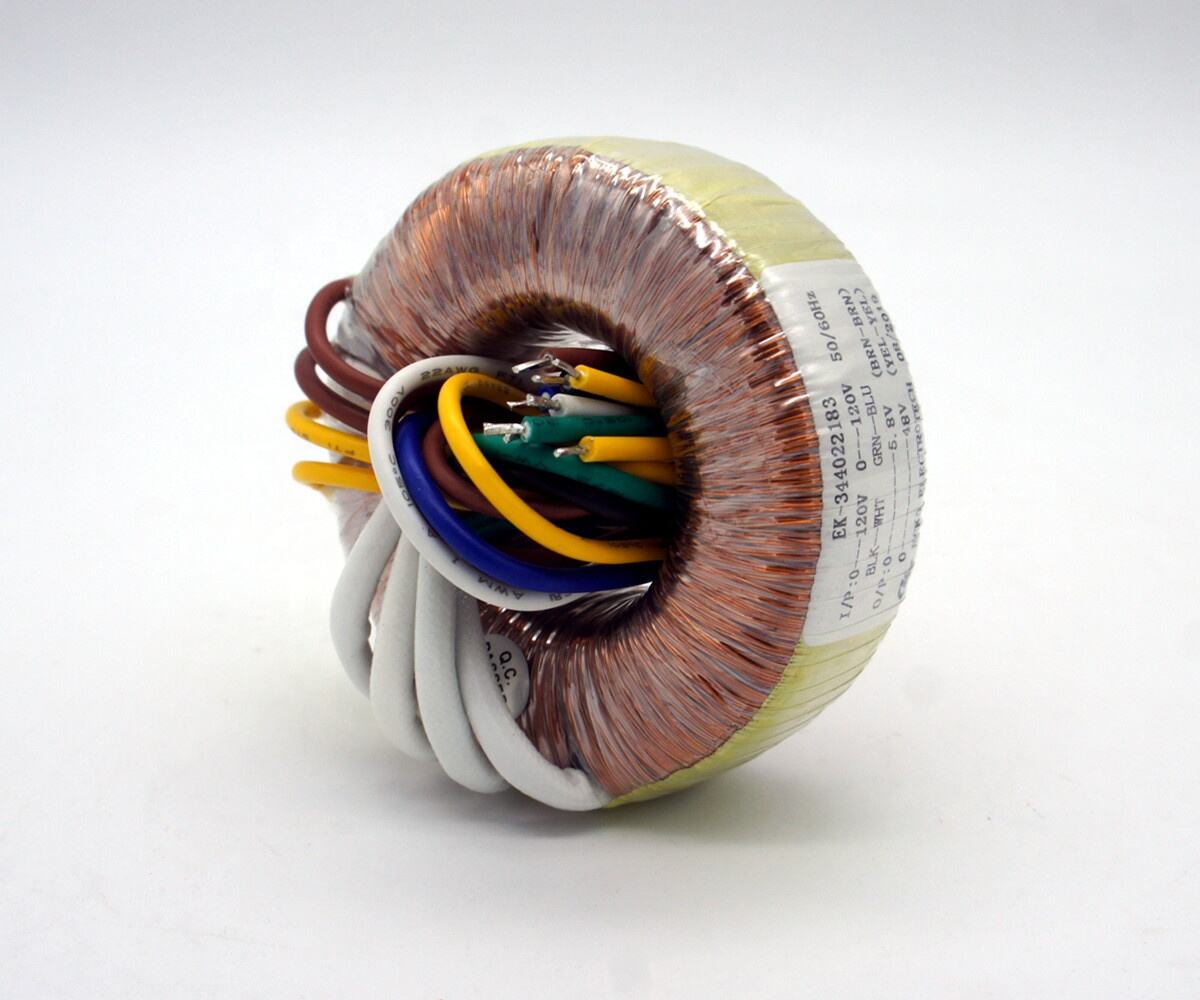
The transformer's core, typically made of high-grade silicon steel laminations, facilitates the transfer of electrical energy through magnetic coupling. This process allows alternating current to flow while maintaining complete electrical isolation between input and output circuits, effectively creating a new, clean power source for connected equipment.
Surge Protection Mechanisms
When power surges occur on the primary side, isolation transformers provide multiple layers of protection. The magnetic coupling naturally attenuates high-frequency transients, while the physical separation prevents voltage spikes from propagating to the secondary side. The transformer's inherent inductance also helps smooth out sudden voltage fluctuations, providing more stable power to connected equipment.
Additionally, isolation transformers often incorporate electrostatic shielding between primary and secondary windings, further reducing the transmission of common-mode noise and high-frequency disturbances. This combination of features ensures comprehensive protection against various types of electrical disturbances.
Safety Features and Protection Methods
Ground Fault Prevention
One of the most significant advantages of isolation transformers is their ability to establish a new ground reference point on the secondary side. This feature effectively breaks ground loops and eliminates the risk of ground fault currents reaching connected equipment. By creating an isolated ground system, these transformers significantly reduce the possibility of electric shock hazards and equipment damage due to ground potential differences.
The isolated secondary circuit also allows for the implementation of local ground fault protection schemes, providing more precise and reliable detection of potentially dangerous conditions. This capability is particularly valuable in medical facilities, data centers, and industrial environments where personnel and equipment safety is paramount.
Common Mode Noise Rejection
Isolation transformers excel at rejecting common mode noise, which occurs when unwanted electrical signals appear equally on both power conductors relative to ground. The galvanic isolation and careful design of these transformers ensure that common mode noise on the primary side is effectively blocked from reaching sensitive equipment on the secondary side.
This noise rejection capability is especially important for protecting sensitive electronic equipment, such as medical devices, testing instruments, and sophisticated control systems, where signal integrity is crucial for proper operation.
Applications and Implementation Considerations
Industrial Environment Protection
In industrial settings, isolation transformers play a crucial role in protecting expensive machinery and sensitive control systems from power quality issues. They help maintain production continuity by preventing equipment failures due to electrical disturbances and provide an additional layer of safety for operators working with electrical equipment.
Manufacturing facilities often use isolation transformers to protect programmable logic controllers (PLCs), variable frequency drives (VFDs), and other sensitive automation equipment from the harsh electrical environment typical of industrial operations. This protection helps minimize downtime and maintenance costs while extending equipment life.
Medical and Laboratory Applications
Healthcare facilities and laboratories require exceptionally clean and stable power for their sensitive diagnostic and treatment equipment. Isolation transformers are essential in these environments, where they help ensure accurate test results and reliable operation of critical medical devices while maintaining patient and operator safety.
These transformers also help healthcare facilities comply with strict medical equipment safety standards and regulations, providing the necessary electrical isolation required for patient care areas and sensitive diagnostic equipment.
Maintenance and Performance Optimization
Regular Inspection Protocols
To ensure continued protection against power surges and leaks, isolation transformers require regular maintenance and inspection. This includes checking for signs of physical damage, monitoring operating temperatures, and verifying isolation resistance between primary and secondary windings. Regular testing helps identify potential issues before they lead to transformer failure or compromise protection capabilities.
Maintenance personnel should also regularly clean ventilation openings, inspect connections for proper torque, and verify proper grounding arrangements. These routine checks help maintain the transformer's effectiveness and extend its operational life.
Performance Monitoring Systems
Modern isolation transformers often incorporate sophisticated monitoring systems that provide real-time data on operating parameters. These systems help facility managers track power quality, loading conditions, and temperature trends, enabling proactive maintenance and early problem detection.
Advanced monitoring capabilities also allow for better integration with building management systems and power quality monitoring networks, providing comprehensive oversight of electrical system performance and protection status.
Frequently Asked Questions
What size isolation transformer do I need for my equipment?
The required size of an isolation transformer depends on the total connected load, including any startup current requirements. It's recommended to choose a transformer rated at least 20% higher than the maximum expected load to account for potential future expansion and provide a safety margin for temporary overloads.
How often should isolation transformers be tested?
Professional testing should be conducted annually, with visual inspections and basic measurements performed quarterly. Critical applications may require more frequent testing based on usage patterns and environmental conditions. Always follow manufacturer recommendations and industry standards for maintenance intervals.
Can isolation transformers eliminate all power quality problems?
While isolation transformers provide excellent protection against many power quality issues, they cannot eliminate all possible problems. They are most effective against ground loops, common-mode noise, and voltage transients. For complete protection, they should be part of a comprehensive power quality strategy that may include additional devices such as surge suppressors and power conditioners.