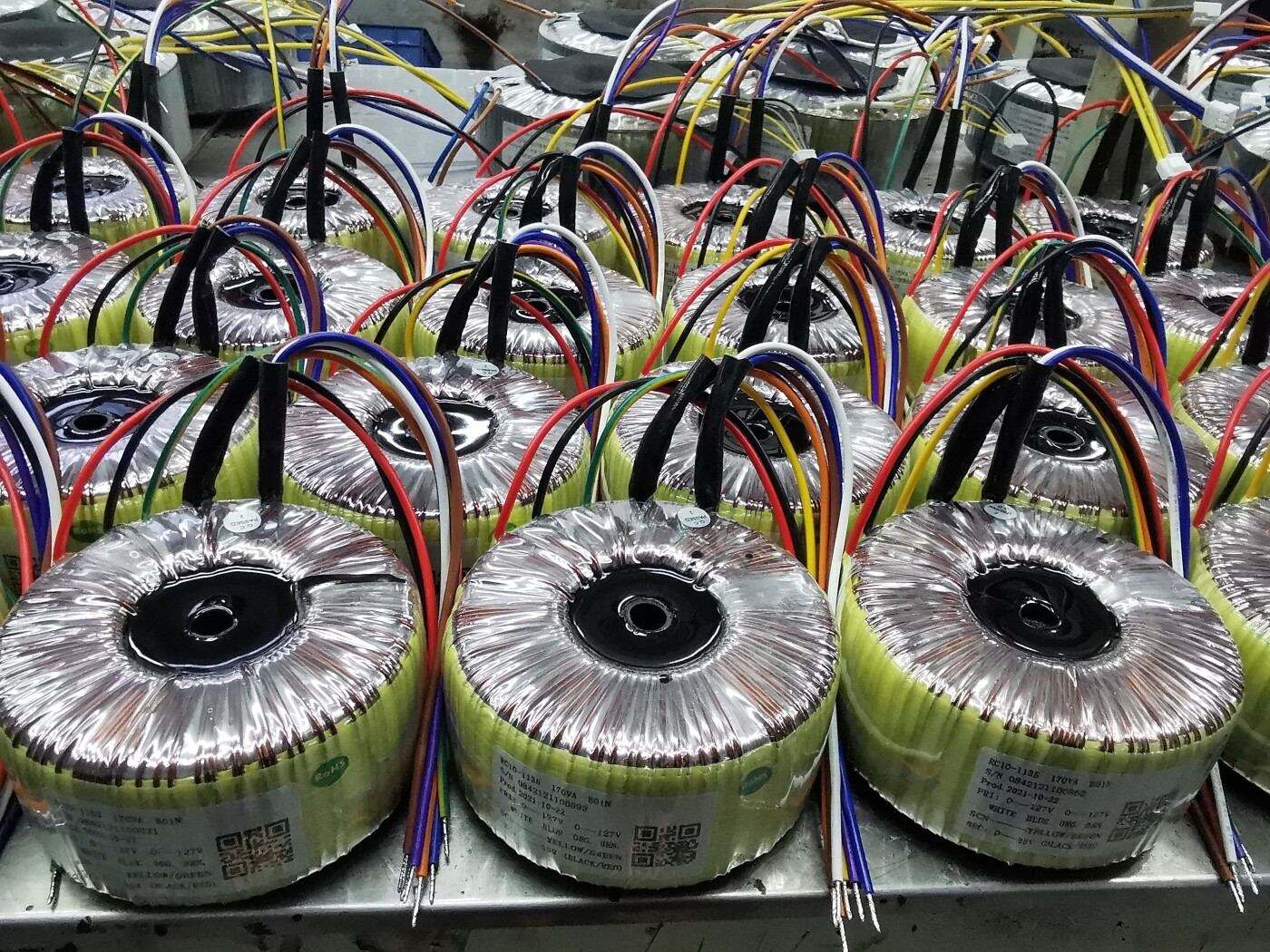
step up power transformer
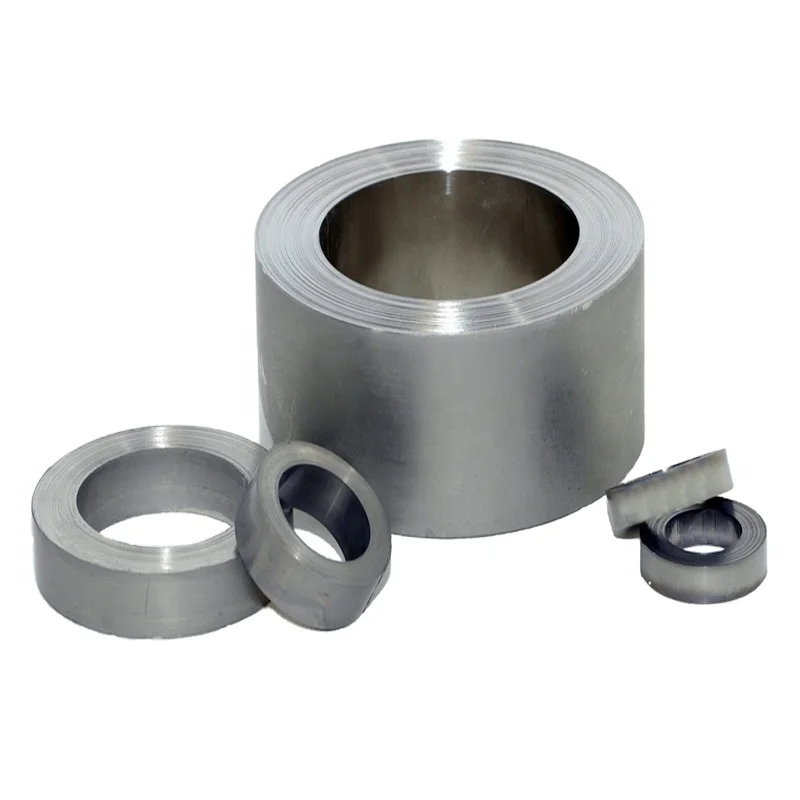
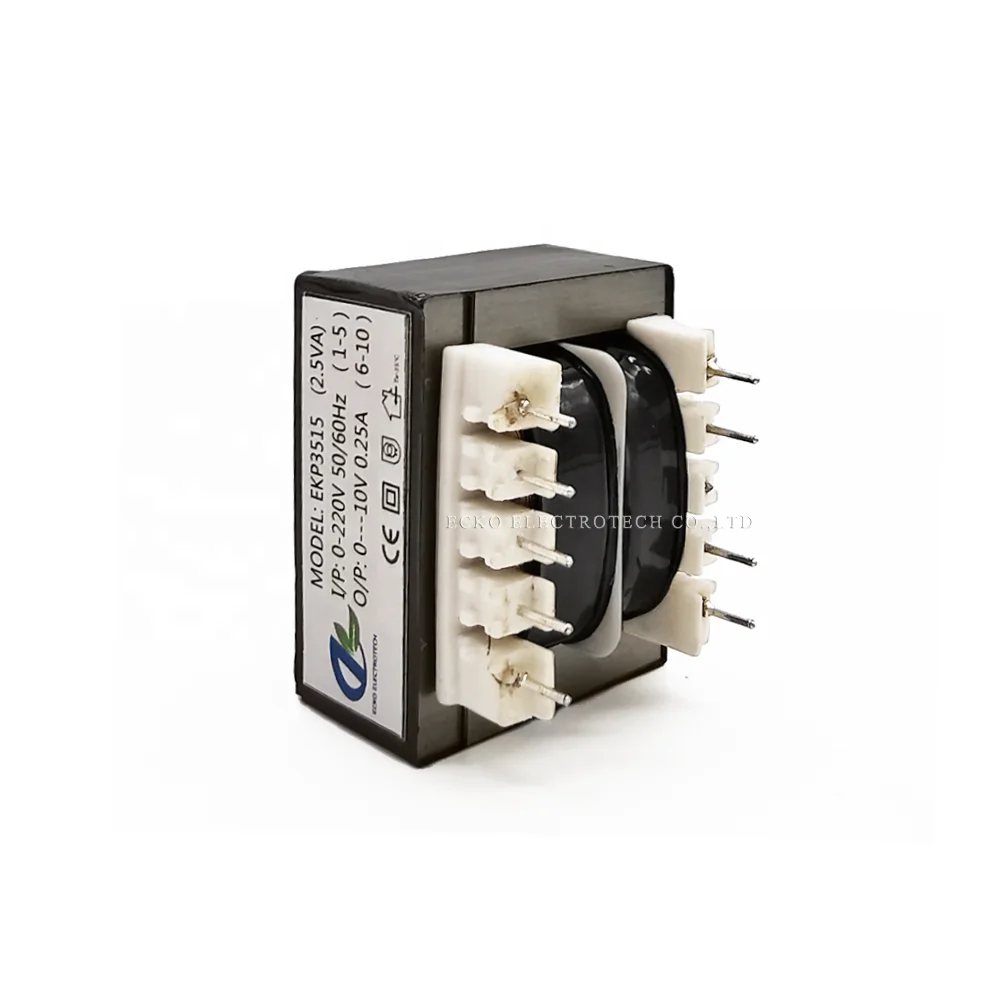
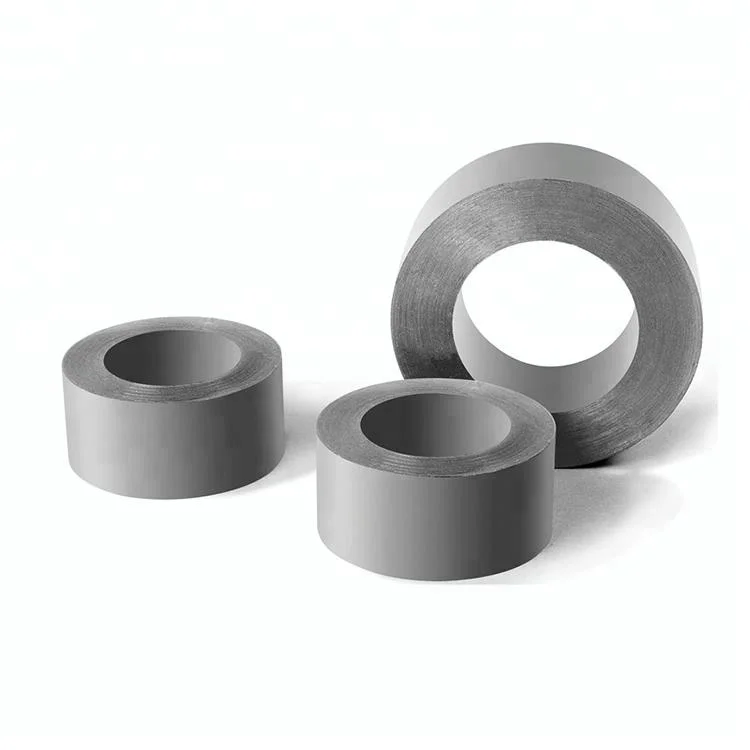
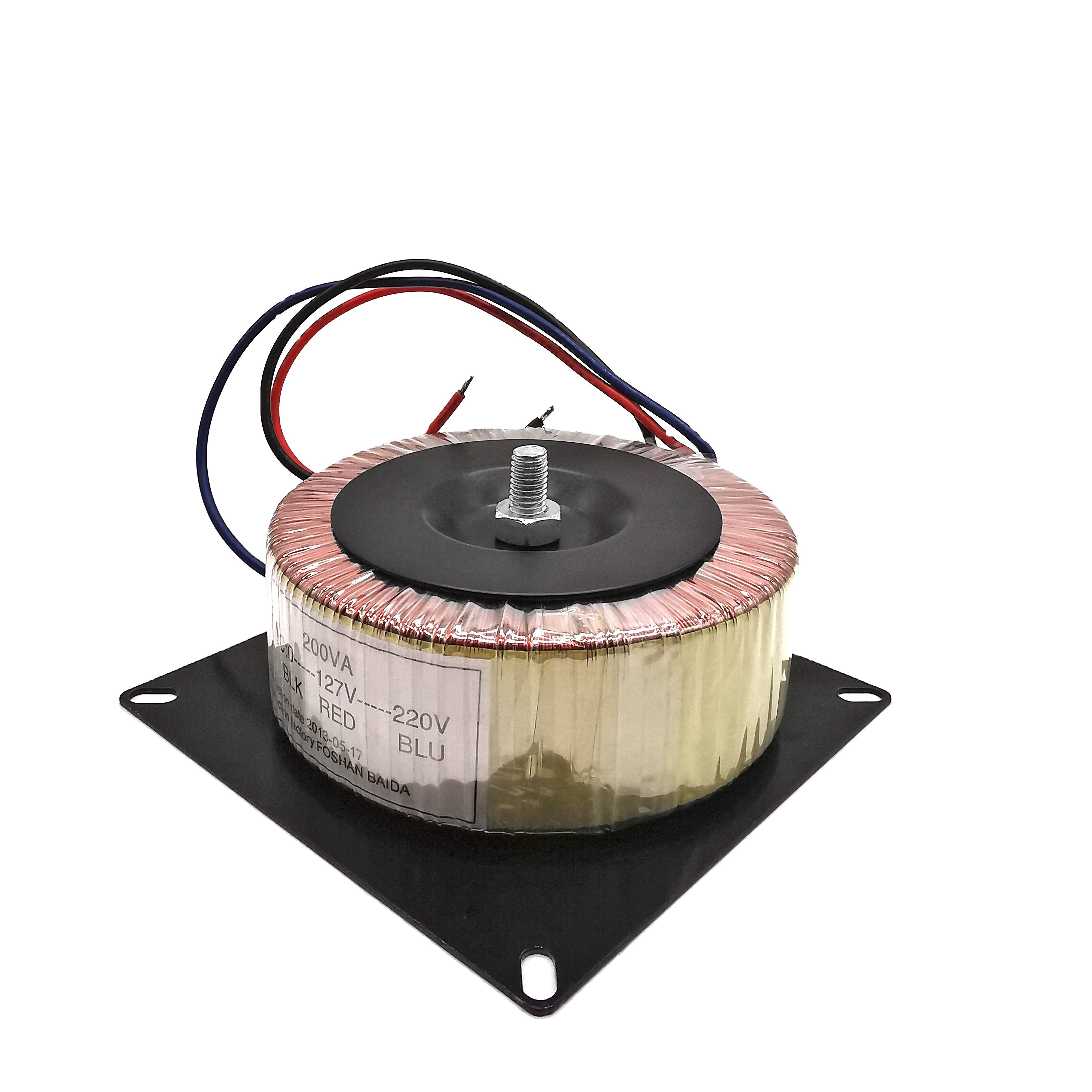
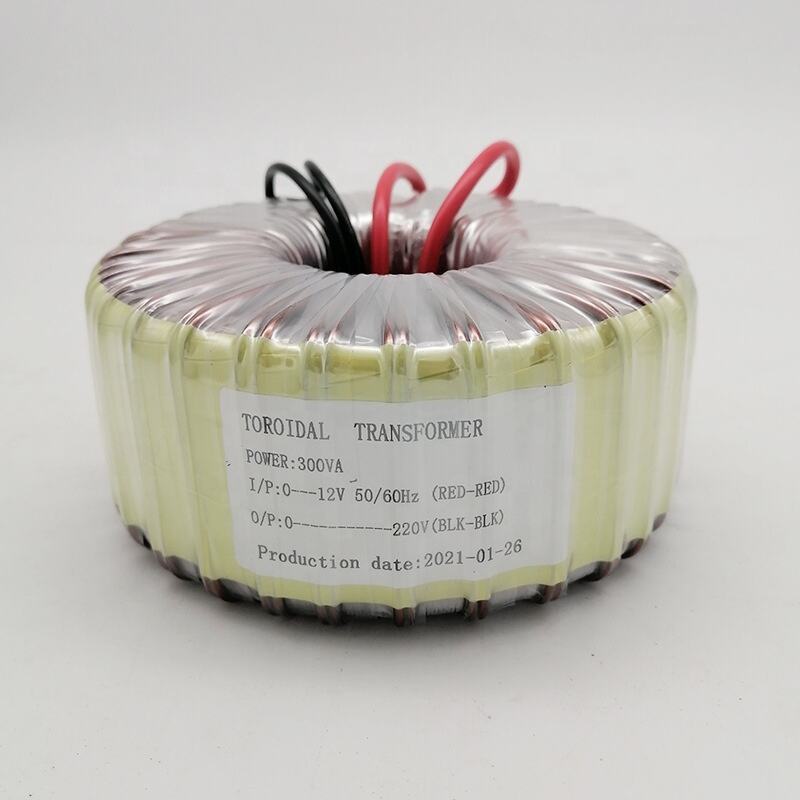
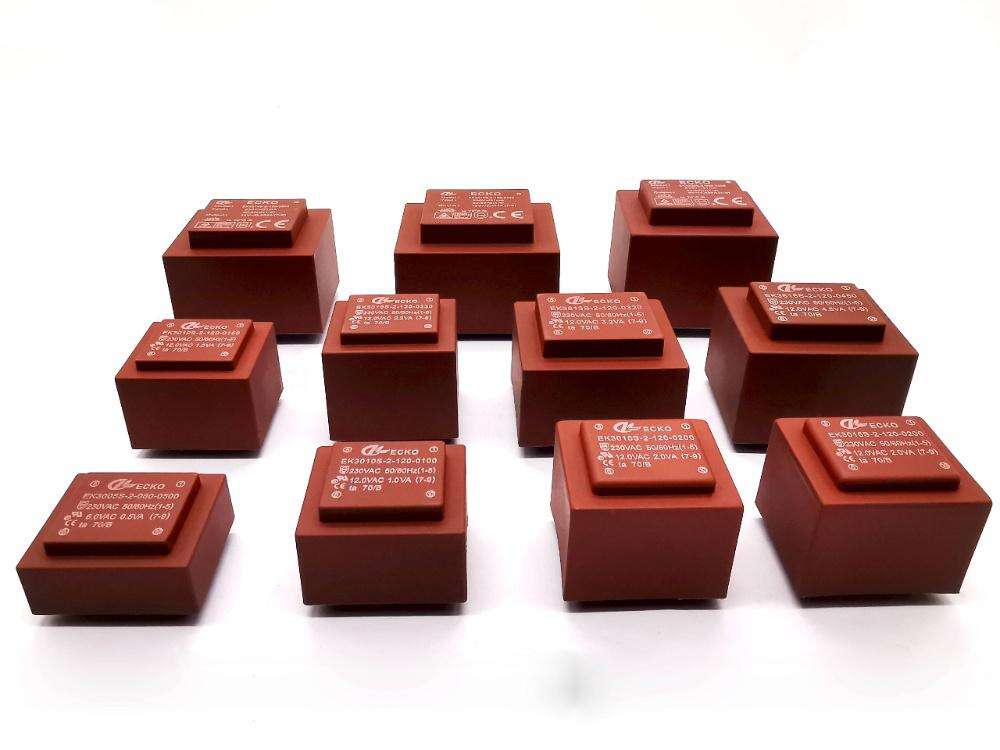
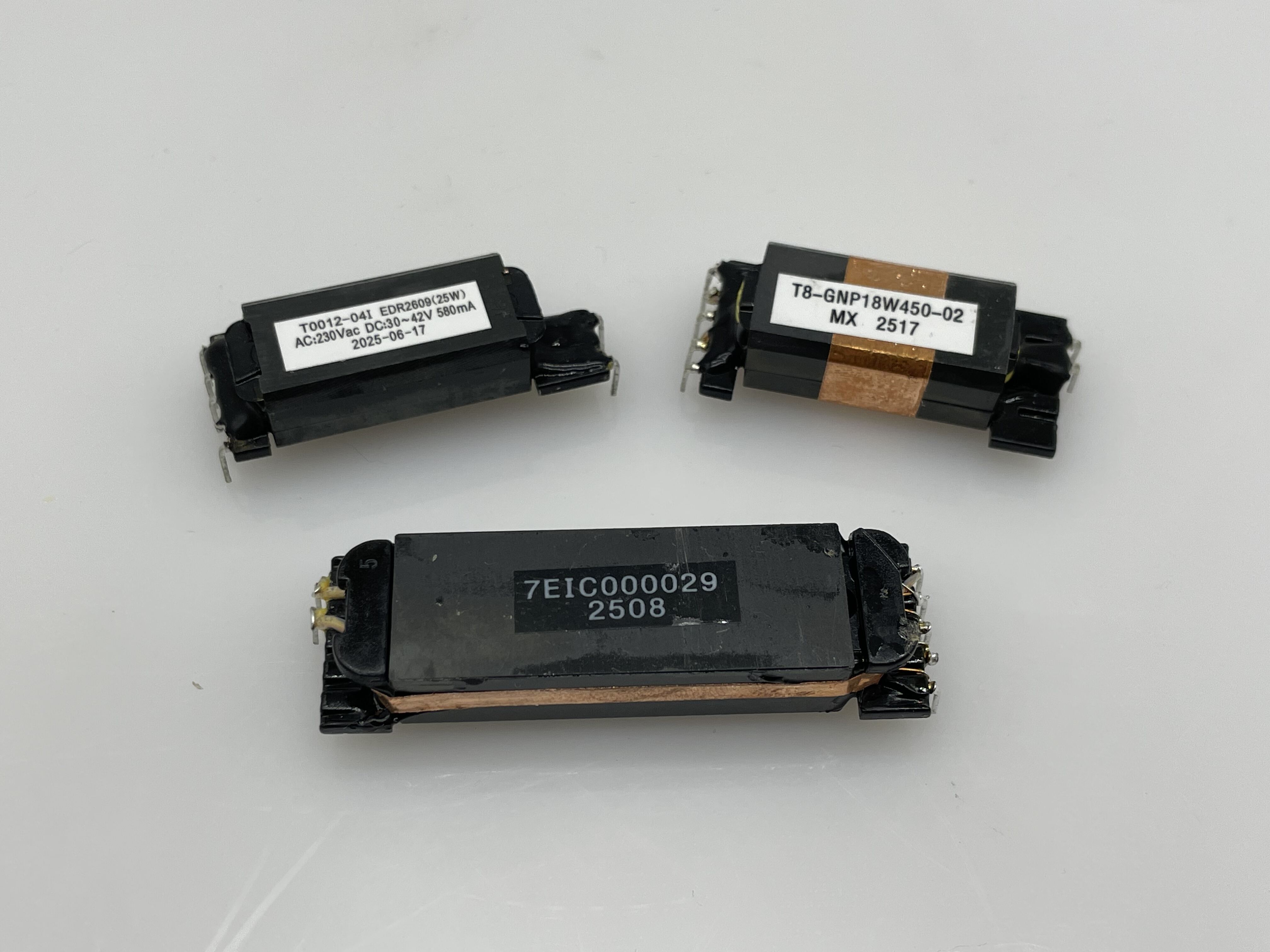
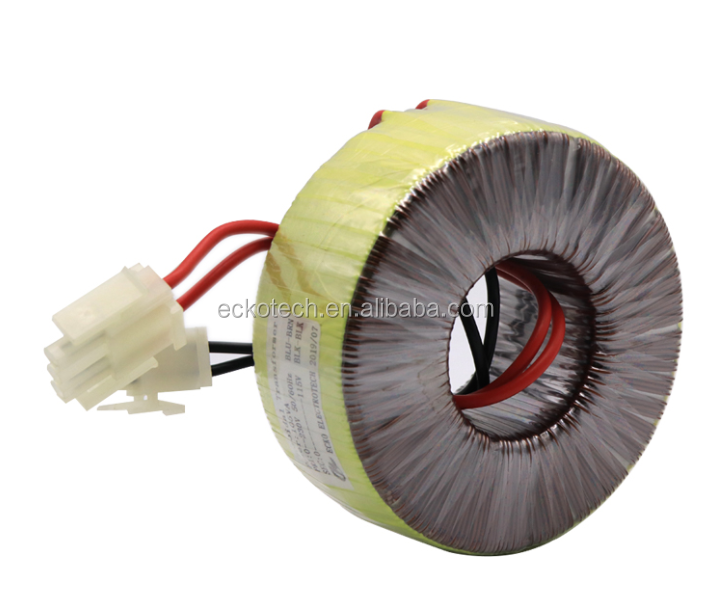
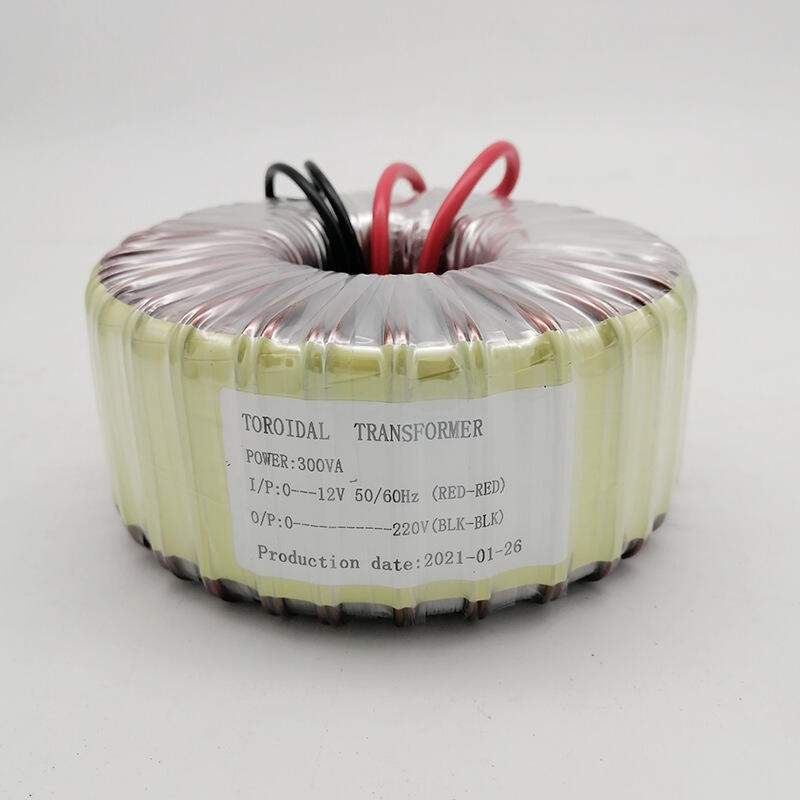
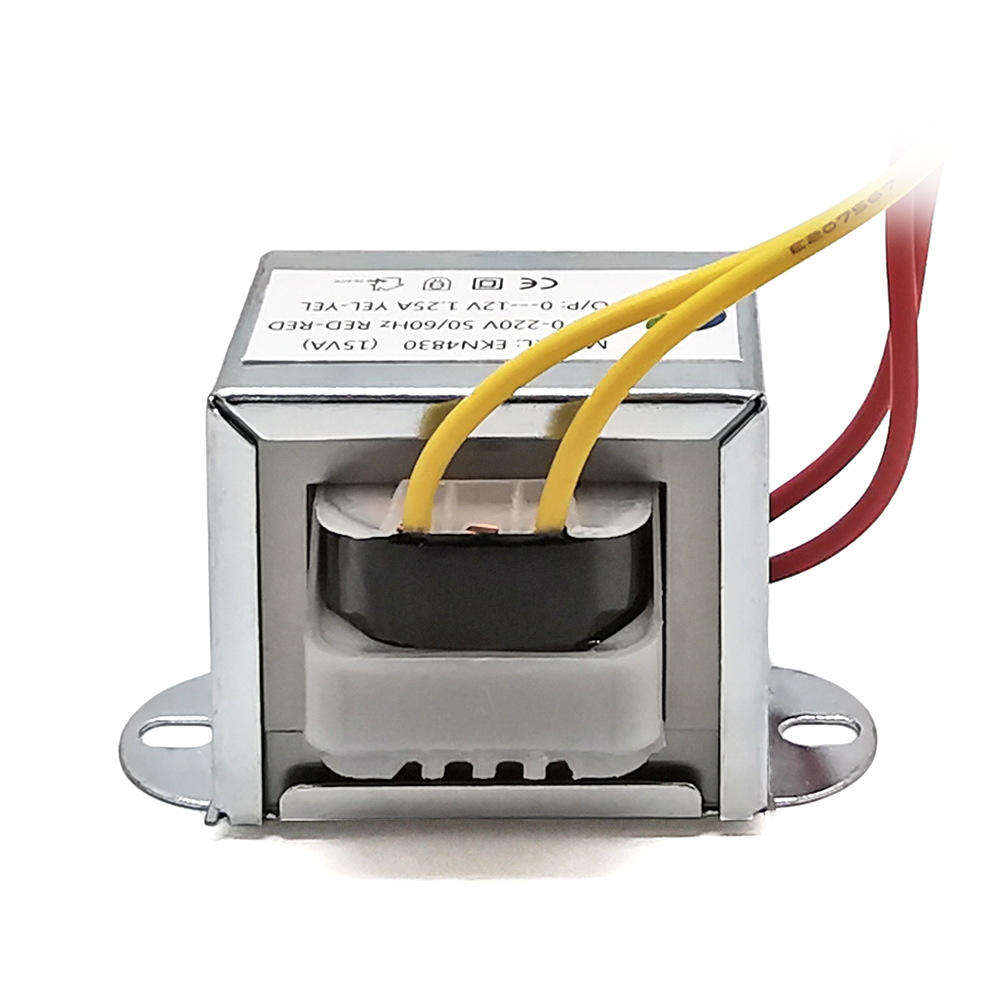
A step up power transformer is an essential electrical device that increases voltage levels while decreasing current proportionally, maintaining consistent power output. This sophisticated piece of equipment plays a crucial role in power distribution systems by efficiently converting lower voltage electricity to higher voltage levels for long-distance power transmission. The transformer's core consists of primary and secondary windings, with the secondary containing more turns than the primary, creating the voltage increase effect. Modern step up transformers incorporate advanced magnetic core materials, efficient cooling systems, and sophisticated monitoring equipment to ensure optimal performance and reliability. These transformers are fundamental in power plants, where they raise generated voltage from thousands to hundreds of thousands of volts for efficient power transmission across vast distances. They feature robust insulation systems, temperature monitoring capabilities, and protective mechanisms against electrical surges. The design typically includes oil-immersed cores for superior cooling and insulation, tap changers for voltage adjustment, and bushings for safe electrical connections. Their applications span from industrial power distribution to renewable energy systems, where they help integrate solar and wind power into the electrical grid by matching voltage requirements.
 EN
EN