Nanocrystalline Transformer Cores: Advanced Energy Efficiency Solutions for Modern Power Systems

All Categories

Get a Free Quote

Our representative will contact you soon.
Email
Mobile
Name
Company Name
Message
0/1000

nanocrystalline transformer core

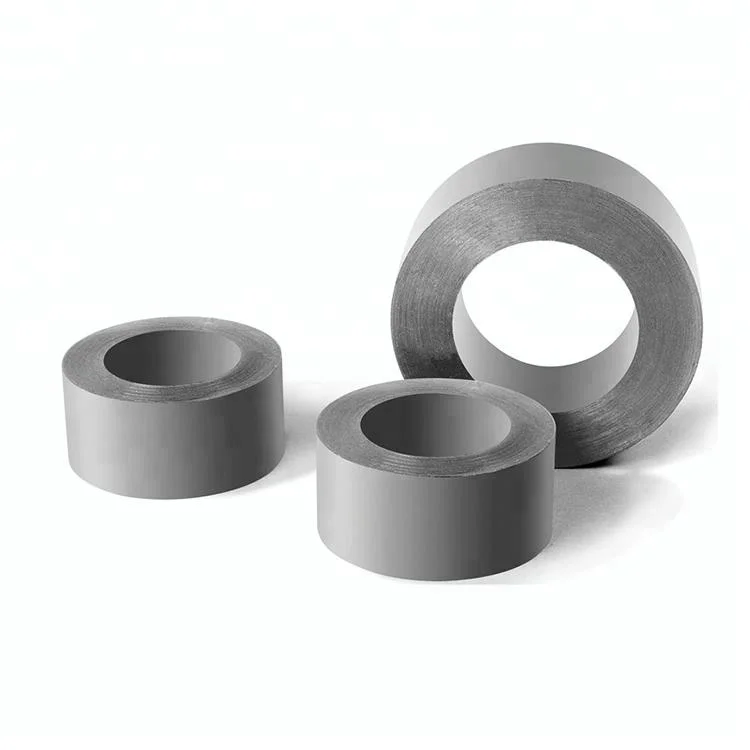
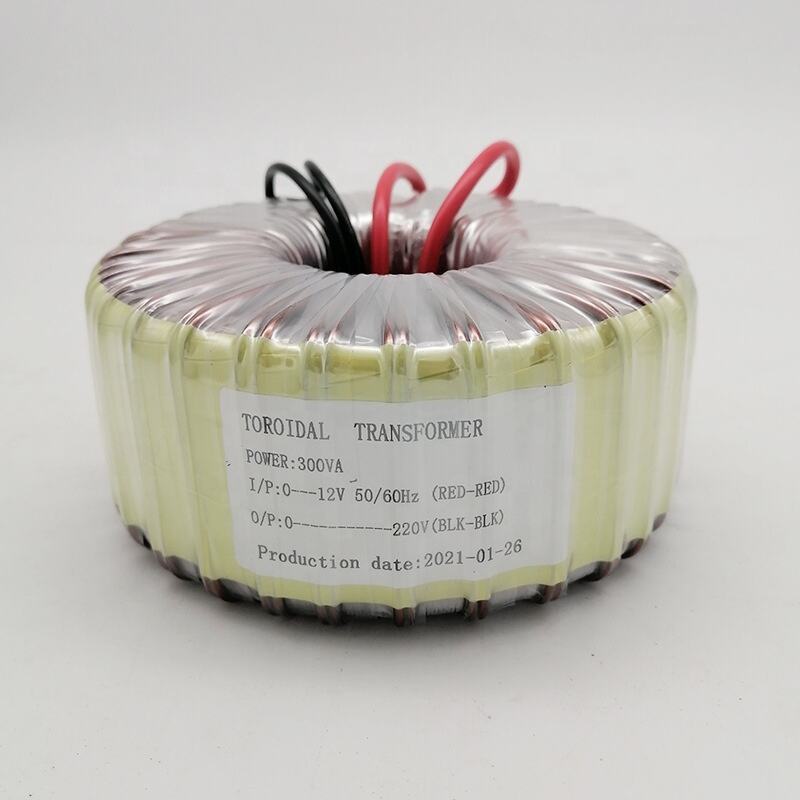
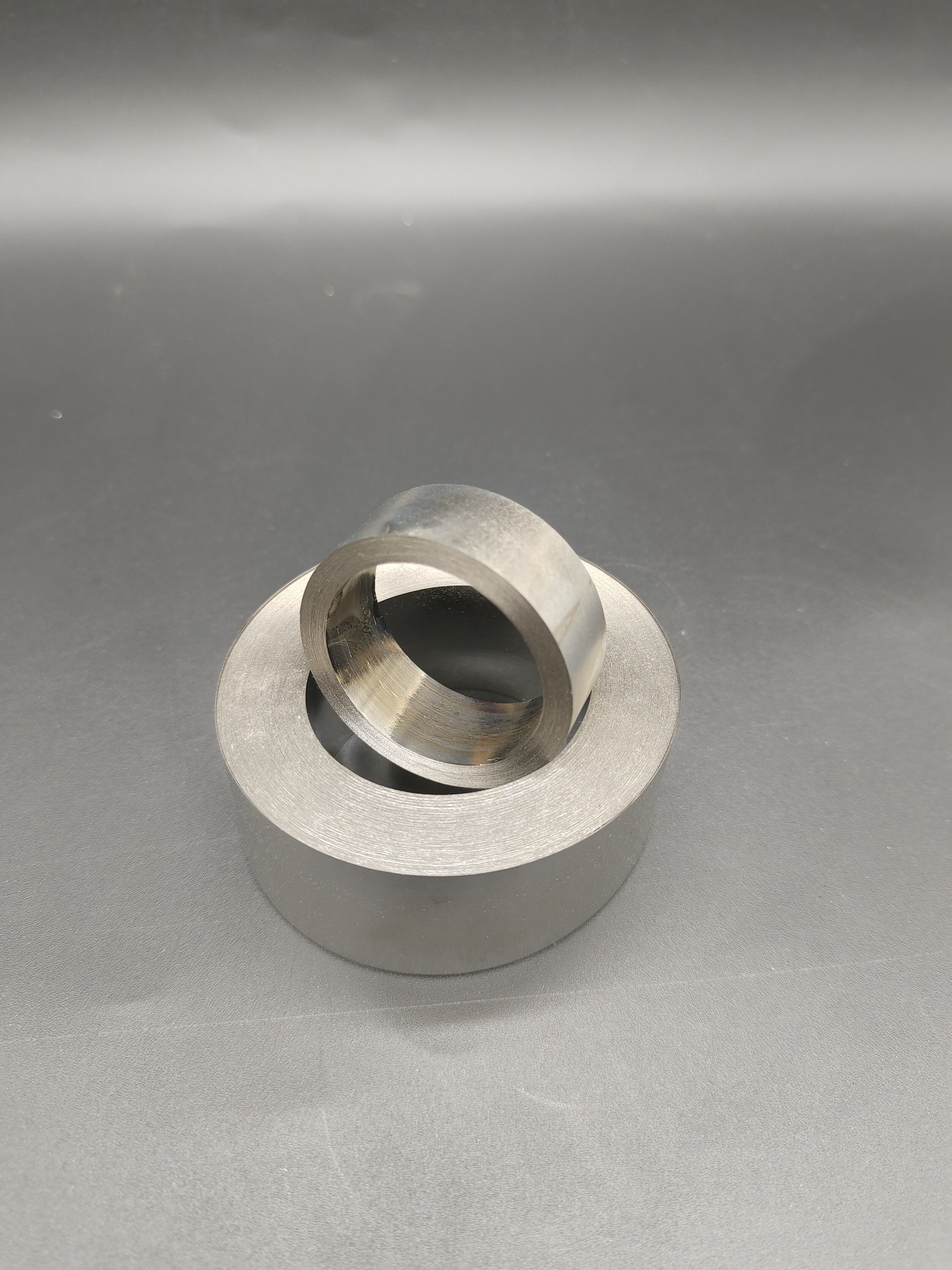
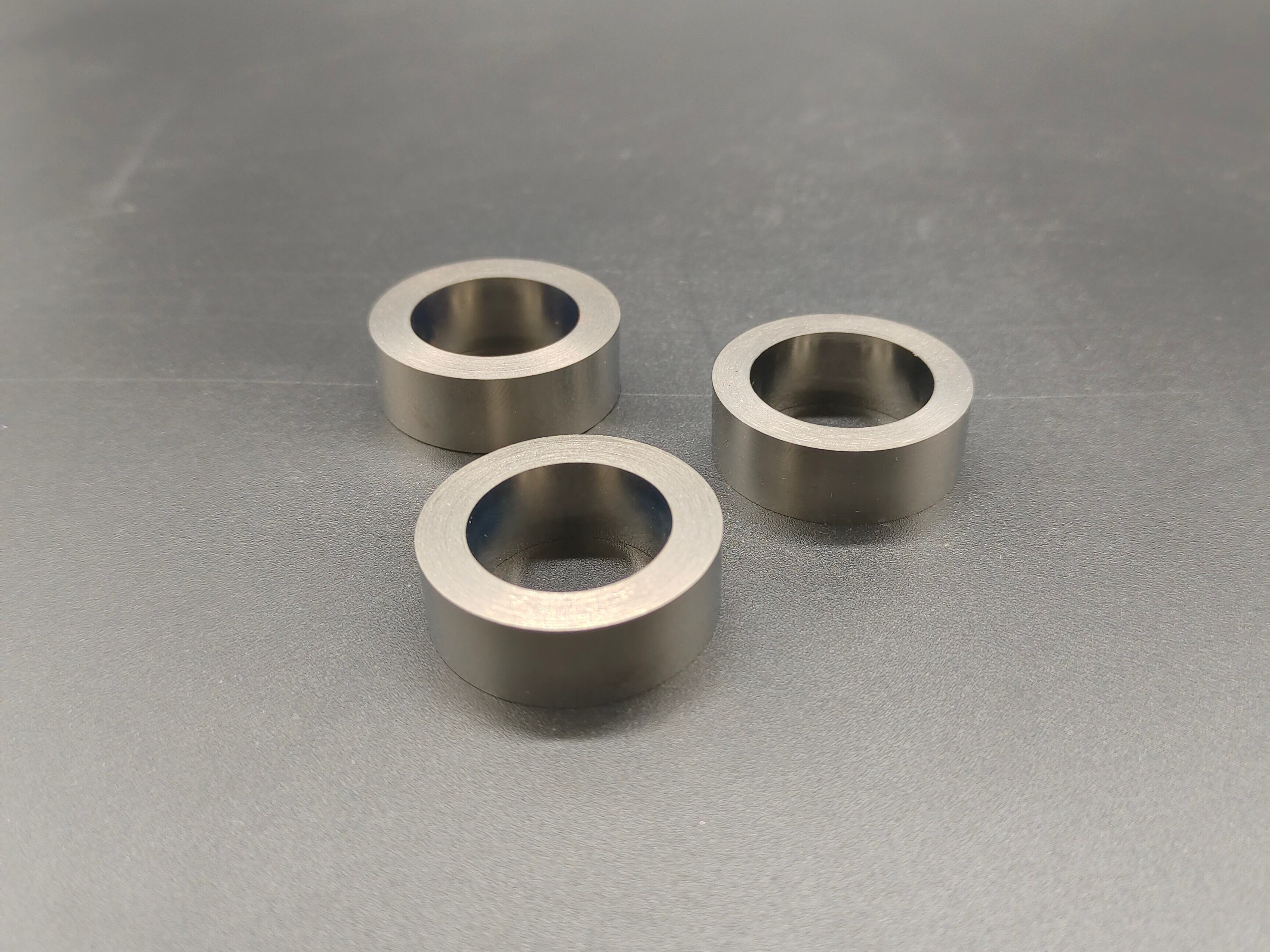
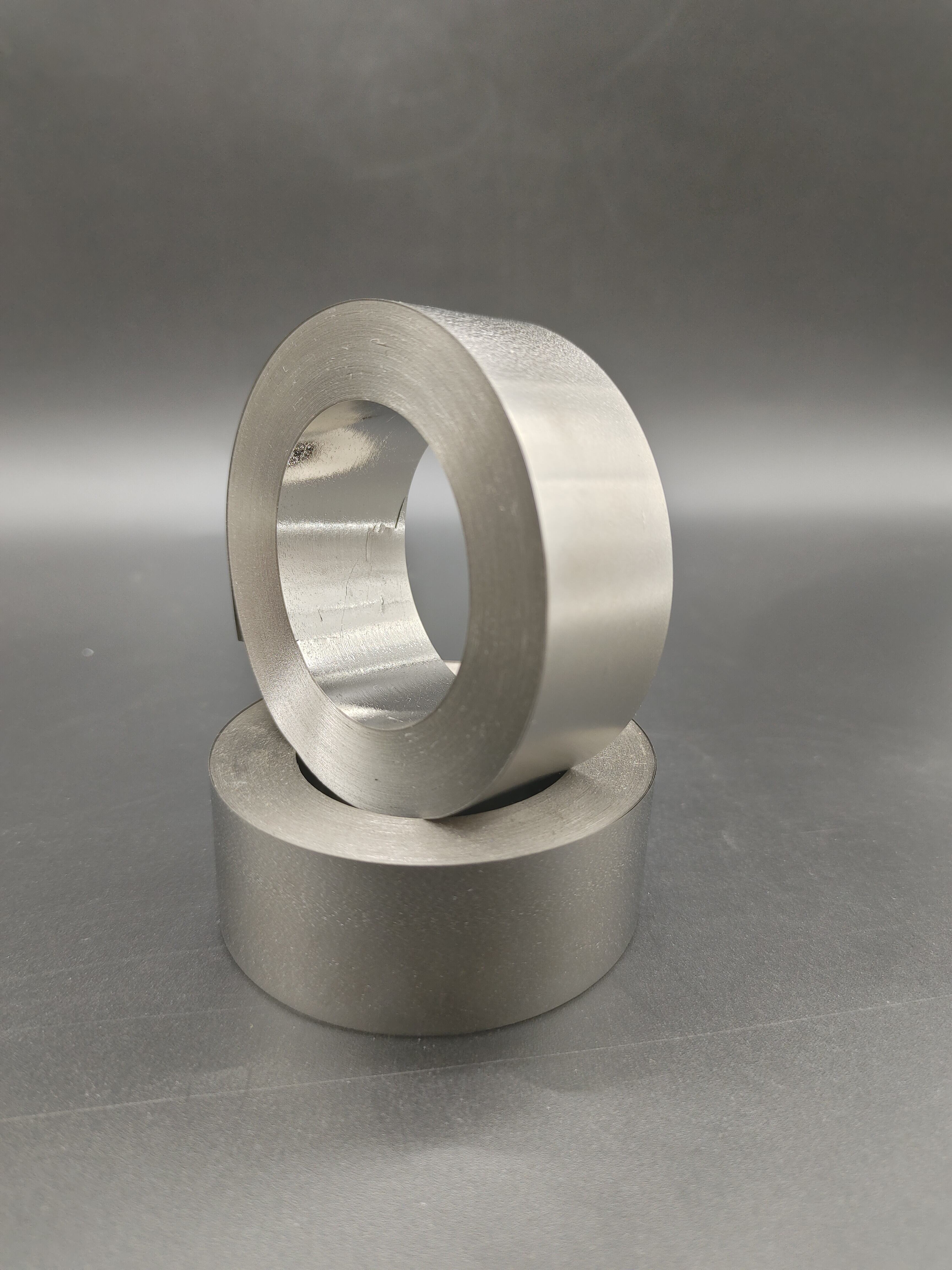
Nanocrystalline transformer cores represent a groundbreaking advancement in power electronics, featuring ultra-fine grain structures typically ranging from 10 to 30 nanometers. These cores are manufactured through rapid solidification of specific iron-based alloys, resulting in superior magnetic properties. The core's unique structure enables exceptional performance in power transformation applications, offering significantly reduced core losses compared to traditional materials. The nanocrystalline material exhibits remarkable magnetic permeability, allowing for efficient energy transfer across a wide frequency range. These cores excel in both high-frequency and low-frequency applications, making them versatile components in modern power systems. Their compact size and superior performance characteristics make them ideal for various applications, including switch-mode power supplies, current transformers, and high-efficiency distribution transformers. The material's inherent stability across temperature variations ensures consistent performance in diverse operating conditions, while its high saturation flux density enables design optimization for compact transformer solutions.

Popular Products

Nanocrystalline transformer cores offer numerous compelling advantages that set them apart in the power electronics industry. First, their exceptional energy efficiency results in significantly lower core losses, leading to reduced operating costs and improved system performance. The cores maintain stable performance across a broad temperature range, ensuring reliability in various environmental conditions. Their high magnetic permeability allows for smaller core sizes, enabling the design of more compact and lightweight transformers without compromising performance. The material's superior frequency response characteristics make it suitable for both high and low-frequency applications, providing design flexibility. These cores demonstrate remarkable magnetic properties, including high saturation flux density and low coercivity, which contribute to improved transformer efficiency. The reduced size and weight of nanocrystalline cores result in space savings and easier installation. Their excellent thermal stability ensures consistent performance over time, reducing maintenance requirements and extending operational life. The cores' ability to operate efficiently at higher frequencies enables the development of more compact power supply solutions. Additionally, their low magnetostriction properties result in quieter operation, making them ideal for noise-sensitive applications.

Latest News

What Should You Look for When Choosing an Audio Transformer?

28

Oct

What Should You Look for When Choosing an Audio Transformer?

Understanding the Critical Role of Audio Transformers in Sound Systems Audio transformers serve as the unsung heroes in sound systems, playing a vital role in maintaining signal integrity and ensuring optimal audio performance. These specialized comp...
View More
How Do Isolation Transformers Protect Against Power Surges and Leaks?

28

Oct

How Do Isolation Transformers Protect Against Power Surges and Leaks?

Understanding the Critical Role of Electromagnetic Protection in Power Systems Power surges and electrical leaks pose significant threats to sensitive electronic equipment in both industrial and residential settings. Isolation transformers serve as e...
View More
What Factors Influence the Performance of a PCB Transformer?

28

Oct

What Factors Influence the Performance of a PCB Transformer?

Understanding the Critical Elements of PCB Transformer Design PCB transformers have revolutionized modern electronics by offering compact, efficient power transfer solutions directly integrated into printed circuit boards. These essential components ...
View More
What Are the Key Differences Between High Frequency and Low Frequency Transformers?

28

Oct

What Are the Key Differences Between High Frequency and Low Frequency Transformers?

Understanding the Fundamental Distinctions of Transformer Frequencies In the realm of electrical engineering and power distribution, transformers play a pivotal role in voltage conversion and power transfer. The frequency at which a transformer opera...
View More

Get a Free Quote

Our representative will contact you soon.
Email
Mobile
Name
Company Name
Message
0/1000

nanocrystalline transformer core

Superior Energy Efficiency

Superior Energy Efficiency

Nanocrystalline transformer cores achieve unprecedented levels of energy efficiency through their unique structural composition. The ultra-fine grain structure minimizes eddy current losses and hysteresis losses, resulting in significantly reduced core losses compared to conventional materials. This superior efficiency translates directly to lower operating costs and reduced energy consumption in transformer applications. The cores maintain this high efficiency across a wide frequency range, making them ideal for various power conversion scenarios. The material's ability to operate efficiently at higher frequencies allows for the design of more compact transformers without sacrificing performance, providing substantial energy savings in both industrial and commercial applications.
Compact Design and Space Optimization

Compact Design and Space Optimization

The high magnetic permeability of nanocrystalline cores enables significant size reduction compared to traditional transformer cores. This characteristic allows designers to create more compact and lightweight transformers while maintaining or even improving performance parameters. The reduced size does not compromise power handling capability, as the material's high saturation flux density ensures optimal performance in a smaller form factor. This space optimization benefit is particularly valuable in applications where installation space is limited or where weight considerations are critical. The compact design also contributes to reduced material usage and lower transportation costs, making nanocrystalline cores an economically advantageous choice.
Temperature Stability and Reliability

Temperature Stability and Reliability

Nanocrystalline transformer cores exhibit exceptional stability across a wide temperature range, ensuring consistent performance in varying operating conditions. This thermal stability is achieved through the material's unique microstructure, which maintains its magnetic properties even under temperature fluctuations. The cores demonstrate minimal aging effects and maintain their efficiency over extended periods, reducing maintenance requirements and extending service life. Their reliable performance under different environmental conditions makes them ideal for critical applications where consistent operation is essential. The material's low temperature coefficient ensures predictable behavior and stable output, contributing to improved system reliability and reduced maintenance costs.
  • R&D Team

    R&D Team

    Strong design and development ability, our R&D team, more than 20 years of industry experience, we provide a full set of solutions. Make samples quickly,1day the soonest.

  • Delivery Time

    Delivery Time

    Our flexible production line and skilled workers,sample can be finished in 1-3 days,order within 10000pcs can be delivery in 10-20 days,negotiable according to issue.

  • Quality

    Quality

    100% inspection and testing before delivery, the products have passed the CE/ROHS/CUL certification,24 months quality assurance.

  • 24 Hours Online Service

    24 Hours Online Service

    Global customers, no time barrier. Fast support on orders, production, tech & inquiries. Contact us or visit our factory.

Get a Free Quote

Our representative will contact you soon.
Email
Mobile
Name
Company Name
Message
0/1000