nanocrystalline soft magnetic material
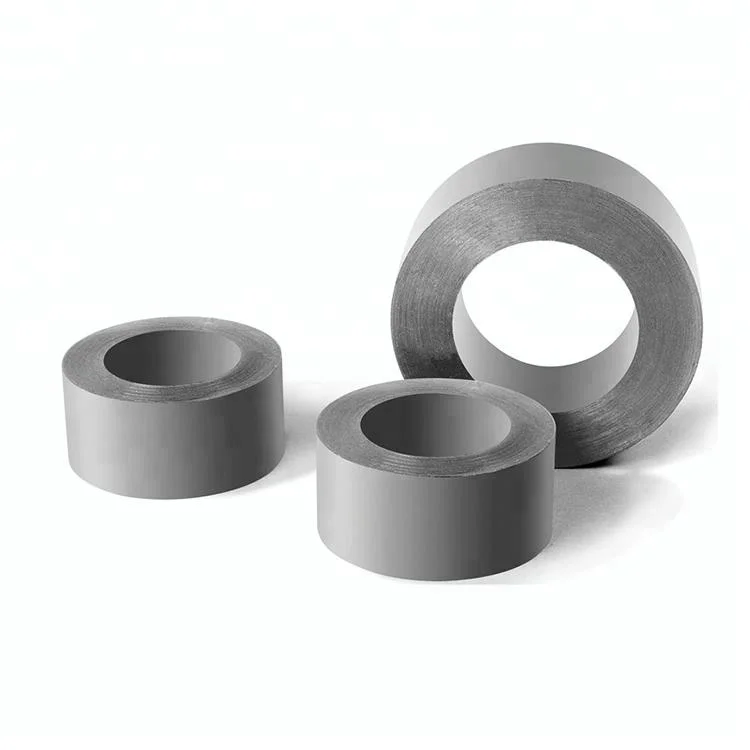
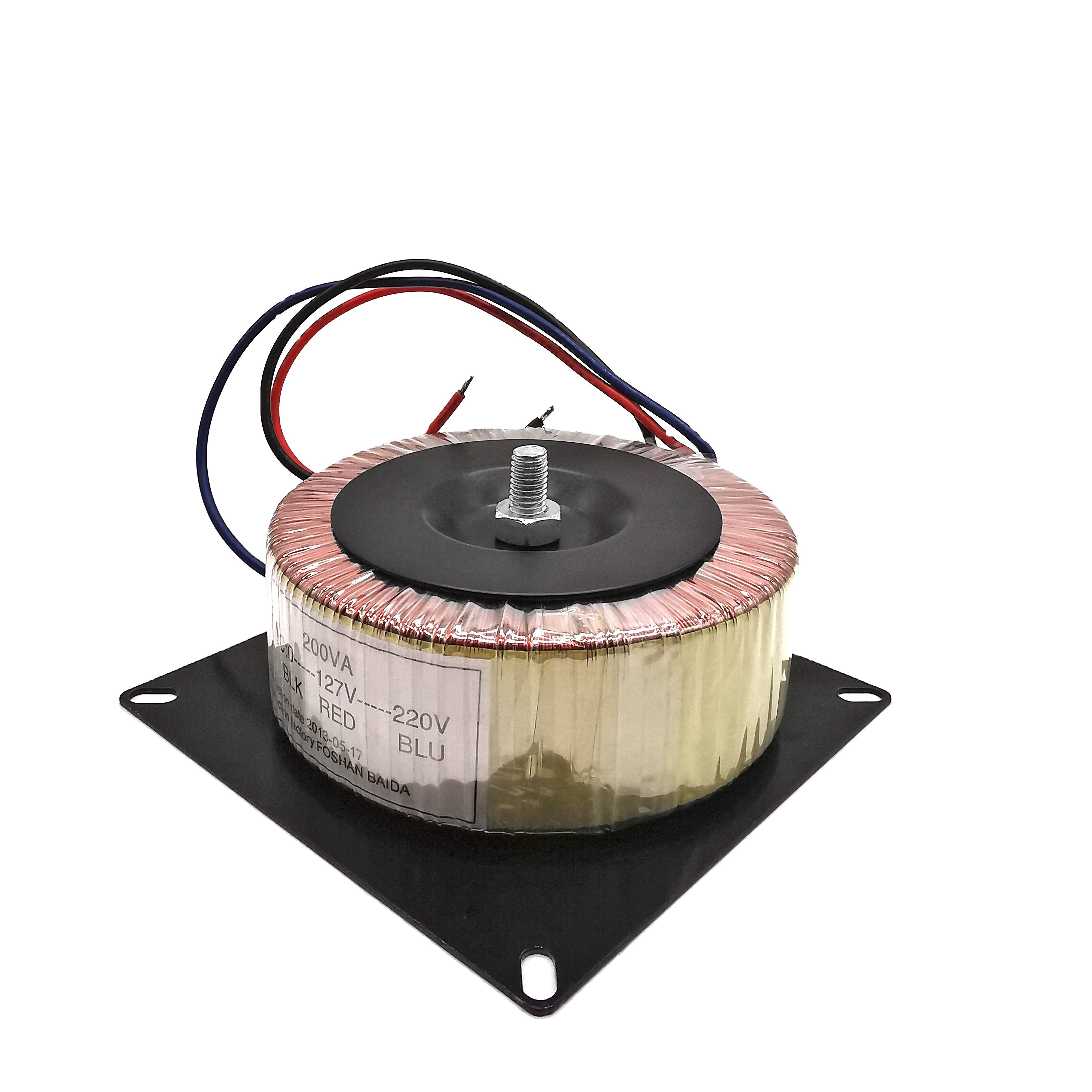
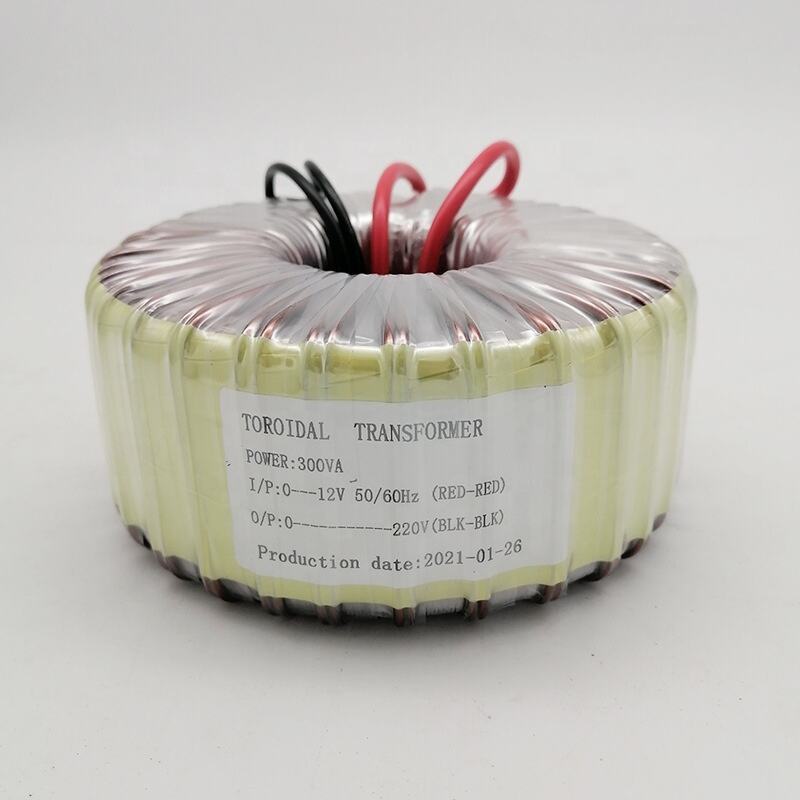
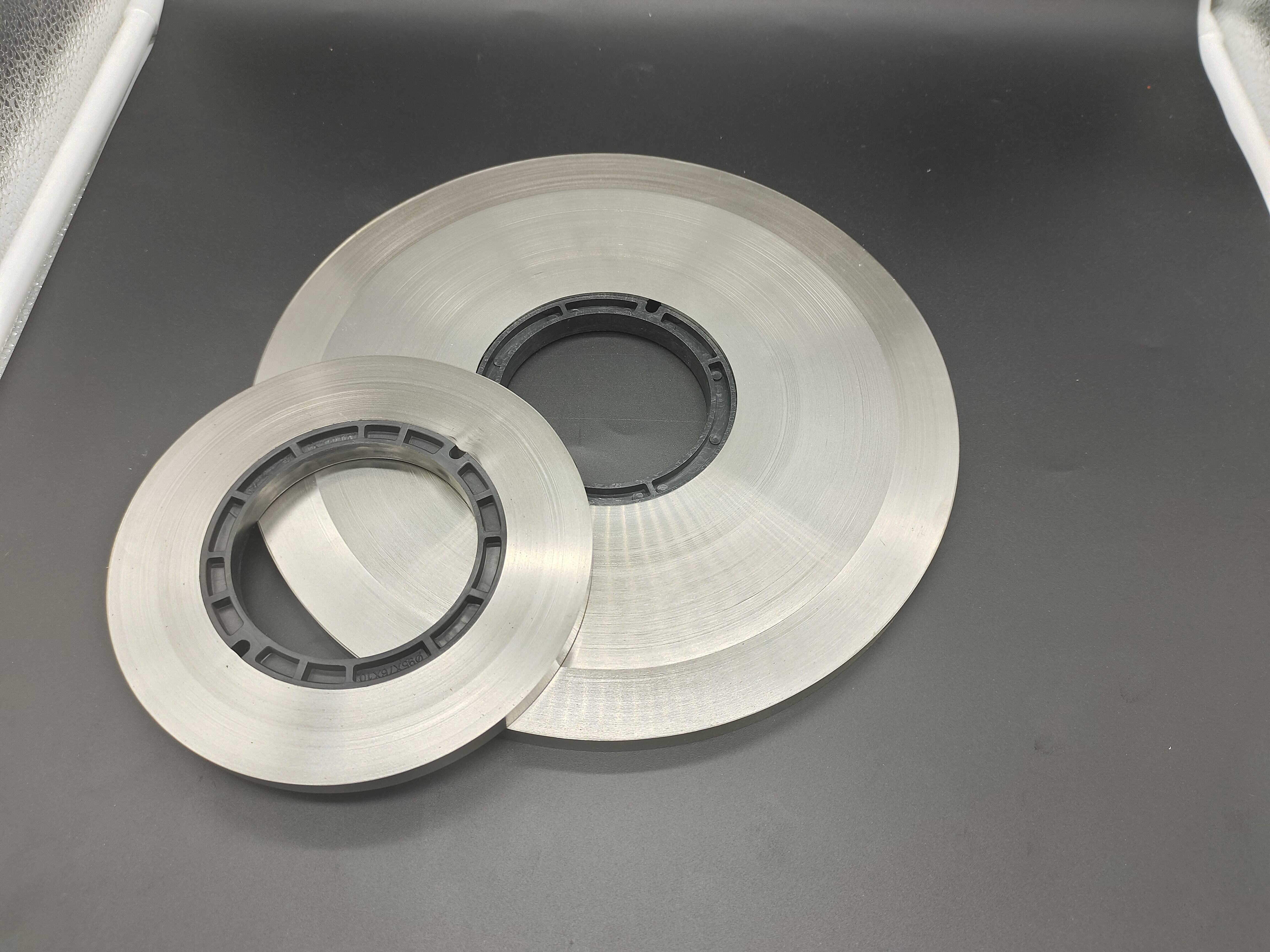
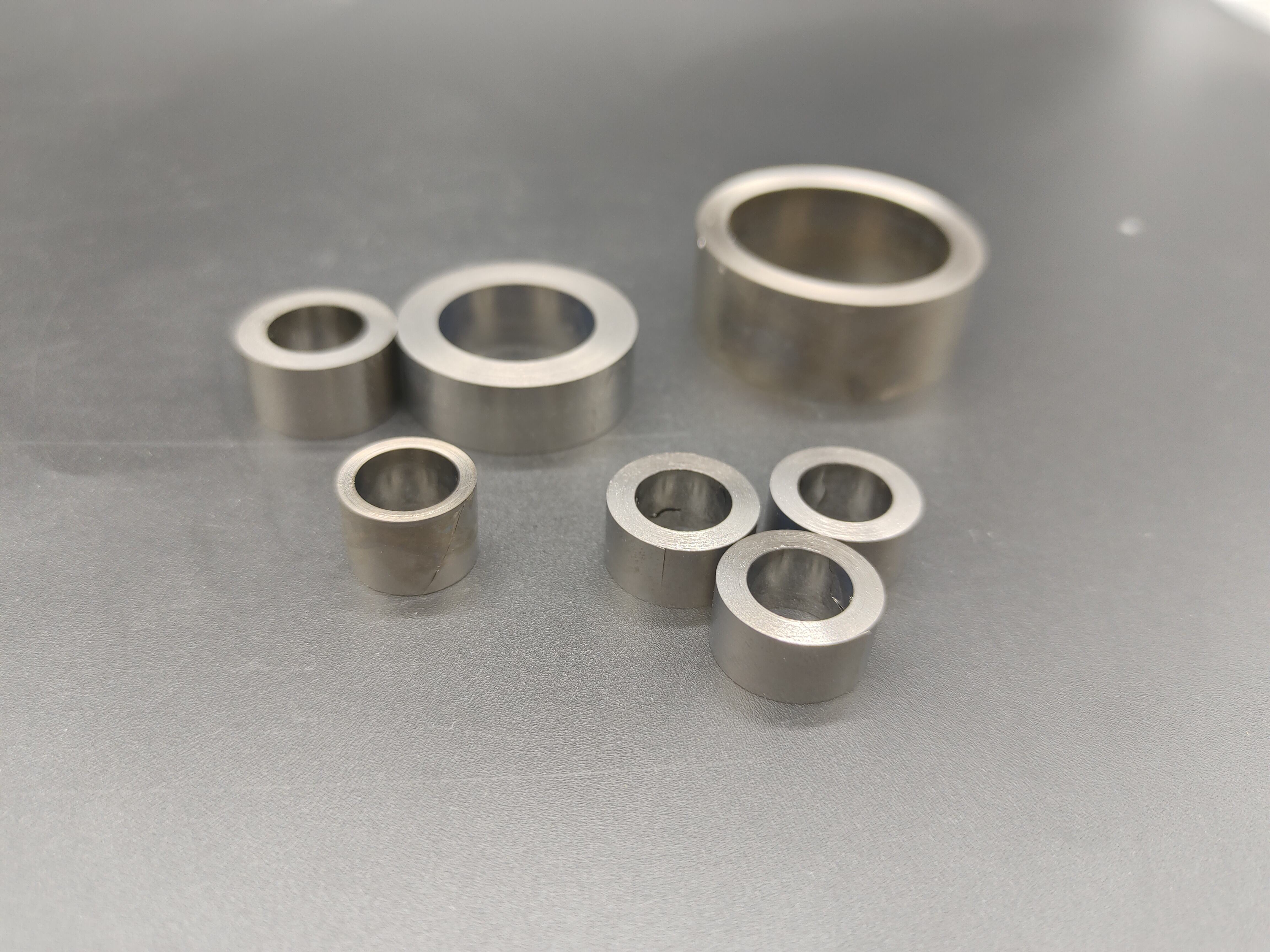
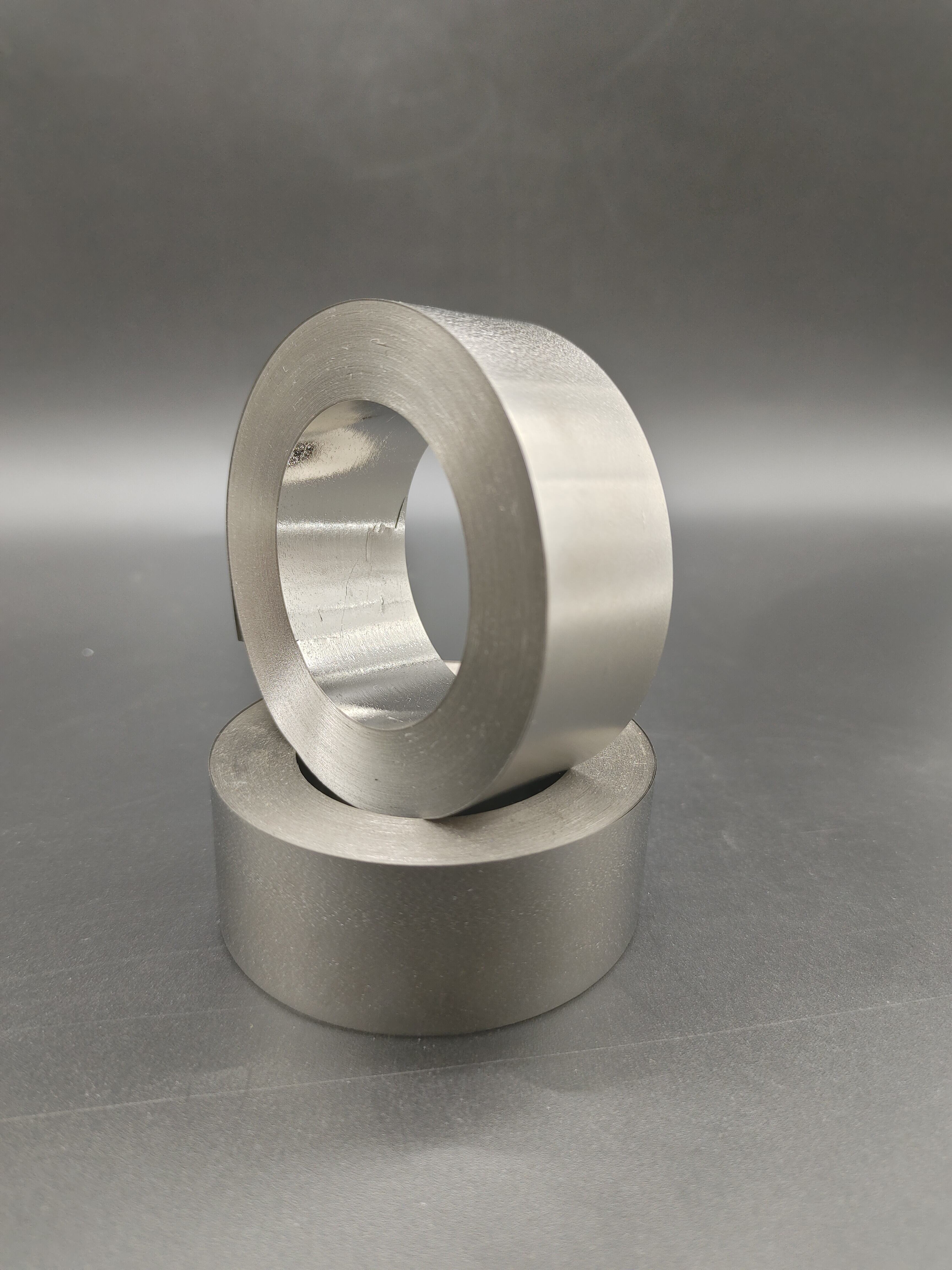
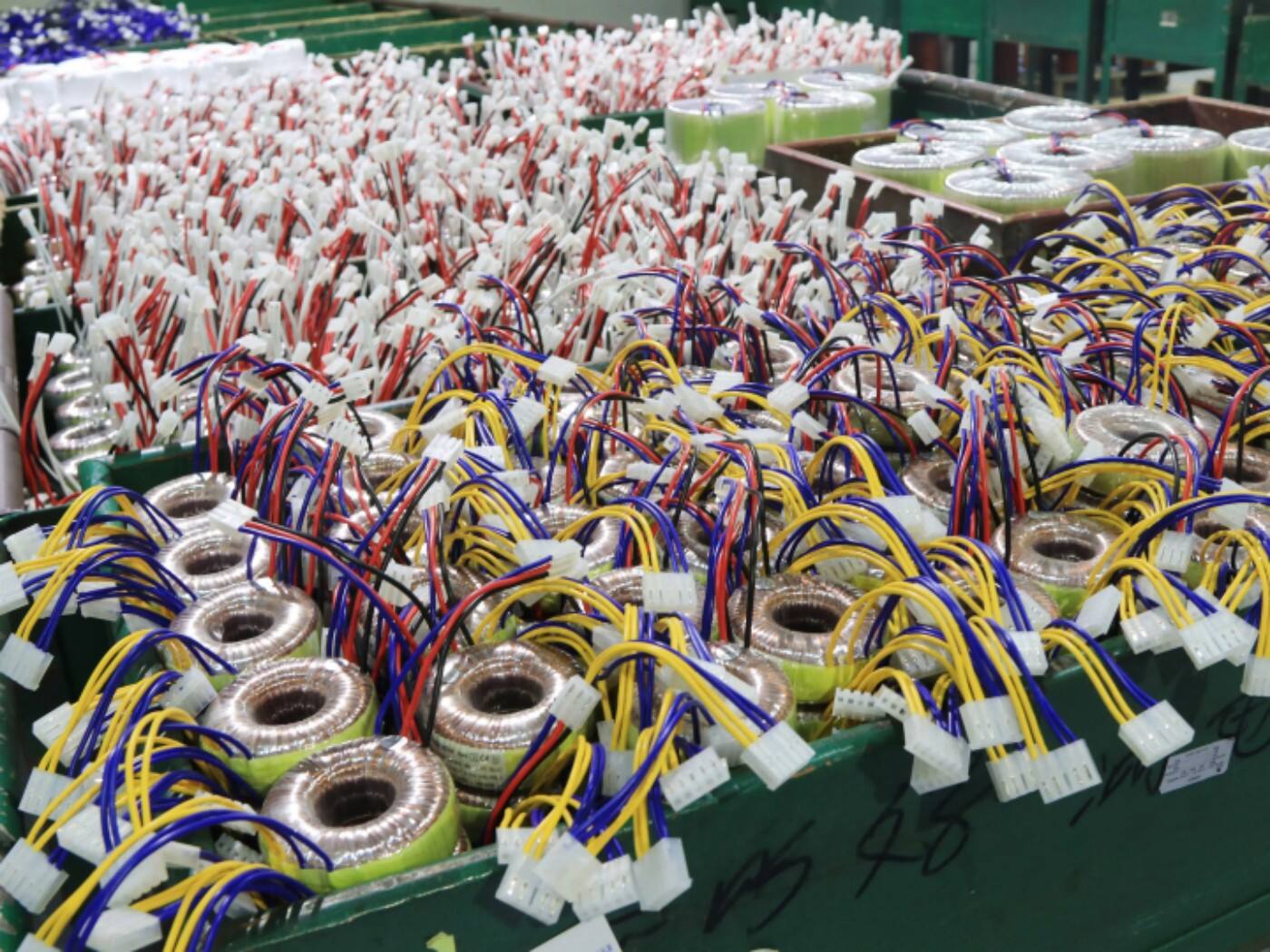
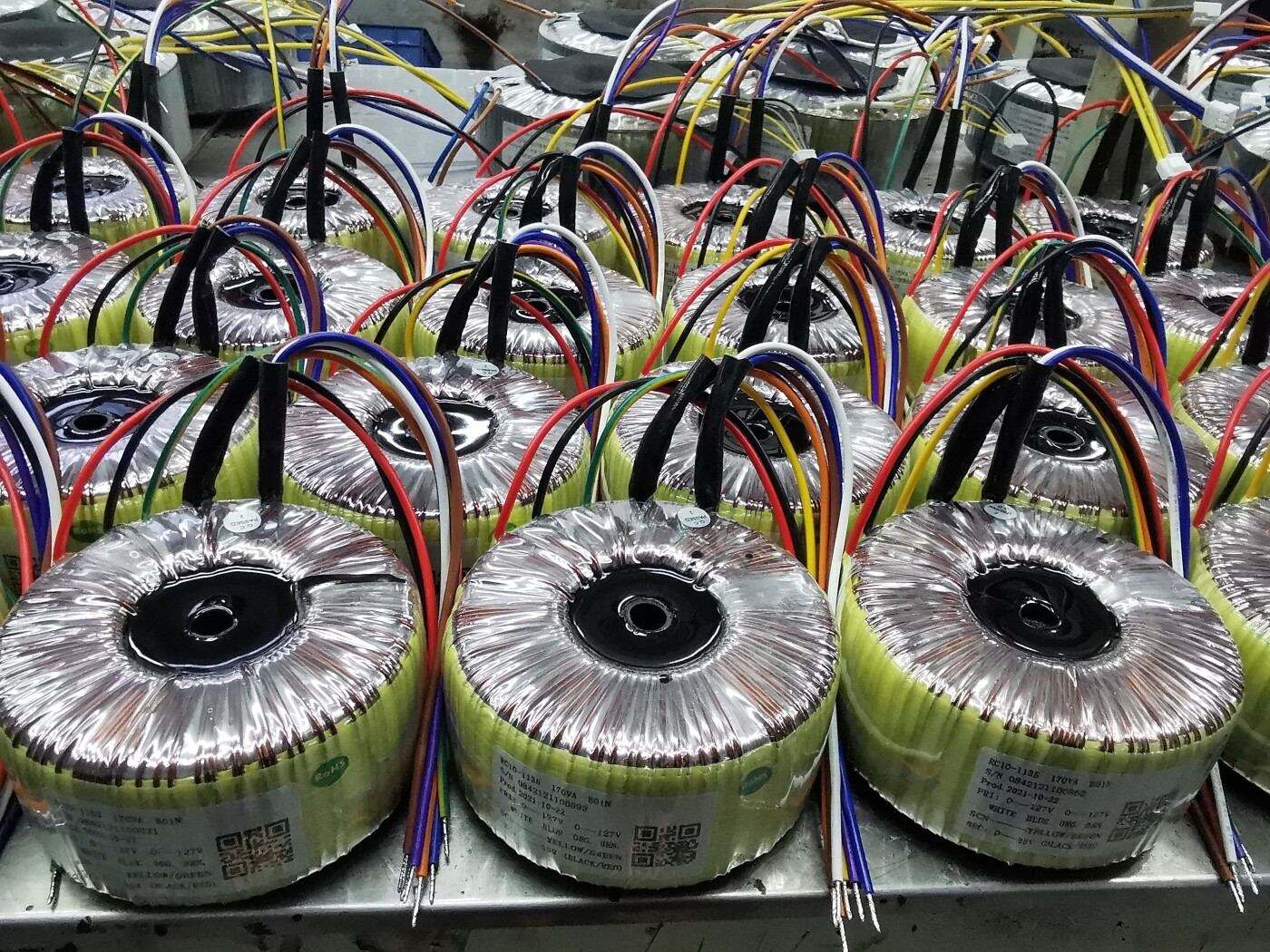
Nanocrystalline soft magnetic materials represent a revolutionary advancement in magnetic material technology, characterized by their unique crystalline structure with grain sizes typically ranging from 10 to 50 nanometers. These materials are produced through carefully controlled crystallization of amorphous precursors, resulting in exceptionally fine grain structures that contribute to their superior magnetic properties. The material's composition typically includes elements such as iron, silicon, boron, and small amounts of copper and niobium, which work together to create optimal magnetic characteristics. These materials excel in applications requiring high magnetic permeability, low core losses, and excellent frequency response, making them ideal for modern power electronics and energy conversion systems. Their remarkable performance characteristics include high saturation flux density, low coercivity, and minimal magnetostriction, enabling efficient operation across a wide range of frequencies. The material finds extensive application in various fields, including power transformers, common mode chokes, current transformers, and electromagnetic interference (EMI) suppression components. Their ability to operate efficiently at high frequencies while maintaining minimal energy losses has made them increasingly important in renewable energy systems, electric vehicles, and advanced power distribution networks.
 EN
EN