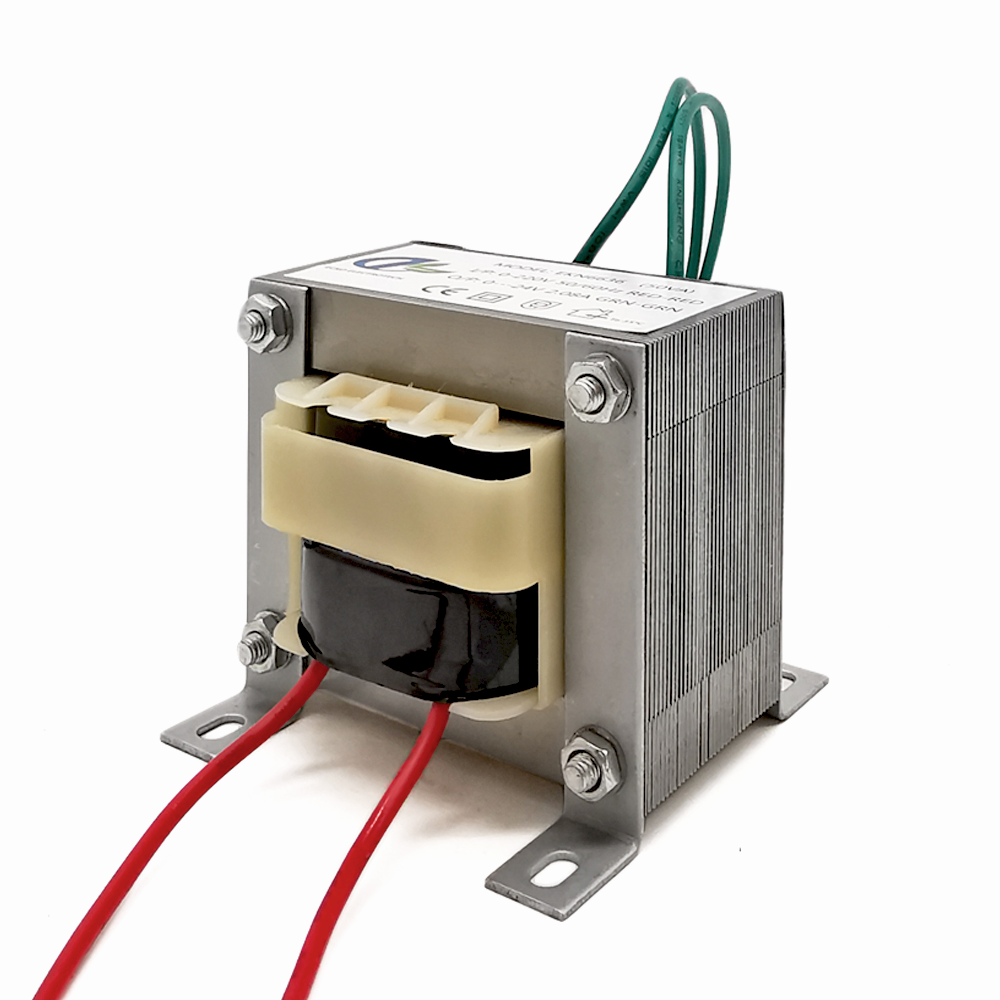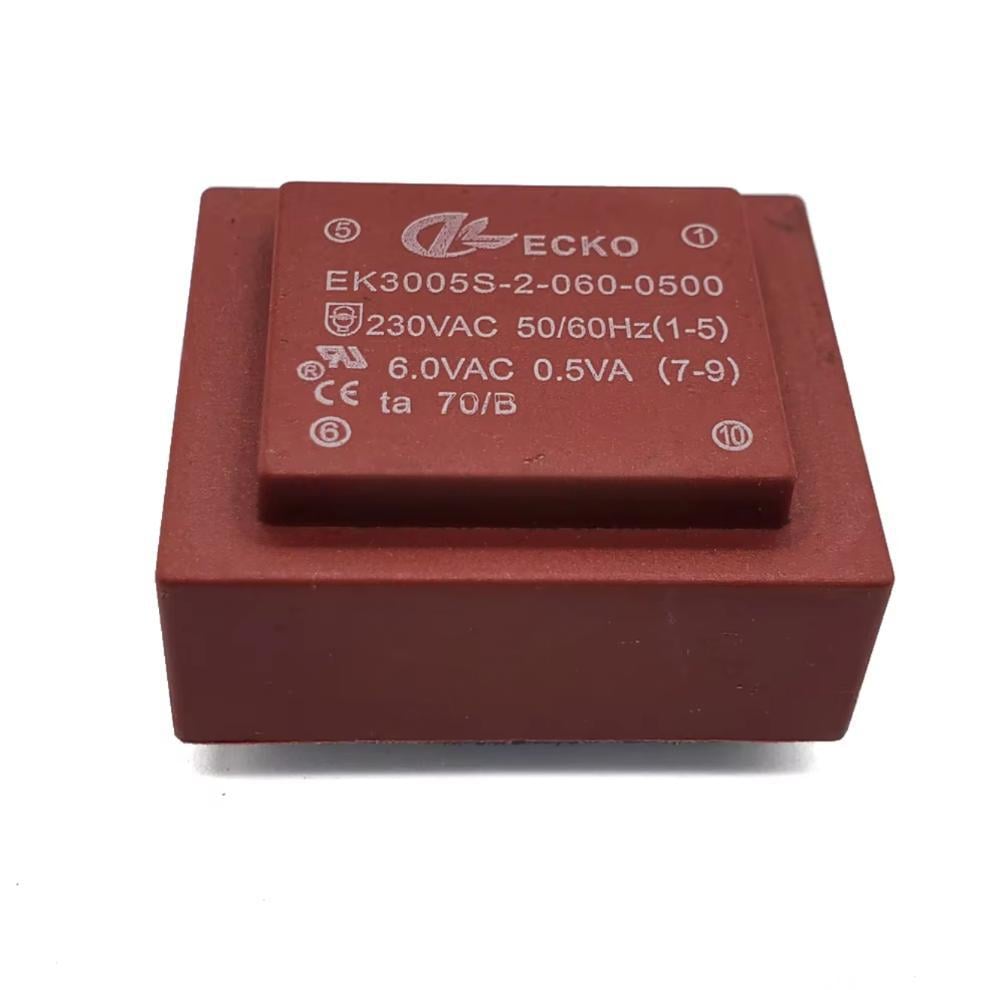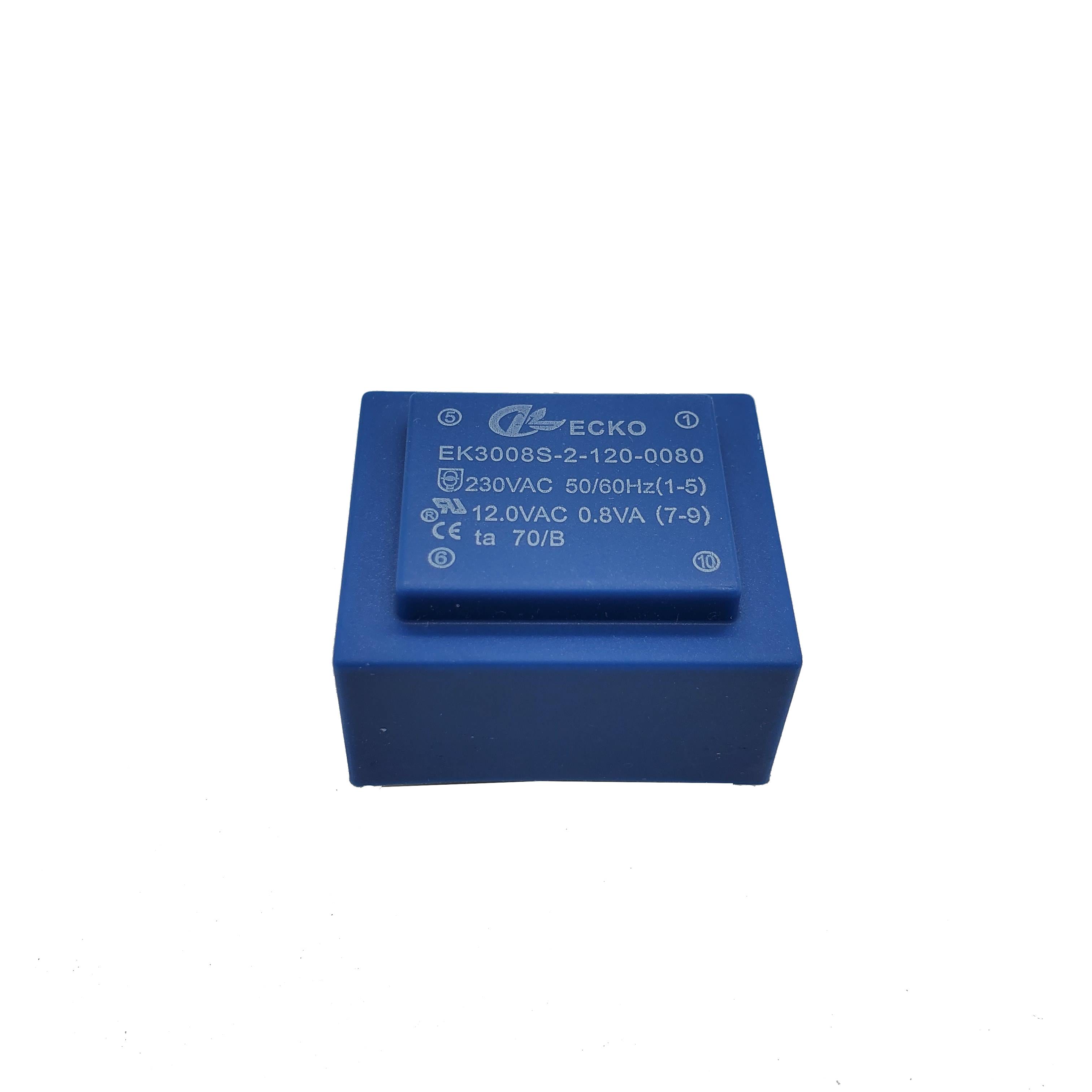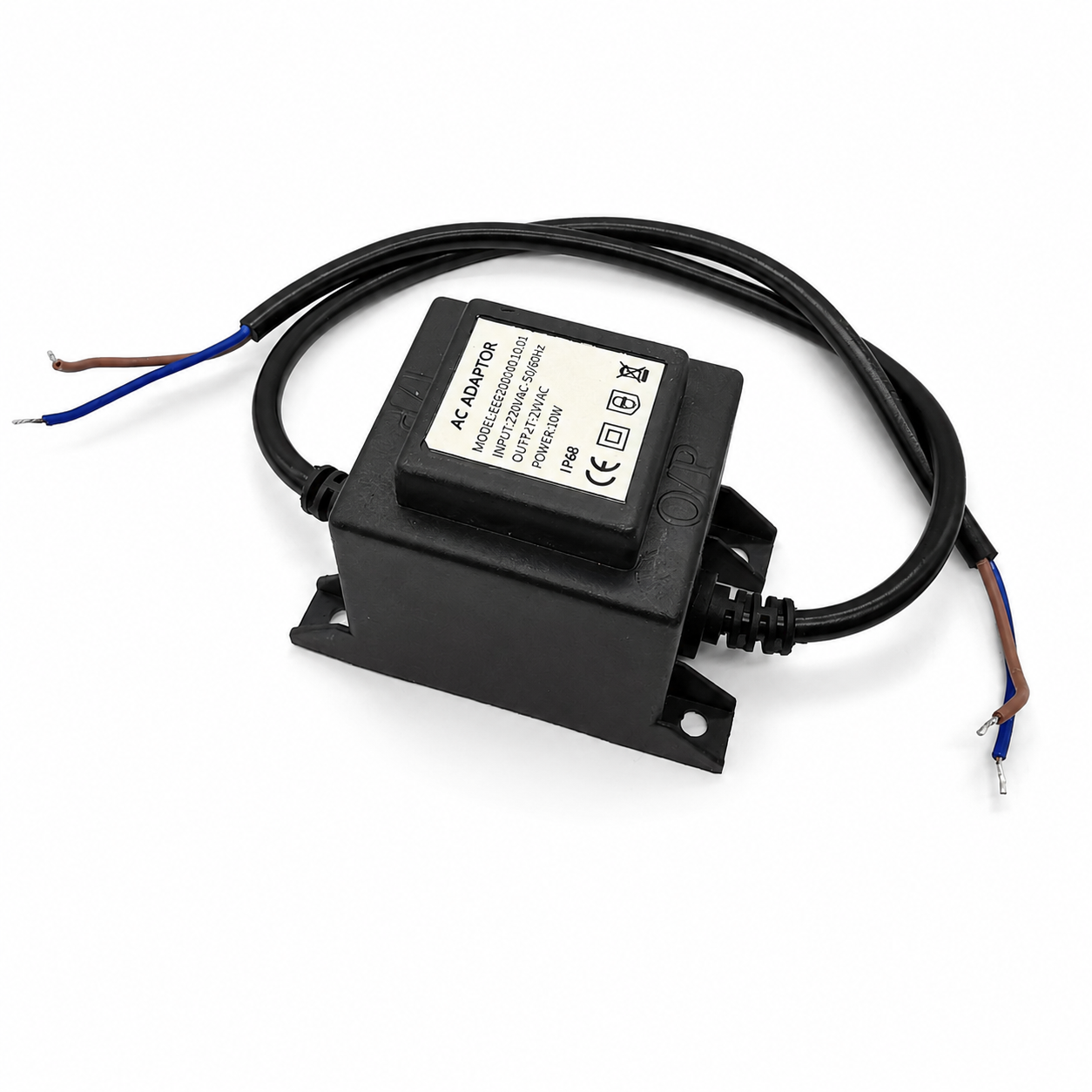
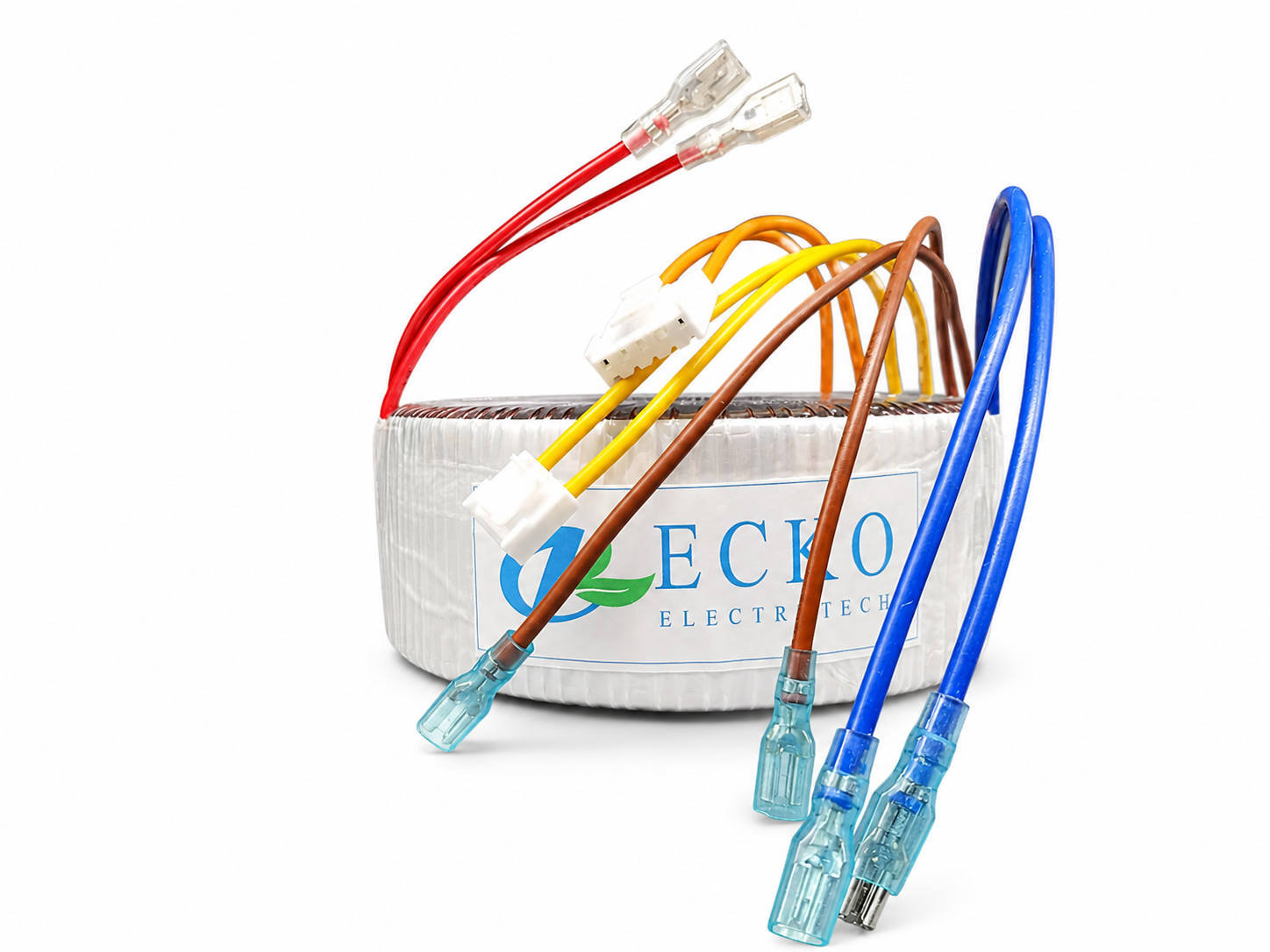
Une étude d’ingénierie représentative d’un équipementier d’origine illustrant comment la conception du transformateur, le blindage, le montage et l’intégration système peuvent contribuer à réduire les vibrations mécaniques et le bourdonnement à basse fréquence dans les équipements d’amplification audio.
Élément |
Détails du projet |
Application |
Amplificateurs audio professionnels et équipements Hi-Fi |
Type de transformateur |
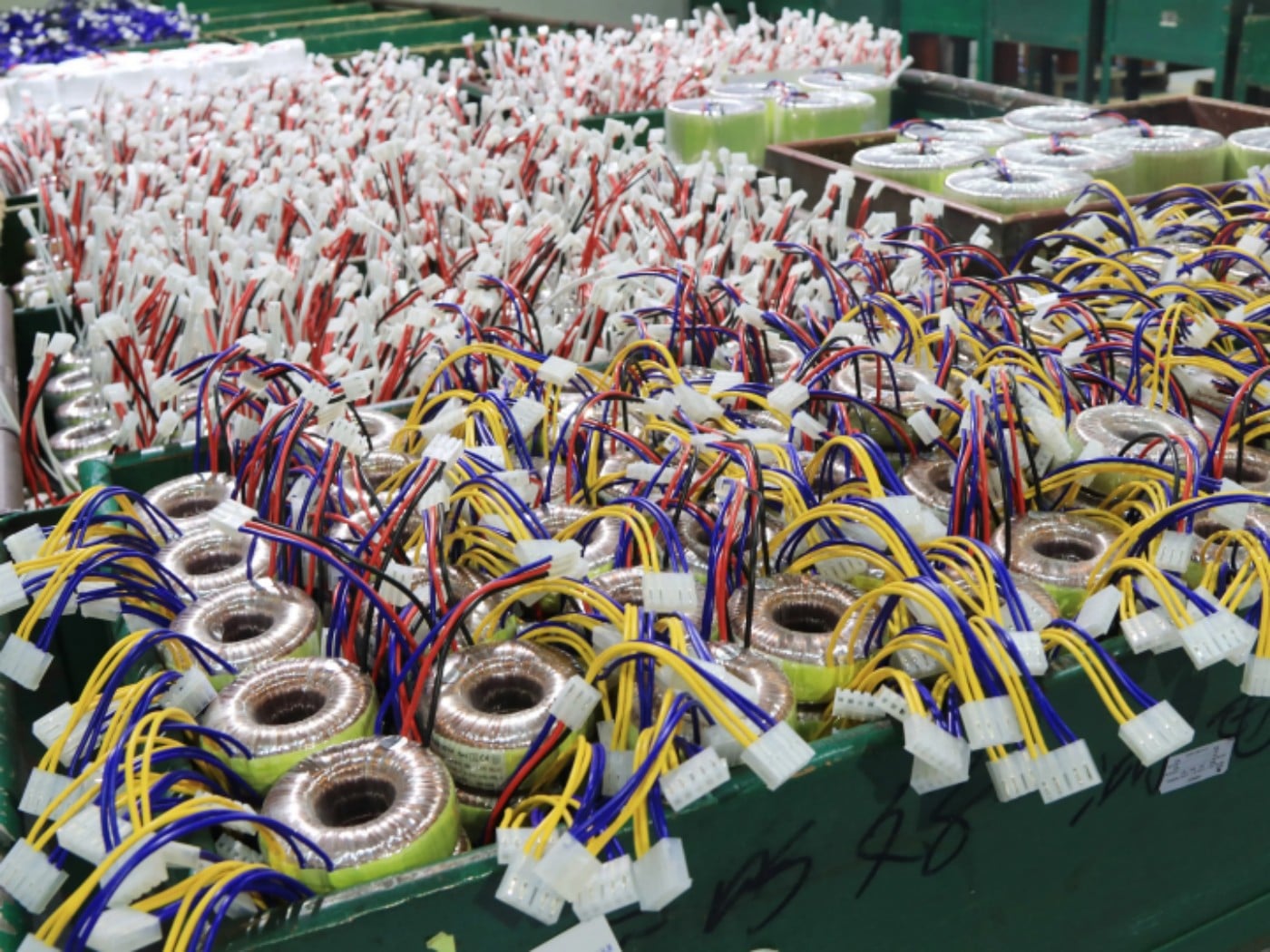
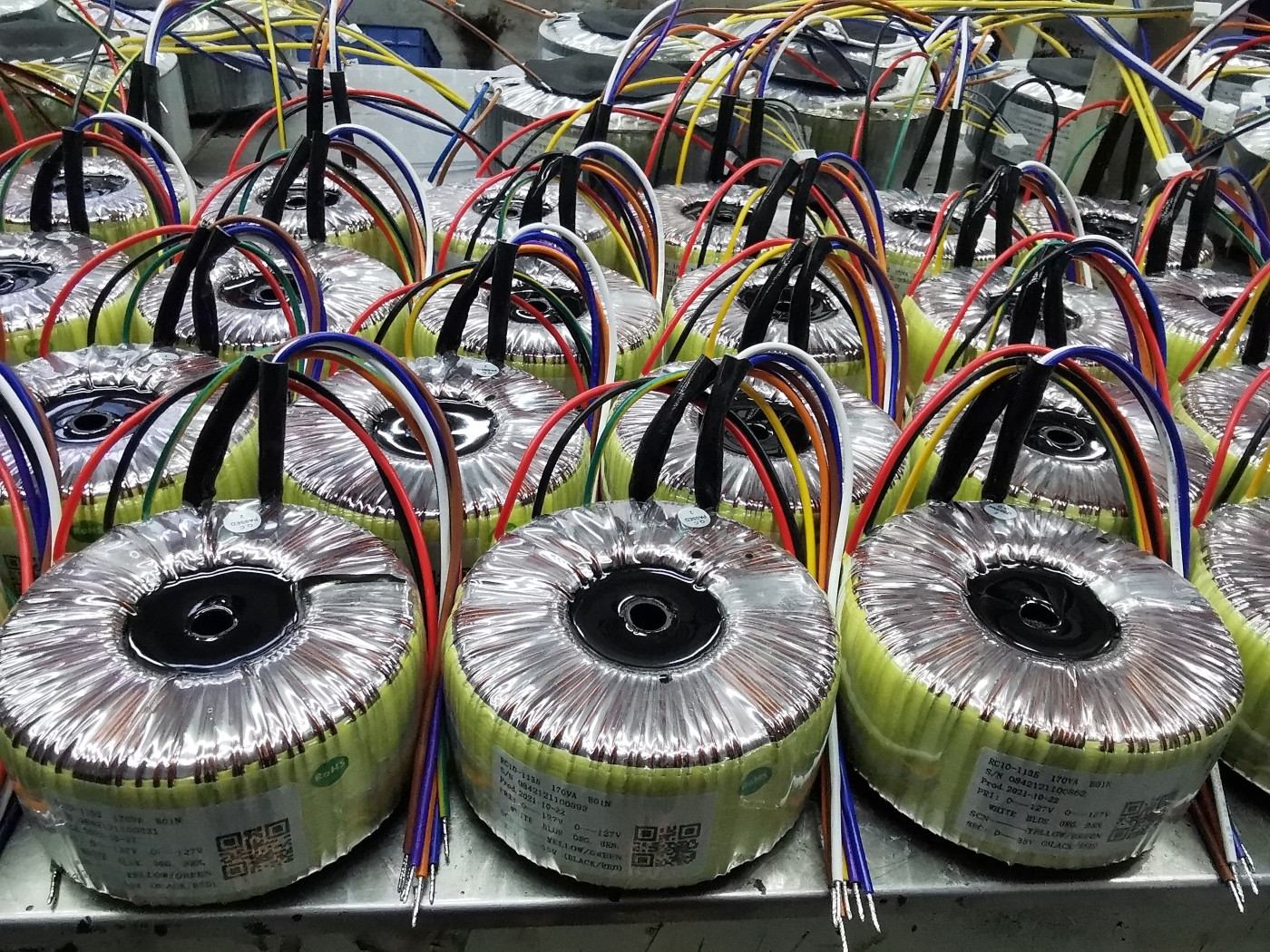
Toroidal personnalisé transformateur de puissance |
Problème principal |
Vibrations auditibles du châssis et bourdonnement à 50/60 Hz à faible volume |
Focus ingénierie |
Densité de flux, construction des enroulements, blindage, montage et acheminement des conducteurs |
Exigence du client |
Fonctionnement plus silencieux sans modifier l’enceinte existante de l’amplificateur |
Résultat du projet |
Bourdonnement audible réduit, performances améliorées du bruit au repos et puissance de sortie stable |
L’amplificateur fonctionnait normalement aux niveaux de sortie moyens et élevés, mais le bruit devenait perceptible lorsque l’amplificateur était au repos ou lors de la lecture de musique à faible volume.
Le projet comportait deux symptômes de bruit distincts :
Bien que ces deux symptômes soient liés à la section d’alimentation, ils nécessitent des solutions techniques différentes. Le bourdonnement mécanique est généralement associé à la densité de flux du transformateur, à la qualité du réseau électrique, aux vibrations du noyau et à son mode de fixation. Le bourdonnement provenant des haut-parleurs peut également être influencé par le couplage magnétique, le bruit capacitif, la mise à la terre, les boucles de courant des redresseurs et l’agencement interne des câblages.
Le client exigeait une solution transformateur pouvant s’intégrer au châssis existant tout en conservant la tension de sortie requise, la puissance nominale et les performances thermiques.
ECKO a examiné la spécification du transformateur conjointement avec l’alimentation de l’amplificateur et sa disposition mécanique.
L’analyse technique couvrait :
L’analyse a révélé que le bruit n’était pas causé par un seul facteur. Il fallait examiner conjointement le flux magnétique de fonctionnement du transformateur, la transmission des vibrations, le couplage magnétique et le câblage haute intensité.
Le calcul des enroulements primaires et de la conception du noyau a été refait pour toute la plage de tension d’entrée.
En optimisant le nombre de spires primaires, la taille du noyau et la section transversale du cuivre, le transformateur fonctionne plus loin de la saturation du noyau, notamment lorsque la tension réseau dépasse sa valeur nominale.
Cela a permis de réduire la sensibilité du transformateur aux variations de la tension réseau et de diminuer le risque de vibrations auditibles du noyau.
Les enroulements primaire et secondaire ont été disposés de manière à assurer un équilibre magnétique constant et une régulation stable de la tension.
Une tension d’enroulement contrôlée, une répartition uniforme du cuivre et des couches d’isolation reproductibles ont permis de réduire les déplacements internes et d’améliorer la constance de la production.
Les conducteurs secondaires à forte intensité ont également été disposés de façon à minimiser la surface de la boucle et le couplage magnétique superflu à l’intérieur de l’amplificateur.
Un blindage électrostatique a été ajouté entre les enroulements primaire et secondaire afin de réduire le transfert capacitif des interférences provenant du réseau.
Pour les configurations d’amplificateurs sensibles au bruit, un blindage magnétique optionnel peut également être placé autour du transformateur toroïdal afin de réduire davantage le couplage des champs magnétiques parasites dans les circuits de préamplification, d’entrée et de traitement du signal.
La configuration du blindage et sa méthode de raccordement doivent être coordonnées avec la conception de la mise à la terre et de la protection contre les chocs électriques de l’amplificateur.
La structure rigide d’ancrage d’origine transférait une partie des vibrations du transformateur directement au châssis métallique, ce qui rendait le bourdonnement plus perceptible.
ECKO recommande :
Ce mode de fixation a permis de réduire la transmission des vibrations sans modifier le châssis de l’amplificateur.
Même un transformateur toroïdal à faible fuite peut introduire du bruit s’il est installé trop près de circuits audio sensibles.
L’orientation du transformateur a été examinée lors des essais sur prototype. Les connexions primaires, les connexions secondaires à fort courant et le câblage du redresseur ont été éloignés des circuits d’entrée à faible niveau et des circuits de préamplification.
Dans la mesure du possible, les conducteurs CA appariés ont été torsadés et maintenus courts afin de réduire les champs magnétiques rayonnés.
Toroïdal transformateurs peut produire un courant d’appel relativement élevé lors de la mise sous tension.
Selon la puissance de l’amplificateur et la capacité des condensateurs de filtrage, ECKO peut coordonner la conception du transformateur avec :
Cela contribue à protéger les interrupteurs, les relais et les fusibles tout en assurant un démarrage fiable de l’amplificateur.
Le prototype personnalisé a été évalué dans des conditions sans charge et à charge nominale.
Le processus de vérification comprenait :
Le client a également évalué l’orientation du transformateur, le routage des câbles et le montage à l’intérieur de l’enceinte réelle de l’amplificateur.
Une fois le transformateur et la conception du montage optimisés, l’amplificateur a montré une réduction nette du bourdonnement audible du transformateur et des vibrations du châssis.
Les interférences magnétiques et capacitives autour des circuits audio sensibles ont également été réduites, ce qui a permis d’obtenir un fond sonore plus propre lorsque l’amplificateur était à l’arrêt ou fonctionnait à faible volume.
La conception finale a conservé les tensions secondaires requises, la puissance de sortie, les performances d’isolation et une température de fonctionnement acceptable.
Les plans approuvés, les spécifications d’enroulement, les exigences relatives aux matériaux et les limites d’essai ont été documentés afin de garantir une production répétable chez le constructeur équipementier.
Les transformateurs toroïdaux sont largement utilisés dans les équipements audio professionnels et haute-fidélité car ils offrent :
Toutefois, un transformateur toroïdal n’est pas silencieux par défaut. Une densité d’induction magnétique adaptée, une conception précise des enroulements, un montage approprié, un blindage efficace, une mise à la terre correcte ainsi qu’une disposition optimale de l’amplificateur sont tous essentiels pour obtenir des performances faible bruit.
Pour concevoir un transformateur toroïdal personnalisé destiné à votre amplificateur, veuillez fournir :
Si possible, veuillez préciser si le bruit provient directement du transformateur, du châssis de l’amplificateur ou des haut-parleurs. Cela aide nos ingénieurs à identifier la solution la plus adaptée.
ECKO fournit des transformateurs toroïdaux sur mesure pour amplificateurs audio professionnels, systèmes Hi-Fi, préamplificateurs, équipements de studio et autres appareils électroniques sensibles au bruit produits .
Notre assistance technique couvre l’examen des spécifications, la conception du transformateur, la production de prototypes, les essais, l’approbation des plans et la fourniture récurrente en tant que fabricant d’équipement d’origine (OEM).
Envoyez-nous les besoins en puissance de votre amplificateur, les tensions d’entrée et de sortie, les dimensions disponibles ainsi que vos préoccupations relatives au bruit. Notre équipe d’ingénierie étudiera l’application et vous recommandera une solution de transformateur adaptée.
Vous devez réduire le bourdonnement du transformateur ou le bruit de l’alimentation dans votre amplificateur ?
Envoyez à ECKO le plan de votre transformateur, ses spécifications électriques ou un échantillon existant pour un examen technique personnalisé.

ECKO ELECTROTECH CO.,LTD fournit des transformateurs sur mesure et des composants bobinés de haute qualité pour les applications industrielles, médicales et dans le secteur des énergies renouvelables. Plus de 20 ans d'expérience, certifié ISO9001, CE, cUL/UL. Livraison mondiale avec une garantie de 24 mois. Contactez-nous dès aujourd'hui.
 EN
EN