EN
EN

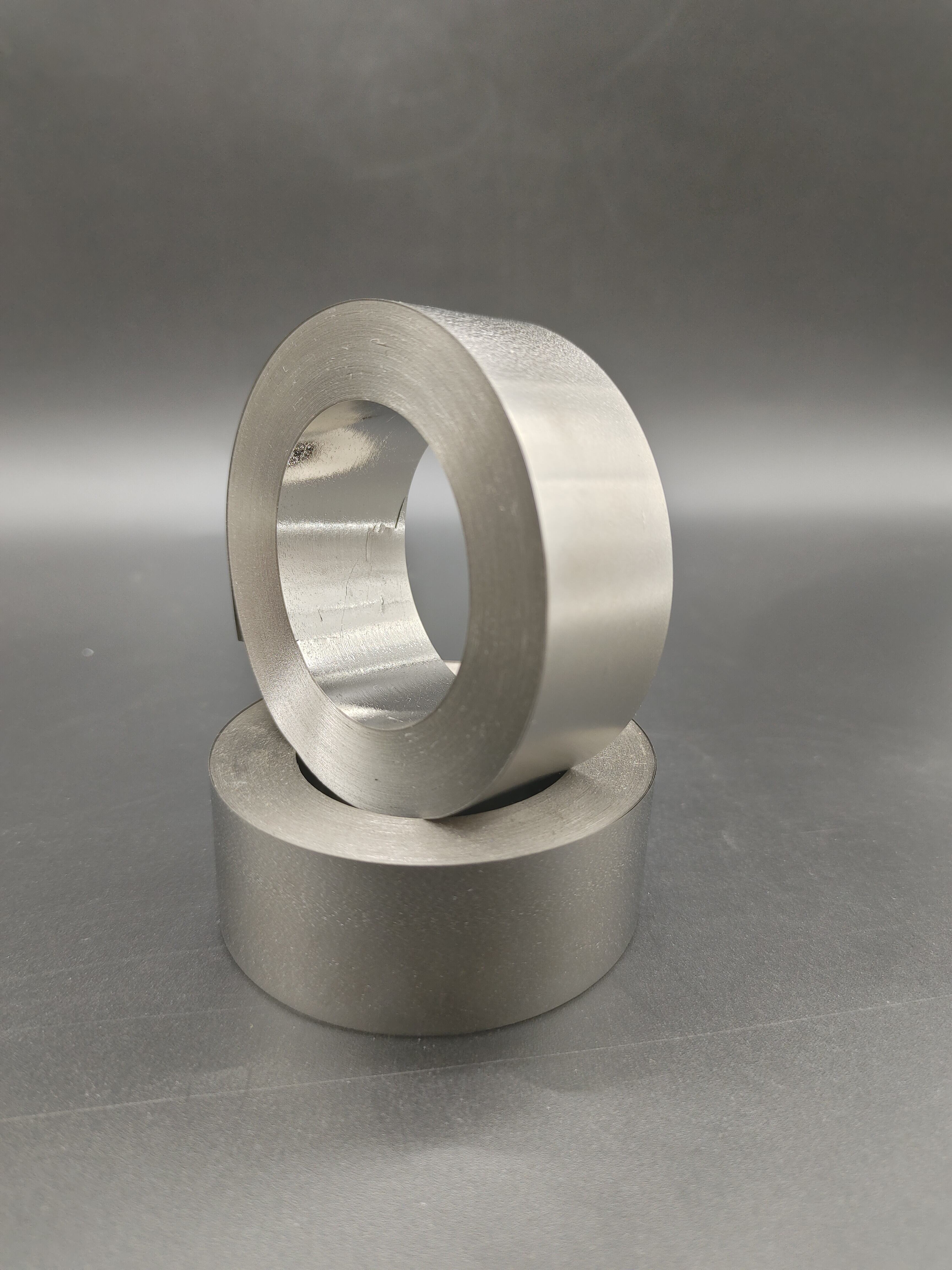
Audio and lighting systems demand exceptional power quality and electrical safety to deliver consistent performance. Professional engineers and system designers increasingly turn to isolation transformers as their preferred solution for addressing power-related challenges that can compromise system integrity. These specialized transformers provide a crucial barrier between the power source and sensitive equipment, ensuring optimal operation while protecting against electrical hazards that could damage expensive components or create safety risks.
The preference for isolation transformers in audio and lighting applications stems from their unique ability to solve multiple power quality issues simultaneously. Unlike standard transformers that simply change voltage levels, isolation transformers create complete electrical separation between input and output circuits. This fundamental design characteristic enables them to eliminate ground loops, reduce electromagnetic interference, and provide enhanced safety protection that conventional power solutions cannot match.
Electrical Isolation Fundamentals
Complete Circuit Separation
Isolation transformers achieve their primary function through complete electrical separation between primary and secondary windings. This separation means no direct electrical connection exists between the input power source and the connected equipment. The magnetic coupling between windings transfers energy while maintaining electrical isolation, creating an effective barrier against voltage spikes, surges, and ground-related disturbances that commonly affect audio and lighting systems.
The galvanic isolation provided by these transformers prevents DC currents from flowing between circuits, which is particularly important in audio applications where DC offset can cause speaker damage or create unwanted noise. In lighting systems, this isolation protects sensitive dimming circuits and LED drivers from power line disturbances that could cause flickering or premature component failure.
Ground Loop Elimination
Ground loops represent one of the most persistent problems in professional audio and complex lighting installations. These occur when multiple pieces of equipment connect to different ground points at varying electrical potentials, creating unwanted current flow through interconnecting cables. Isolation transformers break these ground loop paths by providing a new isolated ground reference for connected equipment.
Professional audio engineers particularly value this capability because ground loops manifest as audible hum, buzz, or interference that degrades sound quality. In lighting applications, ground loops can cause dimming irregularities and create electromagnetic interference that affects nearby sensitive equipment. The isolated secondary winding of these transformers establishes a clean ground reference that eliminates these problematic current paths.
Power Quality Enhancement
Noise Reduction Capabilities
Power line noise from switching power supplies, motor drives, and other electronic equipment can severely impact audio and lighting system performance. Isolation transformers provide significant attenuation of high-frequency noise and transient disturbances through their inherent filtering characteristics. The magnetic coupling between windings naturally suppresses common-mode noise while maintaining signal integrity across the isolation barrier.
Audio systems benefit from this noise reduction through improved signal-to-noise ratios and reduced background interference. Professional recording studios and live sound applications rely on isolation transformers to maintain the pristine power quality necessary for critical listening environments. Lighting control systems similarly require clean power to ensure smooth dimming operation and prevent visible flicker that could affect performers or audience members.
Voltage Regulation and Stability
Many isolation transformers incorporate voltage regulation features that maintain consistent output voltage despite input voltage variations. This stability is crucial for sensitive audio equipment that requires precise operating voltages to maintain optimal performance characteristics. Voltage fluctuations can cause audio distortion, frequency response changes, and premature component aging in high-end audio systems.
Lighting applications also benefit from voltage stability, particularly LED systems that are sensitive to voltage variations. Consistent voltage delivery ensures uniform light output, color temperature stability, and extended LED lifespan. Professional lighting installations in theaters, broadcast studios, and architectural applications depend on this voltage stability to maintain consistent visual quality throughout extended operating periods.
Safety and Protection Features
Enhanced Electrical Safety
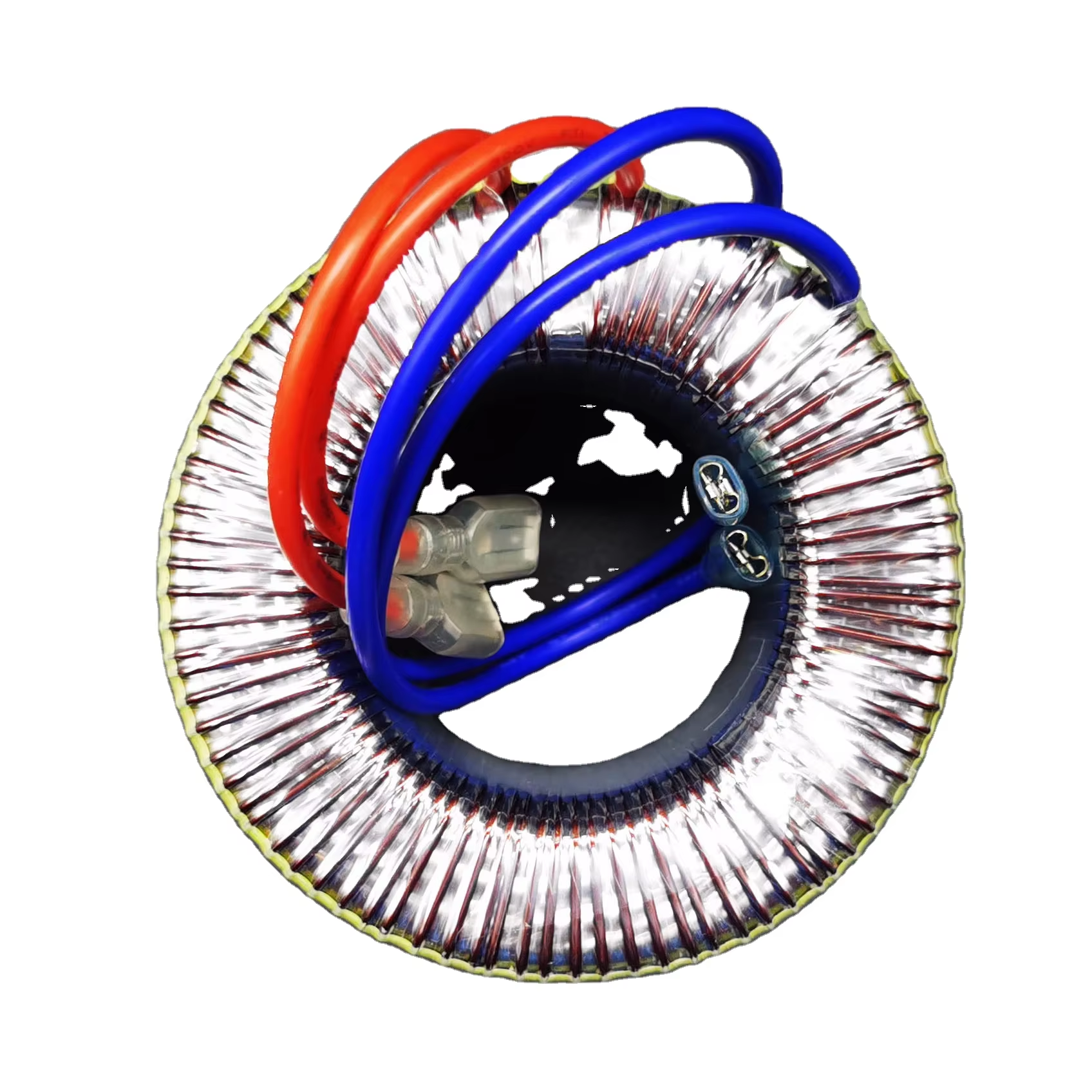
Safety considerations make isolation transformers the preferred choice for many audio and lighting applications, especially in environments where personnel may come into contact with equipment or cables. The electrical isolation provided by these transformers reduces shock hazards by preventing direct connection to the main electrical system. This safety benefit is particularly valuable in temporary installations, outdoor events, and portable applications where equipment grounding may be compromised.
Professional lighting systems often operate at elevated voltages and currents that pose significant safety risks. Isolation transformers provide an additional safety barrier that protects operators, maintenance personnel, and performers from electrical hazards. This safety enhancement becomes critical in wet or damp environments where standard electrical protection may be insufficient.
Surge and Transient Protection
Power line surges and transients represent constant threats to expensive audio and lighting equipment. Isolation transformers provide inherent protection against these disturbances through their magnetic coupling design and often include additional surge suppression components. The transformer's inductance limits the rate of current change during transient events, while the isolation barrier prevents direct transmission of voltage spikes to connected equipment.
Audio equipment containing sensitive semiconductor components is particularly vulnerable to power line transients that can cause immediate failure or gradual degradation. Professional sound systems in critical applications rely on isolation transformers to protect against lightning-induced surges, switching transients from heavy machinery, and other power system disturbances that could damage amplifiers, mixing consoles, or digital processors.
Application-Specific Advantages
Audio System Performance
Professional audio applications demand the highest levels of signal integrity and noise-free operation that isolation transformers provide. Recording studios use these transformers to create isolated power zones for different equipment types, preventing digital switching noise from contaminating analog signal paths. Live sound reinforcement systems benefit from the ground loop elimination and noise reduction that isolation transformers provide in complex, multi-source installations.
High-end audiophile systems particularly value the clean power delivery that isolation transformers provide. These applications often use specially designed audio-grade isolation transformers with low-loss core materials and carefully balanced windings to minimize any impact on audio signal quality. The electrical isolation allows sensitive preamplifiers and digital-to-analog converters to operate in their optimal electrical environment, free from power line contamination.
Lighting Control Integration
Modern lighting systems integrate complex control networks that require clean, stable power for reliable operation. Isolation transformers provide the power quality necessary for DMX control systems, wireless lighting controls, and networked LED fixtures to function without interference. The elimination of ground loops is particularly important in large lighting installations where multiple control zones must operate in coordination.
Architectural lighting applications often specify isolation transformers to ensure consistent operation across different electrical zones and to meet safety requirements for public access areas. The ability to create isolated power zones allows lighting designers to implement complex control strategies without concern for electrical interference between different system components.
FAQ
Do isolation transformers reduce power efficiency in audio and lighting systems?
Modern isolation transformers achieve efficiency ratings of 95-98%, making power loss minimal in most applications. The slight efficiency reduction is typically outweighed by the protection and performance benefits they provide. High-quality isolation transformers use advanced core materials and winding techniques that minimize losses while maximizing isolation effectiveness.
Can isolation transformers eliminate all power quality issues in these systems?
While isolation transformers address many common power quality problems including ground loops, noise, and transients, they cannot solve all power-related issues. Severe voltage sags, complete power outages, and some types of harmonic distortion may require additional power conditioning equipment. However, isolation transformers provide the foundation for clean power delivery that most audio and lighting systems require.
Are isolation transformers necessary for all audio and lighting installations?
The need for isolation transformers depends on the specific application requirements, power quality conditions, and performance expectations. Critical professional applications almost always benefit from isolation transformers, while simple residential or light commercial installations may not require them. Factors such as system complexity, noise sensitivity, and safety requirements should guide the decision to use isolation transformers.
How do I select the right isolation transformer size for my system?
Proper sizing requires calculating the total power consumption of all connected equipment and adding appropriate safety margins. Audio systems typically require 25-50% additional capacity for transient loads, while lighting systems may need larger margins depending on the types of fixtures used. Consulting with power quality specialists ensures optimal transformer selection for specific application requirements.
Table of Contents
- Electrical Isolation Fundamentals
- Power Quality Enhancement
- Safety and Protection Features
- Application-Specific Advantages
-
FAQ
- Do isolation transformers reduce power efficiency in audio and lighting systems?
- Can isolation transformers eliminate all power quality issues in these systems?
- Are isolation transformers necessary for all audio and lighting installations?
- How do I select the right isolation transformer size for my system?