EN
EN

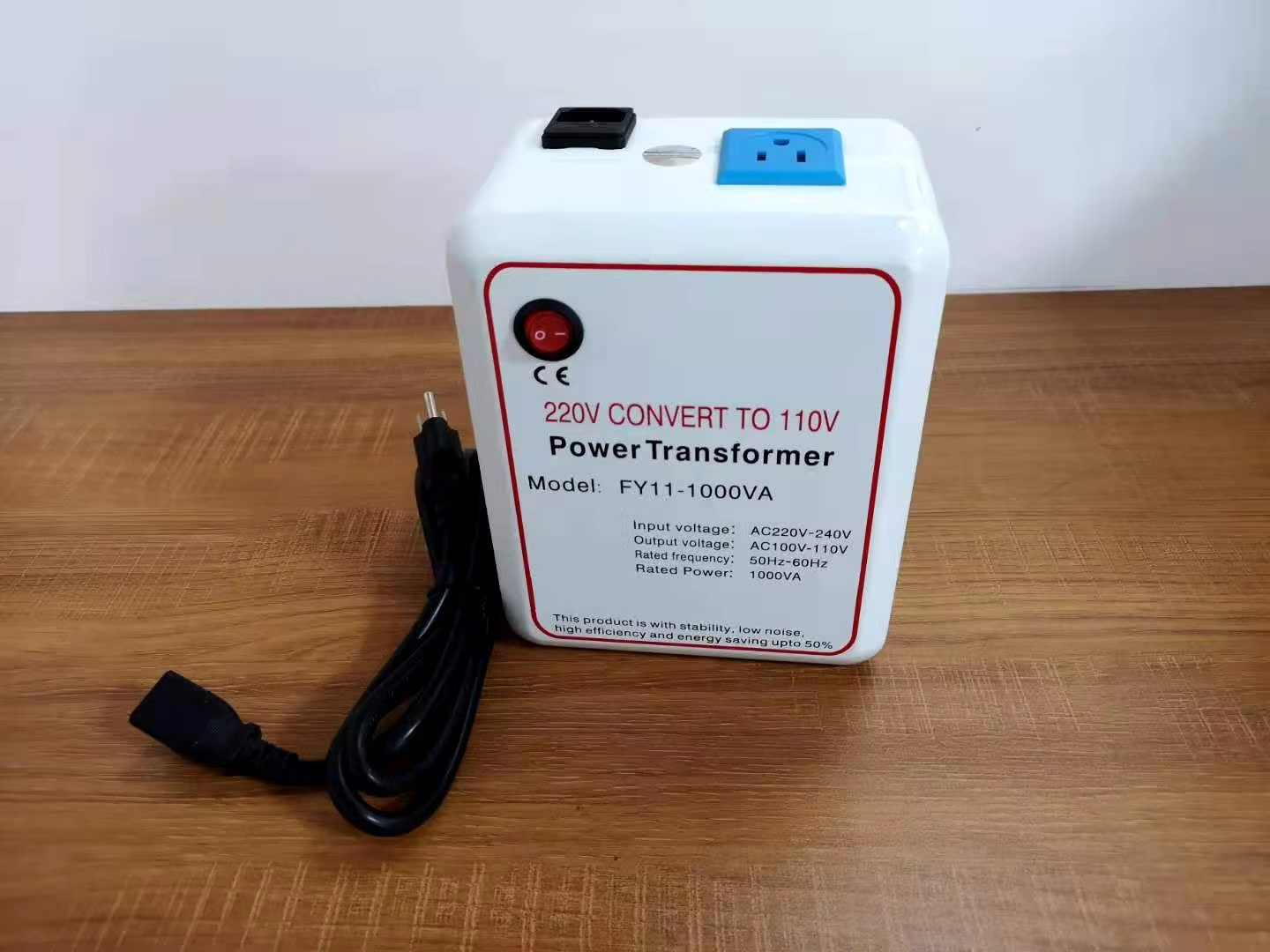
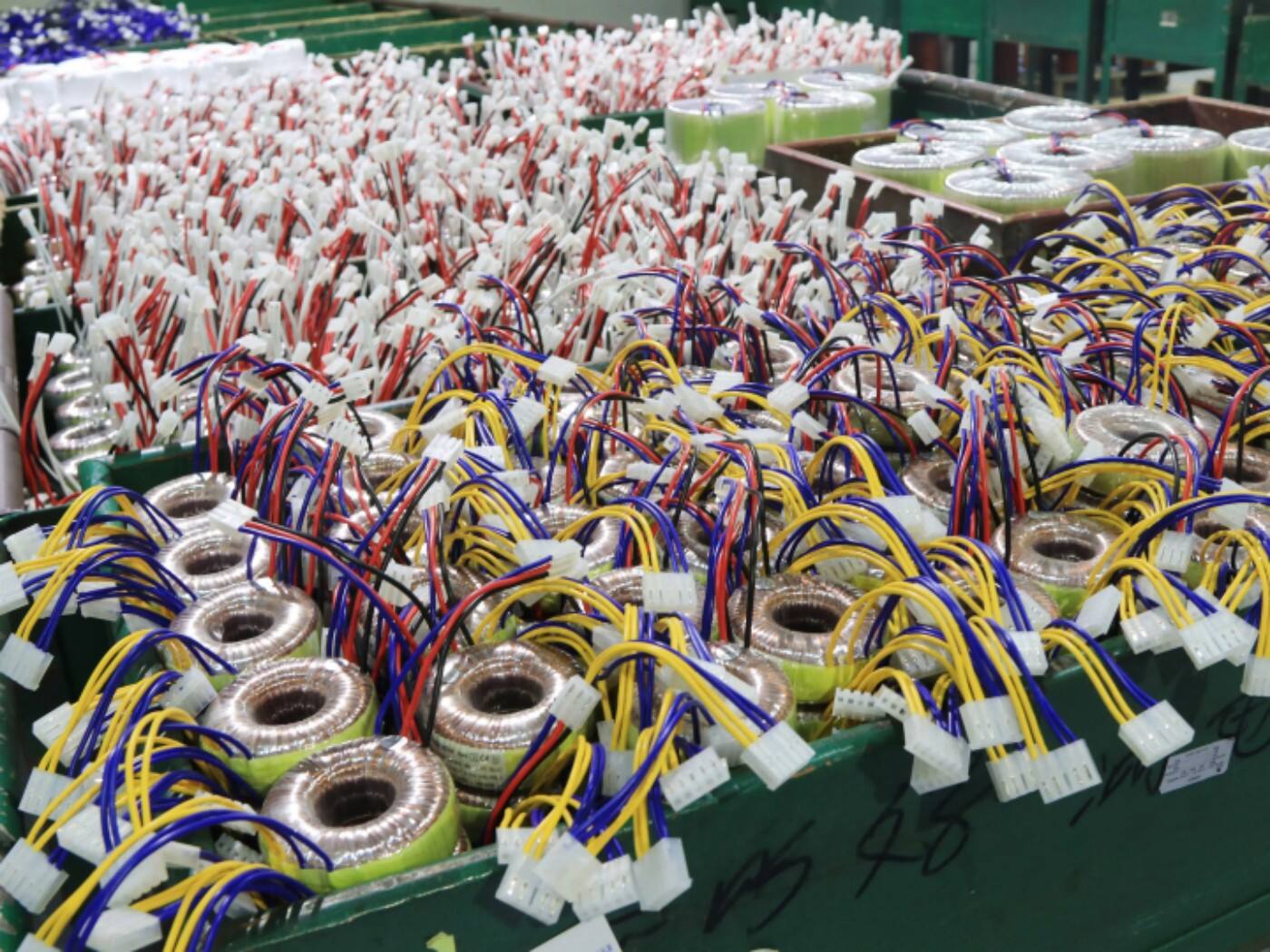
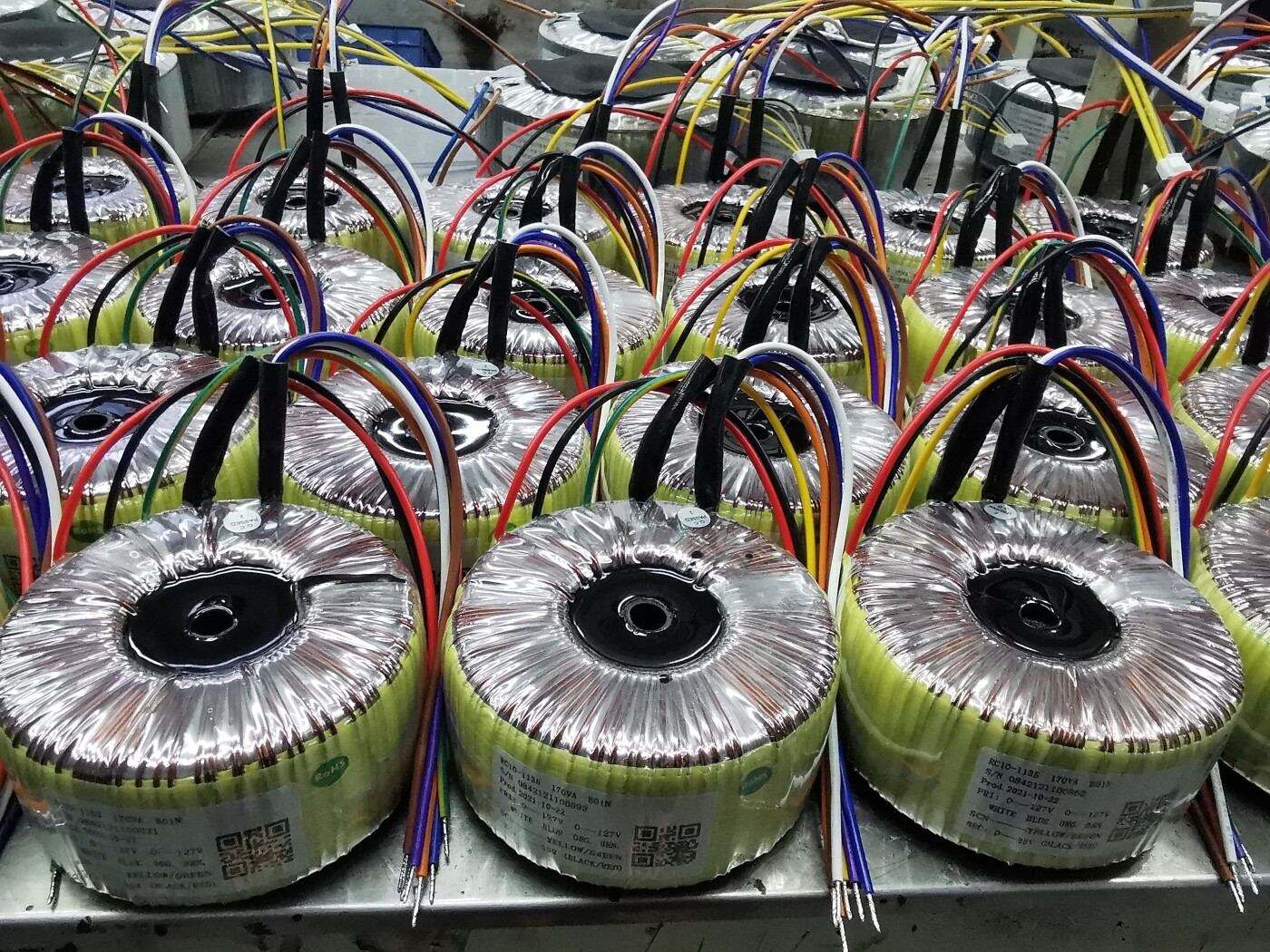
Step-down transformers serve as critical voltage conversion devices across countless industrial, commercial, and residential applications where higher voltage electrical supply must be reduced to lower, usable levels. Understanding which applications specifically require step-down transformers helps engineers, facility managers, and procurement professionals make informed decisions about electrical infrastructure and equipment selection. These transformers convert primary voltage to secondary voltage at reduced levels, enabling safe and efficient operation of equipment designed for lower voltage ratings than the available supply.
The necessity for step-down transformers emerges whenever electrical equipment operates at voltages lower than the distribution network provides, creating a fundamental voltage mismatch that requires resolution. From industrial manufacturing floors running specialized machinery to commercial buildings powering sensitive electronic systems, the applications demanding step-down transformers span diverse sectors and operational contexts. This comprehensive examination explores the specific scenarios, industries, and equipment categories that fundamentally depend on step-down transformers for reliable electrical operation, providing practical guidance for identifying when these voltage conversion solutions become essential components of electrical system design.
Industrial Manufacturing and Production Equipment Applications
Heavy Machinery and Production Line Equipment
Industrial manufacturing facilities frequently require step-down transformers to power heavy machinery and production equipment that operates at voltages different from the facility's primary electrical distribution system. Many manufacturing plants receive electrical power at medium voltage levels such as 480V or 600V three-phase, yet individual machines and production equipment often require lower voltage levels like 208V, 240V, or even single-phase 120V for control circuits and auxiliary systems. Step-down transformers bridge this voltage gap, allowing seamless integration of diverse equipment within unified electrical infrastructure.
Automated assembly lines present particularly complex voltage requirements where step-down transformers become indispensable components of the electrical architecture. Robotic arms, conveyor systems, programmable logic controllers, and sensor networks each demand specific voltage characteristics that rarely align with the facility's main distribution voltage. Manufacturing engineers specify step-down transformers to create dedicated voltage zones throughout production floors, ensuring each equipment category receives appropriate electrical supply while maintaining centralized power distribution efficiency. The transformers also provide isolation benefits that protect sensitive control systems from electrical noise and voltage fluctuations originating in high-power machinery circuits.
Metalworking and Fabrication Operations
Metalworking facilities utilize step-down transformers extensively for welding equipment, metal forming presses, and precision machining tools that require specialized voltage configurations. Resistance welding systems, for instance, often need very low voltage at extremely high current levels, necessitating step-down transformers with unique specifications to convert standard industrial voltage to the 10-50V range while delivering hundreds or thousands of amperes. Similarly, CNC machining centers and electrical discharge machining equipment incorporate step-down transformers to power control systems, servo motors, and auxiliary equipment operating at voltages substantially lower than the facility's primary distribution.
The demanding operational environment of metalworking facilities places particular requirements on step-down transformers regarding durability, thermal management, and overload capacity. Fabrication equipment frequently experiences high starting currents, intermittent heavy loads, and exposure to metallic dust and temperature extremes. Step-down transformers serving these applications must feature robust construction with adequate thermal reserves and protection systems to maintain reliable operation despite challenging conditions. Facility electrical designers specify transformers with appropriate enclosure ratings and cooling capacity to ensure longevity in metalworking environments where equipment failure creates significant production disruption and safety concerns.
Chemical Processing and Material Handling Systems
Chemical processing plants and material handling operations deploy step-down transformers to power pumps, mixers, conveyors, and process control equipment across facilities where hazardous location requirements and process criticality demand carefully engineered electrical distribution. Many process pumps and mixing equipment utilize motors rated for 460V operation while control panels and instrumentation systems require 120V or 240V supply, creating multiple voltage levels that step-down transformers must provide from a common distribution source. The transformers enable centralized voltage distribution with localized voltage conversion, reducing installation complexity and improving system reliability.
Material handling systems in warehousing and distribution centers similarly depend on step-down transformers to operate automated storage and retrieval equipment, sortation systems, and conveyor networks. These facilities typically receive electrical service at medium voltage levels but require lower voltages for individual equipment components and control systems. Step-down transformers positioned strategically throughout facilities minimize voltage drop over long distribution runs while providing appropriate voltage levels for diverse equipment types. The transformers also facilitate modular system expansion as facilities add capacity, allowing new equipment zones to tap existing distribution infrastructure through appropriately sized step-down transformers rather than requiring major electrical service upgrades.
Commercial Building and Infrastructure Applications
HVAC and Building Environmental Control Systems
Commercial buildings extensively employ step-down transformers for heating, ventilation, and air conditioning systems where control circuits, actuators, and monitoring equipment operate at voltages lower than the building's primary electrical distribution. Large commercial HVAC systems typically feature central chillers and air handlers powered by 480V three-phase electrical service, yet thermostats, zone dampers, valve actuators, and building automation system components require 24V control voltage. Step-down transformers convert building distribution voltage to the control voltage levels necessary for these essential building systems to function properly.
Building management systems rely on networks of step-down transformers distributed throughout facilities to provide localized control voltage for environmental monitoring and adjustment. Modern commercial buildings implement sophisticated zoning strategies where individual spaces maintain independent temperature and ventilation control, each requiring dedicated control transformers to power sensors, controllers, and actuators. The step-down transformers serving these applications must provide stable, clean voltage output to prevent malfunction of sensitive electronic controls and ensure consistent environmental comfort. Facilities managers specify transformers with appropriate voltage regulation and filtering characteristics to support reliable building automation system operation over equipment lifecycles spanning decades.
Lighting Systems and Emergency Power Infrastructure
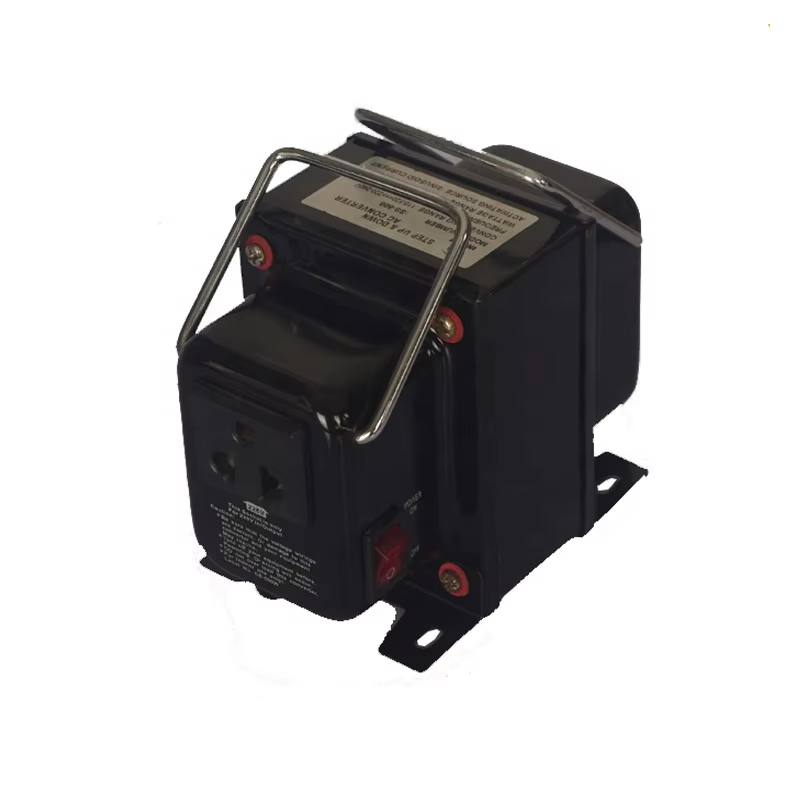
Specialized lighting applications in commercial buildings frequently require step-down transformers to provide appropriate voltage for low-voltage lighting systems, display illumination, and architectural accent lighting. While primary building lighting typically operates directly from distribution voltage, decorative lighting, landscape illumination, and certain task lighting applications utilize 12V or 24V systems that mandate step-down transformers for voltage conversion. Retail environments particularly depend on these transformers for merchandise display lighting where low-voltage systems offer design flexibility and enhanced safety in customer-accessible areas.
Emergency lighting and life safety systems in commercial buildings incorporate step-down transformers as integral components of backup power infrastructure. Emergency exit signs, egress pathway lighting, and emergency communication systems often operate at voltages different from building distribution, requiring transformers to convert emergency generator or battery backup voltage to levels appropriate for specific safety equipment. The transformers serving emergency systems must meet stringent reliability standards and maintain operation during power quality disturbances that might accompany emergency conditions. Building electrical engineers specify transformers with appropriate ratings and certifications to ensure life safety systems remain functional when needed most.
Telecommunications and Data Center Operations
Data centers and telecommunications facilities utilize extensive networks of step-down transformers to provide multiple voltage levels required by diverse IT equipment, cooling systems, and facility infrastructure. These mission-critical facilities typically receive medium-voltage utility service that undergoes multiple transformation stages before reaching IT loads, with step-down transformers converting facility distribution voltage to 208V or 480V levels for power distribution units serving server racks and networking equipment. The transformers must deliver extremely stable voltage with minimal harmonic distortion to protect sensitive electronic equipment from power quality issues that could cause data loss or system failures.
Telecommunications central offices and cell tower sites depend on step-down transformers to power radio equipment, signal processing systems, and network infrastructure operating at voltages lower than utility service delivery. Cell towers particularly require transformers to convert grid voltage to 48VDC battery charging systems and equipment power supplies, with the transformers often operating in outdoor enclosures exposed to temperature extremes and environmental challenges. The reliability requirements for telecommunications applications demand transformers with redundant designs, comprehensive protection systems, and thermal management capabilities ensuring continuous operation despite demanding conditions and critical service requirements.
International Trade and Voltage Compatibility Applications
Import Equipment and Cross-Border Operations
Businesses operating equipment manufactured for different international voltage standards fundamentally require step-down transformers to ensure compatibility with local electrical supply characteristics. Companies importing machinery from regions with different voltage standards face immediate challenges when equipment rated for 230V single-phase European supply must operate on 120V North American circuits, or when 400V three-phase equipment designed for European industrial standards encounters 480V North American distribution systems. Step-down transformers resolve these voltage mismatches, protecting expensive imported equipment while enabling operation in markets with different electrical infrastructure.
International manufacturing operations with facilities spanning multiple countries encounter voltage standardization challenges where corporate equipment specifications conflict with local electrical supply characteristics. A multinational manufacturer might standardize on specific production equipment globally but face different voltage supplies across facilities in Asia, Europe, and the Americas. Step-down transformers enable consistent equipment deployment regardless of local voltage standards, simplifying procurement, maintenance training, and spare parts inventory while ensuring identical production capabilities across global operations. The transformers effectively decouple equipment voltage requirements from local utility supply characteristics, providing operational flexibility essential for international business expansion.
Export Testing and Product Development Laboratories
Product development facilities and testing laboratories require step-down transformers to simulate international voltage conditions when evaluating equipment destined for global markets. Manufacturers developing products for sale across multiple countries must verify proper operation under all relevant voltage and frequency combinations, necessitating test environments capable of providing various international electrical supply characteristics. Step-down transformers combined with frequency converters enable comprehensive product validation by creating controlled electrical environments matching any worldwide voltage standard from a common facility electrical supply.
Quality assurance operations testing imported products similarly depend on step-down transformers to provide appropriate voltage for equipment arriving from international suppliers. Testing facilities must verify that imported equipment functions correctly before distribution to customers, requiring electrical supply matching the equipment's design specifications rather than the testing facility's local utility voltage. Step-down transformers allow thorough pre-delivery inspection and functional verification, reducing warranty claims and customer dissatisfaction caused by voltage-related equipment malfunctions. The transformers enable quality control processes that protect both supplier reputations and end-user experiences in global commerce.
Residential and Small Commercial Applications
Home Renovation and Legacy Equipment Support
Residential applications require step-down transformers when homeowners incorporate equipment designed for different voltage standards or when older homes undergo electrical system modifications. Home workshops frequently include imported power tools or specialty equipment rated for 230V operation that requires transformation from standard 120V residential circuits. Rather than rewiring portions of homes or purchasing duplicate tools, homeowners install step-down transformers to enable safe operation of preferred equipment regardless of voltage rating, expanding equipment options and protecting investments in specialized tools.
Historic home renovations present unique scenarios where original electrical systems operated at voltages different from modern standards, yet homeowners wish to preserve antique lighting fixtures or vintage appliances with historical significance. Early twentieth-century homes sometimes featured 32V, 110V, or other non-standard electrical systems, and restoration projects may retain period-appropriate equipment requiring voltage conversion from modern 120V supply. Step-down transformers enable authentic restoration while maintaining safety and code compliance, bridging the gap between historical authenticity and contemporary electrical infrastructure. These applications demonstrate how step-down transformers serve niche requirements beyond mainstream industrial and commercial contexts.
Specialized Hobby and Entertainment Equipment
Home entertainment systems and hobby equipment often incorporate components manufactured for international markets or specialized applications requiring step-down transformers for proper operation. Audio enthusiasts importing high-end amplifiers or speakers designed for different voltage markets depend on transformers to safely power equipment in their local electrical environment. Similarly, hobbyists operating model railroads, remote control equipment, or specialized craft tools frequently require low-voltage power supplies that step-down transformers provide from standard residential circuits.
Home automation and security systems increasingly utilize low-voltage components requiring step-down transformers for power supply conversion. Smart home devices, security cameras, access control systems, and motorized window treatments typically operate at 12V or 24V levels substantially lower than household electrical distribution. Step-down transformers integrated into these systems convert standard voltage to safe, low-voltage levels appropriate for equipment distributed throughout homes. The transformers enable flexible installation without specialized electrical work while maintaining safety standards essential for systems operating in residential environments where non-technical homeowners interact with equipment daily.
Medical and Laboratory Equipment Applications
Healthcare Facility Electrical Infrastructure
Medical facilities extensively deploy step-down transformers to power diagnostic equipment, patient monitoring systems, and therapeutic devices requiring precise voltage characteristics and electrical isolation for patient safety. Hospital imaging equipment such as MRI machines, CT scanners, and X-ray systems incorporate multiple voltage levels within single installations, with step-down transformers providing controlled secondary voltages for subsystem components while maintaining isolation from facility electrical distribution. The transformers must meet stringent medical electrical standards ensuring patient safety through isolation, grounding, and fault protection exceeding requirements for general-purpose electrical equipment.
Operating rooms and intensive care units require dedicated electrical distribution systems incorporating isolation transformers that function as step-down transformers while providing critical patient protection. These specialized transformers convert hospital distribution voltage to isolated secondary voltage serving surgical lighting, monitoring equipment, and life-support systems. The isolation characteristics prevent electrical faults in one circuit from affecting other critical systems while the step-down function provides appropriate voltage levels for diverse medical equipment. Healthcare electrical engineers specify medical-grade transformers meeting applicable standards for patient care areas where electrical safety directly impacts patient outcomes and regulatory compliance.
Research Laboratory and Analytical Instrumentation
Research laboratories and analytical testing facilities utilize step-down transformers to power sensitive scientific instruments requiring stable, noise-free electrical supply at specific voltage levels. Analytical equipment such as mass spectrometers, electron microscopes, and spectrophotometers contain sensitive detectors and high-precision electronics demanding extremely clean power with minimal harmonic distortion and voltage fluctuation. Step-down transformers serving these applications often incorporate additional filtering and regulation circuitry to provide the exceptional power quality necessary for accurate scientific measurements and reproducible experimental results.
Laboratory equipment imported from international suppliers or designed for specialized voltage standards requires step-down transformers for operation in facilities with different electrical infrastructure. Research institutions frequently acquire cutting-edge instrumentation from global manufacturers, encountering voltage compatibility challenges when European equipment rated for 230V single-phase must operate in North American laboratories with 120V service. Step-down transformers enable seamless integration of international equipment while protecting sensitive instruments from voltage-related damage. The transformers allow researchers to select optimal instrumentation based on capability rather than voltage compatibility, removing artificial constraints from scientific equipment procurement decisions.
Renewable Energy and Distributed Generation Systems
Solar Power Integration and Battery Storage Systems
Renewable energy installations frequently incorporate step-down transformers to interface solar inverters, wind turbines, and battery storage systems with facility electrical distribution or utility grids. Solar photovoltaic systems generate DC power that inverters convert to AC at voltages often different from facility distribution voltage, requiring step-down transformers for voltage matching and isolation. Large commercial solar installations might generate power at medium voltage levels for transmission efficiency but require transformation to lower voltages for facility consumption or integration with existing electrical infrastructure. The transformers enable flexible system design where generation, storage, and consumption voltages can be independently optimized.
Battery energy storage systems utilize step-down transformers to interface DC-to-AC conversion equipment with facility electrical systems while providing isolation and voltage matching. Energy storage installations convert battery DC voltage to AC through inverters that may output voltage levels different from facility distribution, necessitating transformers for proper integration. The transformers also provide isolation between storage systems and facility loads, preventing DC injection into AC distribution systems and enabling safe disconnection during maintenance. As distributed energy resources proliferate, step-down transformers become increasingly essential components enabling seamless integration of diverse generation and storage technologies with existing electrical infrastructure.
Microgrid and Backup Power Applications
Microgrid installations deploy step-down transformers extensively to manage multiple voltage levels within islanded electrical systems combining renewable generation, conventional generators, and battery storage. Microgrids often generate power at voltages convenient for generation equipment but require transformation to voltages appropriate for distribution and end-use equipment. Step-down transformers enable efficient power transmission at higher voltages while delivering lower voltages to loads, minimizing resistive losses in distribution wiring. The transformers also facilitate integration of diverse generation sources operating at different voltages, creating unified distribution voltage from multiple inputs through coordinated transformation.
Backup generator systems in commercial and industrial facilities frequently require step-down transformers when generator output voltage differs from facility distribution voltage or when generators serve specific equipment zones requiring voltage different from main distribution. Emergency generators might produce power at medium voltage for efficient transmission but supply buildings with lower-voltage distribution systems, necessitating transformation at the interconnection point. Step-down transformers in these applications must maintain reliable operation during the power quality transients accompanying generator starting and load transfer, requiring robust designs with adequate thermal capacity for emergency operation profiles. The transformers become critical components ensuring backup power systems effectively support facility operations during utility outages.
FAQ
When should a facility install step-down transformers rather than using equipment rated for available voltage?
Facilities should install step-down transformers when equipment rated for available voltage proves unavailable, cost-prohibitive, or technically inferior to alternatives requiring different voltage. Many specialized industrial machines, imported equipment, and legacy systems simply are not manufactured for all voltage standards, making transformation the only viable option. Additionally, standardizing equipment voltage across multi-site operations often provides greater value through simplified maintenance and parts inventory than the cost of installing transformers at locations with non-standard utility voltage. The decision balances transformer acquisition and efficiency costs against equipment availability, capability, and lifecycle support considerations.
What voltage reduction ratios do step-down transformers commonly provide in industrial applications?
Common industrial step-down transformers provide voltage reductions from 480V to 240V or 208V three-phase, from 240V to 120V single-phase, and from medium voltages like 4160V or 13.8kV down to 480V for facility distribution. Control circuit transformers frequently step down from 480V or 240V to 24V or 120V for instrumentation and automation equipment. The specific ratios selected depend on utility service voltage, equipment requirements, and distribution system design, with electrical engineers choosing transformation ratios that optimize efficiency while meeting equipment voltage specifications. Specialized applications may require custom voltage ratios to match unique equipment or process requirements.
How do step-down transformers affect overall electrical system efficiency and operating costs?
Step-down transformers introduce energy losses typically ranging from 2% to 5% of throughput power depending on transformer efficiency rating and loading conditions, directly impacting facility operating costs through wasted energy converted to heat. However, transformers enable use of higher distribution voltages that reduce resistive losses in wiring, often providing net efficiency improvements despite transformation losses. Facilities must evaluate total system efficiency considering both transformation losses and distribution benefits rather than viewing transformer efficiency in isolation. Modern high-efficiency transformers with amorphous core materials or optimized designs minimize losses while enabling electrical system architectures that reduce overall energy consumption and operating expenses.
Can step-down transformers support both continuous and intermittent loads, or do different applications require specialized transformer types?
Step-down transformers can support both continuous and intermittent loads, though different loading patterns influence transformer sizing and specification requirements. Continuous loads demand transformers sized for sustained operation at rated capacity with adequate thermal management to dissipate steady-state heat generation. Intermittent loads allow smaller transformers exploiting thermal time constants where brief overloads prove acceptable if adequate cooling occurs between demand peaks. Welding applications and motor starting create particularly challenging intermittent loads requiring transformers with high short-term overload capacity. Electrical engineers analyze specific load profiles including magnitude, duration, and repetition rate when specifying transformers, selecting designs with appropriate thermal reserves and overload ratings for anticipated operating patterns rather than assuming one transformer type suits all applications.
Table of Contents
- Industrial Manufacturing and Production Equipment Applications
- Commercial Building and Infrastructure Applications
- International Trade and Voltage Compatibility Applications
- Residential and Small Commercial Applications
- Medical and Laboratory Equipment Applications
- Renewable Energy and Distributed Generation Systems
-
FAQ
- When should a facility install step-down transformers rather than using equipment rated for available voltage?
- What voltage reduction ratios do step-down transformers commonly provide in industrial applications?
- How do step-down transformers affect overall electrical system efficiency and operating costs?
- Can step-down transformers support both continuous and intermittent loads, or do different applications require specialized transformer types?