EN
EN

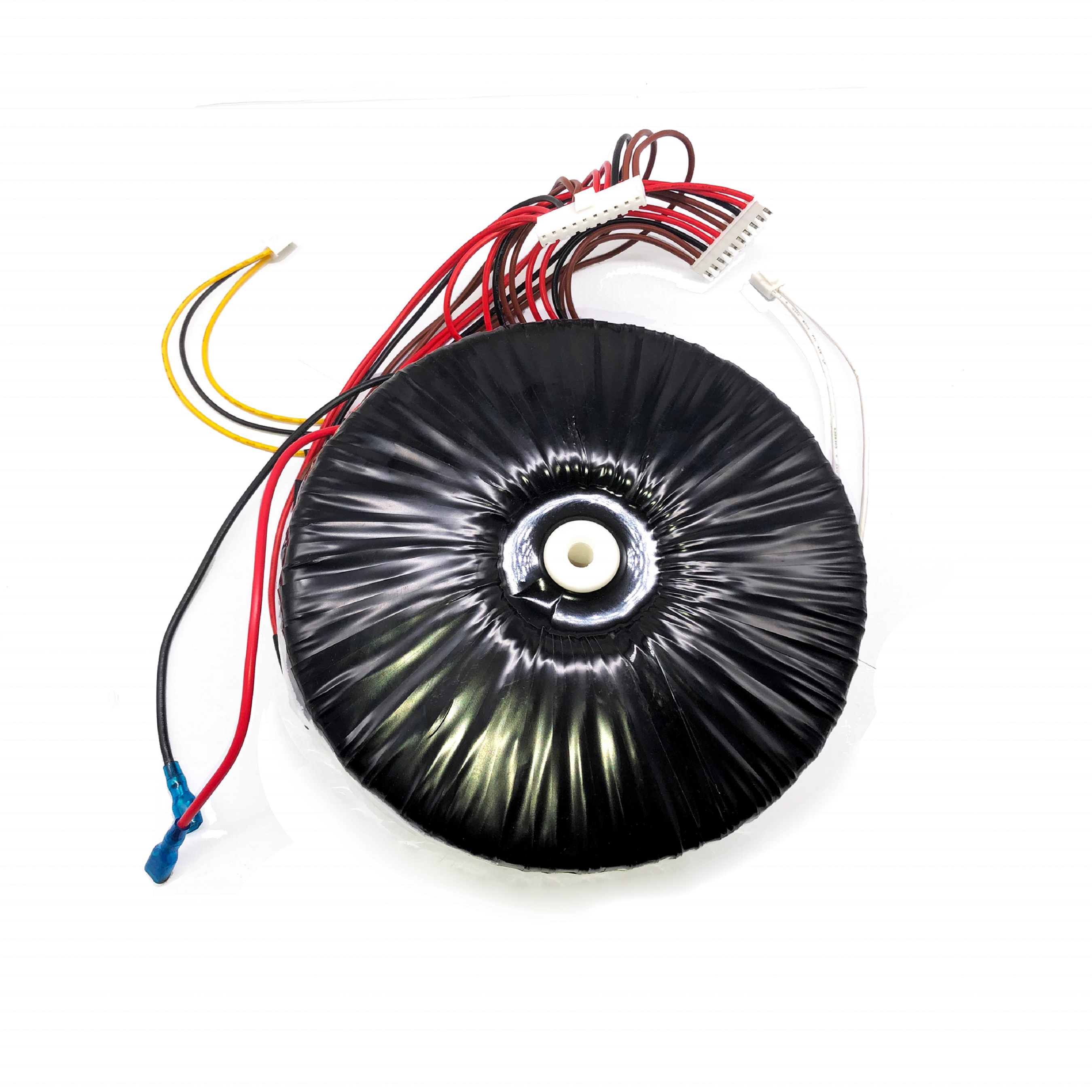
When engineers and designers select materials for magnetic cores, two materials consistently rise to the top: ferrite and silicon steel. These two materials have become foundational in the design of transformers, inductors, and a wide range of electromagnetic components. Understanding why magnetic cores made from these materials outperform alternatives requires a closer look at their physical properties, frequency behavior, and practical industrial value.
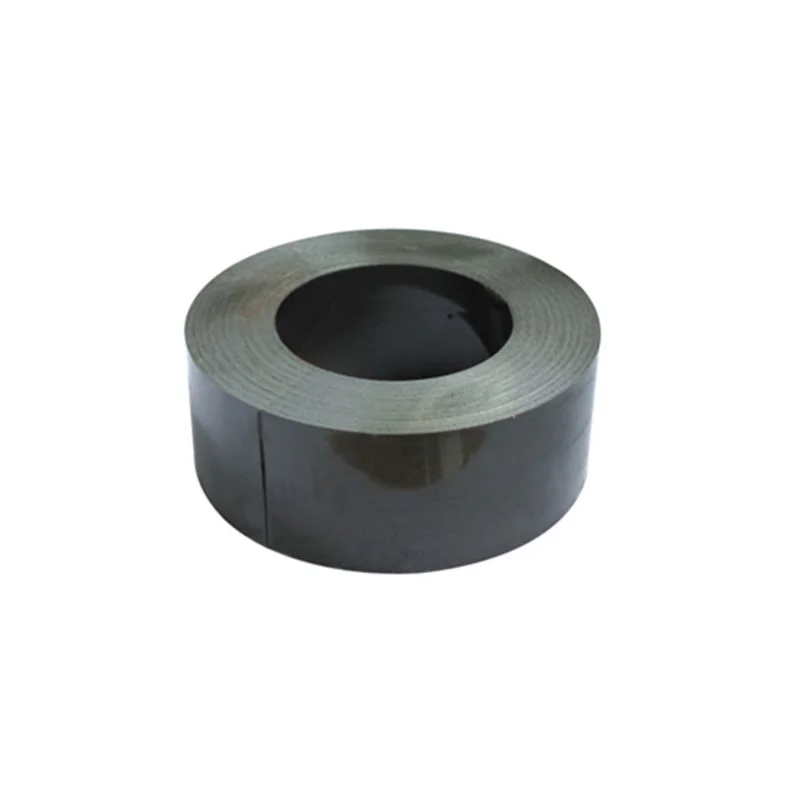
Magnetic cores serve a critical function in electrical systems: they concentrate and guide magnetic flux, enabling efficient energy transfer and signal processing. The material chosen for magnetic cores directly determines how well a device performs across temperature ranges, operating frequencies, and power levels. Ferrite and silicon steel each bring a unique combination of electromagnetic and mechanical properties that make them the preferred choices for magnetic cores in most modern applications.
The Role of Material Properties in Magnetic Cores
Why Permeability and Saturation Matter
Magnetic cores must exhibit high magnetic permeability to efficiently channel flux without requiring excessive magnetomotive force. Both ferrite and silicon steel offer high relative permeability, which allows magnetic cores to operate effectively even in compact form factors. High permeability in magnetic cores means that less input energy is wasted in establishing the magnetic field, which translates directly into better device efficiency.
Saturation flux density is another critical parameter for magnetic cores. Silicon steel magnetic cores offer relatively high saturation flux density, making them well-suited for high-power transformers and motors that demand strong magnetic fields. Ferrite magnetic cores, while operating at lower saturation levels, compensate through their exceptional performance at high frequencies. Choosing between these two materials for magnetic cores often comes down to whether saturation density or frequency response is the priority in a given design.
Core Losses and Why They Drive Material Selection
Core loss — which includes both hysteresis loss and eddy current loss — is one of the most important factors when evaluating magnetic cores for any application. Silicon steel is engineered to minimize these losses at power line frequencies, typically 50 Hz or 60 Hz, by using thin laminated sheets that interrupt eddy current paths within the magnetic cores. This laminated structure is why silicon steel magnetic cores remain the dominant choice for power transformers and electrical motors operating at low to medium frequencies.
Ferrite magnetic cores, by contrast, are ceramics with very high electrical resistivity. This intrinsic resistivity severely limits eddy current formation, allowing ferrite magnetic cores to operate with low losses even at frequencies reaching into the megahertz range. For switching power supplies, RF transformers, and telecommunications equipment, ferrite magnetic cores provide an efficiency level that silicon steel simply cannot match at those frequencies. This fundamental difference in core loss behavior is one of the strongest reasons why both materials remain essential in the world of magnetic cores.
Application Fit for Ferrite and Silicon Steel Magnetic Cores
Where Silicon Steel Magnetic Cores Excel
Silicon steel magnetic cores are the material of choice in applications that involve high power levels and low operating frequencies. Power distribution transformers, large motor stators, and industrial chokes all rely on silicon steel magnetic cores because of their ability to handle high flux densities without saturating. The mechanical robustness of silicon steel also makes magnetic cores built from this material suitable for environments where physical durability is essential.
Grain-oriented silicon steel is a refined variant used in high-efficiency power magnetic cores, where the grain alignment further reduces energy loss along the primary flux direction. This refinement allows silicon steel magnetic cores to achieve efficiency levels demanded by energy standards in grid-scale equipment. When the design requirement calls for magnetic cores that must carry high currents at mains frequency, silicon steel remains an unmatched choice.
Where Ferrite Magnetic Cores Have the Advantage
Ferrite magnetic cores dominate the high-frequency segment of the electronics industry. In switched-mode power supplies, ferrite magnetic cores enable compact transformer designs that operate efficiently at switching frequencies from tens of kilohertz to several megahertz. The low eddy current losses in ferrite magnetic cores at these frequencies allow designers to reduce device size and improve thermal performance simultaneously.
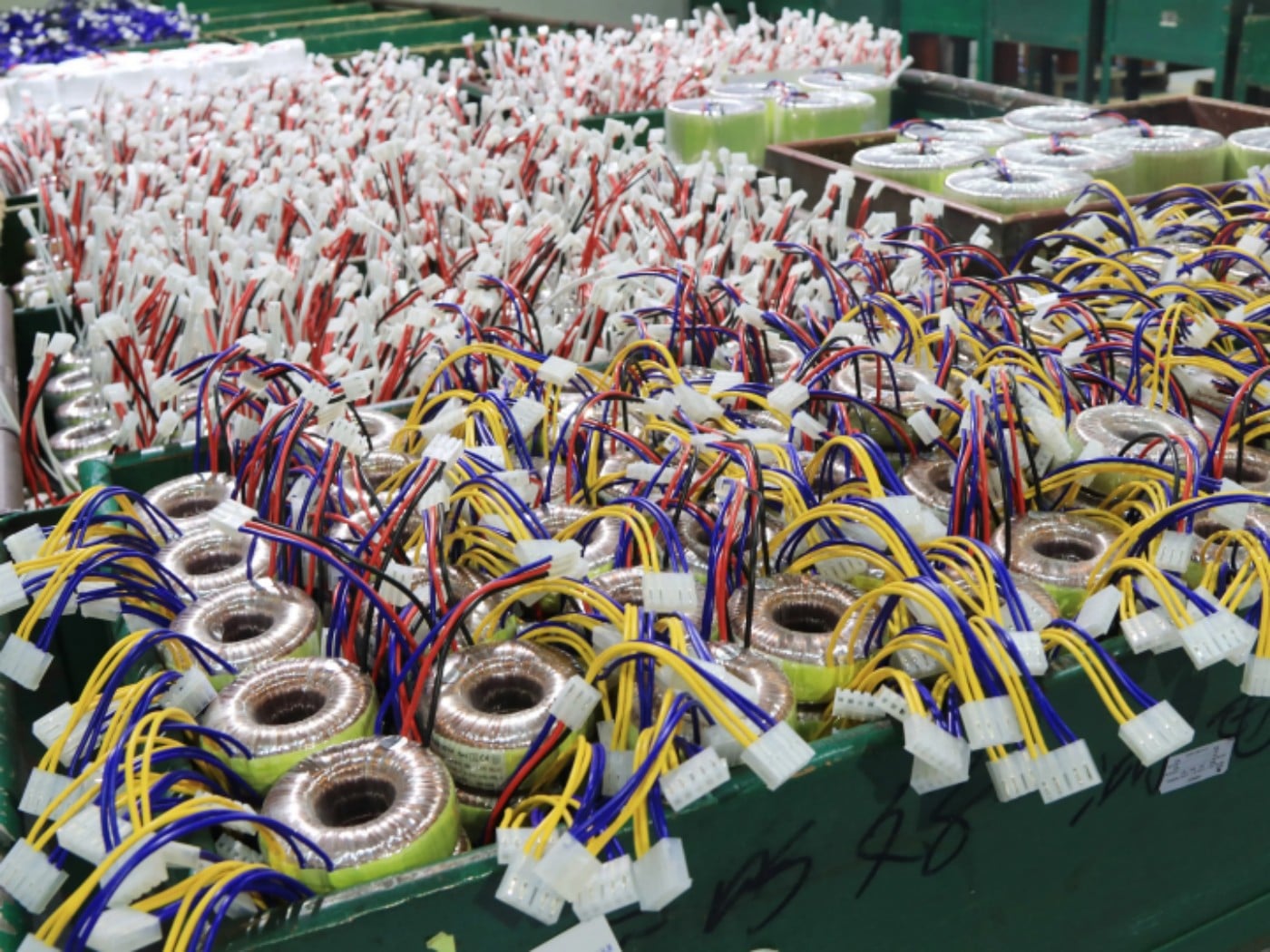
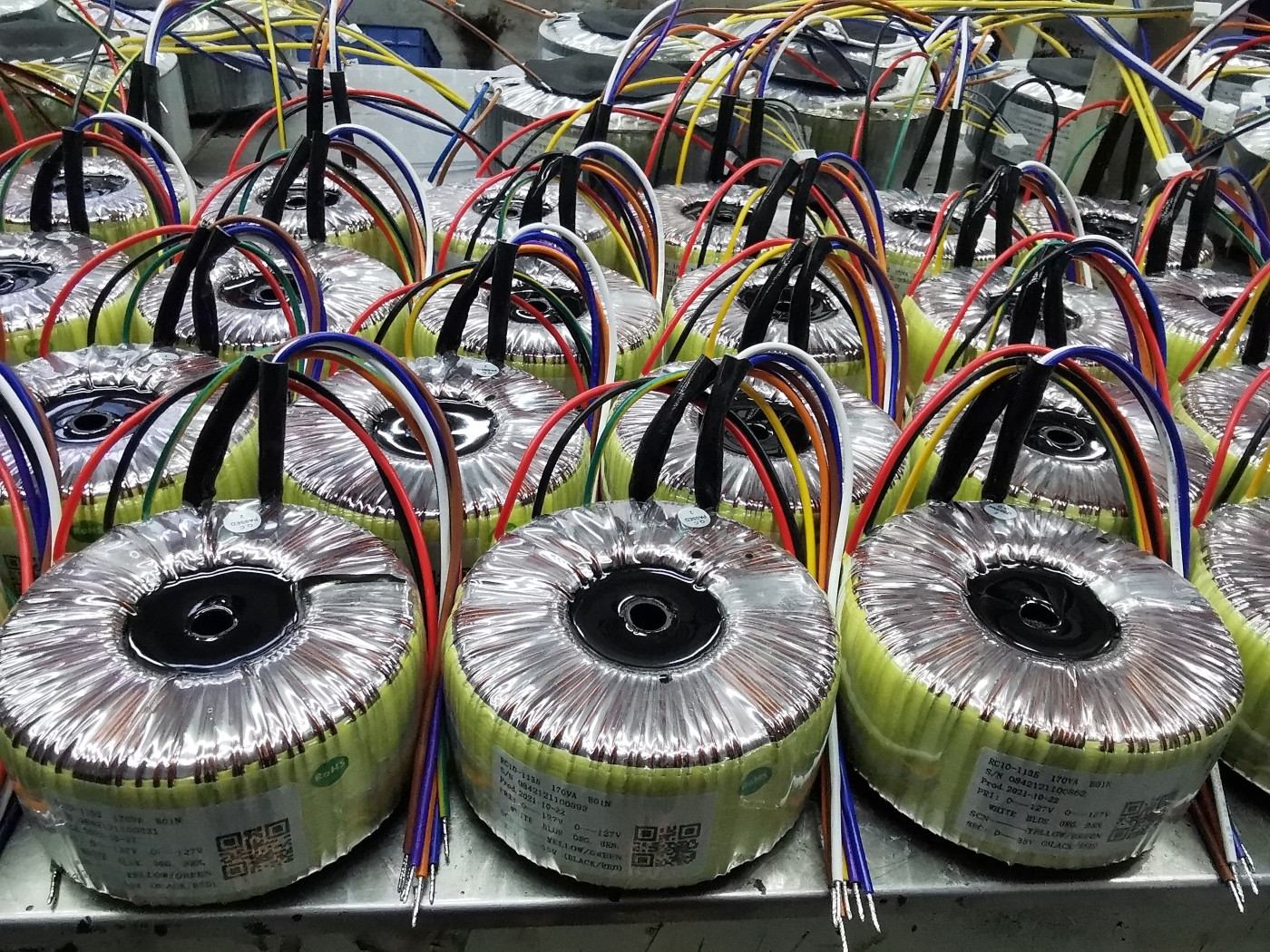
Toroidal ferrite magnetic cores are particularly valued because the closed-loop geometry minimizes flux leakage, which improves electromagnetic compatibility and reduces interference in sensitive circuits. EMI suppression rings, common-mode chokes, and broadband transformers all benefit from ferrite magnetic cores in toroidal form. The versatility of ferrite magnetic cores across different shapes — including E-cores, pot cores, and toroids — gives designers significant flexibility in optimizing magnetic cores for specific circuit topologies.
Long-Term Reliability and Design Considerations for Magnetic Cores
Thermal Stability and Environmental Durability
Reliable magnetic cores must maintain stable magnetic properties across the expected operating temperature range. Silicon steel magnetic cores exhibit excellent thermal stability at the elevated temperatures common in industrial motors and large transformers. This stability ensures that magnetic cores do not degrade in performance or suffer structural failure during prolonged high-load operation.
Ferrite magnetic cores, while more temperature-sensitive than silicon steel in terms of saturation limits, are nonetheless highly stable within the operating ranges of most consumer and industrial electronics. Proper material grade selection ensures that ferrite magnetic cores remain effective across the thermal cycles typical of power electronics applications. When specifying magnetic cores for any design, engineers must review both the Curie temperature and the expected ambient temperature profile to ensure that the chosen magnetic cores will perform reliably throughout the product life cycle.
Cost Efficiency and Scalability of Magnetic Cores
Both ferrite and silicon steel magnetic cores offer favorable cost profiles for large-scale production. Silicon steel magnetic cores benefit from mature manufacturing processes and widely available raw materials, making them economical for high-volume production of power magnetic cores. Ferrite magnetic cores, manufactured through ceramic powder processing and sintering, are similarly cost-effective at scale, particularly given the compact sizes achievable in high-frequency magnetic cores.
For product designers and procurement engineers, the scalability of both ferrite and silicon steel magnetic cores means that reliable supply chains exist regardless of volume requirements. This practical availability reinforces why these two materials continue to dominate the market for magnetic cores across industries ranging from consumer electronics to heavy electrical infrastructure.
FAQ
What is the main difference between ferrite and silicon steel magnetic cores?
Ferrite magnetic cores are ceramic-based and excel at high frequencies due to very low eddy current losses, while silicon steel magnetic cores are metal-based and perform best at low to medium power frequencies where high flux density is needed. The choice between these magnetic cores depends primarily on the operating frequency and power level of the application.
Can ferrite magnetic cores replace silicon steel magnetic cores in power transformers?
In most standard mains-frequency power transformers, ferrite magnetic cores are not a direct replacement for silicon steel magnetic cores. Silicon steel magnetic cores support higher saturation flux densities required at 50 Hz or 60 Hz operation, while ferrite magnetic cores are optimized for much higher switching frequencies used in modern compact power supplies.
Why are toroidal shapes popular for magnetic cores?
Toroidal magnetic cores use a closed-ring geometry that nearly eliminates magnetic flux leakage, which improves efficiency and reduces electromagnetic interference. Both ferrite and silicon steel are available as toroidal magnetic cores, making this shape a preferred configuration for applications that require low-noise and high-efficiency magnetic cores in compact designs.