EN
EN

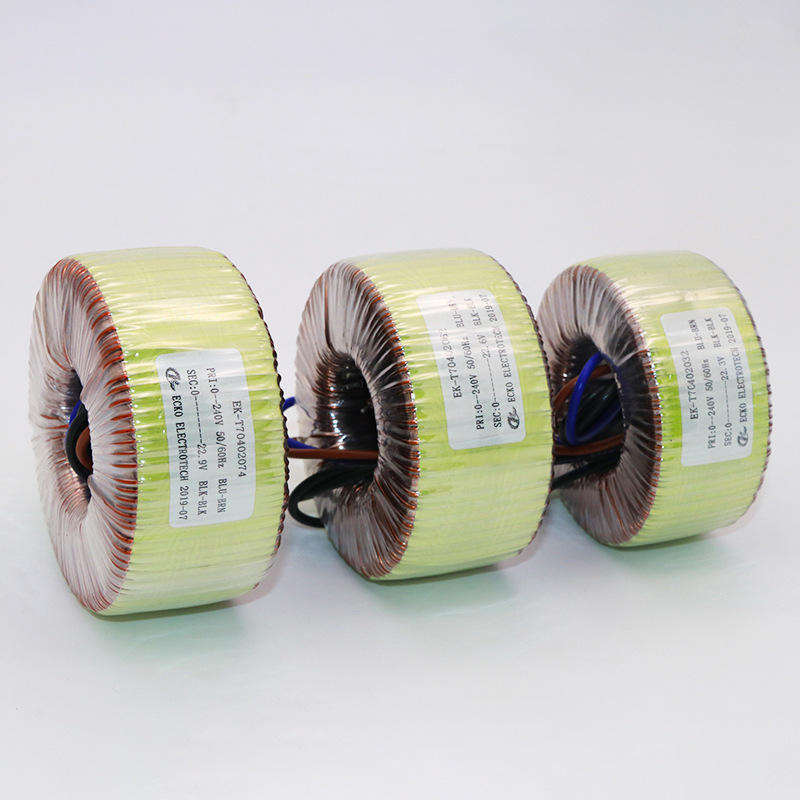
When engineers and procurement specialists evaluate magnetic components for power electronics, transformers, and energy conversion systems, the material composition of cut cores is one of the most critical factors in determining overall system performance. Cut cores are precision-manufactured magnetic cores produced by winding a continuous strip of magnetic material into a toroidal or rectangular shape, then cutting it into two C-shaped or E-shaped halves. The choice of material directly governs the magnetic efficiency, thermal behavior, core losses, and suitability of cut cores for a given application.
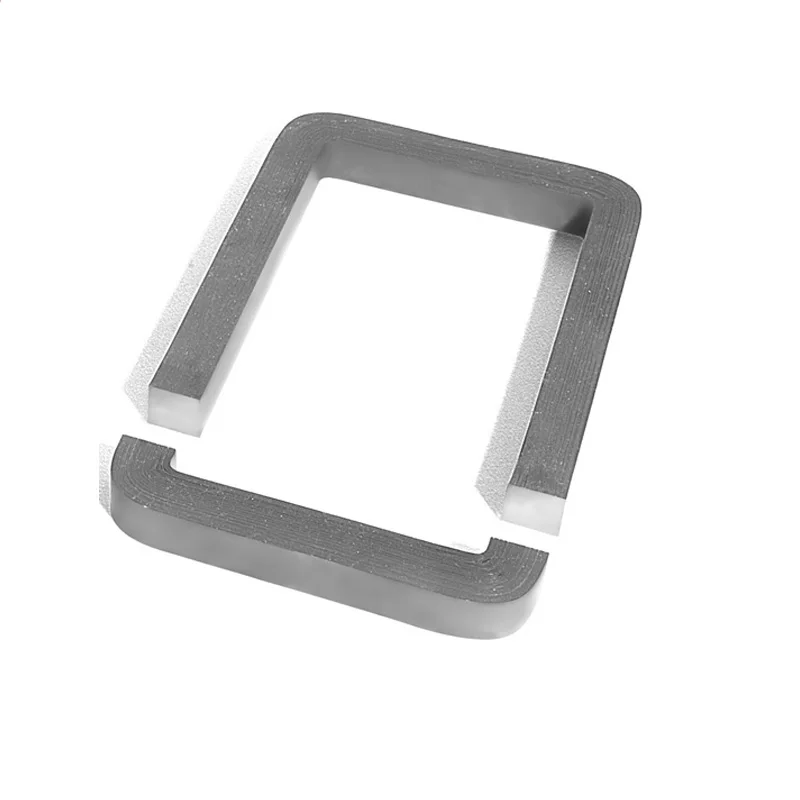
Understanding the range of materials available for cut cores helps engineers make informed decisions when specifying components for medical imaging equipment, industrial power supplies, renewable energy inverters, and high-frequency conversion systems. This article examines the most commonly used materials in manufacturing cut cores, explains the properties that make each material suitable for specific operating conditions, and highlights the key trade-offs that design teams must consider. Whether you are sourcing cut cores for a 50 Hz utility transformer or a high-frequency switching application, the material choice will fundamentally shape the outcome.
Silicon Steel as the Foundation of Cut Cores
Grain-Oriented and Non-Oriented Silicon Steel
Silicon steel, also referred to as electrical steel, is the most widely used material in conventional cut cores. It is an iron-silicon alloy, typically containing between 2% and 4% silicon by weight, designed to reduce electrical resistance within the core and minimize eddy current losses. Cut cores made from grain-oriented silicon steel are particularly well-suited to power frequency applications where flux flows predominantly in one direction along the rolling axis of the material. This directional alignment maximizes permeability and reduces core losses in cut cores operating at 50 Hz or 60 Hz.
Non-oriented silicon steel, by contrast, offers more uniform magnetic properties in all directions. Cut cores built with non-oriented grades are commonly used in rotating machinery and applications where the flux path is less predictable. While silicon steel cut cores deliver reliable performance in traditional transformer and inductor designs, they begin to show higher losses at elevated frequencies, making them less ideal for modern high-frequency power conversion. Engineers specifying cut cores for line-frequency applications will generally find silicon steel to be a cost-effective and technically sound material choice.
Amorphous Alloys for High-Efficiency Cut Cores
Why Amorphous Material Transforms Cut Core Performance
Amorphous metal alloys represent a significant advancement in cut core material technology. Unlike crystalline silicon steel, amorphous alloys are produced by rapidly quenching molten metal at extremely high cooling rates, which prevents the formation of a regular crystalline lattice. The resulting disordered atomic structure gives amorphous cut cores dramatically lower core losses compared to conventional silicon steel cut cores, often by a factor of three to five times at power frequencies. This loss reduction directly translates into improved energy efficiency in transformers, power supplies, and distribution equipment built using amorphous cut cores.
Amorphous cut cores are especially valued in applications where energy efficiency standards are stringent, such as distribution transformers, medical imaging power supplies, and renewable energy systems. The thin ribbon form in which amorphous material is produced — typically 20 to 30 micrometers thick — further reduces eddy current losses. Cut cores wound from amorphous ribbon and precision-cut then deliver performance that silicon steel simply cannot match for energy-sensitive deployments. The trade-off is that amorphous cut cores require more careful handling during assembly due to the brittleness of the material, and the surface finish of the cut faces must be tightly controlled to maintain low air gap reluctance.
Iron-Based vs. Cobalt-Based Amorphous Cut Cores
Within the amorphous alloy category, engineers can choose between iron-based and cobalt-based formulations for cut cores. Iron-based amorphous cut cores offer an excellent balance of low core loss, high saturation flux density, and competitive cost, making them the dominant commercial choice for power transformer applications. Cobalt-based amorphous cut cores, on the other hand, achieve near-zero magnetostriction and exceptionally high permeability, which is particularly valuable in precision magnetic sensors, current transformers, and telecommunications components. The higher cost of cobalt-based cut cores limits their use to applications where their unique magnetic properties justify the investment.
Nanocrystalline Materials in Modern Cut Cores
Nanocrystalline Cut Cores for High-Frequency Demands
Nanocrystalline alloys have emerged as the premium material choice for cut cores operating at medium to high frequencies, typically between 1 kHz and 100 kHz. These materials start as amorphous ribbon and are subsequently annealed at carefully controlled temperatures to induce the growth of ultrafine crystalline grains, typically 10 to 20 nanometers in diameter, within an amorphous matrix. The resulting nanocrystalline cut cores combine very high permeability, extremely low core losses at elevated frequencies, and excellent thermal stability — a combination that silicon steel or standard amorphous cut cores cannot replicate in high-frequency environments.
Nanocrystalline cut cores are widely used in common-mode chokes, EMC filters, current transformers, and high-frequency power conversion equipment. Their high saturation flux density, typically in the range of 1.2 to 1.25 Tesla, enables compact transformer and inductor designs. Cut cores made from nanocrystalline materials also exhibit superior temperature performance, maintaining stable magnetic properties over a wide temperature range. This stability is critical in automotive power electronics, industrial drives, and renewable energy converters where ambient conditions can vary significantly. For engineers who need cut cores that perform reliably from power frequency up through medium high-frequency ranges, nanocrystalline materials offer the broadest functional window.
Comparing Material Choices for Cut Cores
Selecting the right material for cut cores ultimately depends on the operating frequency, required efficiency, thermal constraints, and budget of the application. Silicon steel cut cores remain the standard for cost-sensitive, line-frequency transformer applications. Amorphous cut cores deliver superior efficiency at power frequencies and are the preferred choice for energy-efficient distribution and medical power supplies. Nanocrystalline cut cores lead in high-frequency, high-precision applications where both low loss and high permeability are non-negotiable. Procurement engineers and designers specifying cut cores should align material selection with the full operating profile of the system, not just peak conditions, to ensure long-term reliability.
FAQ
What is the most common material used in standard cut cores?
Silicon steel, particularly grain-oriented electrical steel, is the most commonly used material in standard cut cores for line-frequency transformer and inductor applications. It offers a reliable combination of magnetic performance and cost-effectiveness that makes it the default choice for conventional power frequency designs.
How do amorphous cut cores differ from silicon steel cut cores?
Amorphous cut cores are manufactured from disordered-structure metal alloys that produce significantly lower core losses than silicon steel cut cores, often three to five times lower at 50 Hz or 60 Hz. This makes amorphous cut cores far more energy-efficient in power transformers and distribution equipment, though they require more careful handling during production.
Are nanocrystalline cut cores suitable for power frequency applications?
Nanocrystalline cut cores can operate at power frequencies but are primarily designed and optimized for medium to high-frequency applications, typically 1 kHz and above. At line frequency, amorphous cut cores or silicon steel cut cores are often more cost-effective choices unless the design also requires very high permeability or exceptionally stable temperature performance.