EN
EN

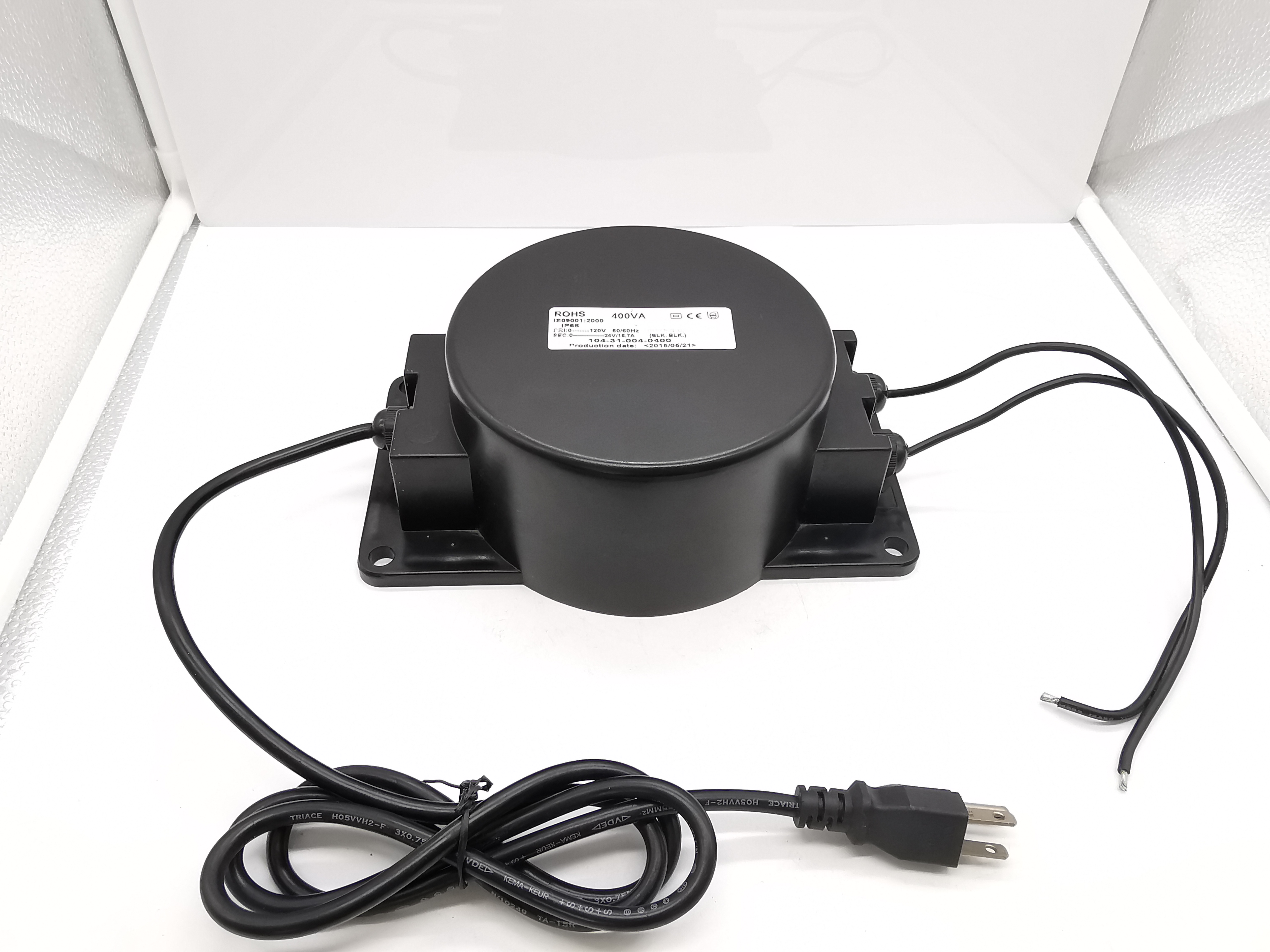
Choosing the right core material is one of the most critical decisions in transformer design. The amorphous transformer core and the silicon steel transformer core represent two fundamentally different approaches to managing magnetic flux, energy loss, and operational efficiency. Understanding what sets them apart helps engineers, procurement specialists, and energy planners make decisions that directly affect long-term operating costs and system performance.
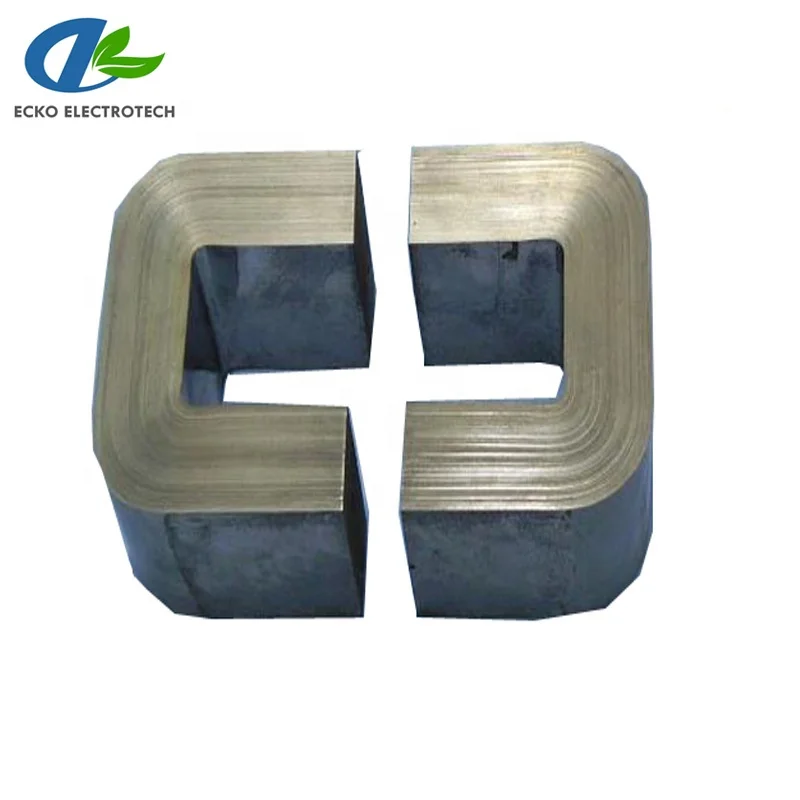
At the heart of this comparison is the atomic structure of the core material itself. A conventional silicon steel transformer core is built from a crystalline lattice structure, while an amorphous transformer core is manufactured from a metallic alloy that is rapidly cooled to prevent crystal formation. This difference in atomic arrangement has profound consequences for magnetic behavior, core loss, and overall transformer efficiency. Exploring these consequences in depth gives buyers and designers a clearer picture of which material fits their specific application.
Material Structure and Magnetic Properties
How Atomic Structure Shapes Core Behavior
The amorphous transformer core derives its name from the disordered, non-crystalline arrangement of its metallic atoms. This structure is achieved by cooling molten alloy at extremely high rates, typically involving iron, boron, and silicon. Because an amorphous transformer core lacks grain boundaries found in crystalline materials, domain wall movement during magnetization is far smoother and less resistant. This translates directly into lower hysteresis losses compared to a silicon steel equivalent.
Silicon steel, by contrast, relies on a carefully oriented crystalline grain structure to optimize magnetic permeability in one direction. While grain-oriented silicon steel performs well in large power transformers, the inherent grain boundary friction means the silicon steel transformer core produces measurably higher core losses under alternating magnetic fields. For applications requiring continuous operation at low to medium loads, these losses accumulate significantly over time.
Thickness, Saturation, and Frequency Response
An amorphous transformer core is typically produced in ribbon form with a thickness of around 20 to 30 micrometers, far thinner than silicon steel laminations. This thinness minimizes eddy current losses, which are a major component of total core loss. The amorphous transformer core also demonstrates excellent performance at higher frequencies, making it suitable not only for standard 50 Hz or 60 Hz distribution systems but also for mid-frequency industrial applications. Silicon steel laminations, even when thinned, cannot match this frequency advantage without a significant cost increase.
Energy Efficiency and No-Load Loss Comparison
Why No-Load Loss Matters in Distribution Transformers
No-load loss, also called core loss or iron loss, occurs whenever a transformer is energized regardless of whether it is supplying load current. For distribution transformers that operate continuously for decades, this is a major factor in total cost of ownership. The amorphous transformer core consistently delivers no-load losses that are 60 to 80 percent lower than those measured in a comparable silicon steel transformer core. This dramatic reduction makes the amorphous transformer core the preferred choice in energy-conscious grid applications and green building projects.
Utilities and industrial facilities that deploy large numbers of distribution transformers see compounding energy savings when switching to an amorphous transformer core. Even a modest reduction per unit multiplies into substantial annual savings across an entire network. Regulatory frameworks in many regions now recognize this advantage, and efficiency standards are beginning to mandate lower no-load loss thresholds that silicon steel transformer cores struggle to meet without costly redesign.
Load Loss and Copper Loss Considerations
While the amorphous transformer core excels in no-load loss reduction, it is important to acknowledge that load loss, primarily copper loss in the windings, is not significantly influenced by core material. Both an amorphous transformer core design and a silicon steel transformer core design produce comparable load loss values for a given winding configuration. Therefore, total efficiency must be evaluated by weighing the combined impact of no-load and load losses across the actual duty cycle of the transformer in question.
Physical Characteristics and Application Suitability
Weight, Size, and Mechanical Handling
An amorphous transformer core is typically heavier and slightly larger in volume than a silicon steel transformer core of equivalent rating due to the lower saturation flux density of amorphous material. This requires careful mechanical design to accommodate the additional weight and dimensional allowances. Manufacturers of the amorphous transformer core have developed specialized cutting and stacking techniques to handle the brittle nature of amorphous ribbon without introducing cracks or stress that degrade magnetic performance.
For toroidal configurations, the amorphous transformer core offers particular advantages in compact, high-efficiency designs. Toroidal geometry minimizes leakage flux and allows tight winding coverage, enhancing the low-loss characteristics of the amorphous transformer core even further. Industries such as renewable energy, smart grid infrastructure, and electric vehicle charging rely on the amorphous transformer core in toroidal form to achieve demanding efficiency targets within space-constrained installations.
Cost Profile and Total Value Assessment
The initial material cost of an amorphous transformer core is higher than that of a silicon steel transformer core. Amorphous ribbon production requires specialized rapid-solidification equipment and tighter process controls, adding to the upfront investment. However, lifecycle cost analysis consistently shows that the amorphous transformer core delivers a lower total cost of ownership when no-load losses and energy prices are factored over a 20 to 30 year service life. For high-utilization applications, the payback period on the premium for an amorphous transformer core is often under three years.
FAQ
Is an amorphous transformer core suitable for high-power transmission transformers?
The amorphous transformer core is most commonly used in distribution transformers rated up to a few MVA. For very large transmission transformers, silicon steel remains dominant due to its higher saturation flux density and more established manufacturing processes at extreme power levels. However, ongoing material research is expanding the viable power range for the amorphous transformer core.
Does an amorphous transformer core require special maintenance compared to silicon steel?
An amorphous transformer core does not require fundamentally different maintenance routines compared to a silicon steel transformer core. Standard inspection protocols for oil-filled or dry-type transformers apply equally. The amorphous transformer core is, however, more sensitive to mechanical stress during installation, so handling guidelines from the manufacturer should be followed carefully to preserve core integrity.
Can an amorphous transformer core be used in toroidal transformer designs?
Yes, the amorphous transformer core is well-suited for toroidal designs, and this configuration is one of the most efficient applications of amorphous material. The toroidal amorphous transformer core benefits from uniform flux distribution around the closed-loop geometry, reducing both core loss and audible noise. This makes the amorphous transformer core in toroidal form highly attractive for sensitive electronic power supplies and precision industrial equipment.