EN
EN

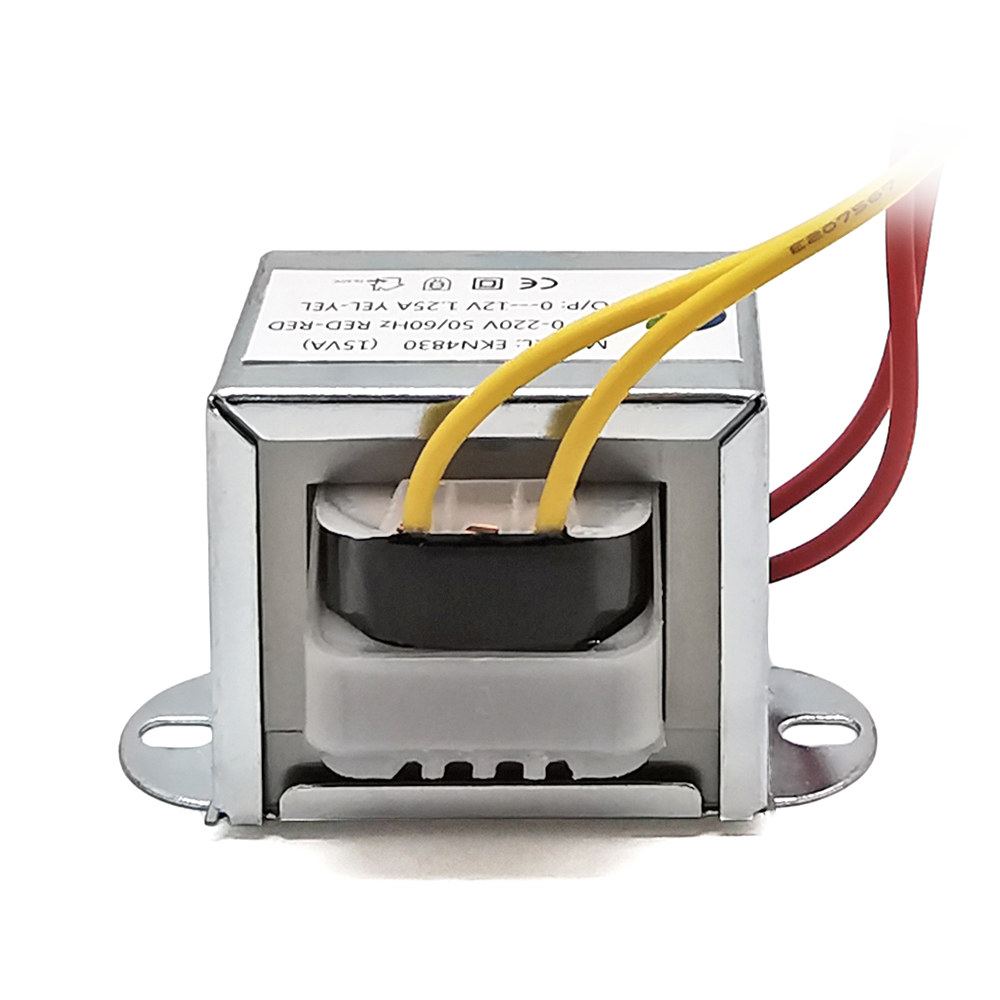
Amorphous cores are at the heart of modern magnetic component design, widely used in transformers, inductors, and energy-efficient power systems. Understanding what drives their cost and performance is essential for engineers, procurement specialists, and product designers who need to make informed sourcing and design decisions. The variables involved are not arbitrary — they stem from fundamental material science, manufacturing precision, and the specific demands of each application.
Whether you are evaluating amorphous cores for a new transformer design or optimizing an existing magnetic circuit, knowing the key influencing factors helps you balance budget constraints with the electrical performance your system demands. This article examines those factors in detail, giving you a practical framework for decision-making.
Material Composition and Its Role in Amorphous Cores
Alloy Selection and Magnetic Properties
The most fundamental factor influencing both the cost and performance of amorphous cores is the alloy composition used during manufacturing. Amorphous cores are typically produced from iron-based, cobalt-based, or nickel-based alloys that are rapidly quenched from a molten state to prevent crystalline structure formation. Iron-based amorphous cores offer a strong balance of low core loss and moderate saturation flux density at a relatively affordable price point. Cobalt-based amorphous cores deliver superior permeability and lower core loss, but their elevated raw material cost makes them significantly more expensive. The alloy choice directly sets the ceiling on magnetic performance and the floor on manufacturing cost, making it the single most consequential decision in the design of amorphous cores.
Ribbon Thickness and Structural Uniformity
Amorphous cores are formed from extremely thin metallic ribbons, typically ranging from 20 to 30 micrometers in thickness. Thinner ribbons reduce eddy current losses and improve high-frequency performance, which is critical for switch-mode power supplies and high-efficiency transformers. However, producing thinner ribbon with consistent thickness across the full width requires more precise casting equipment and tighter process control, increasing production costs. Structural uniformity within amorphous cores also affects lamination quality during winding. Any inconsistency in ribbon thickness or surface finish can introduce air pockets and mechanical stress, degrading both permeability and long-term stability. Premium-grade amorphous cores with tighter thickness tolerances therefore command a higher price while delivering more predictable and stable performance.
Geometric Design and Processing of Amorphous Cores
Core Shape and Winding Configuration
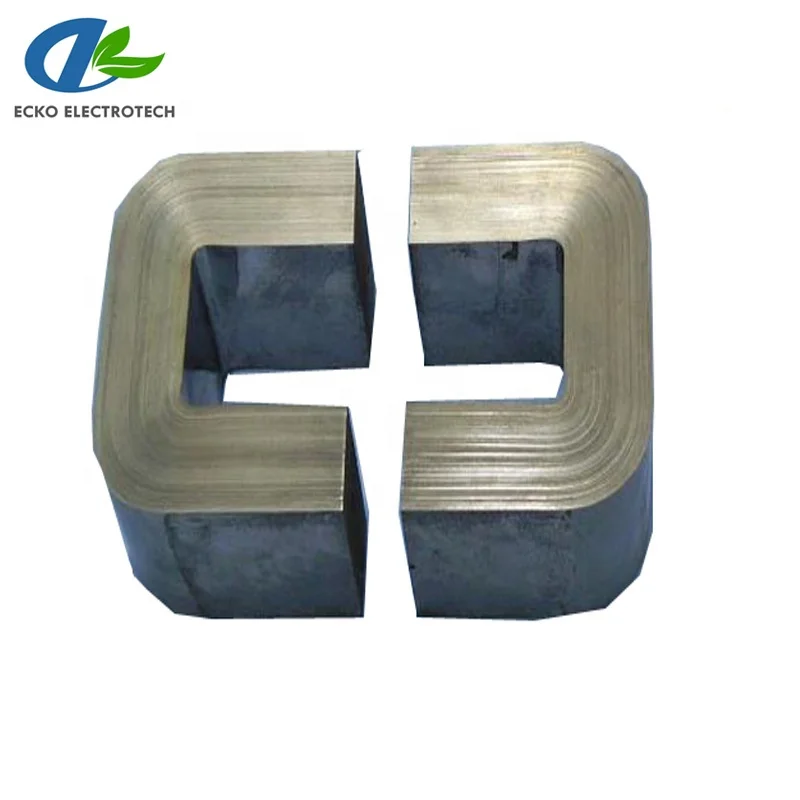
The physical geometry of amorphous cores plays a significant role in determining both their manufacturing cost and their functional performance. Toroidal shapes are among the most common configurations for amorphous cores because they offer a closed magnetic path, minimal leakage flux, and superior electromagnetic interference shielding. However, winding amorphous material into a tight toroid requires careful handling since the brittle nature of amorphous ribbon makes it susceptible to cracking under mechanical stress. Cores with gaps, such as gapped amorphous toroid cores, introduce an additional machining or controlled-gap step that adds processing complexity and cost. The gap size must be precisely controlled because even slight deviations can alter inductance values and energy storage characteristics significantly. Amorphous cores with complex shapes or customized gap dimensions therefore carry higher production costs than standard ungapped designs.
Annealing and Stress Relief Treatment
After winding, amorphous cores undergo annealing — a heat treatment process conducted under controlled magnetic fields to optimize grain alignment and reduce internal stress introduced during winding. This treatment has a profound impact on the final magnetic properties of amorphous cores, including coercive force, permeability, and core loss. The annealing conditions — temperature, duration, applied field direction, and cooling rate — must be carefully calibrated to the specific alloy and intended application. Improper annealing can result in amorphous cores with elevated hysteresis loss or reduced permeability, undermining the cost efficiency of using premium alloys. Proper annealing adds time and energy to the production process, which is reflected in the cost of higher-grade amorphous cores, but it is a non-negotiable step for achieving target performance specifications.
Application Requirements and Performance Trade-offs
Operating Frequency and Core Loss Behavior
The intended operating frequency of the end application is one of the strongest external factors influencing which amorphous cores are appropriate and how much they cost. At low frequencies, standard iron-based amorphous cores perform well with minimal core loss, making them cost-effective for power distribution transformers. At higher frequencies, however, core loss in amorphous cores rises in proportion to frequency due to eddy current and hysteresis contributions. Applications such as high-frequency inverters, pulse transformers, or telecommunications power supplies demand amorphous cores with lower loss coefficients, which often means selecting thinner ribbon alloys, cobalt-enriched formulations, or nanocrystalline alternatives. Each step up in frequency performance generally corresponds to an increase in material complexity and cost. Engineers must therefore define the operating frequency range precisely before selecting amorphous cores to avoid over-engineering or under-specifying their magnetic components.
Temperature Stability and Environmental Conditions
Thermal stability is another performance dimension that separates amorphous cores intended for industrial-grade applications from those used in standard consumer electronics. Amorphous cores can experience shifts in permeability and core loss when subjected to elevated temperatures over extended periods. Applications in automotive power electronics, renewable energy inverters, or industrial motor drives require amorphous cores that maintain consistent magnetic properties across a wide temperature range. Achieving high thermal stability often demands specific alloy formulations combined with precise annealing profiles, both of which increase cost. Environmental exposure — including humidity, vibration, and chemical contact — also influences material selection and protective coating requirements for amorphous cores, further affecting total component cost. Buyers sourcing amorphous cores for demanding environments should always verify the rated operating temperature range and thermal aging characteristics provided by the supplier.
FAQ
Why do cobalt-based amorphous cores cost more than iron-based ones?
Cobalt is a significantly more expensive raw material than iron, and cobalt-based amorphous cores also require more precise processing to realize their superior low-loss and high-permeability properties. The combination of higher material cost and stricter manufacturing control results in a considerably higher price compared to standard iron-based amorphous cores.
How does a gap affect the performance of amorphous cores?
Introducing a gap into amorphous cores reduces effective permeability and prevents magnetic saturation at higher DC bias currents. This makes gapped amorphous cores well-suited for inductor applications where energy storage and linearity under load are priorities. However, the gap must be precisely controlled, as small deviations can significantly alter inductance and performance consistency.
What should I check when comparing amorphous cores from different suppliers?
When comparing amorphous cores, always request full material datasheets including alloy composition, ribbon thickness, saturation flux density, core loss curves at relevant frequencies, and operating temperature range. Verify that the amorphous cores have undergone proper annealing and confirm whether any surface coating or bobbin assembly is included in the quoted price to ensure a valid cost comparison.