EN
EN

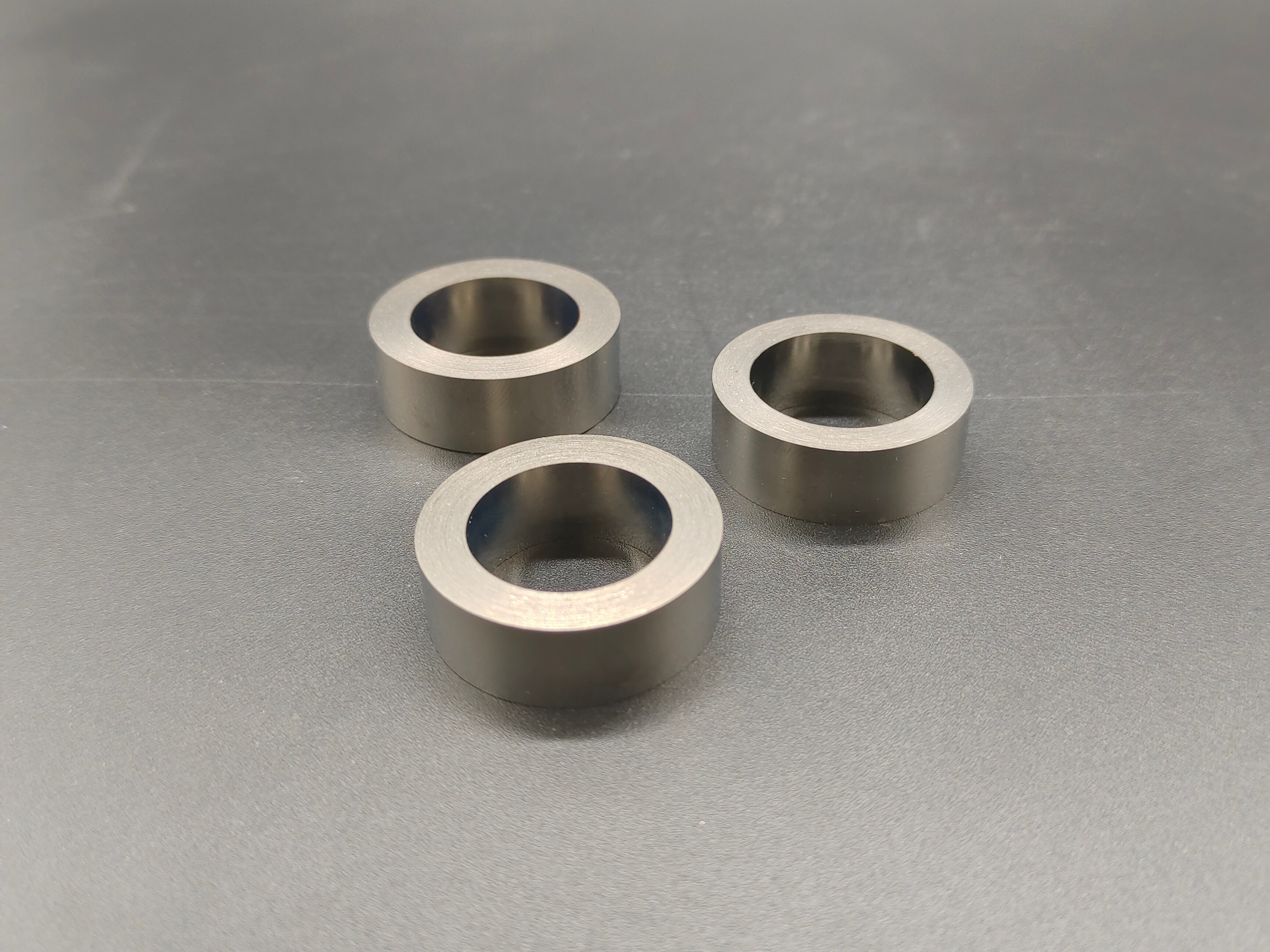
Modern power systems demand transformer components that deliver higher efficiency, lower energy loss, and reliable operation across a wide range of conditions. nanocrystalline cores have emerged as one of the most significant advances in magnetic core technology, offering transformer designers a material solution that dramatically outperforms older silicon steel and ferrite alternatives. Understanding how nanocrystalline cores achieve these improvements helps engineers and procurement professionals make confident decisions when specifying transformer components.
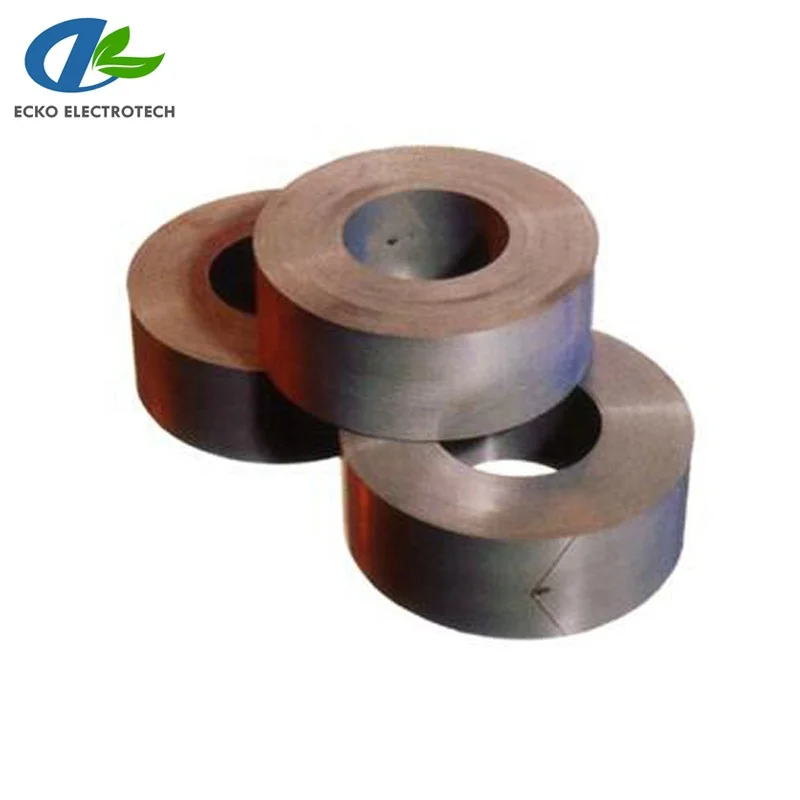
Nanocrystalline cores are manufactured by rapidly quenching a molten metal alloy into an amorphous ribbon and then annealing it under controlled conditions to produce an ultra-fine grain structure with crystals typically measuring 10 to 20 nanometers. This unique microstructure is what gives nanocrystalline cores their exceptional combination of high saturation flux density, low coercivity, and extremely low core losses. As transformer technology continues to evolve, nanocrystalline cores are increasingly specified for applications where performance and compactness are non-negotiable priorities.
Superior Magnetic Properties of Nanocrystalline Cores
High Permeability and Low Coercivity
One of the most important reasons nanocrystalline cores improve transformer performance is their exceptionally high magnetic permeability. Nanocrystalline cores can achieve initial permeability values many times higher than those of conventional silicon steel cores, which means the transformer requires fewer turns of winding to achieve the same inductance. This directly contributes to a more compact and lightweight transformer design. The low coercivity of nanocrystalline cores also means that the magnetic domains within the material reorient easily in response to alternating magnetic fields, resulting in significantly lower hysteresis losses compared with traditional core materials.
Wide Operating Frequency Range
Nanocrystalline cores maintain stable magnetic properties across a broad frequency spectrum, from standard 50 Hz and 60 Hz grid applications up to medium-frequency power conversion equipment operating in the tens of kilohertz range. This frequency versatility makes nanocrystalline cores highly suitable for modern switching power supplies, current transformers, and high-frequency isolation transformers. Because the nanocrystalline grain structure limits eddy current paths within the ribbon, nanocrystalline cores exhibit much lower eddy current losses at elevated frequencies than silicon steel cores of equivalent size. This property is a direct performance enabler for high-frequency transformer designs.
Energy Efficiency Gains Enabled by Nanocrystalline Cores
Reduction in Core Losses
Core losses are one of the primary efficiency drains in any transformer, and nanocrystalline cores address this challenge with exceptional effectiveness. The total core loss in nanocrystalline cores consists of hysteresis loss and eddy current loss, and both components are substantially lower in nanocrystalline cores than in silicon steel or ferrite alternatives. In practical terms, transformers built with nanocrystalline cores can achieve total core losses that are 60 to 80 percent lower than those of equivalent silicon steel designs. For industrial applications where transformers operate continuously, this reduction in core losses translates into measurable energy savings and a lower total cost of ownership over the transformer's service life. Engineers specifying nanocrystalline cores for power transformers are therefore making both a technical and an economic choice.
Thermal Performance and Reliability
Because nanocrystalline cores dissipate far less energy as heat during normal operation, transformers using nanocrystalline cores run cooler than their silicon steel counterparts. Lower operating temperatures directly improve the reliability and longevity of winding insulation, reducing the risk of premature transformer failure. In high-power-density environments, the thermal advantage of nanocrystalline cores allows engineers to design transformers with smaller cooling systems or to push higher power through a given transformer footprint. Nanocrystalline cores therefore contribute to both the efficiency and the durability of modern transformer systems, making them a preferred choice in demanding industrial and renewable energy applications.
Design and Application Advantages of Nanocrystalline Cores
Compact and Lightweight Transformer Designs
The high saturation flux density of nanocrystalline cores allows transformers to handle greater magnetic flux per unit of core volume. This means engineers can design transformers that are physically smaller and lighter without sacrificing power handling capability. When size and weight constraints are critical, as they are in aerospace electronics, electric vehicle charging systems, and distributed power converters, nanocrystalline cores provide a decisive design advantage. The combination of high permeability and high saturation flux density in nanocrystalline cores means the entire transformer assembly can be miniaturized while still meeting demanding performance specifications. This is one of the most commercially significant benefits that nanocrystalline cores bring to modern transformer engineering.
Suitability for Precision and Measurement Applications
Nanocrystalline cores are widely used in current transformers and precision measurement transformers because their stable, linear magnetic characteristics deliver highly accurate signal reproduction. The low magnetizing current and high linearity of nanocrystalline cores reduce measurement errors, making them the preferred core material for metering transformers used in power quality monitoring, grid protection relays, and industrial energy management systems. In these applications, the consistency and repeatability of nanocrystalline cores across temperature variations and operating cycles is a critical performance factor. Specifying nanocrystalline cores in measurement-grade transformers ensures that accuracy is maintained over the full operational lifetime of the equipment.
FAQ
What materials are nanocrystalline cores made from?
Nanocrystalline cores are typically made from iron-based alloys containing silicon, boron, copper, and niobium. The alloy is rapidly quenched into a thin amorphous ribbon, which is then annealed to produce the fine nanocrystalline grain structure that gives nanocrystalline cores their superior magnetic properties.
How do nanocrystalline cores compare to amorphous cores in transformers?
Both amorphous cores and nanocrystalline cores offer lower losses than silicon steel, but nanocrystalline cores generally provide higher permeability, higher saturation flux density, and better high-frequency performance. This makes nanocrystalline cores more suitable for applications that require compact size, high efficiency at elevated frequencies, or precision magnetic performance.
Are nanocrystalline cores suitable for high-frequency transformers?
Yes, nanocrystalline cores are well suited for high-frequency transformer applications. Their thin ribbon construction and nanocrystalline grain structure minimize eddy current losses at elevated frequencies, making nanocrystalline cores a reliable choice for switching power supplies, inverter transformers, and other high-frequency power conversion equipment operating up to tens of kilohertz.