EN
EN

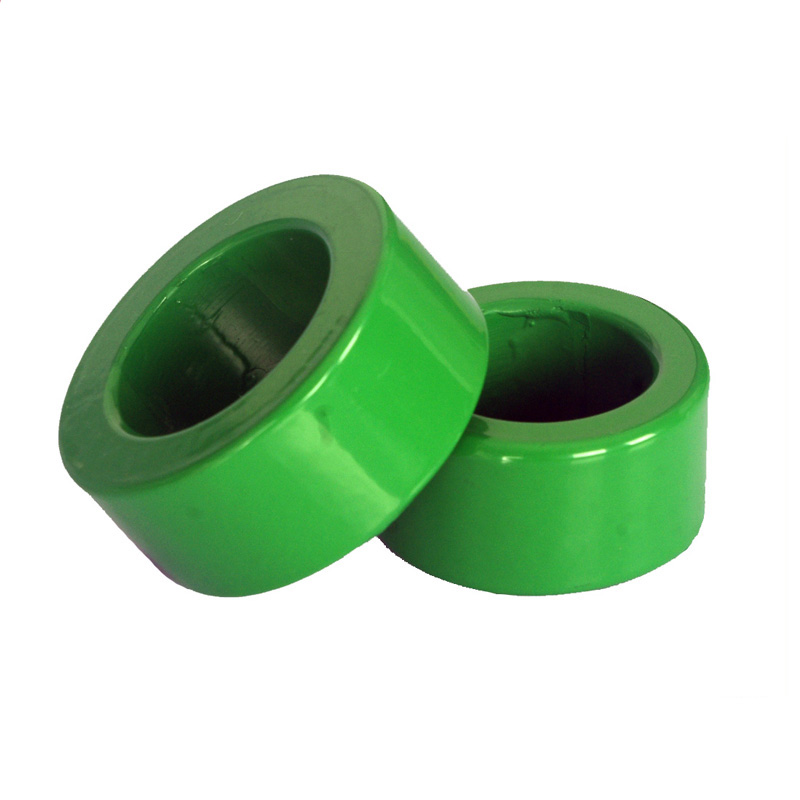
The transformer core is the heart of every power transmission system, serving as the essential component that enables efficient energy transfer between circuits at different voltage levels. Understanding the main functions of a transformer core in power transmission is critical for electrical engineers, utility operators, and industrial professionals who work with electrical infrastructure. A transformer core performs multiple interconnected functions that directly impact system reliability, efficiency, and overall power quality.
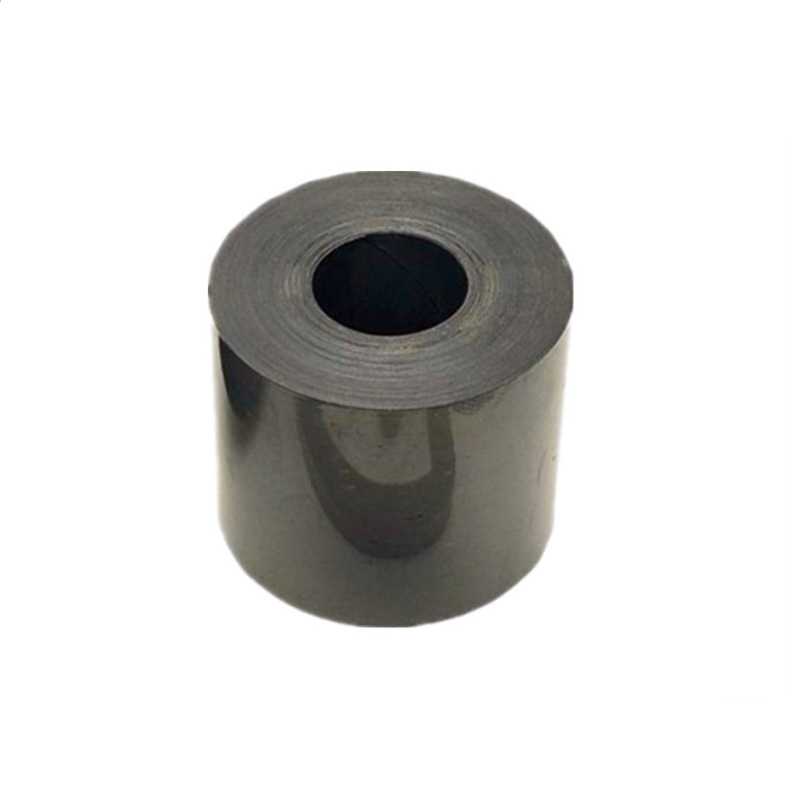
The design and construction of a transformer core determine how well the device manages electrical energy flow, reduces operational losses, and maintains stable voltage delivery across distribution networks. Professionals must recognize that each transformer core function works in concert with others to achieve the dual objectives of energy efficiency and system stability. This article explores the fundamental functions of a transformer core and explains why proper core selection and maintenance are essential for long-term power transmission performance.
Magnetic Flux Confinement and Transfer
Primary Function of Magnetic Flux in Transformer Cores
The most critical function of a transformer core is to confine and efficiently transfer magnetic flux between primary and secondary windings. When alternating current flows through the primary winding, it generates a changing magnetic field that the transformer core must capture and concentrate. The transformer core material, typically laminated silicon steel, provides an extremely low-reluctance path for magnetic flux, ensuring maximum coupling between the windings.
Without an effective transformer core, magnetic flux would disperse widely into surrounding space rather than being channeled efficiently through the secondary winding. The core acts as a guided pathway, dramatically increasing the coefficient of coupling and ensuring that most of the magnetic energy generated in the primary winding reaches the secondary winding. This efficient flux transfer is what allows the transformer core to step voltage up or down while maintaining power balance across the energy conversion process.
Flux Density and Core Material Selection
The transformer core must support high flux density while avoiding saturation, which would cause excessive losses and reduce efficiency. Engineers select transformer core materials based on their ability to reach optimal flux density levels without entering the nonlinear saturation region. Silicon steel dominates transformer core construction because it combines high permeability, low coercivity, and excellent saturation characteristics that allow the transformer core to operate efficiently under steady-state and transient conditions.
Core lamination—the practice of stacking thin silicon steel sheets rather than using solid iron—further enhances the transformer core's ability to manage flux density by reducing eddy current losses. Each lamination layer in a transformer core acts as an independent flux conductor, improving the overall efficiency of magnetic energy transfer and allowing power systems to operate closer to optimal design parameters.
Energy Loss Minimization Through Core Design
Hysteresis Loss Management in Transformer Cores
A fundamental function of a transformer core is to minimize energy losses that would otherwise be wasted as heat during the magnetization cycle. Hysteresis loss occurs as the transformer core material responds to the continuously changing magnetic field in AC power systems. Each cycle of magnetization and demagnetization requires energy input, and poorly designed or low-quality transformer cores waste substantial energy as the material struggles to follow the applied magnetic field.
The transformer core's hysteresis characteristics depend directly on material quality, grain orientation, and manufacturing precision. Silicon steel used in modern transformer cores is carefully processed to minimize the hysteresis loop area, meaning less energy is dissipated per cycle. As power systems operate continuously, even small improvements in transformer core hysteresis performance translate into significant energy savings across an entire utility network over months and years of operation.
Eddy Current Loss Reduction Through Lamination
The transformer core must actively suppress eddy currents—circular currents induced within the core material itself that generate resistive heating and reduce overall system efficiency. Laminating the transformer core into thin, insulated sheets interrupts the paths that eddy currents would naturally follow, dramatically reducing this loss mechanism. Each lamination layer in a transformer core is typically coated with an insulating varnish or oxide layer that forces eddy currents to stay within individual sheets rather than flowing across the entire core volume.
Modern transformer core designs use lamination thicknesses optimized for the specific frequency of operation—typically 0.23 to 0.35 millimeters for 50 or 60 Hz systems. This precision engineering ensures that the transformer core achieves near-theoretical minimum eddy current losses while maintaining sufficient structural rigidity and thermal performance. The result is that a well-designed transformer core can operate at efficiency levels exceeding 99 percent in many industrial and utility applications.
Structural Support and Heat Dissipation
Mechanical Stability of the Transformer Core
Beyond its electromagnetic functions, the transformer core serves as the primary structural element that supports and positions the windings within the transformer housing. The transformer core must resist mechanical stresses from electromagnetic forces that develop during operation and especially during fault conditions when current levels spike dramatically. Silicon steel's rigidity and strength allow the transformer core to maintain precise winding geometry despite these dynamic forces.
The transformer core framework also positions the primary and secondary windings at specific distances and orientations to achieve desired coupling coefficients and voltage regulation characteristics. This mechanical precision directly impacts the transformer core function as an electromagnetic device, making structural integrity essential for reliable power transmission performance. Any deformation or misalignment of the transformer core would compromise both efficiency and the accuracy of voltage transformation across the power system.
Thermal Management in Transformer Core Systems
The transformer core generates heat during operation due to both hysteresis and eddy current losses, and the core design must facilitate efficient heat dissipation to prevent temperature rise that would degrade transformer performance and lifespan. Laminated transformer core designs create multiple surfaces that increase contact with cooling oil or air, allowing heat to flow more readily from the core to the external cooling system. The transformer core's thermal resistance directly affects the operating temperature of the entire transformer and determines how much continuous load the unit can safely carry.
Effective heat dissipation from the transformer core ensures that insulation materials surrounding the windings remain within safe operating temperature limits, typically 65 degrees Celsius rise above ambient temperature for standard utility transformers. If the transformer core generates excessive heat that cannot be adequately dissipated, the transformer's useful life diminishes rapidly and the risk of failure increases. Therefore, transformer core cooling design is not merely a secondary consideration but a critical function that directly impacts the reliability and economic lifespan of the entire power transmission asset.
FAQ
What role does the transformer core play in voltage transformation?
The transformer core enables voltage transformation by concentrating magnetic flux from the primary winding and efficiently coupling it to the secondary winding. The ratio of primary to secondary turns, combined with the transformer core's high permeability, determines the voltage transformation ratio. Without an effective transformer core to confine and direct magnetic flux, the inductive coupling between windings would be far too weak to achieve practical voltage transformation ratios, and power transmission systems as we know them could not function.
How do laminations in the transformer core reduce energy losses?
Laminations interrupt the paths available for eddy currents to circulate within the transformer core material. By dividing the core into thin, insulated sheets, engineers force eddy currents to remain within individual laminations rather than flowing across the entire core cross-section. This dramatically reduces the total eddy current magnitude and the associated resistive heating losses, allowing the transformer core to operate at much higher efficiency levels than would be possible with a solid iron core.
Why is silicon steel preferred as a transformer core material?
Silicon steel is preferred for transformer core applications because it combines high magnetic permeability, low coercivity, and excellent saturation characteristics. These properties allow the transformer core to efficiently confine and transfer magnetic flux while minimizing hysteresis and saturation losses. Additionally, silicon steel's mechanical strength supports the structural demands of the transformer core, and its thermal properties facilitate heat dissipation during continuous operation in power transmission systems.