EN
EN

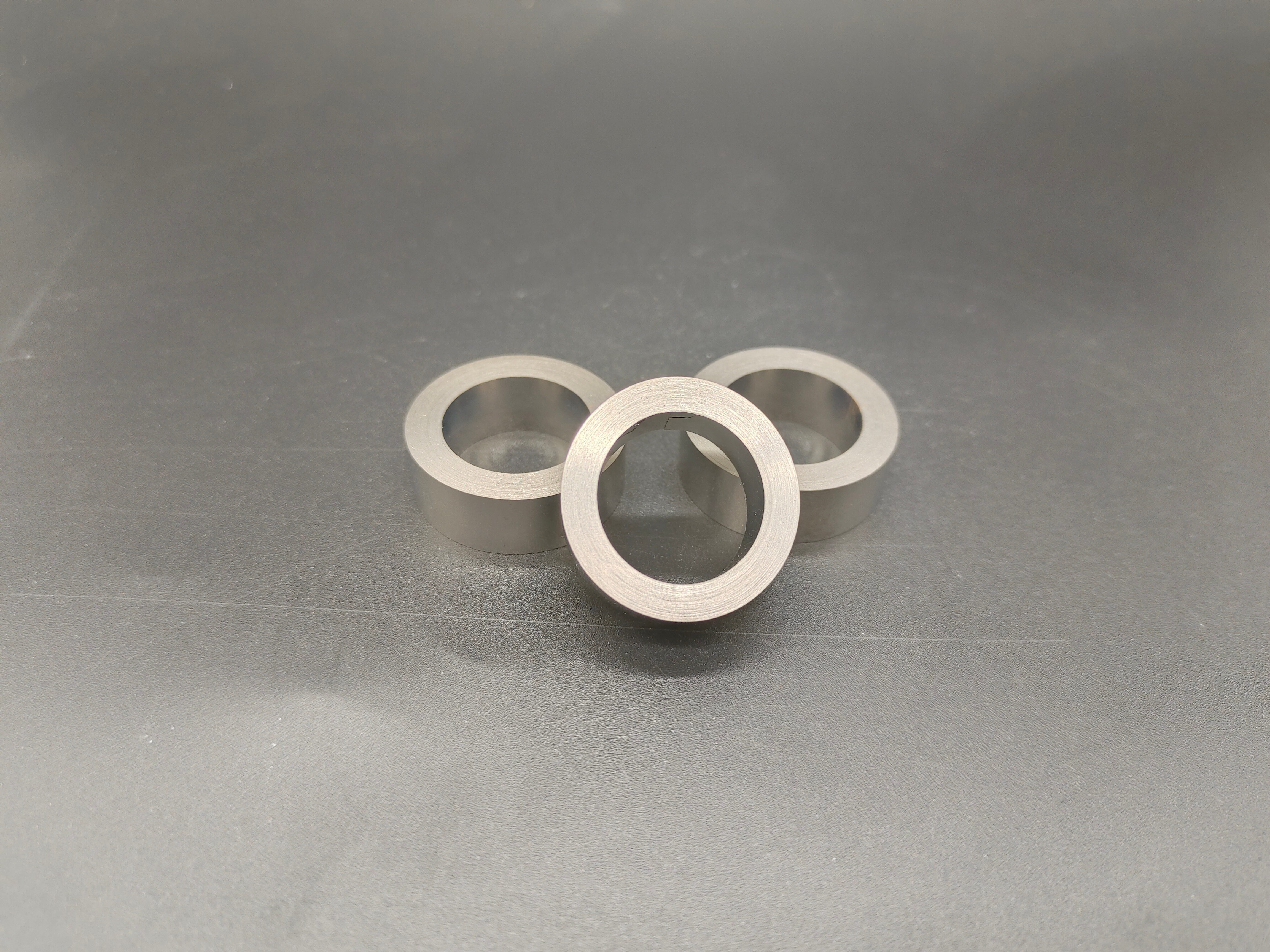
Nanocrystalline cores represent a significant advancement in magnetic material technology, enabling superior performance in power electronics, renewable energy systems, and industrial applications. The journey from raw materials to finished nanocrystalline cores involves precisely controlled manufacturing steps that directly determine the final magnetic properties and efficiency of these critical components. Understanding how nanocrystalline cores are processed is essential for engineers, procurement specialists, and manufacturers who depend on consistent, high-performance magnetic solutions.
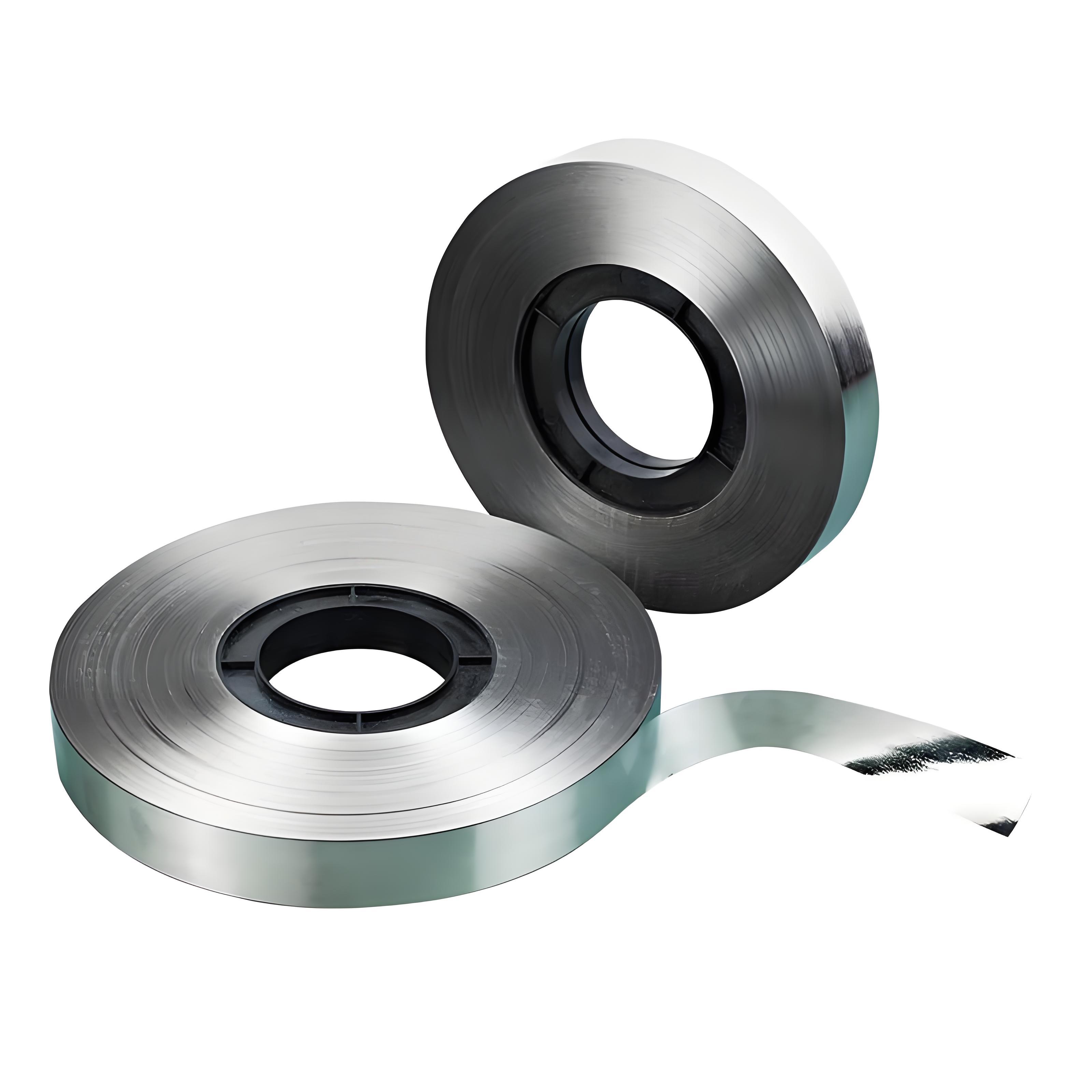
The processing of nanocrystalline cores combines metallurgical science with precision engineering to achieve grain structures measuring just nanometers in scale. This microscopic control translates into measurable advantages: lower core losses, higher saturation flux density, improved temperature stability, and better overall magnetic efficiency compared to traditional silicon steel or amorphous materials. The entire production workflow—from raw material selection through final quality verification—requires expertise, specialized equipment, and rigorous process discipline to ensure every batch meets the demanding specifications required by modern power electronics.
Raw Material Selection and Preparation for Nanocrystalline Cores
Iron-Based Alloy Composition and Quality Standards
The foundation of high-performance nanocrystalline cores begins with carefully selected iron-based alloy powders or ribbon precursors. These nanocrystalline cores require raw materials with precise elemental ratios, typically iron combined with silicon, boron, and other alloying elements that promote the formation of nanoscale grain structures. Manufacturers source these materials from specialized suppliers who maintain strict quality controls on purity, particle size distribution, and chemical composition. Even minor impurities can compromise the final properties of nanocrystalline cores, so incoming material inspection is non-negotiable in professional manufacturing environments.
Initial Processing and Consolidation Steps
Before nanocrystalline cores can be formed into usable shapes, raw materials must undergo consolidation or compaction processes. When starting with powdered precursors, compaction under controlled pressure creates the foundational structure that will become nanocrystalline cores. When working with ribbon-form starting materials, the preparation focuses on stacking and organizing the material for subsequent heat treatment. These early preparation steps establish the baseline microstructure and density that subsequent processing will refine. The quality and consistency of this consolidation stage directly influence how uniformly the nanocrystalline cores will develop their final crystalline structure.
Heat Treatment and Crystallization Protocols for Nanocrystalline Cores
Controlled Annealing to Achieve Nanocrystalline Structure
The most critical step in processing nanocrystalline cores is the controlled annealing process, which transforms the precursor material into the desired nanocrystalline microstructure. During this phase, the material is heated to specific temperatures, typically in the 550–600°C range, within a carefully controlled atmosphere to prevent oxidation. At these temperatures, the amorphous or partially crystalline precursor material undergoes controlled crystallization, with grain growth precisely limited to the nanoscale range by the deliberate addition of grain-growth inhibitors during the initial alloy formulation. This annealing process is what truly defines nanocrystalline cores and determines their final magnetic characteristics.
Temperature Profiles and Duration Optimization
The specific temperature profile during annealing of nanocrystalline cores is not arbitrary—it follows carefully engineered curves that balance crystallization speed with grain size control. Professional nanocrystalline cores producers use multi-stage heating and cooling protocols, sometimes extending over several hours, to ensure uniform transformation throughout the material cross-section. Faster heating may cause surface crystallization to outpace interior transformation, creating undesirable grain-size variations that degrade magnetic properties. Slower, more carefully controlled heating allows uniform nanocrystal formation throughout the nanocrystalline cores, resulting in consistent performance.
Forming, Winding, and Final Processing of Nanocrystalline Cores
Core Shaping and Dimensional Precision
Once the nanocrystalline cores achieve their optimal crystalline structure through annealing, they must be shaped into the final geometric form required for their application. Standard forms for nanocrystalline cores include toroidal shapes, C-cores, and stacked laminations, each produced through specialized cutting, grinding, or stacking processes. Dimensional accuracy is critical because nanocrystalline cores must fit precisely into electromagnetic designs and transformer assemblies. Any deviation in outer diameter, inner diameter, height, or cross-sectional area can alter the magnetic pathway and reduce the effectiveness of the nanocrystalline cores in their intended application.
Winding, Insulation, and Quality Assurance Verification
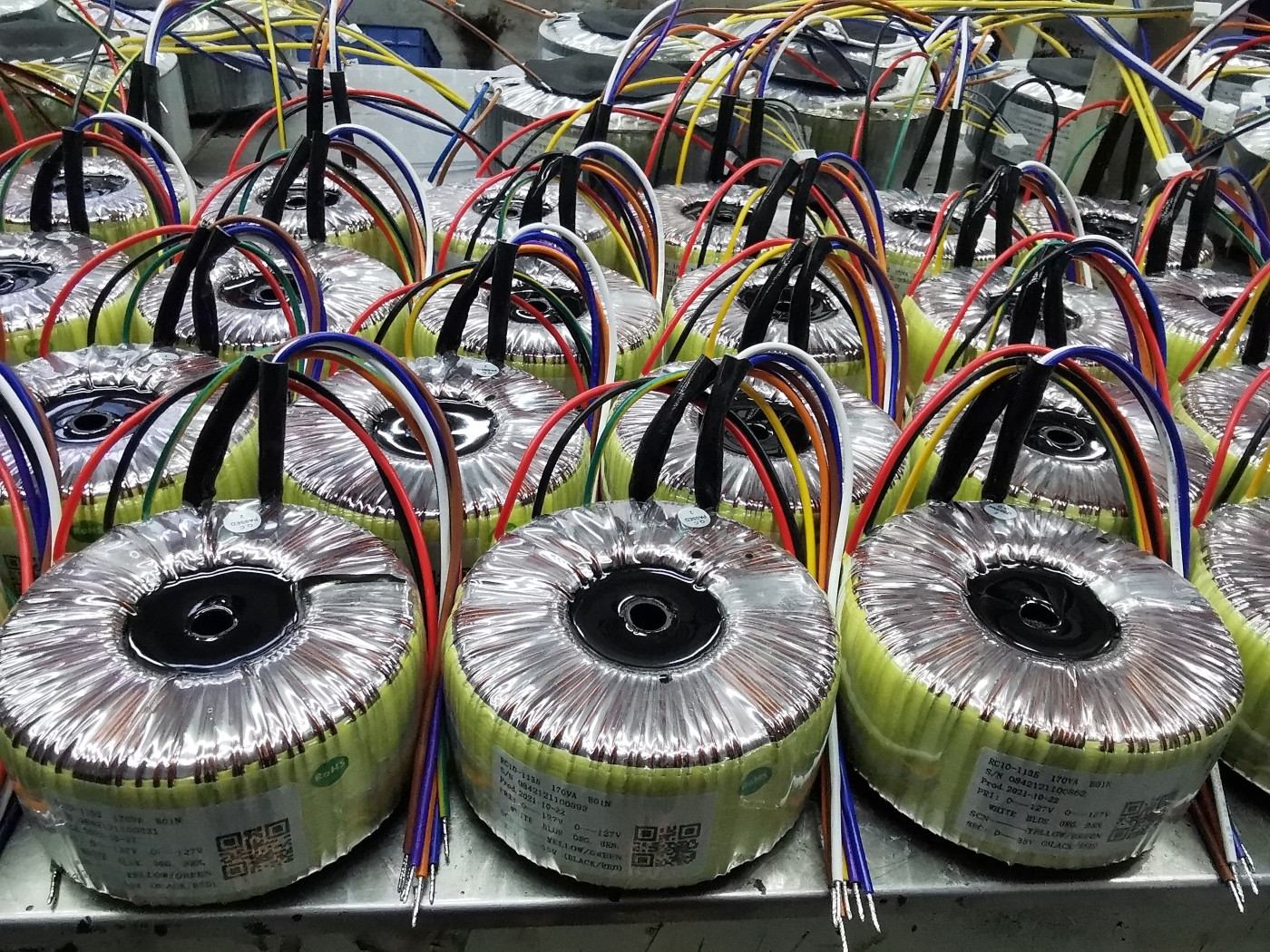
For nanocrystalline cores destined for transformer or reactor applications, wire winding onto the shaped cores follows the forming stage. This winding must be mechanically precise and electrically sound, with proper insulation spacing to prevent short circuits and ensure safe operation at design voltages. After winding, nanocrystalline cores undergo comprehensive testing including magnetic property measurements, losses testing at rated frequencies, temperature rise evaluation, and electrical insulation checks. These verification steps confirm that the finished nanocrystalline cores meet design specifications and are ready for field deployment. Any nanocrystalline cores failing to meet established quality criteria are rejected to maintain system reliability.
Advanced Process Control and Performance Optimization of Nanocrystalline Cores
Magnetic Property Stabilization Through Secondary Heat Treatment
High-performance nanocrystalline cores often undergo carefully controlled stress-relief or secondary annealing steps to optimize and stabilize their magnetic properties. This follow-up treatment at lower temperatures helps relieve mechanical stress introduced during core forming and winding, which can otherwise degrade permeability and increase core losses. The specific nanocrystalline cores thermal profile for these treatments varies depending on the precise alloy composition and the targeted performance characteristics. Manufacturers who invest in this additional processing step typically achieve superior temperature stability and lower noise characteristics in their nanocrystalline cores across the full operating temperature range.
Process Monitoring and Data-Driven Refinement
Leading manufacturers of nanocrystalline cores employ sophisticated process monitoring systems that track temperature profiles, atmosphere composition, heating rates, and cooling schedules in real time. This data collection enables rapid identification of deviations that could compromise the quality of nanocrystalline cores before they progress to expensive finishing steps. Advanced producers also use statistical analysis to continuously refine their processing parameters, ensuring that each generation of nanocrystalline cores provides marginal improvements in permeability, loss characteristics, or cost efficiency. This commitment to process discipline and continuous improvement distinguishes premium-quality nanocrystalline cores from basic commodity offerings.
FAQ
What temperature range is optimal for processing nanocrystalline cores?
The primary annealing temperature for nanocrystalline cores typically falls between 550–600°C, though the exact temperature depends on the specific alloy composition and desired final properties. Some advanced nanocrystalline cores formulations use slightly different ranges. The critical factor is maintaining tight temperature control within a narrow band, because variations of just 10–20°C can significantly affect grain growth and final magnetic performance of nanocrystalline cores.
How do grain-growth inhibitors improve nanocrystalline cores quality?
Grain-growth inhibitors are alloying elements deliberately incorporated into the base material during initial formulation of nanocrystalline cores. During the annealing phase, these inhibitors form boundary phases that physically prevent grain boundaries from migrating and enlarging. This mechanism keeps grain sizes locked in the nanometer range throughout the entire nanocrystalline cores volume. Without these inhibitors, crystal grains would grow much larger during heating, destroying the special properties that make nanocrystalline cores valuable.
Why is post-processing quality testing essential for nanocrystalline cores?
Quality testing of finished nanocrystalline cores verifies that all processing steps achieved their intended results and that the final product performs as designed. Tests measure permeability, core loss, saturation flux density, and temperature coefficients to confirm nanocrystalline cores meet electromagnetic specifications. This testing catches any processing deviations early, preventing defective nanocrystalline cores from entering systems where they could cause equipment failures, reduced efficiency, or increased operating costs for end users.