EN
EN

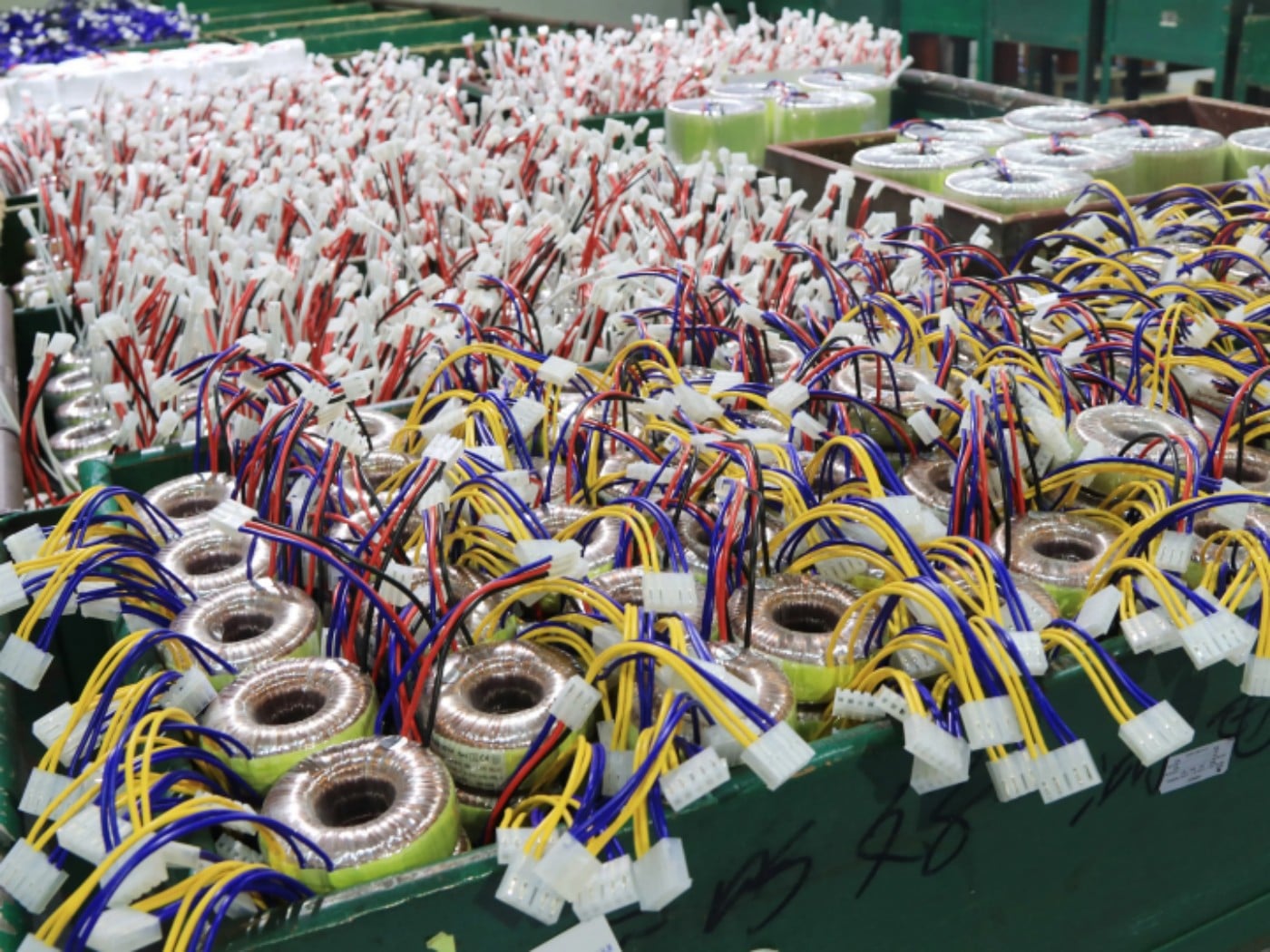
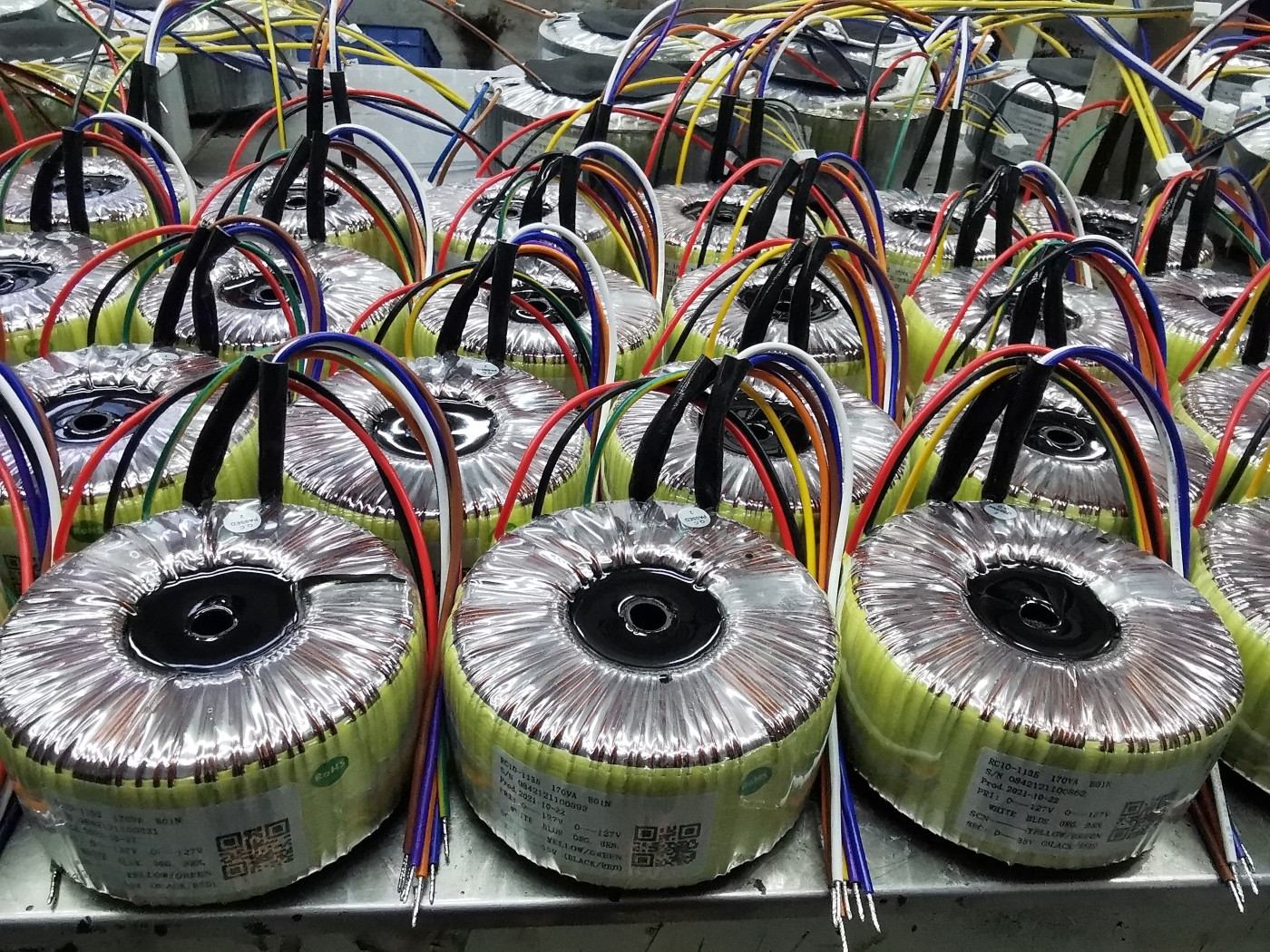
Transformer manufacturers face intense pressure to deliver products that meet strict electrical, safety, and performance standards across global markets. The process of ensuring consistent quality and performance is not a single checkpoint but rather a comprehensive system spanning design validation, materials sourcing, manufacturing controls, and rigorous testing protocols. Transformer manufacturers invest significantly in infrastructure and expertise to guarantee that every unit leaving their facility operates reliably under demanding industrial conditions.
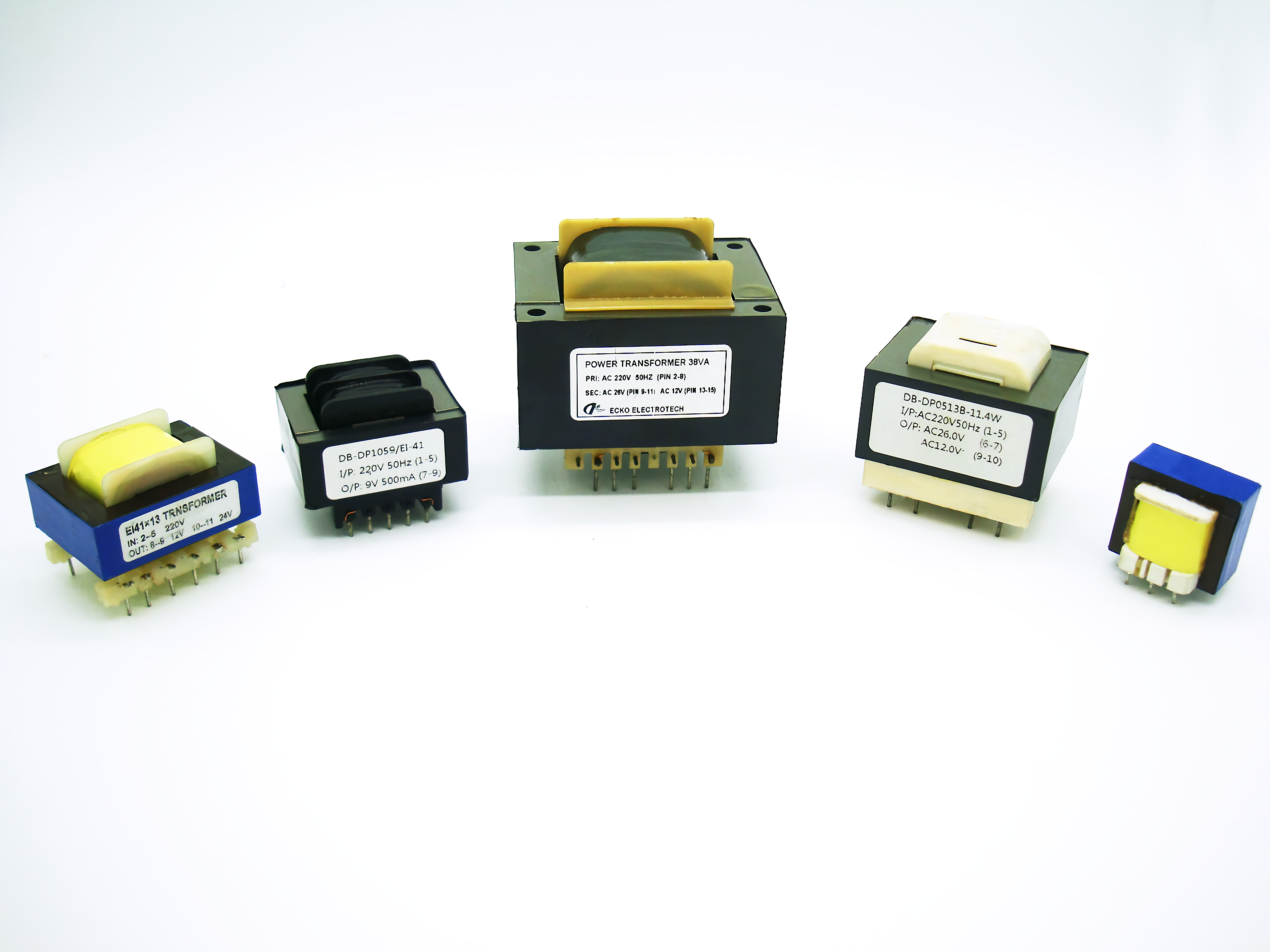
Understanding how transformer manufacturers achieve these standards reveals the depth of engineering discipline required in the industry. From the moment raw materials arrive at the facility to the final quality audit before shipment, transformer manufacturers implement layered verification systems that detect and prevent defects before products reach customers. This commitment to excellence protects downstream equipment, ensures regulatory compliance, and builds trust with industrial buyers worldwide.
Design Validation and Standards Compliance
Engineering Standards and Specification Development
Transformer manufacturers begin their quality assurance process long before production starts, during the design phase. Leading transformer manufacturers reference international standards such as IEC 61378 for high-voltage transformers, IEC 60076 for power transformers, and IEEE C57.12.00 for general requirements. These standards define electrical performance, thermal limits, insulation levels, and safety margins that transformers must satisfy. Transformer manufacturers employ specialized engineering teams that translate these standards into detailed design specifications, material lists, and manufacturing procedures tailored to each product family.
Design validation by transformer manufacturers includes computational modeling, thermal simulation, and electromagnetic analysis before a single prototype is built. Advanced finite element analysis allows transformer manufacturers to predict heat distribution, stress concentration, and dielectric field patterns under normal and fault conditions. This computational rigor reduces the likelihood of field failures and accelerates the path to compliance. Transformer manufacturers also conduct design reviews involving multiple disciplines—electrical engineers, thermal specialists, materials scientists, and safety experts—to challenge assumptions and identify risks early.
Prototype Testing and Certification
Once a design passes computational validation, transformer manufacturers construct prototypes for physical testing. Prototype evaluation by transformer manufacturers includes full dielectric withstand tests, insulation resistance measurements, and thermal cycling under rated load conditions. These tests verify that the design performs as predicted and that materials behave consistently across expected temperature ranges. Transformer manufacturers typically operate test facilities equipped with high-voltage power sources, temperature chambers, and specialized instrumentation to collect precise performance data.
Transformer manufacturers pursuing third-party certifications work with recognized testing laboratories and regulatory bodies to validate designs against regional requirements. Products destined for European markets undergo testing for CE marking compliance, while transformers for North American industrial use must meet UL or CSA standards. Transformer manufacturers maintain detailed documentation of all prototype test results, deviations, and corrective actions taken, creating a traceability record that supports compliance claims and facilitates future audits.
Materials Quality and Supply Chain Management
Incoming Material Verification
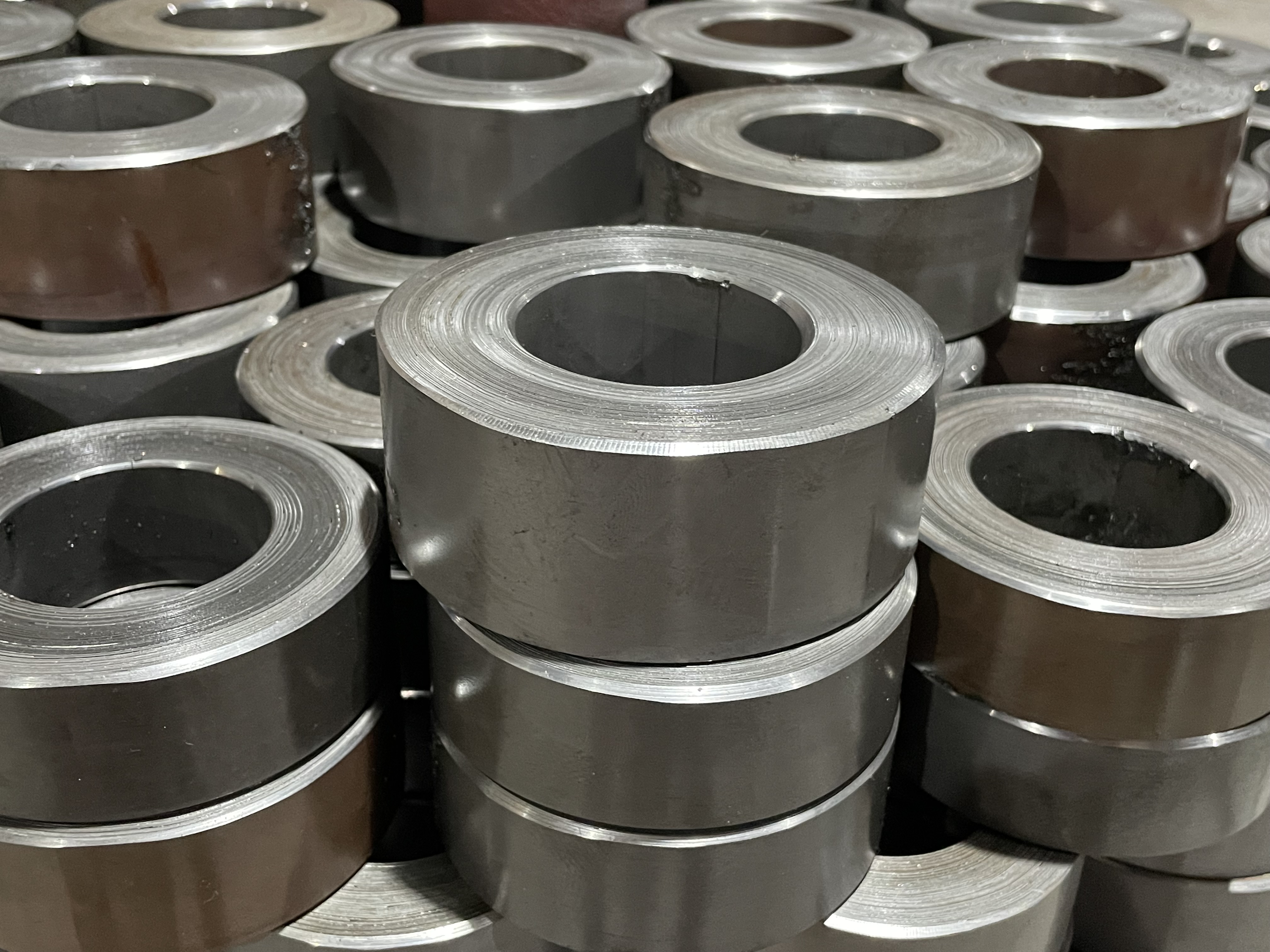
Quality assurance in transformer manufacturers begins with rigorous incoming material inspection. Transformer manufacturers specify material grades, chemical composition, and mechanical properties for every component—copper windings, steel laminations, insulating paper, transformer oil, and fasteners. Upon arrival at the facility, transformer manufacturers conduct chemical analysis, dimensional verification, and performance sampling on incoming materials. Copper samples are tested for tensile strength and electrical conductivity; steel laminations are evaluated for core loss and permeability; insulation materials undergo dielectric breakdown testing.
Transformer manufacturers maintain qualified supplier lists and establish long-term relationships with material vendors who consistently meet specifications. Regular supplier audits conducted by transformer manufacturers verify that vendors maintain their own quality systems and maintain traceability of raw materials. This approach reduces variability and defect rates at the source. Transformer manufacturers also implement material certification requirements, demanding that suppliers provide mill certs, test reports, and traceability documentation for critical components like high-grade copper and specialized insulating oils.
Storage and Handling Protocols
Even superior materials can degrade if stored or handled improperly, which is why transformer manufacturers implement strict environmental controls. Insulating paper and transformer oil are hygroscopic—they absorb moisture from air—and transformer manufacturers protect these materials in sealed, climate-controlled storage. Transformer manufacturers monitor humidity levels, temperature stability, and storage duration to prevent moisture ingress and chemical degradation. Copper windings are stored in dry, dust-free environments to prevent oxidation; laminations are protected from corrosion through appropriate coating or oil storage methods.
Transformer manufacturers document the chain of custody for all materials, recording dates received, storage conditions, usage timing, and lot numbers. This comprehensive tracking enables transformer manufacturers to conduct rapid root-cause investigations if field issues emerge. Should a particular batch of components show signs of defect, transformer manufacturers can identify exactly which finished transformers contain that material and implement targeted corrective action or customer notifications.
Manufacturing Process Control and Testing
Production Line Standardization
Transformer manufacturers establish standardized work instructions and process parameters for every manufacturing stage. Winding operations by transformer manufacturers are controlled with precise tension settings, layer counts, and wire gauge specifications. Transformer manufacturers use automated winding equipment that maintains consistent lead geometry and ensures that insulation layers between wire conductors meet minimum thickness requirements. Process parameters are documented and regularly calibrated; transformer manufacturers track tool wear, machine drift, and environmental conditions that could affect product consistency.
Core lamination stacking by transformer manufacturers follows defined sequences and compression specifications to minimize air gaps and ensure uniform magnetic flux distribution. Transformer manufacturers implement visual inspection checkpoints and use automated edge detection to verify lamination alignment. Bolting, welding, and mechanical assembly work by transformer manufacturers is governed by detailed procedures that specify torque values, joint preparation, and acceptance criteria. Transformer manufacturers employ certified technicians trained in these procedures and conduct periodic skill validation to maintain workforce competence.
In-Process and Final Quality Testing
Transformer manufacturers perform electrical tests at multiple production stages to catch defects before they propagate through assembly. After primary and secondary winding completion, transformer manufacturers measure insulation resistance using high-voltage megohmeters; values must exceed specification minimums to confirm proper winding quality and absence of contamination. Transformer manufacturers conduct continuity tests on all electrical connections before core assembly to verify circuit integrity. After transformer oil filling and vacuum processing, transformer manufacturers perform breakdown voltage tests on samples from each production batch to ensure oil purity and insulation system integrity.
Final quality evaluation by transformer manufacturers includes comprehensive testing protocols similar to prototype validation. Each completed transformer undergoes no-load loss measurement, impedance testing at full load, thermal performance verification, and dielectric withstand testing according to applicable standards. Transformer manufacturers document all test results in a quality certificate accompanying each unit. Should any test result fall outside specification, transformer manufacturers implement hold procedures, investigate root cause, and determine whether rework, scrap, or customer notification is appropriate.
Continuous Improvement and Performance Monitoring
Field Performance Data and Feedback Loops
Sophisticated transformer manufacturers extend their quality systems beyond the factory by collecting field performance data from installed units. Transformer manufacturers implement customer feedback mechanisms, failure reporting systems, and warranty claim analysis to identify emerging issues. When transformer manufacturers detect patterns indicating design weaknesses, material problems, or manufacturing drifts, they conduct failure investigations involving root-cause analysis and corrective action development. This field intelligence enables transformer manufacturers to refine designs, adjust process parameters, or implement additional inspections before quality issues become widespread.
Transformer manufacturers participate in industry forums, regulatory working groups, and standards development committees where they exchange lessons learned with peers and stay informed of emerging best practices. This collaborative environment helps transformer manufacturers anticipate regulatory changes, understand evolving customer requirements, and adopt innovations that enhance reliability and performance. transformer manufacturers that excel in this domain treat quality not as a compliance burden but as a strategic differentiator that builds market reputation and customer loyalty.
Documentation and Traceability Systems
Transformer manufacturers maintain comprehensive documentation systems that create complete traceability from raw materials through finished product to field deployment. Serial numbers, lot codes, test data, certificate of compliance documents, and manufacturing work records are preserved for periods spanning the expected transformer lifetime, often 20–40 years. This traceability enables transformer manufacturers to support warranty claims, conduct recall investigations, and demonstrate compliance during customer audits. Digital systems increasingly used by transformer manufacturers store this information securely and allow rapid retrieval when needed.
Transformer manufacturers recognize that quality is not achieved through isolated inspection but through disciplined system design and continuous vigilance. By embedding quality considerations into every stage from specification through delivery and beyond, transformer manufacturers deliver products that perform reliably in critical applications and meet the evolving demands of modern industrial infrastructure.
FAQ
What specific tests do transformer manufacturers perform to ensure product reliability?
Transformer manufacturers conduct insulation resistance testing, dielectric breakdown testing, no-load and full-load loss measurement, impedance testing, thermal performance evaluation under rated conditions, and acoustic noise verification. Additionally, transformer manufacturers perform pressure relief valve testing, bushing integrity checks, and oil quality analysis. Each test validates a specific aspect of performance and safety, and results are documented to create a comprehensive quality record for every transformer unit manufactured.
How do transformer manufacturers verify compliance with international standards?
Transformer manufacturers design products to meet applicable standards such as IEC 61378, IEC 60076, and IEEE C57.12.00 by incorporating their requirements into design specifications from the outset. Transformer manufacturers conduct design reviews, prototype testing, and final product verification against standard requirements. Many transformer manufacturers engage independent third-party testing laboratories to validate compliance and issue certificates. Transformer manufacturers maintain ongoing relationships with standards bodies and regularly review updates to ensure their processes remain aligned with evolving requirements.
Can transformer manufacturers trace individual units to their source materials?
Yes, leading transformer manufacturers implement comprehensive traceability systems that link each finished transformer to its component materials, manufacturing location, production date, and test results. Serial numbers or lot codes provide the key to accessing detailed documentation. Transformer manufacturers maintain this traceability for decades, enabling rapid response to field issues, warranty claims, or regulatory investigations. This capability is critical for transformers deployed in safety-critical applications and is increasingly required by major industrial customers and regulatory agencies.