EN
EN

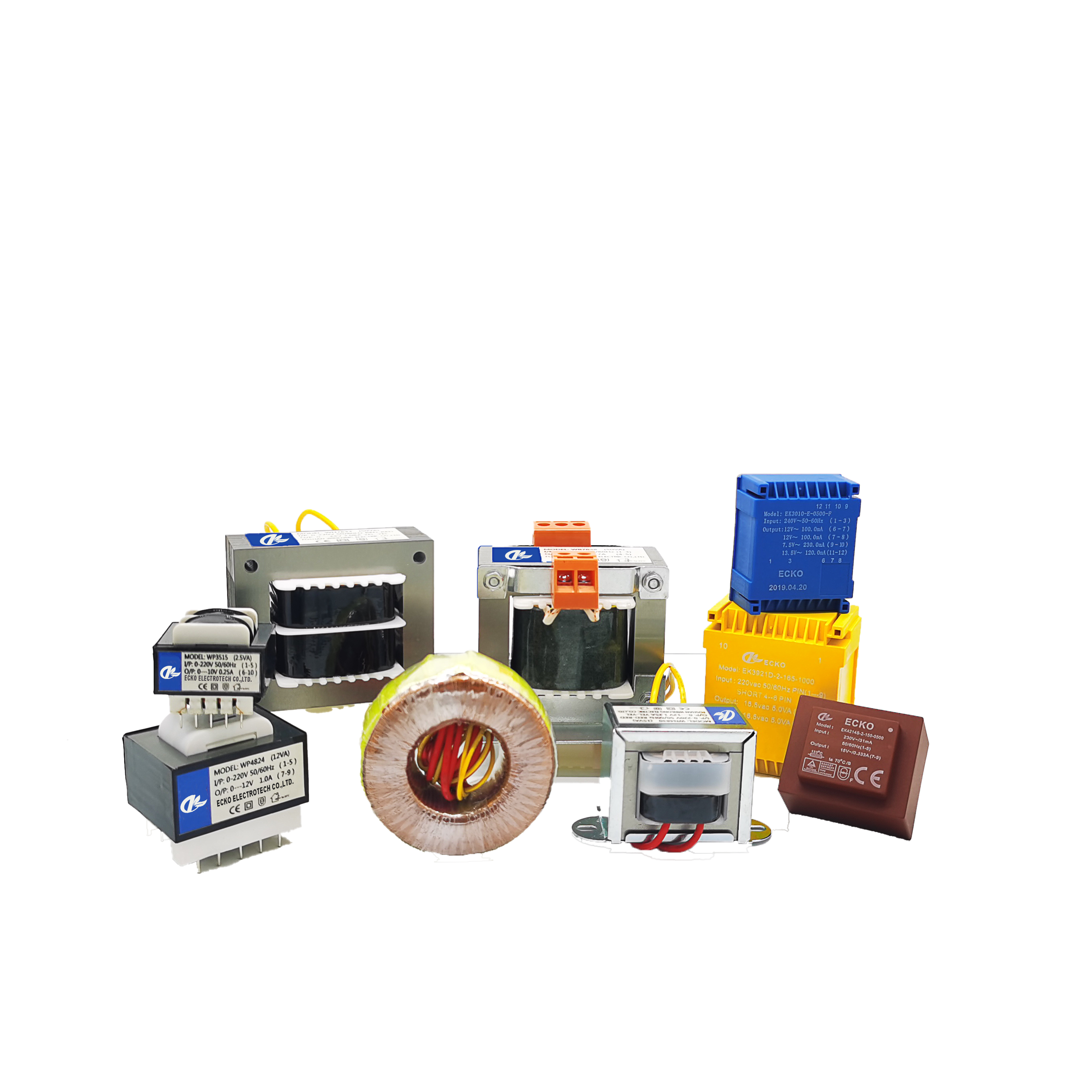
Across industries where standard electrical components simply cannot deliver the precision, safety, or performance required, custom transformers have become an essential engineering solution. Whether the application involves sensitive medical instrumentation, high-frequency industrial automation, or audiophile-grade audio systems, off-the-shelf transformer designs often fall short of the exacting specifications that specialized environments demand. The ability to engineer a transformer from the ground up — tailored to a specific voltage ratio, frequency range, thermal profile, or physical footprint — is what separates a reliable system from one that underperforms or fails prematurely.
Understanding how custom transformers address the unique demands of different industries requires looking beyond basic electrical theory. It means examining the specific challenges each sector faces — from electromagnetic interference in medical devices to voltage stability in industrial machinery — and recognizing how a purpose-built transformer design directly resolves those challenges. This article explores the mechanisms, design considerations, and industry-specific applications that make custom transformers not just a preference, but often a necessity for specialized operations.
Why Standard Transformers Fall Short in Specialized Applications
The Limitations of One-Size-Fits-All Designs
Standard transformers are engineered to serve broad, general-purpose applications. They are optimized for cost efficiency and mass production, which means their specifications represent a compromise across many use cases rather than a precise fit for any single one. When an application demands a very specific output voltage, an unusually tight regulation tolerance, or a compact form factor that fits within a constrained enclosure, standard designs quickly reveal their limitations.
In industrial environments, for example, machinery may require a transformer that operates reliably under continuous high-load conditions while maintaining thermal stability within a sealed cabinet. A standard unit may meet the voltage requirement but generate excess heat or introduce noise that disrupts nearby control electronics. These are not minor inconveniences — they can translate directly into equipment downtime, safety risks, and costly maintenance cycles.
Custom transformers solve this by allowing engineers to specify every relevant parameter from the outset. Core material, winding configuration, insulation class, shielding, and mounting style can all be defined to match the exact operating environment. The result is a component that integrates seamlessly rather than one that requires workarounds or compromises elsewhere in the system design.
Regulatory and Safety Compliance Pressures
Many specialized industries operate under strict regulatory frameworks that govern the electrical components used in their equipment. Medical devices, for instance, must comply with standards such as IEC 60601, which imposes rigorous requirements on patient leakage current, dielectric strength, and isolation levels. A standard transformer is rarely certified to these standards, and retrofitting one to comply is often impractical or impossible.
Custom transformers can be designed and tested specifically to meet the required certifications from the beginning of the development process. This proactive approach to compliance reduces the risk of costly redesigns late in the product development cycle and ensures that the final system can be brought to market without regulatory delays. For industries where certification is non-negotiable, this capability alone justifies the investment in a custom solution.
How Custom Transformers Are Engineered for Specific Industry Demands
Defining the Design Specification Process
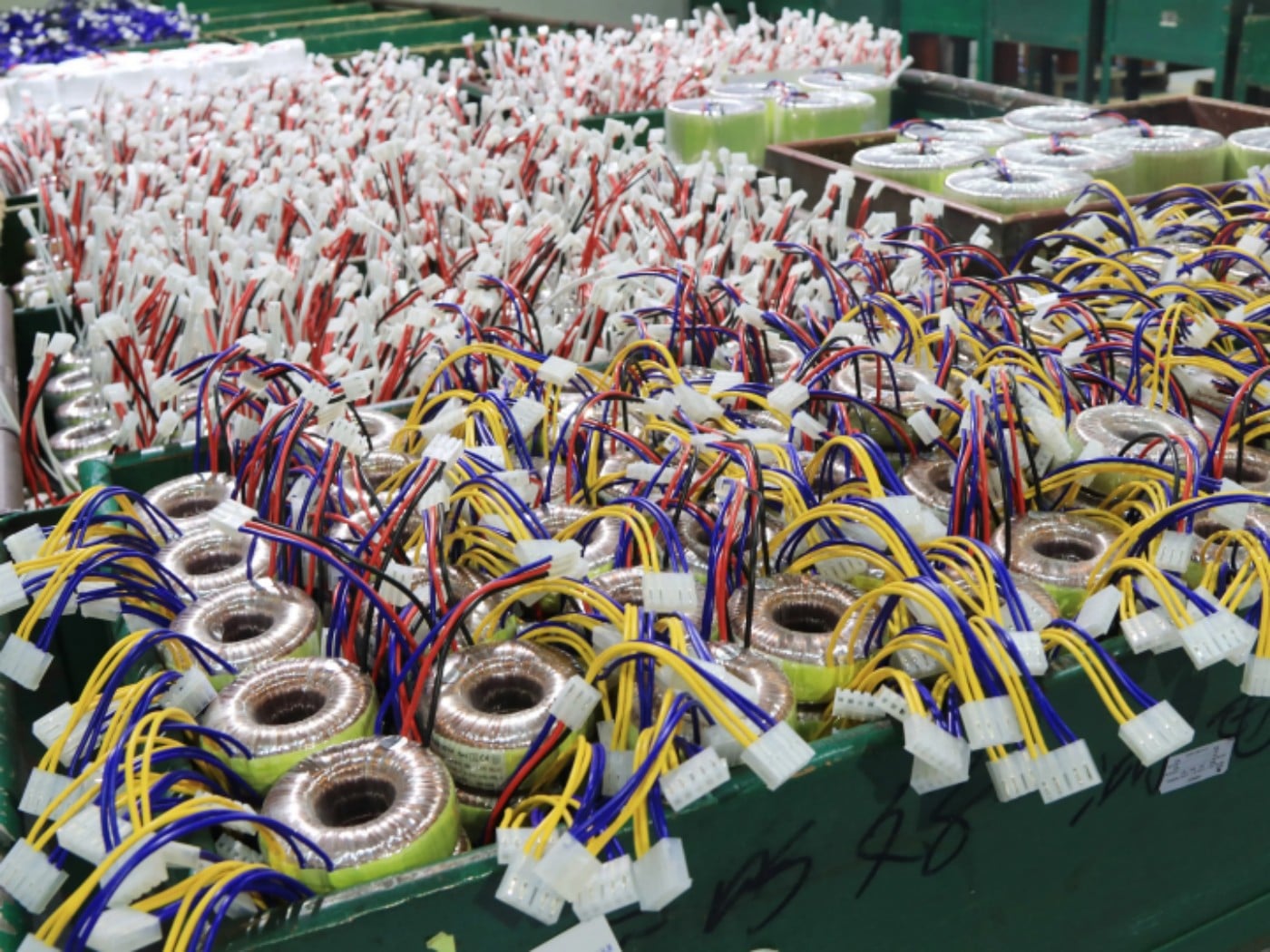
The engineering process for custom transformers begins with a detailed specification review between the customer and the transformer manufacturer. This conversation covers the electrical requirements — input and output voltages, current ratings, frequency, and power factor — as well as the environmental conditions the transformer will face. Temperature range, humidity exposure, vibration levels, and altitude can all influence the design choices that follow.
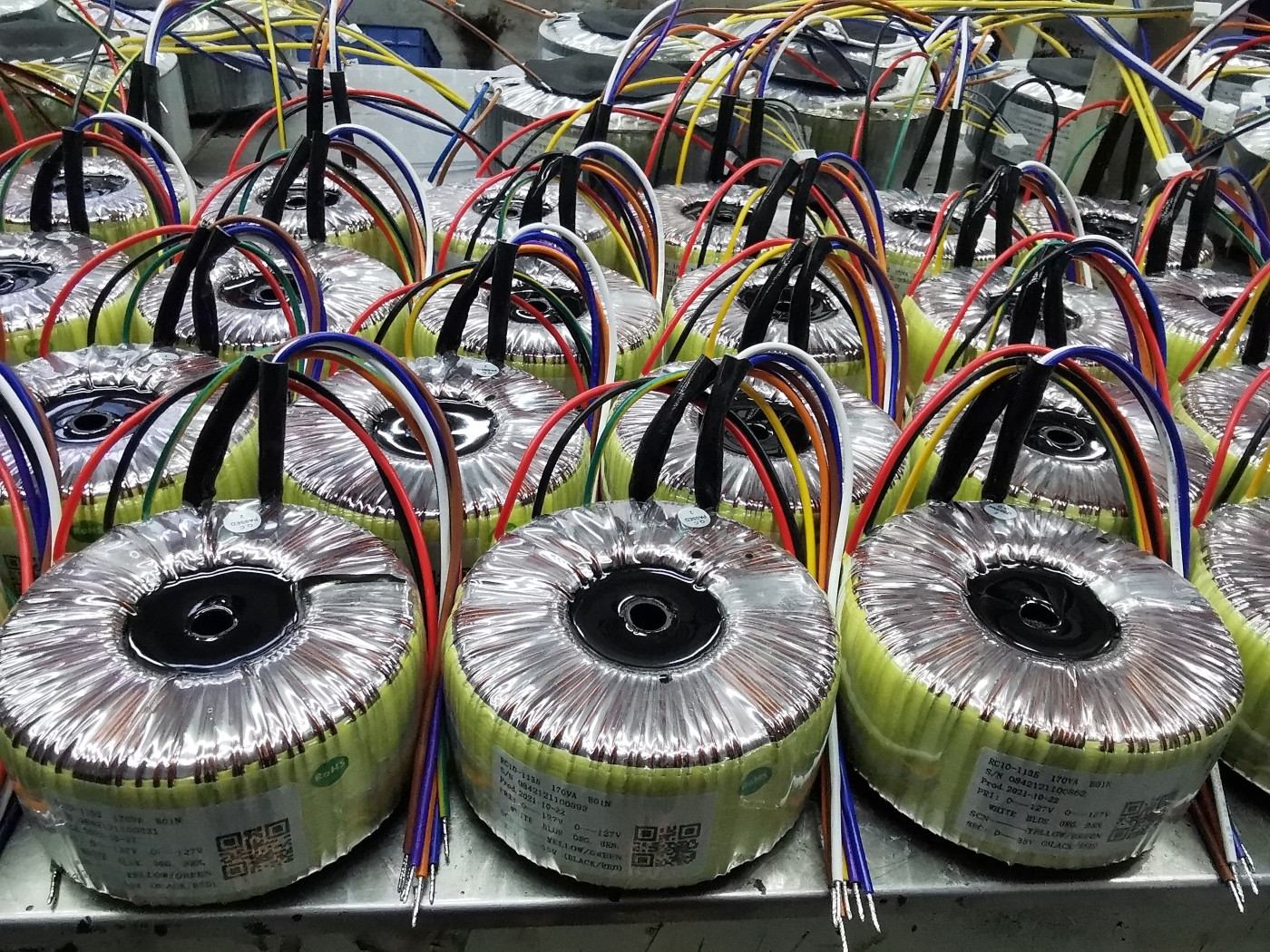
From these inputs, engineers select the appropriate core geometry and material. Toroidal cores, for example, are widely favored in applications where low electromagnetic interference and compact size are priorities. Their closed-loop geometry produces a tightly contained magnetic field, which significantly reduces radiated noise compared to traditional laminated E-I core designs. This makes toroidal-based custom transformers particularly well-suited for audio equipment and medical instrumentation where signal integrity is critical.
Winding design is equally important. The number of turns, wire gauge, winding sequence, and interlayer insulation all affect the transformer's regulation, leakage inductance, and thermal performance. Custom transformers allow these parameters to be optimized for the specific load profile of the application, rather than accepting the compromises built into a standard design.
Thermal Management and Efficiency Optimization
Heat is one of the primary failure mechanisms in transformer design. In industrial applications where transformers operate continuously at or near full load, thermal management is not an afterthought — it is a core design requirement. Custom transformers can be engineered with specific thermal class insulation materials, optimized winding geometries that reduce copper losses, and core materials selected for low hysteresis and eddy current losses at the operating frequency.
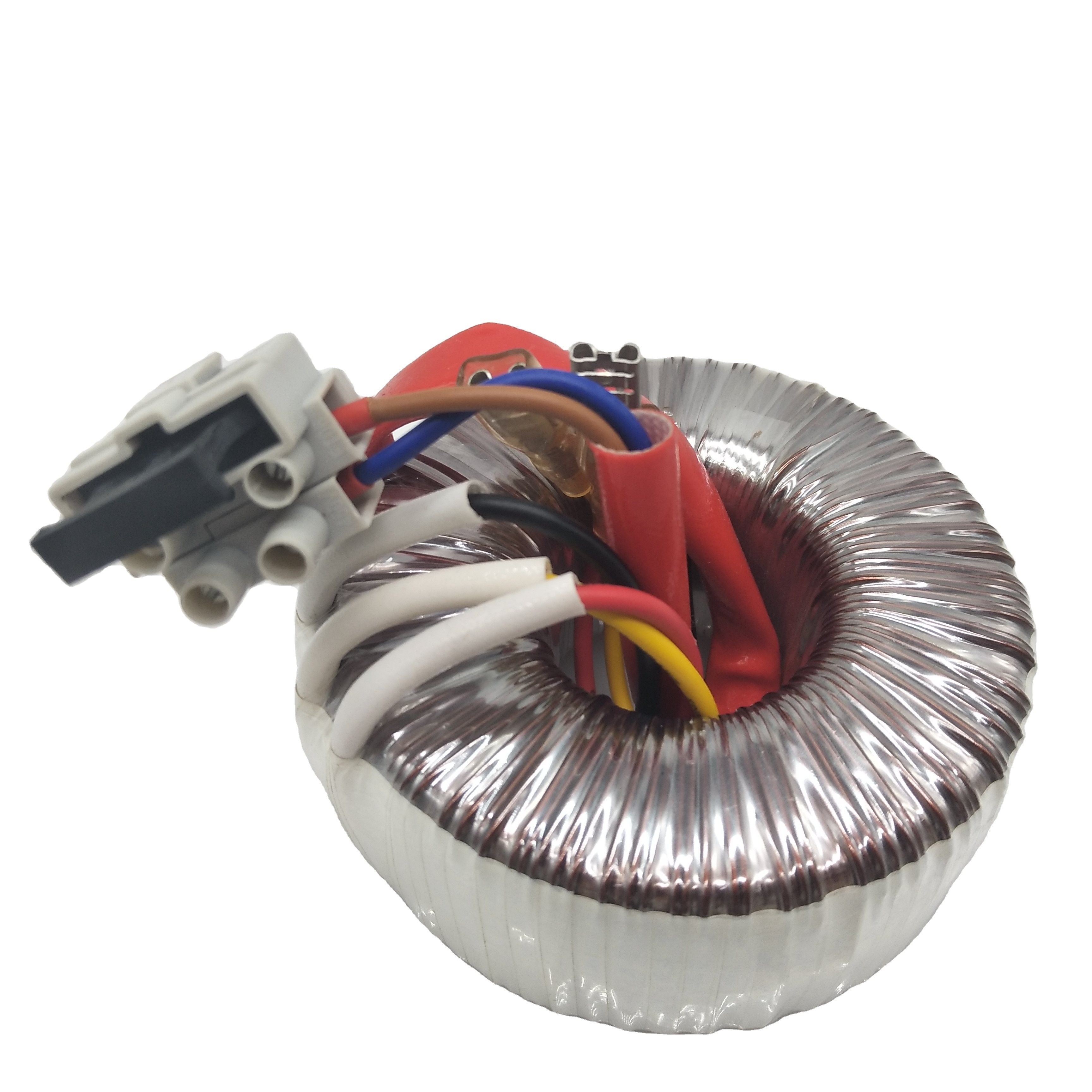
High-efficiency custom transformers designed for 50Hz and 60Hz operation can achieve significantly lower no-load and full-load losses compared to standard alternatives. This efficiency advantage has a direct impact on operating costs over the transformer's service life, particularly in applications where the unit runs continuously. For industrial and commercial operators focused on energy consumption and total cost of ownership, this is a compelling practical benefit.
In some applications, forced air cooling or potting in thermally conductive resin may be incorporated into the custom design to further enhance heat dissipation. These options are simply not available with standard catalog products, reinforcing why custom transformers are the preferred choice when thermal performance is a critical design constraint.
Industry-Specific Applications of Custom Transformers
Medical Equipment and Patient Safety
The medical industry places some of the most demanding requirements on electrical isolation and noise performance of any sector. Equipment used in patient care environments must provide robust galvanic isolation to protect patients from electrical hazards, while simultaneously delivering clean, stable power to sensitive diagnostic and therapeutic electronics. Custom transformers designed for medical applications incorporate reinforced insulation systems, electrostatic shields between primary and secondary windings, and construction techniques that minimize leakage current to levels well below regulatory thresholds.
Beyond safety, the noise performance of custom transformers in medical devices directly affects measurement accuracy. In imaging equipment, patient monitoring systems, and laboratory analyzers, even small amounts of transformer-induced noise can corrupt signals and compromise diagnostic reliability. A purpose-built custom transformer with carefully controlled interwinding capacitance and shielding can reduce common-mode noise to levels that standard designs cannot approach.
Industrial Automation and Power Control
Industrial automation systems often involve complex power distribution architectures where multiple voltage levels must be derived from a single supply, or where isolation is required between control circuits and high-power drive stages. Custom transformers in these environments are frequently designed as multi-winding units, providing several isolated output voltages from a single core assembly. This consolidation reduces component count, simplifies installation, and improves system reliability.
Voltage regulation is another critical parameter in industrial automation. Servo drives, programmable logic controllers, and precision motion systems are sensitive to supply voltage variations. Custom transformers can be wound with tighter regulation characteristics than standard units, ensuring that the output voltage remains stable across the full range of load conditions the system will encounter. This stability directly supports the consistent performance of the automation equipment it powers.
Audio and High-Fidelity Systems
In professional audio and high-fidelity consumer electronics, the transformer is often considered a critical determinant of overall system sound quality. Audio engineers specify custom transformers with extremely low flux density operation to minimize core saturation and the associated harmonic distortion. The toroidal form factor is particularly popular in this segment because its geometry inherently produces lower stray magnetic fields, reducing the risk of hum induction into nearby audio circuitry.
Custom transformers for audio applications are also specified with careful attention to the mechanical resonance characteristics of the core and winding assembly. Audible mechanical hum from a transformer operating at mains frequency can be a significant quality issue in quiet listening environments. By selecting appropriate core clamping methods, potting compounds, and mounting configurations, custom transformer designs can achieve near-silent mechanical operation that standard units rarely match.
Evaluating When a Custom Transformer Is the Right Choice
Signals That a Standard Design Will Not Suffice
Not every application requires custom transformers, but certain signals clearly indicate that a standard catalog product will not meet the need. If the required voltage ratio is non-standard, if the physical dimensions must fit within a constrained space that no catalog unit occupies, or if the application requires a specific certification that standard products do not carry, the case for a custom solution becomes straightforward.
Similarly, if the operating environment involves unusual temperature extremes, exposure to moisture or chemicals, or continuous operation at high load factors, the thermal and insulation requirements may exceed what standard transformers are rated for. In these cases, attempting to use a standard unit often results in premature failure, warranty claims, and the reputational and financial costs that follow. Investing in custom transformers from the outset is the more economical decision when viewed across the full product lifecycle.
Balancing Cost Against Performance and Risk
A common concern when considering custom transformers is the perception that they carry a significant cost premium over standard alternatives. While the unit cost of a custom design is typically higher than a mass-produced catalog product, this comparison is incomplete without accounting for the costs of system integration, compliance testing, field failures, and redesign cycles that can result from forcing a standard component into a specialized application.
For products manufactured in meaningful volumes, the per-unit cost of custom transformers often becomes competitive once tooling and setup costs are amortized. More importantly, the performance, reliability, and compliance benefits of a purpose-built design frequently deliver measurable value that far exceeds the incremental cost difference. Engineers and procurement professionals who evaluate custom transformers on a total cost of ownership basis consistently find the investment justified in specialized applications.
FAQ
What industries benefit most from custom transformers?
Industries with the most to gain from custom transformers include medical device manufacturing, industrial automation, professional audio, telecommunications, aerospace, and renewable energy systems. These sectors share a common need for precise electrical performance, specific certification compliance, or operating conditions that standard transformer designs cannot reliably accommodate. Any application where voltage accuracy, isolation quality, noise performance, or physical form factor is critical is a strong candidate for a custom solution.
How long does it typically take to develop a custom transformer?
Development timelines for custom transformers vary depending on the complexity of the specification and the manufacturer's production schedule. Simple custom designs with straightforward specifications can often be prototyped within two to four weeks. More complex designs involving specialized materials, multi-winding configurations, or certification testing may require eight to sixteen weeks from specification approval to first article delivery. Early engagement with the transformer manufacturer during the product design phase is the most effective way to minimize lead time impact on the overall project schedule.
Can custom transformers be designed to meet multiple international standards simultaneously?
Yes, custom transformers can be engineered to comply with multiple international standards within a single design. For products intended for global markets, it is common to specify compliance with standards such as UL, CE, IEC, and CSA concurrently. The transformer manufacturer works with the customer to identify the most stringent requirements across all target standards and designs the unit to satisfy all of them. This approach avoids the need for separate transformer variants for different regional markets, simplifying supply chain management and reducing inventory complexity.
What information is needed to request a custom transformer quotation?
To obtain an accurate quotation for custom transformers, manufacturers typically require the input voltage and frequency range, all required output voltages and current ratings, the required regulation tolerance, the operating temperature range, any applicable safety certifications, the physical size constraints or preferred mounting configuration, and the anticipated annual volume. Providing as much detail as possible at the inquiry stage allows the manufacturer to propose the most appropriate design and deliver a precise cost estimate without requiring multiple rounds of clarification.