EN
EN

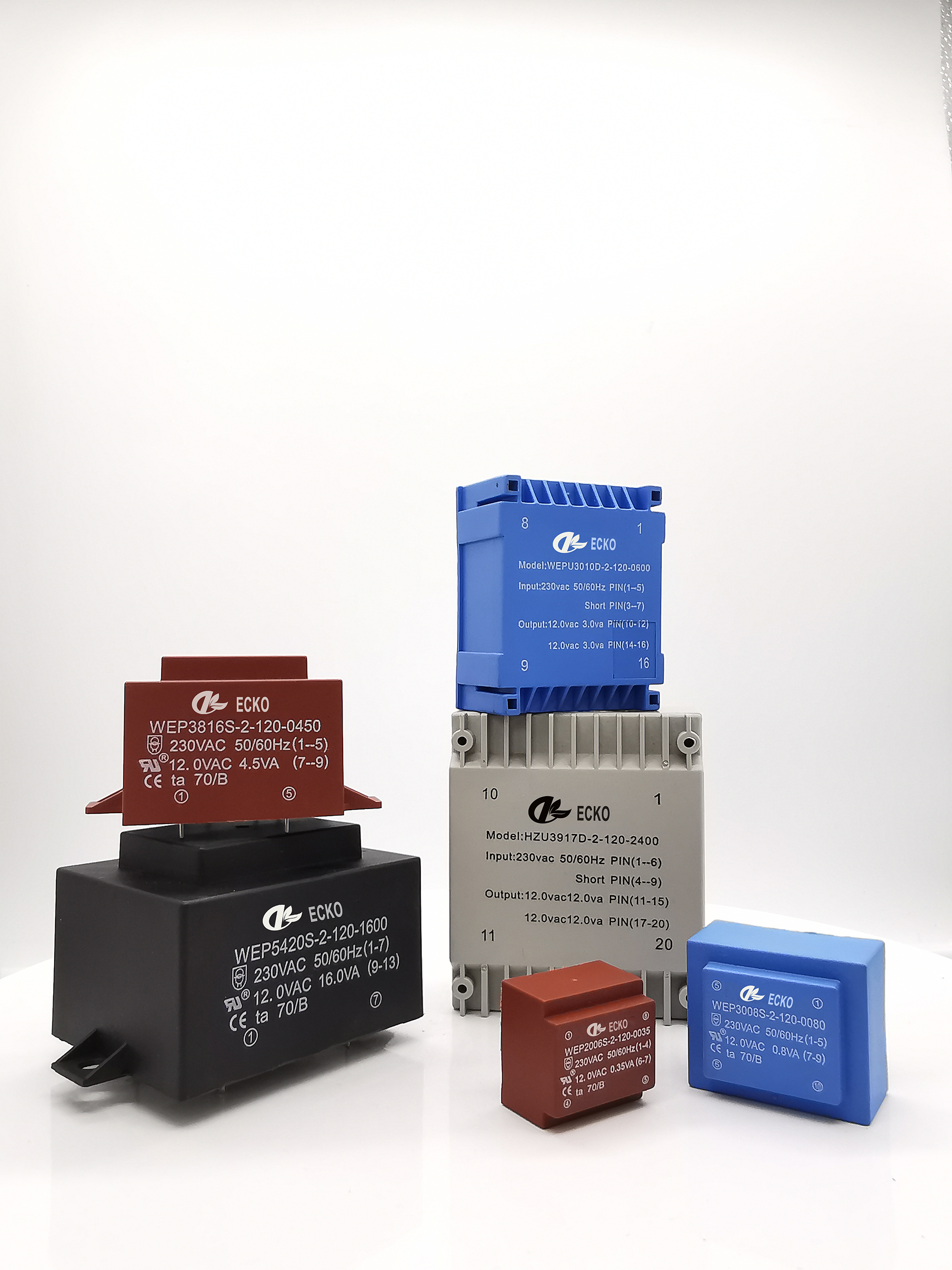
In every corner of modern infrastructure — from hospitals and data centers to manufacturing plants and residential grids — transformers operate silently as the backbone of reliable power delivery. These devices are not optional additions to an electrical system; they are foundational components that make it possible to transmit, distribute, and utilize electrical energy safely and efficiently. Understanding why transformers hold such a critical position in modern electrical systems requires looking at both the physics they exploit and the practical demands they meet across industries every single day.
The role of transformers has only grown more significant as electrical systems have become more complex. Modern facilities demand precise voltage levels, clean power quality, and protection against electrical faults — all of which depend on well-engineered transformers. Whether stepping voltage up for long-distance transmission or stepping it down for safe equipment operation, transformers are the devices that make these transitions possible without significant energy loss or system instability.
The Fundamental Role of Transformers in Power Transmission
Voltage Conversion Across Long Distances
One of the primary reasons transformers are indispensable is their ability to change voltage levels with high efficiency. When electrical power is generated at a power station, it is produced at relatively moderate voltages. Transmitting that power across hundreds of kilometers at those voltages would result in enormous resistive losses in the cables. Transformers solve this by stepping voltage up to very high levels — sometimes hundreds of thousands of volts — which dramatically reduces current and therefore reduces energy lost as heat during transmission.
At the receiving end of the transmission network, another set of transformers steps the voltage back down to levels suitable for regional distribution. This two-stage process — step-up at the source, step-down at the destination — is only possible because of the electromagnetic induction principle that transformers rely on. Without this capability, the economics and physics of long-distance power delivery would be entirely unworkable.
This voltage conversion function is not limited to utility-scale grids. Industrial facilities, commercial buildings, and specialized equipment all require transformers to receive power at the correct voltage for their specific loads. The ability to tailor voltage levels precisely is what allows a single incoming supply to serve dozens of different systems operating at different voltage requirements.
Electrical Isolation and System Safety
Transformers also provide galvanic isolation between circuits, which is a critical safety function in many applications. By magnetically coupling two circuits without a direct electrical connection, transformers prevent fault currents, ground loops, and dangerous voltage potentials from propagating between systems. This isolation is especially important in medical environments, where patient safety depends on eliminating any risk of electrical shock through connected equipment.
In industrial settings, isolation transformers protect sensitive control systems from the electrical noise generated by heavy machinery. The separation they provide between the power supply and the load means that transient spikes, harmonics, and interference on one side do not corrupt the operation of equipment on the other. This makes transformers essential not just for voltage conversion but for maintaining the integrity of the entire electrical environment.
Why Transformers Are Critical in Industrial and Commercial Applications
Supporting Diverse Load Requirements
Modern industrial facilities operate a wide range of equipment — motors, drives, control panels, lighting systems, and precision instruments — each with different voltage and power quality requirements. Transformers allow facility engineers to derive multiple voltage levels from a single incoming supply, distributing power to each load type at its optimal operating voltage. This flexibility is one of the core reasons transformers remain essential even as power electronics technology advances.
In commercial buildings, transformers serve a similar function by stepping down medium-voltage distribution to the 120V, 208V, or 480V levels used by HVAC systems, elevators, lighting, and office equipment. The ability to serve all these loads from a common distribution network — while maintaining appropriate voltage levels for each — depends entirely on the strategic placement of transformers throughout the building's electrical infrastructure.
The efficiency of modern transformers has also improved significantly, with low-loss core materials and optimized winding designs reducing no-load losses to very low levels. This matters in commercial and industrial settings where transformers operate continuously, because even small efficiency improvements translate into meaningful energy cost savings over years of operation.
Enabling Precision Power for Sensitive Equipment
Certain applications demand not just the correct voltage but also exceptionally clean, stable power. Medical imaging equipment, laboratory instruments, and semiconductor manufacturing tools are examples of systems where voltage fluctuations or electrical noise can compromise results or damage components. Specialized transformers — including toroidal designs — are engineered to deliver this level of power quality by minimizing leakage flux, reducing electromagnetic interference, and maintaining tight voltage regulation under varying load conditions.
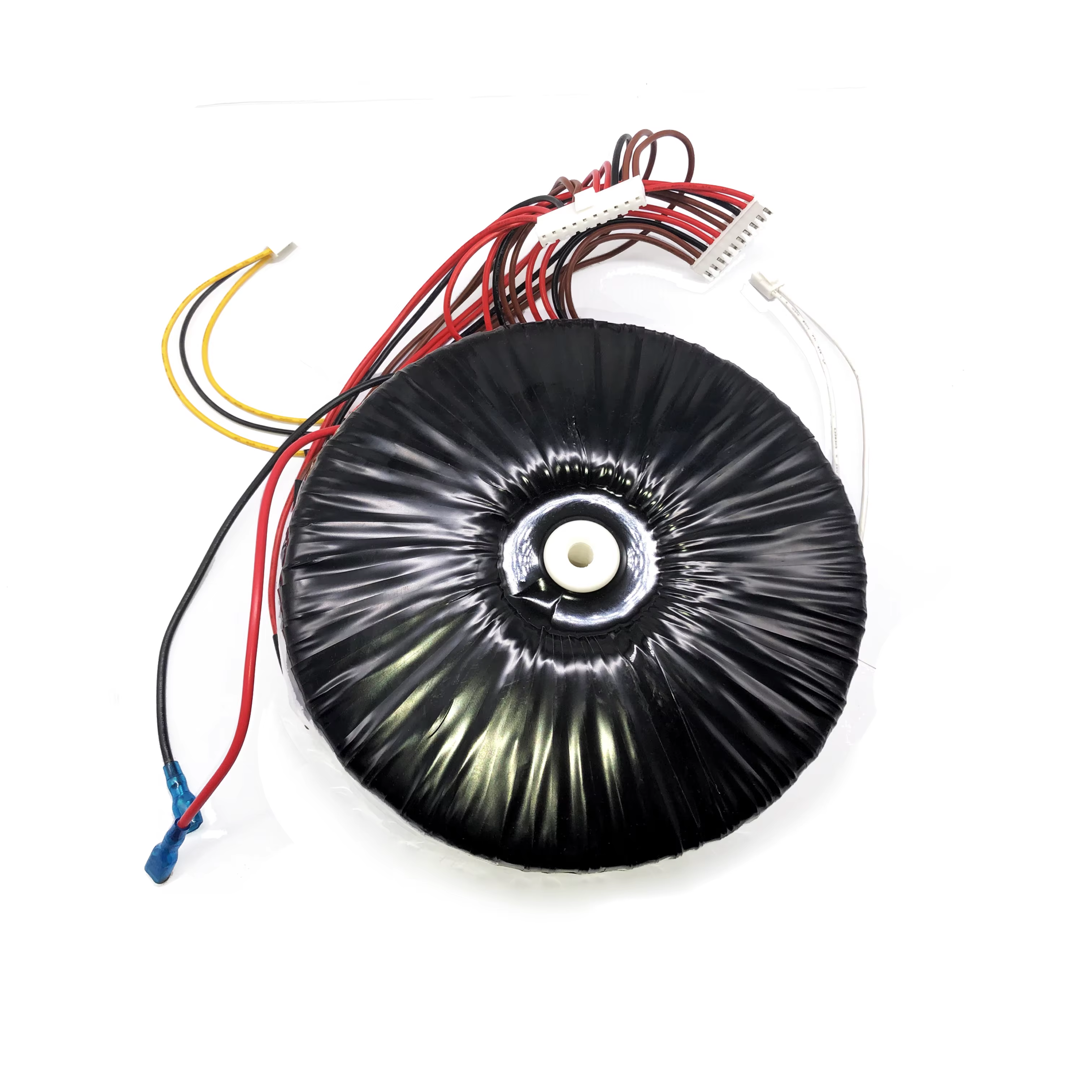
Toroidal transformers, in particular, have become a preferred choice in medical and precision industrial applications because their geometry produces a highly contained magnetic field. This reduces radiated interference to nearby sensitive electronics, which is a requirement that standard laminated core transformers cannot always meet. The compact form factor and low mechanical hum of toroidal designs also make them suitable for equipment where space and acoustic noise are constraints.
The Importance of Transformers in Renewable Energy and Modern Grid Architecture
Integrating Distributed Generation Sources
The shift toward renewable energy has introduced new complexity into electrical grids, and transformers are central to managing that complexity. Solar farms, wind installations, and battery storage systems all generate or store power at voltages that must be converted before they can be fed into the distribution network. Transformers at the output of these systems perform the necessary voltage matching, ensuring that renewable generation integrates smoothly with existing grid infrastructure.
In microgrids and distributed energy systems, transformers also play a role in isolating local generation from the main grid during fault conditions. This islanding capability protects both the local system and the broader network, and it depends on the isolation properties that transformers inherently provide. As distributed generation becomes more prevalent, the demand for reliable, efficient transformers at the point of interconnection continues to grow.
Supporting Smart Grid and Power Quality Management
Smart grid technologies rely on accurate monitoring and control of power flows across the network. Transformers equipped with monitoring capabilities — measuring temperature, load current, and voltage — provide the data that grid management systems need to optimize distribution and detect faults early. These intelligent transformers are becoming standard in modern grid upgrades because they combine the fundamental voltage conversion function with the data transparency that smart infrastructure requires.
Power quality is another area where transformers contribute directly. Harmonic distortion, caused by non-linear loads like variable frequency drives and switching power supplies, degrades power quality and can damage equipment. Specially wound transformers with phase-shifting configurations can cancel harmonic currents, improving power quality across the distribution system. This application demonstrates that transformers are not passive components — they are active tools for managing the quality and reliability of electrical power.
Design Considerations That Make Transformers Reliable Over the Long Term
Core Material and Winding Design
The reliability of transformers over decades of continuous operation depends heavily on the quality of their core material and winding construction. Silicon steel laminations, amorphous metal cores, and toroidal cores each offer different trade-offs between cost, efficiency, and performance. The choice of core material directly affects no-load losses, which accumulate continuously regardless of how much load the transformer is serving. High-quality transformers use core materials optimized for low hysteresis and eddy current losses, which keeps operating temperatures low and extends service life.
Winding design affects both efficiency and the ability of transformers to handle fault conditions without damage. Properly designed windings distribute current evenly, minimize hot spots, and provide the mechanical strength to withstand the electromagnetic forces generated during short-circuit events. These engineering details are what separate transformers that perform reliably for 30 years from those that fail prematurely under demanding operating conditions.
Thermal Management and Insulation Systems
Heat is the primary enemy of transformer longevity. Every watt of loss in a transformer's core and windings becomes heat that must be dissipated to prevent insulation degradation. Dry-type transformers rely on air cooling and are preferred in indoor environments where oil containment would be a concern. Oil-filled transformers use mineral oil or synthetic fluids to transfer heat away from the core and windings, enabling higher power densities and better performance in outdoor or high-load applications.
The insulation system — the materials that separate windings from each other and from the core — determines the maximum operating temperature and the long-term dielectric strength of the transformer. High-quality insulation systems allow transformers to operate at elevated temperatures without accelerated aging, which is critical in applications where load levels vary widely and thermal cycling is frequent. Proper thermal design is therefore not a secondary consideration but a fundamental factor in the value that transformers deliver over their service life.
FAQ
Why can't electrical systems simply operate without transformers?
Without transformers, it would be impossible to transmit electrical power efficiently over long distances, because the resistive losses at low voltages would be prohibitive. Additionally, different equipment requires different voltage levels, and transformers are the only practical means of converting between those levels with high efficiency and electrical isolation. Removing transformers from the equation would require either generating power at the exact voltage needed by every load — which is impractical — or accepting massive energy losses in transmission and distribution.
What makes toroidal transformers different from conventional designs?
Toroidal transformers use a donut-shaped core that produces a highly contained magnetic field, which significantly reduces electromagnetic interference compared to conventional laminated core designs. They are also more compact and lighter for a given power rating, and they produce less acoustic noise during operation. These characteristics make toroidal transformers particularly well suited for medical equipment, audio systems, and precision industrial instruments where interference and space constraints are important factors.
How do transformers contribute to electrical safety in industrial environments?
Transformers provide galvanic isolation between circuits, which prevents fault currents and dangerous voltage potentials from passing between connected systems. In industrial environments, this isolation protects workers from electric shock and protects sensitive control equipment from the electrical noise generated by heavy machinery. Isolation transformers are specifically designed to maximize this protective function, and they are often required by safety standards in environments where personnel work closely with electrical equipment.
What should be considered when selecting a transformer for a specific application?
Key selection factors include the required power rating, input and output voltage levels, the type of load being served, the operating environment, and any applicable safety certifications. For medical or precision industrial applications, low electromagnetic interference and tight voltage regulation are important criteria. Efficiency ratings, thermal class, and compliance with standards such as UL, CE, or RoHS are also relevant considerations, particularly for applications where regulatory approval is required. Consulting with an experienced supplier ensures that the selected transformers meet both the technical and compliance requirements of the application.