EN
EN

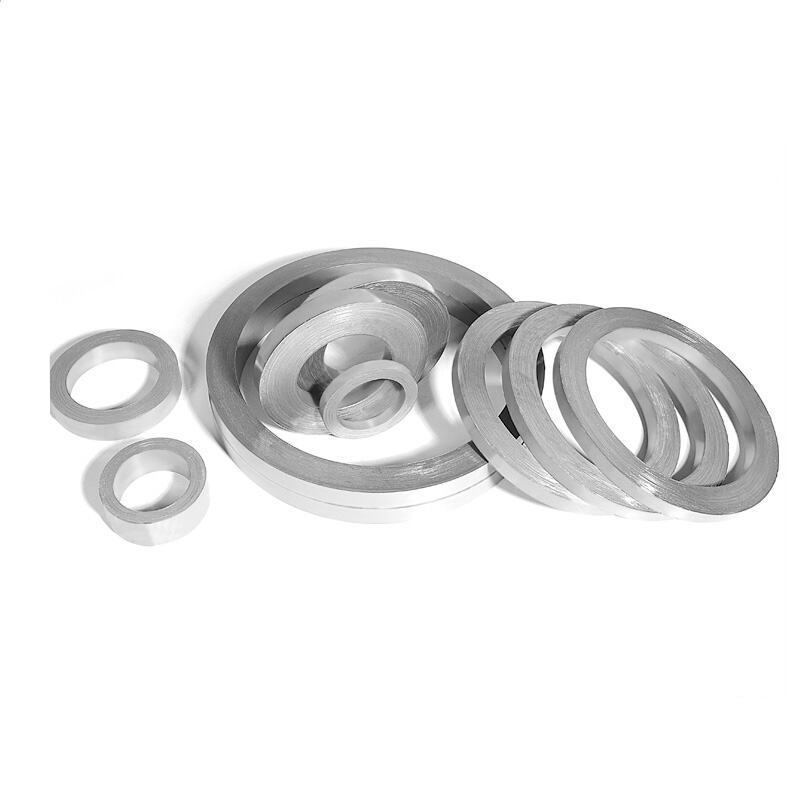
The magnetic core serves as the fundamental component that determines overall transformer performance and operational efficiency. This critical element channels magnetic flux between primary and secondary windings, directly influencing energy transfer capabilities and power losses. Understanding how the magnetic core functions within transformer systems enables engineers and manufacturers to optimize designs for specific applications and operational requirements. Modern transformer technology relies heavily on advanced magnetic core materials and construction techniques to achieve superior efficiency ratings while minimizing energy waste through innovative engineering solutions.
Fundamental Principles of Magnetic Core Operation
Electromagnetic Induction and Flux Channeling
The magnetic core operates through electromagnetic induction principles, where alternating current in the primary winding creates a changing magnetic field. This magnetic field generates flux lines that must travel through a conductive pathway to reach the secondary winding effectively. The magnetic core provides this essential pathway, concentrating and directing magnetic flux with minimal dispersion or loss. Without an efficient magnetic core, electromagnetic energy would scatter into surrounding air, resulting in dramatically reduced transformer efficiency and poor voltage regulation under varying load conditions.
Silicon steel sheets and other ferromagnetic materials offer superior magnetic permeability compared to air or non-magnetic substances. This enhanced permeability allows the magnetic core to channel magnetic flux more effectively, creating stronger coupling between primary and secondary windings. The concentrated magnetic field within the core structure ensures maximum energy transfer while reducing stray magnetic fields that could interfere with nearby electronic components or create unwanted electromagnetic emissions in sensitive environments.
Permeability and Magnetic Field Concentration
Magnetic permeability represents the core material's ability to conduct magnetic flux, directly impacting transformer efficiency and performance characteristics. High-permeability materials like silicon steel, amorphous metals, and nanocrystalline alloys significantly enhance magnetic field concentration within the core structure. This concentration effect reduces the magnetizing current required to establish proper flux levels, thereby decreasing no-load losses and improving overall efficiency ratings across different operating conditions and load variations.
The relationship between permeability and magnetic field strength follows well-established magnetic principles, where higher permeability materials require less magnetizing force to achieve desired flux density levels. This characteristic becomes particularly important in high-frequency applications where core losses can become substantial if improper materials are selected. Advanced magnetic core designs incorporate materials with optimized permeability characteristics to balance efficiency requirements with cost considerations and manufacturing constraints.
Core Loss Mechanisms and Efficiency Impact
Hysteresis Losses in Magnetic Materials
Hysteresis losses occur when the magnetic core undergoes repeated magnetization and demagnetization cycles during normal transformer operation. These losses result from energy required to overcome magnetic domain resistance within the core material structure. The area enclosed by the material's hysteresis loop directly correlates with energy loss per magnetization cycle, making material selection critical for achieving optimal efficiency levels. Modern silicon steel grades feature narrow hysteresis loops that minimize these losses while maintaining adequate magnetic properties for transformer applications.
Temperature variations significantly affect hysteresis characteristics, with elevated operating temperatures generally increasing hysteresis losses and reducing overall efficiency. Proper thermal management and core design considerations help minimize temperature-related efficiency degradation throughout the transformer's operational lifespan. Advanced magnetic core materials incorporate grain-oriented structures and specialized heat treatment processes to maintain stable hysteresis characteristics across wide temperature ranges, ensuring consistent performance in demanding industrial applications.
Eddy Current Formation and Mitigation
Eddy currents represent circular current flows induced within the magnetic core by changing magnetic fields, creating additional power losses and heat generation. These currents follow closed loops within the core material, with their magnitude dependent on core geometry, material conductivity, and operating frequency. Laminated core construction effectively reduces eddy current losses by breaking potential current paths through thin insulated sheets, forcing currents to follow smaller, higher-resistance pathways that generate less heat and power loss.
The thickness of individual laminations directly impacts eddy current magnitude, with thinner sheets providing better high-frequency performance at the expense of increased manufacturing complexity and cost. Optimal lamination thickness represents a compromise between efficiency requirements, frequency response, and economic considerations. Advanced manufacturing techniques enable production of extremely thin laminations with superior insulation properties, allowing transformer designers to achieve exceptional efficiency levels while maintaining cost-effective production methods.
Material Selection and Design Considerations
Silicon Steel Characteristics and Applications
Silicon steel remains the predominant magnetic core material for power and distribution transformers due to its excellent magnetic properties and cost-effectiveness. The silicon content, typically ranging from 1% to 4.5%, reduces electrical conductivity while maintaining high magnetic permeability and low coercivity. Grain-oriented silicon steel offers superior magnetic properties in the rolling direction, making it ideal for transformer cores where magnetic flux follows predictable paths through the core structure.
Advanced silicon steel grades incorporate specialized surface treatments and manufacturing processes to further reduce core losses and improve efficiency ratings. These improvements include stress-relief annealing, domain refinement techniques, and optimized chemical compositions that enhance magnetic domain alignment. The resulting materials exhibit lower hysteresis and eddy current losses while maintaining excellent mechanical properties required for transformer manufacturing and long-term reliability in utility applications.
Amorphous and Nanocrystalline Alternatives
Amorphous metal cores offer significantly lower core losses compared to conventional silicon steel, particularly at low flux density levels typical of distribution transformer operation. The non-crystalline atomic structure eliminates grain boundaries that contribute to magnetic losses in crystalline materials. However, amorphous materials require specialized handling and processing techniques due to their brittleness and sensitivity to mechanical stress, which can increase manufacturing complexity and cost considerations.
Nanocrystalline magnetic materials combine beneficial characteristics of both crystalline and amorphous structures, offering excellent high-frequency performance with improved mechanical properties. These materials feature extremely small crystalline grains embedded in an amorphous matrix, providing superior magnetic properties while maintaining reasonable mechanical strength. The magnetic core constructed from nanocrystalline materials demonstrates exceptional efficiency in high-frequency applications where conventional materials experience substantial core losses.
Core Geometry and Efficiency Optimization
Toroidal versus Laminated Designs
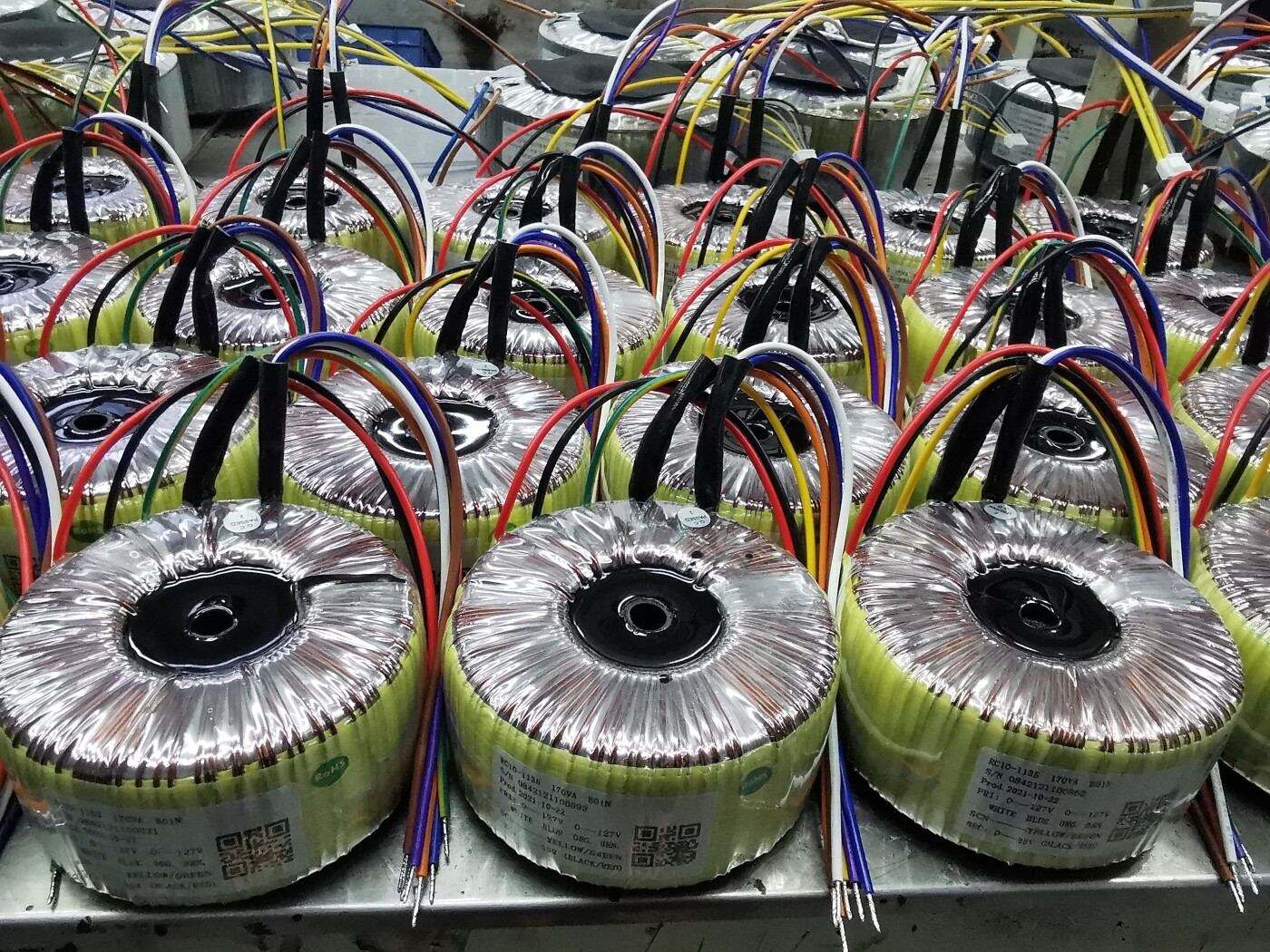
Toroidal magnetic core designs offer inherent advantages in terms of magnetic flux containment and reduced stray magnetic fields compared to traditional laminated rectangular cores. The continuous magnetic path eliminates air gaps that increase reluctance and reduce efficiency, while the compact geometry minimizes winding length and copper losses. Toroidal cores also exhibit lower audible noise levels and electromagnetic interference, making them suitable for sensitive applications where acoustic and electromagnetic compatibility requirements are stringent.
Laminated core construction remains prevalent in larger power transformers where manufacturing considerations and cost factors favor rectangular geometries. Advanced lamination techniques and optimized stacking patterns help minimize air gaps and improve magnetic circuit performance. The magnetic core efficiency in laminated designs depends heavily on manufacturing precision and assembly techniques that ensure proper lamination alignment and minimal air gap formation throughout the core structure.
Core Cross-Section and Flux Density
Optimal core cross-sectional area represents a critical design parameter that affects both efficiency and cost considerations in transformer applications. Insufficient core cross-section leads to high flux density operation, increasing core losses and reducing efficiency while potentially causing saturation issues under transient conditions. Excessive core cross-section provides low flux density operation with minimal core losses but increases material costs and overall transformer size, weight, and manufacturing expenses.
The relationship between flux density and core losses follows well-established magnetic principles, with losses increasing exponentially at higher flux density levels. Optimal design practices target flux density levels that minimize total losses while considering economic constraints and performance requirements. Modern magnetic core designs incorporate sophisticated modeling techniques to optimize cross-sectional dimensions for specific applications, ensuring maximum efficiency while maintaining cost-effective manufacturing processes.
Advanced Core Technologies and Innovations
Step-Lap and Multi-Step Core Assembly
Step-lap core assembly techniques significantly improve magnetic circuit performance by minimizing air gaps at lamination joints and corners. This advanced construction method involves overlapping lamination ends in a stepped pattern that reduces magnetic reluctance and improves flux distribution throughout the core structure. The magnetic core assembled using step-lap techniques demonstrates measurably lower no-load losses and improved efficiency compared to conventional butt-joint construction methods used in basic transformer designs.
Multi-step core configurations extend step-lap principles to achieve even better magnetic performance through more complex lamination arrangements and joint geometries. These sophisticated assembly techniques require precise manufacturing control and specialized tooling but deliver superior efficiency and reduced audible noise levels. The improved magnetic circuit performance justifies additional manufacturing complexity in applications where efficiency requirements are paramount, such as energy-efficient distribution transformers and premium industrial applications.
Composite and Hybrid Core Structures
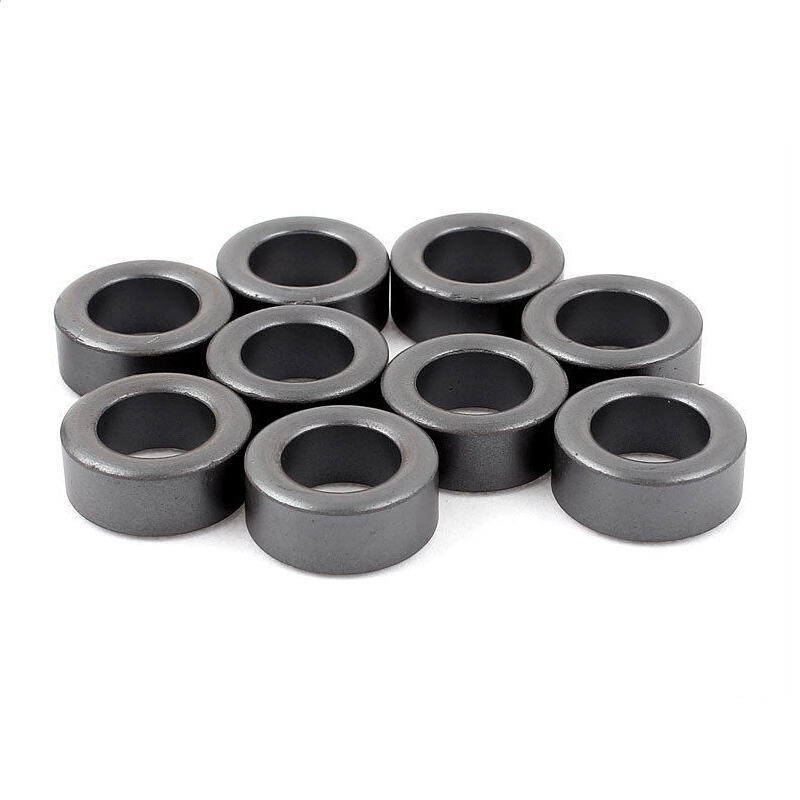
Composite magnetic core designs combine different materials to optimize performance characteristics for specific frequency ranges and operating conditions. These hybrid structures might incorporate silicon steel for low-frequency performance with ferrite or powder core materials for high-frequency components, creating optimized solutions for complex applications. The magnetic core efficiency in composite designs can exceed single-material solutions by leveraging the strengths of different magnetic materials within a unified structure.
Advanced manufacturing techniques enable integration of multiple magnetic materials within single core assemblies, allowing designers to tailor magnetic properties for specific performance requirements. These innovations include powder metal cores with localized high-permeability regions, laminated cores with embedded high-frequency materials, and multi-layer structures that optimize performance across wide frequency ranges while maintaining manufacturing feasibility and cost-effectiveness.
Measurement and Testing of Core Performance
Core Loss Testing Methodologies
Accurate measurement of core losses requires specialized testing equipment and standardized procedures to ensure reliable and repeatable results. Core loss testing typically involves applying sinusoidal voltage excitation at specified frequency and flux density levels while measuring power consumption and magnetic properties. The magnetic core performance evaluation includes separate measurement of hysteresis and eddy current components to identify optimization opportunities and verify material specifications.
Temperature effects on core performance require testing across relevant operating ranges to ensure accurate efficiency predictions under actual service conditions. Standardized test procedures specify environmental conditions, measurement accuracy requirements, and data analysis methods to enable meaningful comparison between different core materials and designs. Advanced testing facilities incorporate automated measurement systems and data acquisition equipment to characterize magnetic core performance with high precision and efficiency.
Efficiency Calculation and Optimization Methods
Transformer efficiency calculations must account for all loss mechanisms, including core losses, copper losses, and stray losses that affect overall performance. The magnetic core contribution to total losses varies with loading conditions, with core losses remaining relatively constant while copper losses vary with the square of load current. Accurate efficiency calculations require detailed modeling of all loss components across the complete operating range to predict real-world performance accurately.
Optimization algorithms and computer modeling enable systematic evaluation of design alternatives to maximize efficiency while considering cost and performance constraints. These sophisticated tools analyze magnetic core geometry, material properties, and operating conditions to identify optimal design parameters for specific applications. Modern transformer design relies heavily on computer-aided optimization techniques that consider multiple objectives simultaneously, including efficiency, cost, size, and reliability requirements.
FAQ
How does magnetic core material affect transformer efficiency
The magnetic core material directly determines transformer efficiency through its impact on core losses, which include hysteresis and eddy current losses. High-quality silicon steel cores typically achieve 98-99% efficiency in distribution transformers, while premium amorphous metal cores can reach 99.5% efficiency or higher. The material's magnetic permeability, electrical resistivity, and hysteresis characteristics all contribute to overall efficiency performance, with advanced materials offering lower losses at the expense of increased cost.
What causes core losses in transformer operation
Core losses result from two primary mechanisms: hysteresis losses due to magnetic domain realignment during each magnetization cycle, and eddy current losses from circular currents induced within the core material. Hysteresis losses depend on the material's magnetic properties and operating flux density, while eddy current losses relate to material conductivity, core geometry, and operating frequency. Proper material selection and core design minimize both loss mechanisms to maximize transformer efficiency.
Why is core geometry important for transformer efficiency
Core geometry affects magnetic flux distribution, air gap formation, and overall magnetic circuit reluctance, all of which influence transformer efficiency. Toroidal cores provide continuous magnetic paths with minimal air gaps, while laminated rectangular cores require careful assembly to minimize reluctance at joints and corners. The core cross-sectional area must be optimized to balance flux density levels against material costs, as insufficient area leads to high losses while excessive area increases costs unnecessarily.
How do modern core technologies improve transformer performance
Modern core technologies include advanced materials like nanocrystalline alloys, sophisticated assembly techniques like step-lap construction, and computer-optimized geometries that maximize efficiency while minimizing costs. These innovations reduce core losses through better magnetic properties, improved manufacturing precision, and optimized designs that consider all aspects of magnetic circuit performance. The magnetic core benefits from continuous materials research and manufacturing improvements that push efficiency levels higher while maintaining economic viability for widespread adoption.