EN
EN

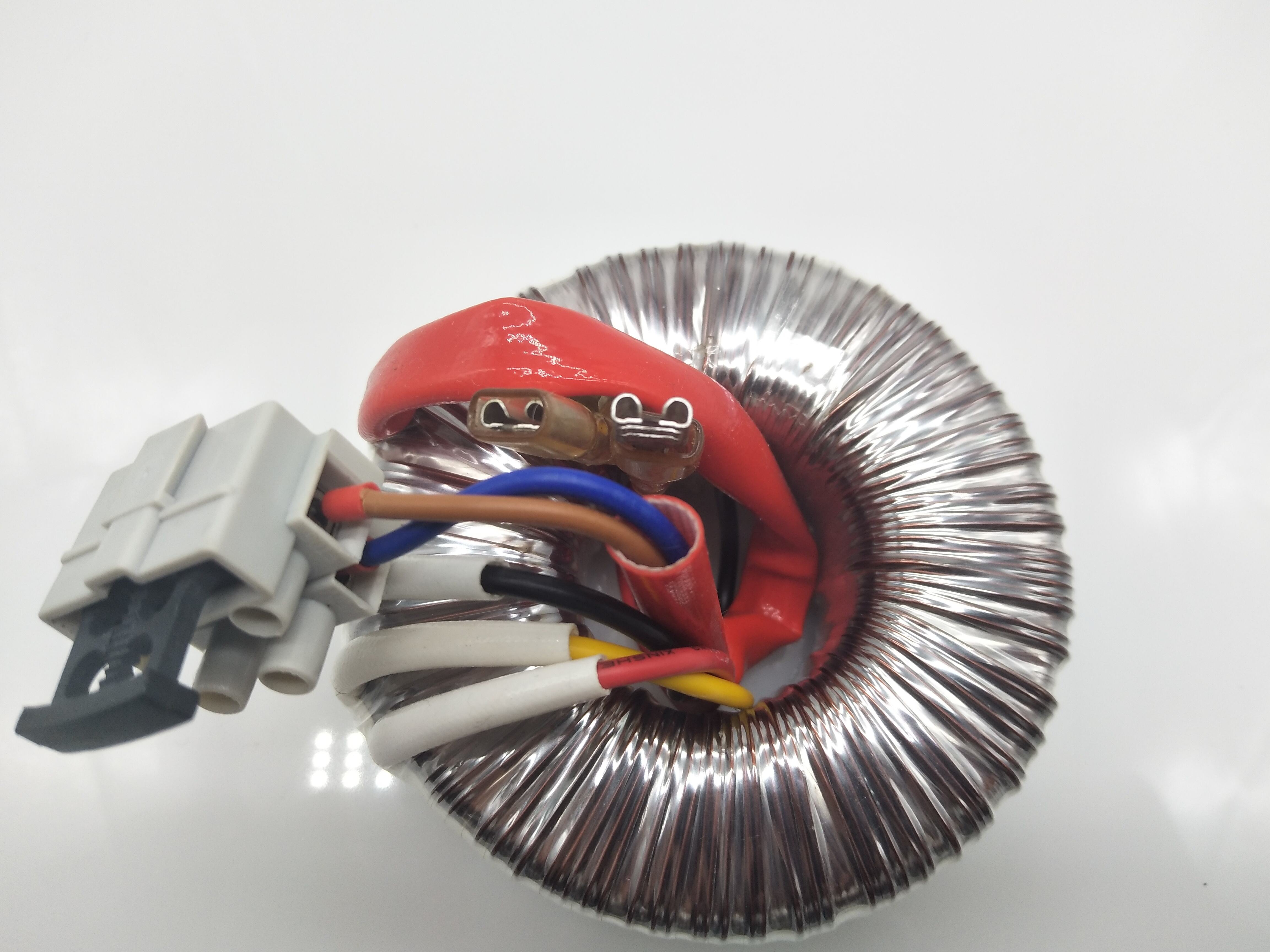
Toroidal transformers represent a sophisticated approach to electromagnetic power conversion, with their distinctive doughnut-shaped design offering superior efficiency and reduced electromagnetic interference compared to traditional transformer configurations. The performance characteristics of these transformers are fundamentally determined by their core construction, making the selection of appropriate toroidal transformer core materials critical for optimal operation. Understanding the material composition and properties of these cores enables engineers and designers to specify transformers that meet precise electrical and mechanical requirements across diverse industrial applications.
Silicon Steel Composition and Properties
Grain-Oriented Silicon Steel Fundamentals
Grain-oriented silicon steel forms the backbone of high-performance toroidal transformer core materials, offering exceptional magnetic permeability and minimal core losses. This specialized steel alloy contains precisely controlled silicon content, typically ranging from 2.9% to 3.3% by weight, which significantly reduces eddy current losses and enhances magnetic properties. The grain orientation process aligns the crystal structure in a preferred magnetic direction, creating highly efficient flux paths that minimize hysteresis losses during magnetic field alternation.
The manufacturing process for grain-oriented silicon steel involves cold rolling followed by controlled annealing treatments that develop the desired crystallographic texture. This results in toroidal transformer core materials with superior magnetic flux density capabilities, often exceeding 1.9 Tesla at standard magnetizing forces. The lamination thickness typically ranges from 0.18mm to 0.35mm, with thinner laminations providing better high-frequency performance through reduced eddy current formation.
Non-Oriented Silicon Steel Applications
Non-oriented silicon steel serves as an alternative for toroidal transformer core materials in applications where cost considerations outweigh peak magnetic performance requirements. This material exhibits uniform magnetic properties in all directions within the steel plane, making it suitable for rotating machinery and smaller transformer applications. The silicon content in non-oriented grades typically ranges from 1.8% to 3.5%, providing a balance between magnetic performance and mechanical workability.
While non-oriented silicon steel may not achieve the peak efficiency levels of grain-oriented materials, it offers practical advantages in manufacturing and cost management. The isotropic magnetic properties eliminate concerns about grain direction during core assembly, simplifying the production process for toroidal transformer core materials. Additionally, the lower material costs make non-oriented silicon steel attractive for high-volume applications where moderate efficiency levels are acceptable.
Advanced Amorphous and Nanocrystalline Materials
Amorphous Metal Core Technology
Amorphous metal alloys represent a revolutionary advancement in toroidal transformer core materials, offering unprecedented efficiency through their unique atomic structure. These materials lack the crystalline structure found in conventional steel, instead featuring a random atomic arrangement that dramatically reduces hysteresis losses. Iron-based amorphous alloys typically contain metalloids such as boron, phosphorus, and silicon, creating compositions like Fe78Si9B13 that exhibit exceptional soft magnetic properties.
The rapid cooling process used to manufacture amorphous metals prevents crystal formation, resulting in toroidal transformer core materials with extremely low coercivity and high permeability. Core losses in amorphous materials can be 70-80% lower than conventional silicon steel at typical operating frequencies, translating to significant energy savings in transformer applications. However, the manufacturing complexity and higher material costs must be balanced against the long-term efficiency benefits.
Nanocrystalline Core Innovations
Nanocrystalline materials emerge from controlled crystallization of amorphous precursors, creating toroidal transformer core materials with grain sizes in the nanometer range. These materials combine the low loss characteristics of amorphous alloys with improved magnetic saturation levels, typically achieving flux densities exceeding 1.2 Tesla. The nanocrystalline structure provides excellent frequency response characteristics, making these materials particularly suitable for high-frequency transformer applications.
The production of nanocrystalline toroidal transformer core materials involves precise heat treatment of amorphous ribbons, promoting the formation of nanoscale crystallites within an amorphous matrix. This controlled crystallization process requires careful temperature and time management to achieve optimal magnetic properties. The resulting materials demonstrate exceptional stability across wide temperature ranges and maintain consistent performance characteristics throughout their operational lifetime.
Ferrite Core Materials and Applications
Manganese-Zinc Ferrite Characteristics
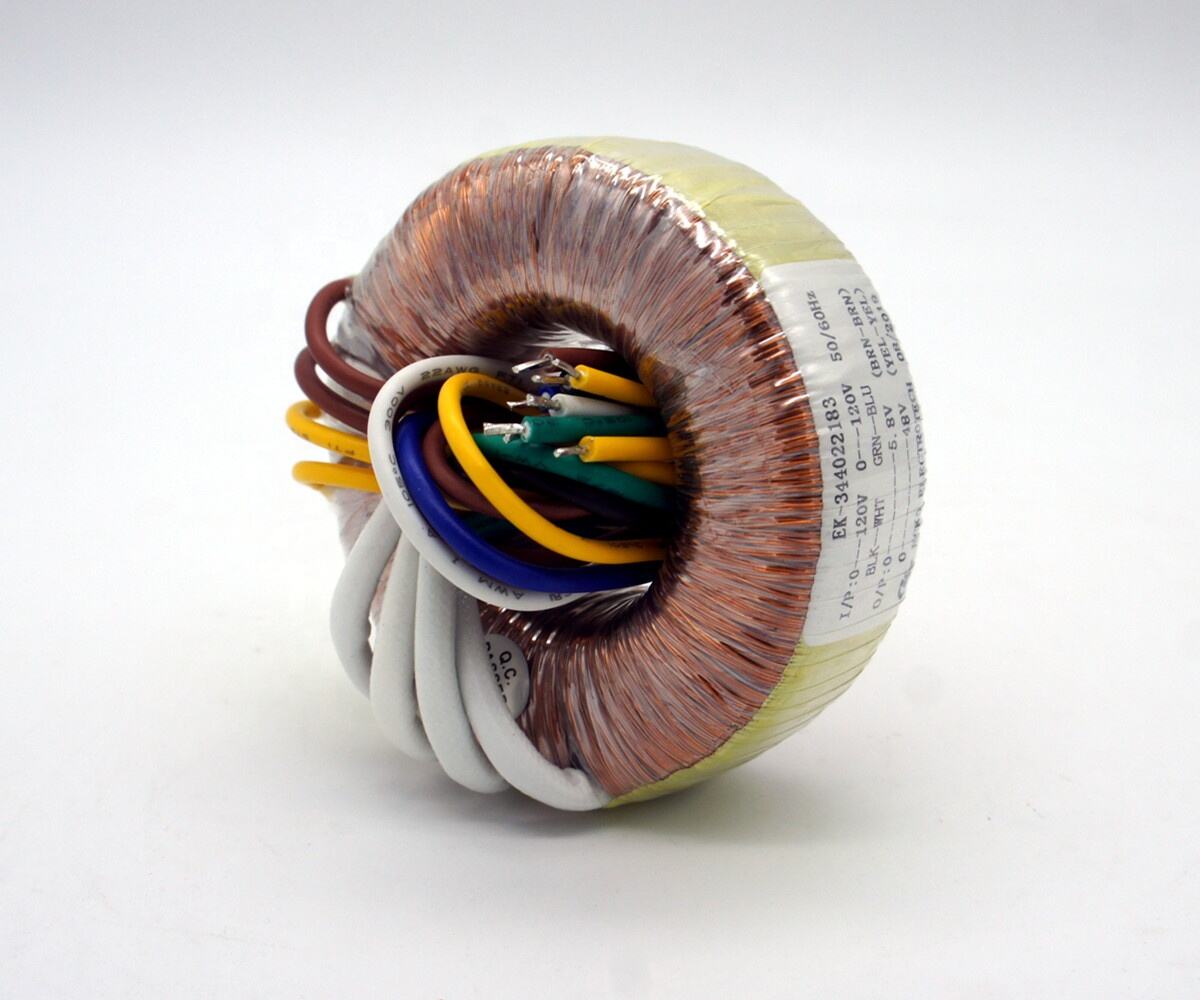
Manganese-zinc ferrites constitute an important category of toroidal transformer core materials, particularly suited for high-frequency applications where silicon steel becomes inefficient due to increased eddy current losses. These ceramic magnetic materials feature high resistivity values, typically exceeding 1 ohm-meter, which virtually eliminates eddy current formation at frequencies above 10 kHz. The magnetic permeability of manganese-zinc ferrites can reach values between 1,000 and 15,000, depending on the specific composition and processing conditions.
The temperature stability of manganese-zinc ferrite toroidal transformer core materials makes them suitable for applications experiencing significant thermal variations. However, the relatively low saturation flux density, typically around 0.3-0.5 Tesla, limits their use in high-power applications where maximum energy density is required. The frequency response characteristics of these materials extend well into the megahertz range, making them ideal for switch-mode power supply transformers and other high-frequency applications.
Nickel-Zinc Ferrite Properties
Nickel-zinc ferrites offer unique advantages as toroidal transformer core materials in ultra-high-frequency applications, with useful magnetic properties extending beyond 100 MHz. These materials exhibit lower permeability values compared to manganese-zinc ferrites, typically ranging from 50 to 2,000, but maintain stable characteristics at much higher frequencies. The resistivity of nickel-zinc ferrites exceeds 10^6 ohm-meters, providing excellent high-frequency performance through minimal eddy current losses.
The temperature coefficient of permeability in nickel-zinc ferrite cores requires careful consideration in precision applications, as these toroidal transformer core materials can exhibit significant permeability variations with temperature changes. Design engineers must account for these thermal effects when specifying transformers for temperature-sensitive applications. Despite these considerations, nickel-zinc ferrites remain essential for radio frequency and microwave transformer applications where conventional materials cannot operate effectively.
Material Selection Criteria and Performance Optimization
Electrical Performance Requirements
The selection of appropriate toroidal transformer core materials depends critically on the specific electrical performance requirements of the intended application. Operating frequency represents the primary determining factor, with different materials exhibiting optimal performance characteristics within specific frequency ranges. Silicon steel materials excel in power frequency applications from DC to approximately 1 kHz, while ferrite materials become necessary for frequencies exceeding 10 kHz due to their superior high-frequency loss characteristics.
Power density requirements significantly influence material selection for toroidal transformer core materials, as different materials provide varying levels of magnetic flux density capabilities. Applications requiring maximum power handling within minimal volume constraints typically necessitate grain-oriented silicon steel or advanced amorphous materials that can operate at higher flux densities. Conversely, applications with generous size constraints may accommodate ferrite materials despite their lower saturation characteristics.
Environmental and Mechanical Considerations
Environmental operating conditions play a crucial role in determining suitable toroidal transformer core materials for specific applications. Temperature extremes, humidity levels, and potential exposure to corrosive atmospheres must all be considered during material selection. Silicon steel materials generally provide excellent environmental stability but may require protective coatings in harsh environments. Ferrite materials offer inherent chemical stability but can become brittle under mechanical stress or thermal shock conditions.
Mechanical requirements including vibration resistance, shock tolerance, and dimensional stability influence the choice of toroidal transformer core materials in demanding applications. The laminated construction of silicon steel cores provides excellent mechanical integrity while allowing thermal expansion without stress concentration. Ferrite cores, while more fragile, offer superior dimensional stability and can maintain precise electrical characteristics under varying mechanical loads when properly supported within the transformer assembly.
Manufacturing Processes and Quality Control
Core Assembly Techniques
The manufacturing processes employed in producing toroidal transformer core materials significantly impact the final performance characteristics and reliability of the finished transformers. Silicon steel lamination stacking requires precise control of lamination alignment, gap spacing, and clamping pressure to achieve optimal magnetic circuit performance. Advanced manufacturing facilities utilize automated stacking systems that ensure consistent lamination positioning while minimizing air gaps that could degrade magnetic performance.
Quality control measures during core assembly include magnetic testing of individual laminations, dimensional verification of completed cores, and electrical testing to verify core loss characteristics. These procedures ensure that toroidal transformer core materials meet specified performance criteria before integration into transformer assemblies. Statistical process control methods help maintain consistency across production batches while identifying potential quality issues before they impact finished product performance.
Surface Treatment and Coating Applications
Surface treatments applied to toroidal transformer core materials serve multiple functions including electrical insulation, corrosion protection, and mechanical property enhancement. Organic coatings on silicon steel laminations provide inter-laminar insulation while protecting against atmospheric corrosion that could degrade magnetic properties over time. These coatings must maintain their insulating properties throughout the expected service life while withstanding thermal cycling and mechanical stress.
Specialized coating formulations for toroidal transformer core materials incorporate additives that enhance specific performance characteristics such as thermal conductivity or stress relief properties. The coating thickness must be carefully controlled to minimize magnetic path length while providing adequate insulation and protection. Advanced coating systems may include multiple layers optimized for different functions, such as a base layer for adhesion and corrosion protection combined with a top layer for electrical insulation and mechanical durability.
Economic and Sustainability Factors
Cost-Benefit Analysis Framework
Economic considerations in selecting toroidal transformer core materials extend beyond initial material costs to encompass total lifecycle expenses including energy efficiency, maintenance requirements, and end-of-life disposal considerations. While advanced materials such as amorphous alloys and nanocrystalline compositions command premium pricing, their superior efficiency characteristics can justify the higher initial investment through reduced operating costs over the transformer's service life.
The cost-benefit analysis for toroidal transformer core materials must account for application-specific factors such as duty cycle, load characteristics, and energy costs in the intended installation location. High-utilization applications with expensive electricity rates favor premium core materials that maximize efficiency, while intermittent-duty applications may achieve better economic returns with conventional silicon steel materials despite their higher losses.
Environmental Impact and Recycling
Sustainability considerations increasingly influence the selection of toroidal transformer core materials as industries focus on reducing environmental impact throughout product lifecycles. Silicon steel materials offer excellent recyclability characteristics, with established processes for reclaiming and reprocessing steel into new products. The recycling infrastructure for ferrite materials is less developed but continues to expand as volumes justify specialized recovery processes.
Manufacturing processes for toroidal transformer core materials increasingly incorporate environmental sustainability measures including reduced energy consumption, minimized waste generation, and elimination of hazardous substances. Life cycle assessment methodologies help quantify the environmental impact of different material choices, enabling informed decisions that balance performance requirements with environmental stewardship objectives.
FAQ
What determines the efficiency of different toroidal transformer core materials
The efficiency of toroidal transformer core materials is primarily determined by their magnetic properties including permeability, saturation flux density, and core losses. Materials with higher permeability require lower magnetizing currents, while low core losses minimize energy waste during operation. Grain-oriented silicon steel typically achieves the highest efficiency in power frequency applications, while amorphous materials can provide even better performance at higher costs. The specific efficiency depends on the operating frequency, flux density, and temperature conditions of the application.
How do operating frequencies affect core material selection for toroidal transformers
Operating frequency fundamentally determines the appropriate choice of toroidal transformer core materials due to frequency-dependent loss mechanisms. Silicon steel materials work optimally from DC to approximately 1 kHz, beyond which eddy current losses increase dramatically. Ferrite materials become essential above 10 kHz due to their high electrical resistivity that eliminates eddy currents. The transition frequency between different materials depends on the specific grades and acceptable loss levels for the application.
What are the temperature limitations of various toroidal transformer core materials
Temperature limitations for toroidal transformer core materials vary significantly based on material composition and construction. Silicon steel cores typically operate effectively up to 150-200°C depending on the insulation system, while their magnetic properties remain stable across this range. Ferrite materials generally have lower maximum operating temperatures, typically 100-150°C, beyond which their permeability decreases significantly. Amorphous materials can operate at similar temperatures to silicon steel but may require careful thermal management to prevent crystallization that would degrade their superior magnetic properties.
How do mechanical stress and vibration affect toroidal transformer core performance
Mechanical stress and vibration can significantly impact the performance of toroidal transformer core materials through magnetostrictive effects and physical damage mechanisms. Silicon steel cores are relatively robust but can experience increased losses under mechanical stress due to domain wall pinning effects. Ferrite cores are more susceptible to cracking under mechanical shock or excessive vibration, which can create air gaps that degrade magnetic performance. Proper mechanical design including adequate support structures and vibration isolation helps maintain optimal performance of toroidal transformer core materials throughout their service life.
Table of Contents
- Silicon Steel Composition and Properties
- Advanced Amorphous and Nanocrystalline Materials
- Ferrite Core Materials and Applications
- Material Selection Criteria and Performance Optimization
- Manufacturing Processes and Quality Control
- Economic and Sustainability Factors
-
FAQ
- What determines the efficiency of different toroidal transformer core materials
- How do operating frequencies affect core material selection for toroidal transformers
- What are the temperature limitations of various toroidal transformer core materials
- How do mechanical stress and vibration affect toroidal transformer core performance