EN
EN

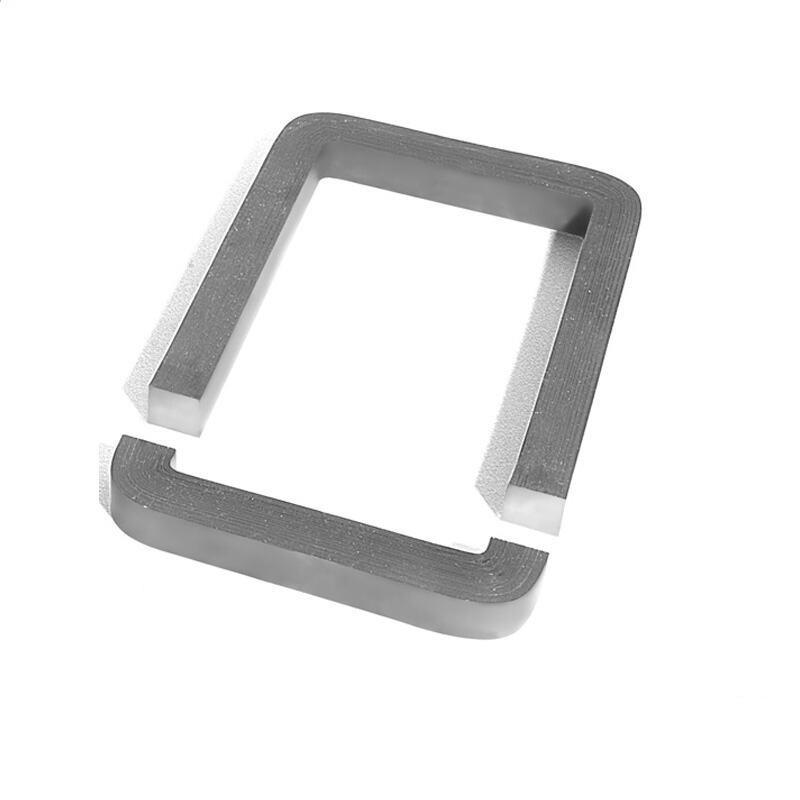
Silicon steel stands as the cornerstone material in transformer core manufacturing, revolutionizing the electrical industry with its exceptional magnetic properties and energy efficiency capabilities. This specialized steel alloy has dominated transformer applications for decades, offering superior performance characteristics that make it the preferred choice for engineers and manufacturers worldwide. The unique composition of silicon steel, typically containing 2-4% silicon content, provides optimal magnetic permeability while minimizing energy losses during electrical transformation processes.
The widespread adoption of silicon steel in transformer cores stems from its ability to enhance electrical efficiency while reducing operational costs. Modern power distribution systems rely heavily on transformers constructed with high-grade silicon steel cores to maintain stable voltage levels and minimize power losses. The material's crystalline structure allows for smooth magnetic flux flow, making it indispensable for applications ranging from small electronic devices to massive industrial power stations.
Fundamental Properties of Silicon Steel
Magnetic Permeability Characteristics
The exceptional magnetic permeability of silicon steel makes it an ideal material for transformer core applications. This property allows magnetic fields to penetrate and flow through the material with minimal resistance, creating efficient pathways for electromagnetic energy transfer. The silicon content in the steel modifies the crystal lattice structure, reducing magnetic domain wall movement and enhancing overall magnetic performance.
Silicon steel exhibits high initial permeability values, typically ranging from 1,500 to 10,000 times that of free space, depending on the grade and processing methods employed. This high permeability enables transformers to achieve maximum magnetic flux density with relatively low magnetizing currents. The result is improved transformer efficiency and reduced energy consumption across various electrical applications.
Electrical Resistivity Benefits
The addition of silicon to steel significantly increases its electrical resistivity, which directly impacts the material's performance in transformer cores. Higher electrical resistivity reduces eddy current losses, which are circular electrical currents that form within conductive materials when exposed to changing magnetic fields. These unwanted currents generate heat and reduce transformer efficiency, making high resistivity crucial for optimal performance.
Standard silicon steel grades achieve electrical resistivity values between 45-60 microhm-centimeters, substantially higher than regular carbon steel. This increased resistivity minimizes eddy current formation, allowing transformers to operate at higher frequencies with reduced losses. The silicon content creates a more ordered crystal structure that impedes current flow while maintaining excellent magnetic properties.
Manufacturing Process and Quality Control
Production Techniques and Standards
The manufacturing process for silicon steel involves precise control of chemical composition, rolling procedures, and heat treatment cycles to achieve optimal magnetic properties. Modern production facilities employ advanced steelmaking techniques, including vacuum degassing and controlled cooling rates, to minimize impurities and enhance grain orientation. The rolling process creates thin laminations that further reduce eddy current losses when assembled into transformer cores.
Quality control measures throughout the manufacturing process ensure consistent material properties and performance characteristics. Rigorous testing procedures evaluate magnetic flux density, core loss values, and permeability across different frequency ranges. These comprehensive quality assessments guarantee that silicon steel meets stringent industry standards and provides reliable performance in demanding transformer applications.
Grain Orientation and Texture Development
Grain-oriented silicon steel represents the pinnacle of transformer core materials, featuring carefully controlled crystal structures that optimize magnetic properties in specific directions. The manufacturing process involves complex thermomechanical treatments that align crystal grains parallel to the rolling direction, creating highly efficient magnetic pathways. This orientation significantly reduces core losses and improves transformer performance compared to non-oriented grades.
The texture development process requires precise temperature control and timing during final annealing stages. Advanced silicon steel grades achieve exceptional grain orientation through specialized coating applications and magnetic domain refinement techniques. These processing innovations have continuously improved material performance, enabling more efficient and compact transformer designs.
Applications Across Transformer Types
Power Distribution Transformers
Large-scale power distribution transformers rely exclusively on high-grade silicon steel cores to handle massive electrical loads while maintaining efficiency standards. These transformers, operating at voltages ranging from 4kV to 765kV, require materials capable of withstanding extreme magnetic flux densities without significant losses. Silicon steel cores in distribution transformers typically utilize grain-oriented materials with thickness ranging from 0.23mm to 0.35mm for optimal performance.
The economic impact of using silicon steel in power distribution applications cannot be overstated, as even small efficiency improvements translate to substantial energy savings across electrical grids. Modern distribution transformers incorporating advanced silicon steel grades achieve efficiency levels exceeding 99%, significantly reducing operational costs and environmental impact. The material's stability under varying load conditions ensures consistent performance throughout the transformer's operational lifetime.
Electronic and Specialty Transformers
Smaller electronic transformers and specialty applications benefit from silicon steel's versatility and scalability across different size ranges. Audio transformers, switching power supplies, and precision instrumentation devices utilize thinner silicon steel laminations to minimize losses at higher operating frequencies. The material's consistent magnetic properties enable precise voltage regulation and low distortion characteristics essential for sensitive electronic applications.
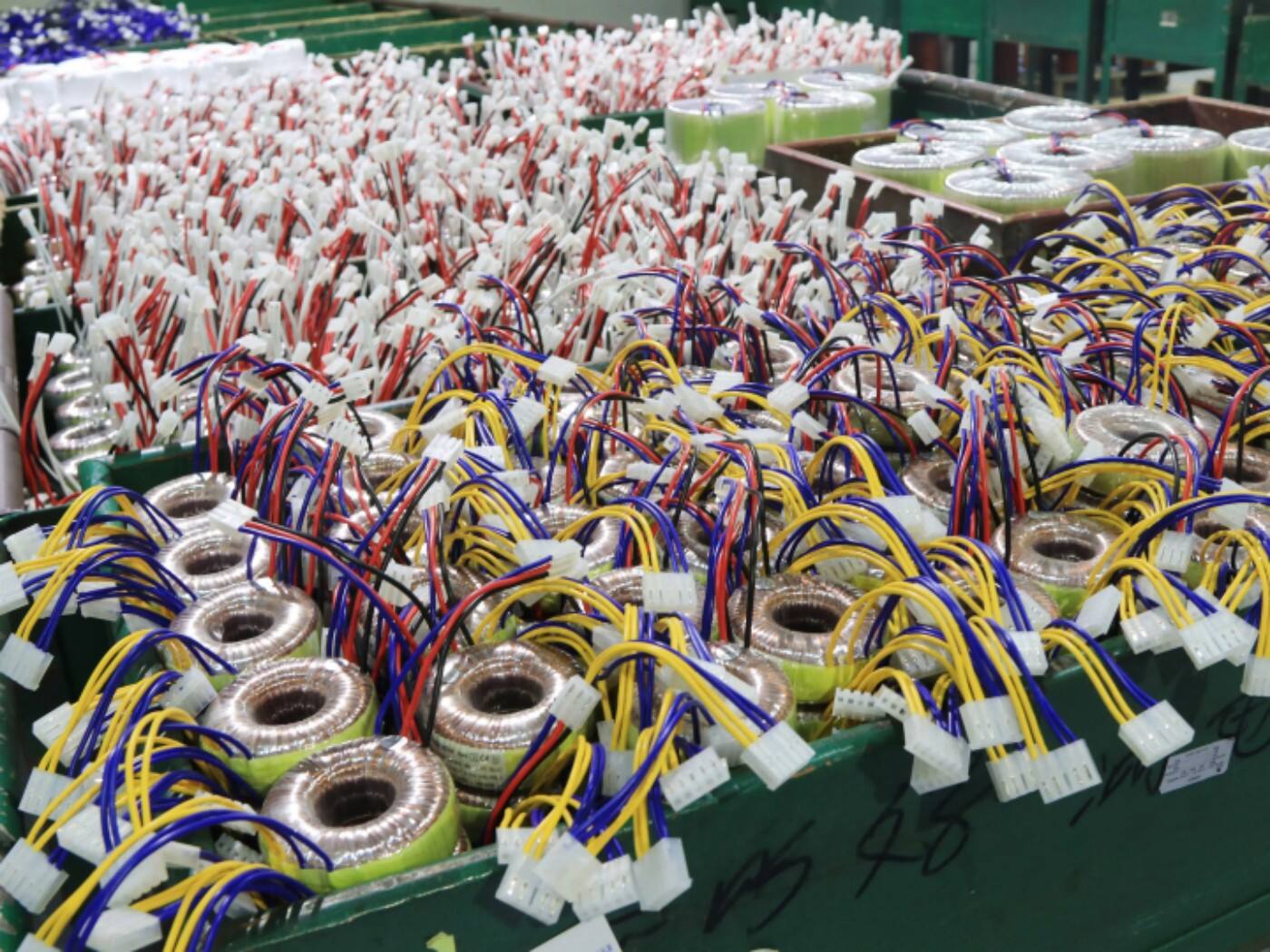
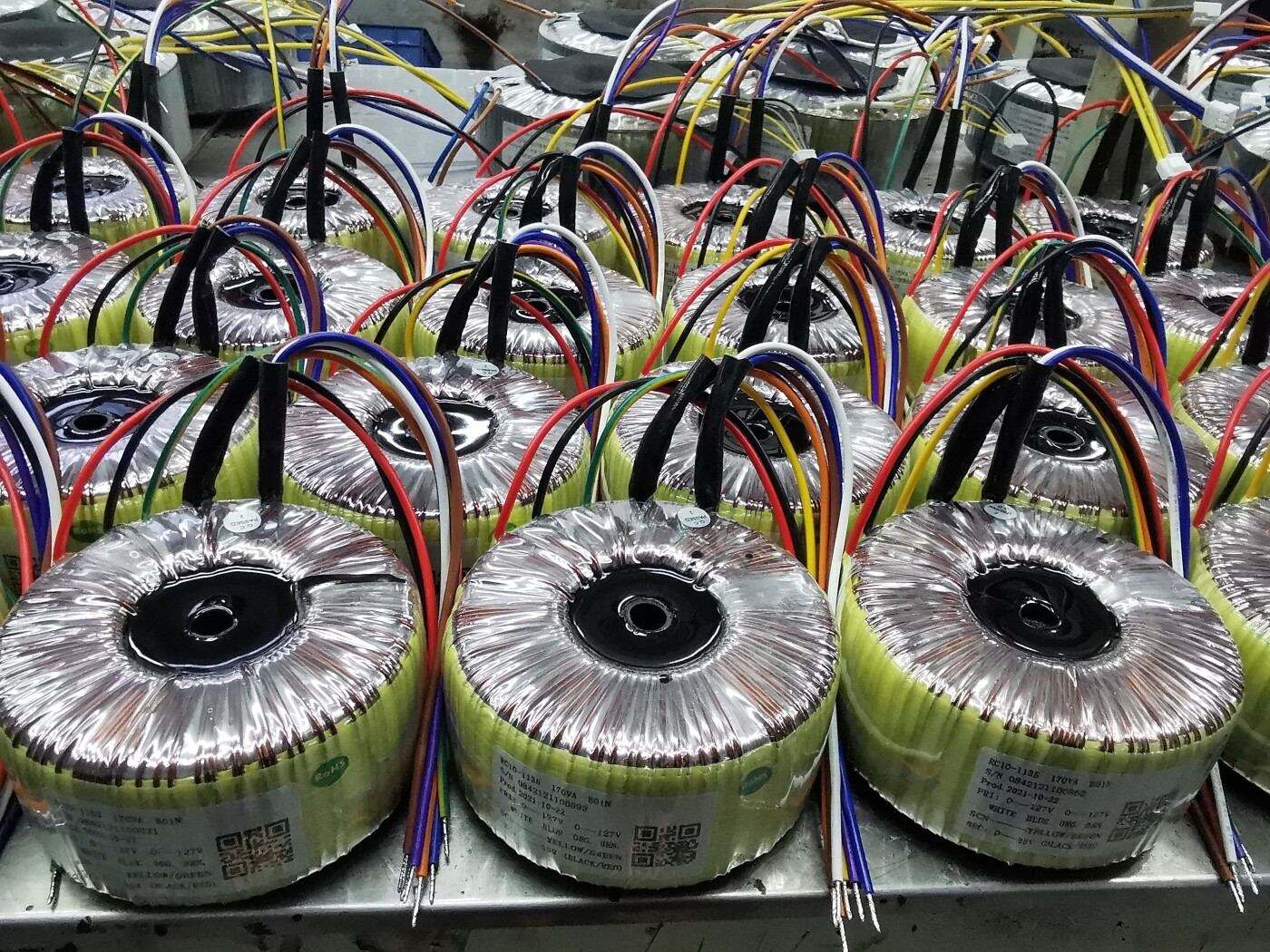
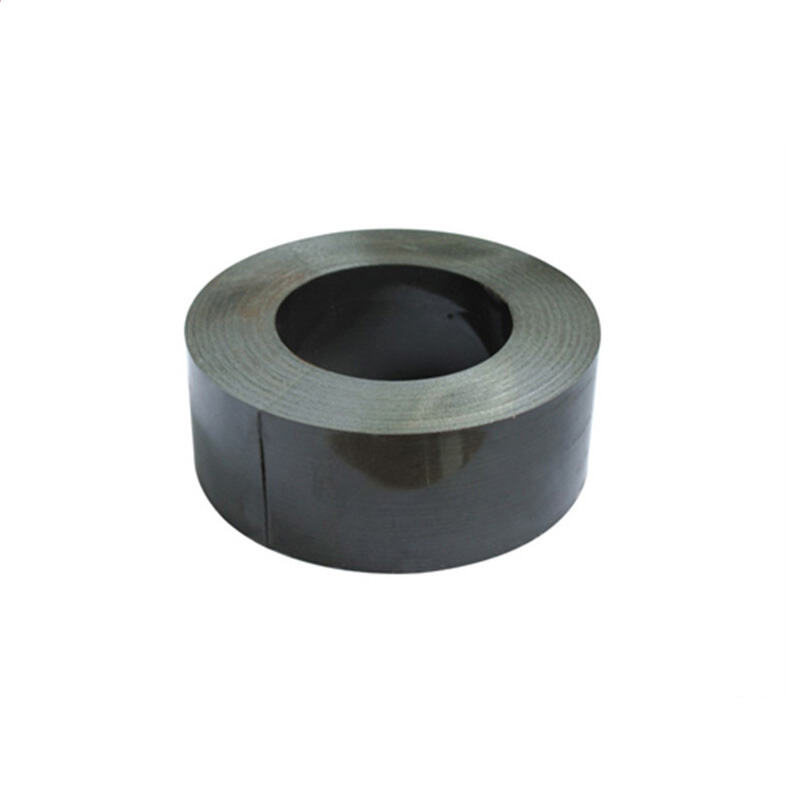
Toroidal transformer cores, widely used in high-performance audio equipment and medical devices, showcase silicon steel's adaptability to various geometric configurations. The continuous magnetic path provided by toroidal cores maximizes the material's magnetic efficiency while minimizing external magnetic fields. Silicon steel's excellent formability allows for precise core shaping without compromising magnetic properties or introducing mechanical stresses that could degrade performance.
Comparative Analysis with Alternative Materials
Performance Against Ferrite Cores
While ferrite materials offer advantages at very high frequencies, silicon steel maintains superior performance characteristics for most transformer applications, particularly in the power frequency range of 50-60Hz. Ferrite cores exhibit higher resistivity but suffer from lower saturation flux density and temperature stability issues that limit their effectiveness in high-power applications. Silicon steel provides consistent performance across wide temperature ranges while handling significantly higher flux densities.
The mechanical properties of silicon steel also surpass those of ferrite materials, offering better durability and resistance to thermal cycling stresses. Ferrite cores are prone to cracking under mechanical stress or rapid temperature changes, while silicon steel laminations maintain structural integrity throughout demanding operational conditions. This reliability factor makes silicon steel the preferred choice for critical infrastructure applications where long-term dependability is paramount.
Advantages Over Amorphous Metals
Amorphous metal cores, while offering lower core losses at specific operating conditions, present manufacturing challenges and cost considerations that favor silicon steel for most applications. The brittleness of amorphous materials complicates handling and assembly processes, requiring specialized techniques that increase production costs. Silicon steel's proven manufacturing infrastructure and established supply chains provide significant economic advantages for large-scale transformer production.
Temperature stability represents another area where silicon steel demonstrates superior performance compared to amorphous alternatives. Silicon steel maintains consistent magnetic properties across wide temperature ranges, while amorphous materials may exhibit property degradation under thermal stress. The crystalline structure of silicon steel provides inherent stability that ensures reliable transformer operation throughout varying environmental conditions and load cycles.
Economic and Environmental Considerations
Cost-Effectiveness Analysis
The economic benefits of using silicon steel in transformer cores extend beyond initial material costs to encompass operational efficiency gains and reduced maintenance requirements. High-efficiency silicon steel cores reduce energy losses during transformer operation, translating to significant cost savings over the equipment's operational lifetime. These efficiency improvements often justify higher initial material costs through reduced electricity consumption and improved power quality.
Manufacturing scalability and established production processes make silicon steel cost-effective for various transformer sizes and applications. The material's compatibility with conventional manufacturing equipment and assembly techniques minimizes production investments while ensuring consistent quality standards. This economic advantage has contributed to silicon steel's continued dominance in the transformer industry despite ongoing research into alternative materials.
Environmental Impact and Sustainability
The environmental benefits of silicon steel transformers stem primarily from their high efficiency ratings, which directly reduce energy consumption and associated carbon emissions. Modern silicon steel grades enable transformer efficiencies exceeding 99%, substantially reducing the environmental footprint of electrical distribution systems. The longevity and reliability of silicon steel cores also minimize replacement frequency, reducing material waste and manufacturing environmental impact.
Recycling capabilities represent another environmental advantage of silicon steel, as the material can be efficiently recovered and reprocessed without significant property degradation. The steel industry's established recycling infrastructure supports sustainable material lifecycles, contributing to circular economy principles. Advanced silicon steel grades maintain their magnetic properties through multiple recycling cycles, ensuring continued performance in new transformer applications.
Future Developments and Innovation
Advanced Processing Technologies
Ongoing research in silicon steel processing focuses on further improving magnetic properties while reducing manufacturing costs and environmental impact. Advanced coating technologies and surface treatments enhance insulation properties between laminations, reducing interlaminar losses and improving overall transformer efficiency. These innovations enable thinner lamination thicknesses without compromising insulation effectiveness, leading to more compact and efficient transformer designs.
Laser processing techniques and precision cutting methods minimize material waste while achieving tighter dimensional tolerances in silicon steel laminations. These manufacturing improvements reduce assembly time and improve magnetic circuit uniformity, contributing to enhanced transformer performance. Digital manufacturing technologies enable real-time quality monitoring and adaptive process control, ensuring consistent material properties throughout production runs.
Market Trends and Industry Evolution
The global demand for high-efficiency transformers continues to drive innovation in silicon steel development, with manufacturers investing heavily in research and development programs. Emerging applications in renewable energy systems, electric vehicle charging infrastructure, and smart grid technologies require specialized silicon steel grades optimized for specific operating conditions. These market drivers encourage continued material improvements and processing innovations.
Industry collaboration between steel manufacturers, transformer producers, and end-users facilitates the development of customized silicon steel solutions for specific applications. This collaborative approach accelerates innovation cycles and ensures that material developments align with evolving market requirements. The integration of digital technologies and data analytics in material development processes enables more rapid optimization and performance validation of new silicon steel grades.
FAQ
What makes silicon steel superior to regular steel for transformer cores
Silicon steel contains 2-4% silicon content that significantly improves its magnetic properties compared to regular carbon steel. The silicon addition increases electrical resistivity, reducing eddy current losses, while enhancing magnetic permeability for better electromagnetic performance. These properties result in higher transformer efficiency, lower operating temperatures, and reduced energy consumption compared to conventional steel alternatives.
How does grain orientation affect silicon steel performance in transformers
Grain-oriented silicon steel features crystal structures aligned in the rolling direction, creating preferential magnetic pathways that significantly reduce core losses. This orientation optimizes magnetic flux flow along the grain direction while minimizing losses perpendicular to the orientation. The result is improved transformer efficiency, typically 15-30% better core loss performance compared to non-oriented silicon steel grades.
What thickness considerations apply when selecting silicon steel laminations
Lamination thickness directly impacts eddy current losses, with thinner materials generally providing better high-frequency performance. Common thicknesses range from 0.18mm to 0.35mm, with thinner laminations preferred for higher frequency applications and thicker materials suitable for power frequency transformers. The selection depends on operating frequency, cost considerations, and manufacturing requirements specific to each transformer application.
Why is silicon steel preferred over amorphous metals for most transformer applications
While amorphous metals offer lower core losses under specific conditions, silicon steel provides superior mechanical properties, temperature stability, and manufacturing compatibility. Silicon steel's proven reliability, established supply chains, and cost-effectiveness make it the preferred choice for most transformer applications. The material's durability and consistent performance across varying operating conditions ensure long-term reliability in critical electrical infrastructure applications.
Table of Contents
- Fundamental Properties of Silicon Steel
- Manufacturing Process and Quality Control
- Applications Across Transformer Types
- Comparative Analysis with Alternative Materials
- Economic and Environmental Considerations
- Future Developments and Innovation
-
FAQ
- What makes silicon steel superior to regular steel for transformer cores
- How does grain orientation affect silicon steel performance in transformers
- What thickness considerations apply when selecting silicon steel laminations
- Why is silicon steel preferred over amorphous metals for most transformer applications