EN
EN

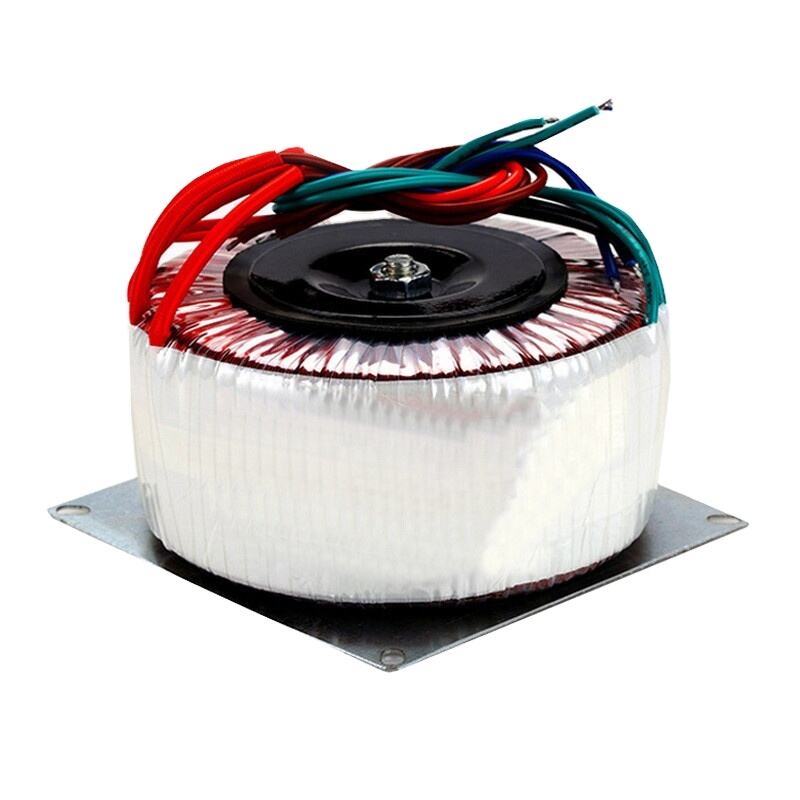
High-performance isolation transformers serve as critical components in electrical systems where safety, noise reduction, and voltage regulation are paramount. These specialized devices provide electrical isolation between primary and secondary circuits while maintaining precise voltage transformation capabilities. Understanding the key standards that govern their design and performance is essential for engineers, facility managers, and procurement specialists who need reliable power solutions for sensitive equipment and applications.
The regulatory landscape for isolation transformers encompasses multiple international and national standards that address safety, performance, and testing requirements. These standards ensure that isolation transformer units meet stringent criteria for electrical isolation, thermal management, and electromagnetic compatibility. Manufacturers must navigate complex compliance requirements while delivering products that excel in real-world applications across industries ranging from medical equipment to industrial automation.
Modern isolation transformer technology has evolved significantly, incorporating advanced materials, enhanced cooling systems, and sophisticated monitoring capabilities. The standards governing these devices have similarly advanced to address emerging challenges in power quality, energy efficiency, and environmental sustainability. This comprehensive examination of key standards provides the foundation for making informed decisions about isolation transformer selection and implementation.
International Safety Standards for Isolation Transformers
IEC 61558 Standard Requirements
The IEC 61558 standard series represents the cornerstone of international safety requirements for isolation transformer design and testing. This comprehensive standard addresses safety aspects of transformers, reactors, power supplies, and similar equipment intended for household, commercial, and light industrial applications. The standard establishes critical parameters for electrical strength, insulation coordination, and protection against electric shock that every isolation transformer must satisfy.
Within the IEC 61558 framework, specific requirements define minimum clearances and creepage distances between primary and secondary circuits. These specifications ensure adequate electrical isolation under normal operating conditions and potential fault scenarios. The standard also mandates rigorous testing procedures including impulse voltage tests, dielectric strength verification, and insulation resistance measurements that validate the isolation transformer's protective capabilities.
Temperature rise limitations represent another crucial aspect of IEC 61558 compliance, establishing maximum allowable temperature increases for different transformer components during continuous operation. These thermal constraints protect against insulation degradation and ensure long-term reliability of the isolation transformer in demanding applications. Regular testing protocols verify ongoing compliance throughout the product lifecycle.
UL 5085 Certification Standards
UL 5085 provides comprehensive safety standards specifically tailored for low-voltage transformers, including isolation transformer configurations used in North American markets. This standard addresses construction requirements, material specifications, and performance criteria that ensure safe operation in residential, commercial, and industrial environments. UL 5085 certification demonstrates compliance with rigorous safety protocols recognized throughout North America.
The UL 5085 standard emphasizes fire safety through strict requirements for insulation materials, enclosure design, and thermal protection systems. Isolation transformer manufacturers must demonstrate that their products will not create fire hazards under normal operation or reasonably foreseeable fault conditions. This includes validation of flame retardant properties in insulation materials and verification of proper thermal management systems.
Mechanical construction requirements under UL 5085 ensure structural integrity and user safety throughout the isolation transformer's operational life. These specifications cover enclosure strength, terminal accessibility, and marking requirements that facilitate safe installation and maintenance procedures. Regular factory inspections verify ongoing compliance with UL 5085 standards.
Performance and Testing Standards
IEEE C57.12.01 General Requirements
IEEE C57.12.01 establishes fundamental performance requirements for dry-type distribution and power transformers, including specialized isolation transformer applications. This standard defines electrical, mechanical, and thermal performance criteria that ensure reliable operation across diverse operating conditions. The standard provides a comprehensive framework for evaluating transformer capability and establishing performance benchmarks.
Voltage regulation requirements within IEEE C57.12.01 specify acceptable voltage variation limits for isolation transformer output under varying load conditions. These specifications ensure that sensitive equipment receives stable power supply despite fluctuations in input voltage or load demand. The standard also addresses harmonic distortion limits and power factor requirements that affect overall system efficiency.
Testing protocols defined in IEEE C57.12.01 include routine production tests, type tests, and special tests that validate isolation transformer performance characteristics. These comprehensive testing procedures verify electrical performance, thermal behavior, and mechanical integrity under both normal operating conditions and stress scenarios. Documentation requirements ensure traceability and quality assurance throughout the manufacturing process.
NEMA TP 1 Efficiency Standards
NEMA TP 1 establishes minimum efficiency requirements for distribution transformers, including isolation transformer configurations used in commercial and industrial applications. These efficiency standards promote energy conservation while ensuring adequate performance for critical applications. Compliance with NEMA TP 1 requirements demonstrates commitment to environmental sustainability and operational cost reduction.
The efficiency requirements within NEMA TP 1 vary based on transformer capacity, voltage class, and application type, recognizing that different isolation transformer configurations serve distinct purposes with varying efficiency priorities. The standard establishes baseline efficiency levels that manufacturers must meet or exceed, driving continuous improvement in transformer design and materials technology.
Testing methodologies specified in NEMA TP 1 provide standardized procedures for measuring and verifying isolation transformer efficiency under controlled conditions. These testing protocols ensure consistent and comparable efficiency ratings across different manufacturers and product lines. Regular compliance verification maintains confidence in published efficiency specifications.
Medical and Healthcare Applications Standards
IEC 60601-1 Medical Equipment Safety
IEC 60601-1 represents the fundamental safety standard for medical electrical equipment, establishing rigorous requirements for isolation transformer systems used in healthcare environments. This standard addresses unique safety challenges associated with medical applications, including patient protection, electromagnetic compatibility, and reliability requirements that exceed typical industrial standards. Compliance with IEC 60601-1 is mandatory for isolation transformer systems serving medical equipment.
Patient safety requirements within IEC 60601-1 mandate enhanced electrical isolation characteristics that protect against potential harm from electrical faults or equipment malfunction. The standard specifies multiple levels of protection, including reinforced insulation requirements and redundant safety systems that ensure patient protection even during component failure scenarios. These requirements significantly influence isolation transformer design and testing protocols.
Electromagnetic compatibility requirements in IEC 60601-1 address both emissions and immunity characteristics of isolation transformer systems in medical environments. The standard recognizes the critical nature of medical equipment operation and establishes strict limits on electromagnetic interference that could affect patient care or equipment functionality. Regular testing verifies ongoing compliance with these stringent requirements.
UL 2089 Health Care Facility Standards
UL 2089 provides specific requirements for transformers used in health care facilities, addressing the unique challenges of medical environment applications. This standard complements IEC 60601-1 by focusing on installation and operational aspects of isolation transformer systems in healthcare settings. UL 2089 certification demonstrates suitability for critical healthcare applications where reliability and safety are paramount.
Environmental requirements within UL 2089 address the challenging conditions present in healthcare facilities, including exposure to cleaning chemicals, temperature variations, and humidity fluctuations. The standard ensures that isolation transformer systems maintain performance and safety characteristics despite these demanding operating conditions. Material compatibility and corrosion resistance requirements protect against degradation over time.
Maintenance and testing requirements specified in UL 2089 establish protocols for ongoing verification of isolation transformer performance in healthcare applications. These requirements ensure continued compliance with safety standards throughout the equipment lifecycle. Regular inspection and testing procedures identify potential issues before they compromise patient safety or equipment operation.
Industrial and Commercial Standards
ANSI C84.1 Voltage Standards
ANSI C84.1 establishes voltage standards for electric power systems and equipment, providing the foundation for isolation transformer voltage specifications in industrial and commercial applications. This standard defines acceptable voltage ranges for different system configurations and ensures compatibility between power sources and connected equipment. Compliance with ANSI C84.1 requirements enables reliable operation of isolation transformer systems across diverse applications.
Voltage regulation requirements within ANSI C84.1 specify acceptable voltage variation limits that isolation transformer systems must maintain under varying load and supply conditions. These specifications ensure that sensitive equipment receives stable power supply despite fluctuations in the electrical distribution system. The standard addresses both steady-state voltage regulation and transient voltage response characteristics.
System compatibility requirements in ANSI C84.1 ensure that isolation transformer installations integrate properly with existing electrical infrastructure. The standard addresses grounding requirements, phase relationships, and harmonic considerations that affect overall system performance. Proper adherence to these requirements prevents compatibility issues and ensures reliable operation.
NFPA 70 Installation Requirements
NFPA 70, commonly known as the National Electrical Code, establishes installation requirements for isolation transformer systems in commercial and industrial facilities. This comprehensive standard addresses wiring methods, protection requirements, and installation practices that ensure safe and reliable operation. Compliance with NFPA 70 is mandatory for most isolation transformer installations in the United States.
Overcurrent protection requirements within NFPA 70 specify appropriate protection devices and installation methods for isolation transformer circuits. The standard addresses both primary and secondary protection requirements, ensuring adequate protection against overload and fault conditions. Proper protection coordination prevents equipment damage and maintains system safety.
Grounding and bonding requirements in NFPA 70 establish proper electrical connections that ensure personnel safety and equipment protection. These requirements are particularly important for isolation transformer installations where proper grounding maintains the intended isolation characteristics while providing necessary safety features. Regular inspection verifies ongoing compliance with these critical safety requirements.
Environmental and Efficiency Standards
RoHS and Environmental Compliance
RoHS (Restriction of Hazardous Substances) compliance represents an increasingly important aspect of isolation transformer manufacturing and selection. This European directive restricts the use of specific hazardous materials in electrical equipment, promoting environmental sustainability and worker safety. Modern isolation transformer designs must incorporate RoHS-compliant materials while maintaining performance and reliability characteristics.
Material selection requirements under RoHS compliance affect insulation systems, conductor materials, and magnetic core compositions used in isolation transformer construction. Manufacturers must identify and implement alternative materials that provide equivalent or superior performance while meeting environmental restrictions. This ongoing evolution drives innovation in transformer materials technology.
Documentation and traceability requirements associated with RoHS compliance ensure that isolation transformer manufacturers can verify material compliance throughout the supply chain. These requirements facilitate regulatory compliance verification and support environmental sustainability initiatives. Regular audits verify ongoing adherence to RoHS requirements.
Energy Efficiency Regulations
Energy efficiency regulations continue to evolve, establishing increasingly stringent requirements for isolation transformer efficiency across different markets and applications. These regulations promote energy conservation while maintaining necessary performance characteristics for critical applications. Compliance with efficiency requirements demonstrates environmental responsibility and reduces operational costs.
Efficiency measurement and verification protocols ensure consistent and accurate assessment of isolation transformer performance across different manufacturers and product lines. These standardized testing procedures enable meaningful comparison of efficiency characteristics and support informed purchasing decisions. Regular testing maintains confidence in published efficiency specifications.
Future efficiency requirements continue to evolve, driving ongoing innovation in isolation transformer design and materials technology. Manufacturers must anticipate these evolving requirements and develop products that meet or exceed future efficiency standards. This forward-looking approach ensures continued market relevance and regulatory compliance.
Quality Assurance and Testing Protocols
Manufacturing Quality Standards
ISO 9001 quality management standards provide the foundation for isolation transformer manufacturing quality assurance programs. These comprehensive standards establish systematic approaches to quality control, process management, and continuous improvement that ensure consistent product quality and reliability. Implementation of ISO 9001 principles supports manufacturing excellence and customer satisfaction.
Process control requirements within quality management standards address critical manufacturing parameters that affect isolation transformer performance and reliability. These controls ensure consistent material properties, dimensional accuracy, and assembly quality throughout the production process. Statistical process control techniques identify variations before they affect product quality.
Documentation and traceability requirements support quality assurance by maintaining comprehensive records of materials, processes, and testing results for each isolation transformer unit. This documentation facilitates problem resolution, supports warranty claims, and enables continuous improvement initiatives. Regular quality audits verify ongoing compliance with established standards.
Testing and Validation Procedures
Comprehensive testing protocols validate isolation transformer performance across multiple parameters including electrical characteristics, thermal behavior, and mechanical integrity. These testing procedures ensure that products meet or exceed specified performance requirements and maintain reliability throughout their operational life. Standardized testing methods enable consistent evaluation across different product lines and manufacturers.
Type testing procedures verify design adequacy and establish performance baselines for isolation transformer product families. These comprehensive tests evaluate performance under normal and stress conditions, identifying potential limitations and validating design margins. Type test results support product certification and provide confidence in field performance.
Routine production testing ensures that individual isolation transformer units meet quality standards and performance specifications. These streamlined tests verify critical parameters while maintaining production efficiency. Sampling procedures and statistical analysis techniques optimize testing effectiveness while ensuring product quality.
FAQ
What are the most important safety standards for isolation transformers?
The most critical safety standards include IEC 61558 for international applications and UL 5085 for North American markets. These standards establish essential requirements for electrical isolation, insulation coordination, and protection against electric shock. Medical applications require additional compliance with IEC 60601-1, which addresses enhanced safety requirements for healthcare environments. All isolation transformer installations must also comply with local electrical codes such as NFPA 70 in the United States.
How do efficiency standards impact isolation transformer selection?
Efficiency standards like NEMA TP 1 establish minimum efficiency requirements that affect both energy consumption and operating costs over the isolation transformer's lifetime. Higher efficiency units reduce energy waste, lower cooling requirements, and decrease environmental impact. However, efficiency requirements must be balanced against other performance criteria such as voltage regulation, harmonic distortion, and reliability. Selection should consider the total cost of ownership including initial purchase price, energy costs, and maintenance requirements.
What testing is required to verify isolation transformer compliance?
Compliance verification requires multiple testing categories including routine production tests, type tests, and special application tests. Routine tests verify basic electrical and mechanical parameters for every unit produced. Type tests validate design adequacy through comprehensive evaluation under normal and stress conditions. Special tests may be required for specific applications such as medical equipment or hazardous environments. Testing must be performed by qualified laboratories using calibrated equipment following standardized procedures.
Are there specific standards for medical isolation transformers?
Medical isolation transformer applications require compliance with IEC 60601-1 for medical electrical equipment safety, which establishes enhanced requirements for patient protection, electromagnetic compatibility, and reliability. UL 2089 provides additional requirements for healthcare facility applications. These medical standards mandate higher levels of electrical isolation, redundant safety systems, and more stringent electromagnetic compatibility requirements compared to general industrial applications. Regular testing and maintenance protocols ensure continued compliance throughout the equipment lifecycle.