EN
EN

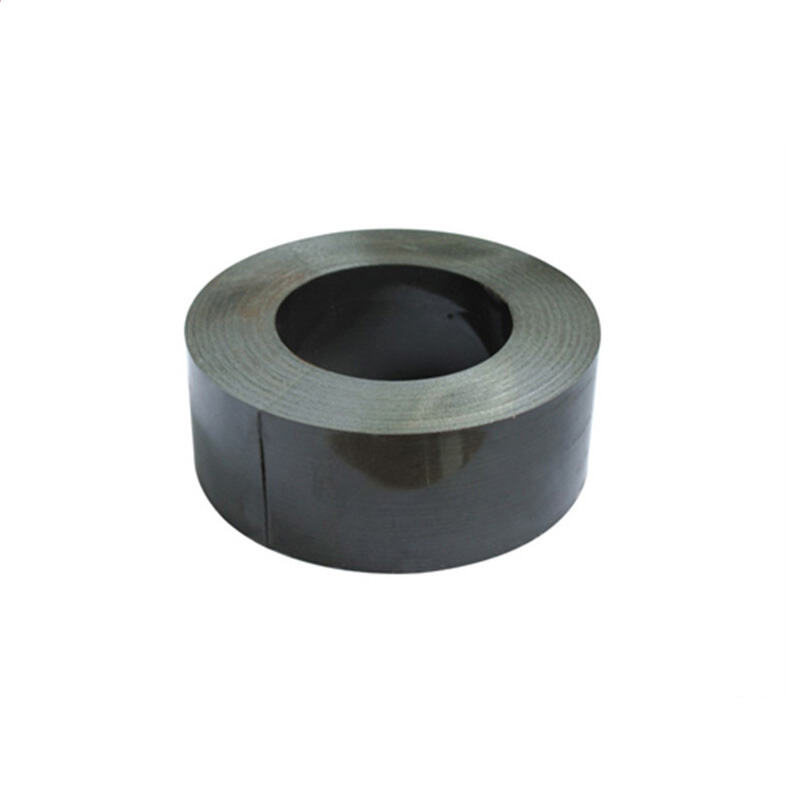
Understanding the fundamental differences between isolation and auto transformers is crucial for engineers and technicians selecting the right transformer type for specific applications. While both serve the essential function of voltage transformation in electrical systems, their construction, safety features, and operational characteristics vary significantly, making each suitable for distinct industrial and commercial scenarios.
The distinction between isolation and auto transformers extends beyond their physical design to encompass critical operational differences that directly impact safety, efficiency, and application suitability. These differences influence everything from electrical isolation requirements to cost considerations and installation complexity in modern electrical systems.
Fundamental Construction Differences
Winding Configuration and Physical Design
Isolation transformers feature completely separate primary and secondary windings with no direct electrical connection between input and output circuits. This physical separation creates galvanic isolation, where the magnetic field through the core provides the only coupling mechanism between windings. The independent winding design allows for complete electrical isolation while maintaining efficient power transfer through electromagnetic induction.
Auto transformers utilize a single continuous winding that serves as both primary and secondary, with the output taken from a tap point along the winding. This shared winding configuration creates a direct electrical connection between input and output circuits through the common winding portion. The auto transformer design eliminates the need for separate windings while maintaining voltage transformation capability through the variable tap arrangement.
The core construction in isolation and auto transformers follows similar principles, utilizing laminated steel cores to minimize eddy current losses and maximize magnetic coupling efficiency. However, the winding arrangement around the core differs significantly, affecting both the magnetic flux distribution and the overall transformer performance characteristics.
Electrical Connection Architecture
The electrical connection architecture represents the most fundamental difference between isolation and auto transformers. Isolation transformers provide complete galvanic isolation between primary and secondary circuits, ensuring that no direct current path exists between input and output terminals. This isolation prevents ground loops, reduces noise transmission, and enhances safety by eliminating direct electrical contact between circuits.
Auto transformers maintain direct electrical continuity between input and output through the common winding section, creating a shared neutral or common point. This electrical connection allows for more compact design and higher efficiency but eliminates the safety benefits of galvanic isolation. The shared electrical path means that voltage variations and electrical disturbances can transfer directly between primary and secondary circuits.
Understanding these connection differences is essential when selecting between isolation and auto transformers for specific applications, as the electrical architecture directly impacts safety requirements, grounding considerations, and overall system design parameters.
Safety and Isolation Characteristics
Galvanic Isolation Properties
Galvanic isolation in isolation transformers provides critical safety benefits by preventing direct current flow between primary and secondary circuits. This isolation protects sensitive equipment from ground potential differences, reduces the risk of electrical shock, and prevents the propagation of electrical faults between circuit sections. The isolation barrier also helps eliminate ground loops that can cause interference and equipment damage in complex electrical systems.
The absence of galvanic isolation in auto transformers creates potential safety concerns in certain applications, particularly where personnel safety and equipment protection are paramount. Direct electrical connection between input and output circuits means that faults, surges, or ground potential differences can transfer directly across the transformer, potentially damaging connected equipment or creating safety hazards.
Safety standards and regulations often mandate the use of isolation transformers in medical equipment, sensitive instrumentation, and applications where personnel safety is critical. The galvanic isolation provided by these transformers ensures compliance with safety requirements while protecting both equipment and operators from electrical hazards.
Grounding and Noise Reduction
Isolation transformers excel at breaking ground loops and reducing electrical noise transmission between circuits. The galvanic isolation prevents common-mode noise and interference from propagating through the transformer, making isolation transformers ideal for sensitive electronic equipment and precision instrumentation applications. This noise reduction capability is particularly valuable in industrial environments with high electromagnetic interference levels.
Auto transformers cannot provide the same level of noise isolation due to their direct electrical connection between windings. Common-mode noise and interference can pass directly through the shared winding section, potentially affecting sensitive downstream equipment. However, auto transformers can still provide some degree of noise filtering through their inductive characteristics and proper grounding practices.
The grounding considerations for isolation and auto transformers differ significantly, with isolation transformers allowing for independent grounding of primary and secondary circuits, while auto transformers require careful attention to shared grounding points to prevent safety issues and maintain proper system operation.
Performance and Efficiency Variations
Power Transfer Efficiency
Auto transformers typically demonstrate higher efficiency compared to isolation transformers due to their single-winding design and reduced copper losses. The shared winding configuration means that only a portion of the total power flows through the magnetic coupling, while the remainder transfers directly through the electrical connection. This direct power transfer reduces losses and improves overall efficiency, particularly in applications with small voltage transformation ratios.
Isolation transformers experience slightly higher losses due to the complete electromagnetic power transfer requirement and the presence of separate windings. The dual-winding configuration creates additional resistance losses and requires all power to flow through the magnetic coupling mechanism. However, modern isolation transformer designs achieve excellent efficiency levels through optimized core materials and winding techniques.
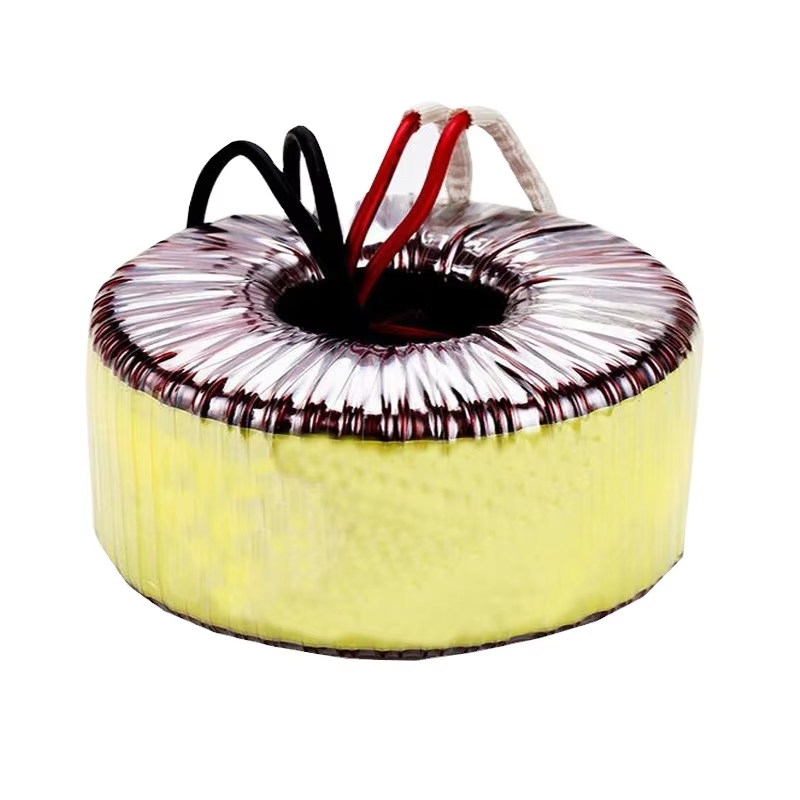
The efficiency difference between isolation and auto transformers becomes more pronounced in high-power applications, where even small percentage improvements in efficiency can result in significant energy savings and reduced operating costs over the transformer's lifetime.
Size and Weight Considerations
Auto transformers generally offer size and weight advantages over isolation transformers of equivalent power ratings. The single-winding design requires less copper and allows for more compact core utilization, resulting in smaller overall dimensions and reduced material requirements. This size advantage makes auto transformers attractive for applications where space constraints and weight limitations are important considerations.
Isolation transformers require additional materials for separate windings and often need larger cores to accommodate both primary and secondary windings while maintaining proper insulation distances. The dual-winding configuration and isolation requirements result in larger overall transformer dimensions and increased weight compared to equivalent auto transformers.
Cost implications often favor auto transformers due to their reduced material requirements and simpler construction, making them economically attractive for applications where galvanic isolation is not required. However, the cost difference must be weighed against the specific safety and performance requirements of each application.
Application Scenarios and Selection Criteria
Industrial and Commercial Applications
Isolation transformers find extensive use in medical equipment, laboratory instrumentation, and sensitive electronic systems where galvanic isolation is essential for safety and performance. These applications require the complete electrical separation that isolation transformers provide, ensuring patient safety in medical environments and protecting sensitive measurements from electrical interference in laboratory settings.
Auto transformers commonly serve in power distribution systems, motor starting applications, and voltage regulation scenarios where efficiency and cost-effectiveness are primary concerns. These transformers excel in applications such as power factor correction, voltage adjustment for motors, and distribution system voltage regulation where the direct electrical connection does not compromise safety or system requirements.
The selection between isolation and auto transformers depends heavily on the specific application requirements, including safety standards, efficiency needs, space constraints, and cost considerations. Understanding the operational environment and regulatory requirements helps guide the appropriate transformer selection process.
Safety and Regulatory Compliance
Regulatory standards often dictate transformer selection in safety-critical applications. Medical device regulations, industrial safety codes, and electrical installation standards may specifically require galvanic isolation, making isolation transformers the only acceptable choice for certain applications. Compliance with these standards ensures both legal conformity and operational safety.
Auto transformers may be restricted or prohibited in certain applications due to safety concerns related to their direct electrical connection. Understanding applicable codes and standards is essential when evaluating auto transformers for new installations or equipment upgrades. However, auto transformers remain acceptable and advantageous in many industrial and commercial applications where their benefits outweigh safety concerns.
The growing emphasis on electrical safety and equipment protection continues to drive demand for isolation transformers in sensitive applications, while auto transformers maintain their importance in efficiency-focused power distribution and control applications where isolation is not required.
FAQ
Can auto transformers be used in medical equipment applications?
Auto transformers are generally not suitable for medical equipment applications due to safety regulations requiring galvanic isolation between patient-connected circuits and power sources. Medical device standards mandate isolation transformers to ensure patient safety and prevent electrical shock hazards through proper galvanic isolation.
Which type of transformer is more cost-effective for voltage regulation applications?
Auto transformers typically offer better cost-effectiveness for voltage regulation applications due to their simpler construction, higher efficiency, and reduced material requirements. However, the choice depends on whether galvanic isolation is required for safety or operational reasons in the specific application.
Do isolation transformers completely eliminate electrical noise?
While isolation transformers significantly reduce electrical noise and interference through galvanic isolation, they do not completely eliminate all forms of electrical noise. Some high-frequency noise can still couple through parasitic capacitance between windings, though isolation transformers provide substantial noise reduction compared to auto transformers.
What happens if an auto transformer fails compared to an isolation transformer?
Auto transformer failures can potentially create more severe consequences due to the direct electrical connection between input and output circuits. Fault conditions can propagate directly through the shared winding, while isolation transformer failures typically provide better fault isolation due to the separate winding configuration and galvanic isolation properties.