EN
EN

Selecting a reliable power transformer manufacturer is one of the most critical decisions in any electrical project, as it directly impacts performance, safety, and long-term operational success. The right manufacturer ensures compliance with industry standards, delivers consistent quality, and provides ongoing technical support throughout the product lifecycle. Understanding how to evaluate manufacturer reliability involves examining their technical capabilities, quality control processes, certifications, and track record in delivering solutions that meet specific project requirements.
The process of identifying a trustworthy power transformer manufacturer requires systematic evaluation of multiple factors that indicate manufacturing excellence and business stability. From technical expertise and production capacity to customer support and financial strength, each element contributes to the overall reliability equation. This comprehensive assessment approach helps project managers, engineers, and procurement professionals make informed decisions that minimize risks while maximizing project outcomes and investment returns.
Essential Manufacturing Capabilities and Technical Expertise
Core Production Technologies and Equipment
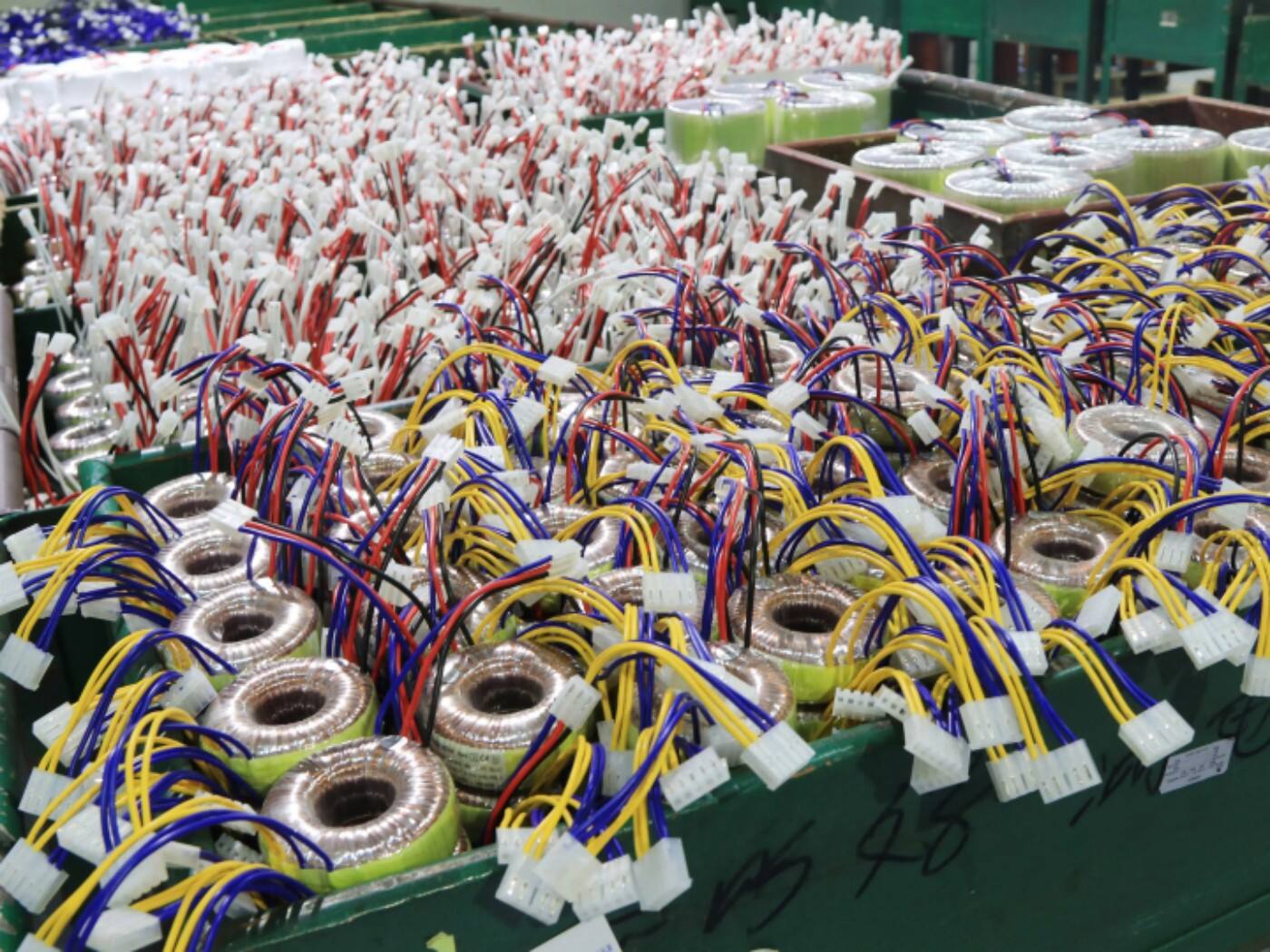
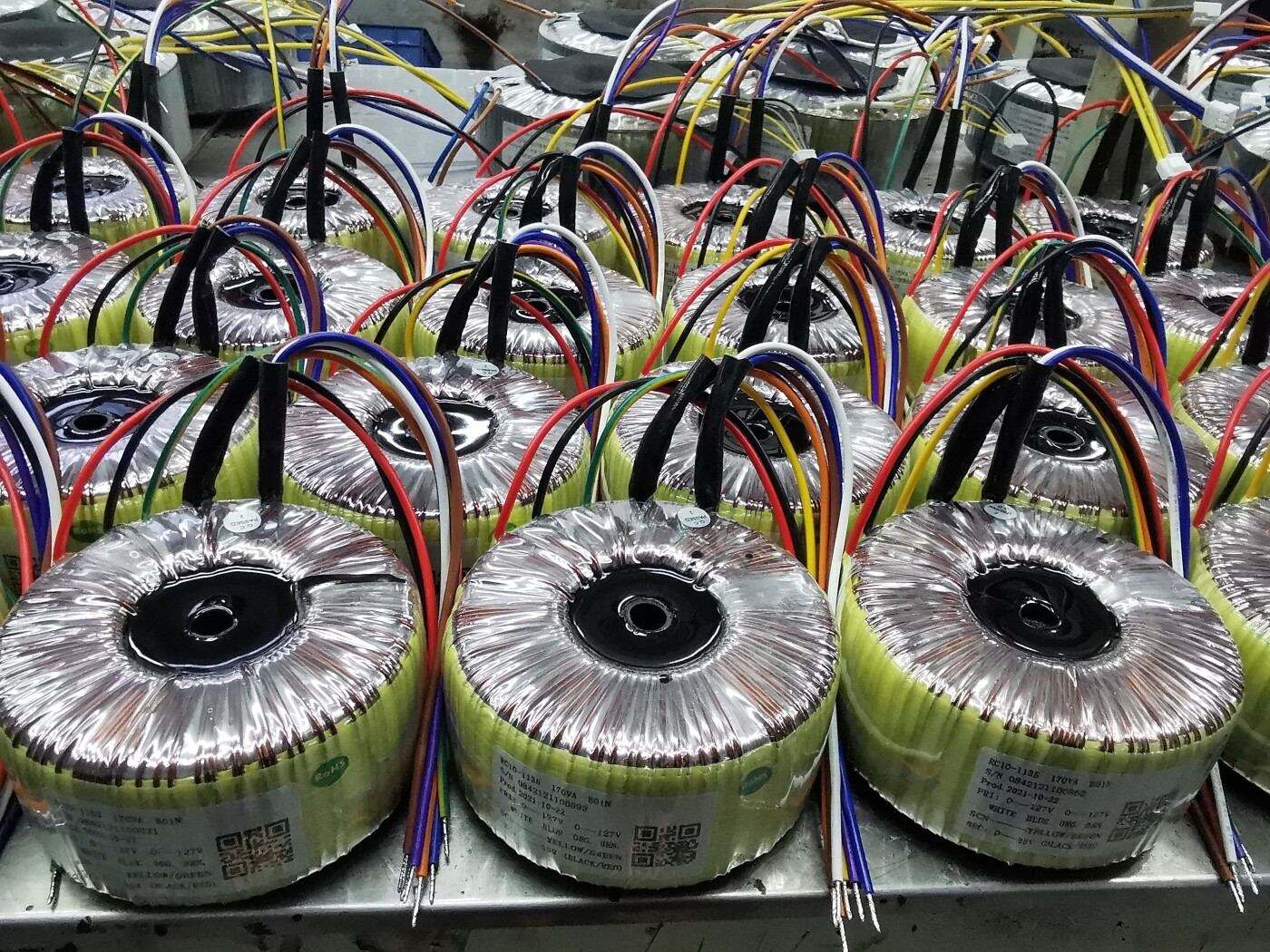
A reliable power transformer manufacturer must demonstrate advanced production technologies and state-of-the-art equipment capable of producing transformers that meet modern electrical requirements. The manufacturing facility should feature automated winding machines, precision core cutting equipment, vacuum impregnation systems, and comprehensive testing apparatus. These technologies ensure consistent product quality, dimensional accuracy, and electrical performance across all production runs.
The power transformer manufacturer should also maintain clean room environments for critical assembly processes, particularly for high-voltage applications where contamination can lead to insulation failure. Advanced manufacturing capabilities include computer-controlled winding systems that ensure precise wire placement, tension control, and layer-to-layer insulation application. Modern facilities typically incorporate lean manufacturing principles, reducing waste while improving product consistency and delivery times.
Equipment maintenance programs and calibration schedules indicate the manufacturer's commitment to production consistency. Regular equipment upgrades and technology investments demonstrate forward-thinking management and suggest the company will remain competitive and capable of meeting future project requirements. The presence of backup equipment and redundant production lines shows preparedness for maintaining delivery schedules even during equipment maintenance or unexpected downtime.
Design Engineering and Customization Capabilities
Strong design engineering capabilities separate exceptional power transformer manufacturers from basic suppliers. The engineering team should possess deep knowledge of electromagnetic theory, thermal management, mechanical design, and materials science. This expertise enables custom transformer design for unique applications, optimization of standard designs for specific requirements, and innovative solutions for challenging technical specifications.
Design capabilities should include advanced simulation software for electromagnetic field analysis, thermal modeling, and mechanical stress analysis. These tools allow engineers to optimize designs before prototyping, reducing development time and ensuring first-time design success. The manufacturer should maintain libraries of proven designs while demonstrating flexibility to modify existing designs or create entirely new solutions for specific project requirements.
Technical documentation capabilities reveal the manufacturer's professionalism and attention to detail. Comprehensive design documentation, including detailed drawings, specifications, test procedures, and installation instructions, indicates systematic engineering processes and facilitates proper installation and maintenance. The ability to provide technical support during design phases, installation, and commissioning demonstrates genuine partnership commitment beyond simple product supply.
Material Selection and Supply Chain Management
Material quality directly impacts transformer performance, reliability, and longevity, making supply chain management a critical evaluation factor. A dependable power transformer manufacturer maintains relationships with certified material suppliers and implements rigorous incoming inspection procedures. Key materials include electrical steel for cores, copper or aluminum conductors, insulation materials, and cooling fluids, each requiring specific quality standards and traceability.
The manufacturer should demonstrate understanding of material properties and their impact on transformer performance. For example, grain-oriented electrical steel selection affects core losses, while insulation material choices influence temperature ratings and dielectric strength. Documentation of material certifications, test reports, and traceability records indicates systematic quality management and enables root cause analysis if issues arise.
Supply chain diversification and inventory management strategies reveal the manufacturer's ability to maintain consistent production schedules despite material availability challenges. Multiple approved suppliers for critical materials, strategic inventory levels, and alternative material qualification procedures demonstrate proactive supply chain management. These capabilities become particularly important during market disruptions or when materials face supply constraints.
Quality Management Systems and Certifications
International Standards Compliance and Certifications
Certification compliance serves as the foundation for evaluating any power transformer manufacturer's quality management commitment. Essential certifications include ISO 9001 for quality management systems, demonstrating systematic approaches to quality control, continuous improvement, and customer satisfaction. Additional certifications such as ISO 14001 for environmental management and ISO 45001 for occupational health and safety indicate comprehensive management system implementation.
Product certifications from recognized testing laboratories provide independent verification of design compliance with relevant standards. For power transformers, key standards include IEC 60076 series, IEEE standards, and regional requirements such as ANSI or JIS standards. UL, CE, CSA, or other safety certifications demonstrate product compliance with local electrical codes and safety requirements, essential for project approval and insurance coverage.
The manufacturer should maintain current certification status and demonstrate regular surveillance audit compliance. Expired or suspended certifications indicate potential quality management problems and should raise immediate concerns. Additionally, the scope of certifications should match the intended application, as some manufacturers may hold certifications for limited product ranges or voltage ratings that may not cover specific project requirements.
Testing Capabilities and Quality Control Processes
Comprehensive testing capabilities distinguish professional power transformer manufacturers from basic suppliers. In-house testing facilities should include equipment for routine tests such as turns ratio verification, impedance measurement, insulation resistance testing, and dielectric withstand testing. Advanced testing capabilities may include partial discharge testing, temperature rise testing, and audible sound level measurement, depending on application requirements.
Quality control processes should encompass incoming material inspection, in-process monitoring, and final product testing. Statistical process control implementation indicates systematic quality management, while documented procedures ensure consistent application across all products. The manufacturer should provide test certificates with each delivered transformer, documenting compliance with specified requirements and providing baseline data for future maintenance reference.
Third-party testing capabilities or relationships with accredited laboratories demonstrate commitment to independent verification when required. Some applications or customers may require type testing or special tests that exceed normal production capabilities. The manufacturer's ability to coordinate such testing or maintain relationships with qualified testing facilities indicates professional project management capabilities.
Traceability and Documentation Systems
Robust traceability systems enable tracking of materials, components, and manufacturing processes throughout the production cycle. This capability becomes crucial for quality investigations, warranty claims, or regulatory compliance requirements. A professional power transformer manufacturer maintains detailed records linking specific materials and processes to individual products, enabling rapid identification of potentially affected units if issues arise.
Documentation systems should encompass design records, material certificates, manufacturing records, test results, and shipping documentation. Electronic documentation systems with backup procedures ensure long-term record availability and facilitate efficient information retrieval. The manufacturer should demonstrate ability to provide complete documentation packages years after product delivery, supporting maintenance planning and regulatory compliance.
Change control procedures indicate systematic management of design modifications, process improvements, and material substitutions. Documented approval processes, impact assessments, and customer notifications demonstrate professional change management. These procedures ensure product consistency while enabling continuous improvement and adaptation to changing requirements or material availability.
Business Stability and Financial Strength
Company History and Market Presence
Company longevity and market presence provide valuable insights into business stability and management competence. A power transformer manufacturer with decades of operation has weathered various market cycles, technological changes, and economic challenges, demonstrating resilience and adaptability. However, longevity alone does not guarantee current capabilities, making it important to evaluate recent performance and ongoing investments in facilities and technology.
Market presence indicators include customer diversity, geographic reach, and application range. Manufacturers serving multiple industries and geographic regions typically demonstrate greater stability than those dependent on single markets or customers. References from long-term customers and repeat business patterns indicate customer satisfaction and relationship stability. Professional recognition through industry awards or technical publications suggests technical leadership and innovation.
Recent company developments such as facility expansions, technology investments, or strategic partnerships indicate growth trajectory and financial health. Conversely, facility closures, workforce reductions, or management changes may signal challenges requiring careful evaluation. Public companies provide financial transparency through annual reports, while private companies may require more detailed financial due diligence for large projects or long-term partnerships.
Financial Health and Credit Standing
Financial stability assessment becomes particularly important for large projects or when considering long-term support commitments. Basic financial health indicators include consistent profitability, manageable debt levels, and adequate working capital for operations. Credit ratings from established agencies provide independent assessment of financial stability and default risk, though many smaller manufacturers may not have formal ratings.
For significant projects, financial due diligence may include review of audited financial statements, bank references, and trade credit reports. Key metrics include current ratio, debt-to-equity ratio, and cash flow adequacy for operations and growth investments. The power transformer manufacturer should demonstrate ability to finance normal operations without excessive reliance on customer advances or short-term financing arrangements.
Insurance coverage provides additional insight into risk management practices and financial capability. Comprehensive general liability, product liability, and professional indemnity coverage indicate proper risk management. Adequate coverage limits relative to potential project risks demonstrate understanding of liability exposure and commitment to protecting customers from financial losses due to product failures or performance issues.
References and Customer Feedback
Customer references provide the most valuable insights into actual performance and service quality. A reliable power transformer manufacturer should readily provide references from recent customers with similar applications and project sizes. Reference contacts should include both technical and commercial representatives who can discuss product performance, delivery reliability, and support quality from different perspectives.
Reference evaluation should encompass project complexity, delivery performance, technical support quality, and problem resolution effectiveness. Long-term performance data from installed transformers provides insight into product reliability and durability. Customer willingness to provide detailed references and permit site visits indicates confidence in product performance and manufacturer relationship quality.
Industry reputation assessment through trade associations, technical forums, and peer networks provides additional perspective on manufacturer capabilities and reliability. Participation in industry organizations and technical committees suggests commitment to professional development and industry advancement. Technical paper presentations and patent filings indicate innovation and technical leadership within the power transformer manufacturing community.
Customer Support and Service Capabilities
Technical Support and Engineering Services
Comprehensive technical support capabilities distinguish exceptional manufacturers from basic suppliers, particularly for complex applications or custom designs. The power transformer manufacturer should maintain qualified technical support staff capable of providing application guidance, design optimization recommendations, and installation support. This expertise becomes invaluable during project planning phases and throughout the product lifecycle.
Engineering services should include application analysis, load calculations, environmental assessments, and integration planning. The manufacturer's ability to provide detailed technical documentation, installation drawings, and commissioning procedures indicates professional engineering capabilities. Advanced services might include finite element analysis, harmonic studies, or system protection coordination, depending on application complexity and requirements.
Response times and availability of technical support reflect the manufacturer's commitment to customer success. Established communication channels, including phone support, email responses, and potentially on-site visits, ensure prompt assistance when needed. Technical support quality becomes particularly critical during emergency situations or when troubleshooting unexpected performance issues requires specialized knowledge and experience.
Installation and Commissioning Support
Installation and commissioning support services demonstrate the manufacturer's commitment to successful project outcomes beyond product delivery. Professional installation guidance includes detailed procedures, safety requirements, and quality checkpoints that ensure proper transformer installation and optimal performance. Some manufacturers provide on-site supervision or commissioning services, particularly valuable for critical applications or complex installations.
Commissioning support should encompass initial energization procedures, performance verification testing, and system integration validation. The power transformer manufacturer should provide detailed commissioning checklists, test procedures, and acceptance criteria that facilitate smooth project completion. Documentation of commissioning results provides baseline performance data valuable for future maintenance and troubleshooting activities.
Training programs for customer personnel indicate comprehensive service commitment. Proper training on installation procedures, safety requirements, and basic maintenance activities helps ensure long-term performance and safety. Training materials, including manuals, videos, or hands-on sessions, should be tailored to customer needs and technical sophistication levels.
Warranty Coverage and After-Sales Service
Warranty terms and coverage provide important insights into product confidence and service commitment. Comprehensive warranty coverage should include materials, workmanship, and design adequacy for specified operating conditions. Warranty duration should reflect expected product life and industry standards, typically ranging from one to several years depending on application and complexity.
Warranty service capabilities include prompt response to warranty claims, qualified service personnel, and access to replacement parts. The manufacturer should maintain service capabilities throughout the warranty period and preferably beyond, ensuring ongoing support availability. Clear warranty terms, exclusions, and claim procedures prevent misunderstandings and facilitate efficient problem resolution when issues arise.
After-sales service capabilities encompass routine maintenance support, performance monitoring, and upgrade services. The power transformer manufacturer should provide maintenance recommendations, spare parts availability, and service documentation that supports long-term asset management. Advanced service offerings might include condition monitoring systems, predictive maintenance programs, or performance optimization services that extend equipment life and improve reliability.
FAQ
What are the most important certifications to look for in a power transformer manufacturer?
The most critical certifications include ISO 9001 for quality management systems, UL or CE marking for safety compliance, and product certifications demonstrating compliance with relevant IEC or IEEE standards. Additional certifications such as ISO 14001 for environmental management and specific regional safety certifications may be required depending on the application and installation location. Always verify that certification scope covers your specific voltage rating and application requirements.
How can I verify the technical capabilities of a potential power transformer manufacturer?
Verify technical capabilities through facility tours, review of test certificates and equipment lists, evaluation of engineering documentation quality, and discussions with reference customers about technical support experiences. Request detailed technical proposals that demonstrate understanding of your specific requirements and examine the manufacturer's ability to provide custom solutions or modifications when needed. Professional engineering staff qualifications and continuing education programs also indicate serious technical commitment.
What financial information should I request from a power transformer manufacturer before placing a large order?
Request recent financial statements, bank references, credit ratings if available, and insurance certificate documentation. For significant projects, consider requiring financial guarantees, performance bonds, or parent company guarantees if dealing with subsidiaries. Evaluate the manufacturer's ability to finance normal operations and fulfill delivery commitments without excessive dependence on customer advances or short-term financing arrangements.
How important is geographic proximity when selecting a power transformer manufacturer?
Geographic proximity can be important for technical support, installation assistance, and emergency service response, but should be balanced against other factors such as technical capability, quality, and price. Modern communication technologies enable effective remote support for many situations, while transportation improvements have reduced delivery time differences. However, local presence or regional service capabilities may be essential for applications requiring rapid response times or frequent on-site support throughout the equipment lifecycle.
Table of Contents
- Essential Manufacturing Capabilities and Technical Expertise
- Quality Management Systems and Certifications
- Business Stability and Financial Strength
- Customer Support and Service Capabilities
-
FAQ
- What are the most important certifications to look for in a power transformer manufacturer?
- How can I verify the technical capabilities of a potential power transformer manufacturer?
- What financial information should I request from a power transformer manufacturer before placing a large order?
- How important is geographic proximity when selecting a power transformer manufacturer?