EN
EN

In today's technology-driven world, maintaining stable and reliable power supply is crucial for sensitive electronic equipment across various industries. Linear transformers play a fundamental role in ensuring consistent voltage output, making them indispensable components in medical devices, precision instruments, and industrial control systems. These specialized electrical devices provide the steady, clean power that sensitive equipment requires to function optimally while protecting against voltage fluctuations and electrical noise that could compromise performance or cause damage.
The importance of voltage stability cannot be overstated when dealing with sophisticated electronic systems. Sensitive equipment such as laboratory analyzers, medical imaging devices, and precision manufacturing tools require extremely stable power supplies to maintain accuracy and prevent costly malfunctions. Linear transformers excel in this application by providing superior regulation characteristics compared to switching power supplies, making them the preferred choice for applications where electrical noise and voltage ripple must be minimized.
Understanding Linear Transformer Technology
Core Operating Principles
Linear transformers operate on the fundamental principle of electromagnetic induction, utilizing a continuous regulation process that maintains consistent output voltage regardless of load variations. Unlike switching transformers that use pulse-width modulation, linear transformers employ analog control circuits that continuously adjust the output to compensate for input voltage changes and load fluctuations. This continuous regulation method inherently produces minimal electrical noise and provides exceptional voltage stability.
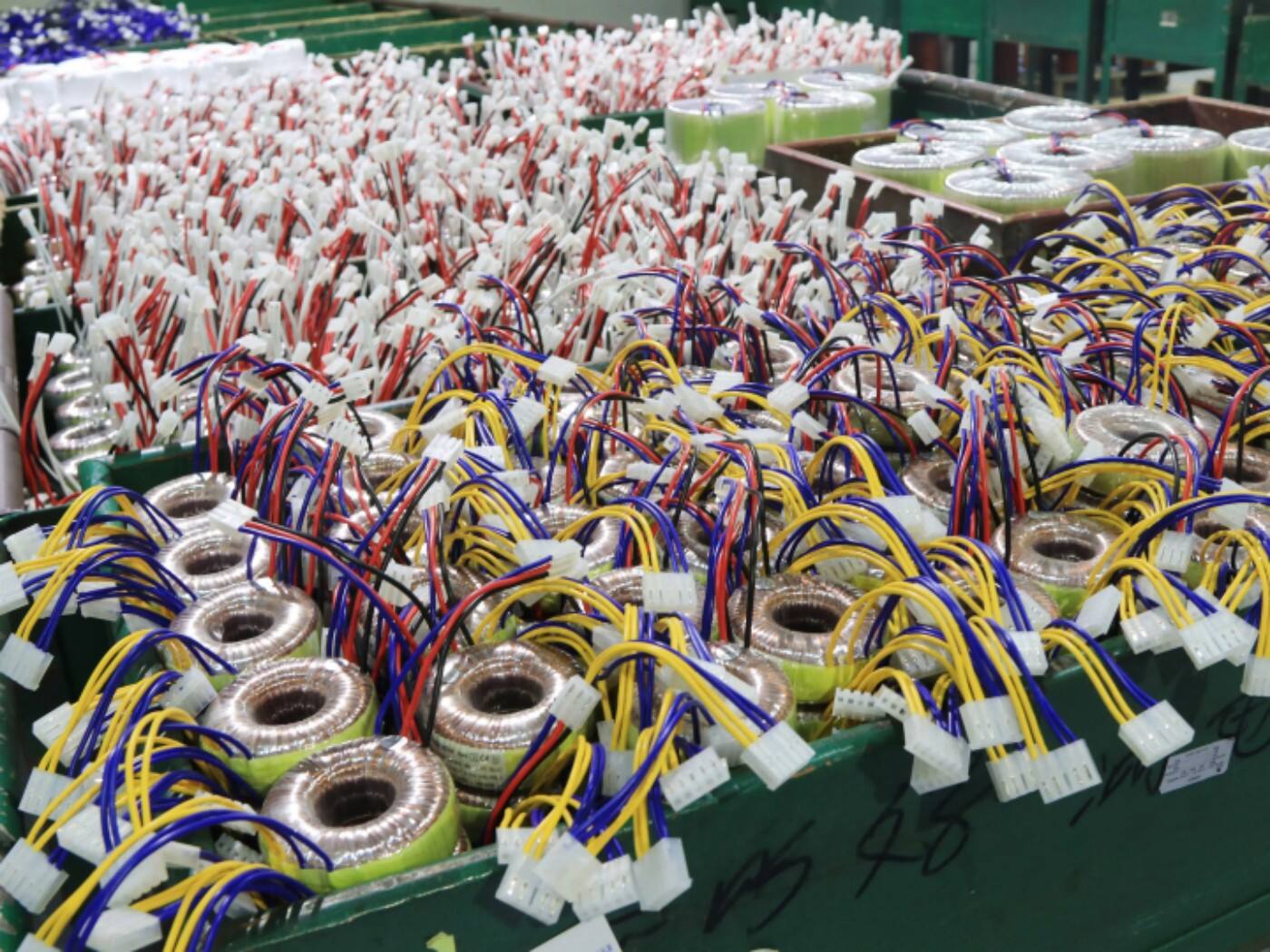
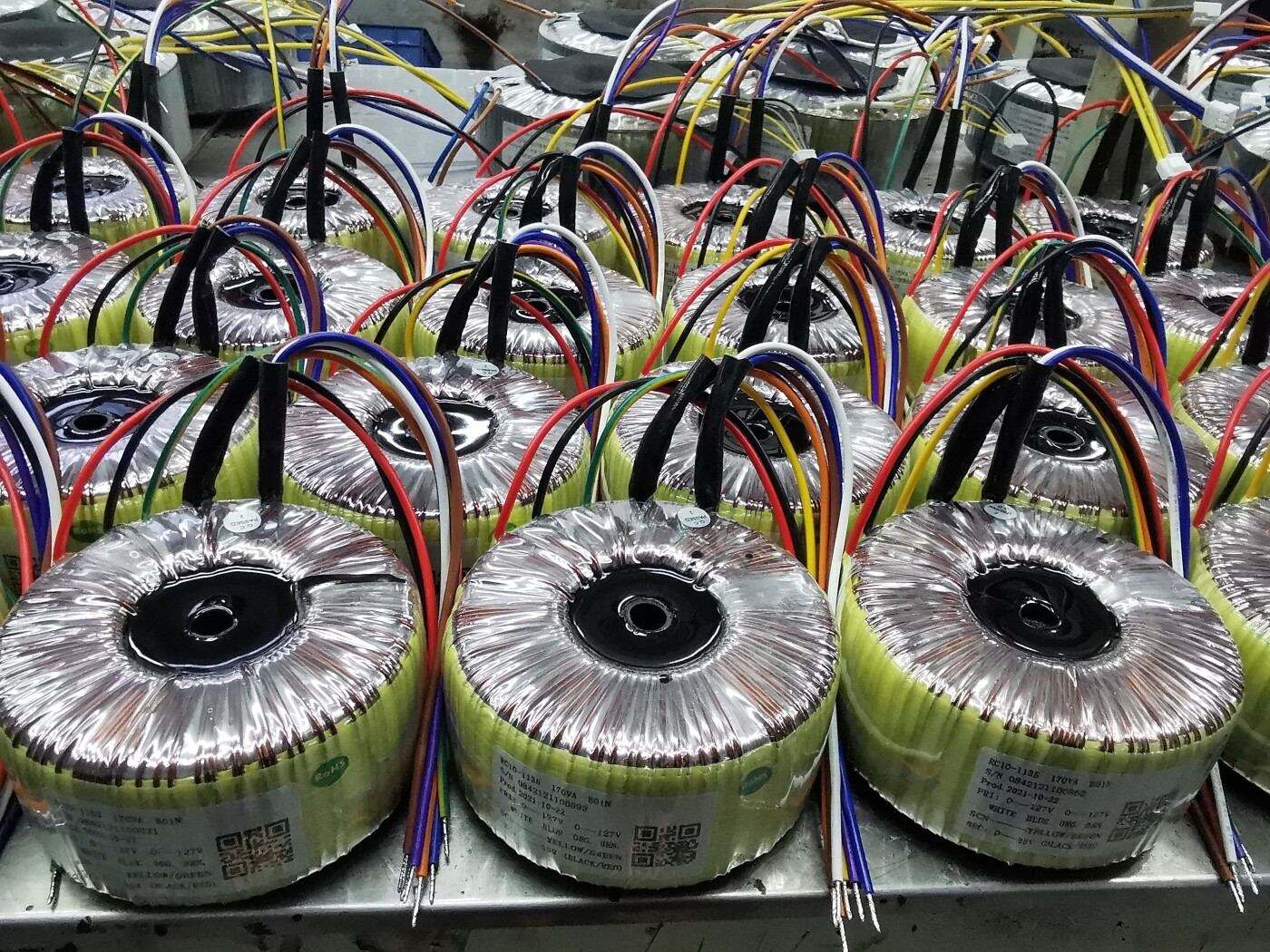
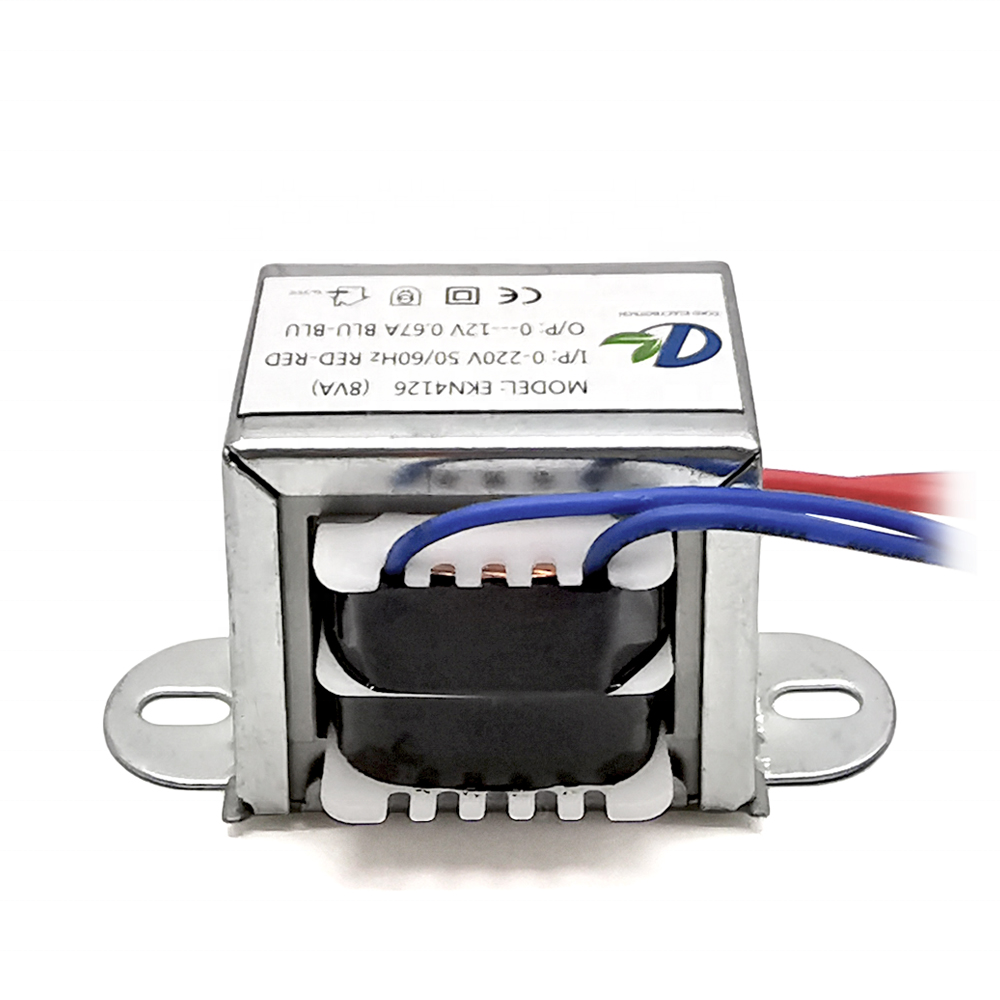
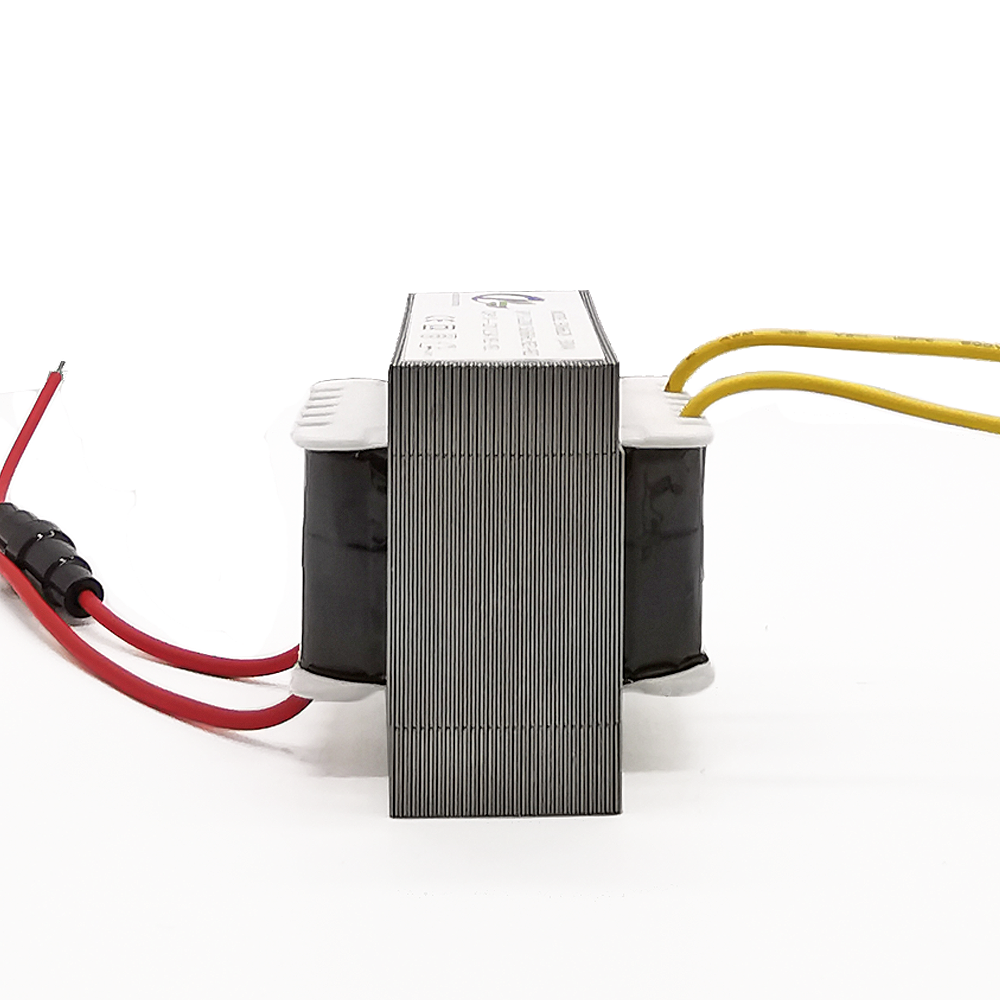
The core construction of linear transformers typically features high-quality laminated steel cores or toroidal cores that minimize losses and reduce electromagnetic interference. These cores are wound with precision-engineered primary and secondary windings that maintain tight coupling ratios, ensuring efficient power transfer while maintaining excellent regulation characteristics. The analog control circuitry continuously monitors both input and output conditions, making real-time adjustments to maintain the desired voltage levels with remarkable precision.
Voltage Regulation Mechanisms
The voltage regulation capability of linear transformers stems from their sophisticated feedback control systems that constantly monitor output conditions and make instantaneous corrections. These systems employ high-gain amplifiers and reference voltage sources that compare the actual output voltage to a stable reference, generating error signals that drive the regulation circuitry. This closed-loop control system enables linear transformers to maintain voltage regulation typically within ±0.1% or better, even under varying load conditions.
Advanced linear transformers incorporate multiple regulation stages that progressively refine the output voltage, eliminating both short-term fluctuations and long-term drift. The series regulation topology commonly used in these transformers provides excellent line and load regulation while maintaining low output impedance across a wide frequency range. This characteristic is particularly important for sensitive equipment that may have varying power consumption patterns or require stable operation across different operational modes.
Applications in Sensitive Equipment
Medical Device Applications
Medical equipment represents one of the most demanding applications for linear transformers, where voltage stability directly impacts patient safety and diagnostic accuracy. Devices such as MRI machines, CT scanners, and patient monitoring systems require exceptionally clean power with minimal noise and ripple. Linear transformers meet these stringent requirements by providing isolation between the power source and sensitive circuitry while maintaining precise voltage regulation throughout varying operational cycles.
The galvanic isolation provided by linear transformers is particularly crucial in medical applications, preventing ground loops and eliminating the risk of electrical interference that could affect sensitive measurements or pose safety hazards to patients and operators. Medical-grade linear transformers often incorporate additional safety features such as reinforced insulation, medical-grade certifications, and enhanced protection against electrical faults, ensuring compliance with strict medical device regulations.
Laboratory and Scientific Instruments
Precision laboratory instruments and scientific equipment rely heavily on linear transformers to maintain measurement accuracy and prevent data corruption caused by power supply variations. Analytical instruments such as mass spectrometers, chromatography systems, and electron microscopes require ultra-stable power supplies to achieve their specified performance parameters. Linear transformers provide the necessary voltage stability while minimizing electromagnetic interference that could affect sensitive detector circuits or precision analog-to-digital converters.
Research facilities often employ linear transformers in custom power distribution systems designed to isolate sensitive instruments from power grid disturbances and other laboratory equipment. These transformers feature exceptionally low magnetic field leakage and superior common-mode rejection, preventing interference between different instruments and maintaining the integrity of sensitive measurements. The linear regulation characteristics ensure that instrument calibration remains stable over extended periods, reducing the need for frequent recalibration procedures.
Technical Advantages Over Switching Alternatives
Superior Noise Performance
One of the most significant advantages of linear transformers compared to switching power supplies is their inherently low noise characteristics. The continuous regulation process employed by linear transformers generates minimal high-frequency noise, making them ideal for applications where electromagnetic compatibility is critical. This low-noise operation is particularly important in audio equipment, precision measurement systems, and communication devices where even small amounts of electrical noise can significantly impact performance.
The absence of high-frequency switching elements in linear transformers eliminates the generation of harmonics and electromagnetic interference that are common issues with switching power supplies. This characteristic makes linear transformers particularly suitable for environments where multiple sensitive devices operate in close proximity, as they do not contribute to the overall electromagnetic noise floor that could affect neighboring equipment.
Exceptional Transient Response
Linear transformers demonstrate superior transient response characteristics compared to switching alternatives, providing immediate compensation for sudden load changes or input voltage variations. The continuous regulation process allows these transformers to respond to disturbances within microseconds, maintaining voltage stability even during rapid load transitions. This fast response capability is crucial for equipment that experiences sudden changes in power consumption or operates in environments with unstable power sources.
The excellent transient response of linear transformers also extends to their ability to suppress voltage spikes and surges that could damage sensitive equipment. The inherent inductance and capacitance characteristics of these transformers, combined with their analog control circuits, provide natural filtering that attenuates high-frequency disturbances while maintaining stable output voltage under normal operating conditions.
Design Considerations for Optimal Performance
Core Selection and Construction
The selection of appropriate core materials and construction techniques significantly impacts the performance of linear transformers in sensitive applications. Toroidal cores are often preferred for their superior magnetic characteristics, reduced stray field emissions, and compact form factor. These cores provide excellent coupling between primary and secondary windings while minimizing losses and reducing the overall size and weight of the transformer assembly.
High-quality grain-oriented electrical steel or advanced soft magnetic materials are typically employed in precision linear transformers to achieve optimal magnetic properties and minimize core losses. The core design must balance factors such as saturation characteristics, permeability, and thermal stability to ensure consistent performance across the expected operating temperature range and load conditions.
Winding Configuration and Insulation
The winding configuration of linear transformers plays a crucial role in determining their electrical performance and safety characteristics. Multiple secondary windings may be employed to provide different voltage levels or to achieve better regulation through center-tap configurations. The wire gauge and insulation specifications must be carefully selected to handle the required current levels while maintaining appropriate safety margins and thermal characteristics.
Advanced insulation systems incorporating multiple layers of specialized materials ensure reliable operation under various environmental conditions while meeting safety standards for the intended application. The insulation design must consider factors such as working voltage, impulse voltage, and environmental conditions including temperature, humidity, and altitude variations that may be encountered during operation.
Installation and Integration Guidelines
Environmental Considerations
Proper installation of linear transformers requires careful attention to environmental factors that could affect their performance and longevity. Temperature management is particularly critical, as excessive heat can degrade insulation materials and affect the magnetic properties of the core. Adequate ventilation and thermal management systems should be incorporated into the installation design to maintain optimal operating temperatures and ensure reliable long-term performance.
The installation environment should also consider factors such as vibration isolation, electromagnetic shielding, and protection from contaminants that could affect transformer operation. Linear transformers used in sensitive applications often require additional shielding to prevent external electromagnetic fields from influencing their operation or to minimize their own electromagnetic emissions in compliance with applicable standards.
Grounding and Safety Protocols
Proper grounding techniques are essential for maximizing the performance and safety of linear transformers in sensitive equipment applications. The grounding system must provide both safety protection and optimal electrical performance while minimizing ground loops and noise coupling between different system components. Separate safety and signal grounds may be required to achieve the best performance in sophisticated installations.
Safety protocols should include regular inspection and testing procedures to verify the continued integrity of insulation systems and protective devices. These procedures should encompass electrical testing, thermal monitoring, and visual inspection of critical components to ensure early detection of any potential issues that could compromise equipment operation or safety.
Maintenance and Longevity Factors
Preventive Maintenance Strategies
Regular maintenance of linear transformers is essential for ensuring continued reliable operation in sensitive equipment applications. Preventive maintenance programs should include periodic inspection of electrical connections, monitoring of operating temperatures, and verification of insulation integrity. These routine checks help identify potential issues before they can cause equipment failures or safety hazards.
Environmental monitoring is also crucial, as factors such as dust accumulation, moisture ingress, and chemical exposure can gradually degrade transformer performance. Cleaning procedures should be established to maintain optimal cooling and prevent contamination that could affect insulation properties or create unwanted electrical paths.
Performance Monitoring and Diagnostics
Advanced diagnostic techniques can provide valuable insights into the condition and performance of linear transformers over time. Regular measurement of key parameters such as regulation accuracy, output ripple, and efficiency can help identify gradual performance degradation before it affects sensitive equipment operation. Thermal imaging and vibration analysis may also be employed to detect developing issues in core laminations or winding structures.
Modern linear transformers may incorporate built-in monitoring capabilities that provide real-time information about operating conditions and performance parameters. These monitoring systems can alert operators to potential issues and provide data for optimizing maintenance schedules and predicting component replacement needs.
FAQ
What makes linear transformers more suitable for sensitive equipment compared to switching power supplies
Linear transformers provide superior voltage regulation with minimal electrical noise compared to switching power supplies. Their continuous analog regulation process eliminates the high-frequency switching noise that can interfere with sensitive electronic circuits. Additionally, linear transformers offer better transient response and lower electromagnetic interference, making them ideal for precision instruments, medical devices, and laboratory equipment where signal integrity is critical.
How do linear transformers maintain consistent voltage output under varying load conditions
Linear transformers maintain consistent voltage output through sophisticated feedback control systems that continuously monitor both input and output conditions. These systems employ high-gain amplifiers and stable reference voltages to detect any deviations from the desired output level and make real-time corrections through series regulation circuits. This closed-loop control typically achieves voltage regulation within ±0.1% even under significant load variations.
What are the key factors to consider when selecting linear transformers for medical equipment
When selecting linear transformers for medical equipment, key considerations include medical-grade certifications, galvanic isolation requirements, and enhanced safety features such as reinforced insulation. The transformer must provide exceptional voltage stability and low noise to ensure accurate measurements and patient safety. Additionally, factors such as operating temperature range, environmental sealing, and compliance with medical device regulations are crucial for reliable operation in healthcare environments.
How do environmental factors affect the performance of linear transformers in sensitive applications
Environmental factors significantly impact linear transformer performance, with temperature being the most critical consideration. Excessive heat can degrade insulation materials and affect core magnetic properties, while temperature variations can cause thermal drift in regulation circuits. Other factors include humidity, which can affect insulation integrity, and electromagnetic interference from nearby equipment. Proper installation with adequate ventilation, environmental sealing, and electromagnetic shielding is essential for optimal performance in sensitive applications.
Table of Contents
- Understanding Linear Transformer Technology
- Applications in Sensitive Equipment
- Technical Advantages Over Switching Alternatives
- Design Considerations for Optimal Performance
- Installation and Integration Guidelines
- Maintenance and Longevity Factors
-
FAQ
- What makes linear transformers more suitable for sensitive equipment compared to switching power supplies
- How do linear transformers maintain consistent voltage output under varying load conditions
- What are the key factors to consider when selecting linear transformers for medical equipment
- How do environmental factors affect the performance of linear transformers in sensitive applications