EN
EN

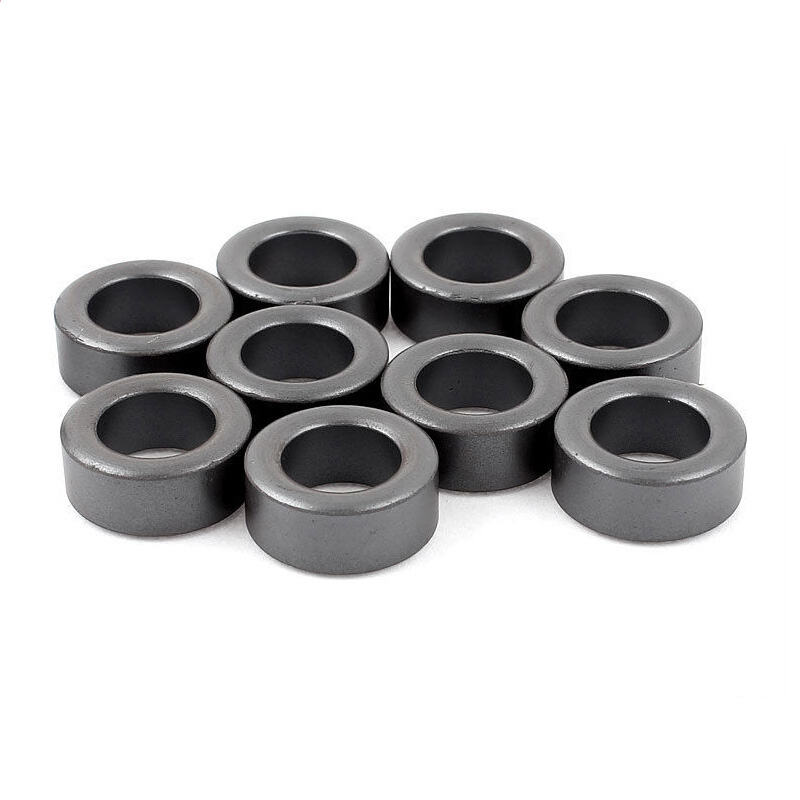
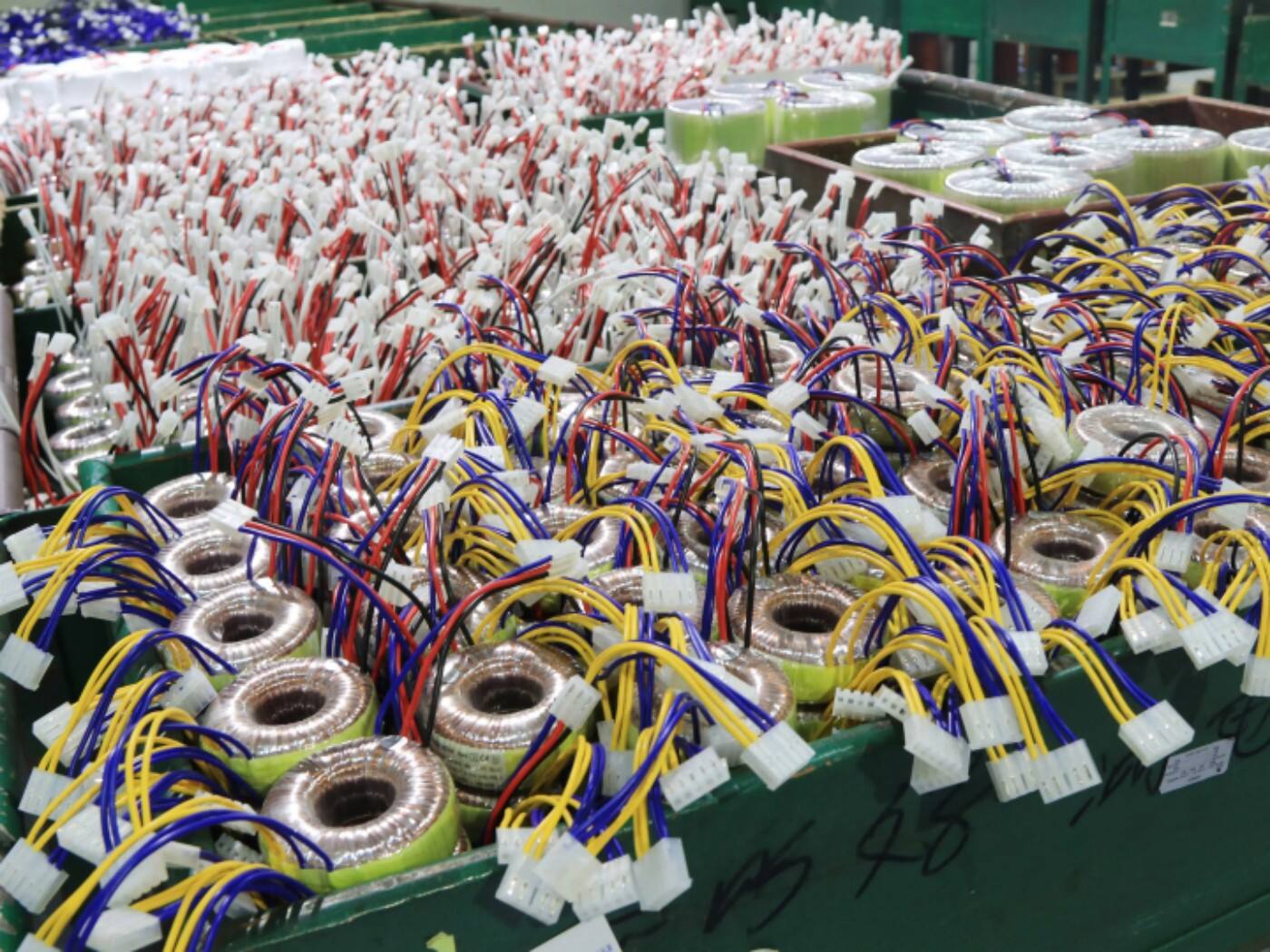
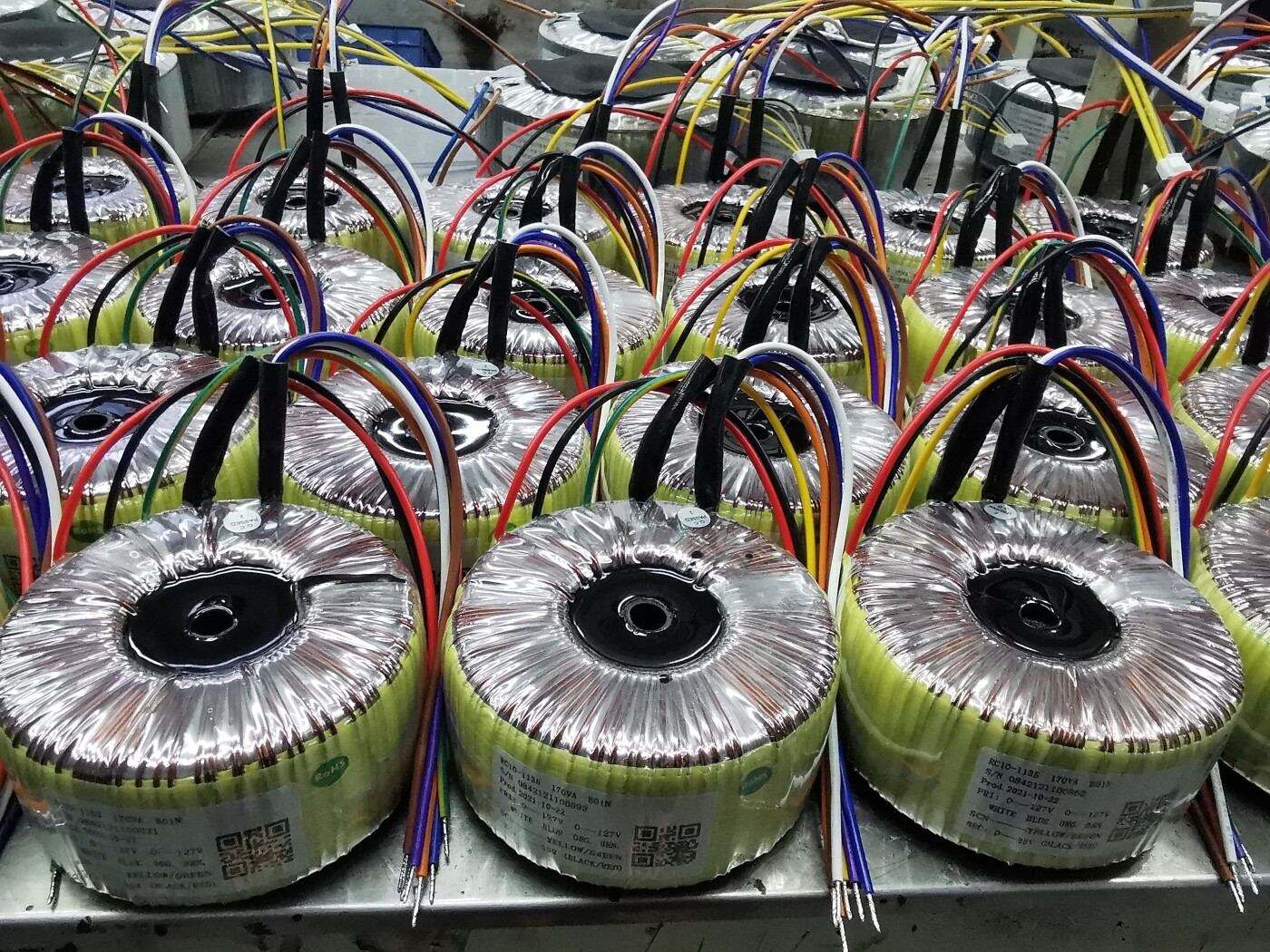
The electrical power industry stands at the precipice of a technological revolution, with transformer core technology emerging as a cornerstone of modern energy infrastructure. As global energy demands continue to surge and environmental concerns drive the need for more efficient power systems, innovations in transformer core technology are reshaping how we generate, transmit, and distribute electrical energy. These advancements are not merely incremental improvements but represent fundamental shifts that promise to deliver unprecedented efficiency gains, reduced environmental impact, and enhanced reliability across power networks worldwide.
Modern transformer core technology encompasses a sophisticated array of materials science breakthroughs, advanced manufacturing processes, and innovative design methodologies that collectively enhance the performance characteristics of electrical transformers. The evolution of these technologies directly impacts energy efficiency, power quality, and grid stability, making them critical components in the transition toward sustainable energy systems. Understanding these innovations provides insight into the future trajectory of electrical infrastructure and the potential for achieving greater energy sustainability on a global scale.
Advanced Materials Revolutionizing Transformer Cores
High-Performance Silicon Steel Alloys
The development of advanced silicon steel alloys represents one of the most significant breakthroughs in transformer core technology. These specialized materials feature enhanced magnetic properties that dramatically reduce core losses while improving overall transformer efficiency. Modern silicon steel formulations incorporate precise grain orientation techniques and optimized chemical compositions that minimize hysteresis and eddy current losses, two primary sources of energy waste in traditional transformer cores.
Recent innovations in silicon steel processing have introduced ultra-thin laminations with improved insulation coatings, enabling transformer manufacturers to achieve core loss reductions of up to 20% compared to conventional materials. These advancements in transformer core technology utilize sophisticated annealing processes and controlled cooling techniques that optimize the magnetic domain structure within the steel, resulting in superior permeability and reduced magnetostriction effects that contribute to transformer noise.
Amorphous Metal Core Integration
Amorphous metal cores represent a paradigm shift in transformer core technology, offering unprecedented efficiency improvements through their unique atomic structure. Unlike traditional crystalline materials, amorphous metals possess a disordered atomic arrangement that significantly reduces magnetic losses during operation. This innovative approach to core design has demonstrated the potential to reduce no-load losses by up to 75% compared to conventional silicon steel cores.
The manufacturing process for amorphous metal cores involves rapid cooling of molten metal alloys to prevent crystallization, creating materials with exceptional magnetic properties. These cores exhibit extremely low coercivity and high permeability, making them ideal for applications where energy efficiency is paramount. The adoption of amorphous metal transformer core technology has gained particular traction in distribution transformers, where the reduced losses translate directly into significant energy savings over the transformer's operational lifetime.
Innovative Core Design Architectures
Toroidal Core Configuration Advantages
Toroidal core designs have emerged as a leading innovation in transformer core technology, offering superior magnetic flux containment and reduced electromagnetic interference compared to traditional shell-type and core-type configurations. The continuous magnetic path provided by toroidal cores eliminates air gaps and sharp corners that can cause flux leakage, resulting in more efficient magnetic coupling between primary and secondary windings.
The implementation of transformer core technology in toroidal configurations enables manufacturers to achieve higher power density while maintaining excellent regulation characteristics. These cores also demonstrate reduced audible noise levels due to the uniform stress distribution throughout the magnetic circuit, making them particularly suitable for applications in noise-sensitive environments such as residential areas and commercial buildings.
Segmented Core Manufacturing Techniques
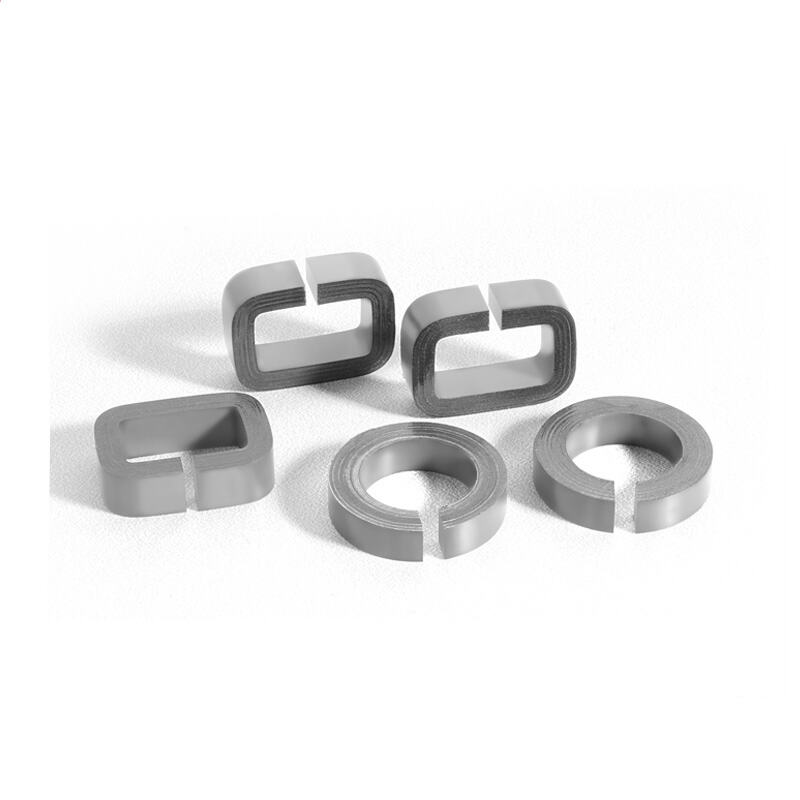
Segmented core manufacturing represents an innovative approach to transformer core technology that addresses many of the limitations associated with traditional wound core construction. This technique involves creating cores from precisely cut segments that are assembled to form the complete magnetic circuit, allowing for improved material utilization and enhanced manufacturing precision.
The segmented approach to transformer core technology enables manufacturers to optimize the grain orientation in each segment, maximizing the magnetic properties along the flux path. This method also facilitates easier winding installation and reduces manufacturing costs associated with specialized winding equipment. Additionally, segmented cores demonstrate improved thermal characteristics due to better heat dissipation pathways and reduced hotspot formation.
Smart Core Technologies and IoT Integration
Embedded Sensor Systems
The integration of embedded sensor systems within transformer cores represents a revolutionary advancement in transformer core technology that enables real-time monitoring of critical operating parameters. These sophisticated sensing systems can detect temperature variations, vibration patterns, and magnetic flux density changes, providing valuable data for predictive maintenance and operational optimization.
Modern sensor-enabled transformer core technology utilizes wireless communication protocols to transmit operational data to centralized monitoring systems, enabling utilities to implement proactive maintenance strategies and prevent catastrophic failures. These systems can detect incipient faults such as partial discharges, insulation degradation, and core lamination loosening before they develop into major problems, significantly extending transformer service life and improving grid reliability.
Digital Twin Implementation
Digital twin technology is transforming how engineers design, analyze, and optimize transformer core technology by creating virtual replicas of physical transformer cores that can be used for simulation and predictive analysis. These digital models incorporate detailed material properties, geometric specifications, and operating conditions to provide accurate representations of transformer behavior under various scenarios.
The application of digital twin technology to transformer core technology enables engineers to optimize core designs for specific applications, predict performance under different loading conditions, and identify potential failure modes before they occur in actual operation. This approach significantly reduces development time and costs while improving the reliability and efficiency of transformer core designs.
Environmental and Sustainability Considerations
Recyclable Core Materials
Environmental sustainability has become a driving force in the development of modern transformer core technology, with manufacturers increasingly focusing on recyclable materials and environmentally friendly manufacturing processes. Advanced silicon steel formulations now incorporate higher percentages of recycled content without compromising magnetic performance, reducing the environmental impact of core production.
The development of recyclable transformer core technology extends beyond material selection to include design considerations that facilitate end-of-life disassembly and material recovery. New joining techniques and insulation systems enable easier separation of different materials during recycling, maximizing the recovery of valuable steel content and minimizing waste generation.
Reduced Environmental Impact Manufacturing
Manufacturing processes for transformer core technology have evolved to incorporate cleaner production methods that minimize environmental impact while maintaining high quality standards. Advanced annealing techniques utilize energy-efficient furnaces and optimized heating profiles that reduce energy consumption during core processing.
Water-based insulation coatings have replaced solvent-based alternatives in many transformer core technology applications, eliminating volatile organic compound emissions and improving workplace safety. These environmentally friendly coatings maintain the electrical insulation properties required for effective core lamination while contributing to overall sustainability goals.
Future Trends and Emerging Technologies
Nanotechnology Applications
Nanotechnology is poised to revolutionize transformer core technology through the development of nanocrystalline magnetic materials that offer exceptional performance characteristics. These advanced materials combine the benefits of both crystalline and amorphous structures, providing high saturation flux density with extremely low core losses.
Research into nanocrystalline transformer core technology has demonstrated the potential for significant improvements in transformer efficiency and power density. These materials can operate at higher frequencies while maintaining low losses, making them particularly suitable for applications in renewable energy systems and advanced power electronics converters.
Artificial Intelligence in Core Design
Artificial intelligence and machine learning algorithms are increasingly being employed in the optimization of transformer core technology, enabling engineers to explore design spaces that would be impractical to investigate using traditional methods. AI-driven optimization can simultaneously consider multiple design variables and performance criteria to identify optimal core configurations.
Machine learning applications in transformer core technology extend to predictive maintenance, where algorithms analyze operational data to predict when core-related issues may develop. This proactive approach enables utilities to schedule maintenance activities more effectively and avoid unexpected transformer failures that could disrupt power supply.
FAQ
What are the main benefits of modern transformer core technology compared to traditional designs
Modern transformer core technology offers significant advantages over traditional designs, including reduced energy losses, improved efficiency ratings, and enhanced reliability. Advanced materials such as high-grade silicon steel and amorphous metals can reduce core losses by 15-75% compared to conventional materials. These improvements translate into lower operating costs, reduced environmental impact, and better power quality for end users. Additionally, modern core designs often feature improved thermal characteristics and reduced audible noise levels.
How does amorphous metal transformer core technology compare to silicon steel cores
Amorphous metal transformer core technology provides substantial efficiency improvements over traditional silicon steel cores, particularly in no-load loss reduction. While amorphous cores can achieve up to 75% lower no-load losses, they typically have slightly higher load losses and initial costs compared to silicon steel alternatives. The choice between these technologies depends on the specific application, with amorphous cores being most beneficial in applications with high utilization factors and where energy efficiency is prioritized over initial investment costs.
What role does digitalization play in modern transformer core technology
Digitalization has revolutionized transformer core technology through the integration of smart sensors, IoT connectivity, and advanced analytics. Embedded monitoring systems can track core temperature, vibration, and magnetic flux in real-time, enabling predictive maintenance strategies. Digital twin technology allows engineers to simulate and optimize core performance before physical construction, while AI algorithms can identify optimal design parameters and predict potential failure modes. This digital transformation enhances reliability, extends service life, and reduces maintenance costs.
How do environmental considerations influence transformer core technology development
Environmental sustainability has become a primary driver in transformer core technology innovation, influencing both material selection and manufacturing processes. Manufacturers are increasingly using recycled steel content, developing water-based insulation coatings to replace solvent-based alternatives, and implementing energy-efficient production methods. The focus on lifecycle environmental impact has also led to designs that facilitate easier disassembly and material recovery at end-of-life, supporting circular economy principles while maintaining high performance standards in electrical applications.
Table of Contents
- Advanced Materials Revolutionizing Transformer Cores
- Innovative Core Design Architectures
- Smart Core Technologies and IoT Integration
- Environmental and Sustainability Considerations
- Future Trends and Emerging Technologies
-
FAQ
- What are the main benefits of modern transformer core technology compared to traditional designs
- How does amorphous metal transformer core technology compare to silicon steel cores
- What role does digitalization play in modern transformer core technology
- How do environmental considerations influence transformer core technology development