EN
EN

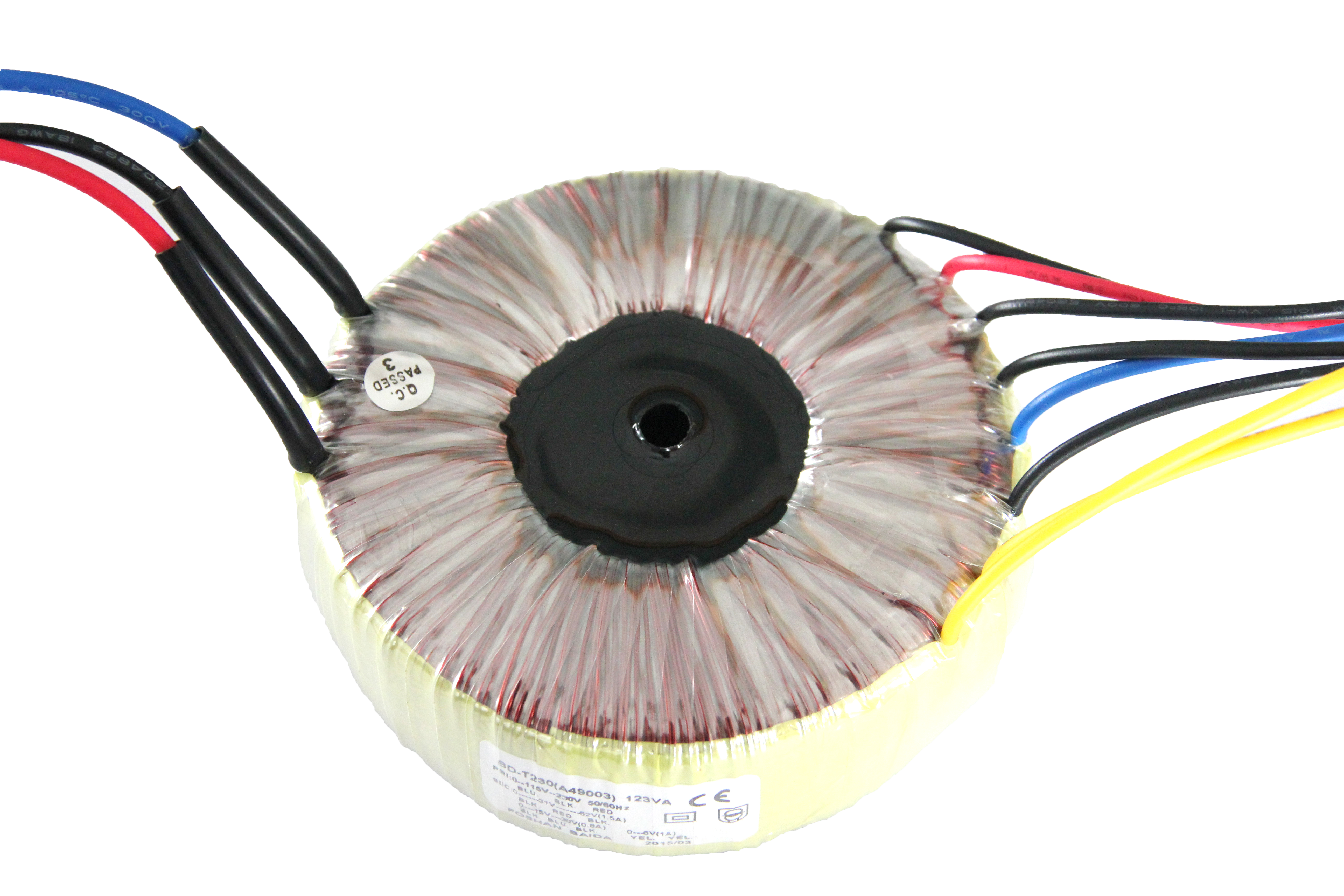
Determining whether a 1000watt transformer can power a 1300watt spot welding machine requires understanding electrical load capacity, transformer specifications, and the operational demands of welding equipment. This question arises frequently in manufacturing and fabrication settings where equipment compatibility and power management directly affect production efficiency and equipment longevity. A transformer operates within defined power ratings, and exceeding those limits creates serious risks to both the transformer and the welding machine.
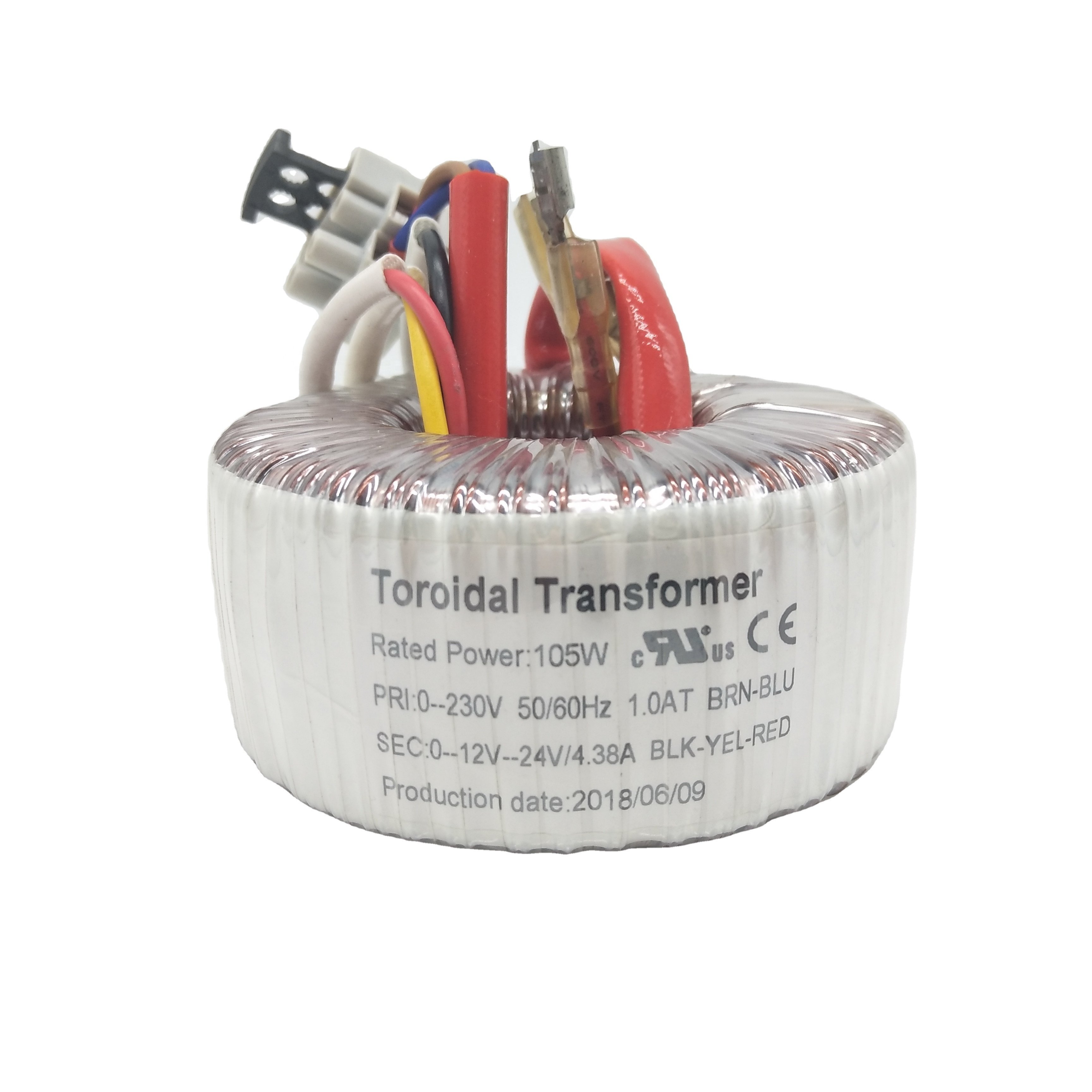
The short answer is no: a 1000watt transformer cannot reliably power a 1300watt spot welding machine under normal operating conditions. The power deficit creates operational failures, safety hazards, and potential equipment damage. Understanding the technical reasons behind this incompatibility helps manufacturers make informed decisions about transformer selection, equipment upgrades, and power infrastructure planning for their welding operations.
Power Rating Mismatches and Operational Risks
Understanding Transformer Load Capacity
A transformer rated at 1000 watts is designed to safely deliver exactly 1000 watts of continuous power under normal conditions. When a 1300watt spot welding machine draws power, it demands 1300 watts—300 watts more than the transformer can supply. This 30 percent power shortfall means the transformer operates beyond its rated capacity, forcing it into overload conditions that cause immediate and cumulative damage. The transformer will attempt to deliver current it cannot sustainably produce, causing internal temperatures to rise rapidly and insulation to degrade.
Voltage Drop and Performance Degradation
When a transformer operates beyond its rated power, internal resistance causes voltage drop across the secondary windings. As the transformer struggles to deliver 1300 watts through components designed for 1000 watts, the output voltage decreases significantly. For a spot welding machine, this voltage drop directly reduces welding current, weakening weld joints, producing inconsistent bead quality, and extending welding cycle times. Operators may notice dimmer indicator lights, reduced clamping pressure, and failed welds that require re-working—all symptoms of an undersized transformer struggling with excessive load.
Thermal Damage and Safety Concerns
Overheating Mechanisms in Transformers
The core and windings of a transformer generate heat through resistive losses, which increase dramatically when the device operates above its rated capacity. A transformer carrying 1300 watts when rated for 1000 watts experiences a 30 percent power increase that translates into substantially higher internal heating. This excessive heat accelerates insulation breakdown, can cause winding shorts, and may trigger thermal runaway conditions where temperatures spiral uncontrollably. In industrial environments with ambient temperatures already above 25 degrees Celsius, an overloaded transformer deteriorates even faster, reducing its service life from years to months.
Fire Risk and Equipment Failure
Sustained operation of an undersized transformer creates genuine fire hazards. Insulation degradation and winding shorts generate hot spots that can ignite surrounding materials, transformer oil, or nearby combustibles. Beyond fire risk, the transformer may fail suddenly during production runs, leaving the spot welding machine non-operational and disrupting the entire manufacturing workflow. Industrial facilities face costly downtime, delayed shipments, and potential safety incidents when critical equipment like a transformer fails unexpectedly. The financial and operational cost of equipment failure far exceeds the investment in properly rated electrical components.
Selecting the Correct Transformer for Spot Welding
Matching Transformer Capacity to Machine Requirements
For a 1300watt spot welding machine, you need a transformer rated for at least 1300 watts, and ideally 1500 to 1600 watts to provide a safety margin. This oversize factor—typically 20 to 30 percent above the machine's rated power—ensures the transformer operates in its optimal efficiency range, reduces thermal stress, and accommodates temporary power surges during welding cycles. A properly sized transformer minimizes voltage drop, maintains consistent output current, and extends both the transformer and welding machine lifespan significantly. The initial investment in the correct transformer pays dividends through improved reliability, better weld quality, and lower maintenance costs.
Transformer Specifications Beyond Power Rating
When specifying a transformer for welding applications, consider not only total power capacity but also secondary voltage output, current capability, and duty cycle ratings. Spot welding machines operate with high peak currents over short durations, so the transformer must handle intermittent duty cycles effectively. A transformer designed specifically for welding applications includes enhanced insulation, reinforced windings, and thermal management features that standard general-purpose transformers lack. Consulting equipment specifications ensures the transformer's voltage output matches the spot welding machine's input requirements and that current ratings accommodate peak welding currents without degradation.
Practical Solutions and Implementation
Upgrading to Proper Transformer Capacity
If your facility currently operates a 1300watt spot welding machine with an undersized 1000watt transformer, upgrading to a properly rated transformer is the immediate solution. Modern transformers offer compact designs, improved efficiency, and integrated protections that earlier models lacked. Installation typically requires disconnecting the existing transformer, mounting the new unit, and reconnecting power leads—work that qualified electricians should perform to ensure safety compliance. The downtime for upgrade is minimal compared to the ongoing risks and operational problems caused by an incompatible transformer.
Preventive Maintenance and Monitoring
Even with correct transformer sizing, regular maintenance prevents premature failure and maintains optimal performance. Thermal imaging identifies hot spots before they cause damage, while periodic insulation resistance testing detects early degradation. Monitoring transformer temperature, input voltage stability, and output current under load reveals operational stresses before they become critical. Implementing a preventive maintenance program costs far less than emergency equipment replacement and emergency production shutdowns that disrupt manufacturing schedules. Proper transformer selection combined with preventive maintenance creates a foundation for reliable, safe welding operations.
FAQ
What happens if I temporarily operate a 1000watt transformer with a 1300watt spot welding machine?
Temporary operation accelerates damage and creates immediate hazards. Within the first few hours, the transformer experiences significant overheating, voltage output drops, and weld quality suffers. Insulation degradation begins immediately, creating risk of shorts or fire. Even brief use causes cumulative damage that shortens the transformer's remaining lifespan dramatically. Never operate a transformer beyond its rated capacity, even temporarily, as the consequences far outweigh any short-term convenience.
Can adding a larger capacitor help compensate for an undersized transformer?
Capacitors cannot compensate for an undersized transformer because the core problem is sustained power delivery, not power factor correction. While capacitors improve power factor in certain AC circuits, they cannot provide the actual watts of power that an undersized transformer lacks. The transformer must physically deliver 1300 watts continuously—a task impossible for a 1000watt transformer regardless of additional components. The only real solution is upgrading to a properly rated transformer designed for your spot welding machine's power requirements.
Should I consider a stepped-up transformer to increase output beyond 1000 watts?
Attempting to artificially increase a 1000watt transformer's output through rewinding or stepped-up configurations is dangerous and impractical. Rewinding voids manufacturer warranties, risks improper winding patterns, and typically fails to deliver reliable, safe increased capacity. The transformer's internal components, insulation, and thermal design are engineered for its rated power; exceeding those specifications through modifications creates unpredictable failures and safety hazards. Purchasing a properly rated transformer from a reputable manufacturer remains the only safe, reliable, and cost-effective solution for powering your 1300watt spot welding machine.