EN
EN

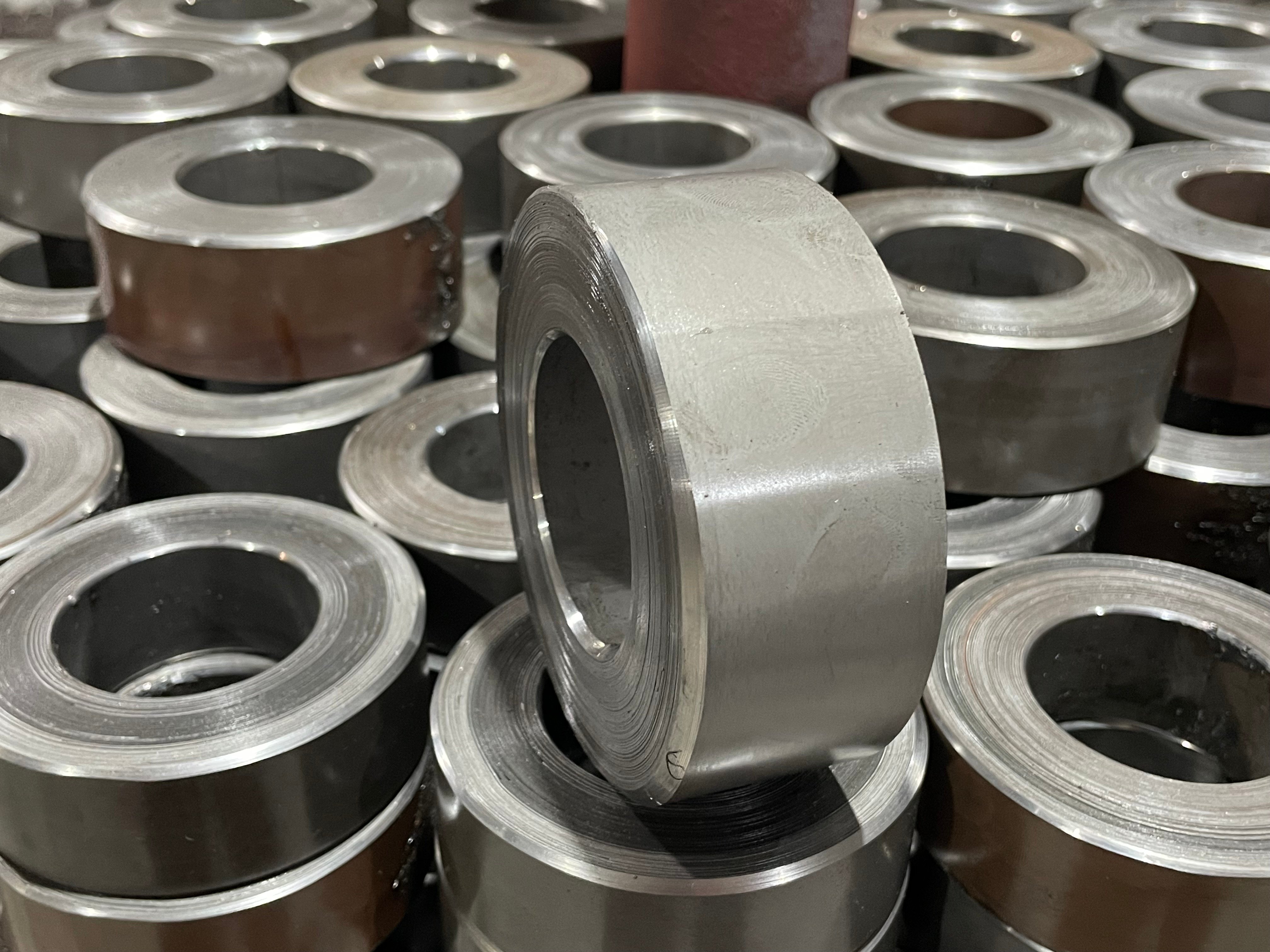
Silicon steel cores reduce hysteresis and eddy current losses by leveraging specialized material composition and electromagnetic design principles that minimize energy waste in power transformers and industrial equipment. Understanding how silicon steel cores reduce hysteresis and eddy current losses is essential for engineers, procurement specialists, and facility managers responsible for selecting efficient transformer technology. The performance advantages of silicon steel cores reduce hysteresis and eddy current losses significantly compared to conventional iron, making them the industry standard for high-efficiency power distribution systems worldwide.
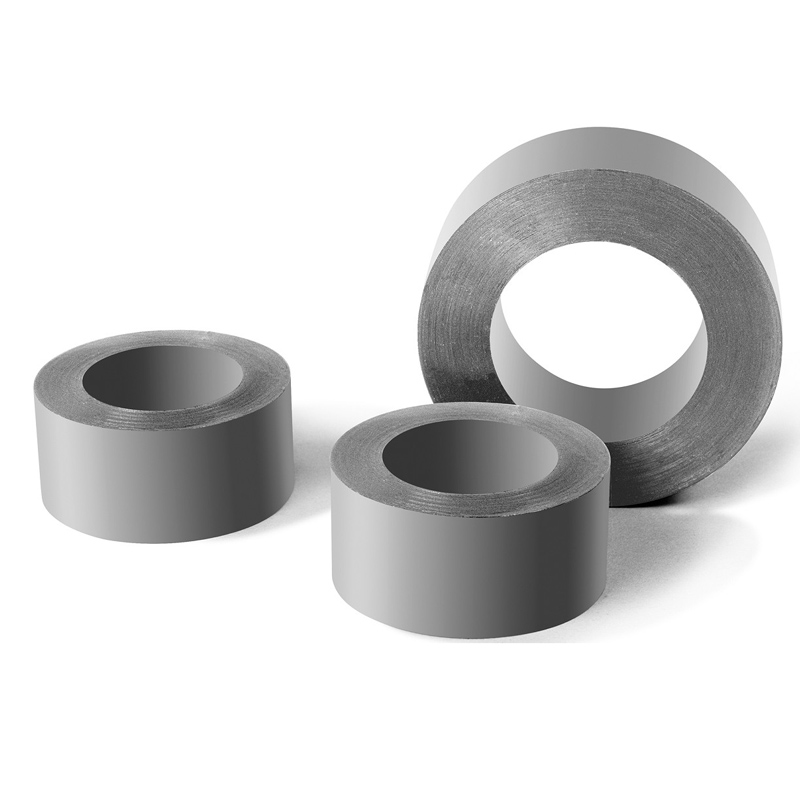
The fundamental mechanism behind how silicon steel cores reduce hysteresis and eddy current losses involves the material's unique electrical and magnetic properties. When silicon is alloged into steel at concentrations between 2 and 4 percent, the resulting composition dramatically improves the material's ability to channel magnetic flux efficiently while resisting unwanted energy losses. This article explores the engineering principles, practical benefits, and industrial applications of silicon steel cores reduce hysteresis and eddy current losses in modern electrical systems.
Understanding Hysteresis Loss Reduction in Silicon Steel Cores
The Physics of Hysteresis in Magnetic Materials
Hysteresis loss occurs when magnetic domains within a core material resist realignment as alternating current reverses direction through the transformer. Traditional iron cores experience significant hysteresis because the material's crystalline structure opposes these rapid magnetic reversals, dissipating energy as heat. Silicon steel cores reduce hysteresis and eddy current losses by modifying the iron's crystal lattice structure, reducing the energy barrier required for magnetic domain rotation. The silicon content lowers the saturation magnetization point and flattens the hysteresis loop, meaning the material requires less energy to remagnetize with each alternating cycle.
How Silicon Composition Improves Magnetic Efficiency
The addition of silicon to steel creates a material with superior magnetic permeability and lower coercivity, two properties directly responsible for reducing hysteresis losses. When silicon steel cores reduce hysteresis and eddy current losses, they accomplish this through improved grain orientation and reduced magnetic anisotropy within the core material. Silicon atoms occupy lattice positions that interfere with magnetic domain pinning sites, allowing domains to rotate more freely during magnetization cycles. This freedom of movement means silicon steel cores reduce hysteresis and eddy current losses to approximately 30 to 40 percent lower than conventional electrical steel, translating directly into improved transformer efficiency and reduced operational costs.
Eddy Current Loss Mitigation Through Material and Design
Mechanisms of Eddy Current Formation and Loss
Eddy currents are induced circular electrical currents that flow within the transformer core as the magnetic flux changes. These circulating currents generate resistive heat that represents wasted energy and reduces transformer efficiency. The relationship between core material properties and eddy current generation is direct: higher electrical conductivity typically increases eddy current magnitude, while resistance to current flow reduces losses. Silicon steel cores reduce hysteresis and eddy current losses through two complementary mechanisms: silicon increases electrical resistivity, which directly opposes eddy current formation, while the material's improved magnetic properties reduce the flux density magnitude required to achieve target magnetic performance.
Lamination and Electrical Resistivity Strategy
Silicon steel cores reduce hysteresis and eddy current losses most effectively when manufactured as laminated stacks rather than solid blocks. Each lamination layer is electrically isolated from adjacent layers through insulating coatings, which blocks the circular path eddy currents would otherwise follow through the core cross-section. The silicon content in silicon steel cores reduce hysteresis and eddy current losses further by inherently increasing the material's electrical resistivity compared to pure iron. Higher resistivity means that any eddy currents that do form encounter greater resistance, limiting their magnitude and the heat they generate. Modern transformer cores typically stack laminations between 0.23 and 0.35 millimeters thick, and silicon steel cores reduce hysteresis and eddy current losses by up to 50 percent relative to conventional configurations through this combined lamination and material approach.
Industrial Performance Benefits and Economic Impact
Energy Efficiency and Operating Cost Reduction
Transformers operating with silicon steel cores reduce hysteresis and eddy current losses experience significantly lower no-load losses, the power consumed when a transformer operates without delivering electrical load to connected equipment. Power utilities and industrial facilities benefit from reduced operational losses because silicon steel cores reduce hysteresis and eddy current losses translate directly into lower electricity costs and reduced cooling requirements. A transformer with silicon steel cores reduce hysteresis and eddy current losses by 40 to 50 percent compared to conventional designs can operate at lower temperatures and with smaller cooling systems, extending equipment lifespan and improving reliability. Over a 25-year transformer lifetime, the cumulative energy savings from silicon steel cores reduce hysteresis and eddy current losses often exceed the material cost premium of the silicon steel itself.
Application Across Electrical Infrastructure
Silicon steel cores reduce hysteresis and eddy current losses make them essential for power transformers at utility substations, industrial power distribution systems, and renewable energy installations. Wind turbine generators, solar inverter transformers, and electric vehicle charging stations all depend on silicon steel technology to achieve efficiency certifications and performance requirements. Distribution transformers serving residential and commercial areas widely employ silicon steel cores reduce hysteresis and eddy current losses to minimize losses during the millions of magnetization cycles experienced annually. The widespread adoption of silicon steel cores reduce hysteresis and eddy current losses reflects their proven ability to meet modern efficiency standards and environmental regulations established by agencies worldwide.
FAQ
Why is silicon steel more expensive than standard electrical steel?
Silicon content requires additional processing during steelmaking and careful grain orientation control to achieve the magnetic properties necessary for silicon steel cores reduce hysteresis and eddy current losses effectively. The manufacturing complexity and material cost of silicon increase the upfront price per ton compared to conventional electrical steel. However, the long-term operational savings from reduced losses quickly recover this premium investment, particularly in continuously operated equipment where loss reduction multiplies over time.
Can silicon steel cores reduce hysteresis and eddy current losses in all transformer applications?
Silicon steel cores reduce hysteresis and eddy current losses are technically applicable to most transformer designs, but the economic justification varies by application. Distribution transformers serving continuous loads benefit significantly from silicon steel technology, while transformers with intermittent duty cycles may not justify the material cost premium. Modern efficiency regulations have effectively made silicon steel cores reduce hysteresis and eddy current losses the standard specification for new transformer procurement across most developed economies.
How does the silicon content percentage affect loss reduction performance?
Silicon content between 2 and 4 percent provides the optimal balance for achieving silicon steel cores reduce hysteresis and eddy current losses performance. Increasing silicon content beyond 4 percent improves electrical resistivity further but reduces the material's mechanical properties and workability. Most commercial silicon steel grades target 3 to 3.5 percent silicon to achieve maximum loss reduction while maintaining acceptable core manufacturing processability and mechanical strength for lamination stacking and transformer assembly.