High-Performance PCB Solutions for Modern Transformer Applications

All Categories

Get a Free Quote

Our representative will contact you soon.
Email
Mobile
Name
Company Name
Message
0/1000

pcb used in transformers

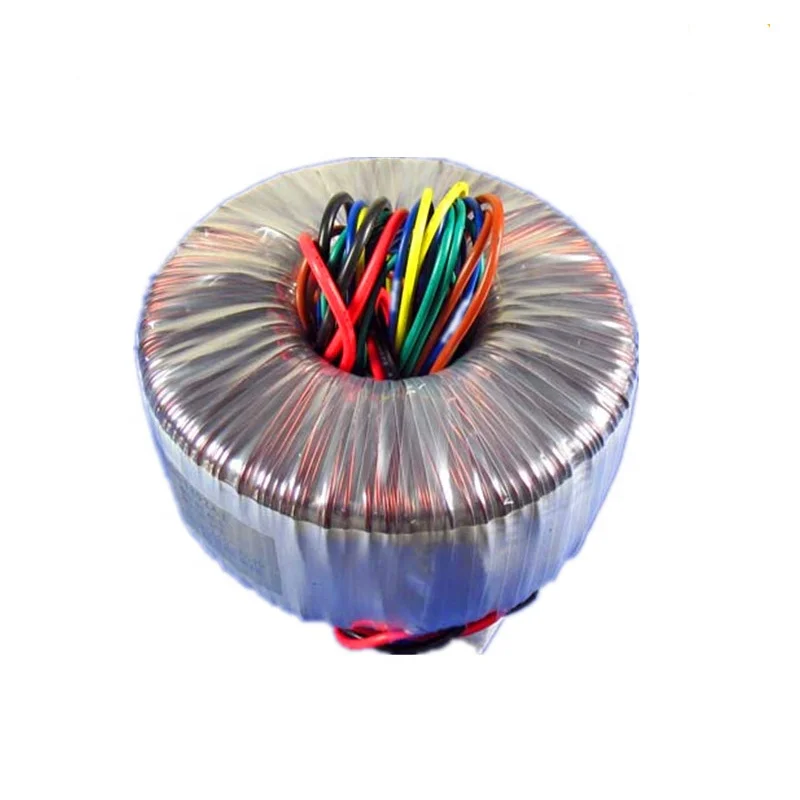
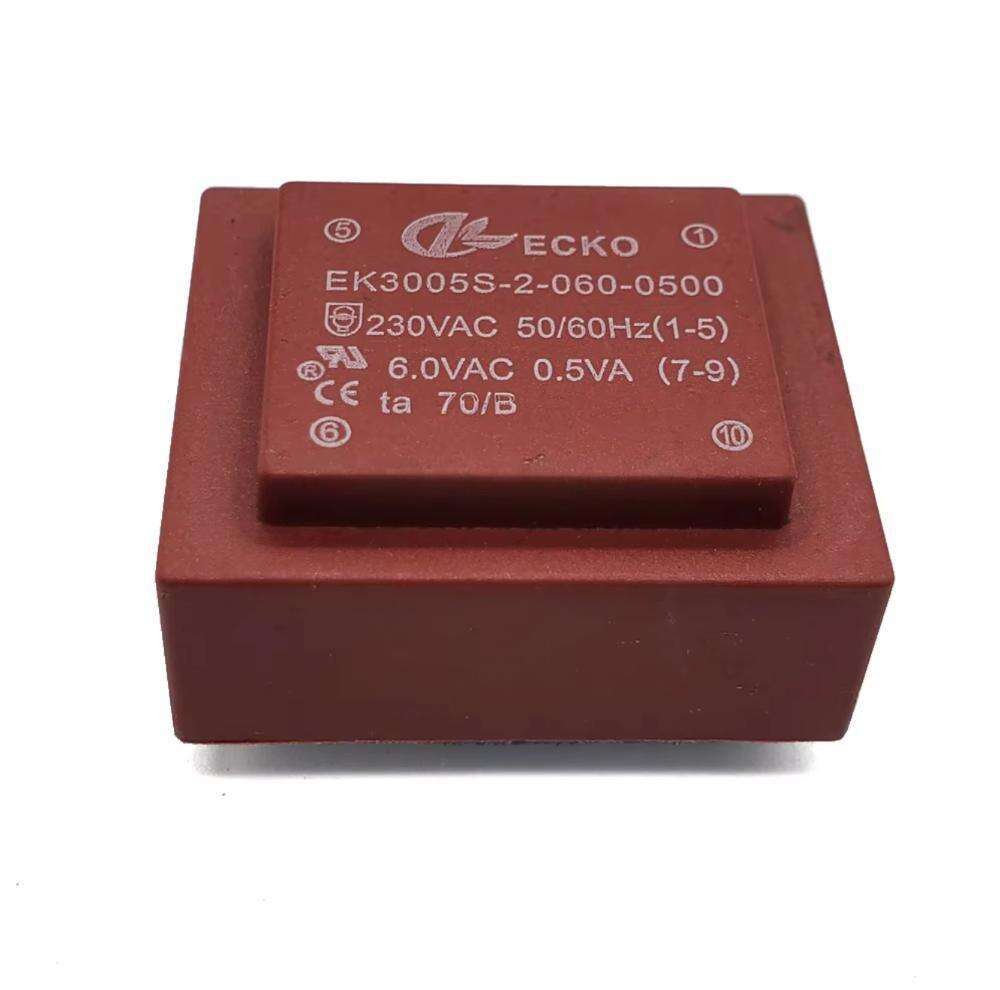
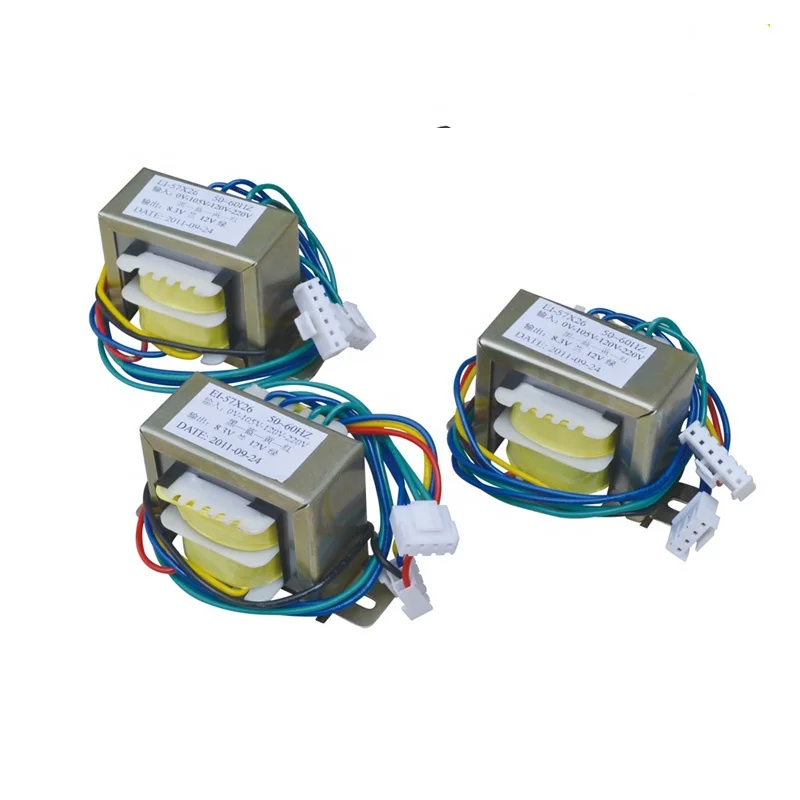
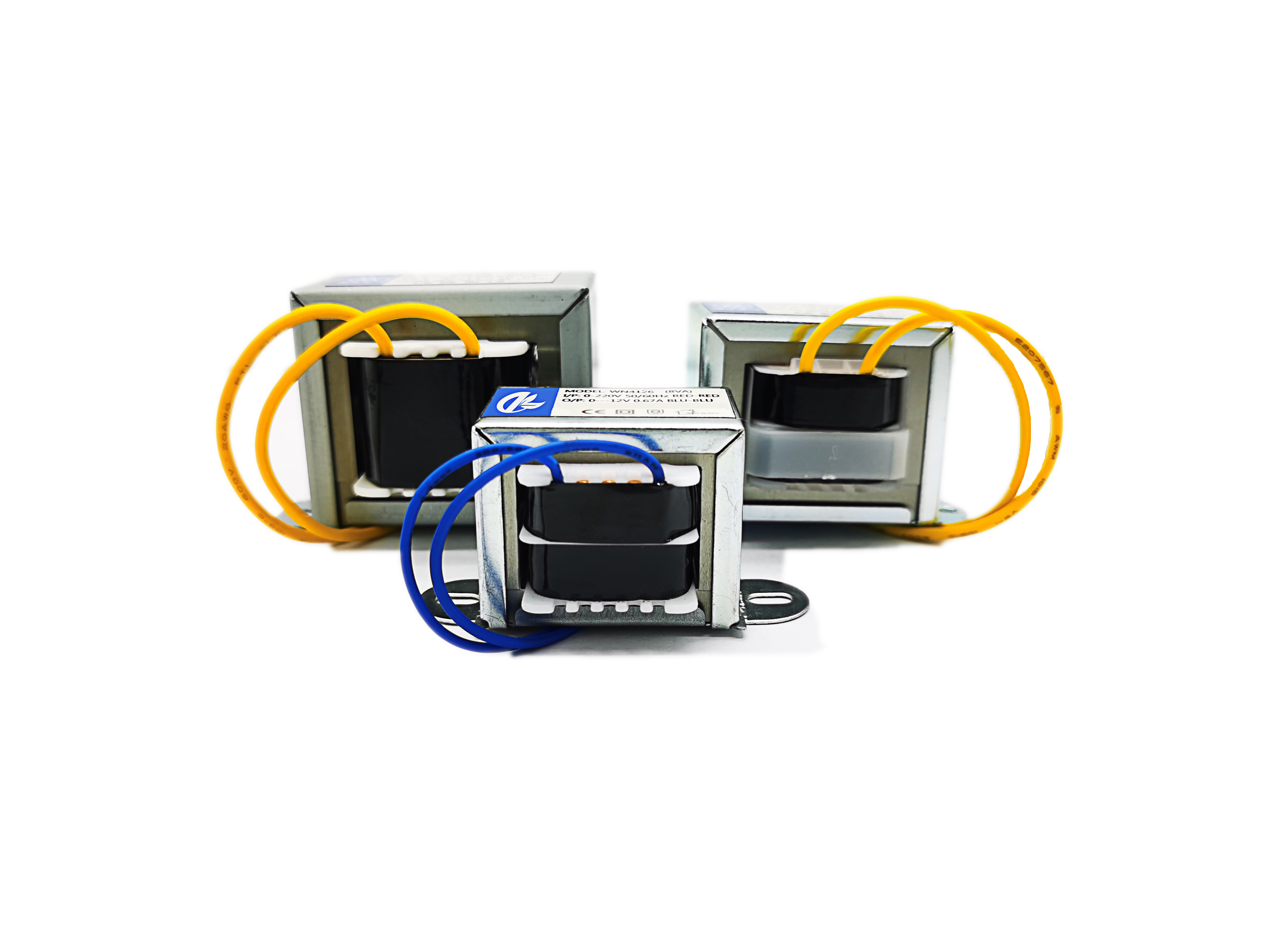
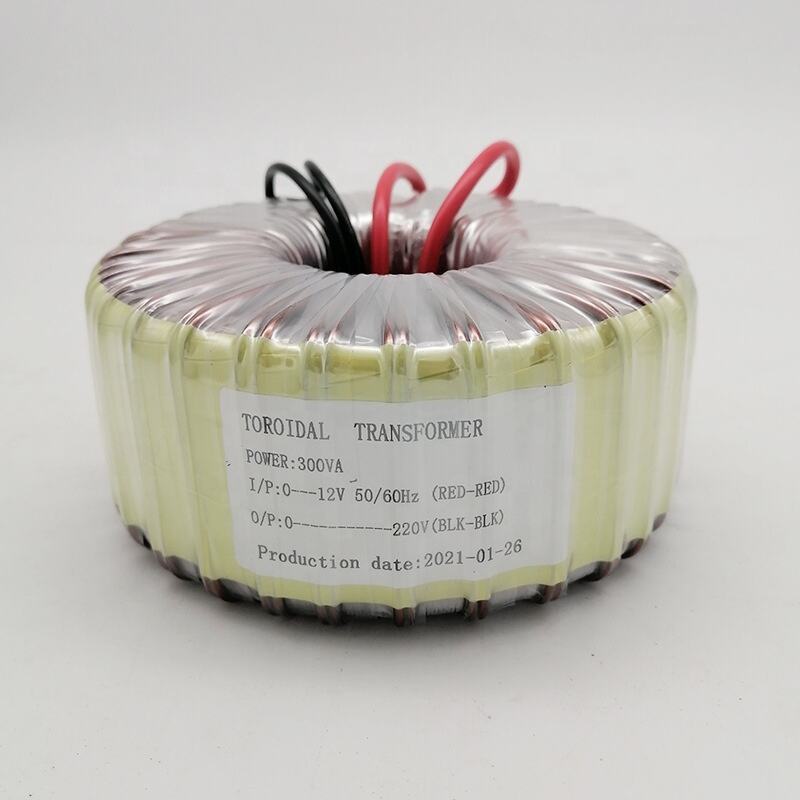
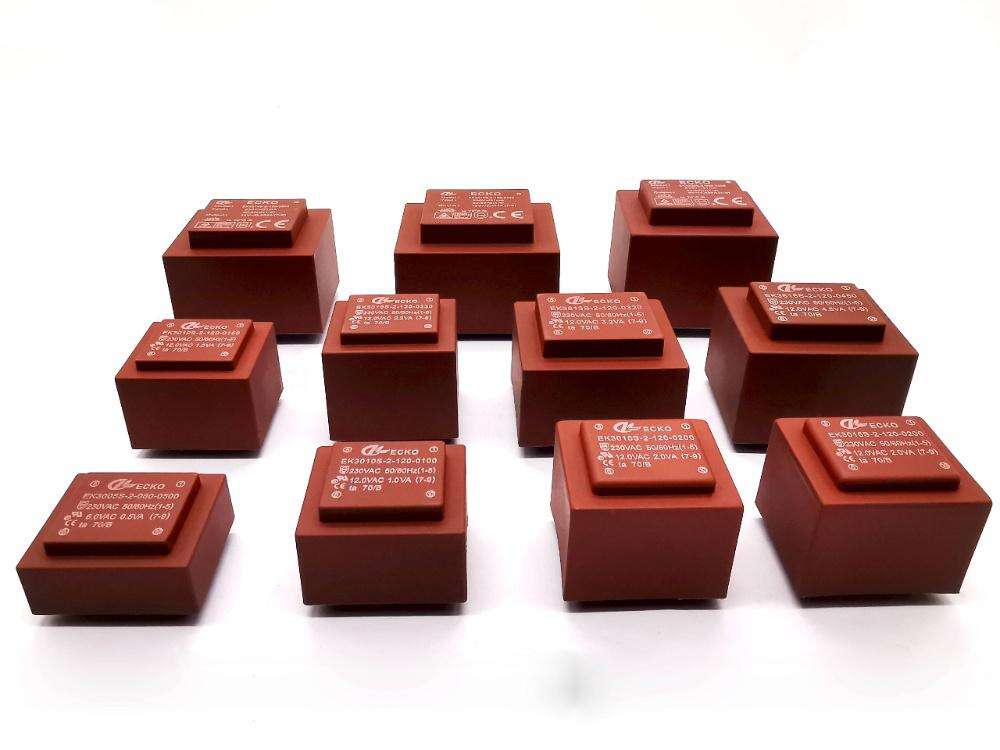
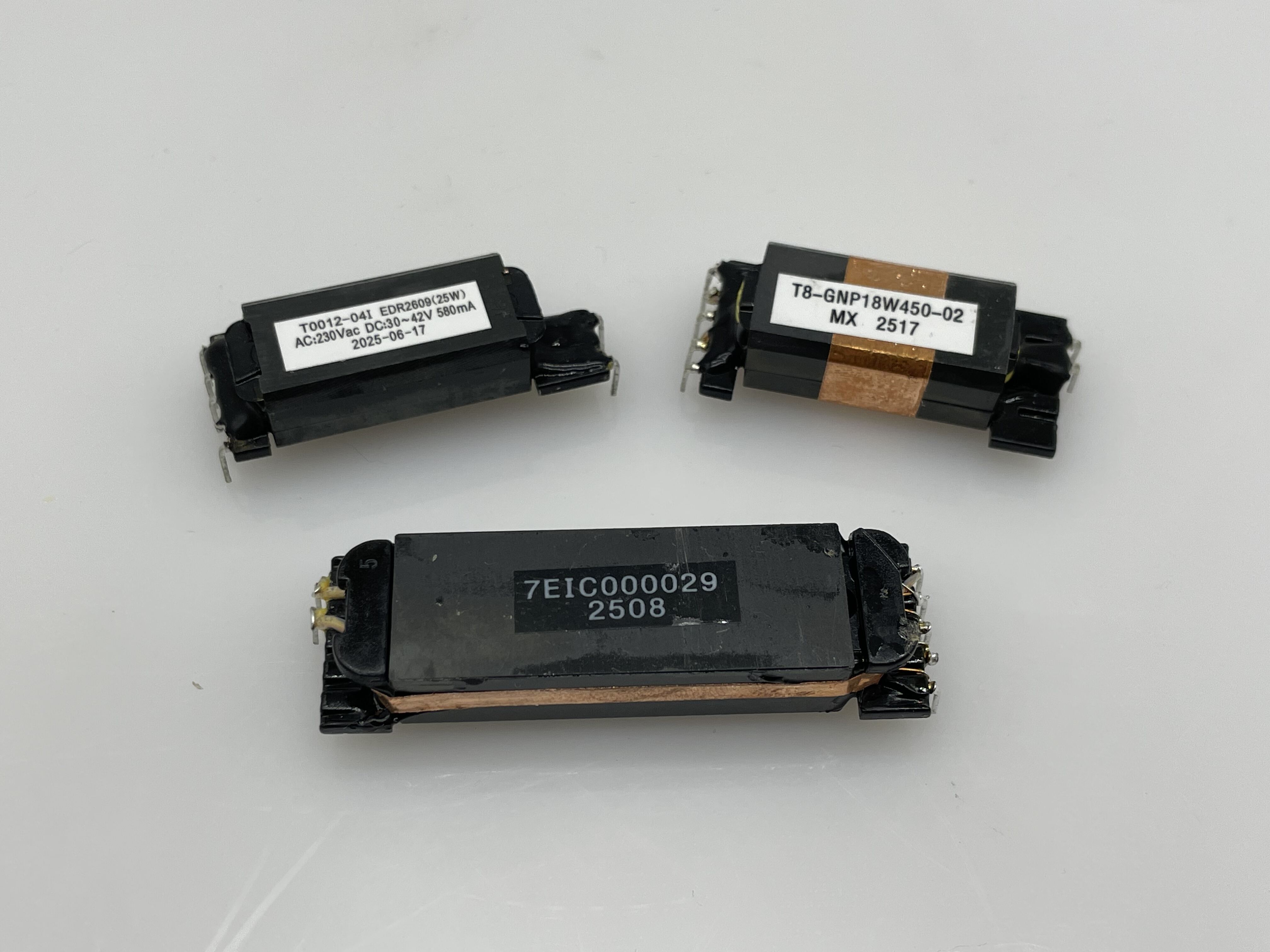
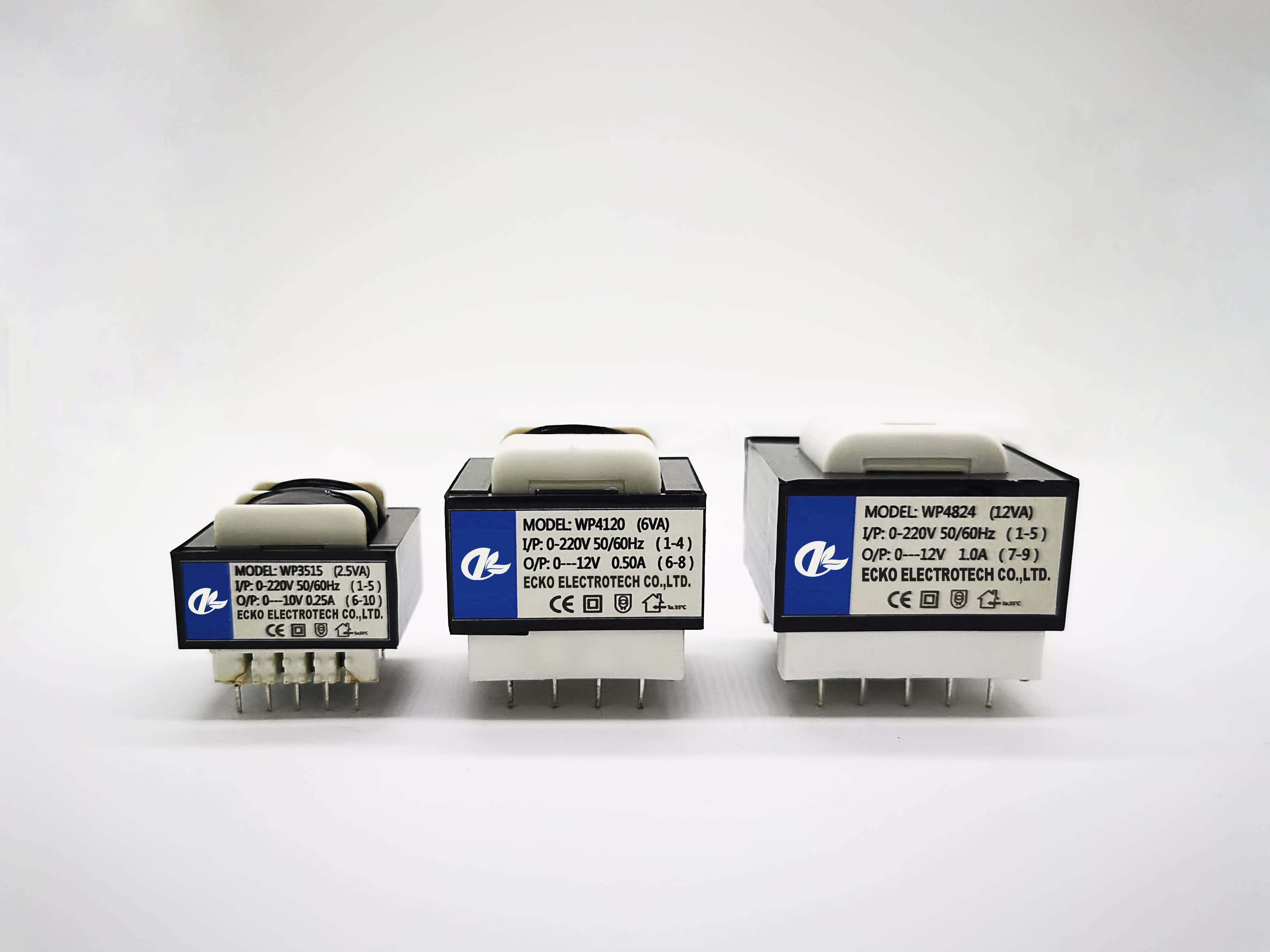
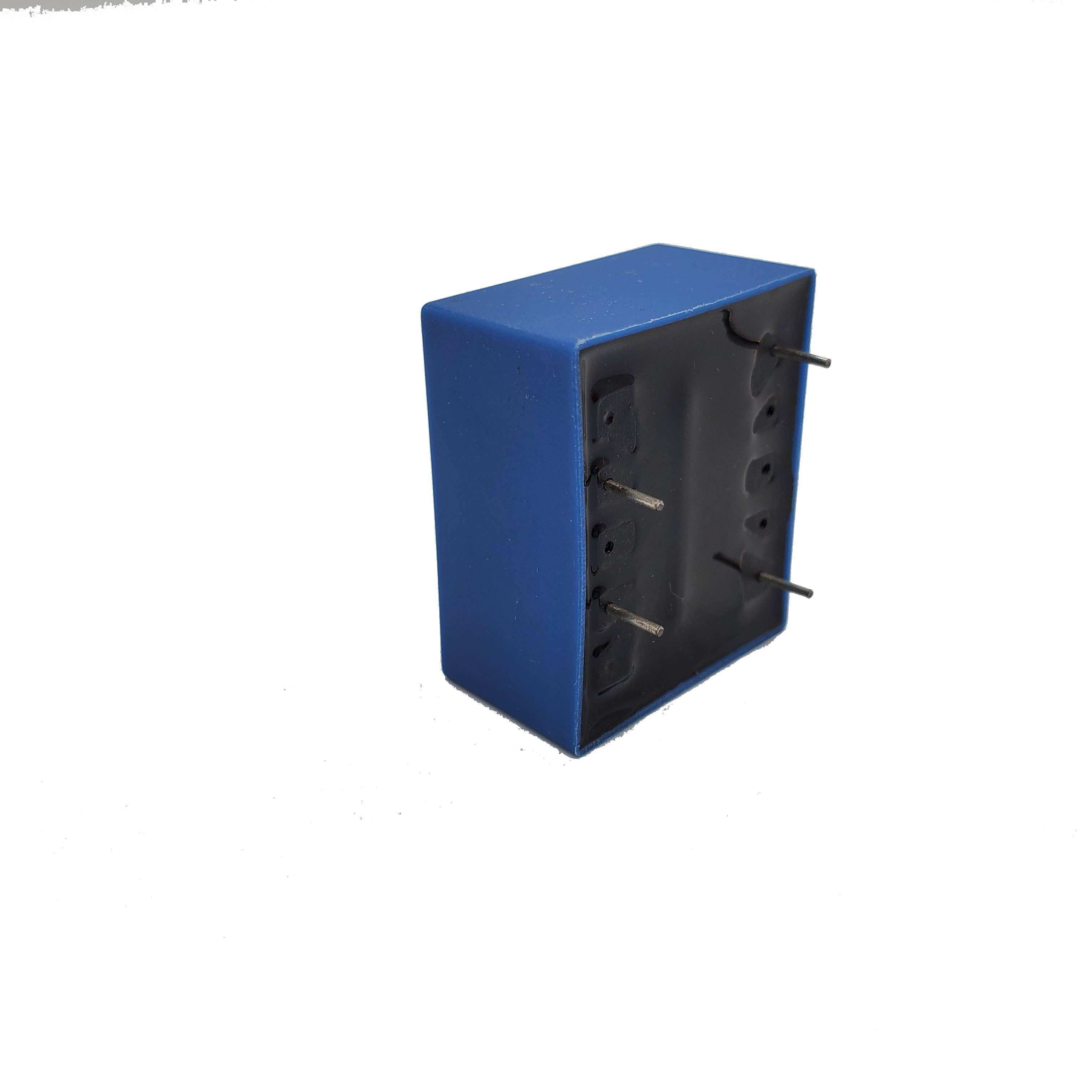
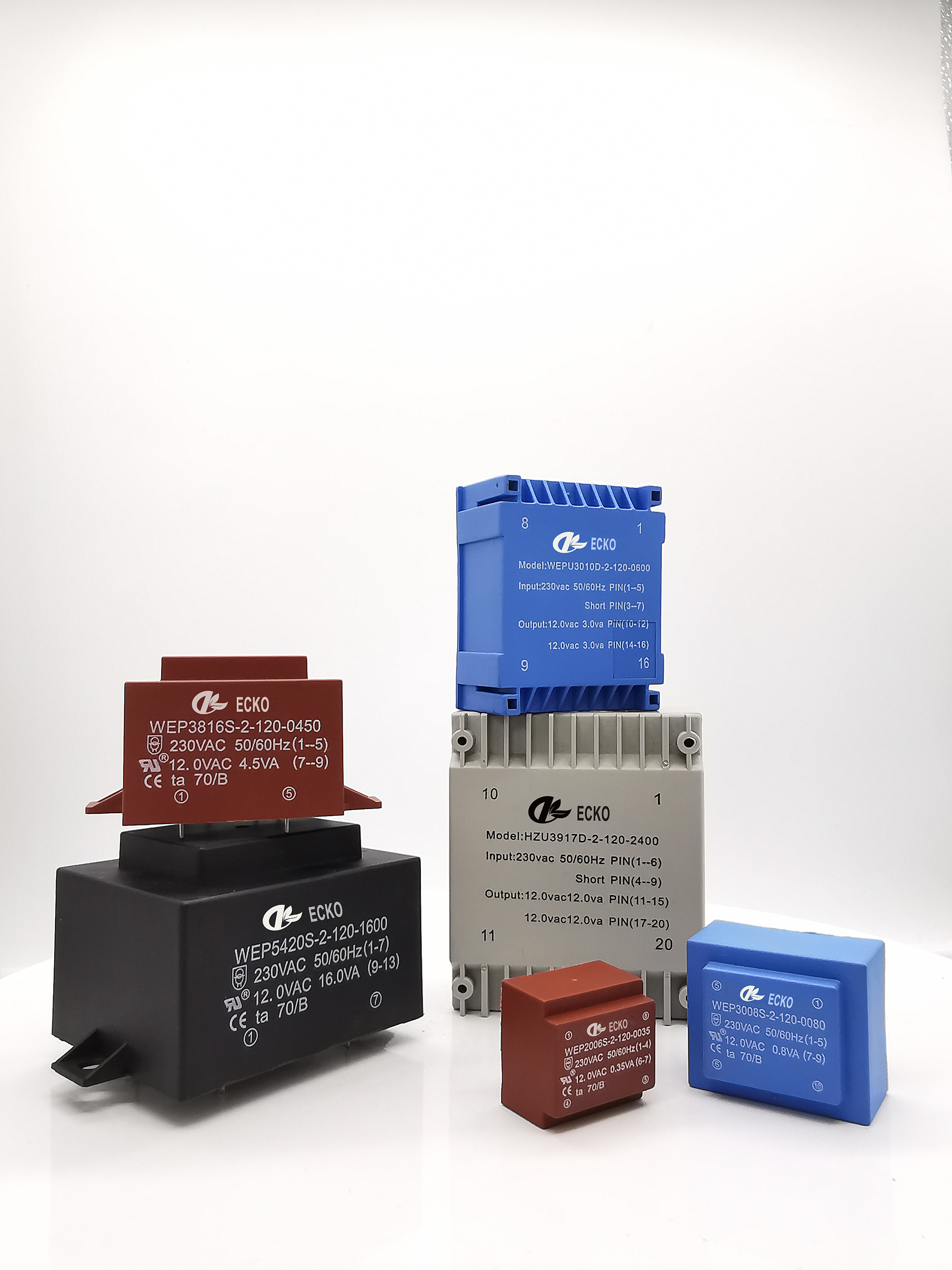
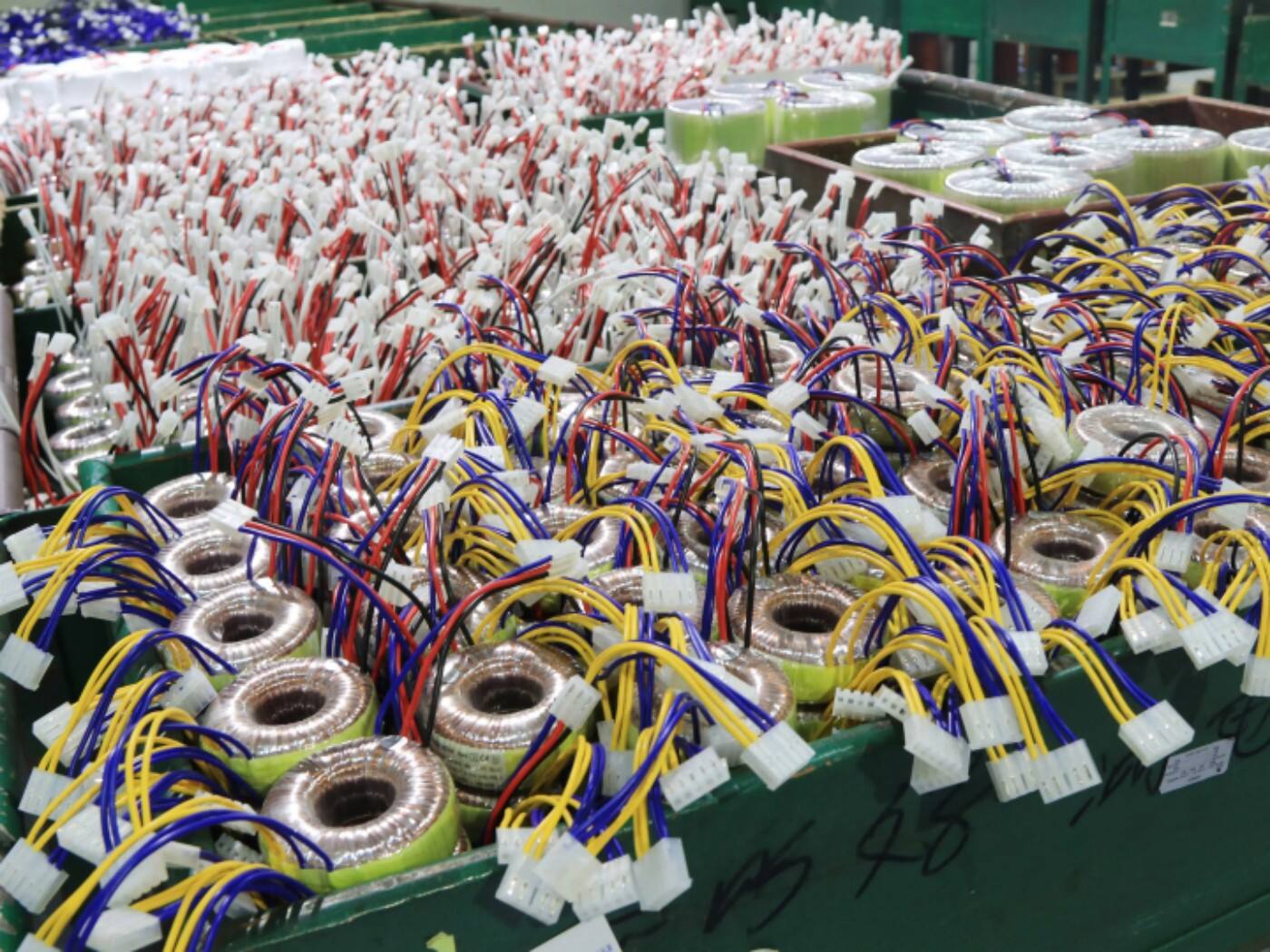
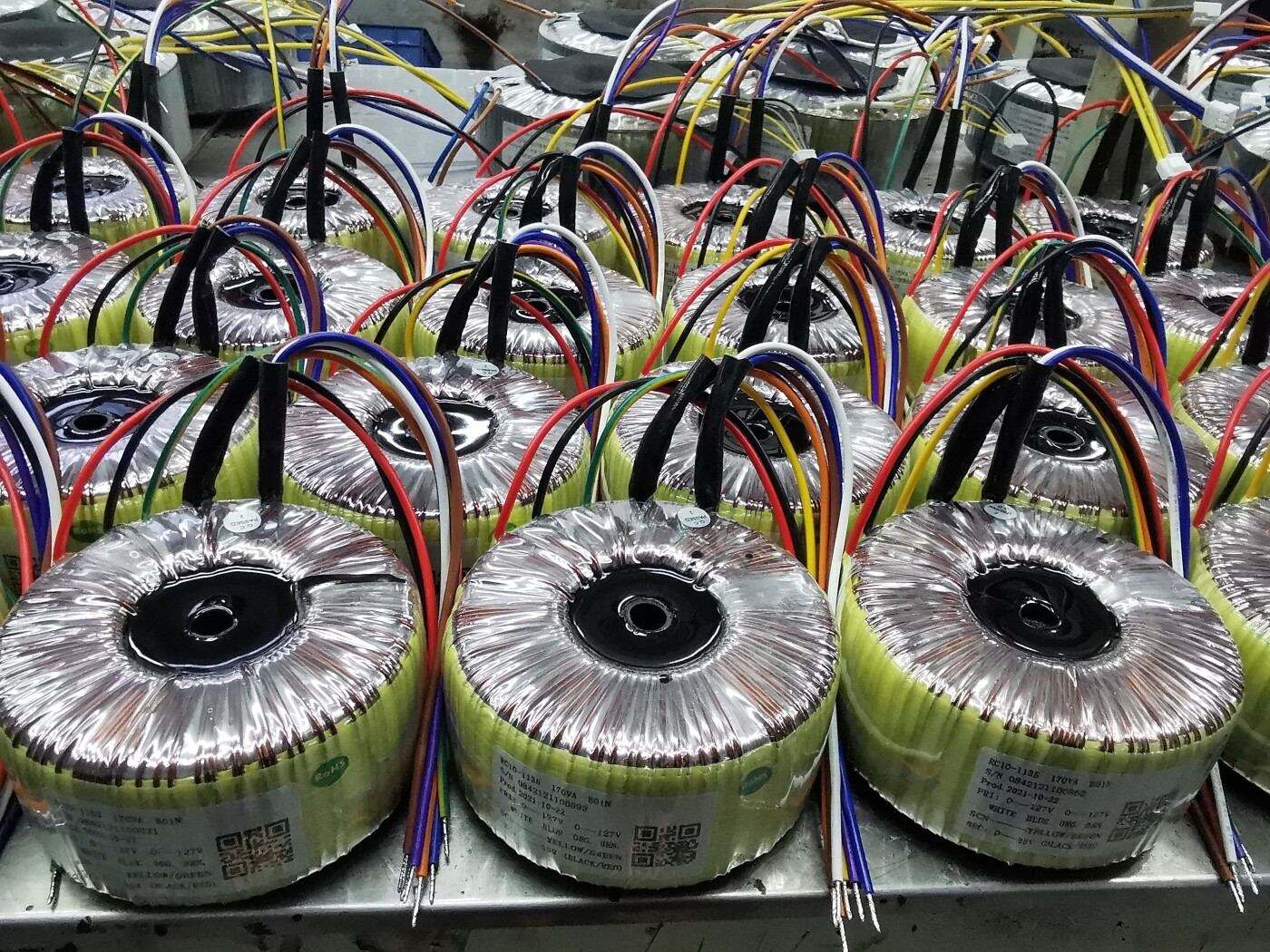
Printed Circuit Boards (PCBs) used in transformers represent a critical advancement in power distribution technology. These specialized PCBs serve as the foundation for modern transformer designs, integrating complex circuits and components that enable efficient power conversion and distribution. The PCB in transformers primarily functions as a platform for mounting various electronic components while providing necessary electrical connections. These boards feature multiple layers of copper traces that carry electrical signals and power, with specific design considerations for handling high voltages and currents. The technological features include impedance-controlled traces, thermal management systems, and specialized coating materials that ensure optimal performance under varying conditions. The PCB design incorporates safety features such as creepage and clearance distances to prevent electrical breakdown. Applications of transformer PCBs span across numerous industries, from consumer electronics to industrial power systems. They are essential in both step-up and step-down transformers, facilitating voltage conversion while maintaining efficiency and reliability. The boards are manufactured using high-grade materials that can withstand electromagnetic interference and thermal stress, ensuring long-term operational stability.

New Product Recommendations

The implementation of PCBs in transformers offers numerous significant advantages that make them invaluable in modern electrical systems. First, these boards enable precise component placement and connections, resulting in consistent performance across manufactured units. The compact design allows for significant space savings compared to traditional transformer constructions, making them ideal for applications where size constraints are critical. PCBs in transformers provide superior heat dissipation capabilities through strategically placed copper planes and thermal vias, ensuring optimal operating temperatures and extended component life. The automated manufacturing process of PCBs reduces human error and ensures high reliability in production. Cost-effectiveness is achieved through standardized manufacturing processes and the ability to produce multiple units simultaneously. The boards offer excellent noise immunity through proper ground plane design and signal routing, contributing to cleaner power output. Maintenance and troubleshooting become more straightforward due to the organized layout and clear labeling of components. The PCB design allows for easy integration of protection circuits and monitoring systems, enhancing the overall safety and reliability of the transformer. The flexibility in design enables quick modifications and updates to meet varying customer requirements without major tooling changes. These advantages collectively result in improved performance, reduced maintenance needs, and enhanced overall value for end-users.

Latest News

What Should You Look for When Choosing an Audio Transformer?

28

Oct

What Should You Look for When Choosing an Audio Transformer?

Understanding the Critical Role of Audio Transformers in Sound Systems Audio transformers serve as the unsung heroes in sound systems, playing a vital role in maintaining signal integrity and ensuring optimal audio performance. These specialized comp...
View More
How Do Isolation Transformers Protect Against Power Surges and Leaks?

28

Oct

How Do Isolation Transformers Protect Against Power Surges and Leaks?

Understanding the Critical Role of Electromagnetic Protection in Power Systems Power surges and electrical leaks pose significant threats to sensitive electronic equipment in both industrial and residential settings. Isolation transformers serve as e...
View More
What Factors Influence the Performance of a PCB Transformer?

28

Oct

What Factors Influence the Performance of a PCB Transformer?

Understanding the Critical Elements of PCB Transformer Design PCB transformers have revolutionized modern electronics by offering compact, efficient power transfer solutions directly integrated into printed circuit boards. These essential components ...
View More
What Are the Key Differences Between High Frequency and Low Frequency Transformers?

28

Oct

What Are the Key Differences Between High Frequency and Low Frequency Transformers?

Understanding the Fundamental Distinctions of Transformer Frequencies In the realm of electrical engineering and power distribution, transformers play a pivotal role in voltage conversion and power transfer. The frequency at which a transformer opera...
View More

Get a Free Quote

Our representative will contact you soon.
Email
Mobile
Name
Company Name
Message
0/1000

pcb used in transformers

Enhanced Thermal Management System

Enhanced Thermal Management System

The thermal management system integrated into transformer PCBs represents a breakthrough in maintaining optimal operating temperatures. The design incorporates specialized copper planes and thermal vias strategically positioned throughout the board to efficiently dissipate heat generated during operation. This sophisticated thermal management approach ensures that all components operate within their specified temperature ranges, preventing thermal stress and extending the transformer's operational lifespan. The system utilizes advanced materials and design techniques to create effective heat spreading patterns, reducing hot spots and maintaining uniform temperature distribution. This feature is particularly crucial in high-power applications where heat management directly impacts performance and reliability.
Advanced Safety Integration

Advanced Safety Integration

Safety integration in transformer PCBs encompasses multiple layers of protection designed to prevent electrical hazards and ensure reliable operation. The board layout incorporates carefully calculated creepage and clearance distances that exceed industry safety standards, preventing voltage arcing and current leakage. Built-in protection circuits automatically respond to overcurrent and overvoltage conditions, protecting both the transformer and connected equipment. The PCB design includes isolation barriers between high and low voltage sections, enhanced by specialized coating materials that provide additional insulation protection. These safety features work together to create a robust system that maintains operational integrity while protecting users and equipment.
Optimized Signal Integrity

Optimized Signal Integrity

The signal integrity features of transformer PCBs are engineered to maintain clean, stable power delivery under various operating conditions. The board design implements impedance-controlled traces and ground planes that minimize signal reflection and electromagnetic interference. Advanced routing techniques and component placement strategies reduce parasitic effects and maintain signal quality across the entire power range. The multi-layer design allows for optimal separation of power and signal paths, reducing crosstalk and improving overall performance. This attention to signal integrity ensures consistent and reliable power transformation, making these PCBs ideal for sensitive electronic applications that require stable power supply.
  • R&D Team

    R&D Team

    Strong design and development ability, our R&D team, more than 20 years of industry experience, we provide a full set of solutions. Make samples quickly,1day the soonest.

  • Delivery Time

    Delivery Time

    Our flexible production line and skilled workers,sample can be finished in 1-3 days,order within 10000pcs can be delivery in 10-20 days,negotiable according to issue.

  • Quality

    Quality

    100% inspection and testing before delivery, the products have passed the CE/ROHS/CUL certification,24 months quality assurance.

  • 24 Hours Online Service

    24 Hours Online Service

    Global customers, no time barrier. Fast support on orders, production, tech & inquiries. Contact us or visit our factory.

Get a Free Quote

Our representative will contact you soon.
Email
Mobile
Name
Company Name
Message
0/1000