EN
EN


Audio systems demand pristine signal quality to deliver exceptional performance, and electromagnetic interference poses one of the greatest threats to achieving this goal. Shielded audio transformers represent a critical component in professional audio equipment, providing essential protection against unwanted noise and signal degradation. These specialized transformers incorporate protective barriers that prevent external electromagnetic fields from corrupting audio signals, ensuring clean and accurate sound reproduction across various applications.
Modern audio environments contain numerous sources of electromagnetic interference, from fluorescent lighting and computer monitors to wireless devices and power supplies. Without proper shielding, transformers become vulnerable to these interference sources, resulting in audible noise, distortion, and reduced dynamic range. Professional audio engineers and equipment manufacturers recognize that implementing effective shielding solutions is essential for maintaining signal integrity in demanding acoustic environments.
Understanding Electromagnetic Interference in Audio Systems
Sources of Audio Interference
Electromagnetic interference in audio systems originates from multiple sources within modern environments. Switch-mode power supplies generate high-frequency noise that can couple into sensitive audio circuits through magnetic fields. Fluorescent lighting systems produce both electromagnetic and radio frequency interference that affects nearby audio equipment. Digital devices, including computers, tablets, and smartphones, emit broadband electromagnetic energy that spans frequencies relevant to audio applications.
Radio frequency interference from broadcast stations, cellular networks, and wireless communication systems presents another significant challenge for audio transformers. These signals can be rectified by nonlinear elements within audio circuits, creating audible artifacts and reducing overall system performance. Additionally, power line harmonics generated by non-linear loads throughout electrical systems contribute to interference problems in sensitive audio applications.
Impact on Audio Quality
Uncontrolled electromagnetic interference manifests in various ways that degrade audio quality and listener experience. Hum and buzz artifacts typically appear as low-frequency noise components that mask subtle musical details and reduce overall dynamic range. High-frequency interference creates crackling sounds, static, and digital artifacts that become particularly noticeable during quiet passages or in high-resolution audio systems.
Signal-to-noise ratio degradation represents perhaps the most significant impact of electromagnetic interference on audio systems. As noise floor levels increase due to external interference, the effective dynamic range decreases, limiting the system's ability to reproduce subtle musical nuances. This problem becomes especially critical in professional recording environments where maintaining pristine signal quality is essential for high-quality audio production.
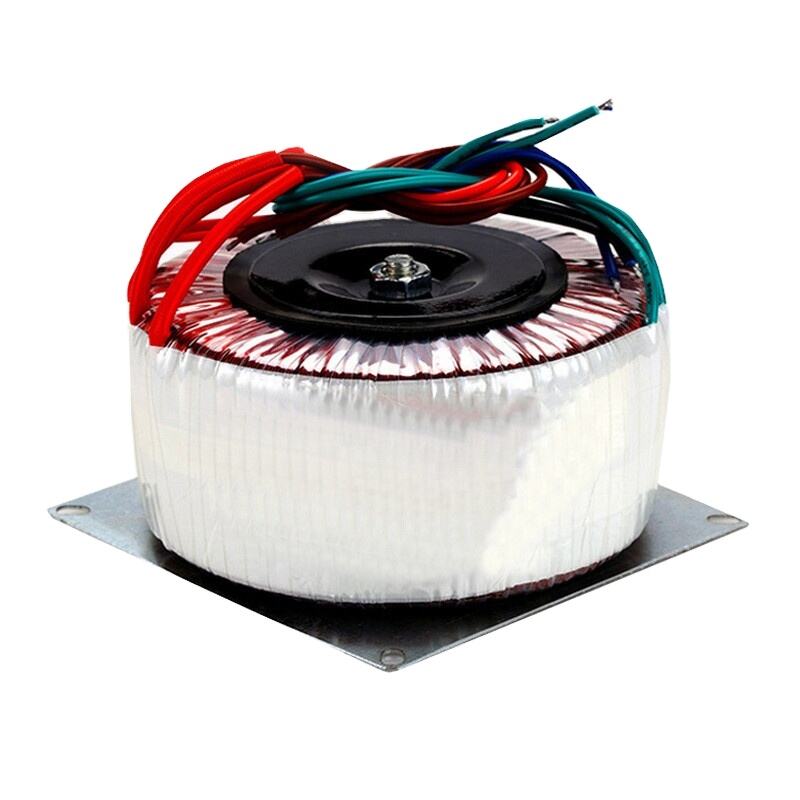
Shielding Technology and Design Principles
Magnetic Shielding Materials
Effective shielding in shielded audio transformers relies on carefully selected materials with specific magnetic properties. High-permeability alloys such as mumetal and permalloy provide excellent shielding effectiveness against low-frequency magnetic fields. These materials redirect magnetic flux lines around the transformer core, preventing external fields from coupling into the primary and secondary windings.
Copper and aluminum shields offer superior protection against high-frequency electromagnetic fields through eddy current mechanisms. When alternating magnetic fields encounter conductive shields, induced currents create opposing magnetic fields that cancel the original interference. The thickness and conductivity of these shields determine their effectiveness across different frequency ranges, with thicker materials providing better low-frequency performance.
Shield Configuration and Geometry
The geometric arrangement of shielding materials significantly influences their effectiveness in protecting audio transformers from interference. Concentric shield designs provide comprehensive protection by surrounding the transformer with multiple layers of shielding materials. Inner shields typically consist of high-permeability materials for low-frequency protection, while outer shields utilize conductive materials for high-frequency attenuation.
Shield continuity and proper grounding connections are critical factors in achieving optimal shielding performance. Gaps or discontinuities in shield coverage create opportunities for interference to penetrate the protected volume. Proper shield termination and grounding techniques ensure that induced currents have low-impedance paths to ground, preventing the shield itself from becoming a source of interference.
Applications and Performance Benefits
Professional Audio Equipment
Recording studios and broadcast facilities demand exceptional audio quality that requires the use of shielded audio transformers throughout their signal chains. Microphone preampliflers utilize shielded transformers to maintain the integrity of weak microphone signals in electromagnetically noisy environments. These transformers prevent interference from lighting systems, computer equipment, and other electronic devices from contaminating critical audio signals during recording sessions.
Mixing consoles and audio interfaces incorporate shielded transformers to isolate different sections of complex audio systems. These transformers provide galvanic isolation while maintaining signal quality, preventing ground loops and reducing crosstalk between channels. The superior common-mode rejection provided by properly shielded transformers ensures that balanced audio signals remain clean and free from interference throughout the signal processing chain.
High-End Consumer Audio Systems
Audiophile-grade amplifiers and preamplifiers employ shielded audio transformers to achieve the low noise floors and wide dynamic ranges demanded by discerning listeners. These transformers protect sensitive analog circuits from interference generated by digital switching circuits, power supplies, and external electromagnetic sources. The result is improved clarity, enhanced spatial imaging, and more accurate reproduction of recorded musical performances.
Home theater systems benefit from shielded transformers in their audio processing components, particularly in environments with multiple electronic devices. Video displays, wireless routers, and other consumer electronics generate significant electromagnetic interference that can degrade audio quality without proper shielding. Shielded audio transformers ensure that dialog clarity and musical reproduction remain uncompromised in these challenging electromagnetic environments.
Installation and Implementation Considerations
Proper Mounting and Orientation
The physical installation of shielded audio transformers requires careful attention to mounting orientation and proximity to interference sources. Transformer mounting should minimize mechanical vibration transmission while maintaining adequate spacing from power transformers and switching circuits. Proper orientation of the transformer core relative to external magnetic fields can significantly improve shielding effectiveness and reduce residual interference.
Mechanical isolation techniques, including vibration-damping mounts and flexible connections, prevent structure-borne vibrations from reaching the transformer and generating microphonic noise. These installation practices are particularly important in high-gain audio applications where even minute mechanical disturbances can produce audible artifacts. Additionally, maintaining adequate clearance around shielded transformers ensures proper heat dissipation and prevents thermal stress that could degrade long-term performance.
Grounding and System Integration
Effective grounding strategies are essential for realizing the full benefits of shielded audio transformers in complex audio systems. Shield connections must be carefully integrated with overall system grounding to prevent ground loops while maintaining shielding effectiveness. Single-point grounding schemes often provide optimal performance by preventing circulating currents that could introduce additional noise into the audio signal path.
System-level considerations include the coordination of shielding strategies across multiple audio components to achieve comprehensive interference rejection. This approach requires careful attention to cable routing, connector shielding, and equipment placement to maintain signal integrity throughout the entire audio chain. Proper documentation of grounding connections and shielding configurations facilitates troubleshooting and ensures consistent performance over time.
Future Developments and Technology Trends
Advanced Shielding Materials
Research into new shielding materials continues to drive improvements in audio transformer performance and cost-effectiveness. Nanocrystalline magnetic materials offer superior permeability characteristics compared to traditional shielding alloys, potentially providing better low-frequency shielding performance in more compact packages. These advanced materials may enable the development of smaller, lighter shielded audio transformers without compromising electromagnetic interference rejection capabilities.
Composite shielding materials that combine magnetic and conductive elements in engineered structures show promise for broadband interference suppression. These materials could simplify shield designs while providing superior performance across wider frequency ranges than conventional approaches. Additionally, advances in material processing techniques may reduce the cost of high-performance shielding materials, making superior electromagnetic interference protection more accessible across various audio applications.
Integration with Digital Audio Systems
The increasing prevalence of digital audio processing creates new challenges and opportunities for shielded audio transformers in hybrid analog-digital systems. Digital switching circuits generate broadband interference that requires careful management to prevent degradation of sensitive analog audio signals. Shielded transformers play a crucial role in isolating analog and digital sections while maintaining signal integrity across these interfaces.
Future audio system architectures may incorporate adaptive shielding techniques that respond to changing electromagnetic environments. Smart shielding systems could monitor interference levels and adjust shielding characteristics to optimize performance under varying conditions. These advanced systems would provide enhanced protection while minimizing power consumption and maintaining cost-effectiveness for commercial audio applications.
FAQ
What makes shielded audio transformers different from standard transformers
Shielded audio transformers incorporate specialized magnetic and conductive barriers around their cores and windings to prevent external electromagnetic fields from interfering with audio signals. Standard transformers lack these protective elements and are more susceptible to noise pickup from nearby electronic devices, power lines, and radio frequency sources. The shielding materials redirect interference away from the sensitive transformer components, maintaining signal purity and reducing audible noise in audio systems.
How do I determine if my audio system needs shielded transformers
Signs that your audio system would benefit from shielded transformers include audible hum, buzz, or crackling sounds that persist even when no audio source is connected. If you notice interference that correlates with turning lights on and off, using wireless devices nearby, or operating other electronic equipment, shielded transformers can help eliminate these problems. Professional recording environments and high-end audio systems typically require shielded transformers to maintain acceptable noise floor levels and dynamic range performance.
Can shielded audio transformers be retrofitted into existing equipment
Retrofitting shielded audio transformers into existing equipment is often possible but requires careful consideration of mechanical dimensions, electrical specifications, and mounting requirements. The replacement transformer must match the original specifications for impedance ratios, power handling, and frequency response while providing adequate physical clearance for the shielding materials. Professional installation is recommended to ensure proper integration with existing grounding systems and to maintain optimal shielding effectiveness.
What maintenance do shielded audio transformers require
Shielded audio transformers require minimal maintenance beyond standard transformer care practices. Regular inspection of mounting hardware, electrical connections, and shield grounding integrity helps ensure continued performance. Keeping the transformer and surrounding area clean prevents dust accumulation that could affect heat dissipation. In professional environments, periodic performance verification through noise measurements can confirm that shielding effectiveness remains within acceptable limits over time.