EN
EN

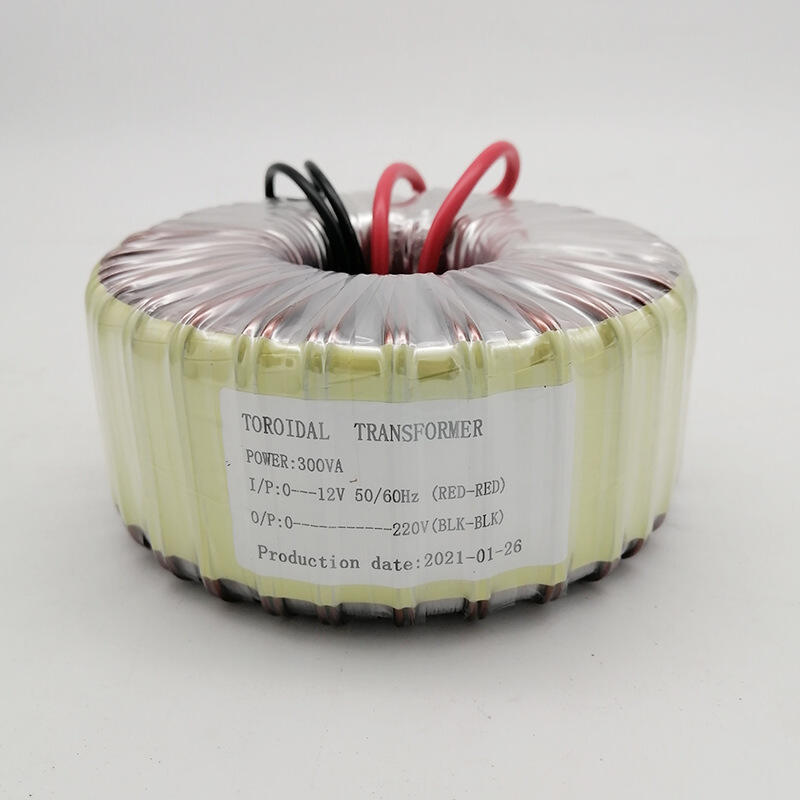
Toroidal transformers have emerged as a cornerstone technology across numerous industries, offering superior performance characteristics compared to traditional transformer designs. These doughnut-shaped electrical components provide exceptional efficiency, reduced electromagnetic interference, and compact form factors that make them indispensable in modern applications. From medical equipment to audio systems, toroidal transformers deliver reliable power conversion while minimizing noise and heat generation. Understanding which industries benefit most from these advanced components can help businesses make informed decisions about their power supply requirements and operational efficiency.
Medical and Healthcare Equipment Manufacturing
Critical Care and Diagnostic Equipment
The medical industry stands as one of the primary beneficiaries of toroidal transformer technology due to stringent safety and reliability requirements. Medical devices such as MRI machines, CT scanners, and patient monitoring systems demand precise power delivery with minimal electromagnetic interference. Toroidal transformers excel in these applications because their closed-loop magnetic core design virtually eliminates stray magnetic fields that could interfere with sensitive diagnostic equipment. The reduced electromagnetic emissions also ensure compliance with strict medical device regulations and patient safety standards.
Hospital environments require equipment that operates silently and efficiently, making toroidal transformers ideal for bedside monitors, infusion pumps, and surgical instruments. The low mechanical hum characteristic of these transformers creates a more comfortable environment for patients and medical staff. Additionally, the superior regulation and low distortion provided by toroidal designs ensure consistent performance of life-critical equipment, where power fluctuations could have serious consequences for patient care.
Laboratory and Research Equipment
Research laboratories and clinical testing facilities rely heavily on precise instrumentation that demands clean, stable power sources. Toroidal transformers provide the necessary power quality for analytical equipment such as mass spectrometers, chromatography systems, and electron microscopes. These instruments require extremely stable voltage and current characteristics to maintain measurement accuracy and reproducibility. The excellent regulation properties of toroidal transformers help maintain consistent performance across varying load conditions.
Laboratory environments also benefit from the compact size and lightweight nature of toroidal transformers, which allows for more efficient use of valuable bench space. The reduced heat generation compared to conventional transformers helps maintain stable ambient temperatures critical for sensitive experiments and sample integrity. Furthermore, the improved efficiency translates to lower operating costs and reduced cooling requirements in laboratory facilities.
Professional Audio and Entertainment Industry
High-End Audio Equipment
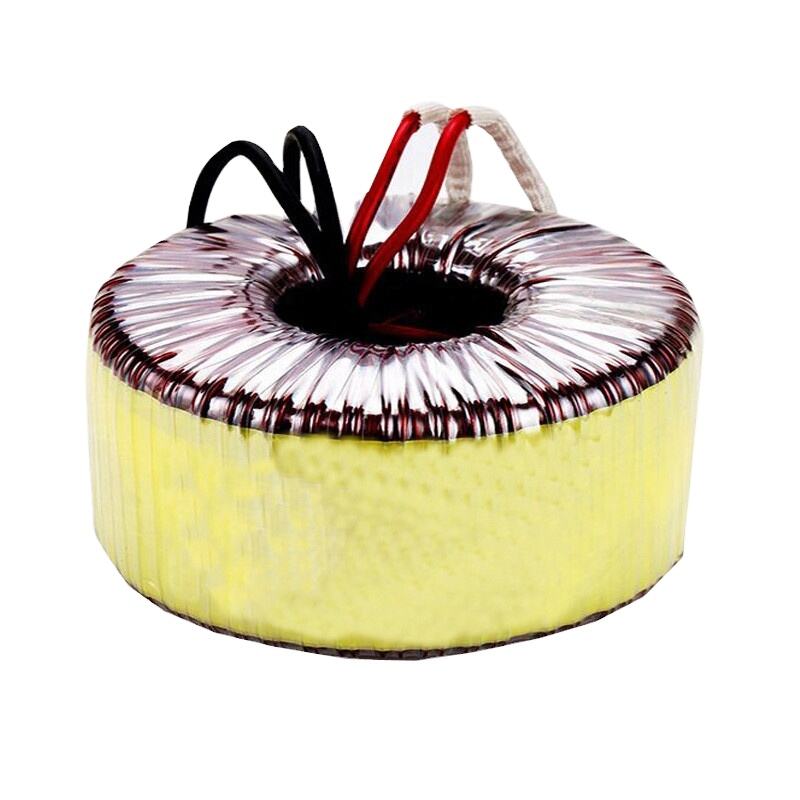
The professional audio industry has long recognized toroidal transformers as essential components for achieving superior sound quality and performance. Audio equipment manufacturers utilize these transformers in high-end amplifiers, mixing consoles, and studio monitors because of their exceptional electrical characteristics. The toroidal design minimizes magnetic field leakage, reducing the potential for inducing noise and distortion in adjacent audio circuits. This characteristic is particularly crucial in recording studios and live sound applications where signal integrity directly impacts the final product quality.
Professional audio engineers appreciate the low mechanical vibration and acoustic noise produced by toroidal transformers, which contributes to cleaner recordings and improved listening environments. The superior regulation and low internal impedance of these transformers provide consistent power delivery even during dynamic audio peaks, ensuring that amplifiers and other audio equipment perform optimally across all operating conditions. The compact form factor also allows audio equipment designers to create more space-efficient products without compromising performance.
Broadcasting and Communication Systems
Television and radio broadcasting facilities depend on reliable power systems to maintain continuous operation and signal quality. Toroidal transformers serve critical roles in transmitter systems, studio equipment, and signal processing hardware where power quality directly affects broadcast performance. The excellent filtering characteristics inherent in toroidal designs help reduce power line noise and harmonics that could otherwise interfere with sensitive broadcasting equipment.
The reliability and longevity of toroidal transformers make them particularly valuable in broadcasting applications where equipment downtime can result in significant revenue losses and regulatory compliance issues. These transformers typically exhibit longer service life compared to conventional designs due to their superior thermal characteristics and reduced mechanical stress on windings. The improved efficiency also reduces operating costs and environmental impact, important considerations for broadcast facilities operating continuously.
Industrial Automation and Control Systems
Manufacturing Process Control
Modern manufacturing facilities increasingly rely on sophisticated automation systems that require precise and reliable power supplies. Toroidal transformers play crucial roles in powering programmable logic controllers, sensor networks, and motor drives that control production processes. The excellent regulation and low output impedance characteristics ensure consistent operation of control systems even under varying load conditions. This stability is essential for maintaining product quality and production efficiency in automated manufacturing environments.
Industrial environments present unique challenges including electrical noise, temperature variations, and vibration that can affect transformer performance. Toroidal transformers demonstrate superior resilience to these conditions due to their robust construction and efficient heat dissipation. The compact size allows for integration into control panels and equipment enclosures where space is at a premium. Additionally, the reduced electromagnetic interference helps prevent disruption of sensitive control signals and communication networks within industrial facilities.
Robotics and Motion Control
The robotics industry benefits significantly from toroidal transformer technology, particularly in applications requiring precise motion control and positioning. Servo drives and stepper motor controllers rely on clean, stable power to achieve accurate positioning and smooth operation. Toroidal transformers provide the necessary power quality while minimizing electrical noise that could interfere with feedback systems and control algorithms. The superior transient response characteristics help maintain system stability during rapid load changes typical in robotic applications.
Collaborative robots and automated guided vehicles operating in close proximity to humans particularly benefit from the low electromagnetic emissions of toroidal transformers. This characteristic helps ensure compliance with safety standards and reduces potential interference with other electronic systems in the workspace. The improved efficiency and reduced heat generation also contribute to more reliable operation and extended service life in demanding industrial applications.
Telecommunications and Information Technology
Data Center Power Systems
Data centers represent a rapidly growing market for toroidal transformer applications due to increasing demands for energy efficiency and power quality. These facilities require uninterruptible power supplies, voltage regulators, and distribution transformers that can deliver clean power to sensitive computing equipment. Toroidal transformers excel in these applications by providing excellent regulation, low harmonic distortion, and high efficiency that reduces cooling requirements and operating costs.
The compact form factor of toroidal transformers enables more efficient use of valuable data center floor space while their superior thermal characteristics reduce cooling loads and improve overall facility efficiency. The low electromagnetic interference characteristics help prevent disruption of high-speed data transmission and processing systems. Additionally, the improved reliability and longer service life of toroidal transformers reduce maintenance requirements and system downtime, critical factors in mission-critical data center operations.
Network Infrastructure Equipment
Telecommunications infrastructure relies heavily on power systems that can deliver consistent performance across varying environmental conditions and load demands. Toroidal transformers serve essential roles in powering cellular base stations, fiber optic repeaters, and network switching equipment. The excellent regulation characteristics ensure stable operation of communication systems even during peak traffic periods or adverse weather conditions. The low noise characteristics also help maintain signal integrity in sensitive communication applications.
Remote telecommunications installations particularly benefit from the high efficiency and reliability of toroidal transformers, where maintenance access may be limited and power consumption directly impacts operating costs. The superior thermal performance and reduced mechanical stress contribute to extended service life in outdoor installations subject to temperature extremes and environmental challenges. The compact size also facilitates installation in space-constrained equipment enclosures and pole-mounted configurations.
Aerospace and Defense Applications
Military Electronics Systems
Defense applications impose some of the most stringent requirements for transformer performance, including operation under extreme environmental conditions, electromagnetic compatibility, and mission-critical reliability. Toroidal transformers meet these demanding requirements through superior electrical characteristics and robust mechanical construction. Military communication systems, radar equipment, and electronic warfare systems benefit from the low electromagnetic signature and excellent shielding effectiveness of toroidal designs.
The weight reduction achieved with toroidal transformers provides significant advantages in portable military equipment and aerospace applications where every ounce matters. The improved efficiency reduces battery drain in portable systems and heat generation in sealed enclosures. The superior shock and vibration resistance of properly mounted toroidal transformers makes them suitable for harsh military environments including vehicle-mounted and airborne applications.
Avionics and Flight Systems
Aircraft electrical systems require transformers that can operate reliably across extreme altitude and temperature ranges while meeting strict weight and size constraints. Toroidal transformers provide essential power conversion functions in avionics systems, flight controls, and passenger entertainment systems. The excellent regulation and low distortion characteristics ensure proper operation of navigation and communication equipment critical for flight safety.
The aviation industry particularly values the reduced electromagnetic interference characteristics of toroidal transformers, which help prevent disruption of sensitive navigation and communication systems. The compact form factor and lightweight construction contribute to improved fuel efficiency and payload capacity. Additionally, the superior reliability and extended service life reduce maintenance requirements and aircraft downtime, important economic factors in commercial aviation operations.
FAQ
What makes toroidal transformers more suitable for medical applications than conventional transformers
Toroidal transformers offer several advantages crucial for medical applications, including virtually zero external magnetic field emission, which prevents interference with sensitive diagnostic equipment like MRI and CT scanners. Their low acoustic noise creates a more comfortable environment for patients, while superior regulation ensures consistent power delivery to life-critical equipment. Additionally, their compact size and efficient heat dissipation make them ideal for space-constrained medical devices.
How do toroidal transformers improve audio equipment performance
In audio applications, toroidal transformers provide superior performance through reduced electromagnetic interference, lower mechanical vibration, and excellent regulation characteristics. The closed-loop magnetic design minimizes stray magnetic fields that could induce noise in audio circuits, while the low internal impedance ensures consistent power delivery during dynamic audio peaks. These characteristics result in cleaner sound reproduction and improved overall audio quality.
Why are toroidal transformers preferred in industrial automation systems
Industrial automation systems benefit from toroidal transformers due to their excellent regulation, compact size, and resistance to electrical noise and vibration. These transformers provide stable power to programmable logic controllers and motor drives even under varying load conditions, ensuring consistent production processes. Their reduced electromagnetic interference prevents disruption of sensitive control signals and communication networks within manufacturing facilities.
What advantages do toroidal transformers offer in telecommunications infrastructure
Telecommunications infrastructure benefits from toroidal transformers through their high efficiency, excellent regulation, and superior reliability in varying environmental conditions. These characteristics are essential for powering cellular base stations, fiber optic equipment, and network switching systems that must operate continuously. The compact size and lightweight construction facilitate installation in space-constrained locations, while reduced heat generation lowers cooling requirements and operating costs.
Table of Contents
- Medical and Healthcare Equipment Manufacturing
- Professional Audio and Entertainment Industry
- Industrial Automation and Control Systems
- Telecommunications and Information Technology
- Aerospace and Defense Applications
-
FAQ
- What makes toroidal transformers more suitable for medical applications than conventional transformers
- How do toroidal transformers improve audio equipment performance
- Why are toroidal transformers preferred in industrial automation systems
- What advantages do toroidal transformers offer in telecommunications infrastructure