EN
EN

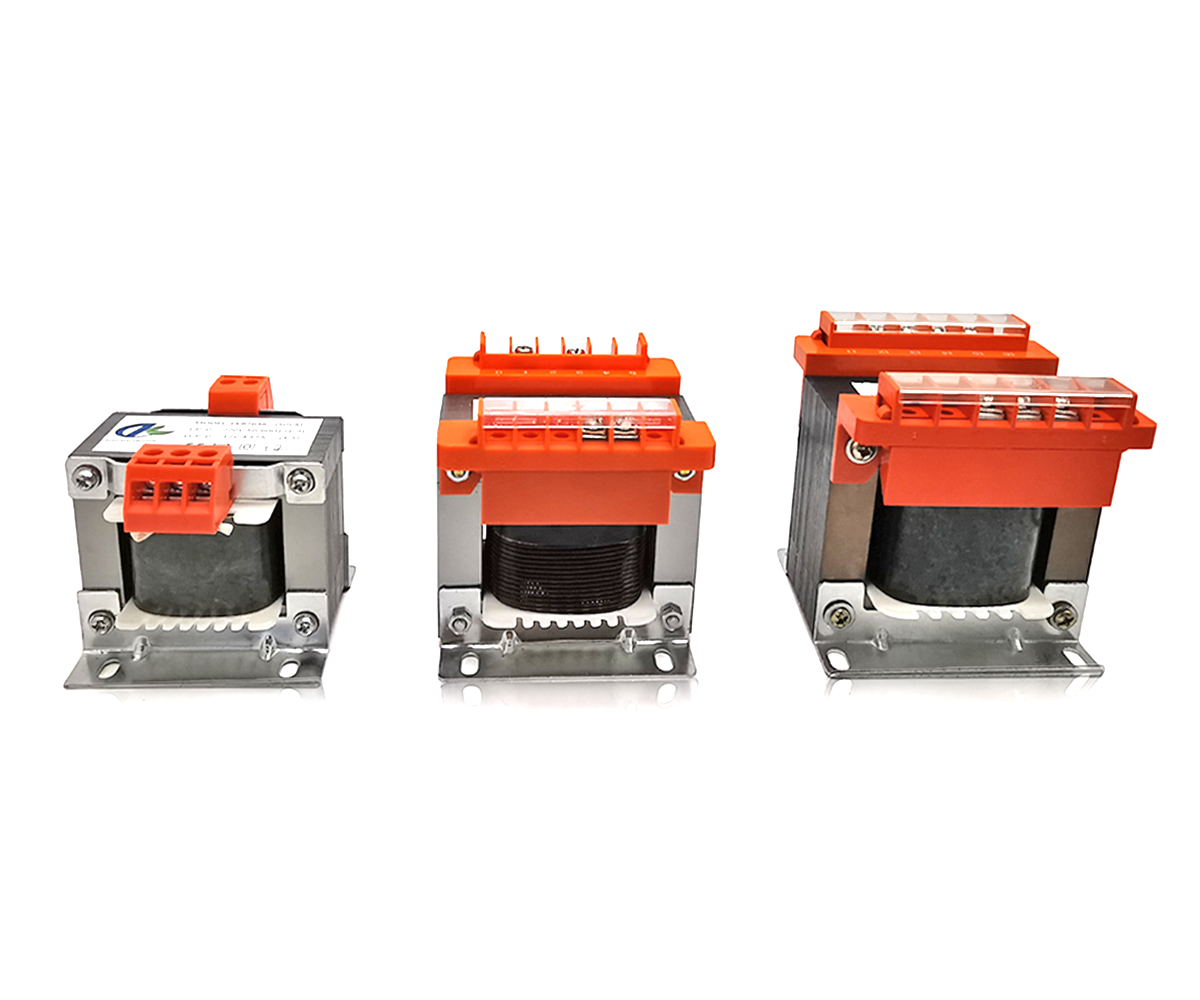
Modern industrial and electronic applications demand precise power solutions that standard off-the-shelf components simply cannot provide. Custom transformers have emerged as critical components for specialized equipment across diverse industries, from medical devices to aerospace systems. These tailored electrical solutions address unique voltage requirements, space constraints, and performance specifications that generic transformers fail to meet. Understanding the essential role of custom transformers helps engineers and procurement specialists make informed decisions for their specialized equipment needs.
Understanding the Fundamentals of Custom Transformer Design
Core Design Principles
Custom transformers operate on the same electromagnetic induction principles as standard units, but their design parameters are specifically engineered for particular applications. The core material selection, winding configuration, and insulation systems are optimized to meet exact voltage ratios, current capacities, and environmental conditions. Engineers consider factors such as operating frequency, temperature range, and mechanical stress requirements when developing these specialized components. This precision engineering ensures that each transformer delivers optimal performance within its intended application environment.
The design process begins with detailed specifications that outline input voltage ranges, output requirements, and physical constraints. Custom transformers can accommodate multiple secondary windings, tap configurations, and specialized termination methods that standard units cannot provide. Advanced modeling software helps engineers predict performance characteristics and optimize designs before manufacturing begins. This comprehensive approach ensures that the final product meets all technical requirements while maintaining cost-effectiveness and manufacturing feasibility.
Material Selection and Construction Methods
Material selection plays a crucial role in custom transformer performance and longevity. High-grade silicon steel cores provide excellent magnetic properties while minimizing losses, particularly important for precision applications. Copper windings offer superior conductivity and thermal characteristics, though aluminum alternatives may be specified for weight-sensitive applications. Insulation materials are chosen based on operating temperature, voltage stress levels, and environmental exposure requirements.
Construction techniques vary significantly based on application requirements and environmental conditions. Vacuum impregnation processes ensure complete insulation coverage and eliminate air pockets that could lead to partial discharge. Specialized encapsulation materials protect against moisture, chemicals, and mechanical vibration. These construction methods contribute to extended service life and reliable operation in challenging environments where standard transformers would fail prematurely.
Applications Across Specialized Industries
Medical Equipment Integration
Medical devices require custom transformers that meet stringent safety standards and provide exceptional reliability. Magnetic resonance imaging systems utilize specialized transformers with minimal magnetic leakage to prevent interference with sensitive scanning equipment. Patient monitoring devices depend on isolated transformer designs that eliminate electrical hazards while maintaining signal integrity. These medical applications often require compliance with international safety standards such as IEC 60601, which governs electrical safety in medical equipment environments.
Surgical equipment presents unique challenges requiring custom transformers with rapid response characteristics and precise voltage regulation. Laser systems demand transformers capable of handling high-frequency switching while maintaining stable output under varying load conditions. The compact size requirements of portable medical devices necessitate innovative winding techniques and core geometries that maximize power density while minimizing electromagnetic interference.
Aerospace and Defense Applications
Aerospace applications subject custom transformers to extreme environmental conditions including temperature cycling, vibration, and altitude variations. Military specifications require transformers that maintain performance across wide temperature ranges while resisting shock and vibration loads. Satellite systems utilize specialized transformers designed for vacuum operation and radiation resistance, ensuring reliable power conversion throughout extended mission durations.
Avionics systems require transformers with exceptional electromagnetic compatibility characteristics to prevent interference with navigation and communication equipment. Weight optimization becomes critical in aerospace applications, driving the development of advanced core materials and winding techniques that maximize power-to-weight ratios. These specialized transformers often incorporate redundant safety features and fault-tolerant designs that ensure continued operation even when individual components experience degradation.
Technical Advantages Over Standard Solutions
Precision Performance Characteristics
Custom transformers deliver precise voltage regulation and low distortion levels that standard units cannot achieve. Tight manufacturing tolerances ensure consistent performance across production quantities, eliminating the variability often encountered with generic components. Specialized winding arrangements minimize leakage inductance and optimize coupling between primary and secondary circuits. This precision engineering translates to improved system efficiency and reduced electromagnetic interference in sensitive applications.
Temperature coefficient optimization allows custom transformers to maintain stable performance across wide operating ranges. Advanced core materials and winding configurations minimize losses and reduce thermal generation, contributing to improved reliability and extended service life. Frequency response characteristics can be tailored to specific application requirements, ensuring optimal performance at designated operating frequencies while maintaining acceptable performance across required bandwidth ranges.
Space and Integration Benefits
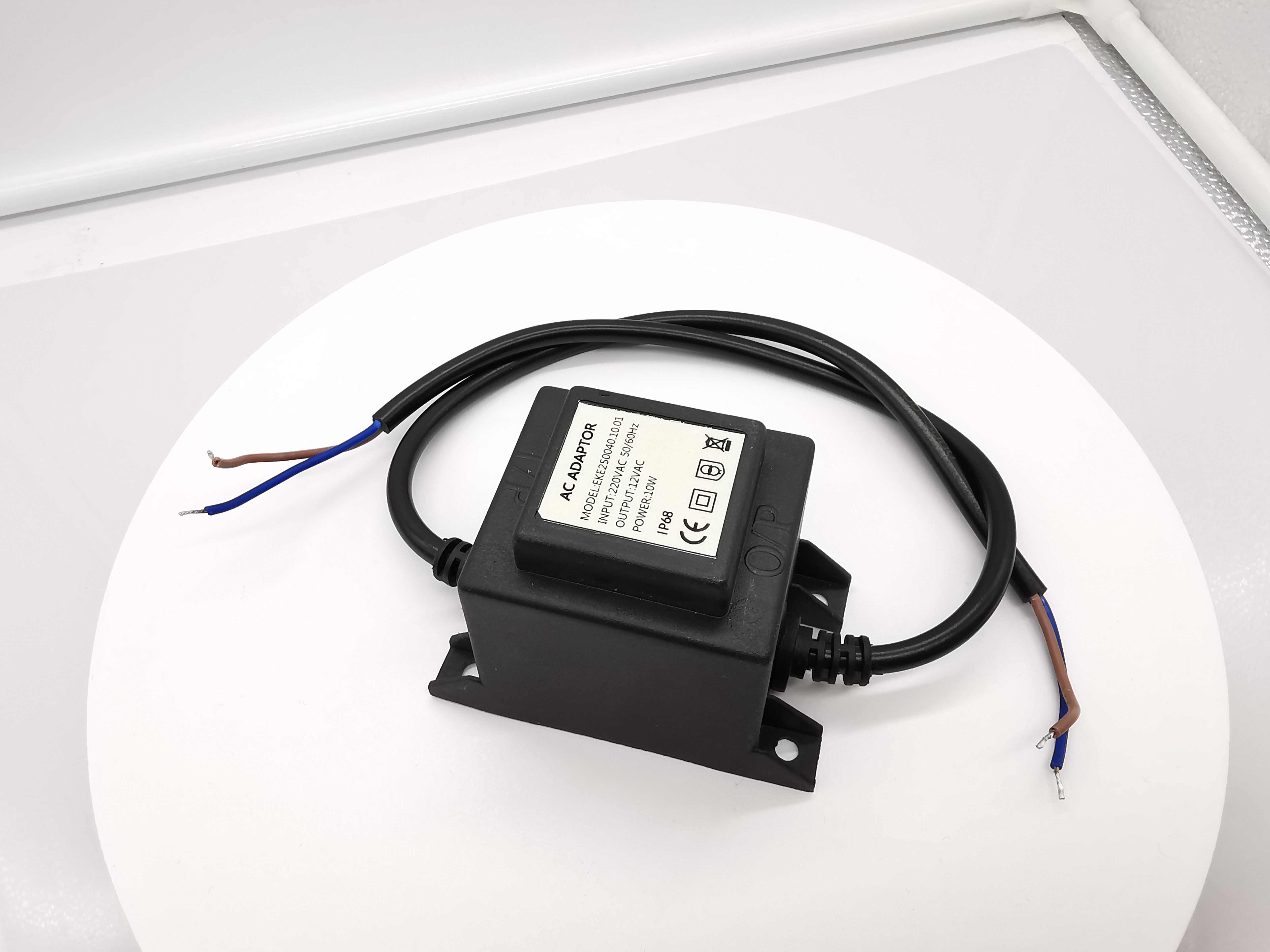
Space-constrained applications benefit significantly from custom transformers designed to fit specific mounting configurations and dimensional requirements. Printed circuit board mounted units can be optimized for automated assembly processes while maintaining electrical isolation and thermal management capabilities. Unusual form factors accommodate unique equipment layouts that standard rectangular transformers cannot address effectively.
Integration considerations extend beyond physical dimensions to include thermal management and electromagnetic compatibility requirements. Custom transformers can incorporate integral heat sinks, thermal interfaces, and shielding structures that eliminate the need for additional components. This integrated approach reduces overall system complexity while improving reliability and manufacturing efficiency. Connection methods can be customized for specific assembly processes, reducing installation time and improving quality control during production.
Cost-Benefit Analysis and ROI Considerations
Initial Investment versus Long-term Value
While custom transformers require higher initial investment compared to standard alternatives, their long-term value proposition often justifies the additional cost. Improved efficiency reduces operating expenses through lower energy consumption and reduced cooling requirements. Enhanced reliability translates to reduced maintenance costs and extended equipment service life, contributing to improved return on investment over the product lifecycle.
Custom transformers eliminate the need for additional components and modifications required when using standard units in specialized applications. This simplification reduces assembly costs, improves quality control, and minimizes potential failure points within the system. The optimized performance characteristics often enable higher system efficiency and improved product performance, contributing to competitive advantages in the marketplace.
Risk Mitigation and Reliability Benefits
Specialized equipment applications often involve high-value systems where component failure can result in significant downtime costs and potential safety hazards. Custom transformers designed for specific operating conditions exhibit superior reliability compared to standard units operating outside their optimal parameters. This improved reliability reduces the risk of unexpected failures and associated costs, making custom solutions economically attractive for critical applications.
Quality assurance processes for custom transformers typically involve more rigorous testing and validation procedures compared to standard production runs. Environmental stress testing, life cycle analysis, and application-specific validation ensure that components will perform reliably throughout their intended service life. This comprehensive qualification process provides confidence in system reliability and reduces the risk of field failures that could damage equipment reputation and customer relationships.
Manufacturing and Quality Assurance
Production Process Excellence
Custom transformer manufacturing requires sophisticated production capabilities and quality control systems that ensure consistent results across production quantities. Computer-controlled winding equipment maintains precise turn counts and layer arrangements while monitoring tension and insulation integrity throughout the process. Automated testing systems verify electrical characteristics and identify potential defects before products leave the manufacturing facility.
Advanced manufacturing techniques such as precision core lamination and automated assembly processes contribute to improved product consistency and reduced manufacturing costs. Statistical process control methods monitor key parameters throughout production, enabling early detection and correction of process variations. This systematic approach ensures that each custom transformer meets specified performance requirements while maintaining cost-effective production rates.
Testing and Validation Protocols
Comprehensive testing protocols validate custom transformer performance under actual operating conditions and environmental stresses. High-potential testing verifies insulation integrity and electrical safety margins, while thermal cycling tests confirm performance stability across specified temperature ranges. Vibration and shock testing ensure mechanical integrity in applications subject to dynamic loading conditions.
Application-specific testing procedures may include electromagnetic compatibility verification, partial discharge analysis, and accelerated life testing to predict long-term reliability. These validation protocols provide confidence that custom transformers will perform reliably throughout their intended service life while meeting all specified performance requirements. Documentation of test results supports quality assurance programs and provides traceability for critical applications requiring compliance with regulatory standards.
Future Trends and Technology Evolution
Advanced Materials and Construction Techniques
Emerging materials technology continues to expand the capabilities of custom transformers through improved magnetic properties and thermal characteristics. Nanocrystalline core materials offer superior performance at higher frequencies while reducing core losses and improving efficiency. Advanced insulation systems provide enhanced temperature capability and chemical resistance, enabling operation in more demanding environments.
Additive manufacturing techniques show promise for producing complex core geometries and winding structures that conventional manufacturing methods cannot achieve. These technologies may enable new transformer designs optimized for specific applications while reducing manufacturing lead times and costs. Integration of smart sensing capabilities within custom transformers provides real-time monitoring of operating conditions and enables predictive maintenance strategies.
Digital Design and Simulation Capabilities
Advanced simulation software enables more sophisticated custom transformer designs while reducing development time and prototyping costs. Finite element analysis tools accurately predict electromagnetic field distributions, thermal behavior, and mechanical stress patterns within transformer structures. These capabilities support optimization of designs for specific performance requirements while identifying potential issues before manufacturing begins.
Digital twin technology creates virtual models of custom transformers that enable monitoring and optimization of performance throughout the product lifecycle. Machine learning algorithms analyze operational data to identify patterns and predict maintenance requirements, contributing to improved reliability and reduced lifecycle costs. These digital capabilities enhance the value proposition of custom transformers by providing insights into performance optimization and reliability improvement opportunities.
FAQ
What factors determine whether custom transformers are necessary for a specific application
The need for custom transformers typically arises when standard units cannot meet specific voltage requirements, physical constraints, environmental conditions, or performance specifications. Applications requiring unusual voltage ratios, multiple secondary outputs, or specialized mounting configurations often require custom solutions. Additionally, critical applications demanding enhanced reliability, precision regulation, or electromagnetic compatibility characteristics may justify custom transformer development despite higher initial costs.
How do lead times for custom transformers compare to standard alternatives
Custom transformers generally require longer lead times than standard units due to design, prototyping, and validation phases. Initial development may take several weeks to months depending on complexity, while production quantities typically require 4-12 weeks after design approval. However, established designs can often be reproduced more quickly, and some manufacturers maintain inventory of commonly requested custom configurations to reduce delivery times for repeat orders.
What quality standards apply to custom transformers in specialized applications
Custom transformers must comply with relevant industry standards such as UL, CSA, IEC, or military specifications depending on the application. Medical applications require compliance with IEC 60601 medical equipment standards, while aerospace applications must meet stringent military specifications for environmental resistance and reliability. Many custom transformer manufacturers maintain certifications for multiple standards to support diverse application requirements and ensure regulatory compliance.
How can engineers optimize custom transformer specifications for cost-effectiveness
Cost optimization begins with clearly defining minimum acceptable performance requirements rather than over-specifying parameters that add unnecessary cost. Standardizing on common core sizes, standard wire gauges, and established manufacturing processes reduces costs while maintaining custom performance characteristics. Working closely with transformer manufacturers during the design phase enables identification of cost-saving opportunities without compromising essential performance requirements.
Table of Contents
- Understanding the Fundamentals of Custom Transformer Design
- Applications Across Specialized Industries
- Technical Advantages Over Standard Solutions
- Cost-Benefit Analysis and ROI Considerations
- Manufacturing and Quality Assurance
- Future Trends and Technology Evolution
-
FAQ
- What factors determine whether custom transformers are necessary for a specific application
- How do lead times for custom transformers compare to standard alternatives
- What quality standards apply to custom transformers in specialized applications
- How can engineers optimize custom transformer specifications for cost-effectiveness