EN
EN

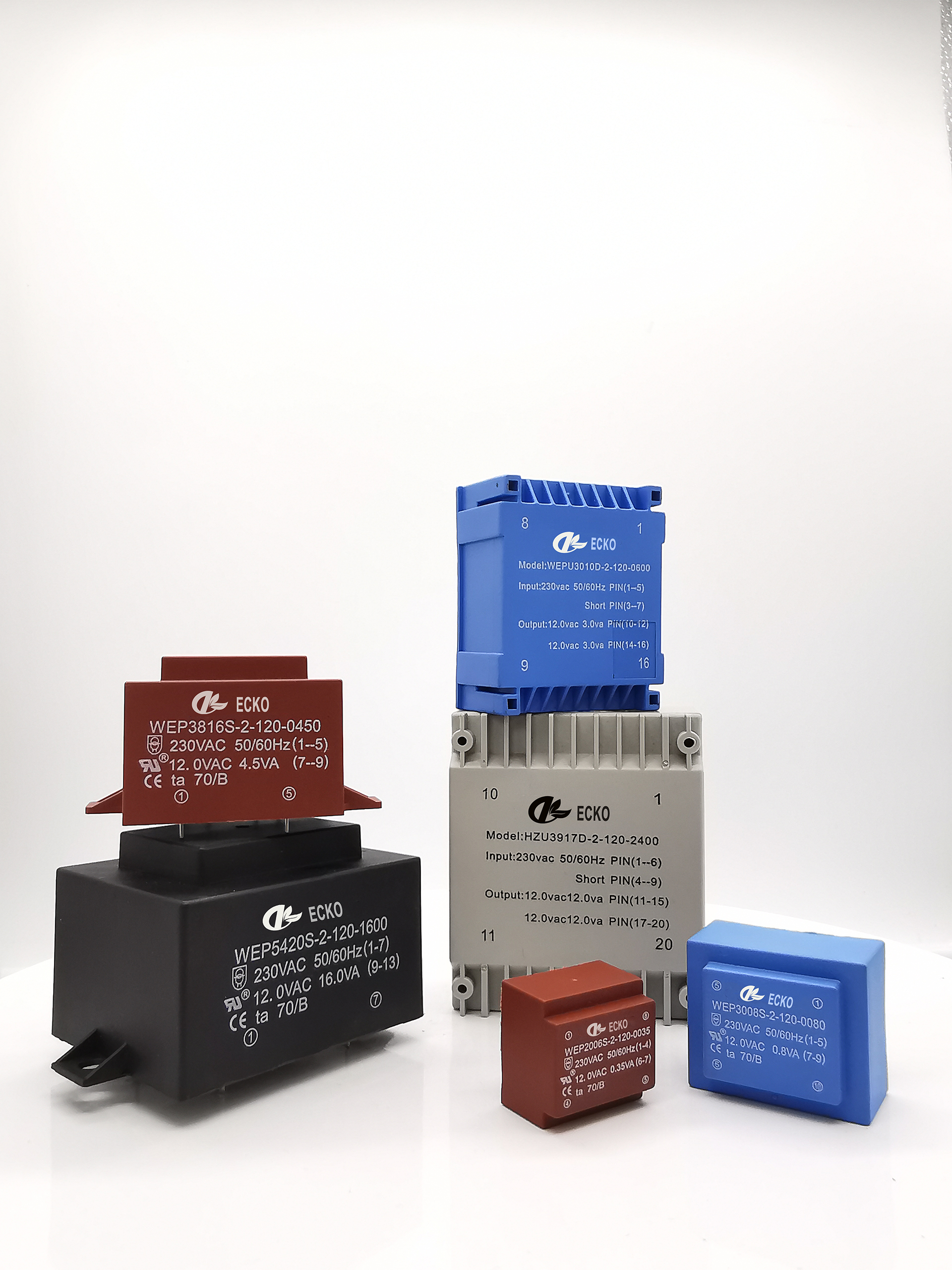
The global push toward energy efficiency has fundamentally transformed how electrical components are designed and manufactured. Modern transformers now integrate sophisticated energy-saving technologies that significantly reduce power losses while maintaining optimal performance. These innovations represent a critical evolution in electrical engineering, addressing both environmental concerns and operational cost considerations that businesses face today. The implementation of advanced materials, intelligent design principles, and cutting-edge manufacturing processes has enabled contemporary transformers to achieve unprecedented efficiency levels while supporting diverse industrial applications.
Advanced Core Materials and Design Innovations
Silicon Steel and Amorphous Metal Cores
The selection of core materials represents one of the most significant factors influencing transformer efficiency. Traditional silicon steel cores have undergone substantial improvements through grain orientation techniques and reduced thickness configurations. These enhancements minimize hysteresis and eddy current losses, which are primary contributors to energy waste in conventional transformers. Modern manufacturing processes create highly oriented grain structures that align magnetic domains more effectively, resulting in lower core losses and improved magnetic permeability.
Amorphous metal cores have emerged as a revolutionary alternative to traditional silicon steel, offering superior energy efficiency characteristics. These materials exhibit significantly reduced core losses due to their unique atomic structure, which lacks the crystalline boundaries found in conventional metals. The implementation of amorphous metal cores can reduce no-load losses by up to seventy percent compared to standard silicon steel alternatives, making them particularly valuable for applications where transformers operate continuously with varying load conditions.
Optimized Winding Configurations
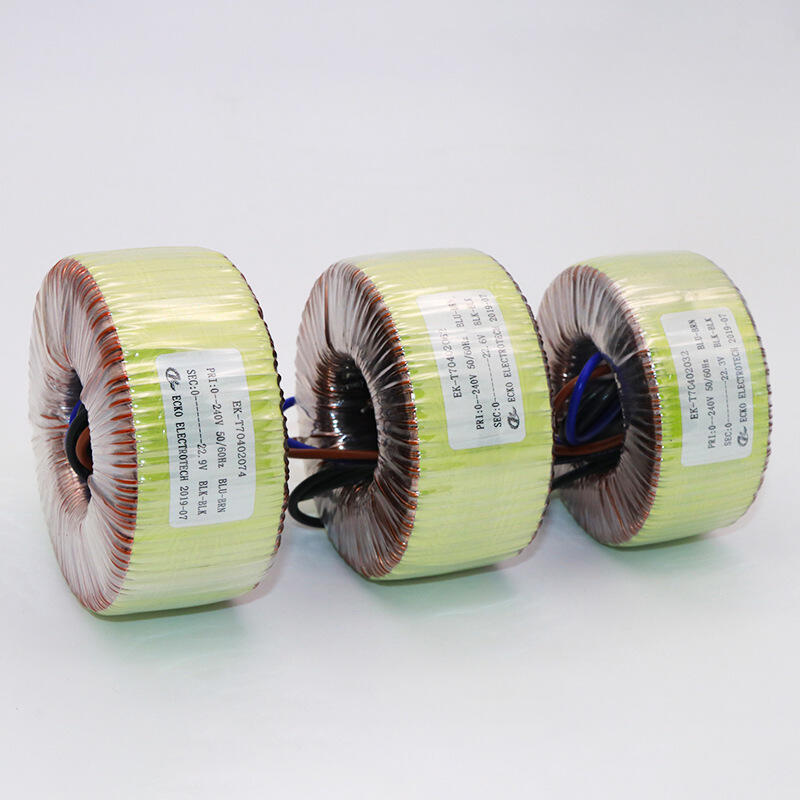
Contemporary energy-saving transformers incorporate sophisticated winding designs that minimize resistance losses and improve heat dissipation. Advanced copper and aluminum conductor arrangements utilize optimized cross-sectional areas and geometric configurations to reduce I²R losses while maintaining structural integrity. These designs often feature specially shaped conductors that maximize current-carrying capacity while minimizing material usage, contributing to both efficiency improvements and cost optimization.
Multi-layer winding techniques enable better heat distribution and reduced hotspot formation, which extends transformer lifespan while maintaining efficiency throughout operational cycles. The strategic placement of cooling channels and insulation materials within winding assemblies facilitates improved thermal management, preventing efficiency degradation that typically occurs with elevated operating temperatures.
Smart Control Systems and Load Management
Intelligent Voltage Regulation
Modern transformers integrate sophisticated voltage regulation systems that automatically adjust output characteristics based on real-time load conditions. These intelligent control mechanisms utilize advanced sensors and microprocessor-based controllers to optimize transformer operation continuously. By maintaining optimal voltage levels across varying load scenarios, these systems prevent energy waste associated with over-excitation or inefficient operating points.
Adaptive load management capabilities enable energy-saving transformers to respond dynamically to changing electrical demands while maintaining stability and efficiency. These systems can predict load patterns and adjust operational parameters proactively, reducing unnecessary energy consumption during low-demand periods while ensuring adequate capacity availability when required.
Power Factor Optimization Technologies
Contemporary transformer designs incorporate power factor correction capabilities that significantly improve overall system efficiency. These technologies actively monitor and adjust reactive power consumption, reducing the burden on electrical distribution systems while minimizing energy waste. Advanced capacitor banks and electronic switching systems work in coordination with transformer controls to maintain optimal power factor conditions across diverse operating scenarios.
Real-time power quality monitoring enables continuous optimization of electrical characteristics, ensuring that energy-saving transformers operate within ideal parameters. These monitoring systems provide detailed analytics on power consumption patterns, enabling facility managers to identify optimization opportunities and implement targeted efficiency improvements throughout their electrical infrastructure.
Thermal Management and Cooling Innovations
Advanced Cooling Technologies
Effective thermal management represents a crucial component of energy-efficient transformer design, as elevated operating temperatures directly correlate with increased losses and reduced lifespan. Modern cooling systems utilize innovative heat exchanger designs and advanced cooling fluids that provide superior heat transfer characteristics while maintaining environmental safety standards. These systems often incorporate variable-speed cooling fans and intelligent temperature control algorithms that adjust cooling capacity based on actual thermal conditions.
Liquid cooling systems in larger transformers now utilize biodegradable fluids and enhanced circulation designs that improve heat removal while reducing environmental impact. These advanced cooling solutions enable transformers to operate at lower temperatures consistently, maintaining optimal efficiency levels throughout their operational lifespan while reducing maintenance requirements and extending service intervals.
Heat Recovery and Waste Energy Utilization
Innovative energy-saving transformers now incorporate heat recovery systems that capture and utilize waste thermal energy for beneficial purposes. These systems can redirect recovered heat for space heating, process applications, or other facility requirements, effectively converting what was previously waste energy into useful thermal output. This approach significantly improves overall system efficiency by maximizing the utilization of input energy across multiple applications.
Thermal energy storage integration enables transformers to buffer heat generation and release, smoothing thermal loads and improving overall energy management. These systems can store excess thermal energy during peak generation periods and release it during times when additional heating is beneficial, optimizing facility energy consumption patterns while reducing overall operational costs.
Digital Monitoring and Predictive Maintenance
IoT Integration and Remote Monitoring
Internet of Things connectivity has revolutionized transformer monitoring and management capabilities, enabling real-time data collection and analysis from remote locations. Modern energy-saving transformers incorporate comprehensive sensor networks that monitor electrical parameters, thermal conditions, vibration levels, and other critical operational characteristics continuously. This data enables facility managers to optimize transformer performance proactively while identifying potential efficiency improvements and maintenance requirements.
Cloud-based analytics platforms process transformer operational data to provide detailed insights into energy consumption patterns and efficiency trends. These systems can identify subtle performance degradations before they impact overall efficiency, enabling targeted maintenance interventions that maintain optimal energy-saving performance throughout the transformer's operational lifespan.
Predictive Analytics and Maintenance Optimization
Advanced predictive maintenance algorithms analyze historical performance data and current operational parameters to forecast potential issues before they occur. These systems enable maintenance teams to schedule interventions during planned downtime periods, preventing unexpected failures that could compromise energy efficiency. Machine learning capabilities continuously improve prediction accuracy by analyzing patterns across multiple transformer installations and operational scenarios.
Condition-based maintenance strategies optimize service intervals based on actual equipment condition rather than predetermined schedules, reducing unnecessary maintenance costs while ensuring optimal performance. These approaches enable energy-saving transformers to maintain peak efficiency levels throughout their operational lifespan while minimizing disruption to facility operations and reducing overall maintenance expenses.
Environmental Impact and Sustainability Features
Eco-Friendly Materials and Manufacturing
Contemporary transformer manufacturing emphasizes environmental sustainability through the selection of eco-friendly materials and production processes. Recyclable core materials and biodegradable insulation fluids reduce environmental impact while maintaining superior performance characteristics. Manufacturing processes now incorporate energy-efficient production techniques that minimize carbon footprint while ensuring consistent quality and reliability standards.
Life-cycle assessment considerations guide material selection and design decisions, ensuring that energy-saving transformers provide maximum environmental benefits throughout their operational lifespan. These assessments consider factors such as material extraction, manufacturing energy consumption, operational efficiency, and end-of-life recycling potential to optimize overall environmental performance.
Regulatory Compliance and Standards
Modern energy-saving transformers comply with increasingly stringent efficiency standards and environmental regulations worldwide. These standards drive continuous innovation in transformer design and manufacturing, pushing the industry toward higher efficiency levels and improved environmental performance. Compliance with international standards ensures that transformers meet minimum efficiency requirements while providing customers with confidence in their investment decisions.
Energy labeling programs and certification schemes provide transparent information about transformer efficiency characteristics, enabling customers to make informed decisions based on actual performance data. These programs create market incentives for manufacturers to develop increasingly efficient products while helping end-users identify solutions that provide optimal energy-saving benefits for their specific applications.
FAQ
What efficiency levels can modern energy-saving transformers achieve
Contemporary energy-saving transformers routinely achieve efficiency levels exceeding 98% in optimal operating conditions. Premium efficiency models utilizing advanced core materials and optimized designs can reach efficiencies of 99% or higher, representing significant improvements over traditional transformer designs. These efficiency levels translate directly into reduced energy consumption and lower operational costs over the transformer's lifespan.
How do smart control systems improve transformer efficiency
Smart control systems continuously monitor and adjust transformer operation based on real-time conditions, optimizing voltage regulation, power factor, and load management. These systems prevent energy waste by maintaining optimal operating parameters and can reduce overall energy consumption by 5-15% compared to conventional control methods. Advanced algorithms enable predictive adjustments that anticipate load changes and optimize efficiency proactively.
What maintenance requirements do energy-saving transformers have
Energy-saving transformers typically require less frequent maintenance than conventional units due to improved designs and materials that reduce wear and degradation. Predictive maintenance systems enable condition-based service intervals rather than fixed schedules, often extending maintenance periods while improving reliability. Regular monitoring and data analysis help identify optimal maintenance timing to preserve efficiency levels throughout the operational lifespan.
Are energy-saving transformers cost-effective for small applications
Energy-saving transformers provide cost-effective solutions even for smaller applications due to reduced operational costs and longer lifespans that offset higher initial investment. The payback period typically ranges from 2-5 years depending on usage patterns and energy costs. Additionally, many utility companies offer rebates and incentives for high-efficiency transformer installations, further improving the economic benefits of these advanced solutions.