EN
EN

Selecting the right outdoor transformer for your facility is one of the most consequential electrical infrastructure decisions you will make. The wrong choice can lead to equipment failure, costly downtime, safety hazards, and regulatory non-compliance. Whether you are managing an industrial plant, a commercial complex, a utility substation, or a large outdoor installation, understanding the key selection criteria will help you invest wisely and operate reliably for years to come.
An outdoor transformer is not a one-size-fits-all component. It must be matched precisely to your facility's voltage requirements, load profile, environmental conditions, and long-term operational goals. This guide walks you through the critical decision factors — from voltage compatibility and weatherproofing ratings to cooling methods and compliance standards — so you can approach the selection process with clarity and confidence.
Understanding What an Outdoor Transformer Actually Does in Your Facility
The Core Function of an Outdoor Transformer
An outdoor transformer converts electrical energy from one voltage level to another, enabling power to be distributed safely and efficiently across your facility's systems. In outdoor installations, this conversion must happen reliably regardless of weather, temperature fluctuations, or environmental exposure. The transformer sits at the heart of your power distribution chain, and any mismatch between its specifications and your facility's demands will cascade into operational problems.
For facilities that draw power from a utility grid at high voltage and need to step it down for equipment use — or conversely, step it up for transmission — the outdoor transformer acts as the critical interface. Understanding this role helps clarify why specification accuracy matters so much during the selection process. A unit rated for the wrong input voltage, insufficient capacity, or inadequate weatherproofing will underperform or fail prematurely.
Modern outdoor transformer designs accommodate a wide range of input and output configurations. Units capable of handling inputs from 240V and delivering outputs across 12V, 24V, 36V, 220V, or 380V ranges give facility managers the flexibility to serve diverse load types from a single installation point. This versatility is especially valuable in mixed-use industrial environments where different systems demand different voltage levels simultaneously.
Why Outdoor Placement Creates Unique Demands
Placing a transformer outdoors exposes it to a fundamentally different set of stresses compared to indoor installations. Rain, humidity, UV radiation, dust, temperature extremes, and even wildlife intrusion all become active threats to transformer integrity. An outdoor transformer must be engineered specifically to withstand these conditions — not simply adapted from an indoor design with a basic enclosure added on.
Rainproof construction is a baseline requirement for any outdoor transformer. Beyond that, facilities in coastal areas must consider salt-air corrosion resistance, while those in desert climates need to account for extreme heat and sand ingress. Cold-climate installations require materials and insulation systems that remain functional at sub-zero temperatures without cracking or losing dielectric strength. Each of these environmental factors should directly influence your specification checklist.
Key Technical Specifications to Evaluate Before Choosing
Voltage Input and Output Compatibility
The first and most non-negotiable specification when selecting an outdoor transformer is voltage compatibility. You must know your facility's incoming supply voltage with precision — whether that is 240V, 380V, or another standard — and match it to a transformer with the correct primary winding rating. Mismatching input voltage is one of the most common and damaging errors in transformer procurement.
On the output side, your selection should reflect the actual voltage requirements of the equipment and systems being powered. An outdoor transformer that delivers multiple output options — such as 12V, 24V, 36V, and 220V — provides operational flexibility and reduces the need for additional step-down units downstream. This is particularly useful in facilities where control systems, lighting, HVAC, and heavy machinery all operate at different voltage levels.
Frequency compatibility is equally important and often overlooked. If your facility operates on a 50Hz grid, your outdoor transformer must be rated for 50Hz operation. Using a transformer designed for 60Hz on a 50Hz supply will result in increased core losses, overheating, and reduced efficiency. Always confirm frequency alignment as part of your voltage specification review.
KVA Rating and Load Capacity Planning
The KVA rating of an outdoor transformer defines how much apparent power it can handle continuously without exceeding its thermal limits. Undersizing this rating is a common mistake that leads to overheating, insulation degradation, and shortened transformer life. When calculating the required KVA, you should account for the total connected load, the demand factor of your facility, and a safety margin for future load growth.
A general industry practice is to size your outdoor transformer at no more than 80% of its rated capacity under normal operating conditions. This headroom protects against unexpected load spikes and gives the unit thermal breathing room during peak demand periods. For facilities with high inrush current loads — such as large motors or compressors — the transformer must also be evaluated for its ability to handle short-duration overloads without tripping or sustaining damage.
Load profiling over time is a valuable exercise before finalizing your outdoor transformer selection. If your facility operates in shifts or has seasonal demand peaks, understanding those patterns will help you choose a unit that performs efficiently across the full range of operating conditions rather than just at peak load.
Environmental and Weatherproofing Considerations
IP Ratings and Rainproof Construction Standards
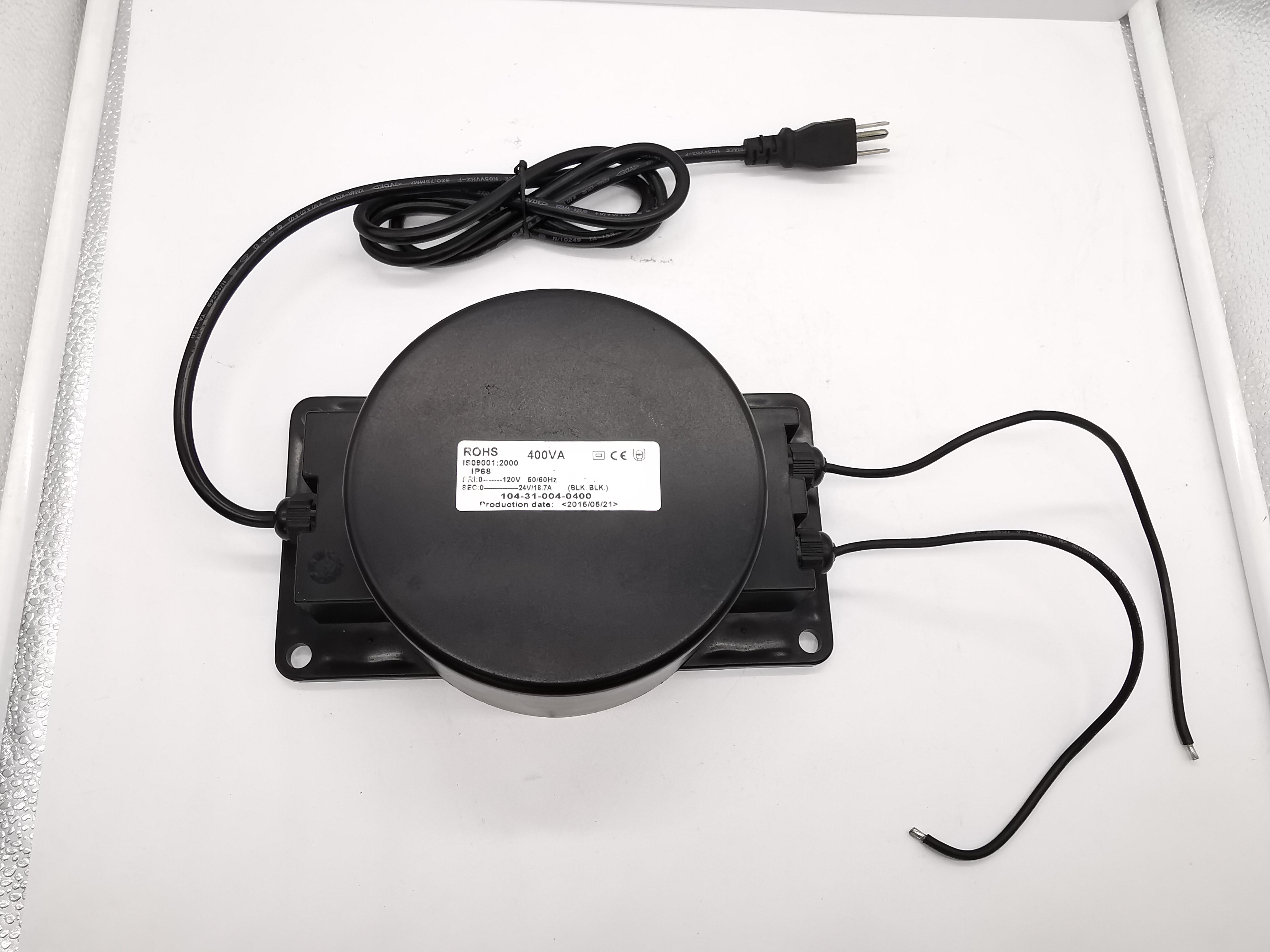
The Ingress Protection (IP) rating of an outdoor transformer tells you how well its enclosure resists the entry of solid particles and liquids. For outdoor installations, a minimum IP rating of IP54 is typically considered acceptable, but facilities in high-rainfall regions or those subject to direct water exposure should specify IP65 or higher. A rainproof outdoor transformer with a robust IP rating will maintain its insulation integrity and electrical performance even during heavy precipitation events.
Beyond the IP rating, the physical construction of the enclosure matters. Galvanized steel or powder-coated aluminum housings offer better long-term corrosion resistance than untreated steel. Gasket quality, cable entry sealing, and ventilation design all contribute to how effectively the outdoor transformer resists moisture ingress over its service life. Inspect these details carefully when evaluating units from different suppliers.
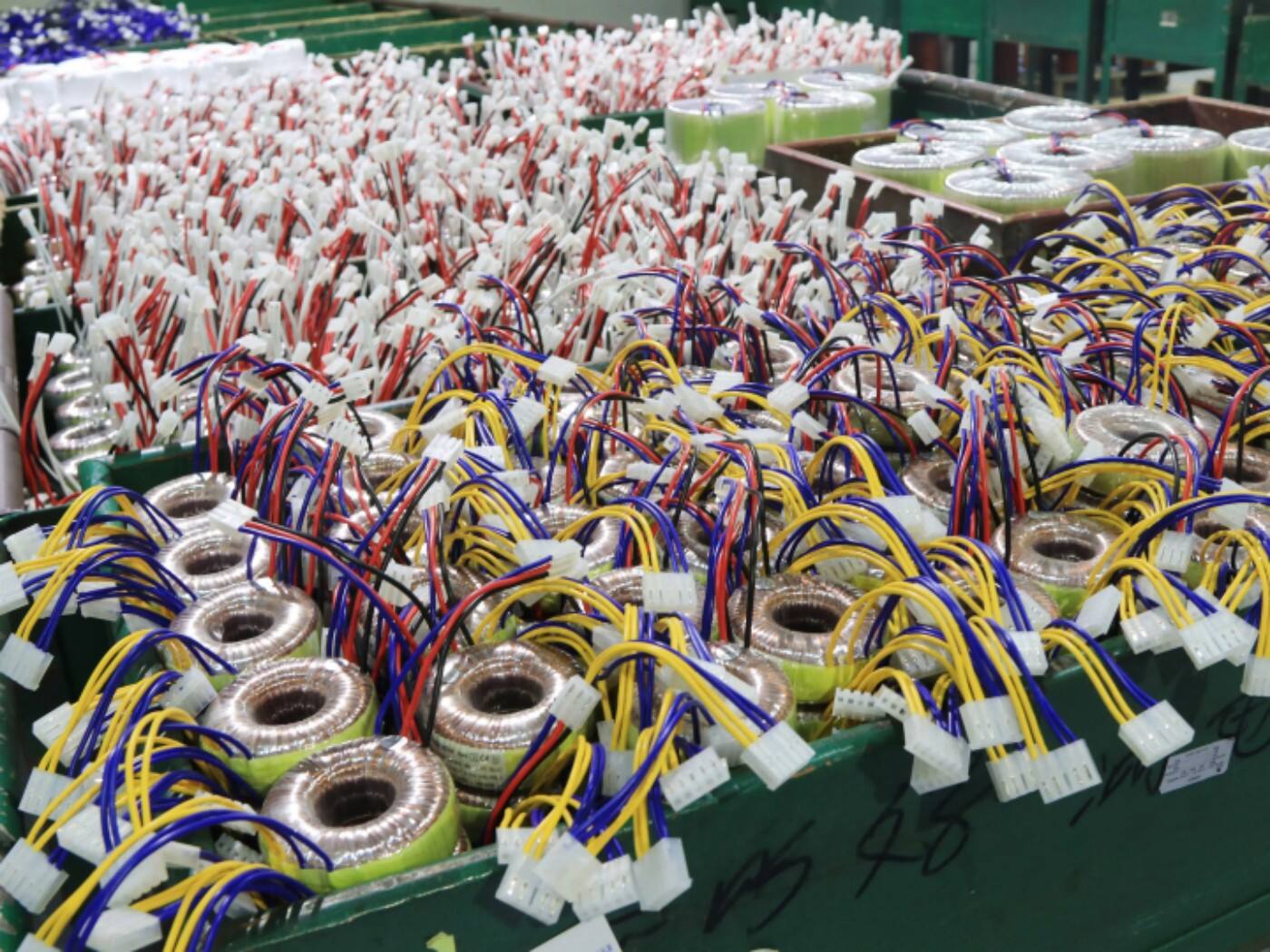
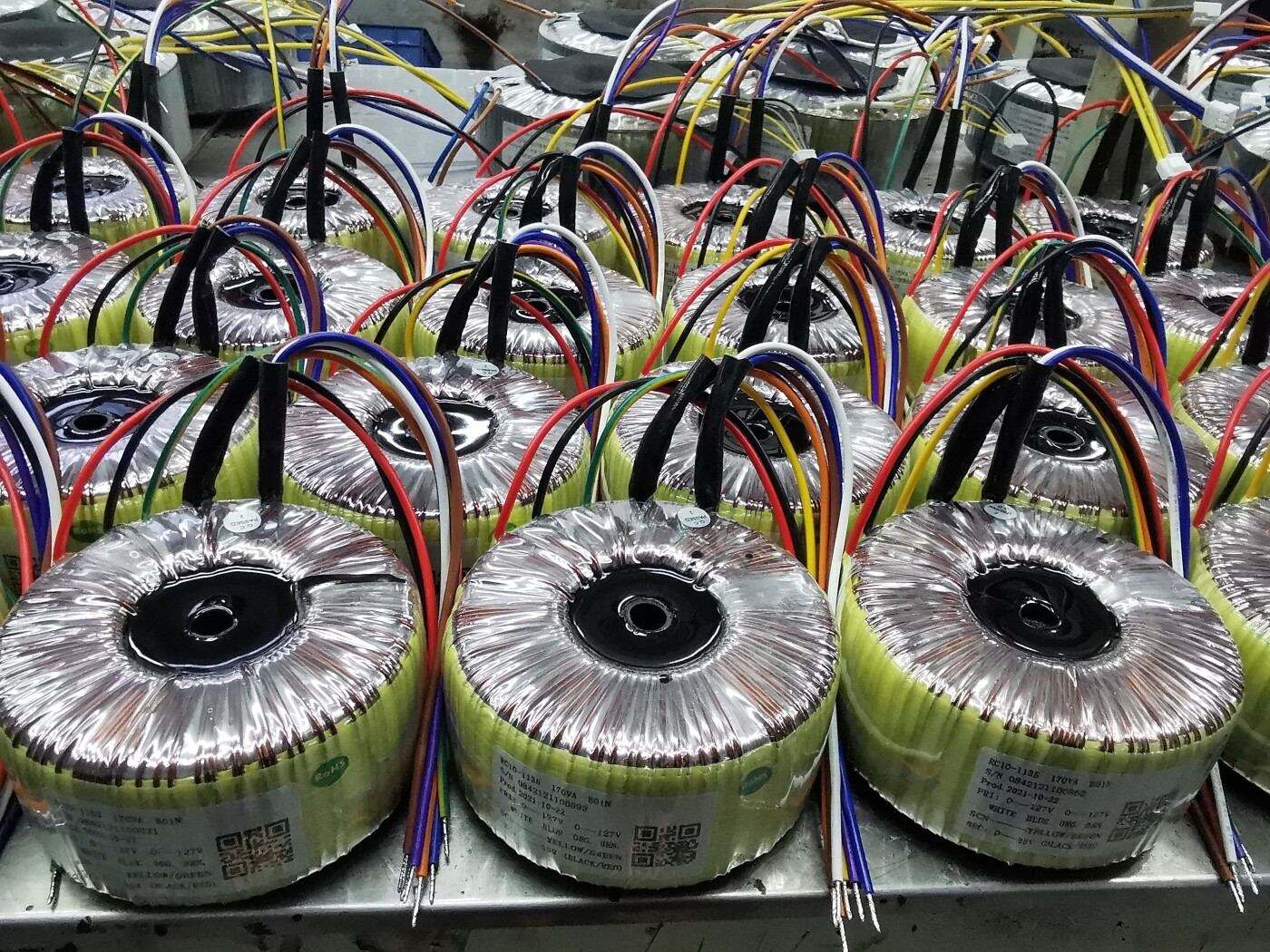
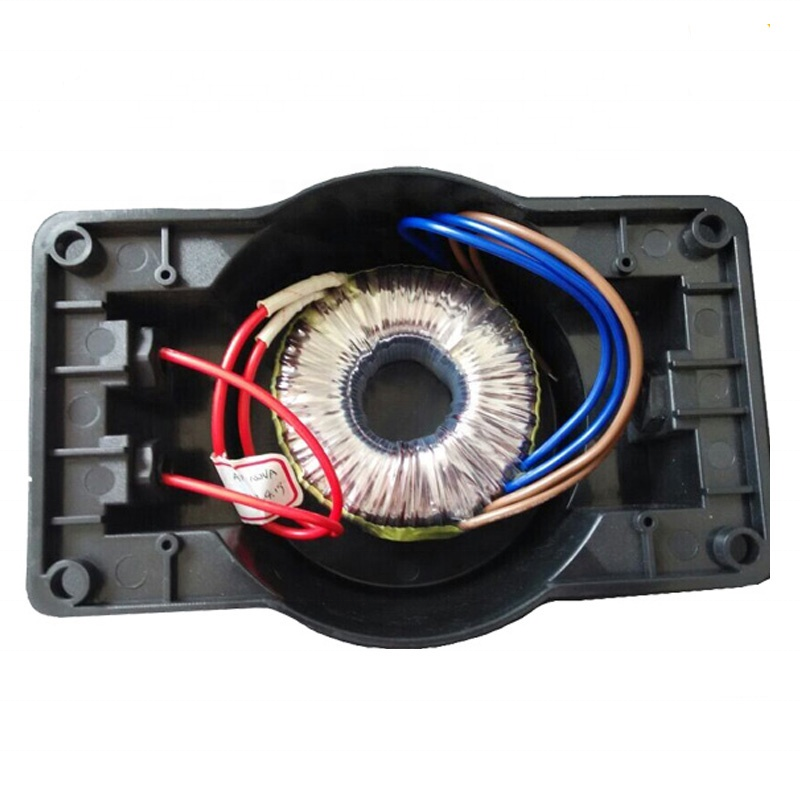
Toroidal core designs, which are increasingly common in modern outdoor transformer configurations, offer inherent advantages in weatherproof applications. Their compact, symmetrical form factor reduces the surface area exposed to the environment and allows for more effective sealing. When combined with appropriate enclosure engineering, a toroidal outdoor transformer can deliver excellent performance in demanding outdoor conditions.
Thermal Management and Cooling Method Selection
Heat is the primary enemy of transformer longevity. Every outdoor transformer generates heat as a byproduct of its electrical conversion process, and how that heat is managed determines how long the unit will last and how efficiently it will operate. The two main cooling approaches are air-cooled (ONAN — Oil Natural Air Natural, or dry-type air cooling) and oil-cooled designs, each with distinct advantages depending on your facility context.
Dry-type outdoor transformers are preferred in environments where oil leakage would pose an environmental or fire risk. They are easier to maintain, require no oil sampling or filtration, and are well-suited for facilities with strict environmental compliance requirements. However, they are generally less efficient at dissipating heat under heavy continuous loads compared to oil-cooled alternatives.
Oil-cooled outdoor transformers offer superior thermal performance for high-capacity applications and are the standard choice for utility-scale and heavy industrial installations. The oil serves both as a coolant and as an additional dielectric medium, enhancing insulation performance. If you select an oil-cooled outdoor transformer, ensure your installation site includes appropriate containment measures to manage any potential oil leakage in compliance with local environmental regulations.
Compliance, Safety Standards, and Installation Factors
Regulatory and Certification Requirements
Every outdoor transformer installed in a commercial or industrial facility must comply with the applicable electrical standards and safety certifications for your region. In many markets, this means conformance with IEC standards for transformer design and testing, as well as local grid operator requirements for equipment connected to the utility network. Failing to verify compliance before purchase can result in installation rejection, insurance complications, or regulatory penalties.
Certifications to look for include IEC 60076 for power transformers, relevant national standards for outdoor electrical equipment, and any specific utility interconnection requirements that apply to your facility's grid connection point. When procuring a custom outdoor transformer — particularly one with non-standard voltage ratios or special environmental ratings — request full documentation of the testing and certification process from the manufacturer.
Safety features built into the outdoor transformer itself are also part of the compliance picture. Thermal protection devices, pressure relief valves on oil-filled units, and surge arresters all contribute to safe operation and may be required by local codes. Confirm that the unit you select includes the protective features mandated by your jurisdiction's electrical installation standards.
Site Preparation and Installation Logistics
Choosing the right outdoor transformer also means thinking ahead to installation. The physical dimensions and weight of the unit must be compatible with your site's access constraints and foundation design. Large oil-cooled transformers require reinforced concrete pads, oil containment bunds, and adequate clearance from buildings and other equipment. Dry-type units are generally lighter and more flexible in terms of placement, but still require proper grounding and cable management infrastructure.
Proximity to the load center is an important installation consideration. Placing the outdoor transformer as close as practical to the primary load reduces cable runs, minimizes resistive losses, and improves voltage regulation at the point of use. For facilities with distributed loads across a large site, multiple smaller outdoor transformer units positioned strategically may outperform a single large central unit in terms of efficiency and reliability.
Maintenance access should be factored into the installation layout from the start. An outdoor transformer that is difficult to reach for routine inspection, oil sampling, or connection testing will inevitably receive less maintenance attention, increasing the risk of undetected deterioration. Design your installation with clear access paths, adequate working space, and appropriate lighting to support the maintenance program your transformer requires.
Matching the Outdoor Transformer to Your Facility's Long-Term Needs
Scalability and Future Load Growth
A well-chosen outdoor transformer should serve your facility not just for today's load profile but for the foreseeable future. If your facility is expanding, adding new production lines, or integrating renewable energy sources such as solar or wind, your transformer selection must account for these future demands. Specifying a unit with some capacity headroom today avoids the costly and disruptive process of replacing the transformer prematurely as your facility grows.
Some outdoor transformer designs support tap changer configurations that allow voltage ratio adjustments without replacing the unit. This feature is particularly valuable in facilities where the utility supply voltage may vary or where load characteristics are expected to change over time. Discussing tap changer options with your supplier during the specification phase can add meaningful long-term flexibility to your installation.
Total Cost of Ownership vs. Initial Purchase Price
The purchase price of an outdoor transformer is only one component of its true cost. Energy losses, maintenance requirements, expected service life, and the cost of potential downtime all factor into the total cost of ownership calculation. A lower-priced unit with higher core losses will cost more to operate over its lifetime than a premium-efficiency unit with a higher upfront price. For facilities with high utilization rates, this difference can be substantial.
Transformer efficiency is expressed as a percentage of input power delivered as useful output power. Even a difference of 0.5% in efficiency translates to significant energy cost differences over a 20-year service life at industrial load levels. When comparing outdoor transformer options, request the no-load loss and load loss figures from each supplier and use them to calculate the lifetime energy cost differential before making your final decision.
Warranty terms, availability of spare parts, and the supplier's technical support capability also contribute to total cost of ownership. An outdoor transformer backed by a comprehensive warranty and a responsive technical team reduces your risk exposure and simplifies the management of any issues that arise during the unit's operational life.
FAQ
What is the minimum IP rating recommended for an outdoor transformer in a rainy climate?
For facilities in high-rainfall or humid environments, an IP65 rating is the recommended minimum for an outdoor transformer. This rating confirms that the enclosure is fully dust-tight and protected against water jets from any direction. In particularly exposed locations — such as coastal sites or areas subject to flooding — IP66 or IP67 ratings provide an additional margin of protection and are worth specifying even if they carry a higher cost.
How do I calculate the correct KVA rating for my outdoor transformer?
Start by summing the total connected load in kilowatts across all equipment the outdoor transformer will serve. Divide this figure by the power factor of your load (typically 0.8 to 0.9 for mixed industrial loads) to get the apparent power in KVA. Add a safety margin of at least 20% to account for load growth and peak demand spikes. The resulting figure gives you a practical minimum KVA rating for your outdoor transformer selection.
Can a single outdoor transformer serve multiple output voltage requirements simultaneously?
Yes, multi-winding outdoor transformer designs can deliver multiple output voltages from a single unit. For example, a unit with a 240V input can be configured to provide simultaneous outputs at 12V, 24V, 36V, and 220V, serving different systems within the same facility from one installation point. This approach reduces equipment footprint, simplifies maintenance, and can lower overall infrastructure costs compared to installing separate transformers for each voltage level.
What maintenance does an outdoor transformer typically require?
Routine maintenance for an outdoor transformer includes periodic visual inspection of the enclosure for corrosion or physical damage, checking and tightening electrical connections, verifying that cooling vents or radiators are unobstructed, and — for oil-filled units — sampling the insulating oil annually to check for moisture, acidity, and dissolved gas content. Thermal imaging surveys are also recommended every one to two years to detect hot spots in connections or windings before they develop into failures. Following the manufacturer's recommended maintenance schedule is the most reliable way to maximize the service life of your outdoor transformer.
Table of Contents
- Understanding What an Outdoor Transformer Actually Does in Your Facility
- Key Technical Specifications to Evaluate Before Choosing
- Environmental and Weatherproofing Considerations
- Compliance, Safety Standards, and Installation Factors
- Matching the Outdoor Transformer to Your Facility's Long-Term Needs
-
FAQ
- What is the minimum IP rating recommended for an outdoor transformer in a rainy climate?
- How do I calculate the correct KVA rating for my outdoor transformer?
- Can a single outdoor transformer serve multiple output voltage requirements simultaneously?
- What maintenance does an outdoor transformer typically require?