EN
EN

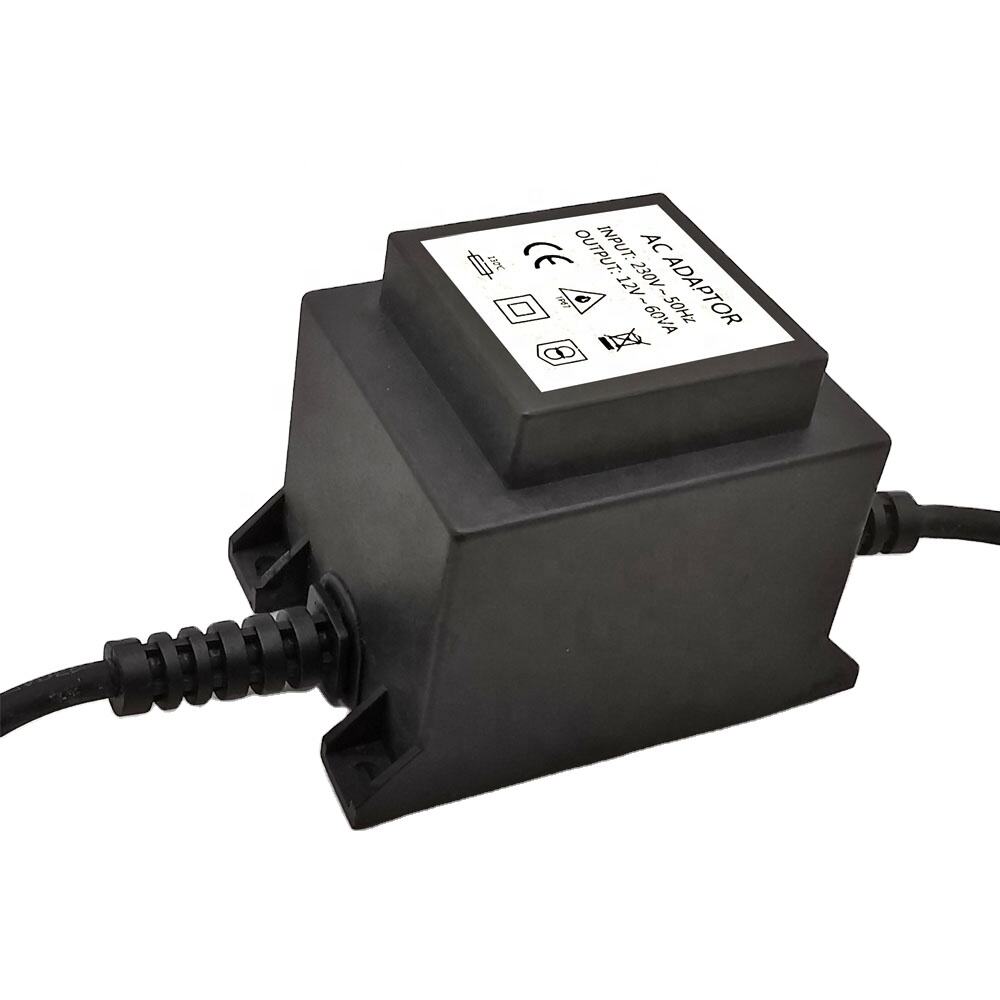
When electrical infrastructure is exposed to the open environment, the demands placed on it go far beyond what indoor equipment must endure. An outdoor power transformer must perform reliably whether it is baking under summer heat, freezing through a winter night, or absorbing moisture during a prolonged rainy season. Understanding how these units are engineered to handle temperature fluctuations and humidity is essential for engineers, facility managers, and procurement teams who depend on consistent power delivery in challenging field conditions.
The engineering behind a modern outdoor power transformer is a direct response to the unpredictability of outdoor environments. Temperature swings can span dozens of degrees within a single day, and relative humidity can shift from arid to near-saturated within hours during seasonal transitions. Every design decision — from the choice of insulation material to the geometry of the enclosure — is made with these variables in mind. This article breaks down the specific mechanisms that allow outdoor power transformers to maintain performance and longevity despite these relentless environmental pressures.
Why Temperature Fluctuations Are a Critical Design Challenge
The Physics of Thermal Stress on Transformer Components
Every outdoor power transformer contains core materials, winding conductors, and insulation systems that respond differently to heat and cold. When temperatures rise, electrical resistance in copper or aluminum windings increases, which raises operating losses and generates additional heat internally. If this thermal cycle is not managed, it creates a compounding effect where heat builds upon heat, accelerating insulation degradation over time.
Conversely, when temperatures drop sharply, materials contract at different rates. The core laminations, the winding conductors, and the enclosure casing all have distinct coefficients of thermal expansion. Repeated contraction and expansion cycles introduce mechanical stress at joints, seals, and connection points. Over years of operation, this can lead to micro-fractures in insulation or loosening of terminal connections if the transformer has not been designed to accommodate this movement.
A well-engineered outdoor power transformer accounts for these thermal dynamics by selecting materials with compatible expansion properties and by building in sufficient thermal mass and ventilation to buffer rapid temperature changes. The goal is to keep the internal temperature rise within the rated limits regardless of what the ambient environment is doing.
Thermal Management Strategies in Outdoor Designs
One of the primary strategies used in outdoor power transformer design is the use of oil-immersed cooling or, in more compact units, advanced dry-type insulation systems rated for wide temperature ranges. Oil-immersed designs use transformer oil as both an insulator and a coolant, circulating heat away from the core and windings toward the outer tank surface where it dissipates into the surrounding air. This approach is highly effective at stabilizing internal temperatures even when external conditions fluctuate significantly.
For dry-type outdoor power transformers, the insulation class becomes the critical factor. Class F and Class H insulation systems are rated for continuous operation at elevated temperatures, providing a meaningful safety margin above typical ambient peaks. Some designs also incorporate thermally conductive potting compounds that encapsulate the windings, improving heat transfer while simultaneously protecting against moisture ingress.
Enclosure design also plays a role in thermal management. Ventilation louvers, heat sinks, and in some cases forced-air cooling systems are integrated into the housing of an outdoor power transformer to ensure that heat generated internally can escape efficiently without allowing rain, insects, or debris to enter the unit.
How Humidity Affects Outdoor Power Transformer Performance
Moisture as an Insulation Threat
Humidity is arguably the most persistent threat to the long-term reliability of any outdoor power transformer. Water vapor, when it penetrates insulation materials, dramatically reduces their dielectric strength. This means the insulation becomes less capable of withstanding the voltage stress it was designed to handle, increasing the risk of partial discharge, tracking, and ultimately insulation breakdown.
The problem is not limited to liquid water entering through gaps or cracks. Even elevated ambient humidity causes hygroscopic insulation materials to absorb moisture from the air over time. Cellulose-based insulation, commonly used in oil-filled transformers, is particularly susceptible to this gradual moisture absorption. As moisture content in the insulation rises, the aging rate accelerates significantly, shortening the operational lifespan of the outdoor power transformer.
Condensation is another humidity-related risk that is often underestimated. When an outdoor power transformer cools down rapidly after a period of operation — such as during a sudden temperature drop at night — moisture in the air inside the enclosure can condense on cooler surfaces. If this condensation forms on live electrical components or insulation surfaces, it creates a conductive path that can cause faults or corrosion over time.
Engineering Solutions for Humidity Resistance
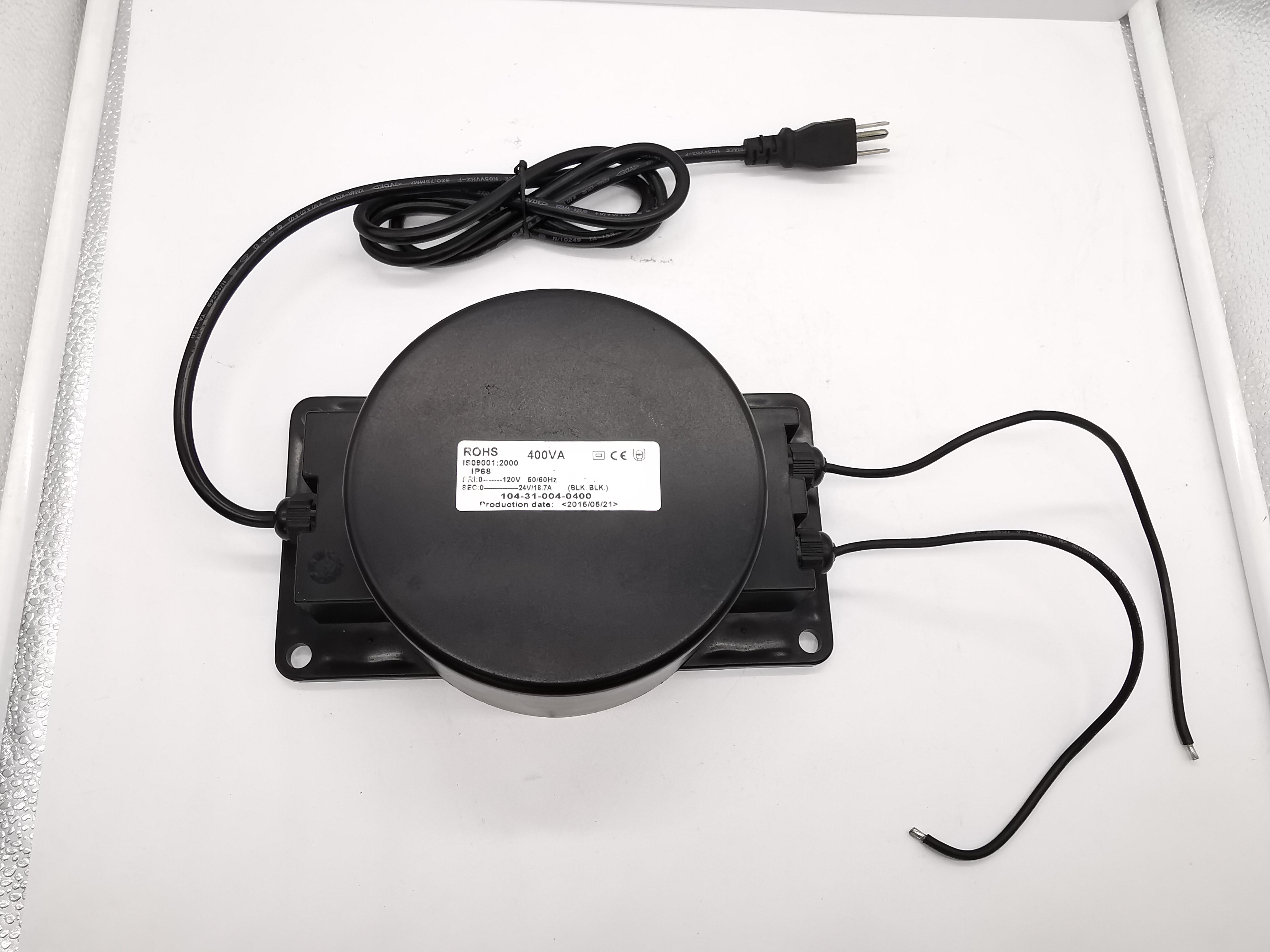
Manufacturers address humidity challenges in outdoor power transformers through a combination of sealing, material selection, and active moisture management. Enclosures are typically rated to IP standards — IP54, IP65, or higher — which define the degree of protection against dust and water ingress. A higher IP rating means tighter seals around cable entries, access panels, and ventilation openings, reducing the pathways through which humid air can reach sensitive internal components.
Silicone-based gaskets and O-rings are preferred over rubber compounds in outdoor power transformer enclosures because silicone maintains its elasticity and sealing performance across a much wider temperature range. This is important because a seal that hardens and cracks in cold weather creates exactly the kind of gap that allows moisture to enter during the next rain event.
Some outdoor power transformer designs incorporate breather devices filled with silica gel or molecular sieve desiccants. These breathers allow the transformer to equalize pressure as it heats and cools — which is necessary to prevent seal stress — while simultaneously absorbing moisture from any air that enters. The desiccant must be monitored and replaced periodically, but it provides a reliable first line of defense against internal humidity buildup.
The Role of Enclosure and Housing Design
Rainproof and Weatherproof Construction Standards
The physical housing of an outdoor power transformer is its first line of defense against environmental exposure. Rainproof construction, as referenced in many product specifications, means the enclosure is designed to prevent water from entering even when rain falls at various angles. This is distinct from fully waterproof or submersible designs, and it is the standard most commonly applied to pole-mounted or pad-mounted outdoor power transformers used in commercial and industrial settings.
Steel enclosures used for outdoor power transformers are typically treated with corrosion-resistant coatings, hot-dip galvanizing, or powder coating to prevent rust formation in humid environments. Stainless steel is used in particularly aggressive environments such as coastal installations where salt spray adds a corrosive dimension to the humidity challenge. The choice of enclosure material and surface treatment directly affects how long the outdoor power transformer will maintain its structural integrity and sealing performance over its service life.
Roof geometry on the enclosure also matters. A sloped or peaked top surface ensures that rainwater runs off rather than pooling, which would increase the risk of water finding its way through seams or fastener holes over time. These seemingly minor design details accumulate into meaningful differences in long-term reliability for an outdoor power transformer operating in a wet climate.
Thermal and Humidity Interaction in Enclosure Design
Temperature and humidity do not act independently — they interact in ways that compound the engineering challenge. High humidity combined with high temperature accelerates chemical degradation of insulation materials. Low temperature combined with high humidity creates condensation risk. The enclosure design of an outdoor power transformer must account for both extremes simultaneously, which is why the best designs are tested across a range of combined temperature and humidity conditions rather than each variable in isolation.
Thermal insulation of the enclosure itself can help moderate the rate of temperature change inside the unit, reducing the frequency and severity of condensation events. Some outdoor power transformer housings incorporate foam or mineral wool insulation layers between the outer shell and the inner chamber, acting as a thermal buffer that slows down the response of the internal environment to rapid external temperature swings.
Pressure equalization valves are another feature found on well-designed outdoor power transformers. As the unit heats up during operation, internal air pressure rises. Without a controlled release mechanism, this pressure differential stresses seals and can force moisture-laden air into the unit when the transformer cools and pressure drops. A properly functioning pressure equalization system prevents this breathing effect from becoming a moisture ingress pathway.
Material Selection and Long-Term Reliability
Insulation Systems Rated for Outdoor Conditions
The insulation system is the heart of any outdoor power transformer's ability to withstand environmental stress. Modern outdoor units use insulation materials that have been specifically formulated or selected for resistance to moisture absorption, UV exposure, and thermal cycling. Epoxy resin systems used in cast resin transformers, for example, provide excellent moisture resistance and mechanical strength, making them a popular choice for outdoor power transformer applications where maintenance access is limited.
Nomex and similar aramid-based insulation papers offer superior thermal stability compared to traditional cellulose papers, maintaining their dielectric properties at higher temperatures and resisting moisture absorption more effectively. When used in an outdoor power transformer, these materials extend the interval between maintenance interventions and reduce the risk of insulation failure during periods of sustained high humidity or heat.
Varnish impregnation of windings is another standard practice that improves moisture resistance. After winding, the coils are vacuum-impregnated with varnish that fills the microscopic voids between conductor strands and insulation layers. This creates a sealed, cohesive structure that is far less permeable to moisture than an unimpregnated winding, directly improving the long-term reliability of the outdoor power transformer in humid conditions.
Core and Conductor Materials in Outdoor Applications
The magnetic core of an outdoor power transformer is typically constructed from grain-oriented silicon steel laminations. These laminations are coated with an insulating oxide layer that prevents eddy current losses, and the coating also provides a degree of corrosion resistance. In outdoor applications, the core is usually fully enclosed within the insulation system or the oil tank, protecting it from direct exposure to humidity.
Copper windings remain the standard for most outdoor power transformer designs due to copper's superior conductivity and its relatively stable performance across temperature ranges. Aluminum windings are used in some designs where weight and cost are primary considerations, but aluminum requires careful attention to connection design because it is more susceptible to oxidation at terminal points, which can increase contact resistance over time in humid environments.
Terminal connections on an outdoor power transformer are often made from tinned copper or stainless steel to resist oxidation. Proper torquing of terminal bolts and the use of anti-oxidant compounds at connection points are standard practices that prevent the gradual increase in contact resistance that humidity and temperature cycling would otherwise cause over years of outdoor service.
FAQ
What IP rating should an outdoor power transformer have for use in a rainy climate?
For most rainy or humid outdoor environments, an outdoor power transformer with a minimum IP54 rating is recommended. IP54 provides protection against dust ingress and water splashing from any direction. In particularly exposed locations or coastal environments, IP65 or higher is preferable, as it offers complete dust protection and resistance to water jets. Always verify the IP rating against the specific installation conditions, including whether the unit will be directly exposed to rain or sheltered under a canopy.
How does temperature cycling shorten the lifespan of an outdoor power transformer?
Repeated temperature cycling causes thermal expansion and contraction of the materials inside an outdoor power transformer. Over time, this mechanical stress degrades insulation at stress concentration points, loosens connections, and can compromise enclosure seals. The rate of insulation aging also accelerates at higher temperatures — a well-known rule of thumb in transformer engineering is that insulation life roughly halves for every 10°C increase above the rated temperature. Proper thermal design and material selection are the primary defenses against this aging mechanism.
Can an outdoor power transformer be used in both very hot and very cold climates?
Yes, outdoor power transformers can be designed for wide operating temperature ranges, but the specific design must match the intended climate. Standard units are typically rated for ambient temperatures from -25°C to +40°C or similar ranges. For extreme cold climates, low-viscosity transformer oils or special low-temperature insulation materials may be required. For extreme heat, higher insulation classes and enhanced cooling systems are necessary. Always confirm the rated ambient temperature range of an outdoor power transformer before deploying it in a climate with temperature extremes.
How often should the moisture protection components of an outdoor power transformer be inspected?
Inspection frequency depends on the environment and the specific design of the outdoor power transformer. In general, annual inspections are a minimum standard for units in moderate climates, while units in coastal, tropical, or highly polluted environments benefit from semi-annual checks. Key items to inspect include the condition of enclosure seals and gaskets, the saturation level of any desiccant breathers, the integrity of cable entry seals, and the presence of any corrosion on the enclosure surface. Proactive maintenance of these moisture protection elements is far more cost-effective than addressing insulation failure after it occurs.
Table of Contents
- Why Temperature Fluctuations Are a Critical Design Challenge
- How Humidity Affects Outdoor Power Transformer Performance
- The Role of Enclosure and Housing Design
- Material Selection and Long-Term Reliability
-
FAQ
- What IP rating should an outdoor power transformer have for use in a rainy climate?
- How does temperature cycling shorten the lifespan of an outdoor power transformer?
- Can an outdoor power transformer be used in both very hot and very cold climates?
- How often should the moisture protection components of an outdoor power transformer be inspected?