EN
EN

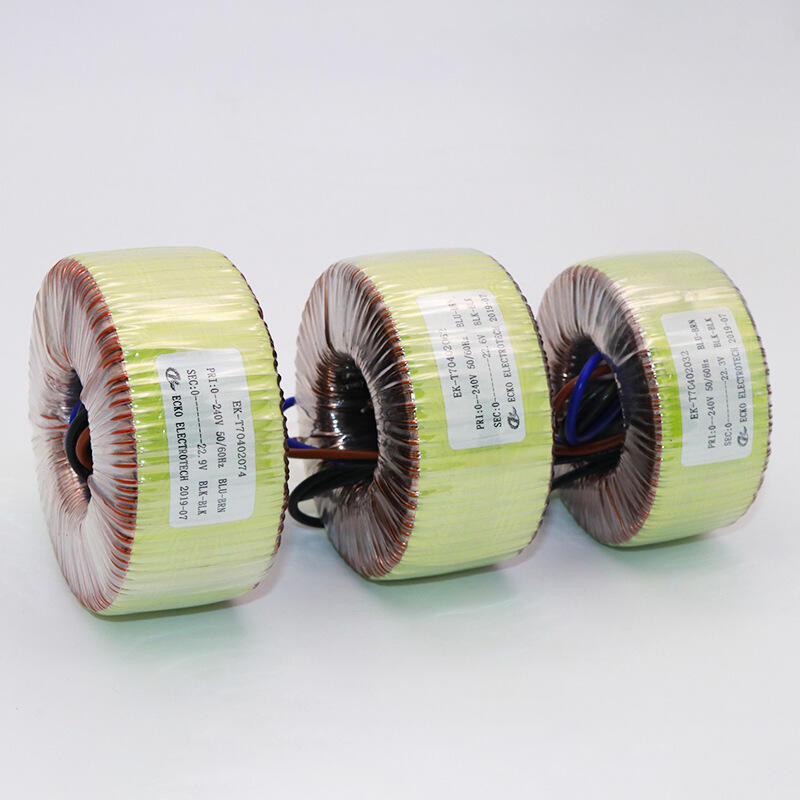
In today's increasingly complex electrical infrastructure, safety remains the paramount concern for engineers and facility managers worldwide. The integration of sophisticated electronic systems, automation technologies, and power distribution networks has created environments where electrical hazards pose significant risks to both personnel and equipment. Custom transformers have emerged as critical safety components that address these challenges by providing tailored electrical isolation, voltage regulation, and protection mechanisms specifically designed for unique operational requirements.
The fundamental principle behind transformer-based safety enhancement lies in electrical isolation and voltage transformation. Unlike standard off-the-shelf transformers, custom units are engineered to meet specific safety standards, environmental conditions, and operational parameters that generic solutions cannot adequately address. This specialized approach ensures optimal protection while maintaining system efficiency and reliability across diverse industrial applications.
Electrical Isolation and Ground Loop Prevention
Primary Safety Isolation Mechanisms
The primary safety function of custom transformers involves creating galvanic isolation between different circuit sections, effectively breaking potential ground loops and preventing dangerous current paths. This isolation barrier protects sensitive equipment from voltage spikes, electromagnetic interference, and fault currents that could otherwise propagate through interconnected systems. By implementing proper isolation techniques, custom transformers eliminate the risk of equipment damage and reduce the likelihood of electrical shock incidents.
Advanced isolation designs incorporate multiple safety features including reinforced insulation barriers, creepage distance optimization, and clearance specifications that exceed standard safety requirements. These enhanced isolation characteristics ensure reliable protection even under extreme operating conditions, temperature variations, and humidity fluctuations commonly encountered in industrial environments.
Ground Loop Elimination Strategies
Ground loops represent one of the most persistent challenges in complex electrical systems, often causing equipment malfunction, signal degradation, and potential safety hazards. Custom transformers address this issue through carefully designed isolation configurations that break unintended current paths while maintaining proper grounding relationships for safety purposes. The strategic placement of isolation transformers at critical system interfaces prevents ground potential differences from creating hazardous conditions.
Modern ground loop prevention strategies utilize sophisticated grounding schemes that incorporate multiple isolation points, each specifically tailored to the system's unique topology. This approach ensures that fault currents are properly channeled through designated protective paths while preventing the formation of circulating currents that could compromise system integrity and safety.
Voltage Regulation and Harmonic Mitigation
Precision Voltage Control Systems
Voltage fluctuations pose significant risks to sensitive electronic equipment and can create unsafe operating conditions in complex electrical systems. Custom transformers incorporate advanced voltage regulation mechanisms that maintain stable output voltages regardless of input variations, load changes, or environmental factors. These precision control systems prevent over-voltage conditions that could damage equipment or create fire hazards.
The implementation of tap-changing mechanisms, electronic voltage regulators, and feedback control systems enables custom transformers to respond rapidly to voltage disturbances while maintaining output stability within tight tolerance bands. This proactive voltage management approach protects downstream equipment from potentially damaging voltage excursions and ensures consistent performance across varying operating conditions.
Harmonic Distortion Reduction
Harmonic distortion in electrical systems creates heating effects, resonance conditions, and interference patterns that compromise both safety and equipment reliability. Custom transformers designed with harmonic mitigation capabilities incorporate specialized winding configurations, core materials, and filtering elements that reduce total harmonic distortion to acceptable levels. This harmonic control prevents overheating in conductors, transformers, and rotating machinery while reducing the risk of insulation breakdown.
Advanced harmonic mitigation techniques include the use of phase-shifting transformer configurations, active filtering systems, and specialized core designs that minimize harmonic generation while providing effective harmonic suppression. These sophisticated approaches ensure compliance with power quality standards while maintaining the safety and reliability of connected equipment.
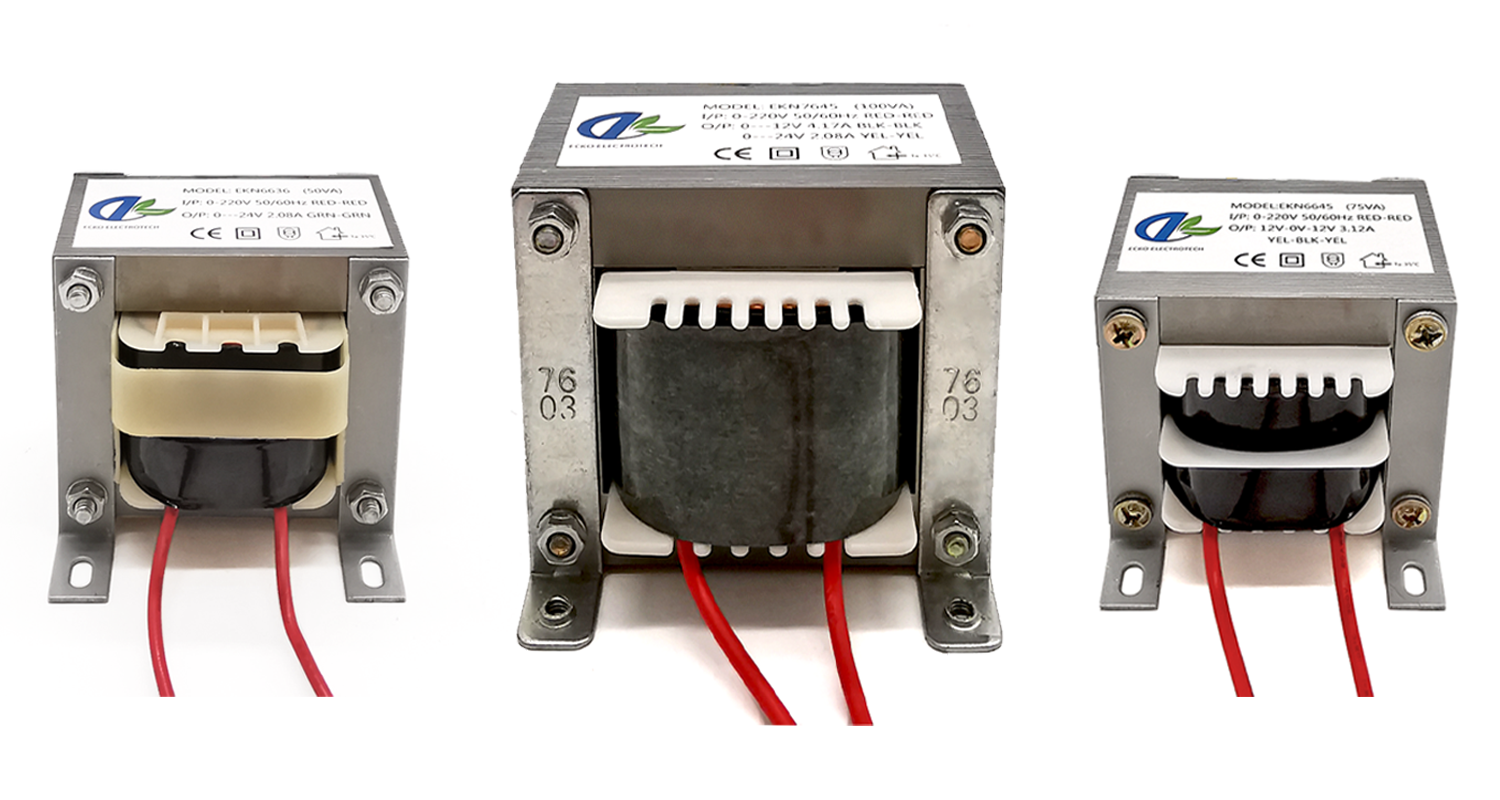
Environmental Protection and Enclosure Design
Environmental Hazard Resistance
Complex electrical systems often operate in challenging environmental conditions that require specialized protection measures. Custom transformers designed for harsh environments incorporate advanced enclosure systems, sealing technologies, and material selections that provide protection against moisture, dust, corrosive atmospheres, and extreme temperatures. These environmental protections prevent insulation degradation, corrosion-related failures, and other conditions that could compromise safety.
The selection of appropriate enclosure ratings, ventilation systems, and protective coatings ensures reliable operation in diverse industrial environments including chemical processing facilities, marine applications, and outdoor installations. Custom transformers can be engineered to meet specific environmental protection standards while maintaining optimal thermal management and accessibility for maintenance operations.
Fire Prevention and Containment
Fire safety represents a critical consideration in transformer design, particularly for units installed in occupied buildings or near sensitive equipment. Custom transformers incorporate multiple fire prevention and containment features including flame-retardant insulation materials, thermal protection systems, and fire-resistant enclosures. These safety measures prevent transformer fires from spreading to adjacent areas while providing early warning of developing fault conditions.
Advanced fire protection systems integrate temperature monitoring, gas detection, and automatic disconnect mechanisms that respond rapidly to fault conditions before they can escalate into fire situations. The implementation of these proactive safety measures significantly reduces the risk of fire-related incidents while protecting personnel and property from potential damage.
Monitoring and Diagnostic Systems
Real-Time Safety Monitoring
Modern custom transformers incorporate sophisticated monitoring systems that continuously assess operational parameters and safety conditions. These intelligent monitoring capabilities include temperature sensing, vibration analysis, partial discharge detection, and insulation resistance monitoring that provide early warning of developing problems before they become safety hazards. Real-time monitoring enables proactive maintenance scheduling and prevents unexpected failures that could compromise system safety.
The integration of communication protocols and remote monitoring capabilities allows safety personnel to track transformer performance from centralized control locations, enabling rapid response to abnormal conditions. This connectivity ensures that safety-critical information is immediately available to qualified personnel who can take appropriate corrective actions to maintain safe operating conditions.
Predictive Maintenance Integration
Predictive maintenance strategies rely on continuous condition monitoring and data analysis to identify potential failure modes before they impact system safety. Custom transformers equipped with comprehensive diagnostic systems provide the data necessary for effective predictive maintenance programs, including trending analysis, alarm management, and failure prediction algorithms. This proactive approach minimizes the risk of unexpected failures while optimizing maintenance resources.
The implementation of machine learning algorithms and artificial intelligence techniques enhances the accuracy of predictive maintenance systems, enabling more precise failure predictions and optimized maintenance scheduling. These advanced analytical capabilities ensure that safety-critical components receive appropriate attention while minimizing unnecessary maintenance interventions.
Compliance and Certification Standards
Safety Standard Adherence
Custom transformers must comply with numerous safety standards and regulations that vary depending on the application, location, and industry requirements. These standards include electrical safety codes, environmental regulations, and industry-specific requirements that ensure adequate protection for personnel and equipment. Compliance with recognized safety standards provides assurance that custom transformers meet established safety criteria and performance requirements.
The certification process involves comprehensive testing and validation procedures that verify compliance with applicable standards including insulation coordination, short-circuit withstand capability, and environmental performance. This rigorous certification process ensures that custom transformers provide reliable safety protection throughout their operational lifetime while meeting regulatory requirements.
Quality Assurance Programs
Quality assurance programs for custom transformers encompass design validation, manufacturing quality control, and ongoing performance verification to ensure consistent safety performance. These comprehensive programs include material qualification, production testing, and quality auditing procedures that maintain high standards throughout the manufacturing process. Effective quality assurance ensures that each custom transformer meets specified safety requirements and performance criteria.
The implementation of statistical process control, failure mode analysis, and continuous improvement methodologies enhances the reliability of custom transformers while reducing the risk of safety-related failures. These systematic approaches to quality management ensure that safety considerations are integrated into every aspect of transformer design and manufacturing.
FAQ
What are the main safety benefits of using custom transformers in industrial applications
Custom transformers provide several key safety benefits including electrical isolation that prevents dangerous current paths, voltage regulation that protects equipment from damaging over-voltages, and environmental protection that ensures reliable operation in harsh conditions. These units also incorporate advanced monitoring systems that provide early warning of potential safety hazards, enabling proactive maintenance and preventing unexpected failures that could compromise system safety.
How do custom transformers prevent electrical accidents in complex systems
Custom transformers prevent electrical accidents through multiple protection mechanisms including galvanic isolation that eliminates shock hazards, ground loop prevention that reduces fault current risks, and precise voltage control that prevents equipment damage. Additionally, these units incorporate fire protection systems, environmental sealing, and comprehensive monitoring capabilities that detect dangerous conditions before they can cause accidents or equipment damage.
What factors should be considered when selecting custom transformers for safety applications
Key factors for selecting custom transformers include the specific safety standards and certifications required for the application, environmental conditions such as temperature and humidity ranges, voltage regulation accuracy requirements, and harmonic distortion limits. Other important considerations include monitoring and diagnostic capabilities, enclosure protection ratings, and compliance with applicable electrical codes and industry standards.
How do monitoring systems in custom transformers enhance overall system safety
Monitoring systems enhance safety by providing continuous surveillance of critical parameters including temperature, vibration, partial discharge activity, and insulation condition. These systems enable early detection of developing problems, allowing maintenance personnel to address issues before they become safety hazards. Real-time monitoring also supports predictive maintenance programs that optimize safety while minimizing operational disruptions and maintenance costs.
Table of Contents
- Electrical Isolation and Ground Loop Prevention
- Voltage Regulation and Harmonic Mitigation
- Environmental Protection and Enclosure Design
- Monitoring and Diagnostic Systems
- Compliance and Certification Standards
-
FAQ
- What are the main safety benefits of using custom transformers in industrial applications
- How do custom transformers prevent electrical accidents in complex systems
- What factors should be considered when selecting custom transformers for safety applications
- How do monitoring systems in custom transformers enhance overall system safety