EN
EN

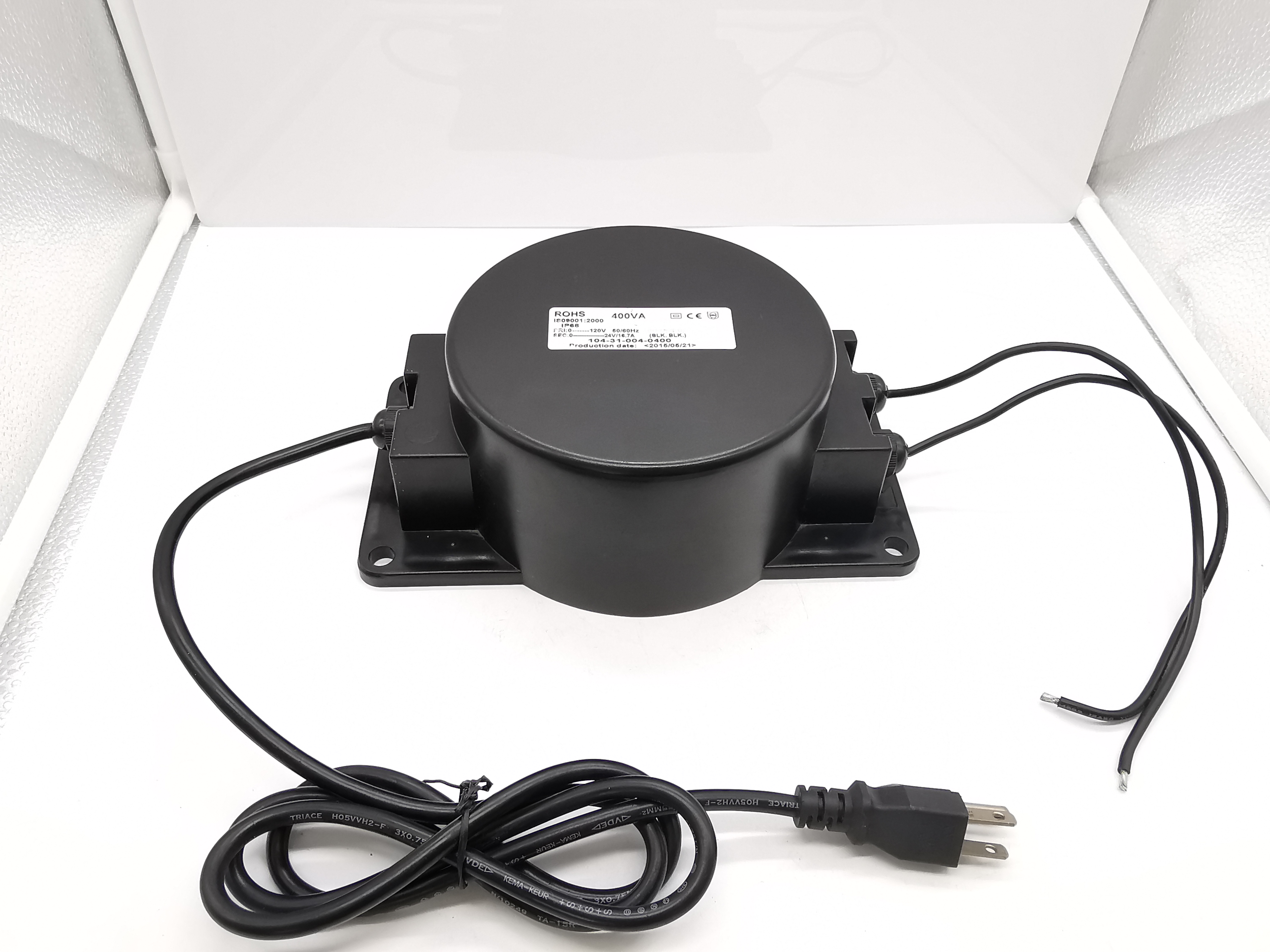
Electrical infrastructure faces constant challenges when exposed to outdoor environments, where moisture, temperature fluctuations, and corrosive elements threaten operational reliability. Understanding how outdoor transformers are protected from these environmental hazards is crucial for maintaining efficient power distribution systems in residential, commercial, and industrial applications. Modern outdoor transformers incorporate multiple layers of protection designed to withstand harsh weather conditions while ensuring consistent electrical performance. The engineering behind these protective measures combines advanced materials, innovative design principles, and rigorous testing standards to deliver long-lasting solutions for external power requirements.
Essential Weatherproofing Technologies
Advanced Enclosure Materials and Designs
The primary defense mechanism for outdoor transformers begins with specialized enclosure materials engineered to resist environmental degradation. High-grade aluminum and stainless steel housings provide superior corrosion resistance compared to traditional materials, while specialized polymer coatings add an extra barrier against moisture infiltration. These enclosures undergo rigorous testing to meet IP65 or IP67 ratings, ensuring complete protection against dust ingress and water penetration from any direction. The design incorporates strategic ventilation systems that allow internal heat dissipation while preventing moisture accumulation through one-way breathing mechanisms.
Manufacturing processes for these protective housings involve precision welding techniques that eliminate potential weak points where moisture could penetrate. Gasket systems made from weather-resistant materials like EPDM rubber or silicone provide reliable sealing at all junction points. Advanced outdoor transformers also feature sloped surfaces and drainage channels that direct water away from critical components, preventing pooling that could lead to long-term moisture exposure. The combination of these design elements creates a comprehensive barrier system that maintains internal environmental conditions regardless of external weather patterns.
Moisture Barrier Implementation Strategies
Beyond physical enclosures, outdoor transformers employ sophisticated moisture barrier systems that operate at multiple levels within the unit structure. Desiccant chambers containing silica gel or molecular sieves actively absorb any moisture that might penetrate the primary barriers, maintaining low humidity levels around sensitive electrical components. These systems often include humidity indicators that provide visual confirmation of internal moisture levels, enabling proactive maintenance scheduling before critical thresholds are reached.
Conformal coatings applied to circuit boards and electrical connections create an additional moisture-resistant layer that prevents corrosion at the component level. These specialized coatings, typically made from acrylic, silicone, or polyurethane materials, form a protective film that allows normal electrical operation while blocking moisture contact with metal surfaces. The application process requires precise control to ensure uniform coverage without interfering with electrical performance, making this a critical manufacturing step for reliable outdoor transformer operation.
Corrosion Prevention Technologies
Material Selection and Surface Treatment Methods
Preventing corrosion in outdoor transformers requires careful selection of materials that resist oxidation and chemical degradation when exposed to environmental elements. Copper windings receive specialized treatments including enamel insulation and protective wrappings that prevent direct contact with moisture and airborne contaminants. Aluminum components undergo anodization processes that create a protective oxide layer, significantly extending service life in outdoor applications. Steel components typically receive hot-dip galvanizing or powder coating treatments that provide long-term protection against rust formation.
The selection process for these materials considers not only corrosion resistance but also thermal expansion compatibility and electrical conductivity requirements. Advanced outdoor transformers often incorporate dissimilar metal separation techniques using insulating barriers to prevent galvanic corrosion where different metals might otherwise come into contact. Regular quality control testing ensures that all protective treatments maintain their effectiveness throughout the manufacturing process, with specific attention paid to coating thickness and adhesion properties that directly impact long-term performance.
Cathodic Protection and Sacrificial Systems
Some outdoor transformers employ cathodic protection systems that use electrochemical principles to prevent corrosion of metal components. These systems work by making the transformer structure the cathode in an electrochemical cell, effectively stopping the oxidation process that leads to corrosion. Sacrificial anodes made from zinc or magnesium are strategically placed within the transformer housing, where they corrode preferentially to protect more critical metal components.
Implementation of these protection systems requires careful engineering to ensure proper current distribution throughout the transformer structure. The outdoor transformers benefit from these advanced protection methods, particularly in coastal environments where salt air accelerates corrosion processes. Regular monitoring and replacement of sacrificial anodes ensures continued protection effectiveness, with inspection schedules typically based on environmental exposure levels and historical performance data.
Environmental Sealing and Gasket Systems
Multi-Stage Sealing Technologies
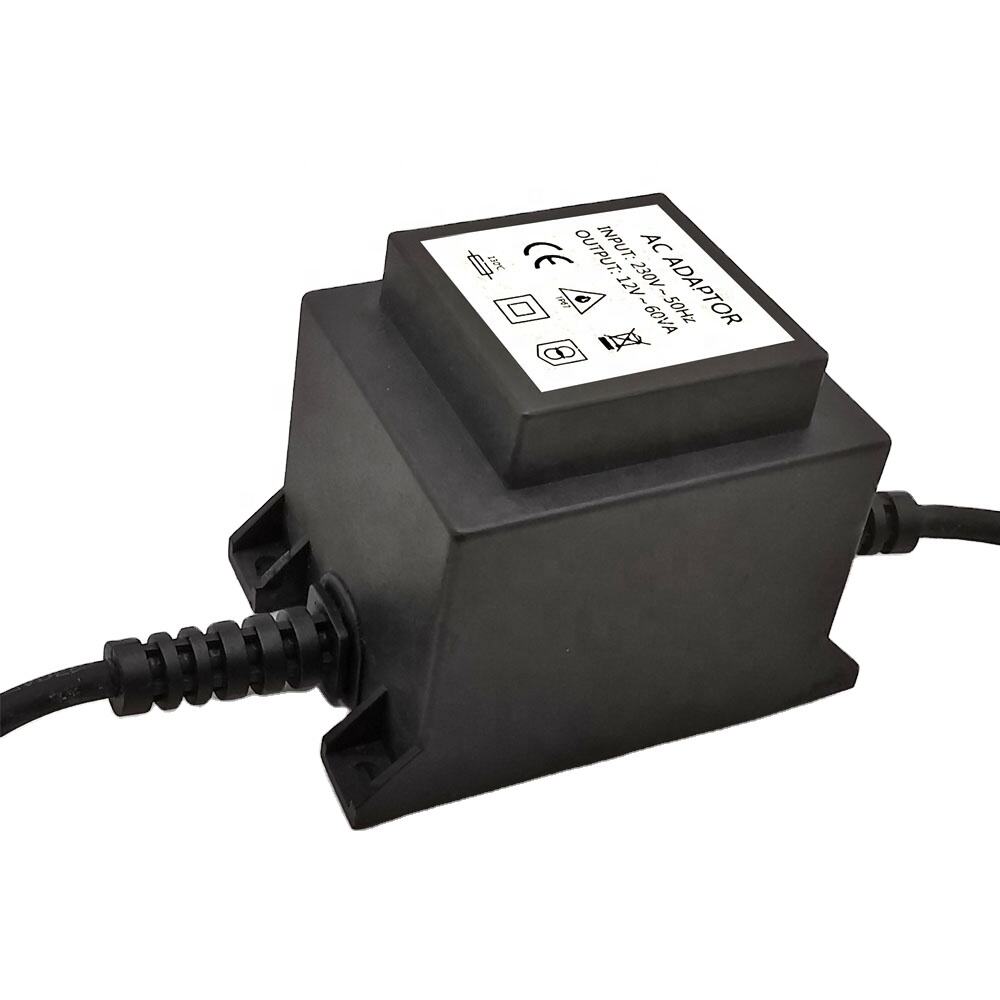
Comprehensive sealing systems in outdoor transformers utilize multiple barrier stages to ensure complete environmental protection. Primary seals typically consist of compression gaskets that create the main moisture barrier, while secondary seals provide backup protection in case of primary seal failure. These systems often incorporate labyrinth-style sealing mechanisms that create tortuous paths for moisture infiltration, effectively stopping water penetration even under pressure washing or heavy rain conditions.
The engineering of these sealing systems considers thermal expansion and contraction cycles that outdoor transformers experience during normal operation. Flexible seal materials maintain their effectiveness across wide temperature ranges, while spring-loaded mechanisms ensure consistent compression forces regardless of thermal movement. Advanced outdoor transformers may include pressure equalization systems that prevent seal stress from internal pressure changes while maintaining moisture barrier integrity.
Gasket Material Innovation and Performance
Modern outdoor transformers rely on advanced gasket materials specifically engineered for long-term outdoor exposure. Fluorocarbon elastomers provide exceptional chemical resistance and temperature stability, making them ideal for harsh environmental applications. These materials resist UV degradation, ozone attack, and chemical exposure while maintaining flexibility across extreme temperature ranges commonly encountered in outdoor installations.
Installation procedures for these gaskets require precise techniques to ensure optimal performance throughout the transformer service life. Proper compression ratios, surface preparation, and assembly sequences all contribute to seal effectiveness. Quality outdoor transformers incorporate gasket groove designs that prevent over-compression damage while ensuring adequate sealing force. Regular inspection protocols help identify potential seal degradation before failure occurs, enabling proactive maintenance that preserves environmental protection.
Thermal Management and Condensation Control
Heat Dissipation Design Principles
Effective thermal management in outdoor transformers serves dual purposes of maintaining optimal operating temperatures and preventing moisture condensation that could lead to corrosion issues. Finned heat sink designs maximize surface area for convective cooling while maintaining weatherproof integrity. These thermal management systems must balance efficient heat transfer with environmental protection, often incorporating forced air circulation systems with moisture-resistant fan assemblies.
Advanced outdoor transformers utilize thermal modeling to optimize heat sink placement and sizing for specific environmental conditions. Computer-aided design tools help engineers predict thermal performance under various load conditions and ambient temperatures. The integration of thermal management with moisture protection requires careful attention to air flow patterns that could potentially introduce moisture into sensitive areas, leading to sophisticated baffle and filter systems in high-performance units.
Condensation Prevention Strategies
Preventing condensation formation inside outdoor transformers requires maintaining internal temperatures above dew point levels through strategic heating and insulation systems. Low-wattage heaters activated by thermostatic controls provide supplemental warming during cold weather conditions when condensation risk is highest. These heating systems operate independently of the main transformer function, ensuring protection even during periods when the transformer is not under electrical load.
Insulation systems in outdoor transformers serve multiple functions including thermal regulation and moisture barrier enhancement. Multi-layer insulation designs create thermal breaks that prevent cold surface formation while maintaining electrical insulation properties. Vapor barriers integrated into insulation systems prevent moisture migration from external sources, while breathable outer layers allow internal moisture escape without compromising weather protection. The balance between these competing requirements demands sophisticated engineering that considers both electrical performance and environmental protection.
Testing and Quality Assurance Protocols
Environmental Simulation Testing Methods
Comprehensive testing protocols for outdoor transformers include environmental simulation chambers that replicate extreme weather conditions including temperature cycling, humidity exposure, and corrosive atmosphere testing. These facilities can accelerate aging processes that would normally take years to observe in field conditions, allowing manufacturers to validate protection systems before product release. Salt spray testing specifically evaluates corrosion resistance under coastal environment conditions, while thermal shock testing verifies seal integrity across rapid temperature changes.
Testing standards for outdoor transformers often exceed minimum requirements to ensure reliable performance in diverse climatic conditions. UV exposure testing validates coating and gasket materials against solar radiation degradation, while vibration testing ensures that sealing systems maintain integrity under transportation and installation stresses. These comprehensive testing programs provide confidence that outdoor transformers will perform reliably throughout their intended service life while maintaining environmental protection effectiveness.
Field Performance Validation Procedures
Field testing of outdoor transformers includes long-term monitoring programs that track performance metrics including internal humidity levels, temperature profiles, and electrical parameters under actual operating conditions. These programs provide valuable feedback for continuous improvement of protection systems and help validate laboratory testing predictions. Data collection systems monitor multiple parameters simultaneously, providing comprehensive performance profiles that guide future design enhancements.
Regular inspection protocols for installed outdoor transformers focus on early detection of potential protection system degradation before failure occurs. Visual inspection techniques identify coating deterioration, seal damage, or corrosion initiation that could compromise long-term reliability. These maintenance programs often include thermographic analysis to identify thermal anomalies that might indicate moisture infiltration or internal component degradation, enabling proactive corrective action that preserves system performance.
Installation and Maintenance Best Practices
Proper Installation Techniques for Environmental Protection
Successful environmental protection for outdoor transformers begins with proper installation practices that complement built-in protection systems. Site preparation includes ensuring adequate drainage around transformer locations to prevent water accumulation during heavy precipitation events. Mounting systems must provide stable support while maintaining clearances that allow proper ventilation and thermal performance. Cable entry points require careful sealing using weatherproof connectors and gasket systems that maintain protection integrity.
Installation procedures for outdoor transformers must consider both immediate protection needs and long-term accessibility for maintenance activities. Proper grounding systems not only ensure electrical safety but also contribute to corrosion protection by providing controlled electrical paths. Cable routing and support systems prevent mechanical stress on sealing points while maintaining required electrical clearances. Professional installation teams follow detailed procedures that verify seal integrity and protection system function before energizing new outdoor transformer installations.
Preventive Maintenance Programs for Extended Service Life
Effective maintenance programs for outdoor transformers focus on preserving environmental protection systems through regular inspection and component replacement schedules. Preventive maintenance activities include gasket inspection and replacement, desiccant renewal, and coating touch-up where necessary. These programs typically follow manufacturer recommendations while adapting to local environmental conditions that might accelerate degradation processes.
Documentation systems track maintenance activities and performance trends that help predict future service needs for outdoor transformers. Regular cleaning procedures remove accumulated debris and contaminants that could compromise protection systems, while allowing visual inspection of all accessible components. Thermal imaging surveys identify potential problems before they result in system failures, enabling cost-effective preventive repairs that extend service life and maintain reliability performance standards.
FAQ
What IP rating should outdoor transformers have for weather protection?
Outdoor transformers typically require IP65 or IP67 ratings for adequate weather protection, with IP65 providing protection against water jets from any direction and IP67 offering protection against temporary immersion in water. The specific rating depends on installation environment and exposure levels, with coastal or flood-prone areas often requiring higher protection levels. These ratings ensure that outdoor transformers maintain operational reliability despite exposure to rain, snow, humidity, and other environmental challenges.
How often should gaskets and seals be inspected in outdoor transformers?
Gaskets and seals in outdoor transformers should be visually inspected annually as part of routine maintenance, with more frequent inspections recommended for units in harsh environments or coastal locations. Professional inspection every 3-5 years typically includes detailed seal testing and replacement of degraded components. Environmental factors such as UV exposure, temperature cycling, and chemical contamination can accelerate seal degradation, requiring adapted inspection schedules based on local conditions and manufacturer recommendations.
Can outdoor transformers operate in coastal environments with salt air exposure?
Yes, properly designed outdoor transformers can operate reliably in coastal environments through specialized corrosion-resistant materials, protective coatings, and enhanced sealing systems. These units typically incorporate marine-grade aluminum housings, stainless steel hardware, and specialized gasket materials that resist salt air corrosion. Regular maintenance including cleaning of salt deposits and inspection of protective coatings helps ensure continued performance in these challenging environments.
What temperature ranges can outdoor transformers withstand while maintaining protection?
Most outdoor transformers are designed to operate in temperature ranges from -40°C to +85°C while maintaining environmental protection integrity, though specific ranges vary by manufacturer and application. Thermal management systems including heating elements for cold weather and enhanced cooling for hot climates help maintain optimal internal conditions. Gasket materials and protective coatings are specifically selected to remain effective across these temperature extremes without compromising moisture and corrosion protection.
Table of Contents
- Essential Weatherproofing Technologies
- Corrosion Prevention Technologies
- Environmental Sealing and Gasket Systems
- Thermal Management and Condensation Control
- Testing and Quality Assurance Protocols
- Installation and Maintenance Best Practices
-
FAQ
- What IP rating should outdoor transformers have for weather protection?
- How often should gaskets and seals be inspected in outdoor transformers?
- Can outdoor transformers operate in coastal environments with salt air exposure?
- What temperature ranges can outdoor transformers withstand while maintaining protection?