ओईएम खरीदार जलरोधी ट्रांसफॉर्मर परियोजनाओं के लिए ईको क्यों चुनते हैं
अनुप्रयोग-आधारित इंजीनियरिंग
हम ट्रांसफॉर्मर को अंतिम रूप देने से पहले लोड प्रकार, ड्यूटी साइकिल, केबल की दूरी, वातावरण का तापमान, स्थापना क्षेत्र और लक्ष्य सुरक्षा आवश्यकताओं की समीक्षा करते हैं। इससे गलत VA चयन, अत्यधिक तापमान वृद्धि और अस्थिर आउटपुट वोल्टेज से बचा जा सकता है।
एक ही परियोजना में विद्युत एवं यांत्रिक डिज़ाइन
ट्रांसफॉर्मर की वाइंडिंग, चुंबकीय कोर, आवरण, रेज़िन, केबल ग्लैंड और माउंटिंग संरचना को एक पूर्ण असेंबली के रूप में विकसित किया जाता है। यह विशेष रूप से महत्वपूर्ण है जब IP सुरक्षा और थर्मल प्रदर्शन को एक साथ प्राप्त करना आवश्यक हो।
नियंत्रित डिज़ाइन दस्तावेज़ीकरण
इनपुट, आउटपुट, तार का आकार, सुरक्षा घटक, आयाम, केबल पिनआउट और लेबल जानकारी को मंजूर किए गए ड्रॉइंग में दर्ज किया जाता है। इसलिए इंजीनियरिंग परिवर्तनों की समीक्षा और नियंत्रण उन्हें उत्पादन में प्रवेश करने से पहले किया जा सकता है।
बाहरी कोटिंग से अधिक जलरोधकता
एक विश्वसनीय जलरोधी डिज़ाइन रेज़िन, हाउसिंग, केबल जैकेट, केबल प्रवेश, स्ट्रेन रिलीफ, क्यूरिंग प्रक्रिया और स्थापना विधि पर निर्भर करता है। ईको इन विवरणों का मूल्यांकन करता है, केवल बाहरी जलरोधी लेबल पर निर्भर नहीं रहता है।
प्रोटोटाइप और उत्पादन क्षमता
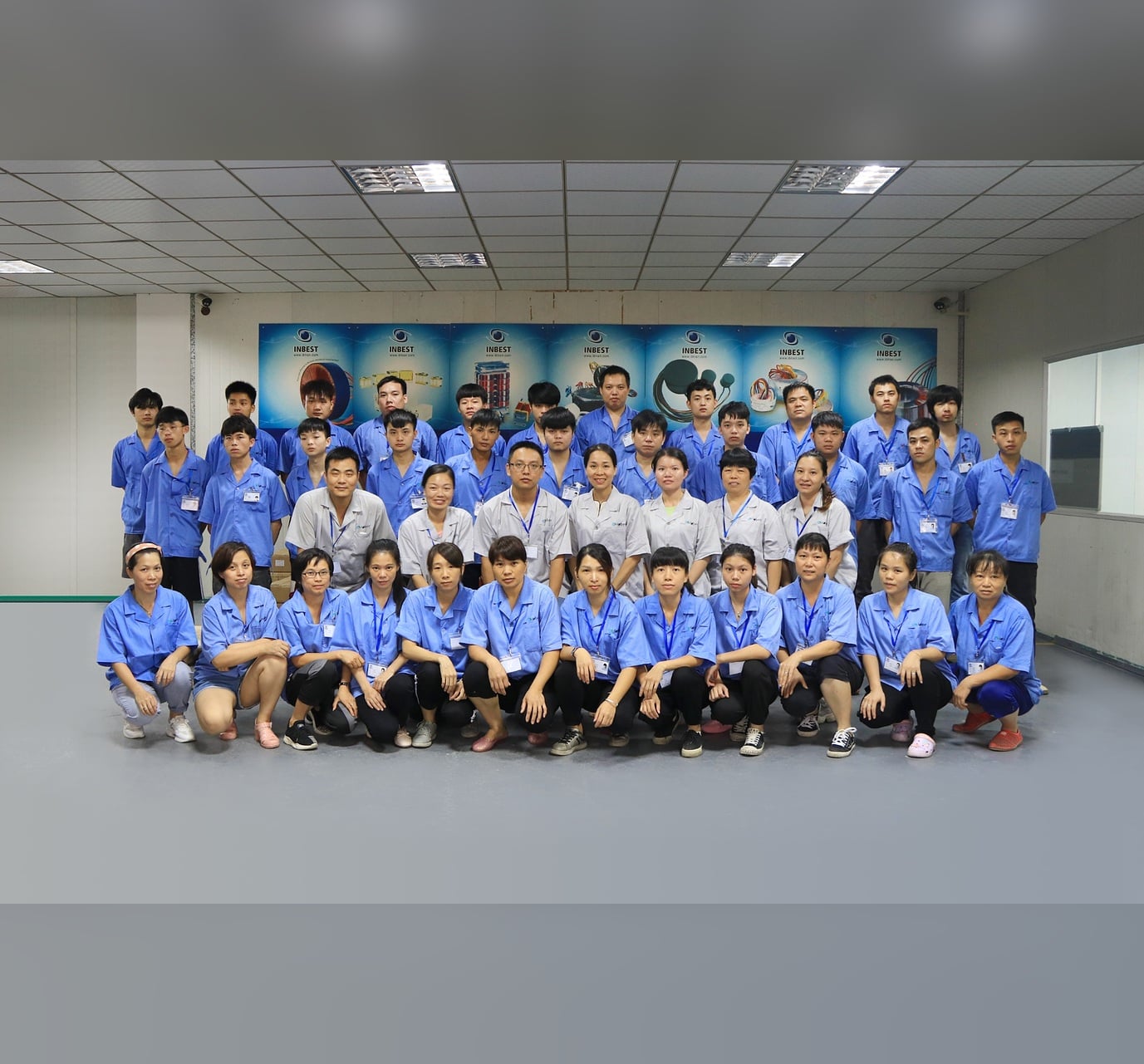
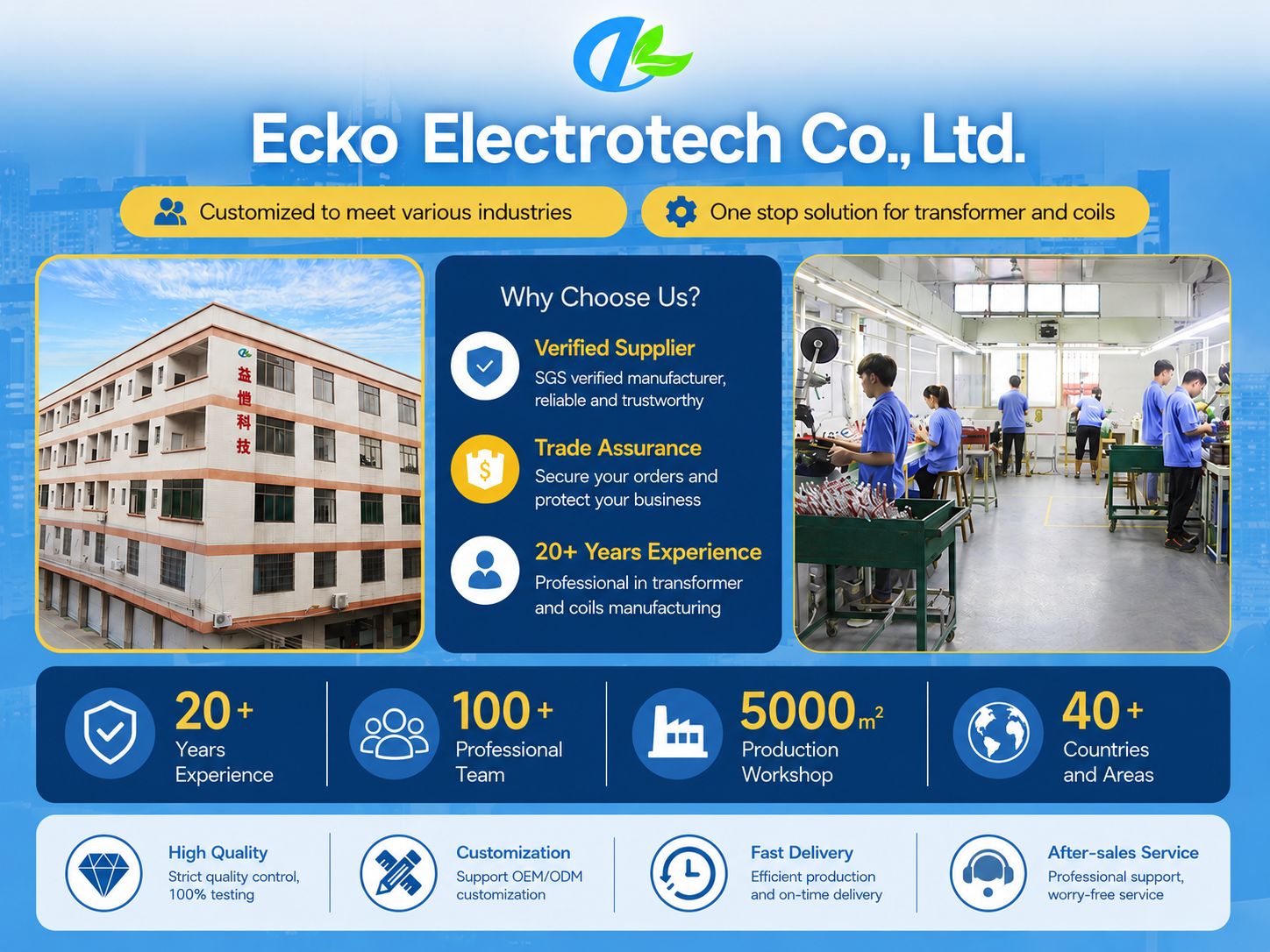
वर्ष २००० में स्थापित, ईको के तीन कार्यशालाएँ लगभग ५,००० वर्ग मीटर के क्षेत्रफल में फैली हुई हैं, जिनमें १५० कुशल कर्मचारी कार्यरत हैं तथा वार्षिक क्षमता लगभग एक मिलियन वाउंड-कॉम्पोनेंट की है। उत्पाद आवश्यक सामग्री उपलब्ध होने पर प्रोटोटाइप की अग्रिम अवधि केवल १–३ दिनों तक हो सकती है।
नमूने से भारी उत्पादन तक तकनीकी सहायता
उत्पादन से पूर्व ग्राहक प्रोटोटाइप के माध्यम से विद्युत प्रदर्शन, आयाम, केबल असेंबली, लेबल और स्थापना के फिट की पुष्टि कर सकते हैं। नमूना स्वीकृति के दौरान निरीक्षण आवश्यकताओं और परियोजना-विशिष्ट परीक्षण रिपोर्टों पर सहमति व्यक्त की जा सकती है।
गुणवत्ता परीक्षण
जलरोधी ट्रांसफॉर्मर निरीक्षण और मान्यीकरण
नियमित विद्युत परीक्षण और डिज़ाइन-सत्यापन परीक्षण अलग-अलग उद्देश्यों के लिए किए जाते हैं। अंतिम परीक्षण सीमाएँ और निरीक्षण आवृत्ति को मंजूर विनिर्देश या नियंत्रण योजना में दर्ज किया जाना चाहिए।
| परीक्षण आइटम |
उद्देश्य |
अनुशंसित आवृत्ति |
| दृश्य और आयामी निरीक्षण |
हाउसिंग, लेबल, केबल, माउंटिंग और कार्यप्रणाली की पुष्टि करता है |
100% |
| वाइंडिंग अखंडता |
खुले परिपथों और गलत कनेक्शनों का पता लगाता है |
100% |
| टर्न्स अनुपात / नो-लोड वोल्टेज |
इनपुट-से-आउटपुट वोल्टेज अनुपात की पुष्टि करता है |
100% |
| निर्भार विद्युत धारा |
चुंबकीय डिज़ाइन और असेंबली की सुसंगतता की जाँच करता है |
नियमित या सहमत नमूना लेना |
| वाइंडिंग प्रतिरोध |
वाइंडिंग की सुसंगतता और चालक की स्थिति की पुष्टि करता है |
नियमित या सहमत नमूना लेना |
| HI-POT परीक्षण |
वाइंडिंग और पहुँच योग्य भागों के बीच परावैद्युत विभाजन की पुष्टि करता है |
अनुमोदित नियंत्रण योजना में शामिल होने पर १००%। |
| इंसुलेशन प्रतिरोध |
विद्युत रोधन की स्थिति और आर्द्रता से संबंधित रिसाव की जाँच करता है। |
नियमित या सहमत नमूना लेना |
| ग्राउंड निरंतरता |
लागू धातु आवरणों पर सुरक्षात्मक पृथ्वी संपर्क की पुष्टि करता है। |
जहाँ लागू हो, १००%। |
| भार वोल्टेज परीक्षण |
निर्दिष्ट भार के अधीन आउटपुट वोल्टेज की पुष्टि करता है। |
नमूना और बैच सत्यापन |
| तापमान वृद्धि परीक्षण |
नामित भार और वातावरणीय स्थिति में तापीय प्रदर्शन की पुष्टि करता है। |
डिज़ाइन सत्यापन या प्रकार परीक्षण |
| तापीय सुरक्षा उपकरण परीक्षण |
चुने गए सुरक्षा उपकरण और ट्रिप आवश्यकताओं की पुष्टि करता है |
घटक और नमूना सत्यापन |
| आईपी / जल-प्रवेश परीक्षण |
पूर्ण आवरण और केबल-प्रवेश डिज़ाइन की वैधता सुनिश्चित करता है |
प्रकार परीक्षण या परियोजना-परिभाषित नमूनाकरण |
| पॉटिंग और क्यूरिंग निरीक्षण |
रेज़िन भराव, सतह की स्थिति और क्यूरिंग सुसंगतता की जाँच करता है |
दृश्य निरीक्षण के साथ बैच नियंत्रण |
| अंतिम कार्यात्मक परीक्षण |
सही वायरिंग, ध्रुवता और संचालन प्रदर्शन की पुष्टि करता है |
100% या सहमत नियंत्रण योजना |
गुणवत्ता कथन:
प्रत्येक शिपमेंट अनुमोदित उत्पाद विनिर्देश का पालन करता है। प्रश्नोत्तर और नमूना-अनुमोदन चरण के दौरान परीक्षण रिकॉर्ड, निरीक्षण रिपोर्ट या परियोजना-विशिष्ट मान्यता डेटा पर चर्चा की जा सकती है।
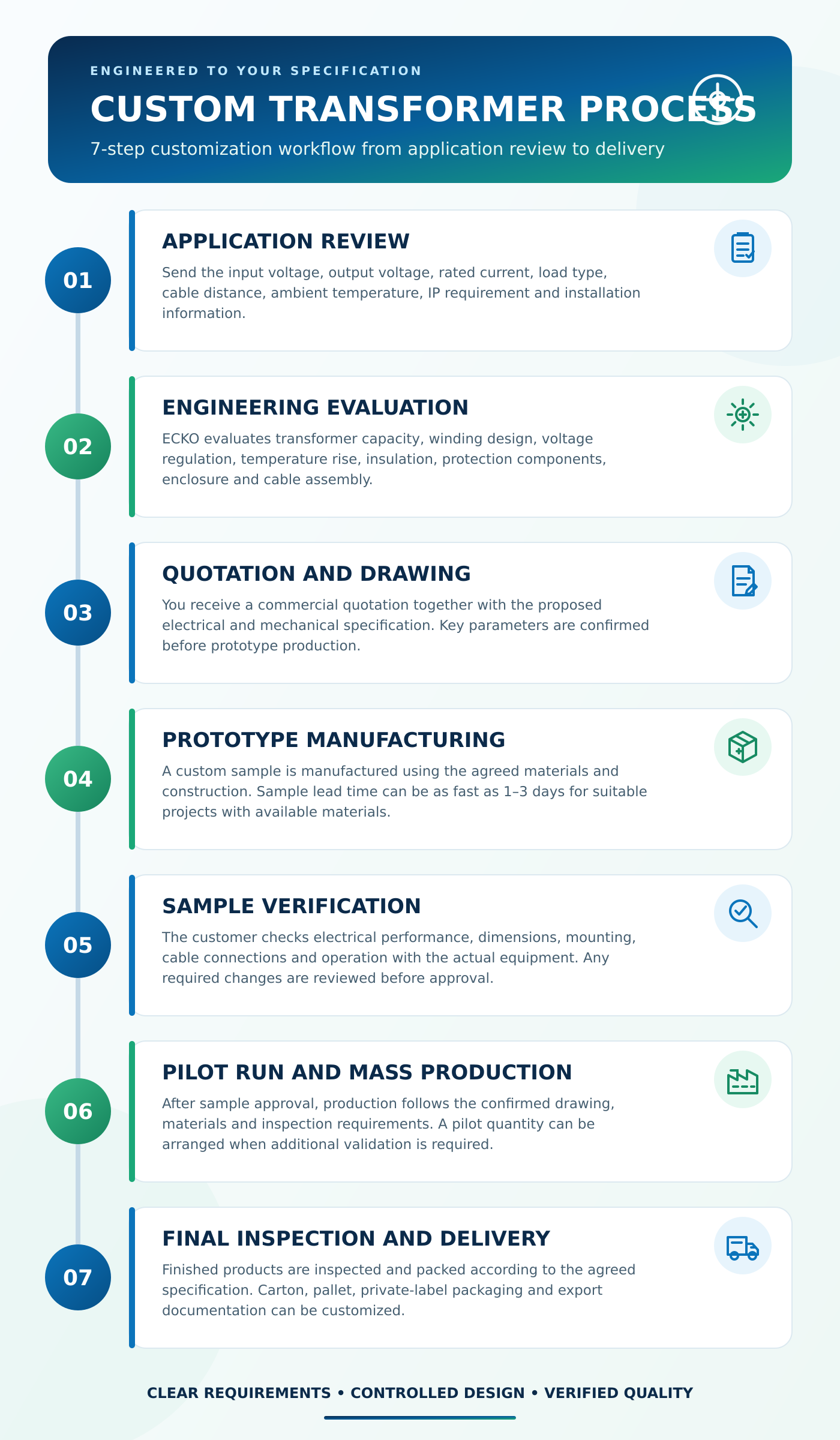
आवेदन आवश्यकताओं से उत्पादन-तैयार जलरोधी ट्रांसफॉर्मर तक
चरण 1 — आवेदन समीक्षा
इनपुट वोल्टेज, आउटपुट वोल्टेज, नामांकित धारा, लोड प्रकार, केबल दूरी, वातावरणीय तापमान, आईपी आवश्यकता और स्थापना सूचना भेजें।
चरण 2 — इंजीनियरिंग मूल्यांकन
ईसीको ट्रांसफॉर्मर क्षमता, वाइंडिंग डिज़ाइन, वोल्टेज नियमन, तापमान वृद्धि, विद्युत रोधन, सुरक्षा घटक, एन्क्लोज़र और केबल असेंबली का मूल्यांकन करता है।
चरण 3 — उद्धरण और ड्राइंग
आपको व्यावसायिक उद्धरण के साथ-साथ प्रस्तावित विद्युत और यांत्रिक विनिर्देश प्राप्त होते हैं। प्रोटोटाइप उत्पादन से पहले मुख्य पैरामीटर की पुष्टि की जाती है।
चरण 4 — प्रोटोटाइप विनिर्माण
एक विशेष नमूना सहमत सामग्री और निर्माण का उपयोग करके बनाया जाता है। उपलब्ध सामग्री के साथ उपयुक्त परियोजनाओं के लिए नमूना नेतृत्व समय 1–3 दिनों तक हो सकता है।
चरण 5 — नमूना सत्यापन
ग्राहक वास्तविक उपकरण के साथ विद्युत प्रदर्शन, आयाम, माउंटिंग, केबल कनेक्शन और संचालन की जाँच करता है। किसी भी आवश्यक परिवर्तन की स्वीकृति से पहले समीक्षा की जाती है।
चरण 6 — पायलट रन और बड़े पैमाने पर उत्पादन
नमूना की स्वीकृति के बाद, उत्पादन पुष्टि किए गए चित्र, सामग्री और निरीक्षण आवश्यकताओं के अनुसार किया जाता है। अतिरिक्त सत्यापन की आवश्यकता होने पर पायलट मात्रा की व्यवस्था की जा सकती है।
चरण 7 — अंतिम निरीक्षण और डिलीवरी
अंतिम उत्पादों की जाँच और पैकिंग सहमत विनिर्देश के अनुसार की जाती है। कार्टन, पैलेट, निजी-लेबल पैकेजिंग और निर्यात दस्तावेज़ीकरण को अनुकूलित किया जा सकता है।
बाहरी उपकरण के लिए जलरोधी ट्रांसफॉर्मर अक्सर पूछे जाने वाले प्रश्न
1. किन प्रकार के बाहरी उपकरणों में जलरोधी ट्रांसफॉर्मर का उपयोग किया जा सकता है?
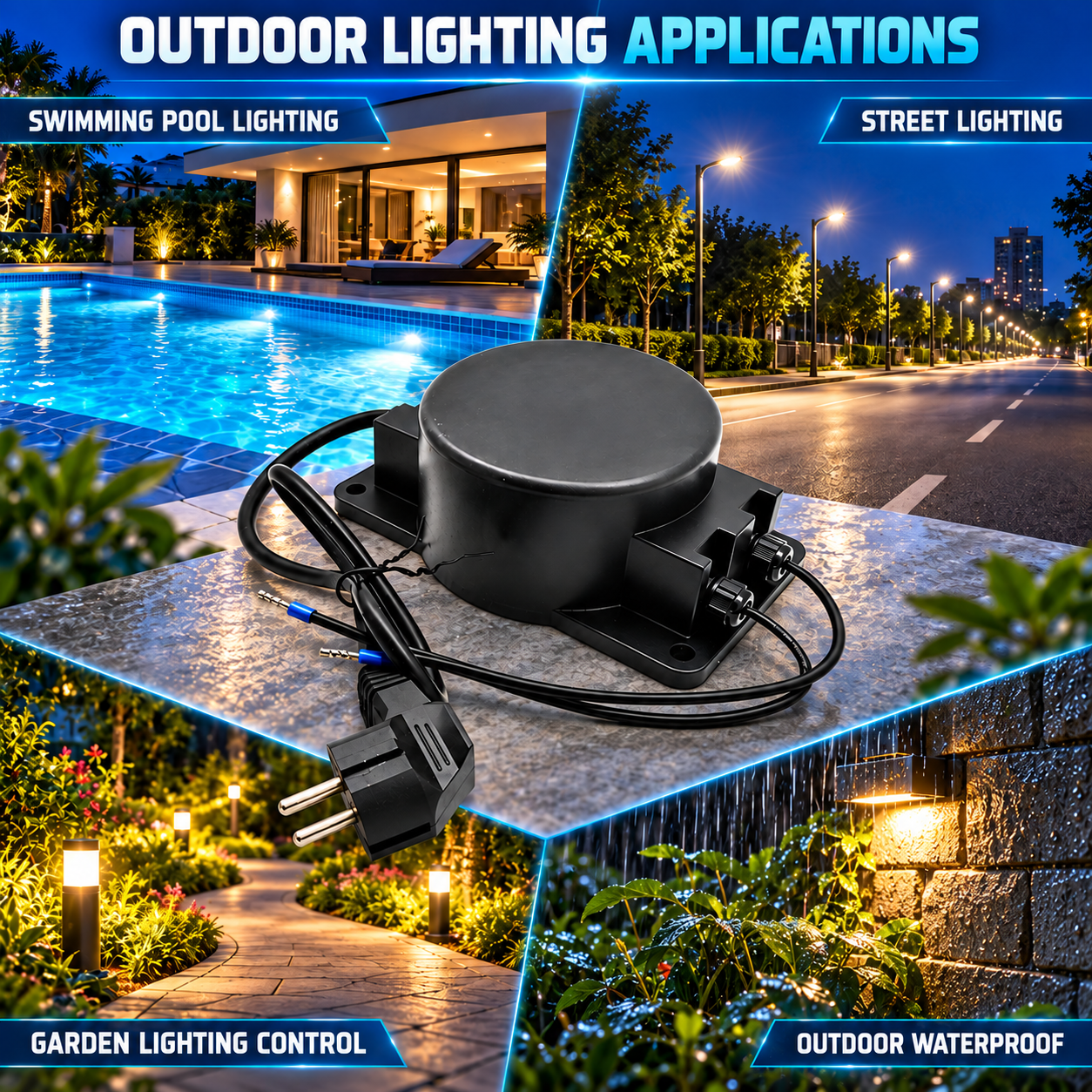
जलरोधक ट्रांसफार्मर इसका उपयोग लैंडस्केप लाइटिंग, सिंचाई नियंत्रकों, बाहरी पंपों, फव्वारों, आर्द्रताप्रदाताओं, स्वच्छता उपकरणों, स्वचालित गेट्स, स्मार्ट बाथरूम्स, मेरीन उपकरणों और बाहरी नियंत्रण प्रणालियों में किया जा सकता है। ट्रांसफॉर्मर को उपकरण के वोल्टेज, शक्ति और संचालन वातावरण के अनुसार डिज़ाइन किया जाना चाहिए।
2. बाहरी पंपों या मोटरों के लिए ट्रांसफॉर्मर का चयन कैसे किया जाए?
पंप, मोटर, वाल्व और सोलनॉइड्स को उनकी सामान्य संचालन धारा की तुलना में कई गुना अधिक प्रारंभ धारा की आवश्यकता हो सकती है। अतः ट्रांसफॉर्मर के चयन में नामांकित शक्ति, प्रारंभ धारा, संचालन अवधि और प्रारंभ आवृत्ति पर विचार किया जाना चाहिए—केवल उपकरण की सामान्य वाट संख्या पर नहीं।
3. आईपी रेटिंग में केबल्स और विद्युत कनेक्शन शामिल हैं?
ट्रांसफॉर्मर एन्क्लोजर किसी निर्दिष्ट आईपी रेटिंग को पूरा कर सकता है, लेकिन पूर्ण स्थापना केबल ग्लैंड्स, कनेक्टर्स, टर्मिनल बॉक्सेज़ और केबल जॉइंट्स पर भी निर्भर करती है। सभी बाहरी कनेक्शन को सिस्टम के जलरोधी प्रदर्शन को बनाए रखने के लिए समतुल्य पर्यावरण सुरक्षा प्रदान करनी चाहिए।
४. बाहरी ट्रांसफॉर्मर में कौन-सा पॉटिंग सामग्री का उपयोग किया जाता है?
बाहरी ट्रांसफॉर्मर में सामान्यतः विद्युत रोधी एपॉक्सी राल या ऊष्मा संचालन वाले पॉटिंग यौगिकों का उपयोग किया जाता है। पॉटिंग वाइंडिंग्स को नमी, धूल, कंपन और पर्यावरणीय दूषण से सुरक्षा प्रदान करती है, जबकि विद्युत रोधन और यांत्रिक स्थिरता में सुधार करती है।
५. पूर्णतः सील किए गए ट्रांसफॉर्मर से ऊष्मा कैसे अपवहनित होती है?
ऊष्मा वाइंडिंग और चुंबकीय कोर से पॉटिंग सामग्री के माध्यम से बाहरी एन्क्लोजर में स्थानांतरित की जाती है। एन्क्लोजर के आयाम, पॉटिंग यौगिक, अनुमत भार और माउंटिंग स्थिति को ट्रांसफॉर्मर को उसकी अनुमत तापमान सीमा के भीतर रखने के लिए डिज़ाइन किया जाना चाहिए।
6. क्या ट्रांसफॉर्मर जमने वाले या उच्च-तापमान वातावरण में कार्य कर सकता है?
ट्रांसफॉर्मर को विभिन्न आसपास के तापमान सीमाओं के लिए डिज़ाइन किया जा सकता है। कम तापमान केबल की लचीलापन और पॉटिंग सामग्री को प्रभावित कर सकते हैं, जबकि उच्च तापमान के लिए शक्ति कम करना या ऊष्मा अपवहन में सुधार की आवश्यकता हो सकती है। डिज़ाइन के दौरान अपेक्षित न्यूनतम और अधिकतम तापमान की जानकारी देनी चाहिए।
7. क्या मानक बाहरी ट्रांसफॉर्मर तटीय वातावरण के लिए उपयुक्त है?
तटीय और समुद्री वातावरण में नमी और नमक होता है, जो संक्षारण को तेज़ कर सकता है। इन अनुप्रयोगों के लिए संक्षारण-प्रतिरोधी माउंटिंग भाग, सील किए गए केबल प्रवेश बिंदु, उपयुक्त बाहरी केबल और नमक-स्प्रे प्रतिरोधी सामग्री की आवश्यकता हो सकती है।
8. बाहरी उपकरणों के अंदर संघनन को कैसे रोका जा सकता है?
एक पूर्णतः बंद ट्रांसफॉर्मर आंतरिक स्थान को काफी कम कर देता है, जहाँ नमी जमा हो सकती है। उचित सीलिंग, ड्रेनेज, वेंटिलेशन और सही स्थान पर केबल प्रवेश भी संघनन से संबंधित विद्युत समस्याओं को रोकने में सहायता कर सकते हैं।
9. क्या केबल की लंबाई, कनेक्टर और प्लग को अनुकूलित किया जा सकता है?
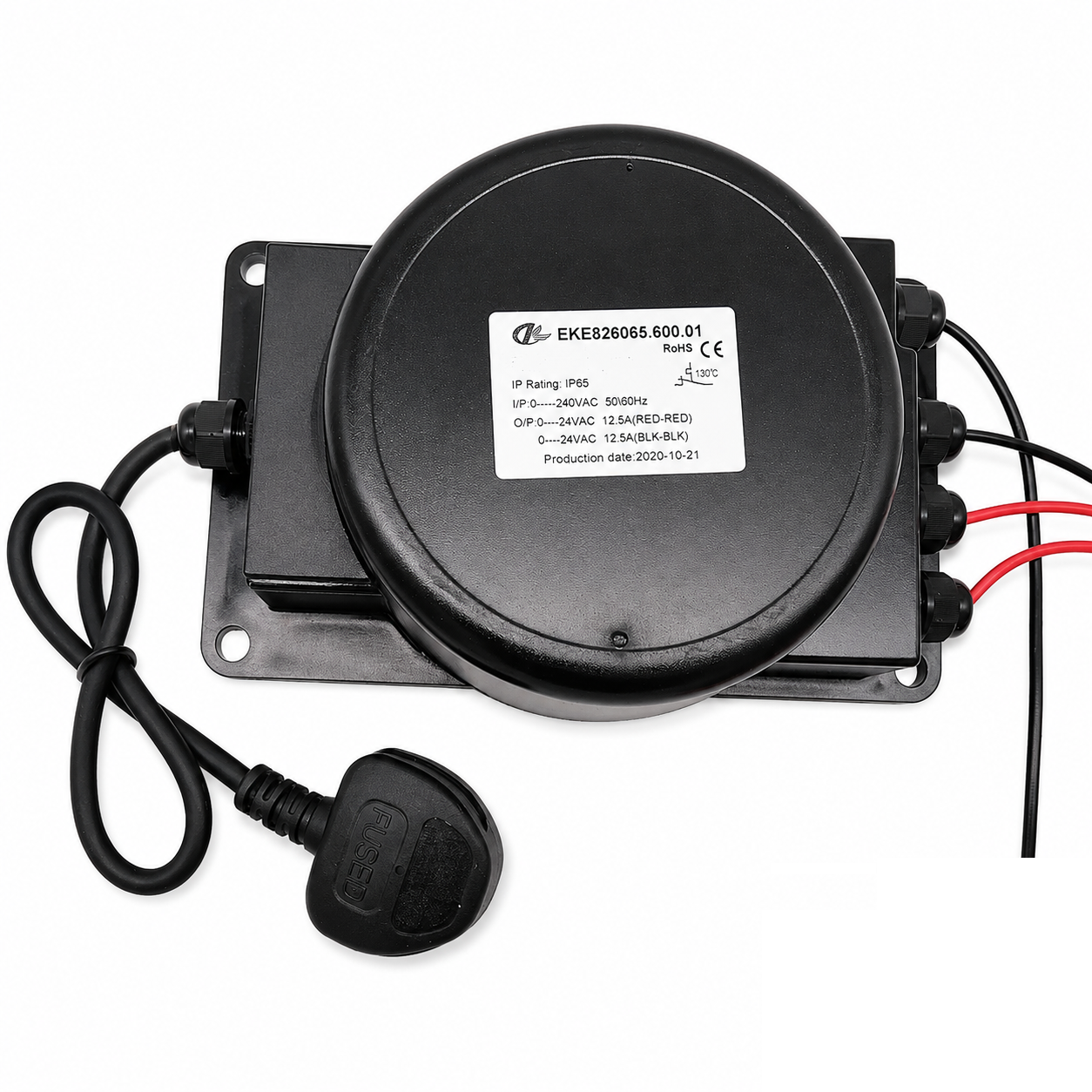
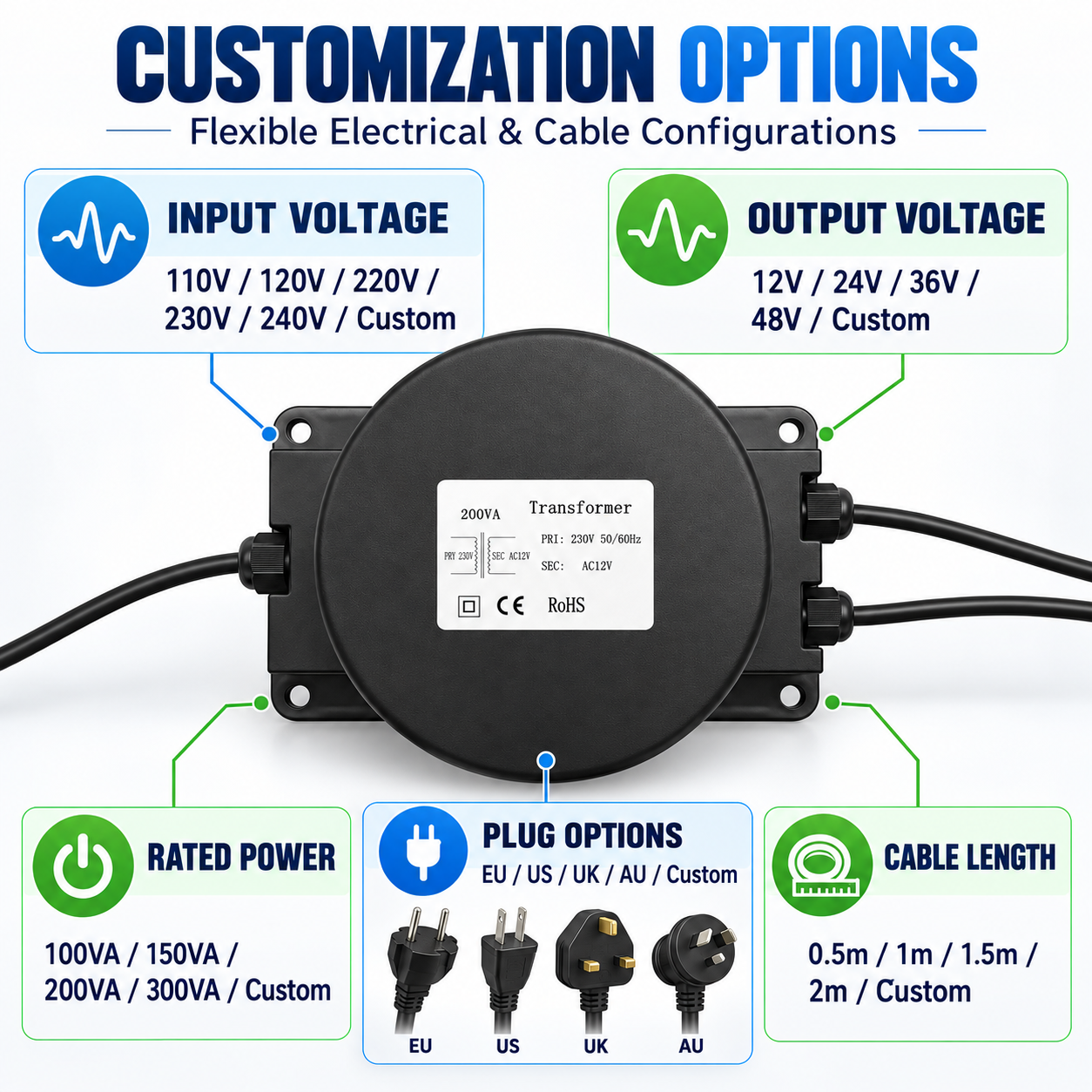
हाँ। ईको (ECKO) इनपुट और आउटपुट केबल की लंबाई, चालक के आकार, तार के रंग, प्लग, जलरोधी कनेक्टर, टर्मिनल ब्लॉक और केबल ग्लैंड्स को अनुकूलित कर सकता है। केबल के सामग्री का चयन यूवी प्रकाश के संपर्क, तापमान, लचीलापन और पर्यावरणीय आवश्यकताओं के अनुसार भी किया जा सकता है।
10. बाहरी उपकरण के लिए ट्रांसफॉर्मर विकसित करने के लिए किन जानकारियों की आवश्यकता होती है?
कृपया इनपुट वोल्टेज और आवृत्ति, आउटपुट वोल्टेज और धारा, नामांकित शक्ति, उपकरण का प्रकार, स्टार्टअप धारा, ड्यूटी साइकिल, आईपी रेटिंग, वातावरणीय तापमान, स्थापना विधि, केबल आवश्यकताएँ, उत्पाद के आयाम और लागू प्रमाणन मानक प्रदान करें। ड्रॉइंग या उपकरण विनिर्देशों से डिज़ाइन प्रक्रिया को तेज़ करने में सहायता मिल सकती है।
 EN
EN