Γιατί οι αγοραστές OEM επιλέγουν την ECKO για έργα υδροπροστατευμένων μετασχηματιστών
Μηχανική Βασισμένη στην Εφαρμογή
Ελέγχουμε τον τύπο φορτίου, το κύκλωμα λειτουργίας, την απόσταση καλωδίωσης, τη θερμοκρασία περιβάλλοντος, τη ζώνη εγκατάστασης και τις στόχους απαιτήσεις ασφαλείας προτού οριστικοποιήσουμε τον μετασχηματιστή. Αυτό βοηθά να αποφευχθεί η εσφαλμένη επιλογή VA, η υπερβολική αύξηση θερμοκρασίας και η αστάθεια της τάσης εξόδου.
Ηλεκτρικός και Μηχανικός Σχεδιασμός σε Ένα Έργο
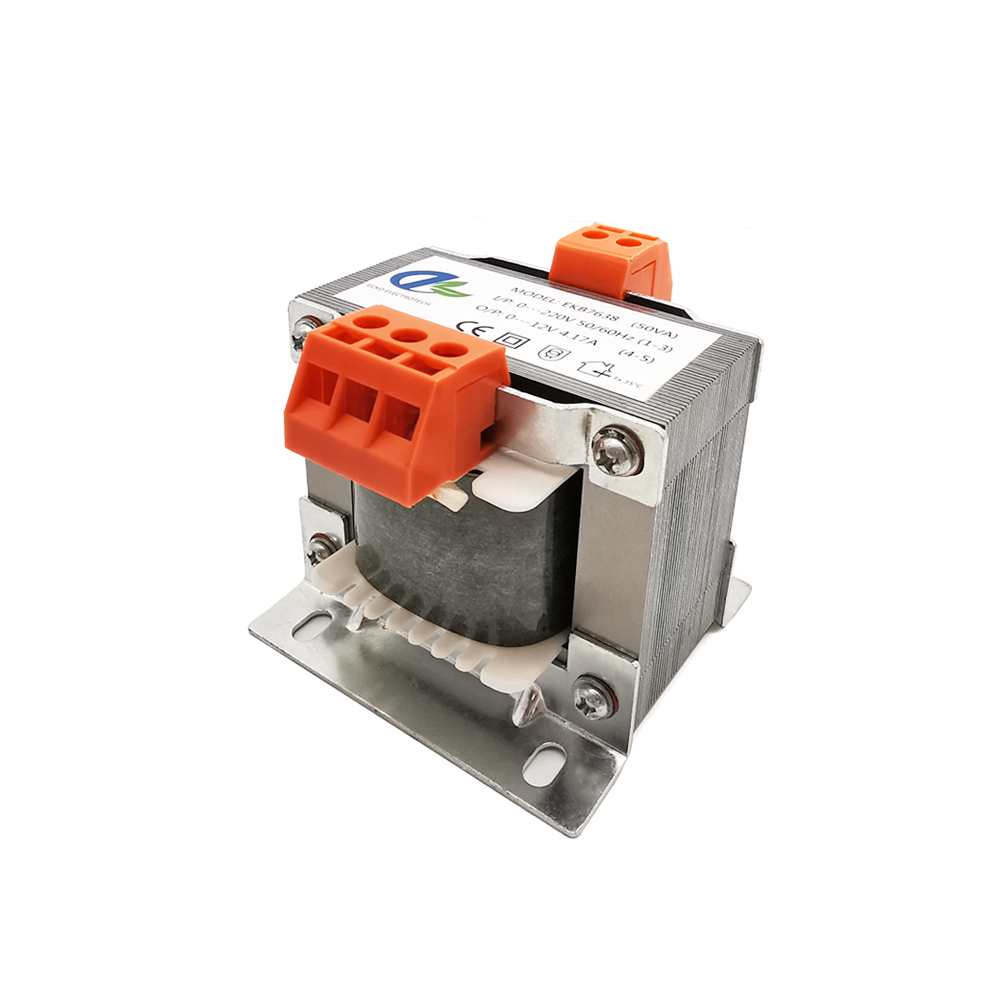
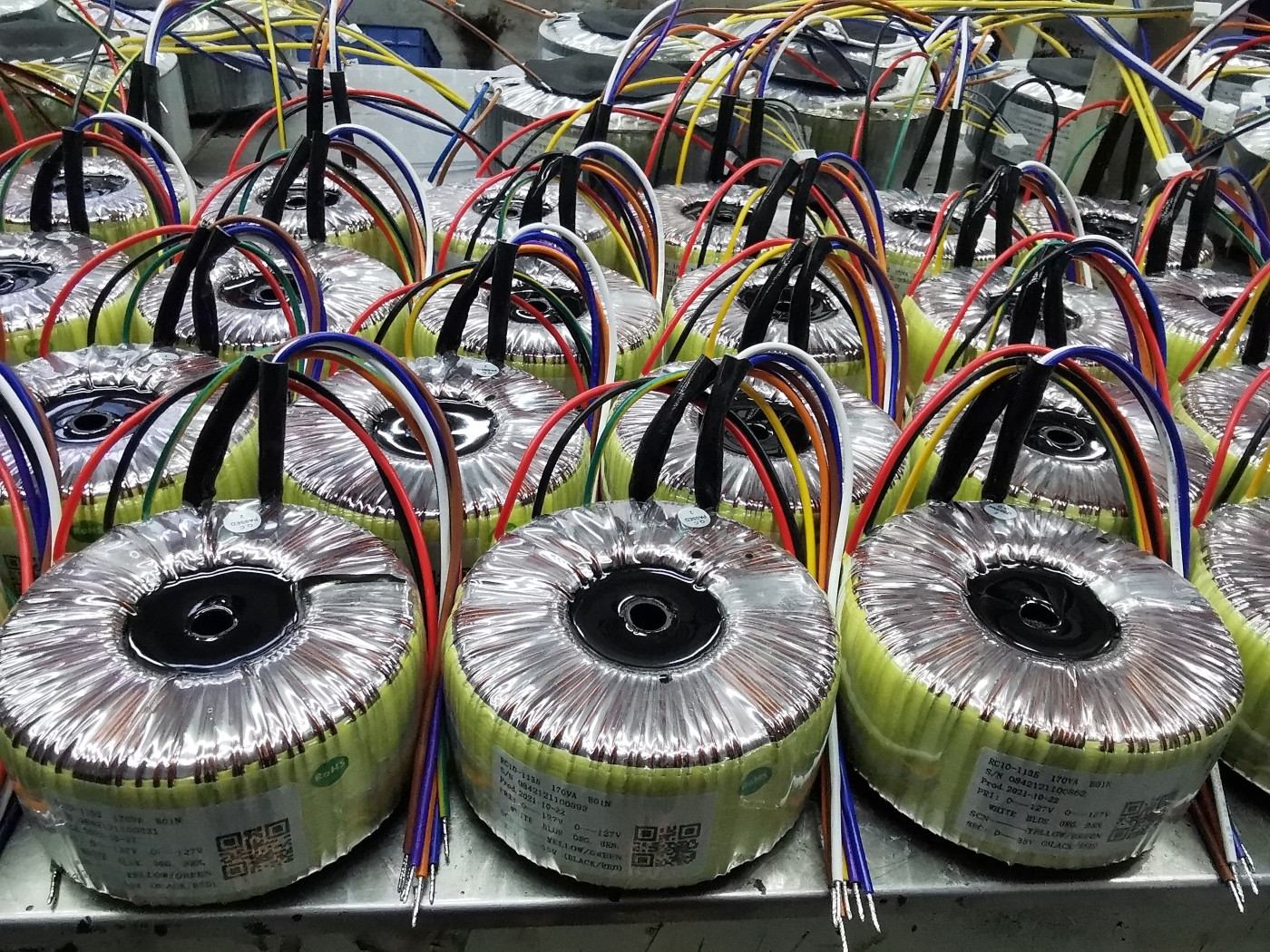
Το τύλιγμα του μετασχηματιστή, ο μαγνητικός πυρήνας, το περίβλημα, η ρητίνη, η καλωδιακή είσοδος και η δομή στήριξης αναπτύσσονται ως μία ολοκληρωμένη μονάδα. Αυτό είναι ιδιαίτερα σημαντικό όταν πρέπει να επιτευχθούν ταυτόχρονα η προστασία IP και η θερμική απόδοση.
Ελεγχόμενη Τεκμηρίωση Σχεδιασμού
Οι είσοδοι, οι έξοδοι, το μέγεθος των καλωδίων, τα στοιχεία προστασίας, οι διαστάσεις, η διαταγή ακροδεκτών καλωδίων και οι πληροφορίες ετικέτας καταγράφονται στο εγκεκριμένο σχέδιο. Ως εκ τούτου, οι μηχανικές αλλαγές μπορούν να ελεγχθούν και να ελεγχθούν πριν εισέλθουν στην παραγωγή.
Υδροπροστασία Πέρα από Μία Εξωτερική Επίστρωση
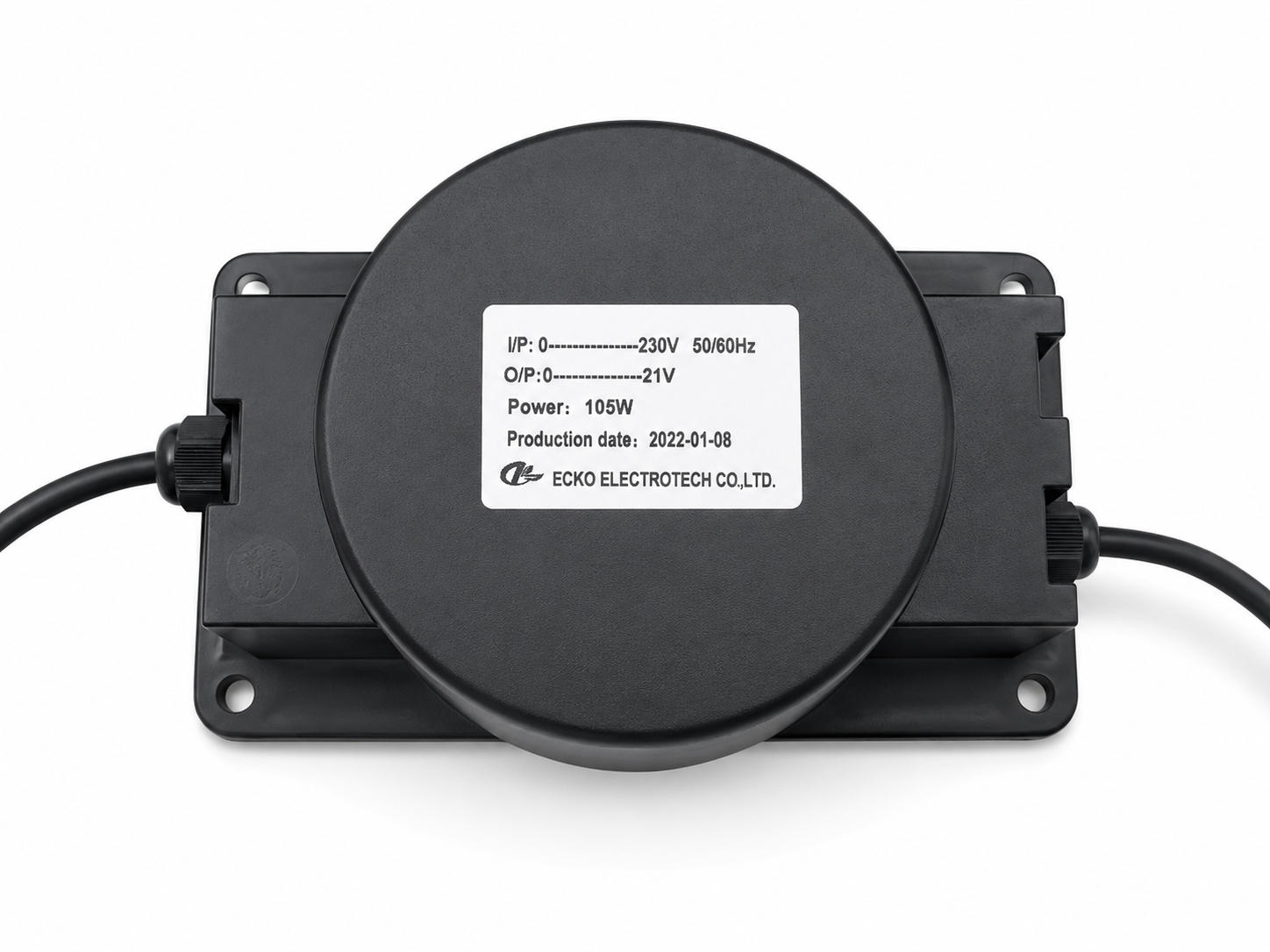
Μια αξιόπιστη αδιάβροχη σχεδίαση εξαρτάται από τη ρητίνη, το περίβλημα, το μανίκι του καλωδίου, την είσοδο του καλωδίου, την αντίσταση σε τάση, τη διαδικασία σκλήρυνσης και τη μέθοδο εγκατάστασης. Η ECKO αξιολογεί αυτές τις λεπτομέρειες αντί να βασίζεται αποκλειστικά σε εξωτερική αδιάβροχη ετικέτα.
Δυνατότητα πρωτοτύπων και παραγωγής
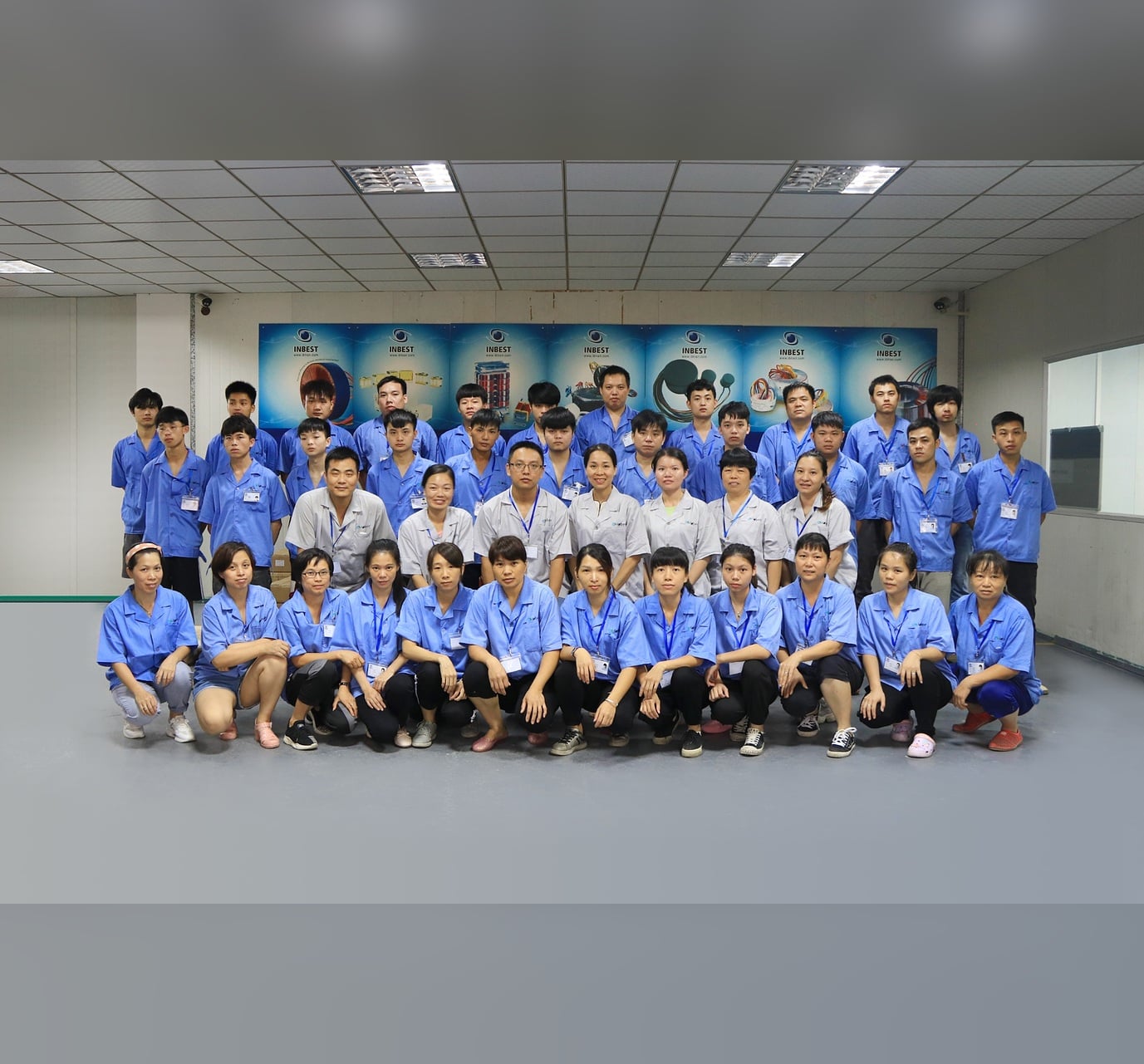
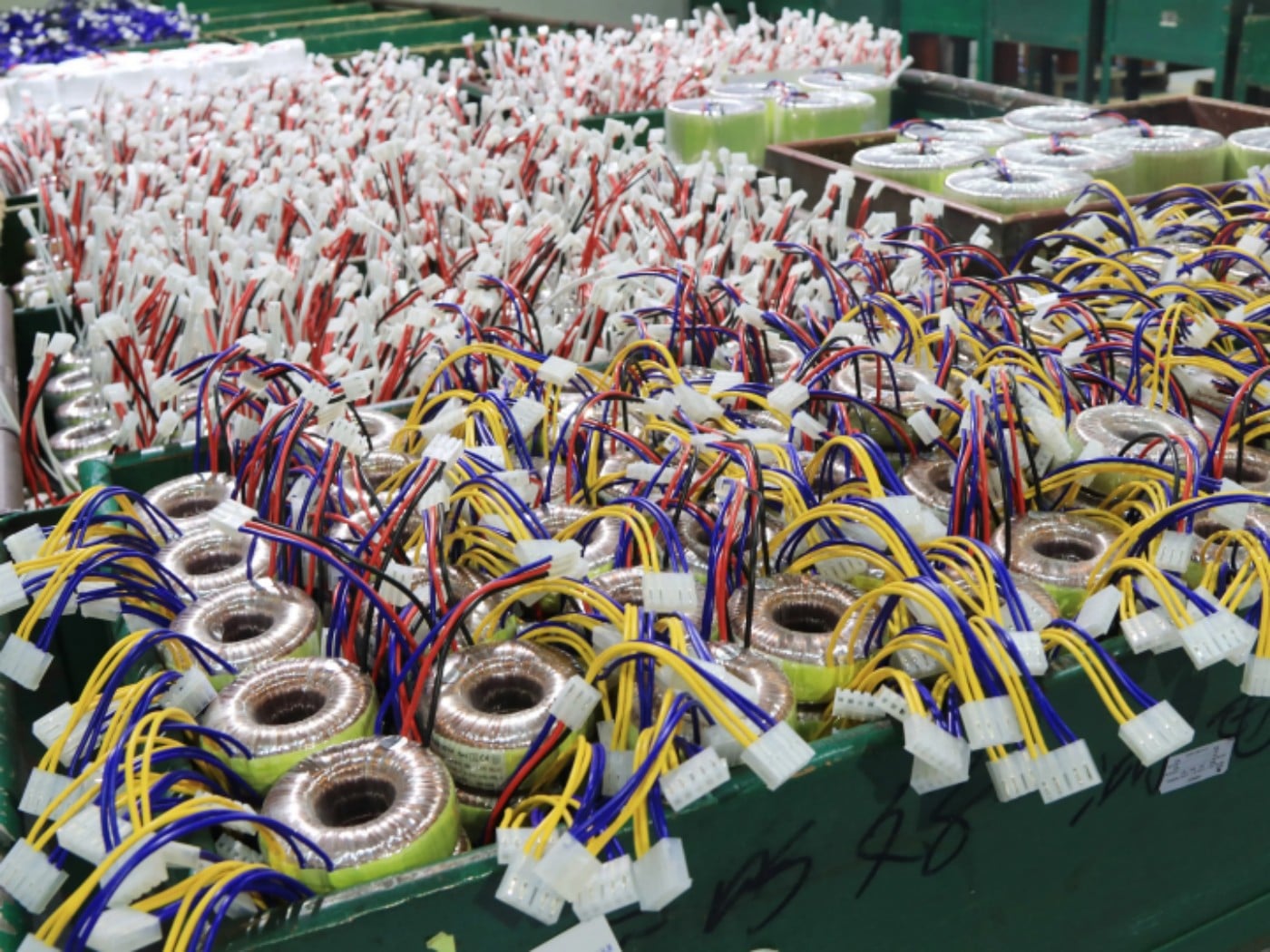
Ιδρύθηκε το 2000, η ECKO λειτουργεί τρεις εργαστηριακούς χώρους που καλύπτουν περίπου 5.000 τετραγωνικά μέτρα, με 150 εξειδικευμένους εργαζόμενους και ετήσια ικανότητα περίπου ενός εκατομμυρίου τυλιγμένων εξαρτημάτων. προϊόντα Ο χρόνος προετοιμασίας πρωτοτύπου μπορεί να είναι τόσο σύντομος όσο 1–3 ημέρες, όταν τα απαιτούμενα υλικά είναι διαθέσιμα.
Τεχνική υποστήριξη από το δείγμα μέχρι τη μαζική παραγωγή
Οι πελάτες μπορούν να επιβεβαιώσουν την ηλεκτρική απόδοση, τις διαστάσεις, τη συναρμολόγηση καλωδίων, την ετικέτα και την καταλληλότητα εγκατάστασης με ένα πρωτότυπο πριν από την παραγωγή. Οι απαιτήσεις επιθεώρησης και οι ειδικές για το έργο εκθέσεις δοκιμών μπορούν να συμφωνηθούν κατά την έγκριση των δειγμάτων.
Ελέγχος ποιότητας
Επιθεώρηση και επιβεβαίωση αδιάβροχου μετασχηματιστή
Οι συνηθισμένες ηλεκτρικές δοκιμές και οι δοκιμές επιβεβαίωσης του σχεδιασμού έχουν διαφορετικούς σκοπούς. Τα τελικά όρια δοκιμής και η συχνότητα επιθεώρησης πρέπει να καταγράφονται στην εγκεκριμένη προδιαγραφή ή στο Σχέδιο Ελέγχου.
| Δοκιμαστικό στοιχείο |
Σκοπός |
Προτεινόμενη Συχνότητα |
| Οπτικός και διαστατικός έλεγχος |
Επιβεβαιώνει το περίβλημα, την ετικέτα, το καλώδιο, την τοποθέτηση και την ποιότητα κατασκευής |
100% |
| Συνέχεια τύλιγματος |
Ανιχνεύει ανοικτά κυκλώματα και λανθασμένες συνδέσεις |
100% |
| Λόγος στροφών / Τάση χωρίς φορτίο |
Επιβεβαιώνει τον λόγο τάσης εισόδου προς τάση εξόδου |
100% |
| Ρεύμα χωρίς φορτίο |
Ελέγχει τη συνέπεια του μαγνητικού σχεδιασμού και της συναρμολόγησης |
Συνηθισμένη ή συμφωνηθείσα δειγματοληψία |
| Αντίστασης τύλιξης |
Επιβεβαιώνει τη συνέπεια του τύλιγματος και την κατάσταση του αγωγού |
Συνηθισμένη ή συμφωνηθείσα δειγματοληψία |
| Δοκιμή hi-pot |
Επιβεβαιώνει τη διηλεκτρική απόσταση μεταξύ των τυλιγμάτων και των προσβάσιμων μερών |
100% όταν συμπεριλαμβάνεται στο εγκεκριμένο Σχέδιο Ελέγχου |
| Αντίσταση μόνωσης |
Ελέγχει την κατάσταση μόνωσης και τη διαρροή που σχετίζεται με την υγρασία |
Συνηθισμένη ή συμφωνηθείσα δειγματοληψία |
| Συνέχεια γείωσης |
Επιβεβαιώνει τη σύνδεση προστατευτικής γείωσης σε εφαρμόσιμα μεταλλικά περιβλήματα |
100% όπου εφαρμόζεται |
| Δοκιμή Τάσης Φορτίου |
Επιβεβαιώνει την τάση εξόδου υπό το καθορισμένο φορτίο |
Επαλήθευση δείγματος και παρτίδας |
| Δοκιμή αύξησης θερμοκρασίας |
Επαληθεύει τη θερμική απόδοση στο ονομαστικό φορτίο και τις περιβαλλοντικές συνθήκες |
Επαλήθευση σχεδιασμού ή δοκιμή τύπου |
| Δοκιμή Θερμικού Προστατευτή |
Επιβεβαιώνει τις επιλεγμένες απαιτήσεις προστασίας και διαδρομής |
Επαλήθευση συστατικού και δείγματος |
| Δοκιμή IP/εισχώρησης νερού |
Επικυρώνει τον ολοκληρωμένο σχεδιασμό του περιβλήματος και της εισόδου καλωδίου |
Δοκιμή τύπου ή δειγματοληψία καθορισμένη από το έργο |
| Επιθεώρηση ρητίνης και στερέωσης |
Ελέγχει τη γέμιση με ρητίνη, την κατάσταση της επιφάνειας και τη συνέπεια της στερέωσης |
Οπτική επιθεώρηση συν τον έλεγχο παρτίδας |
| Τελικό λειτουργικό τεστ |
Επιβεβαιώνει την ορθή σύνδεση, την πολικότητα και τη λειτουργική απόδοση |
100% ή συμφωνηθείσα Πλάνο Ελέγχου |
Δήλωση ποιότητας:
Κάθε αποστολή ακολουθεί την εγκεκριμένη προδιαγραφή προϊόντος. Τα αποτελέσματα δοκιμών, οι εκθέσεις επιθεώρησης ή τα δεδομένα επικύρωσης ειδικού προγράμματος μπορούν να συζητηθούν κατά το στάδιο της προσφοράς και της έγκρισης του δείγματος.
Από τις Απαιτήσεις Εφαρμογής έως τον Υδροπροστατευμένο Μετασχηματιστή Έτοιμο για Παραγωγή
Βήμα 1 — Αξιολόγηση Εφαρμογής
Υποβάλετε την τάση εισόδου, την τάση εξόδου, το ονομαστικό ρεύμα, τον τύπο φορτίου, την απόσταση καλωδίου, τη θερμοκρασία περιβάλλοντος, την απαίτηση IP και τις πληροφορίες εγκατάστασης.
Βήμα 2 — Μηχανική Αξιολόγηση
Η ECKO αξιολογεί τη χωρητικότητα του μετασχηματιστή, τον σχεδιασμό των τυλιγμάτων, τη ρύθμιση τάσης, την ανύψωση θερμοκρασίας, τη μόνωση, τα στοιχεία προστασίας, το περίβλημα και τη συναρμολόγηση καλωδίων.
Βήμα 3 — Προσφορά και Σχέδιο
Λαμβάνετε μια εμπορική προσφορά μαζί με τις προτεινόμενες ηλεκτρικές και μηχανικές προδιαγραφές. Οι βασικές παράμετροι επιβεβαιώνονται πριν από την παραγωγή του πρωτοτύπου.
Βήμα 4 — Κατασκευή Πρωτοτύπου
Ένα προσαρμοσμένο δείγμα κατασκευάζεται χρησιμοποιώντας τα συμφωνηθέντα υλικά και την κατασκευή. Ο χρόνος παρασκευής δείγματος μπορεί να είναι τόσο σύντομος όσο 1–3 ημέρες για κατάλληλα έργα με διαθέσιμα υλικά.
Βήμα 5 — Επαλήθευση Δείγματος
Ο πελάτης ελέγχει την ηλεκτρική απόδοση, τις διαστάσεις, την τοποθέτηση, τις συνδέσεις καλωδίων και τη λειτουργία με τον πραγματικό εξοπλισμό. Οποιεσδήποτε απαιτούμενες αλλαγές εξετάζονται πριν από την έγκριση.
Βήμα 6 — Δοκιμαστική Παραγωγή και Μαζική Παραγωγή
Μετά την έγκριση του δείγματος, η παραγωγή ακολουθεί το επιβεβαιωμένο σχέδιο, τα υλικά και τις απαιτήσεις επιθεώρησης. Μπορεί να διατεθεί ποσότητα δοκιμαστικής παραγωγής όταν απαιτείται πρόσθετη επικύρωση.
Βήμα 7 — Τελική Επιθεώρηση και Παράδοση
Τα τελικά προϊόντα επιθεωρούνται και συσκευάζονται σύμφωνα με τη συμφωνηθείσα προδιαγραφή. Η συσκευασία σε κουτιά, παλέτες, ιδιωτική ετικέτα και τα εξαγωγικά έγγραφα μπορούν να προσαρμοστούν.
Ξεκινήστε το Έργο Υδατοστεγούς Μετασχηματιστή σας
Στείλτε μας την ετικέτα, το σχέδιο, το διάγραμμα καλωδίωσης, τις πληροφορίες φόρτισης ή ένα υπάρχον δείγμα του μετασχηματιστή σας. Η ομάδα μας θα εξετάσει τις απαιτήσεις και θα προτείνει μια κατάλληλη προσαρμοστική λύση.
Συχνές Ερωτήσεις για Αδιάβροχους Μετασχηματιστές
1. Τι σημαίνει IP67 για έναν ανθεκτικό στο νερό μετασχηματιστή;
Το IP67 συνήθως υποδηλώνει ότι η πλήρης περίβληση προστατεύεται από σκόνη και προσωρινή βύθιση στο νερό υπό καθορισμένες συνθήκες δοκιμής. Δεν σημαίνει αυτόματα ότι ο μετασχηματιστής είναι κατάλληλος για μόνιμη εγκατάσταση υποθαλάσσια.
2. Ποια είναι η διαφορά μεταξύ IP65, IP67 και IP68;
Το IP65 χρησιμοποιείται συνήθως για προστασία από σκόνη και ροές νερού. Το IP67 προσθέτει προστασία από προσωρινή βύθιση υπό καθορισμένες συνθήκες. Οι απαιτήσεις του IP68 εξαρτώνται από το συμφωνηθέν βάθος, τη διάρκεια και τις συνθήκες δοκιμής και πρέπει να επικυρωθούν ειδικά για το τελικό προϊόν.
3. Μπορεί ένας μετασχηματιστής IP67 να εγκατασταθεί μόνιμα υποθαλάσσια;
Συνήθως, όχι. Ένας μετασχηματιστής IP67 που χρησιμοποιείται για τη φωτιστική εξοπλισμό της πισίνας ή του φοντάνας εγκαθίσταται συνήθως έξω από το νερό, σε σύμφωνη με τους ηλεκτρικούς κανονισμούς ζώνη. Η μόνιμη υποβρύχια εγκατάσταση απαιτεί μια ειδικά σχεδιασμένη και επικυρωμένη λύση, μαζί με την επιβεβαίωση των τοπικών ηλεκτρικών κανονισμών.
4. Ένας υδροπροστατευμένος μετασχηματιστής παρέχει εναλλασσόμενο (AC) ή συνεχές (DC) ρεύμα;
Ένας συμβατικός μετασχηματιστής παρέχει εναλλασσόμενο ρεύμα (AC). Εάν ο εξοπλισμός απαιτεί συνεχές ρεύμα (DC), πρέπει να προστεθεί ένας ανορθωτής, ένα φίλτρο και ενδεχομένως ένας ρυθμιστής τάσης, δημιουργώντας έτσι μια πλήρη υδροπροστατευμένη πηγή τροφοδοσίας, αντί μόνο ενός μετασχηματιστή.
5. Πώς επιλέγω τη σωστή ισχύ σε VA;
Προσθέστε την κατανάλωση ισχύος όλων των συνδεδεμένων φορτίων και λάβετε υπόψη το ρεύμα εκκίνησης, τον χρόνο συνεχούς λειτουργίας, την αμβιέντική θερμοκρασία και την πτώση τάσης στο καλώδιο. Η ECKO συνιστά να επιλέγετε τον μετασχηματιστή βάσει του πραγματικού ρεύματος και των χαρακτηριστικών του φορτίου, αντί μόνο της ονομαστικής ισχύος σε βατ.
6. Μπορείτε να προσαρμόσετε εισόδους 110 V, 120 V, 220 V, 230 V ή 240 V;
Μπορούν να σχεδιαστούν πρωτεύοντα τυλίγματα με μονή, διπλή ή πολλαπλές εξόδους. Κατά τη ζήτηση προσφοράς, πρέπει να δηλωθούν η ανοχή εισόδου, η συχνότητα και η στόχος αγορά.
7. Μπορείτε να προσαρμόσετε έξοδο 12 V ή 24 V για φωτισμό πισίνας και τοπίου;
Συνηθισμένες έξοδοι περιλαμβάνουν 12 V, 18 V, 24 V, 36 V και 48 V εναλλασσόμενου ρεύματος (AC). Η απαιτούμενη έξοδος πρέπει να επιβεβαιωθεί υπό φορτίο, ιδιαίτερα όταν μακριές καλωδιώσεις μπορούν να προκαλέσουν σημαντική πτώση τάσης.
8. Μπορεί ένας υδροπροστατευμένος μετασχηματιστής να έχει πολλαπλές εξόδους;
Μπορεί να έχει πολλαπλές εξόδους τάσης, έξοδο με κεντρική απόσπαση (center-tapped) ή ξεχωριστά μονωμένα δευτερεύοντα τυλίγματα. Παρακαλούμε δηλώστε εάν τα φορτία λειτουργούν ταυτόχρονα και εάν οι έξοδοι πρέπει να είναι ηλεκτρικά μονωμένες μεταξύ τους.
9. Πώς επηρεάζει το μήκος της καλωδίωσης την έξοδο τάσης;
Τα μακριά καλώδια προκαλούν πτώση τάσης, ιδιαίτερα με φορτία χαμηλής τάσης και υψηλού ρεύματος. Παρέχετε το μήκος της καλωδίωσης, το μέγεθος του αγωγού και το ρεύμα λειτουργίας, ώστε να αξιολογηθούν από κοινού η έξοδος του μετασχηματιστή και οι προδιαγραφές της καλωδίωσης.
10. Μπορεί ο μετασχηματιστής να λειτουργεί και στα 50 Hz και στα 60 Hz;
Ένας μετασχηματιστής μπορεί να σχεδιαστεί για λειτουργία στα 50/60 Hz. Ένας μετασχηματιστής που έχει σχεδιαστεί αποκλειστικά για 60 Hz δεν πρέπει να χρησιμοποιείται αυτόματα στα 50 Hz, επειδή η χαμηλότερη συχνότητα μπορεί να αυξήσει τη μαγνητική ροή, το ρεύμα χωρίς φορτίο και την αύξηση της θερμοκρασίας.
 EN
EN