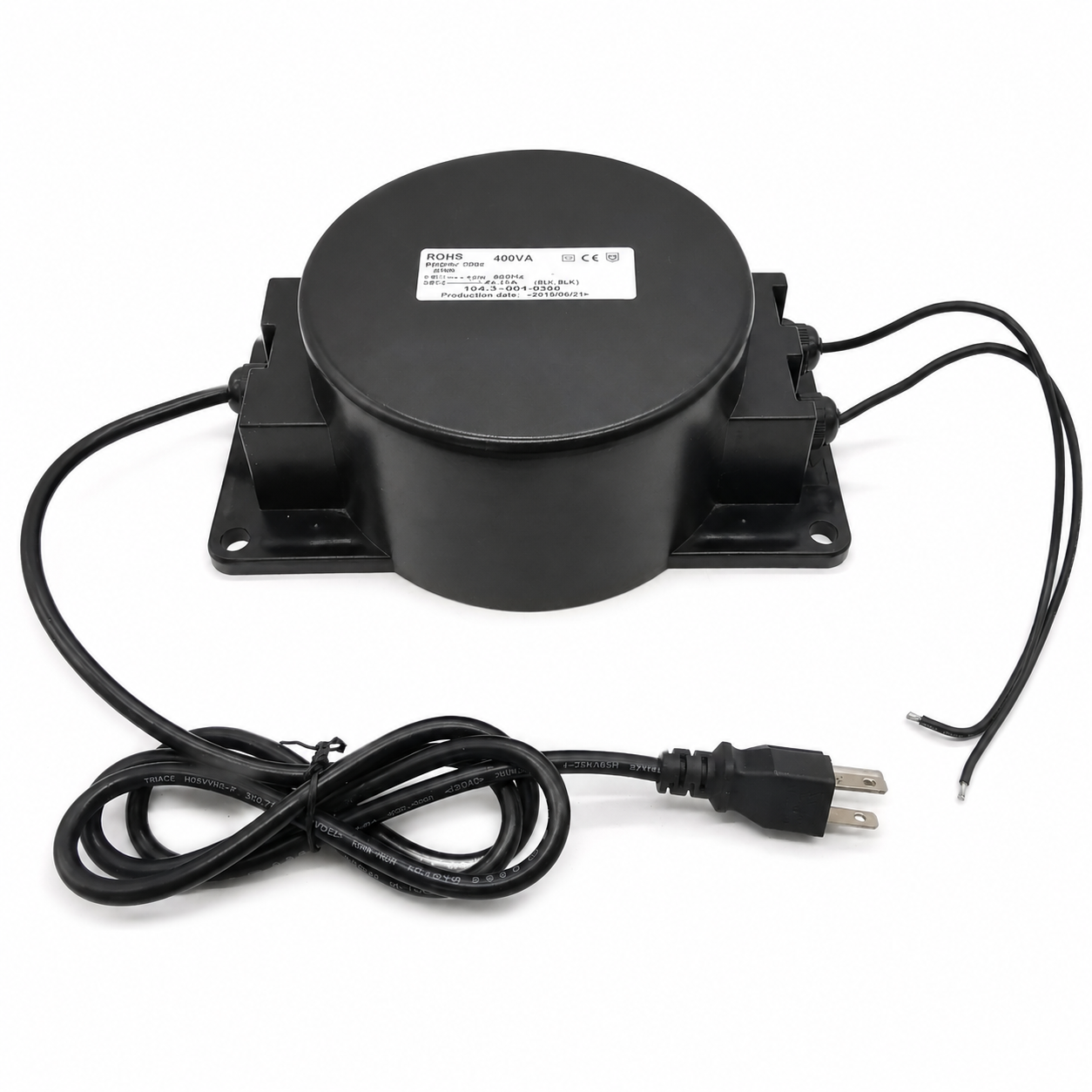
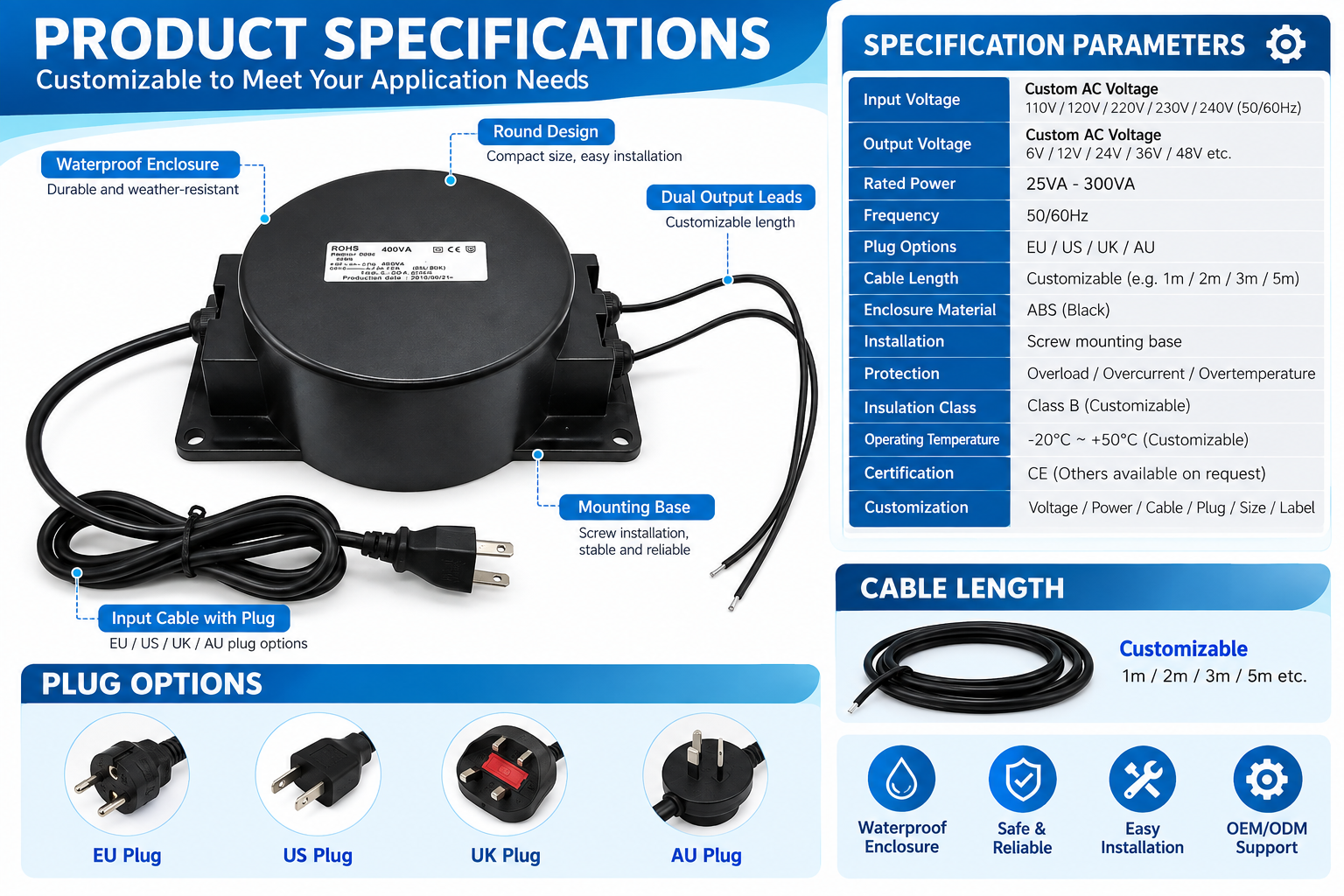
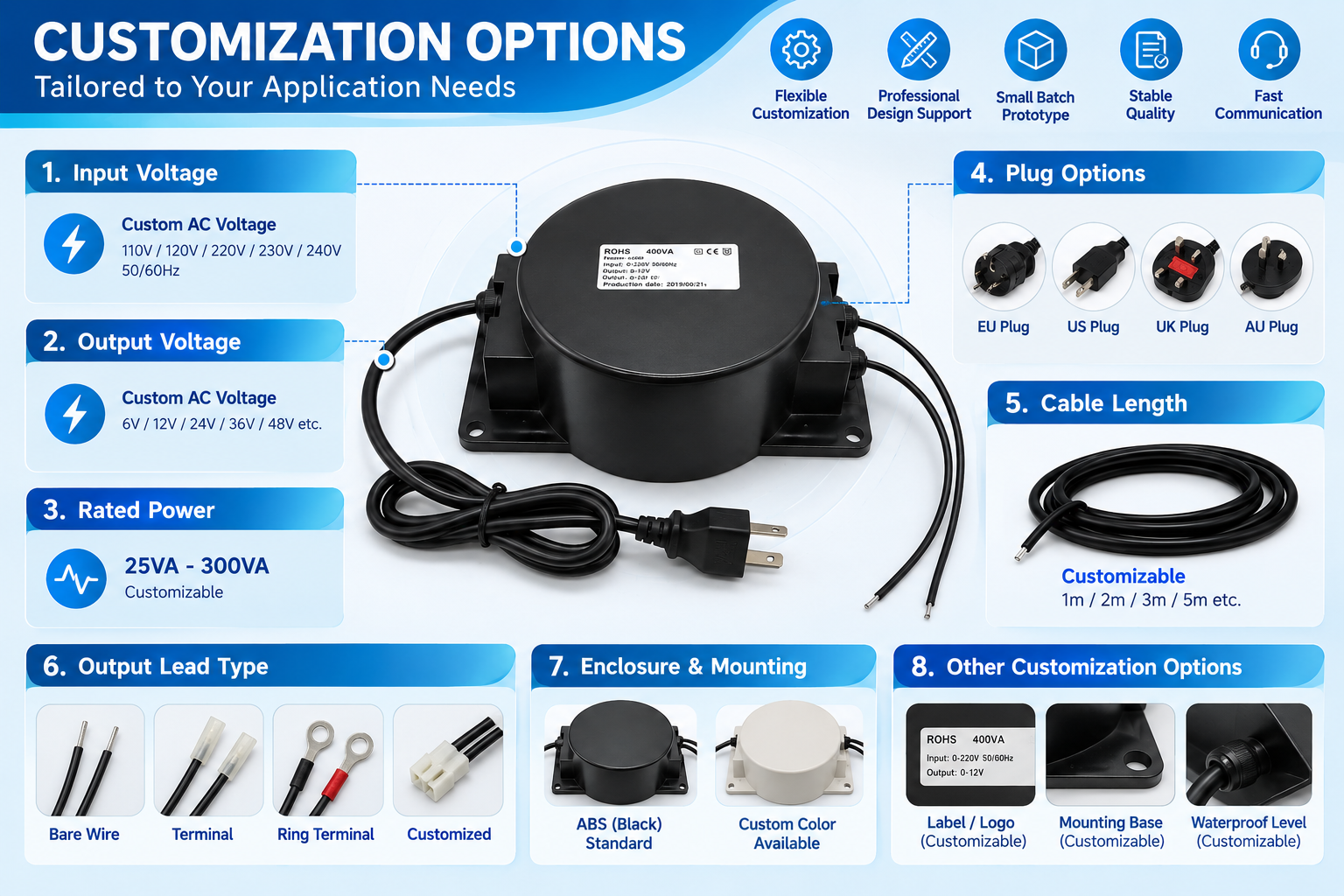
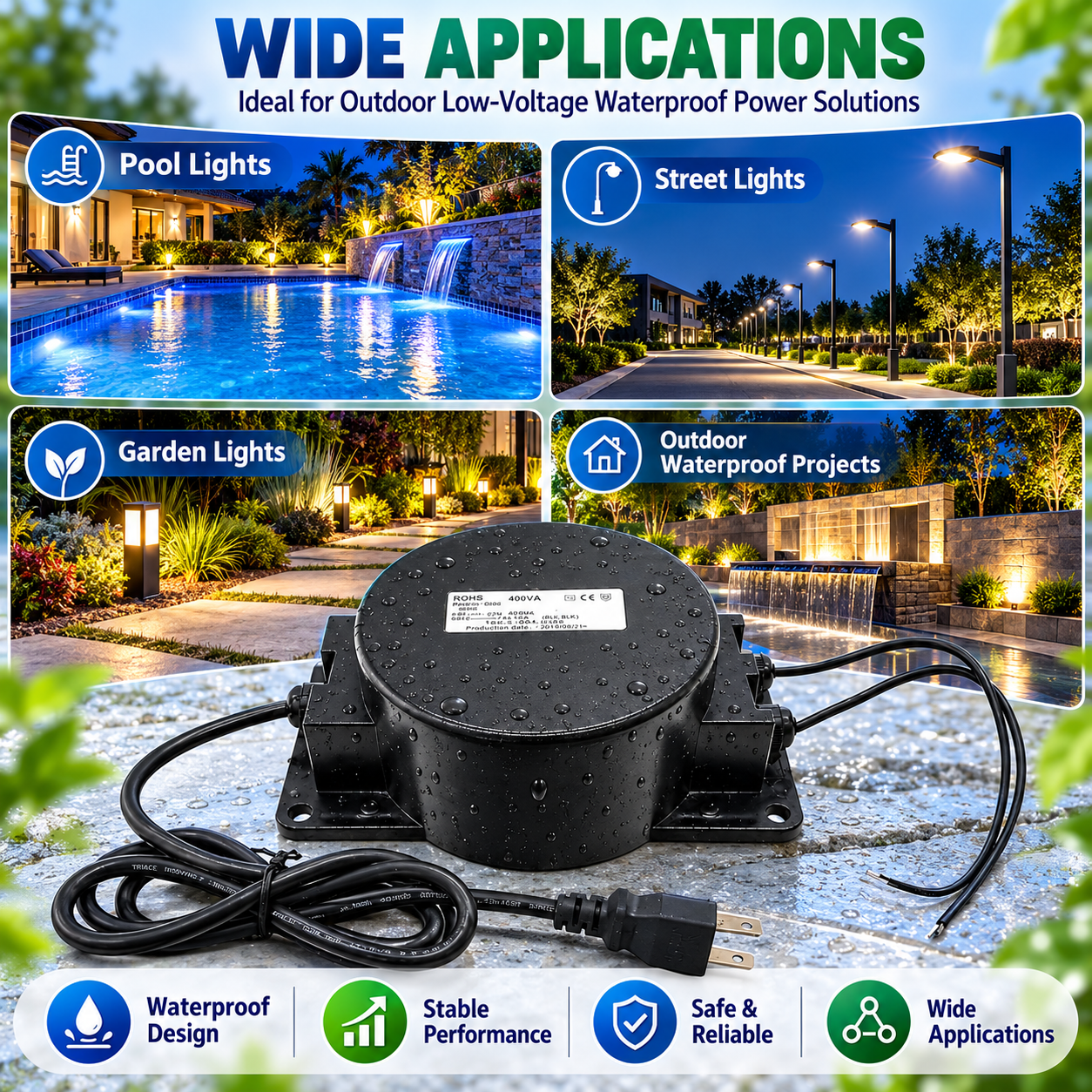
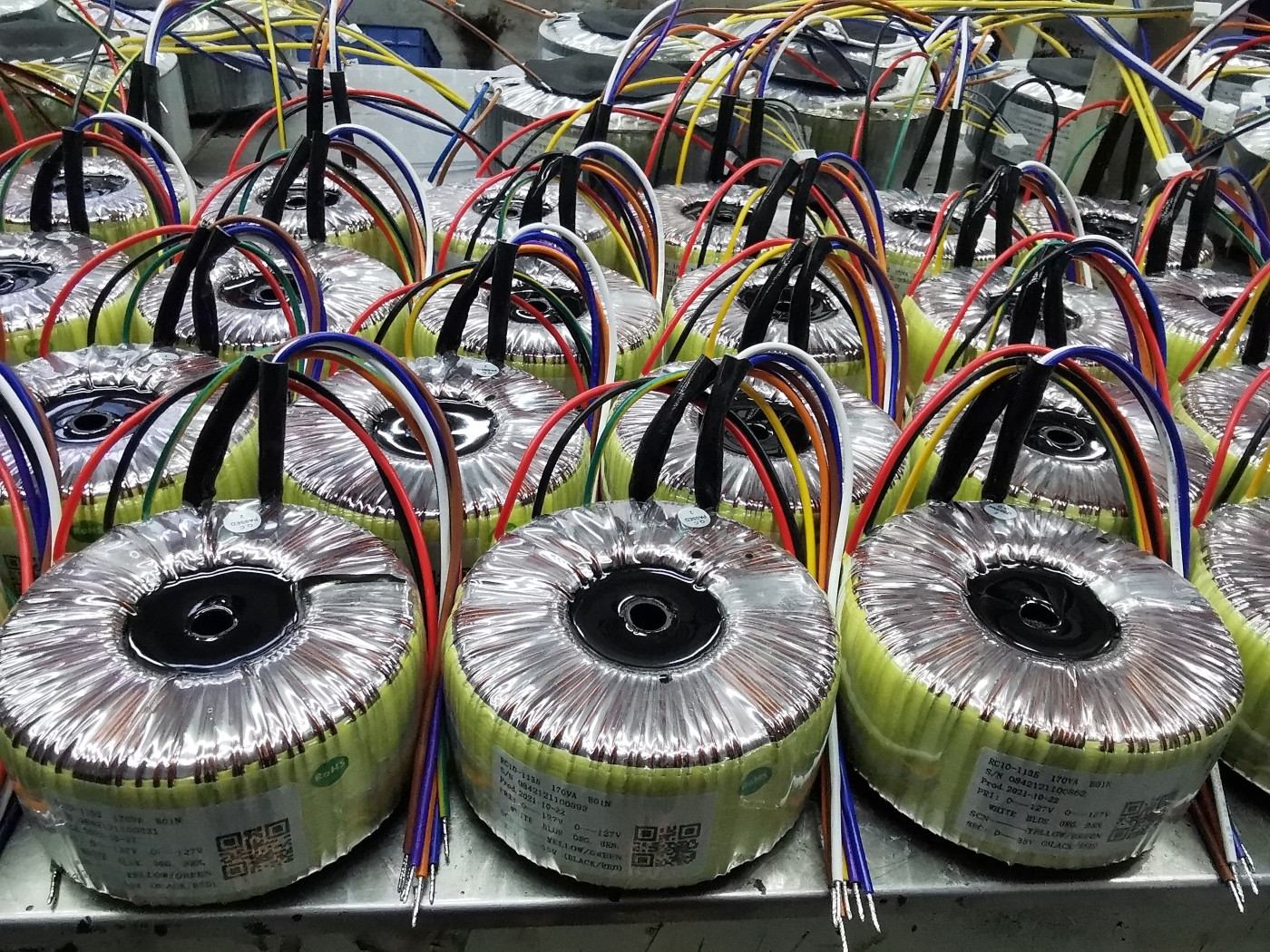
ওইএম ক্রেতারা জলরোধী ট্রান্সফরমার প্রকল্পের জন্য ইকো কেন বেছে নেন
অ্যাপ্লিকেশন-ভিত্তিক প্রকৌশল
আমরা ট্রান্সফরমারটি চূড়ান্ত করার আগে লোডের ধরন, ডিউটি সাইকেল, কেবলের দূরত্ব, পরিবেশগত তাপমাত্রা, ইনস্টলেশন অঞ্চল এবং লক্ষ্য নিরাপত্তা প্রয়োজনীয়তা পর্যালোচনা করি। এটি ভুল ভিএ নির্বাচন, অত্যধিক তাপমাত্রা বৃদ্ধি এবং অস্থিতিশীল আউটপুট ভোল্টেজ এড়াতে সাহায্য করে।
একটি প্রকল্পে বৈদ্যুতিক ও যান্ত্রিক ডিজাইন
ট্রান্সফরমারের ওয়াইন্ডিং, চৌম্বক কোর, এনক্লোজার, রেজিন, কেবল গ্ল্যান্ড এবং মাউন্টিং স্ট্রাকচারকে একটি সম্পূর্ণ অ্যাসেম্বলি হিসাবে উন্নয়ন করা হয়। যখন আইপি সুরক্ষা এবং তাপীয় কর্মক্ষমতা একসাথে অর্জন করা আবশ্যিক, তখন এটি বিশেষভাবে গুরুত্বপূর্ণ।
নিয়ন্ত্রিত ডিজাইন ডকুমেন্টেশন
ইনপুট, আউটপুট, তারের আকার, সুরক্ষা উপাদান, মাত্রা, কেবল পিনআউট এবং লেবেল তথ্য অনুমোদিত ড্রয়িংয়ে রেকর্ড করা হয়। ফলে প্রকৃত উৎপাদনে প্রবেশের আগে প্রকৌশল পরিবর্তনগুলি পর্যালোচনা ও নিয়ন্ত্রণ করা যায়।
বাইরের কোটিংয়ের চেয়ে অধিক জলরোধীকরণ
একটি বিশ্বস্ত জলরোধী ডিজাইন নির্ভর করে রেজিন, হাউজিং, কেবল জ্যাকেট, কেবল প্রবেশদ্বার, টান প্রতিরোধক ব্যবস্থা, শক্তিকরণ প্রক্রিয়া এবং ইনস্টলেশন পদ্ধতির উপর। ইকো শুধুমাত্র বাহ্যিক জলরোধী লেবেলের উপর নির্ভর না করে এই বিস্তারিতগুলো মূল্যায়ন করে।
প্রোটোটাইপ ও উৎপাদন ক্ষমতা
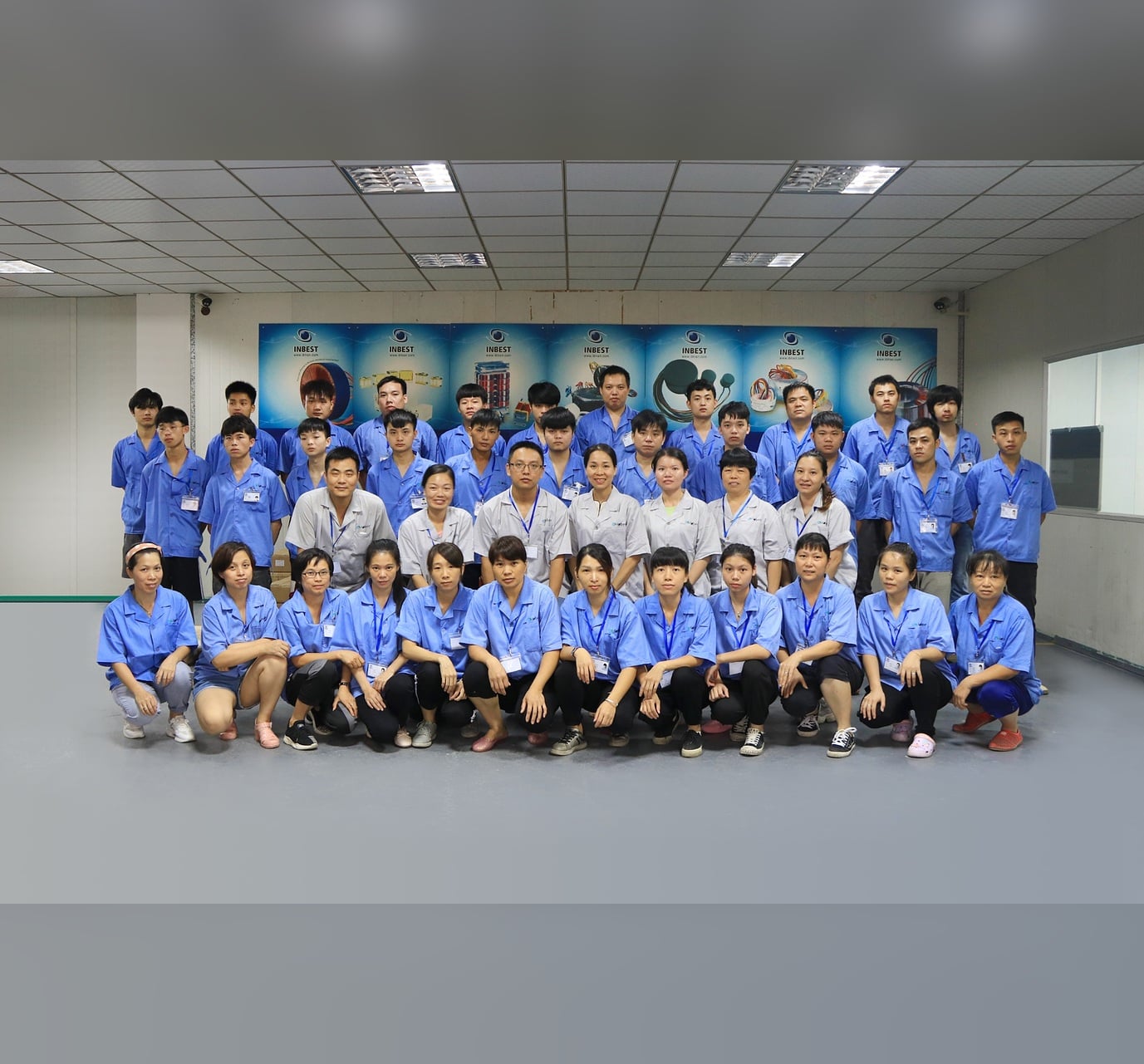
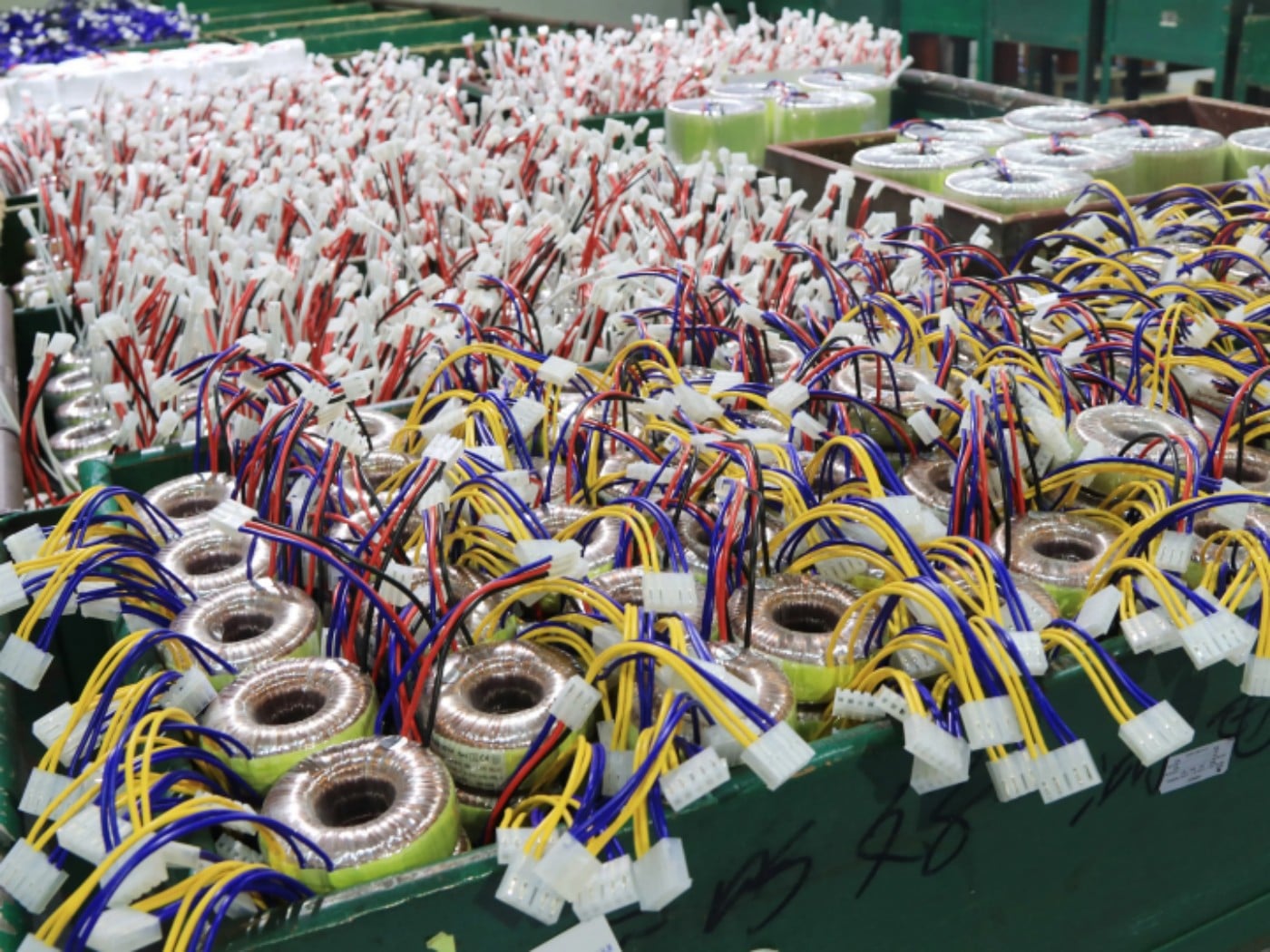
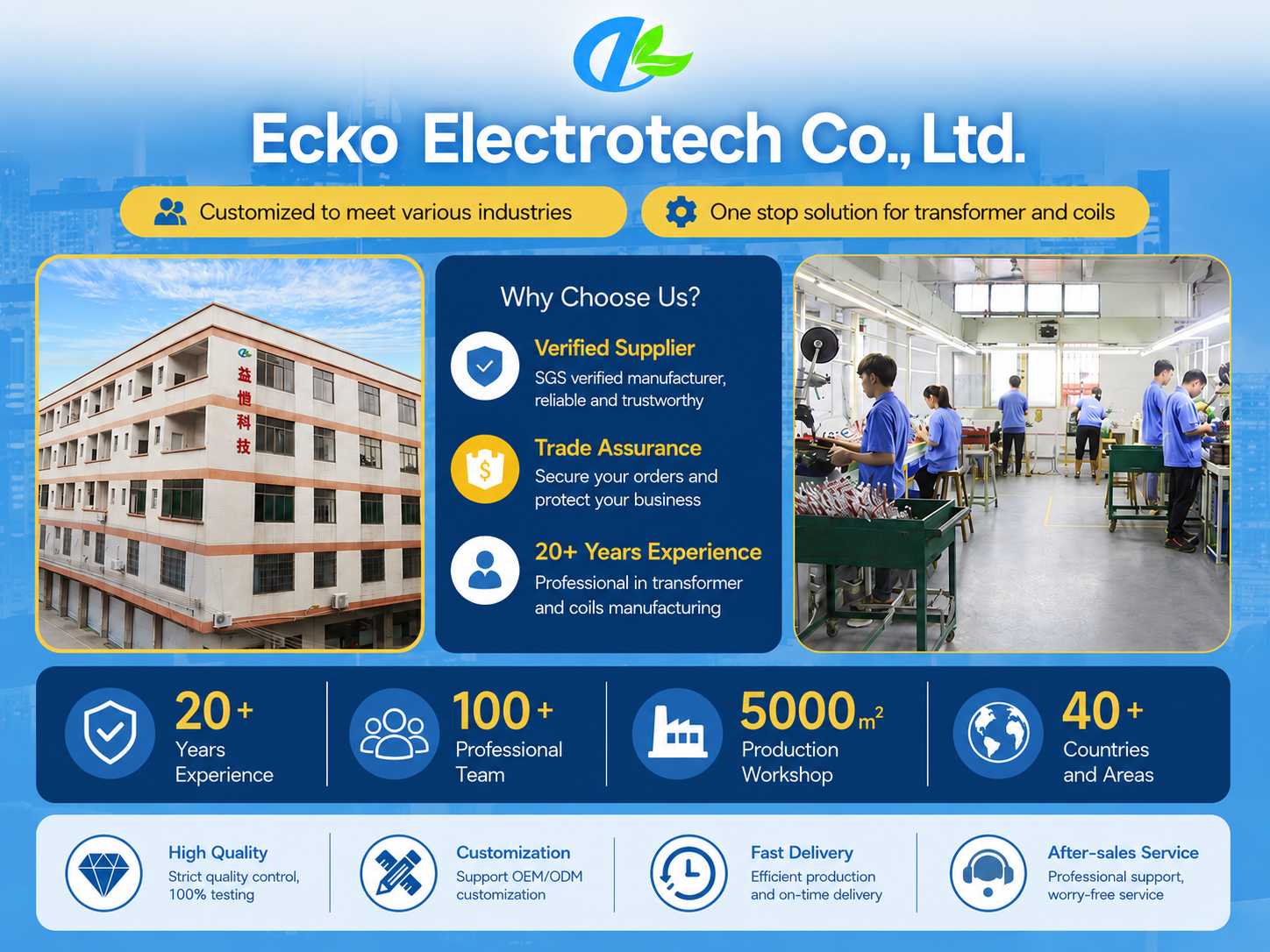
২০০০ সালে প্রতিষ্ঠিত ইকো-র তিনটি কারখানা রয়েছে যা প্রায় ৫,০০০ বর্গমিটার এলাকা জুড়ে অবস্থিত এবং যেখানে ১৫০ দক্ষ কর্মী কাজ করেন এবং বার্ষিক ক্ষমতা প্রায় এক মিলিয়ন উইন্ড-কম্পোনেন্ট। পণ্যসমূহ প্রয়োজনীয় উপকরণ পাওয়া গেলে প্রোটোটাইপ তৈরির সময় সর্বনিম্ন ১–৩ দিন হতে পারে।
নমুনা থেকে ভর উৎপাদন পর্যন্ত প্রযুক্তিগত সহায়তা
উৎপাদনের আগে গ্রাহকরা প্রোটোটাইপের মাধ্যমে বৈদ্যুতিক কার্যকারিতা, মাত্রা, কেবল অ্যাসেম্বলি, লেবেল এবং ইনস্টলেশন ফিট নিশ্চিত করতে পারেন। নমুনা অনুমোদনের সময় পরিদর্শনের প্রয়োজনীয়তা এবং প্রকল্প-নির্দিষ্ট পরীক্ষা প্রতিবেদনগুলো চুক্তিবদ্ধ হতে পারে।
গুণমান পরীক্ষা
জলরোধী ট্রান্সফরমার পরিদর্শন ও যাচাইকরণ
নিয়মিত বৈদ্যুতিক পরীক্ষা এবং ডিজাইন-ভ্যালিডেশন পরীক্ষার উদ্দেশ্য আলাদা। চূড়ান্ত পরীক্ষার সীমা এবং পরিদর্শনের পৌনঃপুনিকতা অনুমোদিত স্পেসিফিকেশন বা কন্ট্রোল প্ল্যানে রেকর্ড করা হবে।
| পরীক্ষার আইটেম |
উদ্দেশ্য |
প্রস্তাবিত ঘনত্ব |
| দৃশ্য এবং আকৃতি পরিমাপের পরীক্ষা |
হাউজিং, লেবেল, কেবল, মাউন্টিং এবং কাজের মান নিশ্চিত করে |
100% |
| উইন্ডিং কনটিনিউয়িটি |
ওপেন সার্কিট এবং ভুল সংযোগ শনাক্ত করে |
100% |
| টার্নস রেশিও / নো-লোড ভোল্টেজ |
ইনপুট-টু-আউটপুট ভোল্টেজ অনুপাত নিশ্চিত করে |
100% |
| নো-লোড কারেন্ট |
চৌম্বকীয় ডিজাইন এবং অ্যাসেম্বলির সামঞ্জস্য পরীক্ষা করে |
নিয়মিত বা চুক্তিবদ্ধ নমুনা পরীক্ষা |
| উইন্ডিং রেজিস্ট্যান্স |
উইন্ডিংয়ের সামঞ্জস্য এবং কন্ডাক্টরের অবস্থা যাচাই করে |
নিয়মিত বা চুক্তিবদ্ধ নমুনা পরীক্ষা |
| HI-POT টেস্ট |
উইন্ডিং এবং প্রবেশযোগ্য অংশগুলির মধ্যে ডাই-ইলেকট্রিক বিচ্ছিন্নতা যাচাই করে |
অনুমোদিত কন্ট্রোল প্ল্যানে অন্তর্ভুক্ত হলে ১০০% |
| বিচ্ছিন্নতা প্রতিরোধের |
ইনসুলেশনের অবস্থা এবং আর্দ্রতা-সম্পর্কিত লিকেজ পরীক্ষা করে |
নিয়মিত বা চুক্তিবদ্ধ নমুনা পরীক্ষা |
| গ্রাউন্ড কন্টিনিউয়িটি |
প্রযোজ্য ধাতব হাউজিংগুলিতে সুরক্ষামূলক আর্থ সংযোগ নিশ্চিত করে |
প্রযোজ্য ক্ষেত্রে ১০০% |
| লোড ভোল্টেজ টেস্ট |
নির্দিষ্ট লোডের অধীনে আউটপুট ভোল্টেজ নিশ্চিত করে |
নমুনা এবং লট যাচাইকরণ |
| তাপমাত্রা বৃদ্ধি পরীক্ষা |
রেটেড লোড এবং পরিবেশগত শর্তে তাপীয় কার্যকারিতা যাচাই করে |
ডিজাইন যাচাইকরণ অথবা টাইপ পরীক্ষা |
| তাপীয় প্রোটেক্টর পরীক্ষা |
নির্বাচিত প্রোটেক্টর এবং ট্রিপ প্রয়োজনীয়তা নিশ্চিত করে |
উপাদান এবং নমুনা যাচাইকরণ |
| আইপি / জল-প্রবেশ পরীক্ষা |
সম্পূর্ণ এনক্লোজার এবং কেবল-এন্ট্রি ডিজাইন যাচাই করে |
টাইপ পরীক্ষা অথবা প্রকল্প-নির্ধারিত নমুনা পরীক্ষা |
| পটিং এবং কিউরিং পরিদর্শন |
রেজিন ফিল, পৃষ্ঠের অবস্থা এবং কিউরিং সামঞ্জস্য পরীক্ষা করে |
দৃশ্য পরিদর্শন এবং ব্যাচ নিয়ন্ত্রণ |
| চূড়ান্ত কার্যকরী পরীক্ষা |
সঠিক ওয়্যারিং, পোলারিটি এবং কার্যকরী পারফরম্যান্স নিশ্চিত করে |
১০০% বা চুক্তিবদ্ধ নিয়ন্ত্রণ পরিকল্পনা |
গুণগত বিবৃতি:
প্রতিটি শিপমেন্ট অনুমোদিত পণ্য স্পেসিফিকেশন অনুসরণ করে। উদ্ধৃতি এবং নমুনা-অনুমোদন পর্যায়ে পরীক্ষার রেকর্ড, পরিদর্শন রিপোর্ট বা প্রকল্প-নির্দিষ্ট যাচাইকরণ ডেটা আলোচনা করা যেতে পারে।
আবেদনের প্রয়োজনীয়তা থেকে উৎপাদন-প্রস্তুত জলরোধী ট্রান্সফরমার
ধাপ ১ — আবেদন পর্যালোচনা
ইনপুট ভোল্টেজ, আউটপুট ভোল্টেজ, রেটেড কারেন্ট, লোড প্রকার, কেবল দূরত্ব, পরিবেশগত তাপমাত্রা, IP প্রয়োজনীয়তা এবং ইনস্টলেশন তথ্য পাঠান।
ধাপ ২ — প্রকৌশল মূল্যায়ন
ECKO ট্রান্সফরমারের ক্ষমতা, ওয়াইন্ডিং ডিজাইন, ভোল্টেজ নিয়ন্ত্রণ, তাপমাত্রা বৃদ্ধি, ইনসুলেশন, সুরক্ষা উপাদান, এনক্লোজার এবং কেবল অ্যাসেম্বলি মূল্যায়ন করে।
ধাপ ৩ — আনুমানিক মূল্য ও আঁকা
আপনি বাণিজ্যিক আনুমানিক মূল্যসহ প্রস্তাবিত বৈদ্যুতিক ও যান্ত্রিক বিশেষীকরণ গ্রহণ করেন। প্রোটোটাইপ উৎপাদনের আগে মূল পরামিতিগুলি নিশ্চিত করা হয়।
ধাপ ৪ — প্রোটোটাইপ উৎপাদন
সম্মত উপকরণ ও নির্মাণ পদ্ধতি ব্যবহার করে একটি কাস্টম নমুনা তৈরি করা হয়। উপযুক্ত প্রকল্পের ক্ষেত্রে, যেখানে উপকরণ পাওয়া যায়, নমুনা তৈরির সময় সবচেয়ে কমে ১–৩ দিন হতে পারে।
ধাপ ৫ — নমুনা যাচাইকরণ
গ্রাহক প্রকৃত সরঞ্জামের সাথে বৈদ্যুতিক কার্যকারিতা, মাপ, মাউন্টিং, কেবল সংযোগ এবং কার্যক্রম পরীক্ষা করেন। অনুমোদনের আগে প্রয়োজনীয় কোনো পরিবর্তন পর্যালোচনা করা হয়।
ধাপ ৬ — পাইলট রান ও ভর্তি উৎপাদন
নমুনা অনুমোদনের পর, নিশ্চিতকৃত আঁকা, উপকরণ ও পরীক্ষার প্রয়োজনীয়তা অনুযায়ী উৎপাদন শুরু হয়। অতিরিক্ত যাচাইকরণ প্রয়োজন হলে পাইলট পরিমাণ ব্যবস্থা করা যেতে পারে।
ধাপ ৭ — চূড়ান্ত পরীক্ষা ও সরবরাহ
চূড়ান্ত পণ্যগুলি চুক্তিবদ্ধ বিবরণ অনুযায়ী পরীক্ষা করা হয় এবং প্যাক করা হয়। কার্টন, প্যালেট, ব্যক্তিগত লেবেলযুক্ত প্যাকেজিং এবং রপ্তানি ডকুমেন্টেশন কাস্টমাইজ করা যেতে পারে।
আপনার জলরোধী ট্রান্সফরমার প্রকল্প শুরু করুন
আমাদের কাছে আপনার ট্রান্সফরমারের লেবেল, ড্রয়িং, ওয়্যারিং ডায়াগ্রাম, লোড তথ্য বা একটি বিদ্যমান নমুনা পাঠান। আমাদের দল প্রয়োজনীয়তাগুলি পর্যালোচনা করবে এবং উপযুক্ত কাস্টম সমাধান প্রস্তাব করবে।
জলরোধী ট্রান্সফরমার সম্পর্কিত প্রশ্নোত্তর
১. সুইমিং পুলের আলোর জন্য কোন ধরনের ট্রান্সফরমার প্রয়োজন?
সুইমিং পুলের আলোতে সাধারণত একটি আইসোলেশন ট্রান্সফরমার ব্যবহার করা হয় যা মেইনস ইনপুটকে ১২ ভোল্ট বা ২৪ ভোল্টের মতো নিম্ন এসি ভোল্টেজে রূপান্তর করে। ইনপুট ভোল্টেজ, আউটপুট ভোল্টেজ, রেটেড কারেন্ট, আইসোলেশন প্রয়োজনীয়তা এবং ইনস্টলেশন স্থান প্রযোজ্য স্থানীয় বৈদ্যুতিক বিধিমালা মেনে চলতে হবে।
২. পুল আলোকসজ্জার জন্য আমি কি ১২ ভোল্ট নাকি ২৪ ভোল্টের ট্রান্সফরমার বেছে নেব?
সঠিক ভোল্টেজটি পুকুরের আলোর নির্ধারিত ইনপুটের সাথে মিলে যেতে হবে। একই ক্ষমতার জন্য, একটি ২৪ ভোল্ট সিস্টেমে ১২ ভোল্ট সিস্টেমের চেয়ে কম কারেন্ট প্রবাহিত হয় এবং কেবলের ক্ষতি কম হতে পারে। তবে, ১২ ভোল্টের জন্য ডিজাইন করা আলোগুলিতে ২৪ ভোল্ট ব্যবহার করা যাবে না।
৩. আমি কীভাবে প্রয়োজনীয় ট্রান্সফর্মার ক্ষমতা গণনা করব?
যেসব আলো একসাথে চালু থাকবে, তাদের নির্ধারিত ক্ষমতার যোগফল নিন, তারপর কেবলের ক্ষতি, স্টার্টআপ বৈশিষ্ট্য, পরিবেশগত তাপমাত্রা এবং পছন্দের অপারেটিং মার্জিন বিবেচনা করুন। যে ট্রান্সফর্মারের নির্ধারিত ক্ষমতা সংযুক্ত মোট লোডের চেয়ে কম, সেটি নির্বাচন করবেন না।
উদাহরণস্বরূপ, দশটি ১২ ওয়াট আলো ১২০ ওয়াটের নমুনা লোড তৈরি করে। কেবলের দৈর্ঘ্য এবং ইনস্টলেশন শর্তগুলি বিবেচনা করার পর চূড়ান্ত ট্রান্সফর্মার রেটিং নিশ্চিত করা উচিত।
৪. একটি ট্রান্সফর্মার কি একাধিক পুকুর বা ল্যান্ডস্কেপ আলো চালাতে পারে?
হ্যাঁ। একটি ট্রান্সফরমার একাধিক লাইটকে শক্তি প্রদান করতে পারে যখন মোট লোড এর নামমাত্র ক্ষমতা অতিক্রম করে না এবং ওয়্যারিং সঠিকভাবে ডিজাইন করা হয়। মূল্যায়নের জন্য দয়া করে লাইটের সংখ্যা, প্রতিটি লাইটের ওয়াটেজ, অপারেটিং ভোল্টেজ এবং কেবলের দৈর্ঘ্য প্রদান করুন।
৫. আপনি কি একাধিক আউটপুট সার্কিট প্রদান করতে পারেন?
হ্যাঁ। ECKO একাধিক সেকেন্ডারি ওয়াইন্ডিং, পৃথক আউটপুট সার্কিট, সেন্টার-ট্যাপড আউটপুট বা একাধিক ভোল্টেজ আউটপুট সহ একটি ট্রান্সফরমার ডিজাইন করতে পারে। দয়া করে নির্দিষ্ট করুন যে সার্কিটগুলি পরস্পর থেকে বৈদ্যুতিকভাবে আলাদা হওয়া আবশ্যক কিনা।
৬. কেবলের দৈর্ঘ্য পুল এবং ল্যান্ডস্কেপ লাইটিং-এর উপর কীভাবে প্রভাব ফেলে?
দীর্ঘ নিম্ন-ভোল্টেজ কেবল ১২ ভোল্ট সিস্টেমে উচ্চ কারেন্টের কারণে ভোল্টেজ ড্রপ তৈরি করে। অত্যধিক ভোল্টেজ ড্রপ লাইটিংকে ম্লান করতে পারে, অস্থিতিশীল অপারেশন ঘটাতে পারে বা ফিক্সচারগুলির মধ্যে ভিন্ন উজ্জ্বলতা সৃষ্টি করতে পারে।
আউটপুট ভোল্টেজ এবং ওয়্যারিং ব্যবস্থা মূল্যায়নের জন্য দয়া করে কেবলের দৈর্ঘ্য, কন্ডাক্টরের আকার, লাইটের সংখ্যা এবং অপারেটিং কারেন্ট প্রদান করুন।
৭. কেবলের ভোল্টেজ ড্রপ কমানোর জন্য আউটপুট ভোল্টেজ সামঞ্জস্য করা যায় কি?
হ্যাঁ। আউটপুট ভোল্টেজটি একটি নির্দিষ্ট কেবল দৈর্ঘ্য এবং লোডের জন্য অপ্টিমাইজ করা যেতে পারে। তবে এই সামঞ্জস্যটি আলোকসজ্জা সরঞ্জামের গ্রহণযোগ্য ইনপুট পরিসরের মধ্যে থাকতে হবে, তাই উৎপাদনের আগে কেবল এবং লোডের তথ্য নিশ্চিত করা আবশ্যিক।
৮. আইপি৬৭ ট্রান্সফরমার বলতে কি এটি স্থায়ীভাবে জলের নীচে স্থাপন করা যায়?
না। আইপি৬৭ সাধারণত ধূলিকণা এবং নির্দিষ্ট পরীক্ষার শর্তে সাময়িক ডুবে যাওয়ার বিরুদ্ধে সুরক্ষা নির্দেশ করে। এটি স্বয়ংক্রিয়ভাবে ট্রান্সফরমারটিকে চিরস্থায়ী জলের নীচে কাজ করার জন্য অনুমোদিত বলে বিবেচনা করা হয় না।
একটি পুল-লাইট ট্রান্সফরমার সাধারণত পুলের বাইরে এবং একটি অনুমোদিত বৈদ্যুতিক অঞ্চলে স্থাপন করা হয়। চিরস্থায়ী জলের নীচে ব্যবহারের জন্য একটি বিশেষভাবে নকশা করা এবং যাচাইকৃত পণ্য প্রয়োজন।
৯. আইপি৬৫ এবং আইপি৬৭-এর মধ্যে পার্থক্য কী?
আইপি৬৫ সাধারণত ধূলিকণা এবং জলের ঝাঁকুনি থেকে সুরক্ষা প্রদান করে, যা অনেক আবদ্ধ বহিরঙ্গন ইনস্টলেশনের জন্য উপযুক্ত। আইপি৬৭ নির্দিষ্ট শর্তে অস্থায়ী জলে ডুবে থাকার বিরুদ্ধে অতিরিক্ত সুরক্ষা যোগ করে।
প্রয়োজনীয় রেটিংটি প্রকৃত ইনস্টলেশন স্থান, প্রকাশের মাত্রা এবং প্রযোজ্য বৈদ্যুতিক মান অনুযায়ী নির্বাচন করা উচিত।
১০. পুল-লাইট ট্রান্সফরমার এসি না ডিসি আউটপুট প্রদান করে?
একটি সাধারণ ট্রান্সফরমার এসি আউটপুট প্রদান করে। অনেক পুল এবং ল্যান্ডস্কেপ লাইট ১২ভি এসি বা ২৪ভি এসি-তে কাজ করে, কিন্তু কিছু এলইডি পণ্যের জন্য ডিসি পাওয়ার বা একটি বিশেষ এলইডি ড্রাইভার প্রয়োজন।
ট্রান্সফরমার নির্বাচনের আগে দয়া করে নিশ্চিত করুন যে আলোকসজ্জা সরঞ্জামের জন্য এসি না ডিসি প্রয়োজন।
 EN
EN