EN

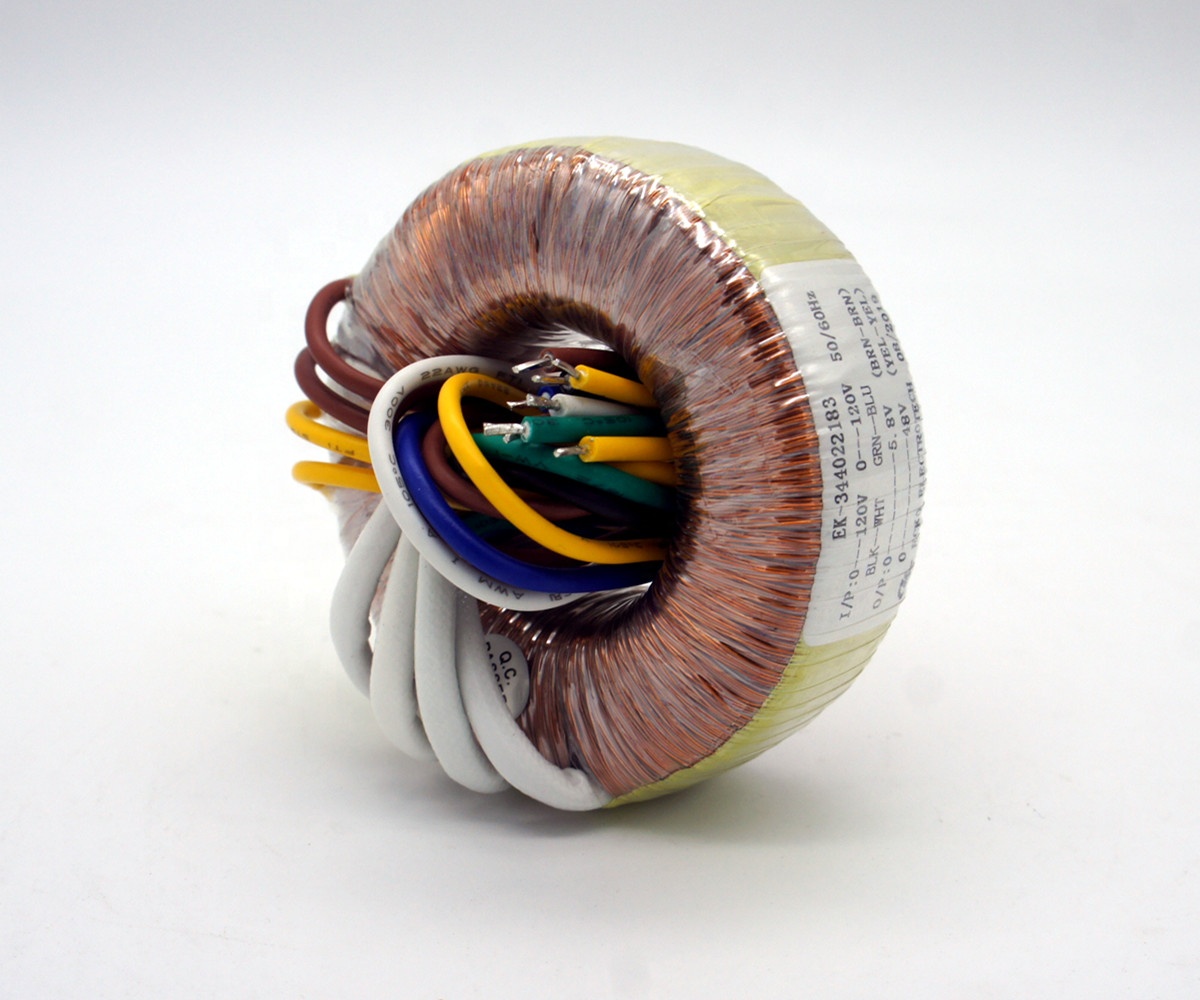
An isolation transformer is a critical electrical device that serves as a protective barrier between power supply sources and sensitive equipment or personnel. The isolation principle of an isolation transformer fundamentally relies on magnetic coupling through an iron core while maintaining electrical isolation between the primary and secondary windings. This complete electrical separation prevents direct current flow between circuits, creating a safety barrier that blocks fault currents, reduces voltage transients, and eliminates ground loop issues. Understanding how an isolation transformer operates is essential for anyone working with industrial power systems, medical equipment, data centers, or any application requiring enhanced electrical safety and clean power delivery.
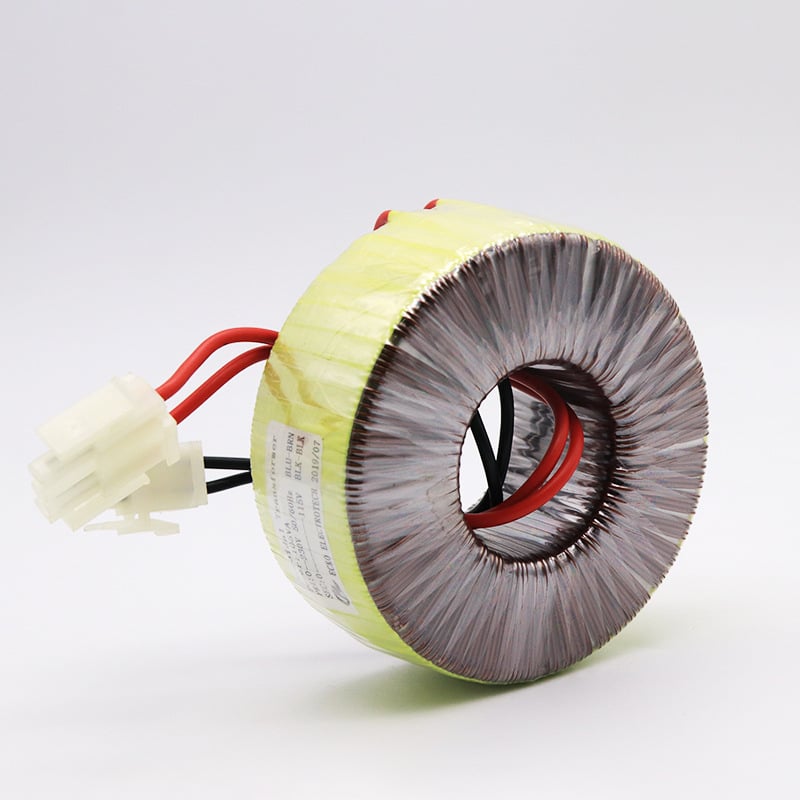
The isolation principle of an isolation transformer distinguishes it from standard step-up or step-down transformers by prioritizing galvanic isolation over voltage conversion alone. While a conventional transformer may provide voltage transformation, an isolation transformer emphasizes the complete electrical decoupling of input and output circuits through its transformer core design. This means an isolation transformer creates a floating output that is electrically independent from ground reference, preventing dangerous fault currents and leakage paths that could otherwise harm equipment or personnel. Industrial facilities, hospitals, laboratories, and manufacturing environments depend on the isolation principle of an isolation transformer to maintain operational continuity and comply with strict electrical safety standards.
Understanding the Core Isolation Principle Mechanism
Magnetic Coupling Without Electrical Connection
The isolation principle of an isolation transformer operates through electromagnetic induction without creating any direct electrical path between primary and secondary circuits. When alternating current flows through the primary winding, it generates a magnetic field that passes through the transformer core. This magnetic field then induces voltage in the secondary winding according to Faraday's law of electromagnetic induction. However, because the windings are physically separate and insulated from one another, the isolation principle of an isolation transformer ensures that no electrons can flow directly from primary to secondary, only energy transfer occurs through the magnetic field. This magnetic coupling mechanism is the foundation that enables an isolation transformer to provide complete galvanic isolation while efficiently transferring power.
Elimination of Common Ground Paths
One of the most important applications of the isolation principle of an isolation transformer is breaking ground loops and eliminating common impedance coupling paths. In industrial environments, ground loops often occur when multiple paths exist between equipment and ground reference, causing unwanted current flow and noise injection into sensitive signals. When you install an isolation transformer in the circuit, the isolation principle of an isolation transformer removes the direct ground connection between input and output sides. The secondary winding floats relative to ground, meaning the output has no mandatory connection to the facility ground reference. This floating condition created by the isolation principle of an isolation transformer allows the output voltage to establish its own reference point, completely preventing ground loop currents from flowing through sensitive instrumentation or control circuits.
Safety Benefits and Electrical Protection
Fault Current Limitation and Personnel Protection
The isolation principle of an isolation transformer provides critical personnel protection in environments where electrical shock hazard exists. If a fault condition develops on the primary side of the circuit, the isolation principle of an isolation transformer acts as a barrier that prevents fault current from flowing through the secondary circuit and reaching grounded personnel. In medical environments, this is why an isolation transformer is standard equipment in operating rooms and critical care units. The isolation principle of an isolation transformer ensures that even if someone in the secondary circuit becomes grounded, the maximum available fault current is strictly limited by the winding impedance rather than the full utility current. This characteristic makes the isolation principle of an isolation transformer essential for protecting human life in sensitive medical and industrial settings where personnel safety is paramount.
Voltage Transient Suppression and Equipment Protection
An isolation transformer leverages its isolation principle to suppress voltage spikes and transient disturbances that originate on the utility side. Lightning strikes, motor starting transients, and switching operations on the primary circuit can generate dangerous voltage spikes. The isolation principle of an isolation transformer naturally attenuates these high-frequency transient events because the magnetic core cannot respond instantaneously to extremely rapid voltage changes. Most transient energy is reflected back toward the source rather than coupling to the secondary circuit. Additionally, the isolation principle of an isolation transformer combined with proper shielding and core design creates an effective barrier against high-frequency noise and electromagnetic interference that degrades equipment performance. This transient suppression capability protects expensive control systems, process automation equipment, and sensitive electronic devices from premature failure.
Industrial Applications and Implementation Considerations
Manufacturing and Process Control Systems
Industrial manufacturing facilities apply the isolation principle of an isolation transformer to power critical process control systems, programmable logic controllers, and sensitive measurement instruments. The isolation principle of an isolation transformer maintains signal integrity in environments where multiple high-power motor drives and switching equipment create substantial electrical noise. When an isolation transformer is installed at the input to control circuits, the isolation principle of an isolation transformer ensures that analog signals, digital communications, and sensor inputs remain clean and accurate despite extreme electromagnetic interference on the factory floor. Many manufacturing standards and equipment specifications explicitly require that an isolation transformer be used to condition power for control systems. The isolation principle of an isolation transformer becomes the difference between reliable operation and chronic instability, product quality variation, or unexplained equipment malfunctions.
Data Center Power Distribution and Redundancy
Data centers deploy the isolation principle of an isolation transformer as part of their uninterruptible power supply infrastructure and distribution architecture. The isolation principle of an isolation transformer provides multiple protective functions in this critical environment. First, an isolation transformer removes ground faults that could cause the entire UPS system to shut down prematurely. Second, the isolation principle of an isolation transformer prevents ground potential differences between separate power paths from affecting server hardware. Third, by applying the isolation principle of an isolation transformer in the distribution path, facility operators can safely work on grounded racks and switch gear without creating dangerous fault paths through equipment. Data center design standards increasingly recognize that an isolation transformer is not optional but rather a required component for maintaining the isolation principle throughout the power distribution network, ensuring uptime and safety simultaneously.
FAQ
How does the isolation principle of an isolation transformer differ from standard voltage transformation?
While a standard step-down transformer focuses primarily on voltage conversion, isolation transformer design emphasizes galvanic isolation as the primary function. An isolation transformer maintains a one-to-one voltage ratio in most configurations, ensuring that the isolation principle of an isolation transformer does not alter voltage magnitude. The secondary output of an isolation transformer floats relative to ground because the isolation principle of an isolation transformer physically and electrically decouples the output from any ground reference. This is fundamentally different from a standard transformer where secondary ground return may remain connected to facility ground. The isolation principle of an isolation transformer makes it suitable for safety-critical applications, while standard transformers serve voltage matching roles in less demanding environments.
Can an isolation transformer eliminate both conducted and radiated noise?
The isolation principle of an isolation transformer effectively addresses conducted noise that travels along power conductors between circuits. By breaking the physical connection between primary and secondary sides, the isolation principle of an isolation transformer prevents ground loop currents and common-mode interference from propagating through the power path. However, the isolation principle of an isolation transformer primarily handles conducted noise coupling; complete radiated noise immunity requires additional shielding and filtering measures. Proper installation of an isolation transformer typically includes Faraday shielding and core material selection to maximize the isolation principle of an isolation transformer's effectiveness against both conducted and radiated interference. Engineers often combine the isolation principle of an isolation transformer with ferrite filters or shielded cabling to achieve optimal noise suppression in extremely noisy environments.
What voltage ratings and power levels are available for isolation transformers?
Industrial isolation transformer designs are available across a wide range of voltage ratings from 120 volts to thousands of volts, depending on specific application requirements. The isolation principle of an isolation transformer remains consistent regardless of voltage level, though high-voltage designs require more robust insulation and core materials. Standard power ratings for industrial use range from a few hundred watts for laboratory instruments up to hundreds of kilowatts for facility-wide power conditioning. Manufacturers engineer the isolation principle of an isolation transformer at each power level to maintain the same fundamental safety and noise rejection characteristics. Selection of an appropriate isolation transformer requires matching both voltage and power specifications to the load requirements, ensuring that the isolation principle of an isolation transformer operates safely within design limits and delivers the required protection and noise suppression.