EN
EN

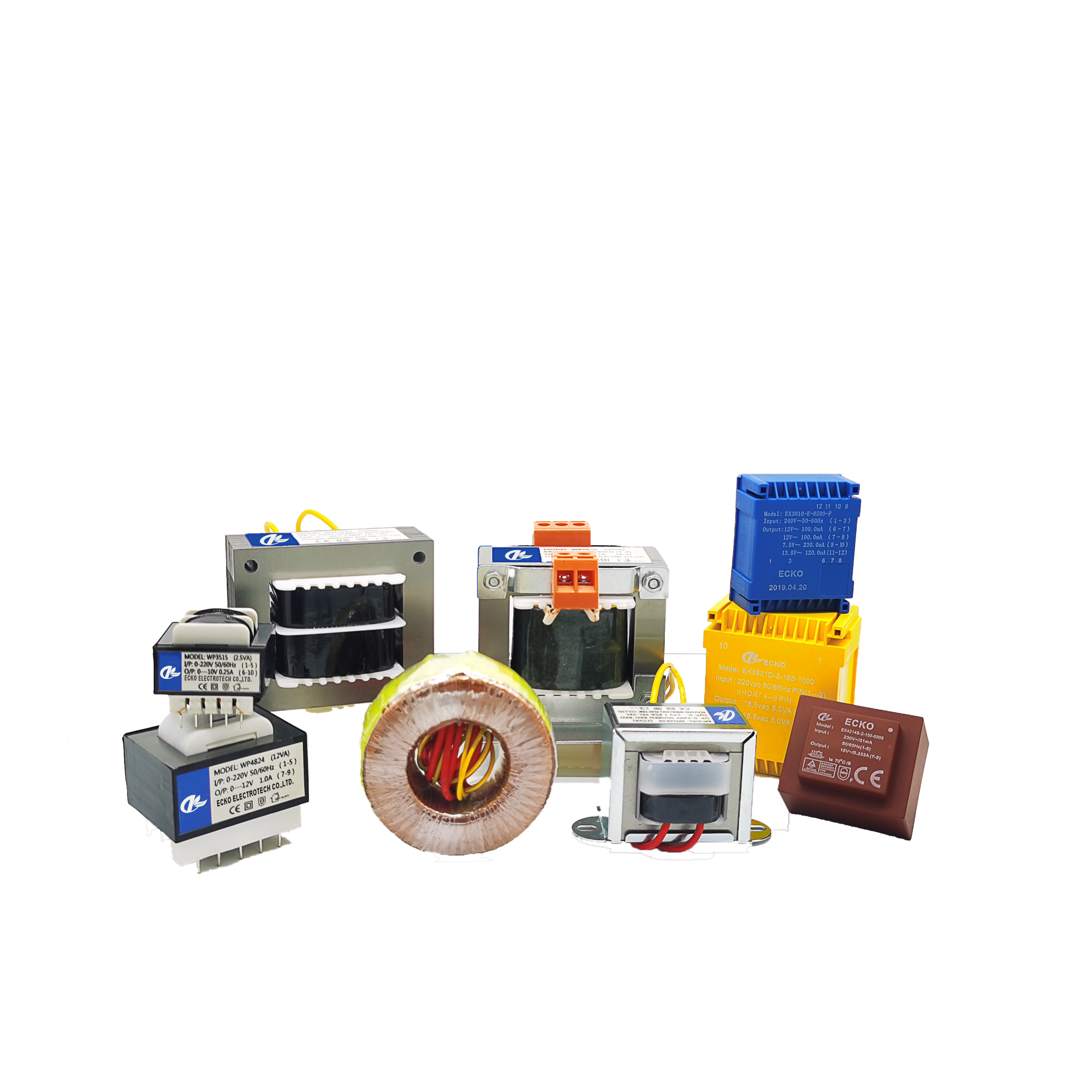
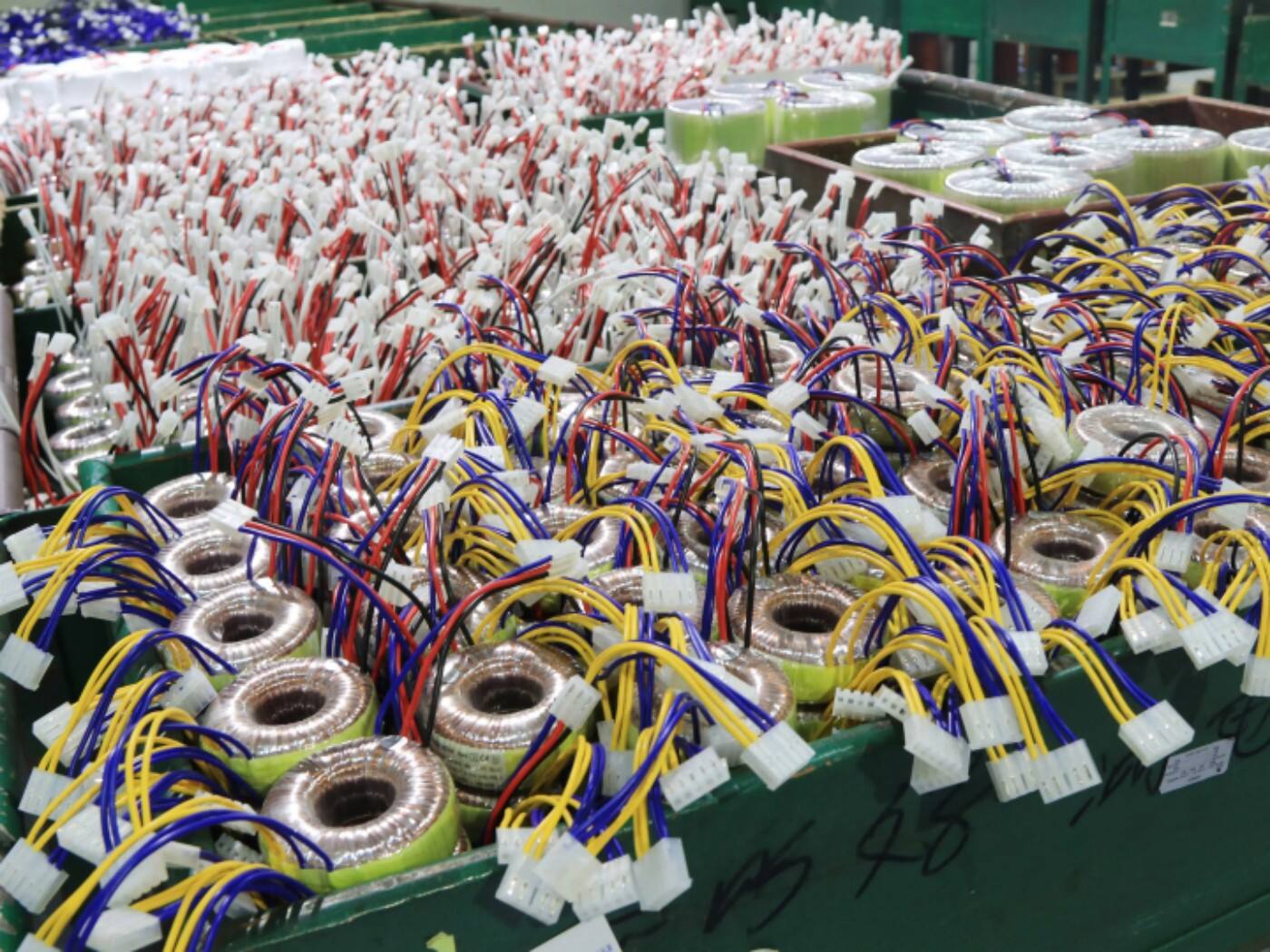
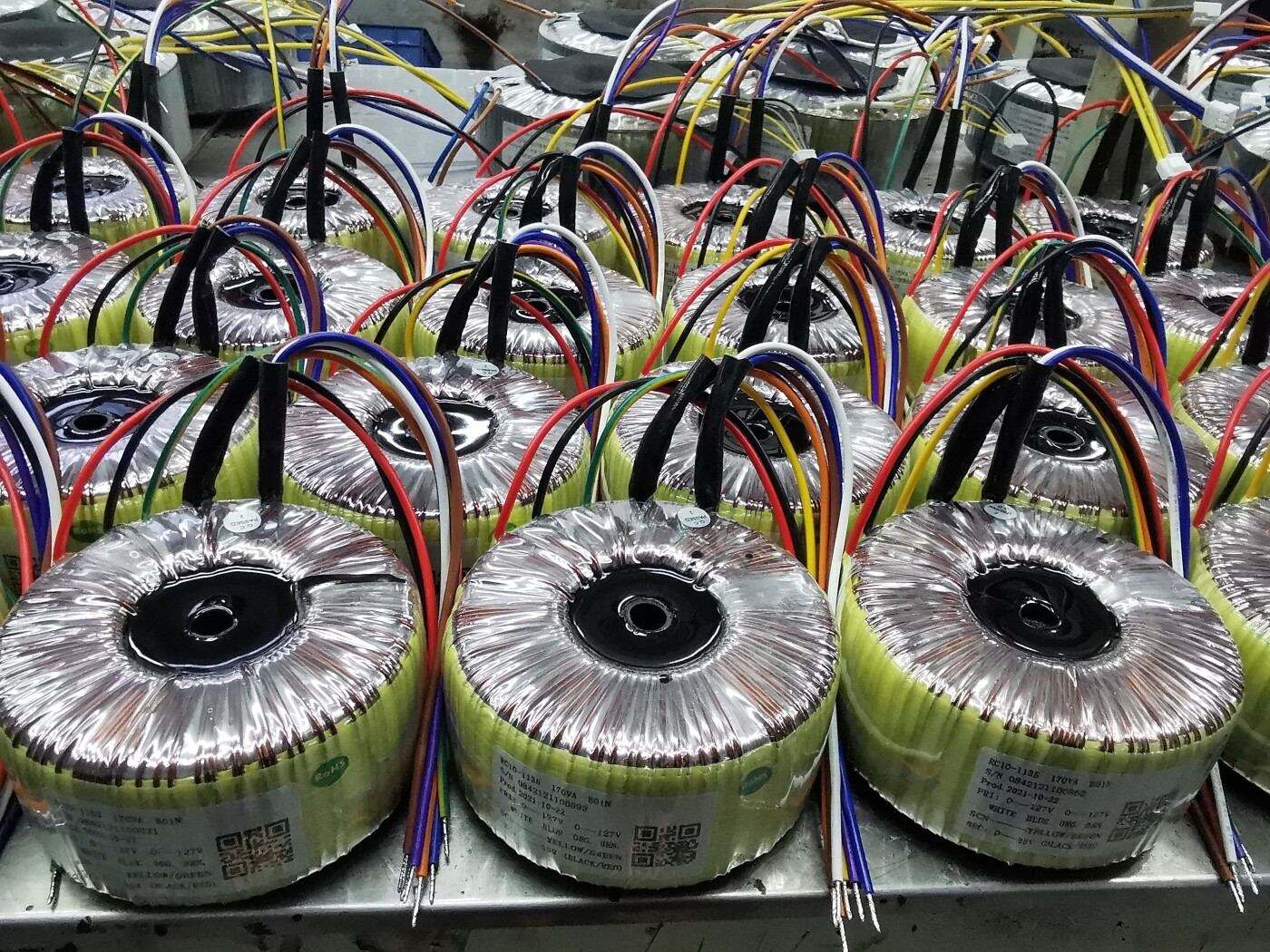
Custom transformers represent a significant advancement in electrical engineering, offering tailored solutions that optimize performance and enhance energy efficiency across diverse industrial applications. Unlike standard off-the-shelf transformers, custom transformers are specifically designed to meet unique operational requirements, voltage specifications, and environmental conditions. These specialized electrical components provide superior performance characteristics while reducing energy losses and operational costs. Modern industries increasingly rely on custom transformers to achieve precise power conversion, improve system reliability, and meet stringent efficiency standards that drive competitive advantage in today's energy-conscious marketplace
Engineering Excellence in Custom Transformer Design
Advanced Core Materials and Construction
The foundation of superior custom transformers lies in the selection and application of advanced core materials that significantly impact performance and efficiency. High-grade silicon steel laminations, amorphous metal cores, and nanocrystalline materials offer reduced core losses and improved magnetic permeability compared to conventional transformer cores. These specialized materials enable custom transformers to achieve efficiency ratings exceeding 98% while maintaining compact form factors. The precise engineering of core geometry, including optimized cross-sectional areas and grain orientation, further enhances magnetic flux distribution and minimizes eddy current losses that traditionally plague standard transformer designs.
Modern custom transformers incorporate sophisticated winding techniques that maximize copper utilization and minimize resistive losses throughout the operational spectrum. Multi-layer winding configurations, optimized conductor cross-sections, and strategic placement of primary and secondary coils contribute to enhanced thermal management and improved power transfer efficiency. The integration of advanced insulation systems, including vacuum-pressure impregnation and specialty resins, ensures long-term reliability while enabling higher power densities that make custom transformers ideal for space-constrained applications across industrial sectors.
Precision Manufacturing and Quality Control
The manufacturing process for custom transformers involves rigorous quality control measures that ensure consistent performance and reliability throughout the product lifecycle. Computer-controlled winding machines achieve precise turn ratios and uniform conductor spacing, while automated testing systems verify electrical parameters, insulation integrity, and thermal performance under various load conditions. These manufacturing innovations enable custom transformers to maintain tight tolerance specifications while delivering predictable performance characteristics that meet or exceed design requirements.
Comprehensive testing protocols validate the performance of custom transformers under real-world operating conditions, including temperature cycling, voltage stress testing, and long-term stability assessments. Advanced diagnostic techniques, such as frequency response analysis and partial discharge testing, identify potential issues before deployment, ensuring that custom transformers deliver optimal performance from initial installation through decades of continuous operation. This meticulous attention to manufacturing quality directly translates to improved system reliability and reduced maintenance requirements in critical industrial applications.
Performance Optimization Through Customization
Tailored Voltage and Current Specifications
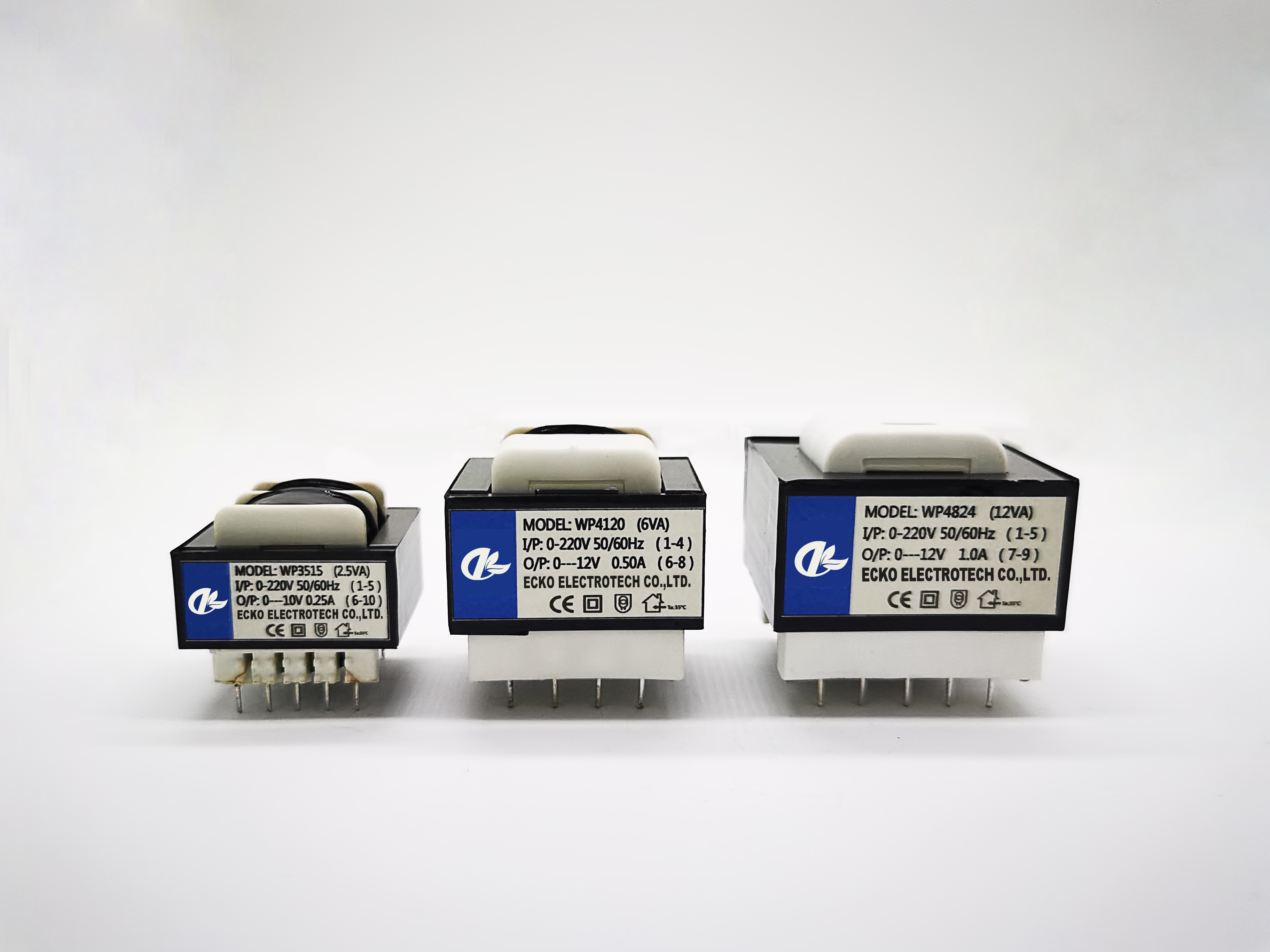
One of the primary advantages of custom transformers is their ability to provide precisely matched voltage and current specifications that optimize system performance across diverse applications. Unlike standard transformers with fixed ratios, custom transformers can be designed with multiple taps, variable ratios, and specialized winding configurations that accommodate specific load requirements and operational parameters. This flexibility enables engineers to achieve optimal power transfer efficiency while maintaining voltage regulation within tight tolerances that enhance equipment performance and extend operational lifespans.
The ability to specify exact turns ratios and impedance characteristics allows custom transformers to minimize losses associated with impedance mismatching and voltage drop compensation. Engineers can optimize primary and secondary winding configurations to match source and load impedances precisely, resulting in maximum power transfer efficiency and reduced harmonic distortion. These customized specifications are particularly valuable in sensitive applications where voltage stability and power quality directly impact process control accuracy and product quality outcomes.
Environmental and Operational Adaptations
Custom transformers excel in challenging environmental conditions through specialized design features that ensure reliable operation across extreme temperature ranges, humidity levels, and atmospheric conditions. Enclosure designs can be tailored for specific environmental protection ratings, including dust-tight sealing, moisture resistance, and corrosion protection that extend operational lifespans in harsh industrial environments. These environmental adaptations enable custom transformers to maintain consistent performance characteristics while reducing maintenance requirements and replacement costs associated with premature failure modes.
Thermal management systems within custom transformers can be optimized for specific duty cycles and ambient conditions, incorporating advanced cooling strategies that maintain optimal operating temperatures while maximizing power handling capabilities. Forced air cooling, liquid cooling systems, and enhanced heat dissipation surfaces can be integrated into custom transformer designs to achieve superior thermal performance compared to standard units. This thermal optimization directly contributes to improved efficiency, extended insulation life, and enhanced reliability in demanding industrial applications where continuous operation is critical.
Energy Efficiency Improvements and Cost Benefits
Reduced Operating Losses and Energy Consumption
The energy efficiency advantages of custom transformers stem from their optimized design parameters that minimize both core losses and copper losses throughout the operational spectrum. Advanced core materials and optimized magnetic circuit designs reduce hysteresis and eddy current losses, while precision-wound conductors minimize resistive losses and improve overall power transfer efficiency. These efficiency improvements typically result in 2-5% reduction in energy consumption compared to standard transformers, translating to significant cost savings over the operational lifetime of industrial equipment and systems.
Load-specific optimization enables custom transformers to maintain high efficiency across varying load conditions, unlike standard transformers that may exhibit reduced efficiency at partial loads. Variable load applications particularly benefit from custom transformer designs that incorporate multiple operating points and optimized impedance characteristics for different load scenarios. This adaptive efficiency performance ensures that custom transformers deliver consistent energy savings regardless of operational variations, maximizing the return on investment while reducing environmental impact through decreased energy consumption.
Long-Term Economic Advantages
The economic benefits of custom transformers extend beyond immediate energy savings to include reduced maintenance costs, extended equipment lifespans, and improved system reliability that minimizes costly downtime events. High-quality materials and precision manufacturing result in custom transformers with extended operational lifespans that often exceed 25-30 years with minimal maintenance requirements. This longevity, combined with improved efficiency and reliability, provides superior total cost of ownership compared to standard transformer solutions that may require more frequent replacement or maintenance interventions.
Custom transformers contribute to overall system optimization by enabling more efficient power distribution architectures and reducing the need for additional power conditioning equipment. The ability to integrate multiple functions within a single custom transformer unit, such as voltage regulation, isolation, and impedance matching, simplifies system designs while reducing component counts and associated failure modes. These system-level benefits often justify the initial investment in custom transformers through improved operational efficiency and reduced complexity in critical industrial applications.
Applications and Industry Benefits
Industrial Process Control Systems
Industrial process control applications benefit significantly from custom transformers that provide precise voltage regulation and electrical isolation required for sensitive instrumentation and control systems. Custom transformers designed for process control applications incorporate low-noise characteristics, excellent voltage regulation, and enhanced isolation properties that ensure accurate signal transmission and reliable operation of critical control components. These specialized units often feature multiple secondary windings with different voltage levels to support diverse instrumentation requirements while maintaining electrical isolation between control circuits and power systems.
The reliability advantages of custom transformers become particularly important in continuous process industries where unexpected downtime can result in significant production losses and safety concerns. Custom transformers designed for these applications incorporate redundant protection features, enhanced insulation systems, and robust construction that ensures continuous operation under varying load conditions. The ability to specify exact performance parameters enables process engineers to optimize control system performance while ensuring long-term reliability in mission-critical applications where failure is not an option.
Renewable Energy and Power Electronics
The renewable energy sector increasingly relies on custom transformers to optimize power conversion efficiency and grid integration for solar, wind, and energy storage systems. Custom transformers for renewable applications must handle variable power flows, maintain high efficiency across wide load ranges, and provide reliable isolation between generation sources and grid connections. These specialized units incorporate advanced materials and designs that minimize losses while providing the flexibility needed to accommodate the dynamic nature of renewable energy generation and storage systems.
Power electronics applications benefit from custom transformers designed to handle high-frequency switching, minimize electromagnetic interference, and provide precise impedance matching for optimal power transfer efficiency. Custom transformers for these applications often feature specialized winding techniques, advanced core materials, and integrated filtering components that enhance system performance while reducing component counts and overall system complexity. The ability to optimize custom transformers for specific switching frequencies and load characteristics results in improved overall system efficiency and reduced electromagnetic compatibility concerns in sensitive electronic environments.
FAQ
What factors should be considered when specifying custom transformers for industrial applications
When specifying custom transformers for industrial applications, several critical factors must be evaluated to ensure optimal performance and reliability. Primary considerations include input and output voltage requirements, power rating and load characteristics, environmental conditions such as temperature range and atmospheric conditions, and specific performance requirements like voltage regulation and efficiency targets. Additionally, physical constraints including mounting requirements, dimensional limitations, and weight restrictions must be addressed during the design phase. Regulatory compliance requirements, including safety standards and electromagnetic compatibility specifications, should also be incorporated into the specification process to ensure seamless integration into existing industrial systems.
How do custom transformers improve energy efficiency compared to standard units
Custom transformers achieve superior energy efficiency through optimized design parameters tailored to specific application requirements. Advanced core materials with lower loss characteristics, precision-wound conductors that minimize resistive losses, and optimized magnetic circuit designs contribute to efficiency improvements of 2-5% compared to standard transformers. Load-specific optimization ensures high efficiency across varying operational conditions, while specialized cooling systems maintain optimal operating temperatures that further enhance efficiency. The ability to eliminate impedance mismatching and optimize turns ratios for specific applications results in maximum power transfer efficiency and reduced harmonic distortion, translating to significant energy cost savings over the operational lifetime.
What are the typical lead times and cost considerations for custom transformer projects
Lead times for custom transformers typically range from 6-16 weeks depending on the complexity of the design, required testing protocols, and manufacturing capacity. Complex designs requiring specialized materials, extensive testing, or unique certifications may extend lead times to 20-24 weeks. Cost considerations include engineering design fees, tooling requirements for specialized manufacturing processes, material costs for advanced core and conductor materials, and comprehensive testing and certification expenses. While initial costs for custom transformers may exceed standard units by 25-75%, the long-term value proposition including improved efficiency, extended lifespan, and reduced maintenance requirements often provides superior total cost of ownership for critical industrial applications.
How do custom transformers contribute to system reliability and maintenance reduction
Custom transformers enhance system reliability through precision engineering that eliminates common failure modes associated with mismatched specifications and suboptimal operating conditions. High-quality materials, advanced insulation systems, and robust construction techniques result in extended operational lifespans often exceeding 25-30 years with minimal maintenance requirements. The ability to optimize designs for specific environmental conditions and duty cycles reduces stress on transformer components, while integrated protection features and diagnostic capabilities enable predictive maintenance strategies that prevent unexpected failures. Custom transformers designed for specific applications typically exhibit failure rates 40-60% lower than standard units operating under similar conditions, contributing to improved overall system reliability and reduced maintenance costs throughout the operational lifetime.
Table of Contents
- Engineering Excellence in Custom Transformer Design
- Performance Optimization Through Customization
- Energy Efficiency Improvements and Cost Benefits
- Applications and Industry Benefits
-
FAQ
- What factors should be considered when specifying custom transformers for industrial applications
- How do custom transformers improve energy efficiency compared to standard units
- What are the typical lead times and cost considerations for custom transformer projects
- How do custom transformers contribute to system reliability and maintenance reduction